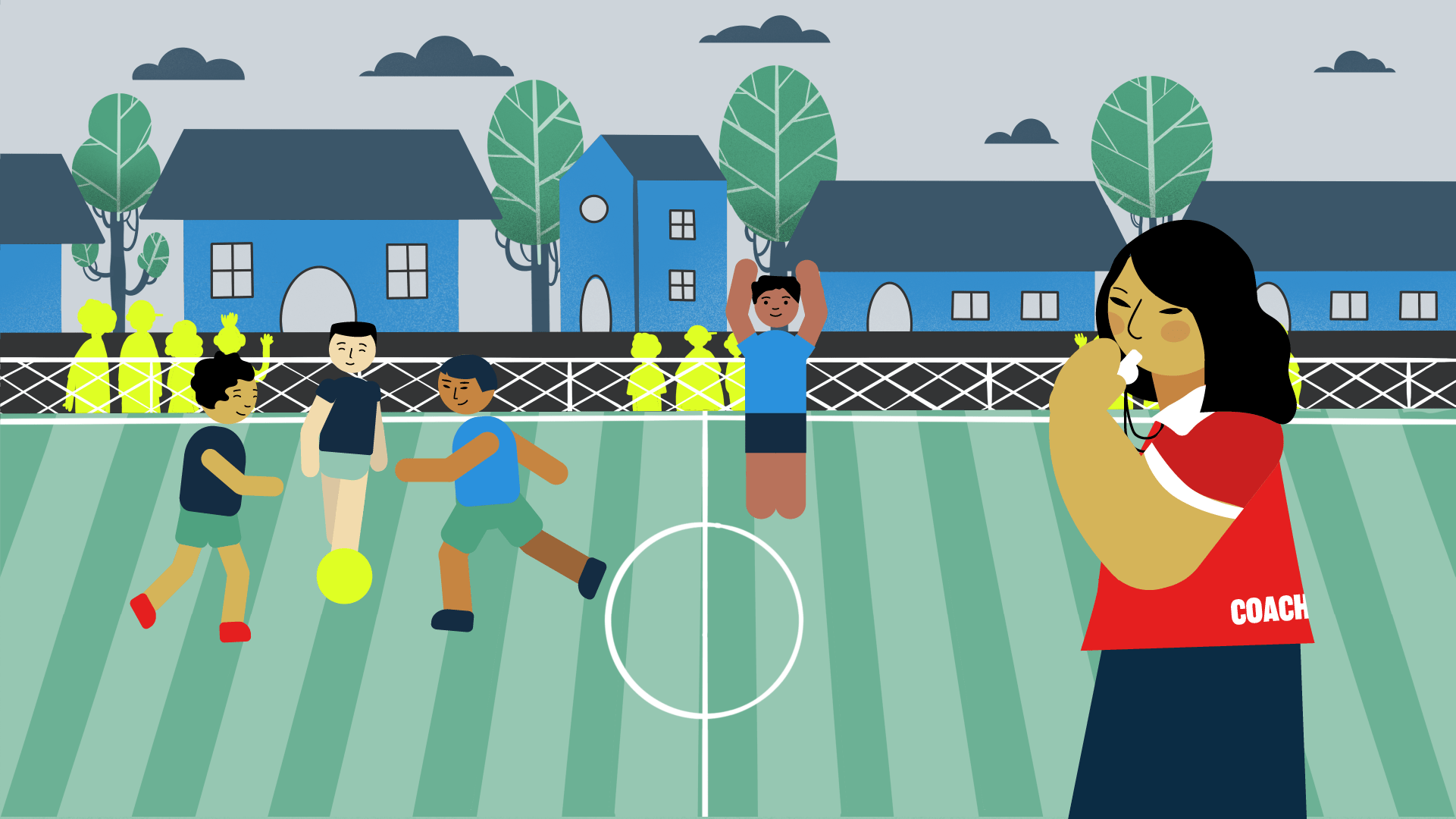
New challenges, new opportunities

Location and general information

Terminé
Location Hungary
Start date 01/01/2021
End date 12/31/2021
Cost of the project €62,920
Foundation funding €50,000
Project identifier 20200820
Partners Oltalom Sport Association
Categories Access to Sport - Conflict victims - Employability - Personal development

Context

In 2020, the world changed in many ways due to COVID-19. Although the virus affects everyone, the most vulnerable groups have suffered the most. Social distancing and isolation have exacerbated existing problems and the social gap between different groups in society has widened. In areas where children have not been able to thrive through digital education, their opportunities have dwindled.

Oltalom Sport Association (OSA) helps vulnerable children in Hungary at risk of exclusion. Some children have had to act as parents to their siblings, meaning that they have lacked the time and energy to focus on their studies. Their physiological, mental and academic development is severely affected, restricting their opportunities in further education and the job market. The children from refugee and migrant backgrounds lack social contact with the host society and feel isolated, and sometimes lack primary carers. In extreme cases, children have been exposed to distressing events at an early age, resulting in acute and posttraumatic stress disorders.

Project content

As a reaction to the deepening social and educational gap, the OSA aims to help children who have lacked parenting and education develop the skills they are missing to lead successful lives. The OSA does not intend to take over the schools’ role in formal education, rather to contribute to the invisible curriculum that is oftentimes missing from the children’s lives.

Objectives

  • Enhance physical and mental well-being.
  • Reduce school dropout.
  • Foster social skills development.
  • Encourage entry and re-entry to primary education.
  • Encourage continuation to secondary education, vocational training or higher education.
  • Promote social inclusion of at-risk groups (e.g. Roma minority, unaccompanied migrants and refugees).

Project activities

  • Regular football training.
  • Active social work.
  • Fair Play Football Roadshows.
  • Youth leader and football3 mediator training.
  • Participation in international tournaments.
  • English and Hungarian language clubs.
  • Female workshops.
  • Employability services.
  • Appreciative inquiry workshop.
  • Scholarship programmes for young leaders and street soccer coaches.
  • Study visit to Slum Soccer India.

Expected results

  • 450 regular football training sessions.
  • Ten female workshops and ten employability workshops.
  • Three football3 mediator training sessions and four young leader training sessions.
  • 150 English classes and 50 Hungarian classes.
  • Scholarship programme for three young leaders.
  • Summer camp.
  • Study visit for three OSA coaches.
  • Scholarship for two coaches from the Slum Soccer India organisation.
  • 500 direct beneficiaries and 660 indirect beneficiaries.

Partner

Football without Borders

Location and general information

Terminé
Location Austria, Vienna
Start date 12/01/2021
End date 12/31/2021
Cost of the project €203,050
Foundation funding €40,550
Project identifier 20200145
Partners Kicken ohne Grenzen
Categories Conflict victims - Employability - Gender Equality

Context

Around 11% of Austria’s 15 to 24-year-olds are not in training or employment. Most have a migrant or refugee background. According to the OECD, almost half of all unemployed young people are ‘inactive’, which means they are not seeking work or being reached via conventional integration measures. Alternative forms of learning, like Kicken ohne Grenzen’s football-based education project, therefore, have a key role to play.

Project content

Kicken ohne Grenzen aims to achieve the long-term and equitable integration of young refugees into society. Over a two-year period, 240 young people (>50% female) improve their social, mental and emotional skills through weekly open football training sessions. Intensive supervision both on and off the pitch allows the project team to evaluate the participants’ skills and interest. This insight helps the project team to organise career taster days and training opportunities as part of the award-winning Job Goals programme.

Objectives

  • Improved social and interpersonal skills, such as concentration, decision-making, self-motivation, and frustration tolerance.
  • Greater self-confidence and stability.
  • Better self-awareness and ability to identity strengths and areas for development.
  • Ability to improve performance.
  • Seamless transition to realistic training or work goals.

Project activities

  • Open football training sessions.
  • Football-based soft-skill training sessions to help the young people apply the skills they have acquired on the football pitch – like motivation, self-reliance, decision-making and teamwork – to their everyday lives.
  • CV writing workshops with external partners.
  • Individual counselling off the pitch (Job Goals programme).
  • Yearly tournament promoting gender equality and fair play.

Expected results

  • 250 open football training sessions across Vienna.
  • 240 participants between 15 and 24 years old.
  • Female participation of at least 40%.
  • Yearly tournament, with at least 300 participants, in which young referees, tournament directors, players and coaches act as role models for active integration.
  • 60 beneficiaries of the Job Goals programme (with a target achievement rate of 96%).

Partner

Mbo Mpenza Challenge

Location and general information

Terminé
Location Belgium
Start date 10/01/2020
End date 06/30/2022
Cost of the project €163,770
Foundation funding €100,000
Project identifier 20200480
Partners Impala Performance ASBL
Categories Access to Sport - Children with disabilities - Conflict victims - Gender Equality - Personal development

Context

Belgium does not currently have a satisfactory strategy to integrate vulnerable young people, particularly refugees, disabled children and institutionalised children. The Mbo Mpenza Challenge project has been working to rectify this for the past three years by using football to promote the sporting values of respect, solidarity and pushing yourself.

Project content

The Association of Francophone Football Clubs will hold selection trials in early 2021 for over 2,000 girls and boys aged 10 and 11 from all backgrounds at the football fields of Decathlon stores. The Mbo Mpenza Challenge project will educate the children about combating racism and provide high-quality coaching focused on integrating every child. All children will be able to take part in these trials thanks to support from children’s institutions, vulnerable children’s coaches and carers of disabled or refugee children.

The 120 children selected will take part in a big one-day tournament involving small individual challenges and a final.


Objectives

The Mbo Mpenza Challenge seeks to educate children at an early age about discrimination and use football to instil the fundamental values of respect, team spirit, fair play and pushing yourself. The challenges are designed to foster team spirit by removing difference-related barriers.

Project activities

  • Training sessions for over 2,000 girls and boys aged 10 and 11 from all backgrounds
  • Small challenges at Decathlon football fields
  • Trials for a one-day tournament
  • Tournament activities: orientation for the children, training by qualified coaches, formation of twelve teams of ten children who have never met before, football challenges, a final in which the winning team will be selected based on criteria including fair play and pushing beyond limits

Expected results

  • Positive experiences will boost the confidence and self-esteem of the children
  • Excellent support will encourage the children to practise sport
  • Difference-related barriers will be removed allowing children from all backgrounds to mix
  • 2,000 children will directly benefit from the project and over 5,000 will benefit indirectly through 500 amateur clubs
  • At least 10% of the beneficiaries will be girls
  • A large number of disadvantaged children will benefit from the project and the club registration fees of the most disadvantaged will be paid for

Partner

RISE – Beyond Goals 2

Location and general information

Terminé
Location Greece, Athens, Thessaloníki
Start date 03/01/2021
End date 08/31/2022
Cost of the project €121,050
Foundation funding €99,260
Project identifier 20200333
Partners ActionAid Hellas
Categories Access to Sport - Conflict victims - Gender Equality - Personal development

Context

Two out of five children in Greece live in low-income households at risk of poverty and social exclusion. The situation is exacerbated by the migration crisis, with 50,000 refugee and migrant children in Greece. These children face numerous challenges, including domestic violence, high levels of school dropout and high levels of stress and depression. They also lack basic resources, educational support, and creative and life-skills education, resulting in fewer opportunities and social exclusion.   

Project content

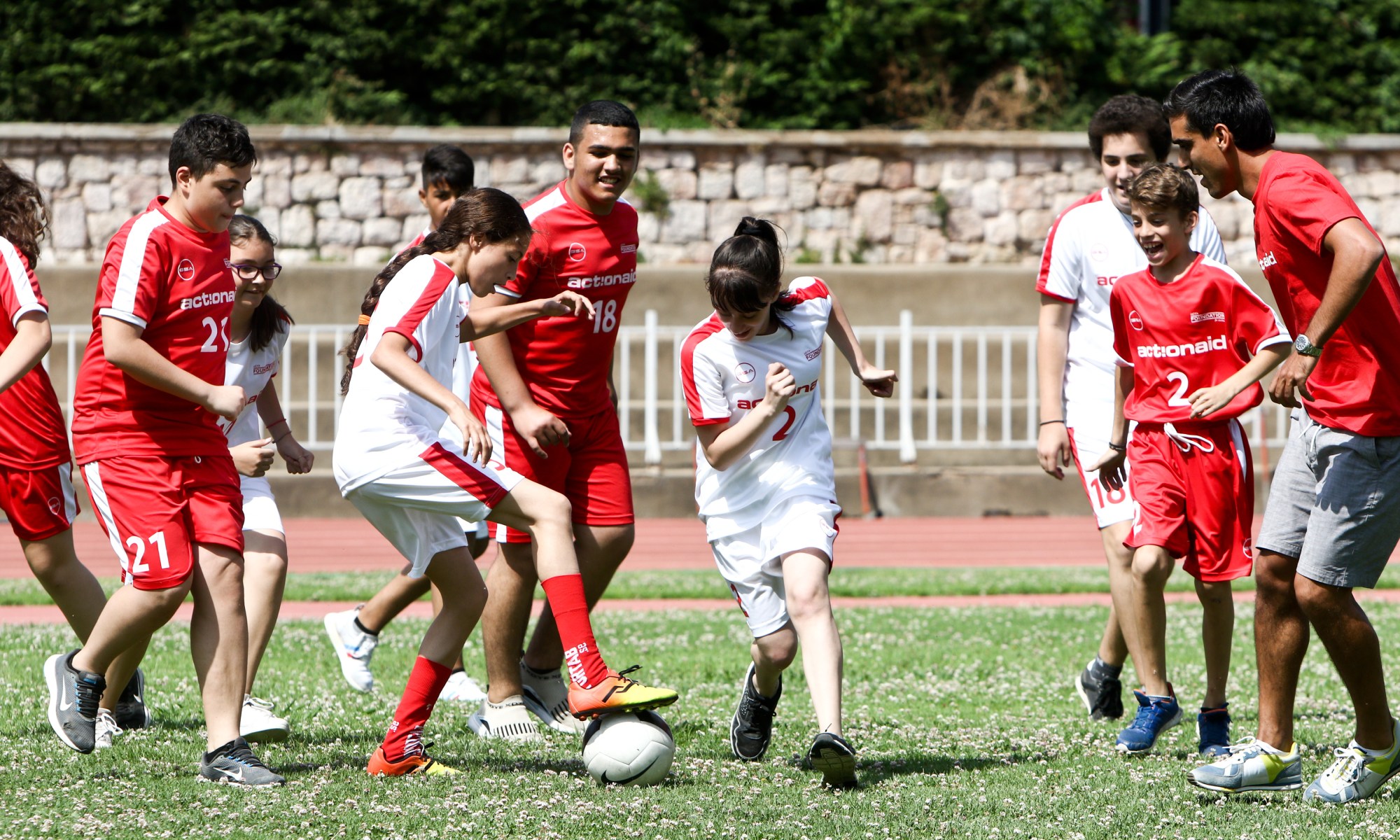
Beyond Goals 2 is the second phase of ActionAid Hellas RISE programme aimed at deepening and scaling up its impact. The programme is led by international football player Dimitris Papadopoulos, who was inspired to create a football-based programme that would provide marginalised children with life values and skills affording them a better life with dignity and greater opportunities to develop themselves and their communities.  

Objectives

RISE's mission is to empower disadvantaged children by providing them with skills and access to opportunities in order to build their resilience and thus the resilience of their communities. This second phase aims to deepen and mainstream RISE’s impact by 

  • developing football and youth club activities in Athens to address youth disengagement, social exclusion and community-building issues; 
  • providing targeted dissemination/capacity building to sports, education and CSO professionals across Greece. 

Project activities

  • Foodball3 training and matches: Access to sports and motivation through positive role models (professional athletes and peers) for marginalised youth
  • National football3 tournament
  • Psychosocial and educational support services
  • Youth civic engagement activities (local youth action groups, capacity building and youth-led civic initiatives)
  • Community-building activities bringing onboard families
  • RISE model transfer workshops (physical and digital)

Expected results

  • 50 disadvantaged children aged 1217 will participate in football activities, receive support and be actively engaged in youth club activities in the long term 
  • 15 children aged 1417 will build leadership skills and act as youth mediators for their peers 
  • Five youth-led local initiatives 
  • Ten schools and 200 representatives from sports clubs, CSOs and schools across Greece will receive informationtraining and support in implementing the RISE model 
  • At least 1,250 children will benefit indirectly from transfer of the RISE model 

Partner

Open Fun Football Schools in Syria

Location and general information

Terminé
Location Syria
Start date 01/01/2021
End date 06/30/2021
Cost of the project €200,000
Foundation funding €200,000
Project identifier 20200868
Partners Cross Culture (CCPA)
Categories Access to Sport - Children with disabilities - Conflict victims - Gender Equality - Personal development

Context

Syria is still one of the worst humanitarian crises in human history, with 6.1 million internally displaced people, including 2.5 million children.

Many families have started to return to their homes and are trying to get back to a ‘normal’ life. However, organised sports activities are still rarely accessible to children.

Project content

The Open Fun Football School initiative has proved to be an excellent tool to mobilise local communities and volunteer coaches in some of the most politically uncertain and conflict-sensitive areas across the world.

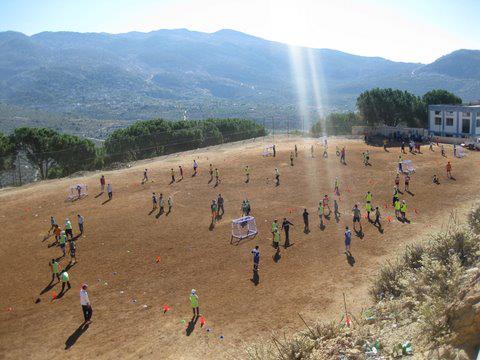
CCPA will use the Open Fun Football School (OFFS) initiative as a tool to enhance peace education, safeguarding and resilience among children and teenagers throughout Syria.

Objectives

The overall objective of Open Fun Football Schools in Syria is to enhance resilience and encourage a culture of peace and non-violence, gender equality, child protection, an appreciation of cultural and social diversity and of culture’s overall contribution to sustainable development.

    1. Mobilise a network of young Syrian leaders and coaches and build their capacity to independently organise Open Fun Football Schools and other community-based fun football activities
    2. Organising Open Fun Football Schools and other fun football activities for children aged 6-12
    3. Anchoring the network in sustainable and community-based clubs that organise day-to-day Open Fun Football School activities throughout Syria

Project activities

Open Fun Football Schools will focus on following areas : Damascus, Aleppo, Homs, Hamah, Latakia, Tartus

  1. Introduction to the CCPA child-centred and community-based approach for eight Open Fun Football School leaders/trainers-of-trainers who will receive training in theory and practice.
  2. 60 hours of Open Fun Football School coaching seminars for 96 coaches to teach them the approach. The seminars will be led by the eight leaders/trainers-of-trainers under the supervision of the CCPA and its associated partners from CCPA Lebanon, CCPA Jordan and CCPA Iraq.
  3. 30 hours of seminars run by the eight leaders for 96 young coaching assistants aged 14–18 to teach them the approach.
  4. Eight six-day Open Fun Football Schools organised by the leaders in cooperation with the trained coaches and coaching assistants for 1,600 children aged 6–12.
  5. One-day fun football festivals organised by the leaders in cooperation with the trained coaches and coaching assistants for a total of 1,600 children (show-ups) aged 6–12.
  6. Three-day seminar for 60 Open Fun Football School leaders and coaches so they can set up football clubs.
  7. Regular fun football training sessions organised by the Open Fun Football School leaders in cooperation with the trained coaches and coaching assistants for a total of 1,000 children.

Expected results

8 Open Fun Football School leaders /trainers-of-trainers

96 Open Fun Football School coaches

96 coaching assistants aged 14–18

  • gender balance: minimum 30% females
  • social balance: minimum 50% refugees/internally displaced persons/socially disadvantaged individuals

3 capacity-building seminars

3,200 children aged 6-12 years in 8 Open Fun Football Schools and Festivals

1 club-formation seminar

60 clubs set up

Partner

Youth in Action

Location and general information

Terminé
Location Northern Ireland and Republic of Ireland
Start date 12/12/2020
End date 12/01/2021
Cost of the project €100,000
Foundation funding €50,000
Project identifier 20200593
Partners Rio Ferdinand Foundation
Categories Access to Sport - Conflict victims - Employability - Personal development

Context

Black, Asian and minority communities across the island of Ireland (both Northern Ireland and the Republic of Ireland) face racism, prejudice and inequality. Young people from minority communities are more likely to live in poverty than their peers, often in insecure housing (including reception centres), and face added language barriers. Families and communities are housed across borders (Britain, Northern Ireland, Republic of Ireland), and face increasing racism – in Northern Ireland alone, 40% of reported hate crime was race related.

Project content

The project’s mission is to tackle racism in Ireland and promote community cohesion and the integration of ethnic minority and migrant communities through sports and education.


Objectives

The programme aims to promote inclusion and friendship and tackle racism and prejudice on the island of Ireland, by working with young people, ethnic minority representative groups and refugees and asylum seekers housed in local communities. Young people will be given the opportunity to share experiences, cultural values and interests. Education programmes will use football and football culture as a pathway to explore the themes of race and racism.

Project activities

  • Delivering sports and educational activities that give people shared experiences and engage them in dialogue on solutions to racism, xenophobia and prejudice.
  • Delivering inclusive sports activities that create community cohesion.
  • Delivering education programmes that explore the themes of race, racism and prejudice
  • Training community role models and actors to deliver social action projects
  • Capacity building of ethnic minority and refugee groups to deliver services and engage with government agencies and civic society
  • Building a network of local community actors and organisations that will embed the approach in communities
  • Sharing best practices and building an ongoing support network across Ireland and the UK.

Expected results

  • Improved awareness of racism and racist behaviour.
  • Improved cohesion and integration of ethnic minority and refugee groups into communities.
  • Trained actors from across the community delivering social action projects and a shared methodology throughout the island of Ireland.
  • Greater skills in ethnic minority led organisations to deliver services and engage with civic society.
  • A support network across Ireland to advocate and lead on this agenda on a local and regional scale.

Partner

Football versus Discrimination

Location and general information

Terminé
Location Republic of Ireland
Start date 12/01/2020
End date 03/31/2023
Cost of the project €212,000
Foundation funding €110,000
Project identifier 20201607
Partners Sport Against Racism Ireland (SARI)
Categories Access to Sport - Conflict victims - Gender Equality - Personal development

Context

Recently, Ireland has been under international scrutiny for falling short of its human rights commitments to tackle racial discrimination. Sport Against Racism Ireland (SARI) programmes give children from diverse ethnic minority and indigenous Irish backgrounds the opportunity to take part in physical activity, meet people from different cultures and learn about human rights and racism.

Project content

SARI coaches – both male and female and from diverse ethnic backgrounds – will visit primary schools across Ireland to deliver anti-discrimination workshops to pupils. The workshops, lasting 60–75 minutes, gather children on the sports field or in the playground to play football, boost their health and fitness and develop ball skills, while considering and challenging all forms of discrimination, including racism, sexism and homophobia. The idea is for the children to take what they have learnt on the pitch, such as teamwork, respect, commitment and cooperation, and apply it off the pitch.

Objectives

  • Increase mutual understanding between children and young people from diverse ethnic backgrounds.
  • Help combat racism and xenophobia.
  • Promote the integration of immigrants into Irish schools and society.
  • Promote the involvement of immigrants in sport, volunteering and cultural activities.
  • Promote gender equality in sport and society.
  • Educate children about Human Rights.

Project activities

  • Role playing games for the children to understand and experience how it feels to be discriminated against.
  • Fair play football designed so that the players take responsibility for their own actions: there are no referees and the players are encouraged to resolve disagreements amongst themselves through dialogue.
  • An in-class questionnaire for the children about what they have learnt and their attitudes towards all forms of discrimination.

Expected results

SARI aims to deliver the workshop to over 10,000 children across the 26 counties of the Republic of Ireland.

Partner

Hapoel Katamon’s Neighbourhoods League

Location and general information

Terminé
Location Israel, Jerusalem
Start date 01/01/2021
End date 12/31/2021
Cost of the project €304,000
Foundation funding €100,000
Project identifier 20200349
Partners Hapoel Katamon Jerusalem FC
Categories Access to Sport - Conflict victims - Gender Equality - Personal development

Context

The poorest city in Israel, Jerusalem is a microcosm of the Israeli-Palestinian conflict, with hardly any positive contact between the two populations. Arab children in Jerusalem desperately need improved formal and informal education, including leisure time and proper facilities. Most Jewish children taking part in the programme also come from poor neighbourhoods. Hapoel Katamon Jerusalem FC (HKJFC) shows the marginalised Jewish and Arab children from the east and west of the city a different reality that radiates potency, professionalism, optimism, joy and hope.

Project content

The Neighbourhoods League consists of football teams in schools across Jerusalem. HKJFC strongly emphases the inclusion of all children from all backgrounds and the creation of equal opportunity for all. Any school wishing to enrol its boys' team in the Neighbourhoods League is required to set up a girls' team as well.

Objectives

  • Bring children from different religions, nationalities and backgrounds together.
    in order to break down walls and stigmas.
  • Use football to promote values such as tolerance, anti-violence, anti-racism and female empowerment.
  • Give children from underprivileged backgrounds a better education and high-quality sports activities.
  • Promote women’s football in Jerusalem.

Project activities

Learning centres in schools: The Neighbourhood League holds learning sessions each week before practice. The learning centre staff and volunteers help the children with their studies. The centre also provides social activities so the children can learn to work better as a group, become friends and overcome problems that occur during practice.

Football training: Two football practices for children aged 9–14 are held each week during the school year. Here the children can play organised football, learn skills, improve their fitness and develop their social skills. There are no try-outs: all children are welcome to take part.

Tournaments: All the girls' teams and all the boys’ teams take part in monthly tournaments in mixed teams, bringing children together from a variety of backgrounds, cultures, and religions. Games are played simultaneously and have no referees – it is up to the players to solve their arguments and differences by themselves.

Expected results

  • 750 children, 30 coaches, 20 volunteers and 10 tutors trained in conflict mitigation and management.
  • Creation of a ‘bubble’ of non-conflict that will radiate out to the community at large.
  • Enabling young people to take part in a positive and meaningful activity, regardless of their ability to pay.
  • Increased dialogue through football and education.
  • Girls in Jerusalem empowered to play football.

Partner

Football for Unity

Location and general information

Terminé
Location Denmark; Germany; Hungary; Italy; Ireland; Netherlands, United Kingdom
Start date 01/01/2020
End date 08/31/2021
Cost of the project €669,092
Foundation funding €69,100
Project identifier EURO2020_1
Partners European Union’s Asylum, Migration and Integration Fund; streetfootballworld gGmbH; European Football for Development Network
Categories Access to Sport - Conflict victims - Personal development - Sponsors

Context

Factors such as cultural differences, language barriers and social stigmas can make it difficult for third-country nationals (migrants from non-EU countries) to integrate into their new European societies.

Over the past decade, the potential of sport has become increasingly recognised by the EU, with the Council of the European Union observing that “sport is a powerful social tool in many areas such as addressing increasing migrant populations, combating social exclusion or increasing solidarity between generations”. Sporting values, such as teamwork, respect, diversity, equality of opportunity and fair play, are equally European values.

UEFA EURO 2020 is the ideal opportunity to educate the European public about the social inclusion of third-country nationals. It is an occasion to celebrate unity in diversity, break down barriers to social inclusion, transform lives and inspire communities. Co-funded by the European Commission’s Asylum, Migration and Integration Fund (AMIF) and coordinated by streetfootballworld, the Football for Unity project will utilise the tournament to promote a positive image of migration and help create strong incentives that will lead to a more constructive discourse on migration within European host communities.

Project content

Football for Unity will enable pan-European collaboration, cross-border exchange and peer-to-peer learning to help unite and develop the capacities of relevant European stakeholders, eager to improve their sport-based social inclusion programmes to produce more positive outcomes for third-country nationals in their local communities.

The aim is to unite and capacitate local stakeholder groups to plan, organise and implement their own local legacy sport programmes and impactful events in the context of UEFA EURO 2020. The project will bring together young third-country nationals and young Europeans in seven European capital cities in a series of local football-based programmes, youth forums, integration activities and football for inclusion tournaments (utilising methodologies such as football3) that will demonstrate football’s unique ability to promote equality and social inclusion. The young participants will be able to interact, learn from one another, acquire life skills and become agents of change and community building.

Objectives

  • Use UEFA EURO 2020 to bring football as a powerful tool for the social inclusion of third-country nationals to the attention of the wider European public
  • Build the capacity of local stakeholder groups to collaboratively organise seven awareness-raising festivals (five larger festivals and two smaller festivals) during UEFA EURO 2020 in seven strategic locations:
    1. Netherlands, Amsterdam with Johan Cruyff Foundation
    2. Germany, Munich with KICKFAIR
    3. Hungary, Budapest with Oltalom Sports Association
    4. Ireland, Dublin with Sports Against Racism Ireland
    5. United Kingdom, London with Street Child United
    6. Italy, Rome with Liberi Nantes ASD
    7. Denmark, Copenhagen with FC Nordsjælland
  • Sustainably improve the social inclusion outcomes of young third-country nationals in UEFA EURO 2020 host cities via opportunities for active participation, exchange and non-formal learning
  • Ensure maximum impact and sustainability of the multi-stakeholder collaborative approach beyond UEFA EURO 2020

Project activities

Local stakeholder groups will be created in each of the seven UEFA EURO 2020 host cities to organise the festivals. Each group will be comprised of local partners, such as civil society organisations, public authorities, football industry actors and local social inclusion experts.

The groups will organise legacy sports programmes with low barriers to entry to ensure sports activities aimed at the social inclusion of young third-country nationals continue after the UEFA EURO 2020 awareness-raising festivals.

They will also create action plans to ensure joint integration activities continue so that third-country nationals are actively given the opportunity to participate in society.

They will create an action plan for the continuation and sustainability of the multi-stakeholder cooperation and continue to implement integration activities, actively supporting their participation in society and aiding community building on the local level.

Expected results

  • Festivals will raise awareness about social inclusion of third-country nationals in seven EURO 2020 host countries
  • Local stakeholder groups (comprised of civil society organisations, public authorities, football industry actors, local experts on the topic of social inclusion) develop and implement joint activities at a local or regional level
  • Third-country nationals will take part in integration activities through which they will acquire life skills (communication, conflict resolution, leadership and intercultural knowledge) and become promoters of European values on and off the pitch
  • Local stakeholder groups will develop and implement joint activities and create action plans for utilising football as a tool for social inclusion

Partners

Sport for inclusion: football against racism

Location and general information

Closed
Location Algeria, Morocco and Tunisia
Start date 11/06/2020
End date 11/06/2022
Cost of the project € 199,662
Foundation funding €more than 50% financed by the Foundation for Children
Project identifier 2019519
Partners International Organization for Migration (IOM)
Categories Access to Sport - Conflict victims - Personal development

Context

In 2020, it was estimated that 60,145 people had migrated to Tunisia for a broad variety of reasons. Some of them are faced with racial discrimination from the local populations. Fuelled by prejudice and stereotypes about the migrants’ origins and status, this discrimination aggravates various types of social exclusion that can have a serious impact on their lives, such as ghettoisation, physical violence and human rights violations. The social exclusion of migrants also has a negative effect on host societies, in that it breaks down social cohesion, increases violence, gives rise to political and social instability, and results in the underemployment of migrant workers.


Project content

The IOM’s project is intended to resolve or alleviate various harmful effects of a lack of social cohesion between migrant groups and the host community. These effects are easy to spot: tensions between the communities, a lack of migrant access to grassroots or professional sport, no sports opportunities for migrant women, a lack of sports activities for children in vulnerable neighbourhoods, and discriminatory practices in both grassroots and professional football.

Rather than restricting the project to isolated events aimed at encouraging a collective spirit, the intention is to emphasise the need for sports programmes that involve both target groups and establish a feeling of integration (familiarity) beyond mere tolerance (forced acceptance).

Objectives

The IOM will run sports activities aimed at bringing the public and private sectors together to fight against the discrimination and marginalisation of migrants and ultimately  integrate them into Tunisian society.

The project comprises four parts: (1) creating or renovating football pitches or sports grounds; (2) sports equipment for vulnerable communities; (3) coach education in inclusion and non-discrimination; (4) encouragement to include migrants in leagues and tournaments.

Project activities

The following activities are to be carried out from August 2021 to November 2022:

  • Training for football instructors
  • Seminar on social inclusion and anti-racism for coaches, referees and sports journalists
  • Women’s football tournament
  • Men’s football tournament
  • Children’s sports days
  • Women’s sports days
  • Sports equipment supplied to amateur football clubs

Expected results

The following results are expected:

  • Four equipped sports grounds for use by migrants and locals
  • 60 instructors trained to teach football to 400 Tunisian and migrant children
  • Introductory sports activities for more than 100 Tunisian and migrant women
  • Support for four grassroots tournaments involving more than 400 Tunisians and migrants
  • Educating more than 80 coaches, referees and sports journalists in anti-racism
  • Two grassroots football tournaments (one men’s and one women’s) involving Tunisians and migrants, to promote social cohesion

Partner

Living Together – Türkiye

Location and general information

Terminé
Location Şanlıurfa, Izmir, Türkiye
Start date 06/15/2020
End date 12/31/2021
Cost of the project €377,234
Foundation funding €367,234
Project identifier 2019024
Partners Turkish Football Federation, Bonyan Organisation, Tiafi Community Center
Categories Access to Sport - Conflict victims

Context

Türkiye has taken important steps to integrate more than 3.6 million Syrian refugees. But the youth population – which represents at least half of that number – presents special challenges that have received insufficient attention. Syrian youth displaced to Türkiye face enormous difficulties. Too many are not in school. Most are coping with anger, trauma and loss. Failure to meet the needs of this population today could feed tensions for years to come.

Şanlıurfa, is a case in point. The province’s original two million inhabitants already faced high levels of poverty, wide educational gaps and severe unemployment. Now, with over 450,000 Syrians, most of them young and traumatised, Şanlıurfa is unable to provide sufficient jobs, bring children to schools, and ensure social cohesion. So, promoting peaceful relations between Turkish and Syrian youngsters is a valuable investment for the future of both communities.

To that end, football and other sports can play an important role in alleviating the pain of those who have been displaced by conflicts, especially children. They are at risk every day, so it is important to provide them with a safe environment and organise activities that keep them busy, teach them life skills and build their resilience through football, while also ensuring they have the opportunity to stay children, play and enjoy pleasant moments.

Project content

The project targets several different groups and addresses their specific needs. As mentioned above, Şanlıurfa has a very young population and the city lacks recreational facilities for children and teenagers. The renovated school playgrounds will fill this important gap both for the children attending the schools and those living in the vicinity, for many years to come.

Secondly, under the project, physical education teachers in 100 schools in Şanlıurfa will be trained how to utilise sports and football as a tool for peace, integration and ultimately lasting social impact. This will lead to a whole new concept of physical education classes and potentially turn it into one of the cornerstones of social integration between Turkish and Syrian youngsters, while making teachers agents of change.

More specifically, the project will bring Turkish and Syrian boys and girls from disadvantaged backgrounds together for three football tournaments. These will be played in accordance with the football3 methodology, which promotes healthy competition among players and focuses on the acquisition of communication and problem-solving skills.

The project will also benefit male and female teenagers, as they will be involved as volunteers, coaches and mediators. Before their full involvement in the project, the volunteers will be trained to build human capacity and develop their skills and confidence so that they can also put these skills to good use in their own communities and projects.

Finally, the project will engage with parents, who are also a target group of the project. Through information sessions on the sidelines, the project will aim to increase parents’ awareness of the importance of good parenting and education for the well-being of their children.

Objectives

The project’s overall goal is to use football as a tool for building peaceful coexistence between children while refurbishing infrastructure at schools in Şanlıurfa.

Specific objectives

  • Provide vulnerable Turkish and Syrian children with increased regular access to sports facilities and create opportunities to interact in a more meaningful way;
  • Promote life skills for children and teenagers, including leadership, conflict resolution, teamwork and communication;
  • Increase the ability of physical education teachers to adopt the football3 mentality in their classwork;
  • Promote positive life outcomes for participating children including increased educational attainment, enhanced social cohesion, prevention of crime and radicalisation;
  • Empower youngsters to make them role models and engaged citizens.

Project activities

The project has five main components:

  • Renovation of school playgrounds

Pitches at ten schools in the three central districts of Şanlıurfa will be renovated so that children, whether attending the schools or simply living in the area, can benefit from these facilities and engage in sports activities that will promote peaceful coexistence and improve their life skills.

  • PE teacher training

Turkish and Syrian PE teachers will be trained in social cohesion activities that can be integrated into their classwork. The project will target 100 schools, with an average of two Turkish and one Syrian PE teachers involved the training. In total, 300 teachers will be trained in 12 sessions (25 teachers for each session). Training for Syrian teachers may be held separately.

The schools will also be provided with PE materials, the football3 guidelines and training kits so that in all schools the activities can be carried out during PE classes in line with the football3 approach.

  • Volunteer/mediator training

Mediators play a key role in successfully running the tournament component of the project. They prepare and facilitate football3 sessions, mediate any conflicts arising between the teams, and act as positive role models for the children. It is therefore important to train mediators who can explain football3 to players.

  • Football3 tournament

Three leagues will be set up. The first league is for 7–10 year-old boys, the second for 11–14 year-old boys, and the last for 9–13 year-old girls. All teams will involve both Turkish and Syrian students. They can be any children in Şanlıurfa, but priority will be given to more vulnerable ones: out of school, engaged in child labour, subject to bullying, etc. Each league will comprise 36 teams of six players. A total of 72 games will be played in each league to declare the champion.

  • Parent and caregiver sessions

These sessions may be held concurrently with the football games or separately. The purpose is to raise awareness of education, promote social cohesion, and introduce good parenting practices.

Expected results

  • Pitches will be refurbished at 10 schools in the three central districts of Şanlıurfa.
  • 100 schools will benefit from the football programme.
  • 300 teachers will be trained.
  • PE materials, football3 guidelines and training kits will be distributed to the 100 schools selected.
  • Three leagues will be set up.
  • Three sessions will be held for parents, to raise awareness of education, promote social cohesion, and introduce good parenting practices.

Partners

A safe space for displaced Yazidi youth

Location and general information

Closed
Location Sharya, Duhok Governorate, Iraq
Start date 01/01/2020
End date 12/31/2020
Cost of the project €619,085
Foundation funding €120,000
Project identifier 2019558
Partners Jesuit Refugee Service Iraq
Categories Conflict victims - Personal development

Context

Over 4 million people in Iraq are in need of humanitarian assistance due to decades of conflict, widespread violence and displacement brought about by the self-proclaimed Islamic State (ISIS), endemic corruption, and ongoing political instability. According to the United Nations, 1.46 million people – 46% children under the age of 18 – are in acute need and face “critical problems related to their physical or mental wellbeing”. Although more than four million of the six million displaced by post-2014 conflict have been able to return to their areas of origin, families returning to conflict-affected areas face restricted access to basic services and security risks. They must contend with destroyed properties and critical infrastructure, as well as a lack of livelihood opportunities and financial resources. In some instances, this has led to secondary displacement.

Over 1.4 million people continue to be displaced, including hundreds of thousands of Ezidi (commonly referred to as Yazidi) survivors of the August 2014 genocide in Sinjar in their sixth year of displacement in the Duhok governorate of the Kurdistan Region of Iraq. At the end of 2019, the displaced population in Duhok stood at 319,584, the highest number in Iraq after Ninewa[1]. In addition, the governorate hosts upward of 80,000 Syrian refugees.[2] Fewer than half of Duhok’s internally displaced persons (IDPs) live in one of the seventeen IDP camps in the governorate.[3] The majority live in a variety of out-of-camp settings, ranging from rented accommodation to unfinished buildings and  improvised dwellings, such as tents. Out-of-camp IDPs living in critical shelter are the most numerous vulnerable group.[4]

Although urban centres such as Duhok city and Zakho have a greater mix of ethnic and religious groups all fleeing conflict, the vast majority of remaining in-camp and out-of-camp IDPs in the Duhok governorate are Ezidi genocide survivors from the Sinjar district of Ninewa governorate. To date, Sharya town (also referred to as Sharya Collective) and the surrounding villages hold the largest out-of-camp population of IDPs (23,940) anywhere in Duhok governorate and one of the highest concentrations nationwide.[5]

[1] International Organization for Migration (IOM), Data Tracking Matrix DTM) Iraq, 31 December 2019, available at http://iraqdtm.iom.int.

[2] See Registered IDPs and Refugees in Kurdistan Region – Iraq for January 2019, available at http://jcc.gov.krd/contents/reports/19-02-2019/1550569468.Total%20No.%20IDPs%20%20Refugees%20for%20January%20in%20Kurdistan%20Region.pdf.

[3] See Kurdistan Region of Iraq, Ministry of Interior, Humanitarian Situational Report (SitRep), No. (2-20) for February 2020. Available at:  http://jcc.gov.krd/contents/files/25-02-2020/1582612800.Humanitarian%20Situational%20Report%20(2-20)%20for%20February%20%20Kurdistan%20Region%20of%20Iraq.pdf.

[4] See UN-OCHA, Iraq Humanitarian Needs Overview (HNO) 2020, available at https://reliefweb.int/report/iraq/iraq-humanitarian-needs-overview-2020-november-2019-enarku

[5] International Organization for Migration (IOM), Data Tracking Matrix DTM) Iraq, 31 December 2019. Available at http://iraqdtm.iom.int/

Project content

In addition to its specific programme activities, the Jesuit Refugee Service Iraq adopts a multi-layered unified project model that promotes mutual understanding, social cohesion, and peace.

The various project modules and programmes will be complemented by the construction of a fenced multi-purpose sports ground and an annex with facilities and equipment. The complex will provide safe and supervised sports and recreational activities for children, teenagers and young adults from both IDP and host communities. It will promote integration and enable young people from this minority population to develop social skills, fundamental personal and community values, and team spirit. Sports will promote the physical and mental wellbeing of young people in protracted displacement, improve social cohesion, and facilitate conflict management. The sports ground will provide a much-needed facility and safe space to help them engage in positive, healthy activities and boost their overall wellbeing, as well as prevent self-harm linked to a sense of no future prospects.

The Jesuit Refugee Service Iraq’s educational activities, community outreach, and MHPSS services will dovetail with targeted awareness sessions and the thorough work of Jesuit Refugee Service family visitors. The sports ground and adjoining facilities represent a combined response to the need to heal the deeply embedded trauma in both the personal and collective psyche of the Ezidi population.

Objectives

  1. To enhance the psychosocial wellbeing of IDPs facing protracted displacement and improve their access to services, emergency assistance, and protection networks
  2. To support the right to education of children and young people in protracted displacement by providing access to quality education and psychosocial support
  3. To enhance the resilience of IDPs and improve knowledge through access to safe spaces, adult education, and awareness activities

Project activities

JRS projects and programmes in Sharya pay special attention to the well-being of traumatised child, teenage, and young adult genocide survivors as an at-risk category of IDPs. The proposed sports ground and ancillary facilities will enhance JRS’ capacity to serve the affected population proactively and holistically. Out-of-camp IDP children, teenagers, and young adults will benefit from access to a sports ground that better enables them to engage in positive and healthy recreational activities. JRS’ multi-layered intervention includes:

  • Systematic support for genocide survivors in protracted displacement from the family visit teams; provision of core assistance, including cash-based and in-kind assistance, food and non-food items; specialised psychological and psychiatric care, as well as psychiatric medication, for the most vulnerable families and individuals
  • A multi-sectoral education programme consisting of tutoring classes for 540 young people aged 12, 15, and 18 years during the school year; a summer programme for 140 children and teenagers, which includes drama, handicrafts, awareness sessions on relevant topics, and recreational activities; a licenced kindergarten for 220 children aged 4–5 years, in two shifts; training for teachers, including intensive training leading to a university diploma, as well as seminars on child safeguarding and psychological first aid
  • Adult education and skills training courses that enhance IDPs’ income generation and employment opportunities and complementary protection activities to contribute to an improved sense of well-being; awareness sessions on topics such as health, hygiene, stress management, and parenting skills, which enable IDPs to better cope with the experience of protracted displacement
  • A legal service to enable undocumented genocide survivors to obtain civil documentation
  • A twice-weekly primary healthcare service hosted by the JRS Community Centre in Sharya in collaboration with a partner organisation
  • Protection, mainstreamed in all programmes
  • A range of transportation solutions to enable the population served to access the various services listed above

Expected results

The proposed multi-purpose sports ground and facilities build on best practice and lessons learned from an earlier JRS project in Ozal City, Kasnazan (2015–2018). The JRS Community Centre in Ozal City comprised a sports ground that became a magnet for hundreds of children and young people from over 2,000 displaced families of diverse ethnic, religious, and social backgrounds. During school hours, the sports ground was an integral part of an organised education programme (for children aged 4–18 years) that supplemented the scant delivery in the public schools for IDPs. Beyond that, the sports ground was a place of socialisation among people from different areas of origin and an effective instrument in peacebuilding and social cohesion.

The immediate and quantifiable beneficiaries of the proposed multi-purpose sports ground include:

  • 220 preschool children (4–5 years old) during school hours
  • 540 children in the youth education programme (aged 12, 15 and 18)
  • 140 children in the three-month long summer programme
  • Other children and young people participating in one-off or recurring activities laid on by JRS

At other times, the facility will be open (under supervision) to children, teenagers, and young adults from the IDP and host community. Users will be primarily out-of-camp IDPs and members of the host community.

The adjoining multi-purpose hall will host a range of activities, from indoor sports and fitness, to drama, film screenings, awareness workshops, and community-building events. It will constitute a safe and protective alcohol-free environment. The combination of indoor and outdoor areas will enable use during different weather conditions and – more importantly – will enable equal access for females and males.

Partner

Exercising change in Palabek refugee settlement

Location and general information

Terminé
Location Uganda
Start date 02/01/2020
End date 04/01/2021
Cost of the project € 34,168
Foundation funding € 34,168
Project identifier 20199933
Partners Street Child
Categories Access to Sport - Conflict victims - Personal development

Context

Palabek is one of the newest refugee settlements in Uganda, hosting over 50,000 refugees primarily from South Sudan. According to the 2019 United Nations Development Programme’s Human Development Report, 85% of arrivals are women and children. Due to the conflict, many children in the camp have been traumatised by violence, exploited as child soldiers and lost loved ones. Women and girls in particular face gender-based violence and discrimination. In 2018, the UNHCR reported 4,822 incidents of sexual gender-based violence. The cultural taboo around menstruation also makes girls skip school or even drop out entirely. Limiting their educational and economic opportunities, they increase their risk of child marriage, abuse and teen pregnancy.

The situation has worsened further with the COVID-19 pandemic. The closure of schools for more than 9 months and the 3 months shutdown had devastating effect on the most vulnerable families.

Project content

As repatriation is unlikely to occur soon and the refugee settlements welcome more and more people every day, there is a need to strengthen social cohesion and forge closer ties between the communities. Street Child and its partner African Women and Youth for Action Development (AWYAD) use sports and educational workshops to promote well-being, community engagement, child protection and social cohesion, and combat gender stereotypes. They provide the opportunity for children to escape from traumatic experiences and provide safe spaces where they can flourish. Sport will not be limited to school times, but also held during after school clubs, thereby creating a greater educational environment.

Objectives

  • Inspire both refugee and host children through sport
  • Address the disparity in girls’ active participation in sports
  • Provide safe spaces for marginalised children
  • Increase opportunities for schools to take part in inter/intra-class and regional competitions
  • Provide an inclusive sport offer for girls, boys and children with disabilities
  • Train local coaches to ensure the longevity of the project
  • Introduce and develop four sports across the settlement: football, netball, volleyball and athletics
  • Build infrastructure for sports

Project activities

  • Train community coaches to recognise psychosocial risks in children and understand referral pathways at settlement level
  • Train community coaches on the importance of inclusivity, with particular reference to girls and children with disabilities
  • Train community coaches to promote fair play, cooperation, sharing and respect in sport
  • Dialogue with communities at 10 schools, on health, education and inclusivity, in conjunction with sports sessions
  • Provide 10 schools with the necessary sports equipment to enable children to pratice netball, football and volleyball.
  • Organise weekly sports sessions in 10 schools across Palabek refugee settlement to promote wellbeing for 8000 refugee and host community children

Expected results

  • Target 11,000 beneficiaries – 8,000 children between the ages of 6 and 13, of whom 60% are girls and 40% boys, and 3,000 community members
  • 10% of the beneficiaries will be children with disabilities
  • As Palabek is facing extreme levels of poverty and in need of support similar to the refugees, 30% of the children will be from host communities.


intermediate outcome:

  • 10 schools have been supplied with sports equipment
  • 1050 children have been enrolled into the sports clubs
  • 6 community coaches have been recruited and trained

Partner

Living Together Greece

Location and general information

Terminé
Location Greece
Start date 09/16/2019
End date 12/31/2020
Cost of the project € 467,500
Foundation funding € 300,000
Project identifier 2019023
Partners Aiolikos FC, Cosmos FC, the Barça Foundation, Movement on the Ground, Iliaktida, United Nations High Commissioner for Refugees (UNHCR)
Categories Access to Sport - Conflict victims - Personal development

Context

Over 45% of the refugees and migrants who arrived in Greece in 2019 landed on the Greek island of Lesbos, which is separated from Türkiye by a 10km channel and is home to 88,000 people. In winter, incidents at sea are an almost daily occurrence. Many lives are lost as a result of shipwrecks off the coast of Lesbos.

The increasing influx of arrivals has put extreme pressure on the island, where there are more than 40,000 refugees and migrants, despite the official reception capacity being limited to 2,800. Some 18,000 are staying in Mória (capacity of 2,300) and 2,500 in Kara Tepe. There is no longer space in these official reception and registration sites, so makeshift shelters have been built in a rubbish-filled olive grove around the camp.

The number of refugees and migrants on the islands is extremely high and there is a severe lack of adequate shelter, sanitation and site management, which exposes refugees and migrants to severe risks. The majority of refugees and migrants are families and a third of the population are children, most below the age of 12. Thousands of women, men and children are currently living in small tents, exposed to cold and rain with little or no access to heating, electricity or hot water.

Hygiene and sanitation conditions are unsafe. On top of that, registration backlogs in Mória and Kara Tepe and the overcrowding of reception facilities have led to tensions among refugee groups and between refugees and the police. Towards the end of 2019, local communities also started protesting and demanding urgent action to alleviate the pressure on the island. Friction is growing between local people and asylum seekers landing in boats from Türkiye. Anti-immigrant sentiment has increased with non-governmental organisations also being targeted.

https://uefafoundation.org/wp-content/uploads/2020/05/cosmos-fc-minors-year-2020-5fce51c762a86.mp4


The Live Together project is made up of three sub-projects

1) Two teams, one world

  • Cost of the sub-project: €119,000
  • Foundation funding: €119,000
  • Partners: Aiolikos FC and Cosmos FC

Context

Cosmos FC, a refugees’ football club, was founded in September 2016 on the initiative of a Lesbos native and ex-footballer who saw the potential for sports to alleviate the tensions caused by the refugee crisis on the island. Football can be more than just a game. Since 2016, the club has involved over 400 adults and minors – including girls, and regardless of religion and race – from 17 different countries.

Over the last two and a half years, Cosmos FC has been a sanctuary for people arriving on Lesbos (the island with the largest refugee population in Greece) on their way to the so-called ‘promised land’. Regular training and friendly matches against local clubs provide people with a sense of normality. At the same time, the club has gained the appreciation and respect of the local population of Lesbos.

In January 2019, Francis Kalombo, a 15-year-old Congolese boy and member of Cosmos FC became the first refugee to obtain an official licence to play in a European club, Aiolikos FC. His story instantly went viral, spreading throughout Greece and beyond and helping locals and refugees together raise awareness about refugees’ limited or non-existent access to sport. Subsequently, the Greek parliament passed legislation granting the right to participate in the amateur league and amateur cup matches not only to recognised refugees, but also to asylum-seekers, stateless persons and migrants who have a residence permit or have applied for a residence permit.

Project content

With the Two teams, one world project, Aiolikos FC and Cosmos FC are working together with the UEFA foundation to support more young refugees, including unaccompanied minors, teenagers and young adults.

The project will give 250 to 300 unaccompanied minors and other refugees aged 13 to 18 the opportunity to learn more about football through regular training. Regular exercise will help improve their physical and mental health, and football, as a team sport, will help them gain a sense of belonging, learn about teamwork and improve their self-confidence.

Friendly matches with local clubs will be combined with educational field trips to teach refugees about Greek and European societies and lifestyles, with a view to helping them adapt and integrate more easily. Refugees and Greek people from all backgrounds will play together, regardless of politics, religion or ethnicity, thus bridging possible divides between refugees and locals and creating the ideal opportunity to get to know one another.

An annual tournament (Cosmos Cup) will also be organised, involving either national or local clubs depending on the funding available, with the aim of combatting social exclusion and negative perceptions about refugees in society.


Objectives

  • Improve refugees’ living conditions and securing their fundamental right to personal development through sports and social interaction
  • Build a stable environment in which young refugees can overcome psychological disorders and build self-confidence
  • Cultivate a spirit of teamwork and solidarity
  • Integrate refugees into a European society and mainstream football
  • Reach female refugees, most of whom did not have the chance to play football or any other sport in their country of origin, because of the cultural and/or religious context
  • Combat social exclusion and negative sentiments about refugees in society
  • Use regular training and tournaments to create opportunities for refugees and locals to play together
  • Act as a pilot programme, raising awareness and encouraging and supporting other clubs to launch similar programmes, particularly on the other North Aegean islands (Samos, Chíos) that accommodate large number of refugees

Project activities

  • Knowledge-sharing between Cosmos FC and Aiolikos FC, the only professional football club on Lesbos
  • Regular football training for 300 unaccompanied minors and teenage refugees aged 13 to 18
  • Educational field trips combined with friendly games with local teams
  • Cosmos Cup tournament
  • Encouraging other clubs and refugee camps to launch similar projects, especially on the other North Aegean islands (Samos, Chíos), which also accommodate a large number of refugees

Expected results

  • Regular football training held for at least 300 unaccompanied minors and teenage refugees aged 13 to 18
  • One annual Cosmos Cup tournament
  • At least four educational field trips combined with friendly games with local teams each year
  • Increased participation of girls
  • Development of similar programmes at other football clubs

2) FutbolNet: Sports, life skills and values for unaccompanied refugee minors

  • Cost of the sub-project: €167,500
  • Foundation funding: €45,400
  • Partners: the Barça Foundation, Movement on the Ground and Iliaktida

Context

In the context of refugees, unaccompanied minors are children and young people under the age of 18 who make the journey to Europe without family or social support networks. In 2019, there were an estimated 21,000 refugee children in Greek reception and identification centres and accommodation sites, of whom an estimated 3,500 were unaccompanied minors. These children languish in reception and identification centres, protective custody or detention, in shelters for unaccompanied minors or on the waiting list for a shelter. They face a unique set of challenges and are considered to be the most vulnerable of all refugees.

This FutbolNet project proposes to work with unaccompanied minors on the Greek island of Lesbos.

Project content

With support from the UEFA foundation, the Barça Foundation will provide a year-long, socio-educational sports programme for unaccompanied refugee minors on the island of Lesbos. The aim of the programme is to create safe spaces to improve the physical and emotional well-being of unaccompanied minors, as well as fostering their social interaction and inclusion. At the heart of the programme is the FutbolNet curriculum, which imparts the FC Barcelona values and life skills through sports and cooperative games.

This project builds on an existing project through which Movement on the Ground provides daily FutbolNet training to children from the Kara Tepe refugee camp and a local school. The UEFA foundation will support Movement on the Ground to enrol 150 unaccompanied minors from Mória in its programme. The UEFA foundation will also support a new NGO, Iliaktida, to start delivering the FutbolNet programme to 45 unaccompanied minors from their centres. To this end, 40 Greek and refugee coaches and educators will be trained in the methodology to equip them with the knowledge, skills and tools to deliver the full curriculum.

Objectives

  • Create safe and appropriate spaces for 195 unaccompanied minors to learn, play and exchange experiences
  • Improve the physical and emotional well-being of unaccompanied minors, through improved confidence and self-esteem, and reduced fear and stress
  • Foster positive social interactions and social inclusion among unaccompanied minors

Project activities

  • FutbolNet training seminars with Movement on the Ground and Iliaktida staff and volunteers to equip them with the knowledge, skills and tools to deliver the FutbolNet methodology
  • FutbolNet programme delivered to unaccompanied minors from Mória at Spanos Academy (Movement on the Ground)
  • FutbolNet programme delivered to unaccompanied minors residing in Iliaktida shelters in Mytilíni and at Spanos Academy (Iliaktida)

Expected results

  • Safe, accessible and regularly available spaces to learn, play and exchange
  • Strengthened capacity of staff and coaches working with unaccompanied minors
  • Communication skills, self-esteem, confidence and values learnt and developed by unaccompanied minors
  • Unaccompanied minors participate and feel comfortable in their communities

3) Support for schools: refurbishment of sport facilities

  • Cost of the sub-project: €73,000
  • Foundation funding: €73,000
  • Partners: United Nations High Commissioner for Refugees (UNHCR)

 The UEFA Foundation for Children has also decided to support the host country, which is overstretched by the situation, and to support its schools by:

  • providing sports equipment and other materials for football and other activities, including balls, bibs, cones, whistles, stopwatches, pumps and foldable goals.
  • restoring sport facilities, offering reliable infrastructure and safe facilities for children to play in.

The schools targeted by this last component of the project are primary schools hosting local and refugee children, in order to help build social cohesion among the youngsters.

Partners

aio

Sports-based employability for unaccompanied minors

Location and general information

Terminé
Location Spain, Greece and Italy
Start date 01/01/2020
End date 12/31/2021
Cost of the project € 300,000
Foundation funding € 100,000
Project identifier 20200239
Partners FC Barcelona Foundation
Categories Access to Sport - Conflict victims - Personal development

Context

Unaccompanied refugee minors do not benefit from a family context in which to develop the social and behavioural skills needed for employment and adulthood. Research highlights the importance of programmes focusing on employability skills for young migrants living in residential services. Once an unaccompanied refugee minor turns 18 and leaves the care system, they face the challenge of transitioning to self-sufficiency. Employment is therefore a critical dimension in this transition process and these young adults need targeted guidance, structure, information and tools to progress towards self-sufficiency.

Project content

The Barça Foundation project aims to develop, pilot and evaluate a new sports-based methodology that introduces and improves the required knowledge, skills and networks associated with increased employability. It is specifically tailored to unaccompanied minors aged 16–18 years and young migrants at high risk of social exclusion aged 18–21 years.

The methodology reflects the daily realities and needs of this specific population by developing habits, behaviours and soft skills that promote employability:

  • Self-organisation
  • Professional development
  • Decision-making and problem solving
  • Teamwork
  • Communication
  • Perseverance
  • Flexibility
  • Individual and collective responsibility

Objectives

The objective of the project is to combat the social and educational exclusion of unaccompanied refugee minors and young migrants.


Project activities

Developing the new methodology:

  • Designing and developing a new sports-based employability methodology for unaccompanied refugee minors and young migrants
  • Identifying the most relevant information, skills, and networks to equip unaccompanied refugee minors and young migrants to enter the job market in Europe
  • Designing and developing new training materials

Training coaches and educators on the new methodology:

  • Delivering training seminars via coaches and educators from implementation partner organisations in transit and destination countries in Europe
  • Equipping coaches and educators with key methodology materials and developing a pilot programme schedule

Monitoring implementation of the new methodology:

  • Developing a set of indicators to assess the social impact of the new methodology
  • Facilitating exchange and communication among coaches and educators from each implementation context to promote the sharing of learning and experiences
  • Connecting unaccompanied refugees and young migrants with companies identified as able to offer employment (to be first piloted in Catalonia)

Evaluating, reporting and communication:

  • Promoting visibility and understanding of the programme on an international scale
  • Conducting an assessment with data collected from each pilot implementation location
  • Producing a report on the impact of the methodology and giving recommendations for future implementation

Expected results

  • A new sport-based employability methodology for unaccompanied refugee minors and young migrants developed and piloted in transit and destination countries in Europe
  • A cohort of coaches and educators in transit and destination countries trained in the new methodology
  • A group of beneficiaries (unaccompanied refugee minors and young migrants) with improved employability knowledge, skills and networks
  • A set of new indicators that assess the social impact of the new methodology on unaccompanied refugee minors and young migrants
  • Strengthened workplace connections to bridge the gap between unaccompanied refugee minors/young migrants and employers
  • Capacity building of staff and coaches from key organisations working with and for unaccompanied refugee minors and young migrants
  • Networking, sharing best practices and knowledge generation among key organisations working with and for unaccompanied refugee minors and young migrants

Partner

Football in Zaatari refugee camp

Location and general information

Closed
Location Jordan
Start date 01/01/2020
End date 12/31/2021
Cost of the project € 120,000
Foundation funding € 120,000
Project identifier 2019499
Partners Association Football Development Programme (AFDP) Global
Categories Access to Sport - Children with disabilities - Conflict victims - Personal development

Context

AFDP Global and the UEFA Foundation for Children are helping people displaced by the conflict in Syria, particularly children and young people living in Zaatari refugee camp.

UEFA set up a project in Zataari in September 2013. The UEFA Foundation for Children took it over in 2015 and has been further developing the project ever since.

Project content

The UEFA foundation and its partner AFDP Global provide weekly sporting activities for displaced Syrian boys and girls, ensuring a fun and safe environment for training and competitive activities. These activities are not limited to football, but also include judo, Zumba and table tennis. The project will continue to support the Syrian coaching and management team established in the camp to provide football activities for children and young people. Sport is used to raise awareness of social issues and impart the life skills necessary in the context. Continuous training for skills development will also be provided. Proper supervision of the children taking part in the programme will be ensured, with appropriate role models. This will ensure the continuity of the project.

Objectives

Engaging Syrian children and young people

To provide football and other sports activities in an appropriate, safe and supervised environment, allowing children to enjoy their childhood. In addition to playing and spending time together, the youngsters will learn football skills and the fundamental values of sport such as respect, fair play, team spirit and solidarity. They will also receive education on specific social issues.

Training Syrian football coaches and referees

To provide training for Syrian refugees on how to run football coaching sessions, equipping them with the skills required to manage a league and run football clubs, with specific classes on refereeing.

Integrating a life skills curriculum

To teach coaches how to best use the values of sport to facilitate children’s personal development and raise their awareness of certain social issues, with a particular focus on conflict resolution, early marriage, birth control and the importance of schooling, health, hygiene and well-being.

Maintaining established football clubs and league

To support administrators and coaches, ensuring that they have the capacity to maintain the football clubs and league established by the project in previous years.

Project activities

Infrastructure and training material

The UEFA foundation, in cooperation with AFDP Global, has contributed to the construction of a sports centre. Known as the House of Sport, it is a place for social activities and a safe environment where children and young people can have fun and make friends, especially those who are interested in football.

  • Since the beginning of the project, 20,000 footballs, 20,000 T-shirts, caps and backpacks, 5,000 pairs of shoes and 1,000 training kits (cones, plates, bibs, stopwatches, whistles, etc.) have been distributed for sports activities.
  • At each tournament, 1,000 snacks and 2,000 bottles of water are distributed.
  • The coaches have also been fully equipped.
  • The two main pitches used for tournaments have been upgraded to artificial turf and are fully equipped for football matches.
  • Eleven containers of various material (sportswear, balls, etc.) have been provided by the UEFA foundation.

Football pitch

Pursuing the aim of providing a safe environment for the beneficiaries of the project, the UEFA foundation, in cooperation with AFDP Global and the Jordanian Football Association, contributed to the conversion to artificial turf of a full-size football pitch (in 2017) and a small pitch for girls (in 2018), with the financial support of LAY’S.

Four containers were sent from the Netherlands with artificial turf, construction material (including geotextiles, adhesive, tape, a tractor and other maintenance equipment), and pitch equipment such as goals and corner flags.

 Figures (August 2021)

  • Some 279 adult refugees – including 94 women and 185 men – have already benefitted from the coaching education offered by the foundation, equipping them with the necessary skills to become good coaches and therefore to supervise and organise sporting and football activities such as weekly training and tournaments. Twenty-seven of these coaches are currently working for the project and the others for other non-governmental organisations in the camp.
  • Experts appointed by the UEFA foundation and AFDP Global have run workshops on refereeing, trauma recovery, sport as a tool for social cohesion, early marriage and conflict resolution. Some 54 referees have been trained, of whom 21 are women.
  • Around 5,110 children and young people – boys and girls – regularly take part in the weekly sports activities and monthly football tournaments supervised by qualified male and female educators. This peaked at 7,137 young Syrians in October 2019 – 4,947 boys and 2,190 girls aged between 8 and 20.
  • Numbers were expected to increase in summer 2020 but the COVID-19 pandemic forced AFDP Global to suspend activities, for safety reasons and as a result of government-enforced lockdowns from March 2020 to August 2021.
  • Monthly football tournaments are organised in the camp for the age groups under-13, under-15 and under-20. An average of 1,000 children and young people aged 8 to 20, including 300 girls, take part in the monthly tournaments. The highest number of participants was 1,580 in March 2019.
  • Monthly events are organised for under-8s, with an average of 100 children participating.
  • Men’s teams can use the field for two hours per day.
  • Apart from football, other sports and activities are organised. Some 340 boys regularly do judo (age groups under-13 and under-15), over 180 boys and girls participate in table tennis activities (age groups under-13 and under-15), and 300 girls take Zumba classes.

Expected results

  • Coaching and football activities to be organised for a total of 2,800 boys and 1,800 girls between the ages of 8 and 20.
  • Monthly football tournaments to be organised in the camp, with an average of 1,000 participants aged 8 to 20, including 300 girls.
  • More than 18 men’s teams to be provided with the facilities to play football daily and tournaments to be organised for them.
  • Other daily sports and activities to be organised, offering a greater diversity of activities to the beneficiaries, including judo, table tennis and Zumba.
  • A team of 13 male and 13 female staff to be maintained. They will use sport, and football in particular, as a tool for social cohesion and conflict resolution, and will be responsible for managing teams for the different age groups.
  • External events to be organised, boosting social impact through awareness and increased friendship-building opportunities.
  • Camp facilities to switch to solar power during 2021, with a back-up generator for the project offices.

Partner