SCORING GIRLS

Location and general information

Ongoing
Location Germany & Iraq
Start date 01/01/2023
End date 12/31/2023
Cost of the project €435,000
Foundation funding €115,000
Project identifier 20220430
Partners HÁWAR.help
Categories Access to Sport - Children with disabilities - Conflict victims - Gender Equality - Healthy lifestyle - Personal development

Context

More people are displaced today than at any time since World War II. In Germany, there are approximately 1.4 million refugees, while in post-conflict Iraq, some 1.2 million inhabitants are internally displaced persons (IDPs). Action is needed to tackle barriers to the integration of refugees and IDPs, especially women and girls. Female refugees face additional hurdles to integration, from family pressures to cultural and host community expectations. These issues need to be addressed.


Project goals

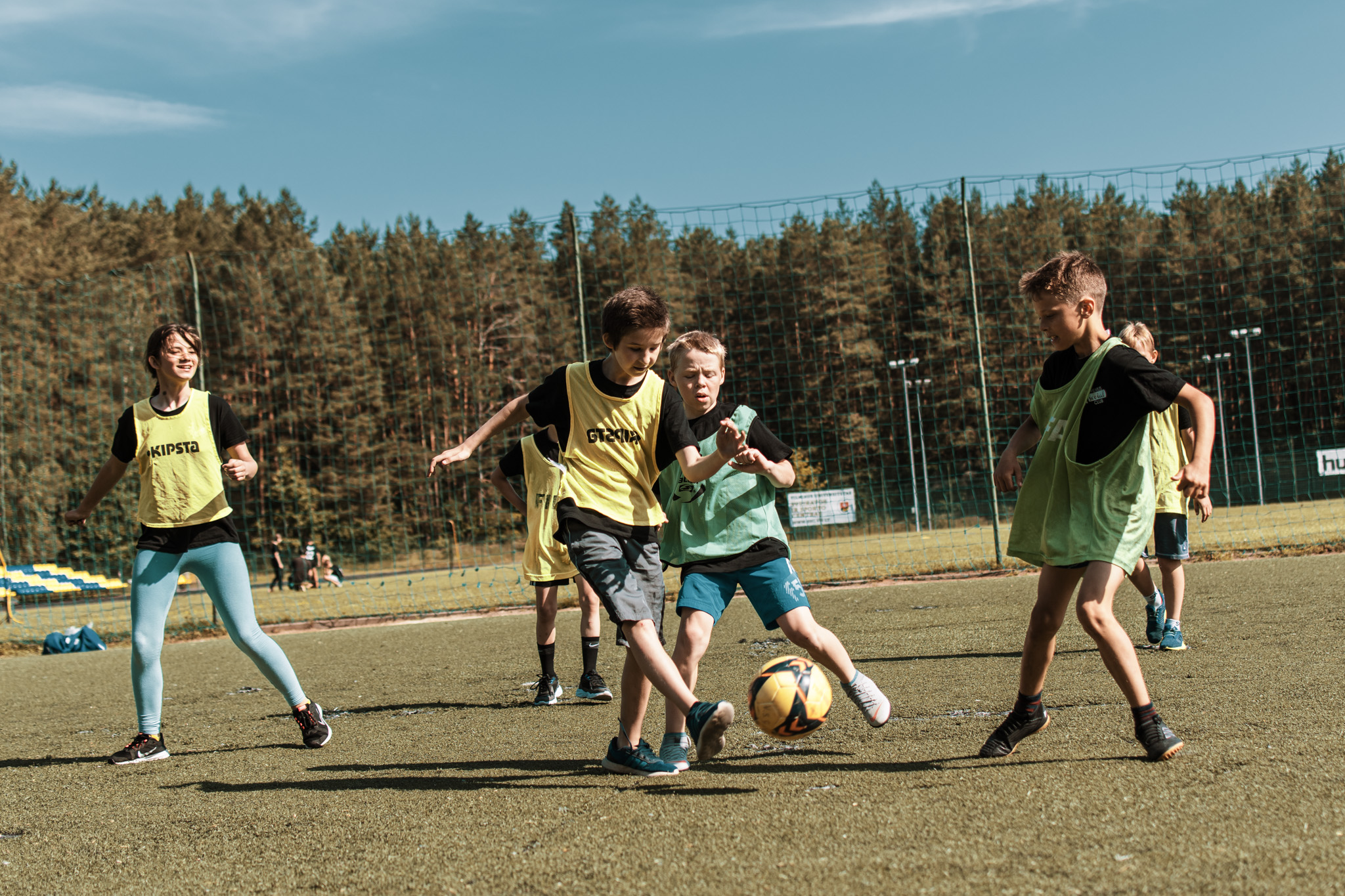
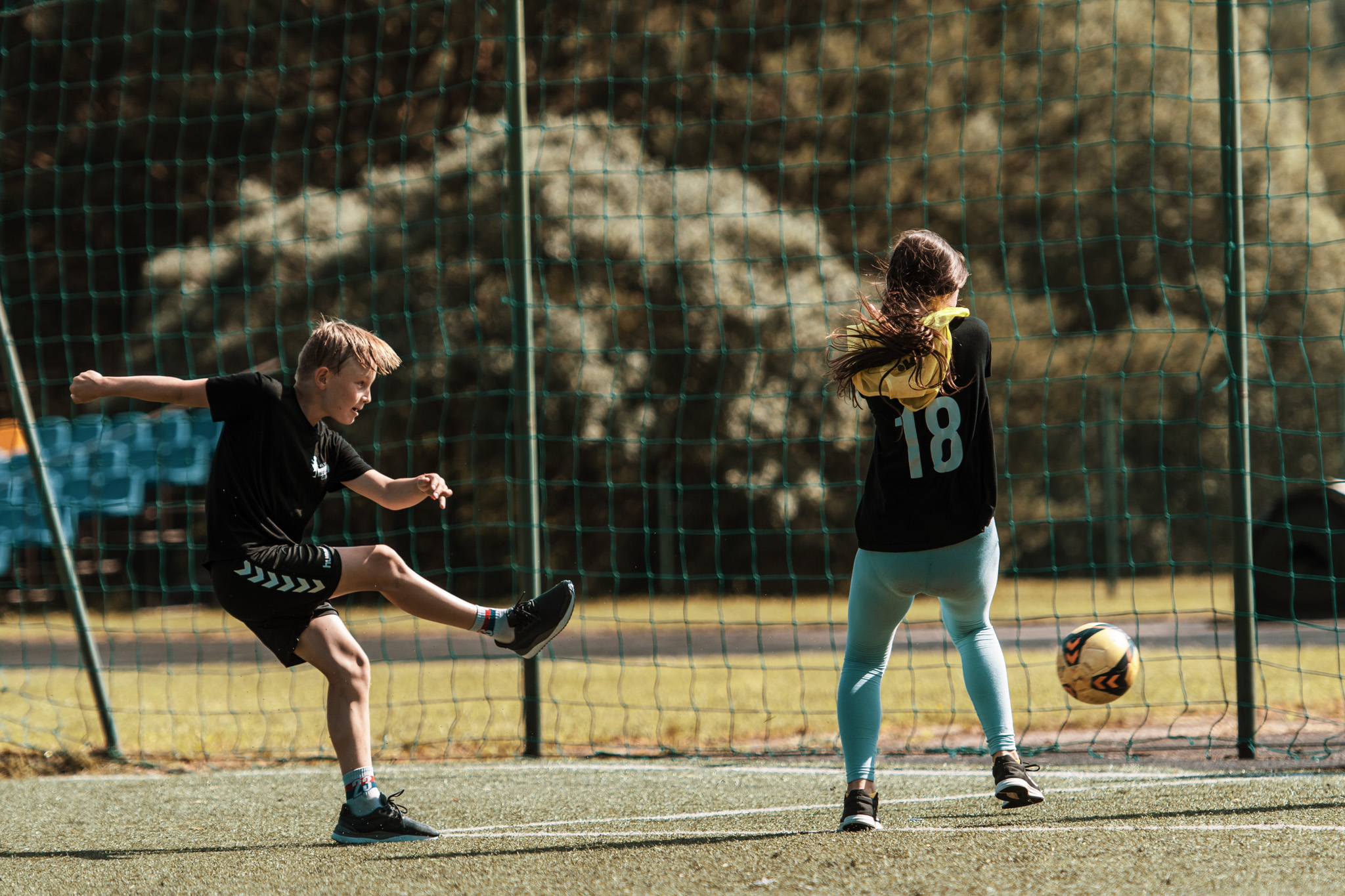
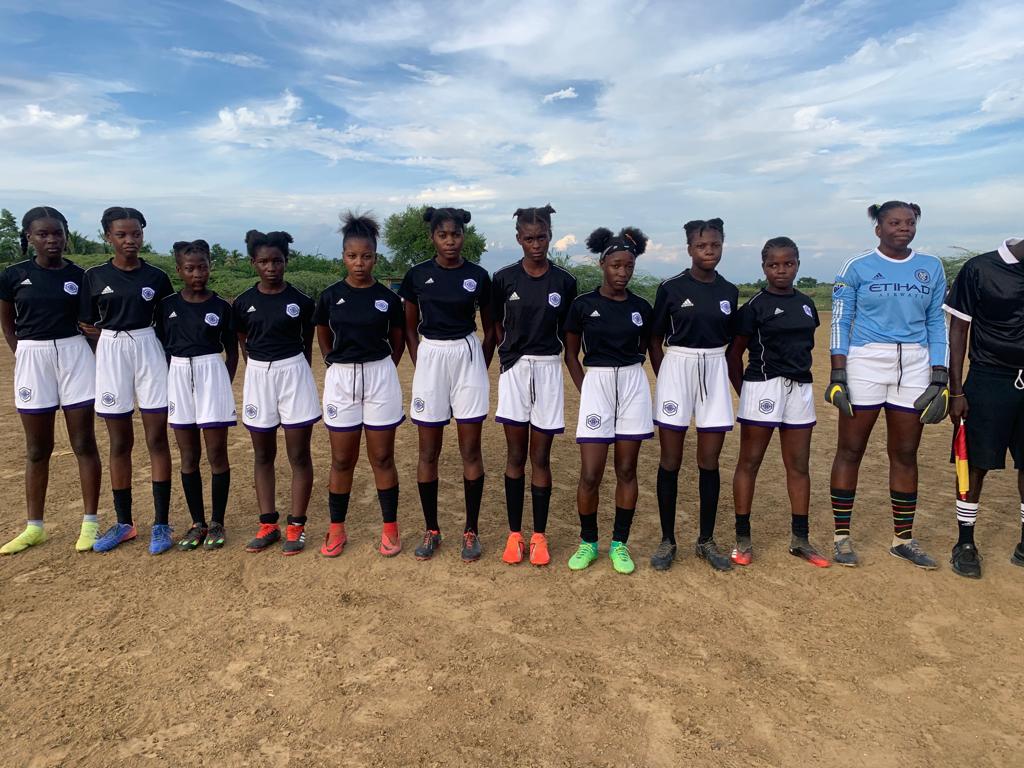
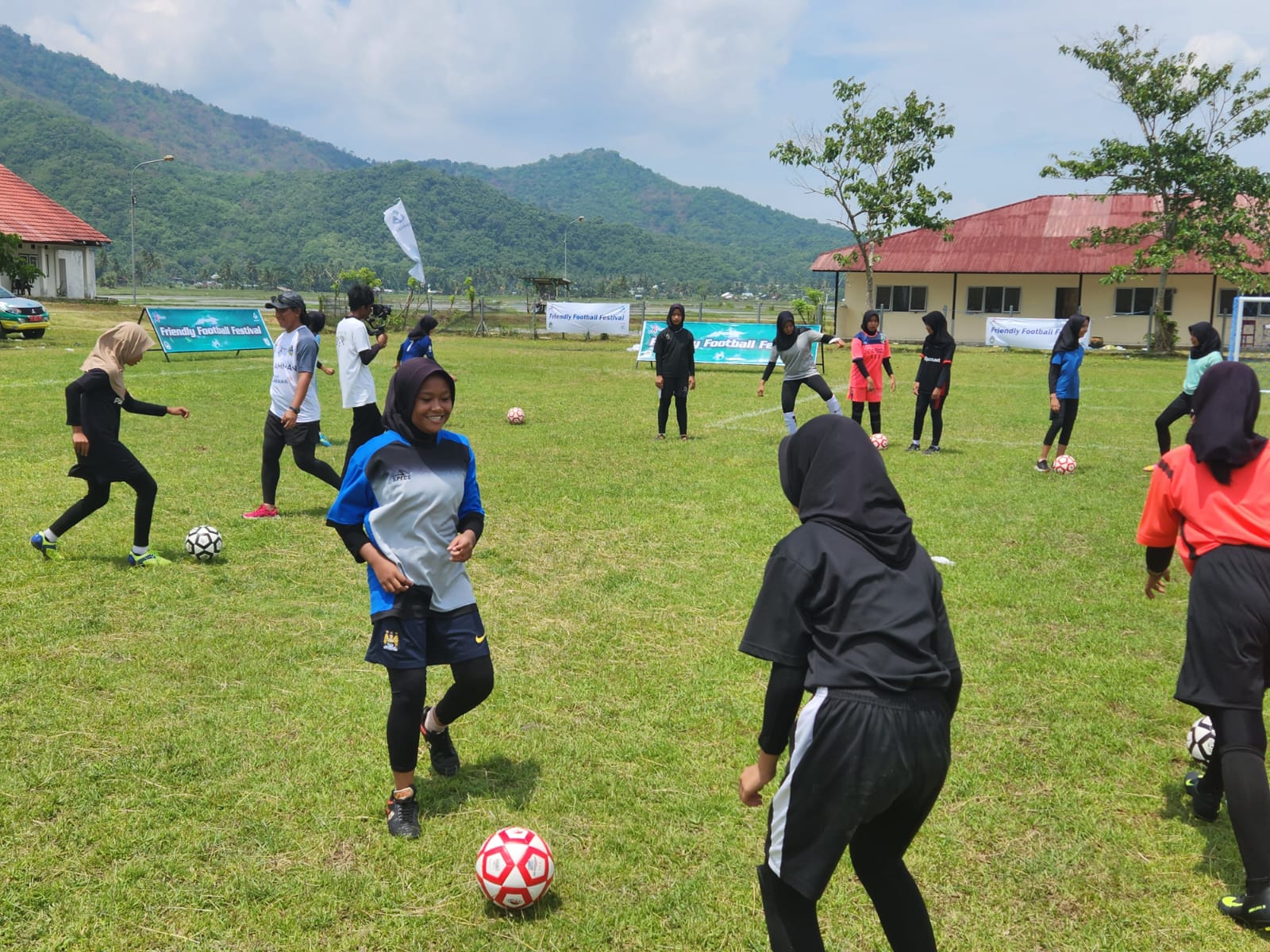
SCORING GIRLS* uses football as a tool to empower a unique target group – refugee, migrant and underprivileged girls aged 9–18. A weekly programme promotes self-esteem and a sense of community to boost social integration. The SCORING GIRLS* project has been implemented in three IDP camps in Iraq and seven locations in Germany and encourages the development of a shared identity among the participants and their host communities.

Objectives

  1. Empower refugee and IDP girls through soft-skill development and psychosocial support
  2. Support the development of a strong, inclusive community by strengthening social cohesion and community services for refugees and their families
  3. Promote direct engagement and mutual understanding between refugee and IDP girls and host communities in Germany and Iraq
  4. Raise awareness of the potential of sport as a tool to empower and integrate refugees

Expected results

  1. Improved soft skills such as self-confidence, teamwork and resilience in 280 girls
  2. The construction of cohesive communities of girls with diverse backgrounds in nine locations
  3. Active support of girls involved in the project by 500 family members
  4. Some 700,000 people taught the power of sport to build cohesive communities and empower girls


Project content

The following activities will take place with 160 girls at two venues in Germany and three IDP camps in Iraq.

Weekly empowerment programme

  1. Recruitment of girls and relationship-building
  2. Weekly football-based, soft-skills programme
  3. Empowerment dialogues with role models

Community-building programme

  1. Group excursions
  2. Family engagement events and training
  3. Friendly football matches


Partners

Football for All

Location and general information

Closed
Location Beyrouth, North Bekaa, Lebanon
Start date 01/01/2023
End date 12/31/2023
Cost of the project €90240
Foundation funding €60000
Project identifier 20220033
Partners Tawazon Initiative for Development (TID)
Categories Access to Sport - Healthy lifestyle - Personal development

Context

The Football for All project helps Lebanese children who are suffering as a result of the severe economic, health, social and political crises that have afflicted Lebanon since October 2019. These circumstances became even more difficult after the devastating explosion in the port of Beirut in August 2020.

Project goals

  • Create safe spaces for young players to enjoy football.
  • Give children from deprived backgrounds access to structured football training, taking into account that they may not be able to use existing football structures given the dangers and unpredictability of the streets in the current climate in Lebanon.
  • Offer children football training with all its associated values (cohesion, team spirit, fair play, mutual assistance, solidarity), while offering respite from sectarian, political and religious conflicts.
  • Promote the personal development and integration of young Lebanese people into society. Offer a healthy after-school activity.

Project content

The project gives children access to football training centres. Former Lebanese international players, qualified to teach, will provide two training sessions and a match every week. A coordinator will liaise and organise matches between training centres. Five training centres will open their doors to children in Lebanon’s five regions.

Partners

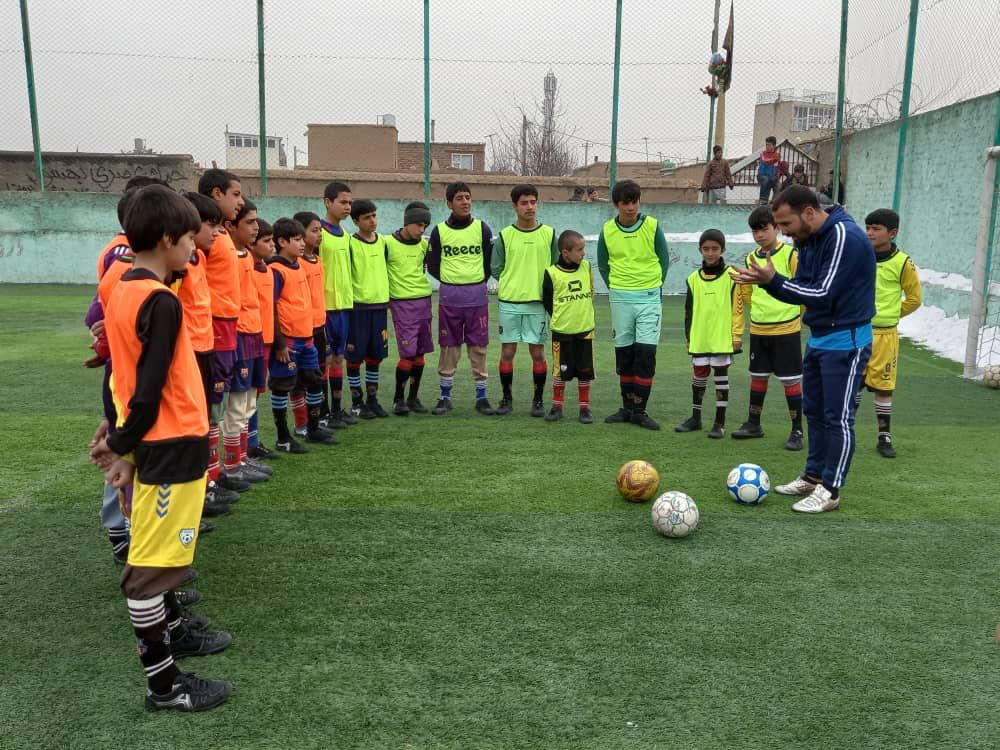
Education and sports for vulnerable children in Afghanistan

Location and general information

Closed
Location Afghanistan
Start date 01/01/2023
End date 12/31/2023
Cost of the project €293,915
Foundation funding €50,000
Project identifier 20220474
Partners Action for Development
Categories Access to Sport - Conflict victims - Employability - Gender Equality - Healthy lifestyle - Infrastructure and equipment - Personal development

Context

Recent drought, flooding, earthquakes, COVID-19 and regime change have had a devastating impact on the most vulnerable groups in Afghanistan, including children who work on the streets and girls in particular.

Large numbers of Afghans have moved to the major cities in search of a means of survival and many children end up working on the streets in dangerous jobs to support their families. They are vulnerable to being abused, sexually exploited, subjected to forced labour, exposed to drugs and recruited by terrorist groups.

Engaging these children in education reduces these risks and helps them to reintegrate into society. Sadly, children in Afghanistan face multiple barriers to education and girls have been barred from school and university entirely.

Project goals

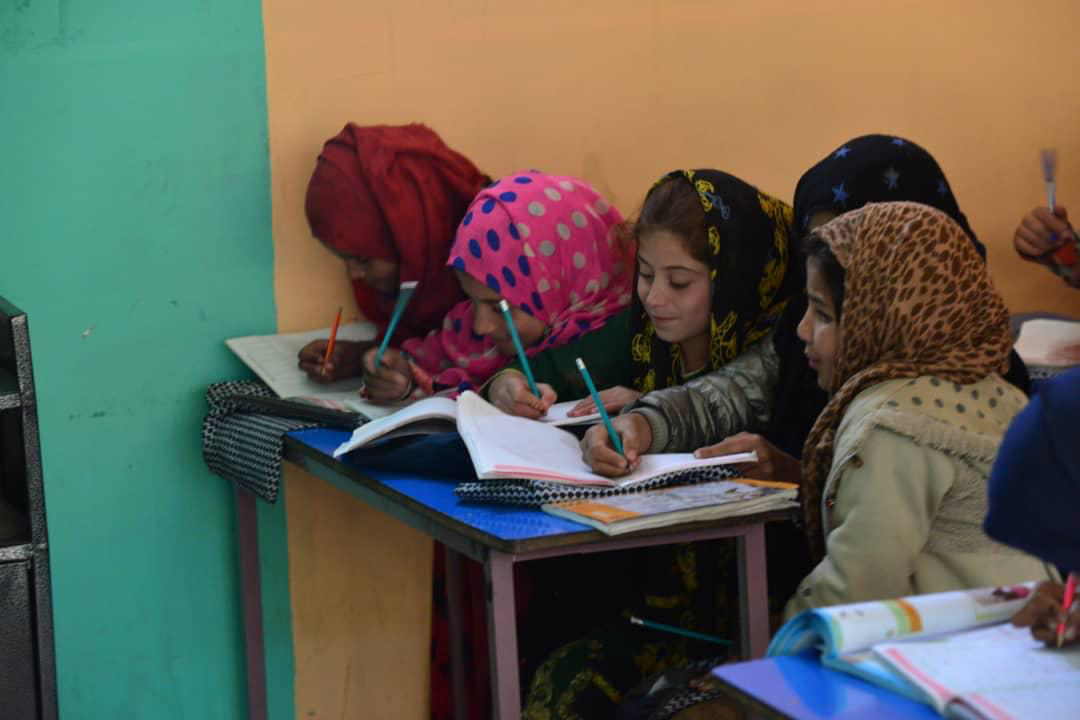
Action for Development's overall goal is to provide high-quality schooling to girls and disadvantaged children in Afghanistan. The aim is to improve their well-being in the short term and reduce poverty and child labour in the long term.

Project content

Education for street-working children

AfD’s schools offer 320 children two hours of high-quality schooling per day, close to where they work, in line with SDGs 1 (no poverty) and 4 (quality education). AfD is working on setting up new learning centres, as well as recruiting and training more teachers in the special needs of street children. AfD develops innovative tailormade teaching materials and is currently establishing a Montessori curriculum and harmonising the existing materials with the formal school curriculum. It is increasing synergies with local schools and continuing to organise awareness sessions promoting education and sports for girls. We also try to integrate as many children as possible into public schools to increase their chances of getting good jobs and break the cycle of poverty.

Health and well-being

All children enrolled in AfD’s education programme receive one healthy meal each day, which for many is the only meal they eat that day (SDG 2: zero hunger). Our Comprehensive Health Centre performs regular health checks, growth monitoring, vaccinations and psychological support in line with SDG 3 (good health and well-being). AfD also offers football coaching in order to entertain and educate the children and let them enjoy their childhoods in a safe environment.

Education for girls above 13 years old

AfD has recently set up a home-based education programme for secondary school aged girls who have been banned from formal government education (SDG 5: gender equality). Currently, 180 girls are enrolled and AfD is working to hire and train more female teachers, find partners to certify exams, improve the programme and identify digital platforms to give more girls access to education.

Vocational trainings

AfD has established a vocational training programme for 20 male students aged 14–16 (SDG 8: decent work and economic growth). AfD is working with local partners to further improve the learning modules it provides in in-demand skills, such as mechanics, carpentry and gem cutting. We are also working to raise awareness of the importance of providing digital learning to children in emergency situations and conflict zones.

Partners

Sports and Play for Asylum-Seeking Unaccompanied Minors

Location and general information

Ongoing
Location Netherlands
Start date 12/01/2022
End date 12/01/2024
Cost of the project €108,257
Foundation funding €38,829
Project identifier 20220370
Partners KLABU Foundation
Categories Access to Sport - Conflict victims - Employability - Healthy lifestyle - Infrastructure and equipment - Personal development - Strengthening partnerships
Context

The initial reception, medical check and first application interview of all asylum-seekers arriving in the Netherlands takes place at the Central Reception Centre in Ter Apel. In recent months, the centre has faced challenges with a higher influx of asylum seekers and slightly prolonged process times. Unaccompanied minors (UAM) – asylum seekers under the age of 18 who are not accompanied by a parent or adult relative – are particularly vulnerable. UAM are exposed to many challenges and traumas during their journeys and need special care. UAM numbers at the centre have increased in recent months, putting pressure on social workers who already lack sufficient time and resources. The stress of the asylum-seeking process coupled with the lack of meaningful daytime activities for UAM clearly have a direct impact on their mental well-being.

Project goals

  • Improve the mental well-being of UAM by providing access to sports
  • Create a safe space for young asylum-seekers to relax and socialise
  • Offer the adult residents of the centre training through a volunteering programme
  • Create an effective activity schedule around and beyond sports with a focus on well-being and personal growth

Project content

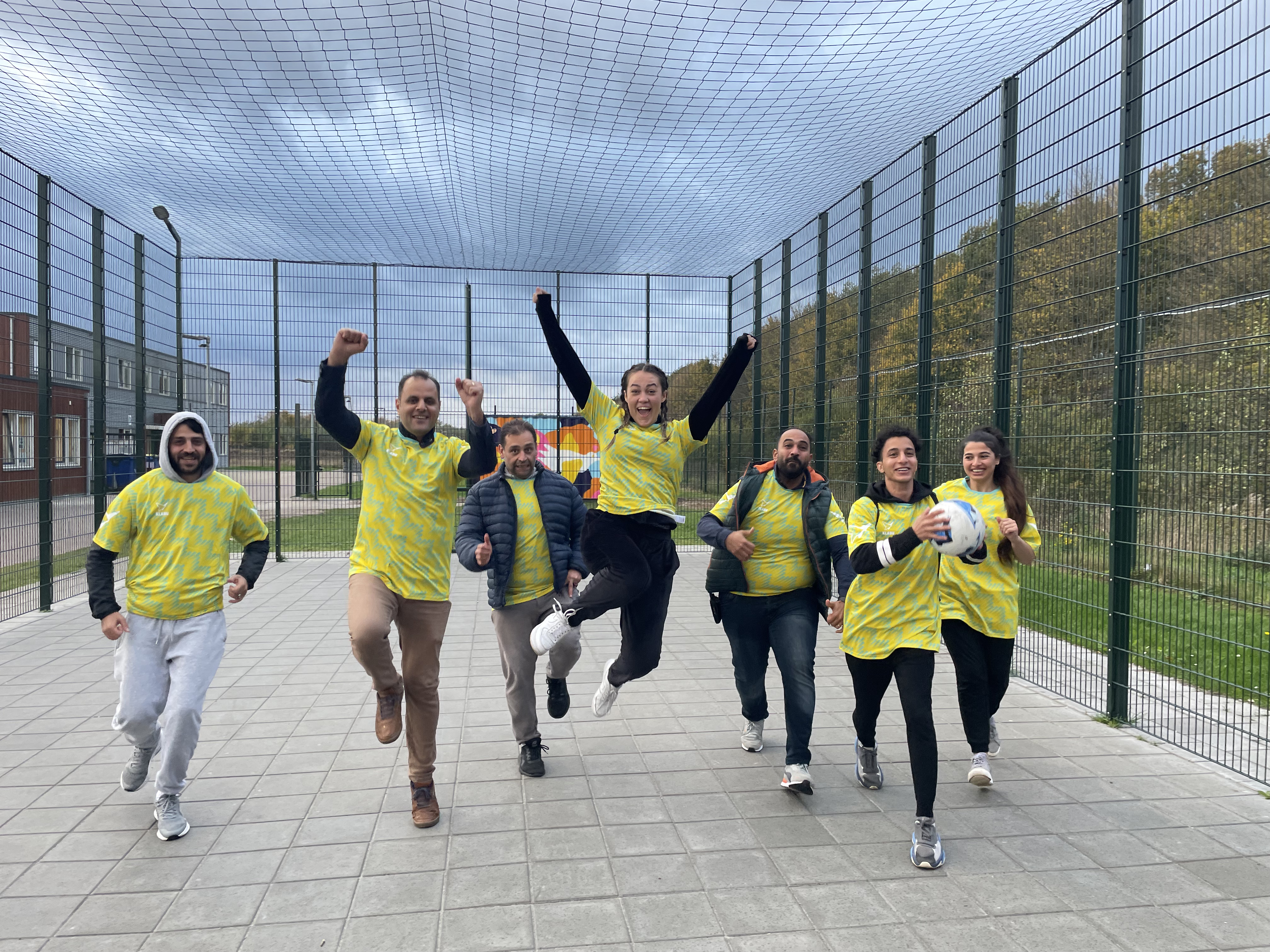
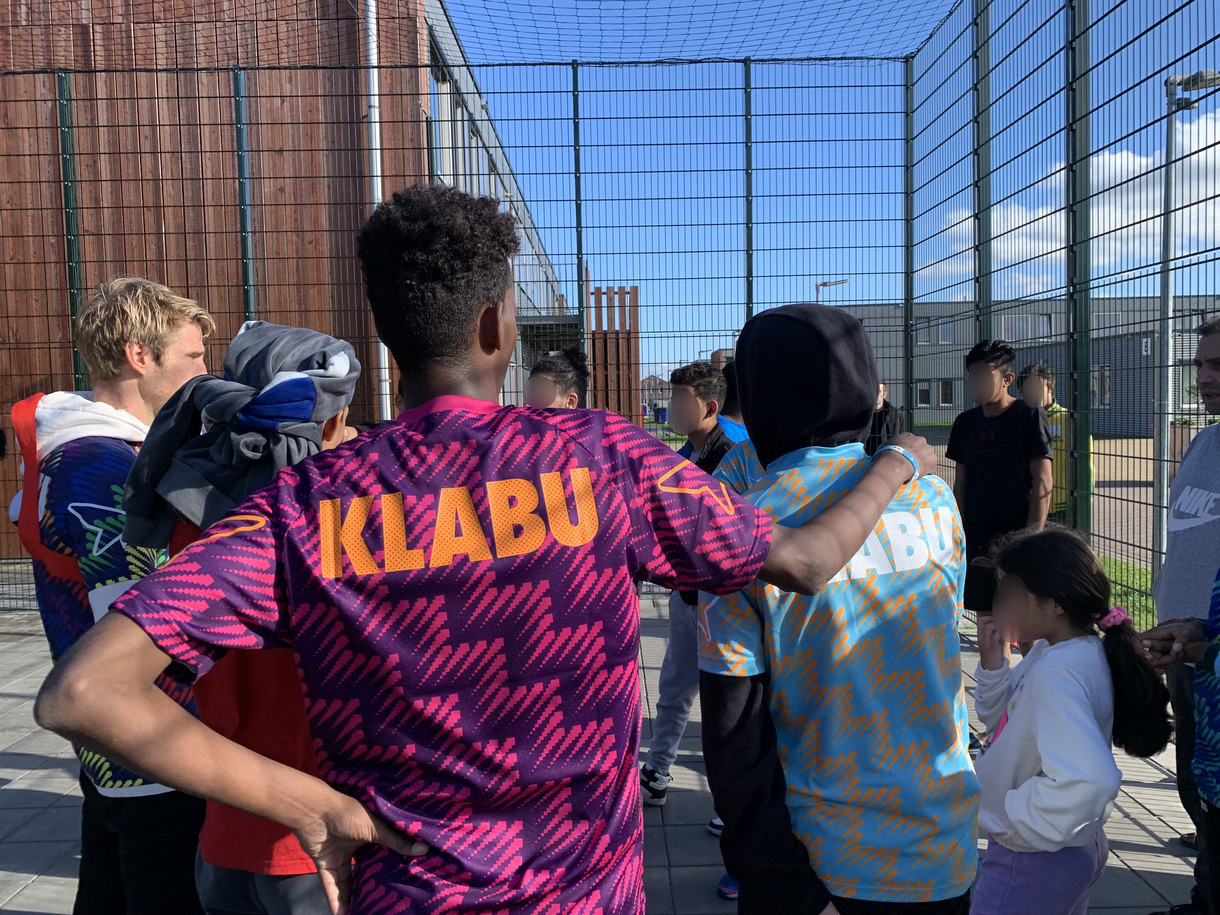
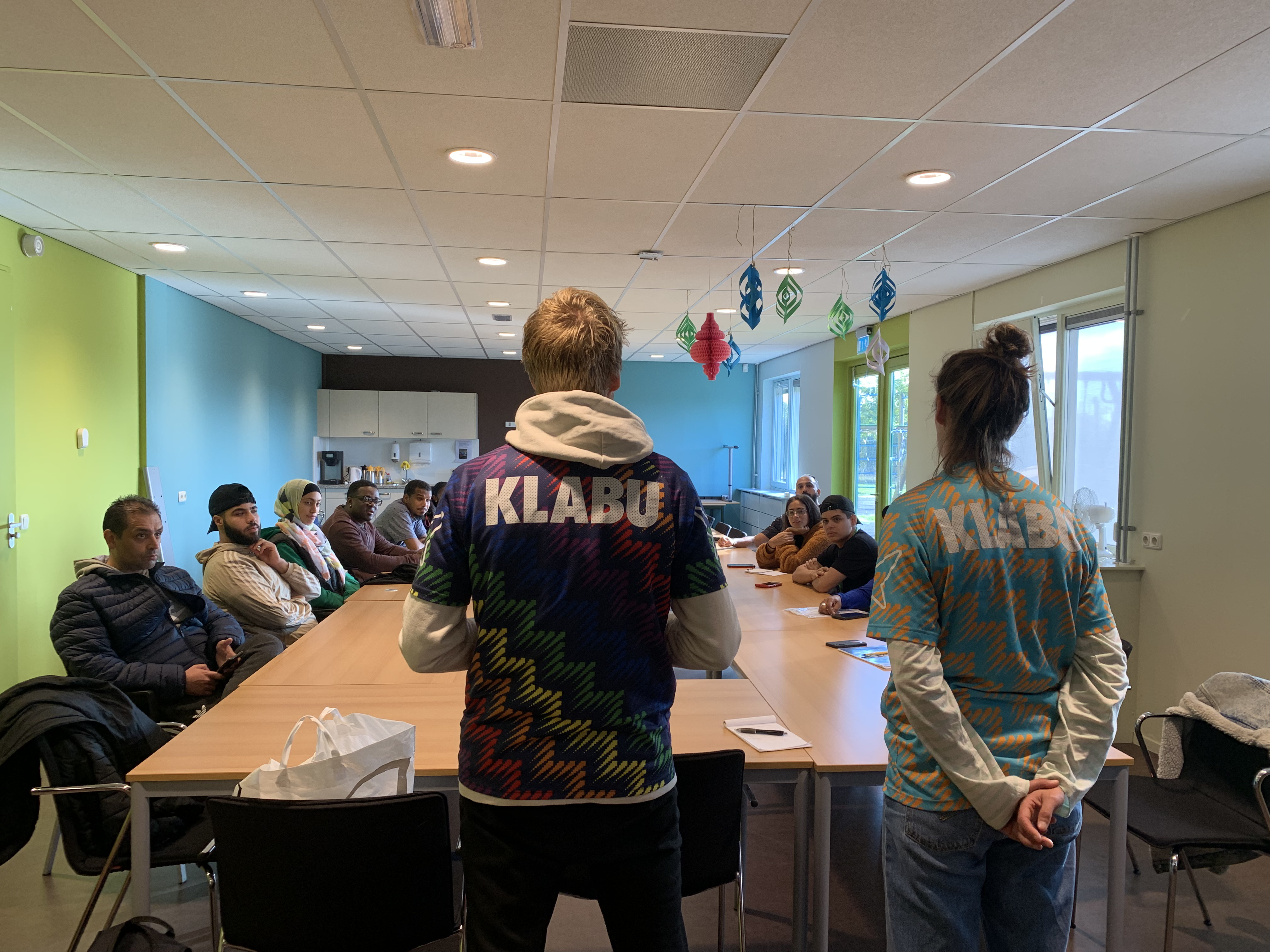
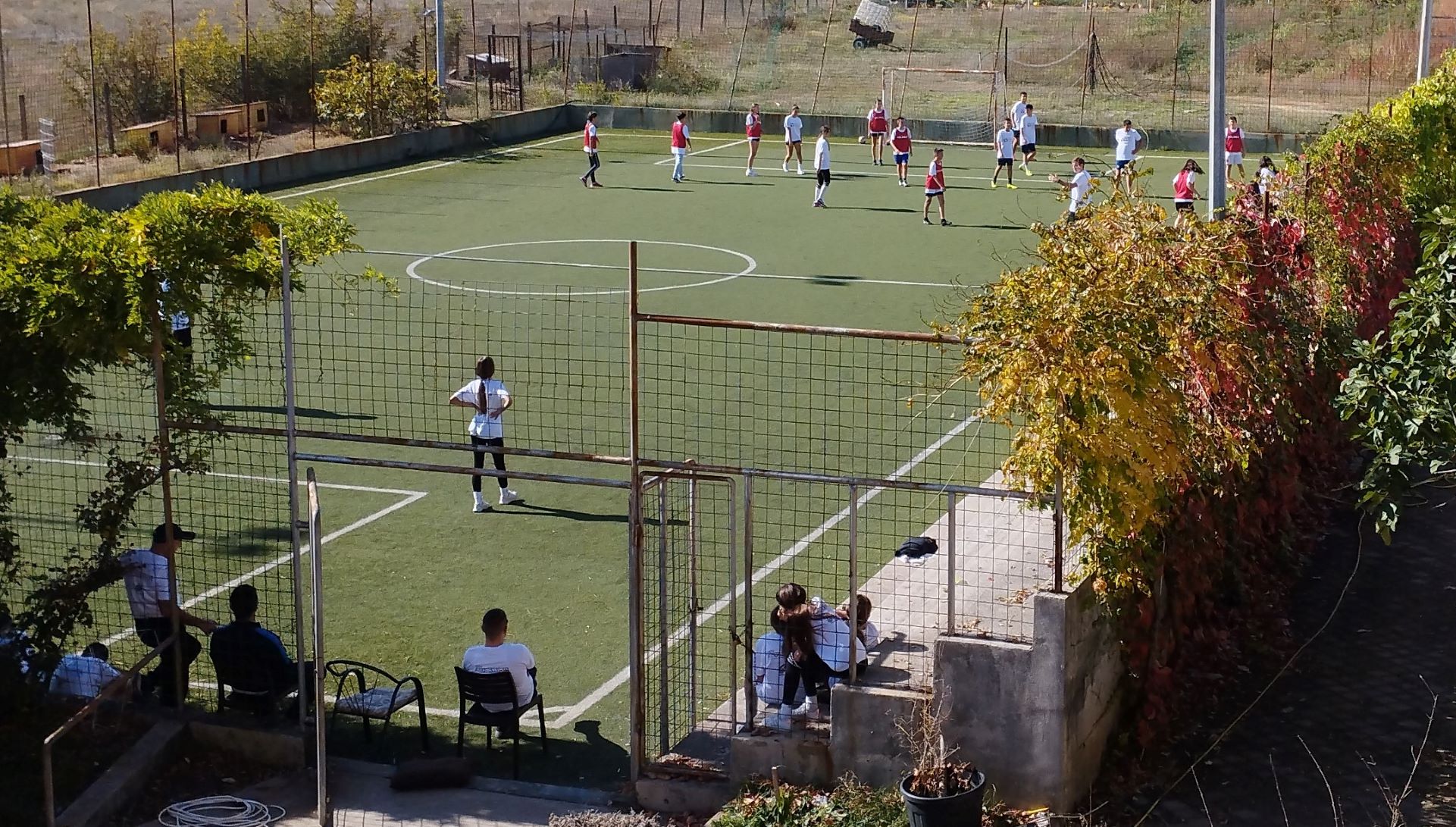
Community volunteers organise activities for UAM including art workshops and sports coaching days. The container-based clubhouse has been transformed into a sports library that is entirely managed and run by community volunteers. Improvements will be made to the clubhouse to further encourage social interactions.

As well as day-to-day activities, the project also hosts special events to bring young people together. The first Social Sports Day consisted of indoor sports, music, dance and arts workshops, all of which were much enjoyed by the young participants. A workshop is planned to design a sports kit for the centre’s young residents.

Regular workshops are led by refugees who have previously stayed in Ter Apel. They share their experiences of settling in the Netherlands after leaving the reception centre.

Partner

Football: A universal language

Location and general information

Ongoing
Location Lithuania
Start date 01/01/2023
End date 12/31/2023
Cost of the project €50,000
Foundation funding €37,000
Project identifier 20220179
Partners Vilnius social club
Categories Access to Sport - Conflict victims - Gender Equality - Healthy lifestyle - Personal development

Context

Lithuanian society has faced various challenges over the last few years:

  • Deterioration in the population’s psychological health following the pandemic;
  • Large number of refugees arriving from Africa and the Middle east in 2021 after the border with Belarus opened;
  • Tensions with Russian community and migration from Ukraine as a result of the war in Ukraine;
  • Economic hardship, inflation and increased poverty.

In Lithuania, football is not accessible to vulnerable children and young adults because of the high fees and too much focus on results.

Project goals

Vilnius Social Club has run the football programme since 2013. The main goal is not sporting results, but a qualitative change in the life of each participant:

  • To help develop children and young people to develop skills and qualities that will help them to overcome various life challenges, such as independence, communication skills and the ability to work as a team, take responsibility, solve conflicts, find compromises and come to agreement.
  • To improve the participants’ social and sporting skills, thereby expanding the options available to teenagers in the future.

Principles of the project:

  1. Football is just a tool: we want participants in the football programme to grow as individuals, and we aim to create a space in which children and young people can take part in regular and long-term activities at their own pace. Playing football helps them to learn to be on time and stay until the end, to work as a team, to manage their emotions, to deal constructively with stressful and challenging situations, to win and lose, to interact with peers and adults, and to reflect on their experiences.
  1. Equal opportunities for all: we encourage diversity among the children who attend our football sessions, who include girls and boys, quieter and louder children, those of different nationalities, and weaker and stronger individuals.
  1. Empowering performance: we constantly reflect on our work and try to be clear about the limits of our responsibilities. Instead of playing the role of saviour, we choose to collaborate with our partners, provide them with feedback and work together to make a positive difference in the lives of children and young people.

Project content

Participants of the football activities are divided into different age groups, with each having a two-hour session once a week. The sessions are structured as follows:

  1. Informal activities (free play): 20 minutes
  2. Opening circle: 10 minutes
  3. Football exercises: 30 minutes
  4. Football match: 30 minutes
  5. Discussion (circle): 30 minutes

Around 120 people aged from 7 to 20, with different experiences and facing different challenges, participate in the football programme each year. They all find a space where they are accepted regardless of their behaviour, financial situation or physical ability.

Additional activities include collaborating with families, one-to-one communication, work with individuals, activities during school holidays, and a summer camp.

Partner

Life’s A Ball

Location and general information

Ongoing
Location South Africa
Start date 01/01/2023
End date 12/31/2023
Cost of the project €48,550
Foundation funding €48,550
Project identifier 20220332
Partners Altus Sport
Categories Access to Sport - Children with disabilities - Employability - Gender Equality - Healthy lifestyle - Infrastructure and equipment - Personal development

Context

In parts of Tshwane (Pretoria) and Johannesburg, children live in poor socio-economic conditions with inadequate educational opportunities due to a lack of teachers, resources and classroom space. With no access to online learning, these children missed out on nearly two years of schooling during the COVID-19 pandemic. Physical education is practically absent from the school system. Sports facilities are non-existent or run-down and there are few physical education teachers and coaches.

Girls find it difficult to stand up for their rights and myths about health and reproduction hold them back from reaching their full potential. The unemployment rate is very high. Many young people lack the self-confidence and skills to find employment, and positive role models are scarce.

Project goals

  • Empower unemployed young people by educating them in personal development and leadership, basic employability skills, and fitness and sports
  • Promote physical and mental activity by introducing children to various sports and brain-fitness activities
  • Increase positive behaviour and reduce violence, physical abuse, crime and substance abuse
  • Instil positive values and good citizenship through Olympism and Olympic education
  • Motivate people with disabilities to be active
  • Support educational skills such as reading and writing
  • Empower girls by educating them about hygiene and reproductive health, leadership and basic financial management
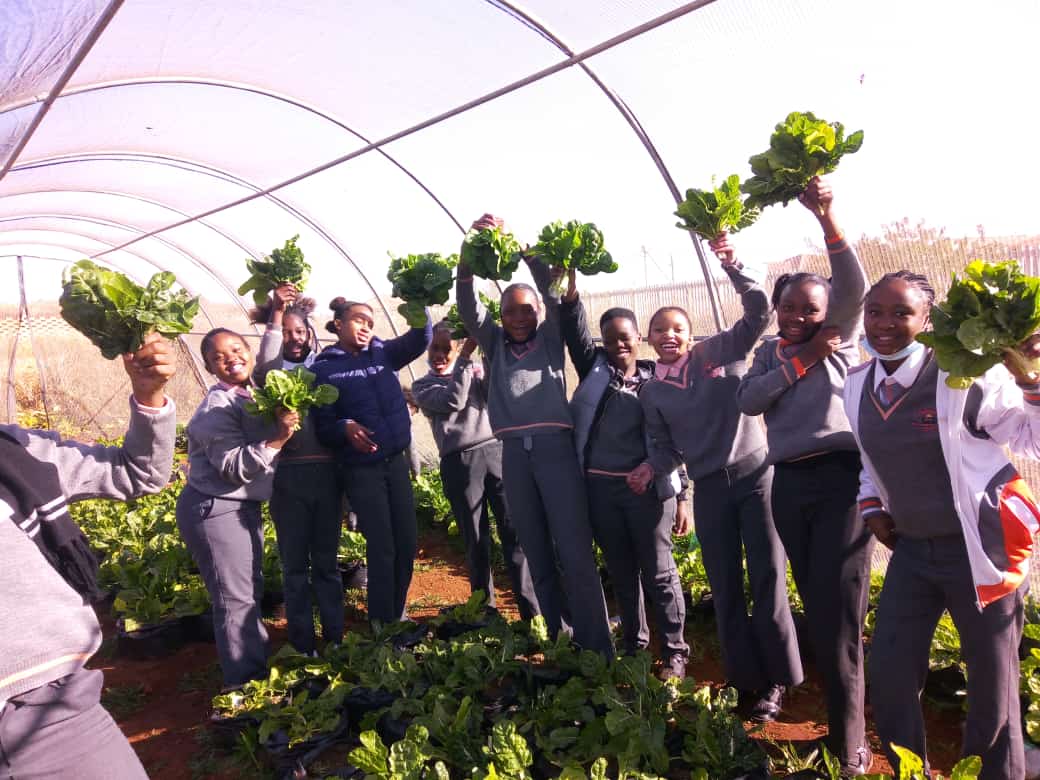
  • Promote entrepreneurship through vegetable gardens that will teach children responsibility, financial management and leadership

Project content

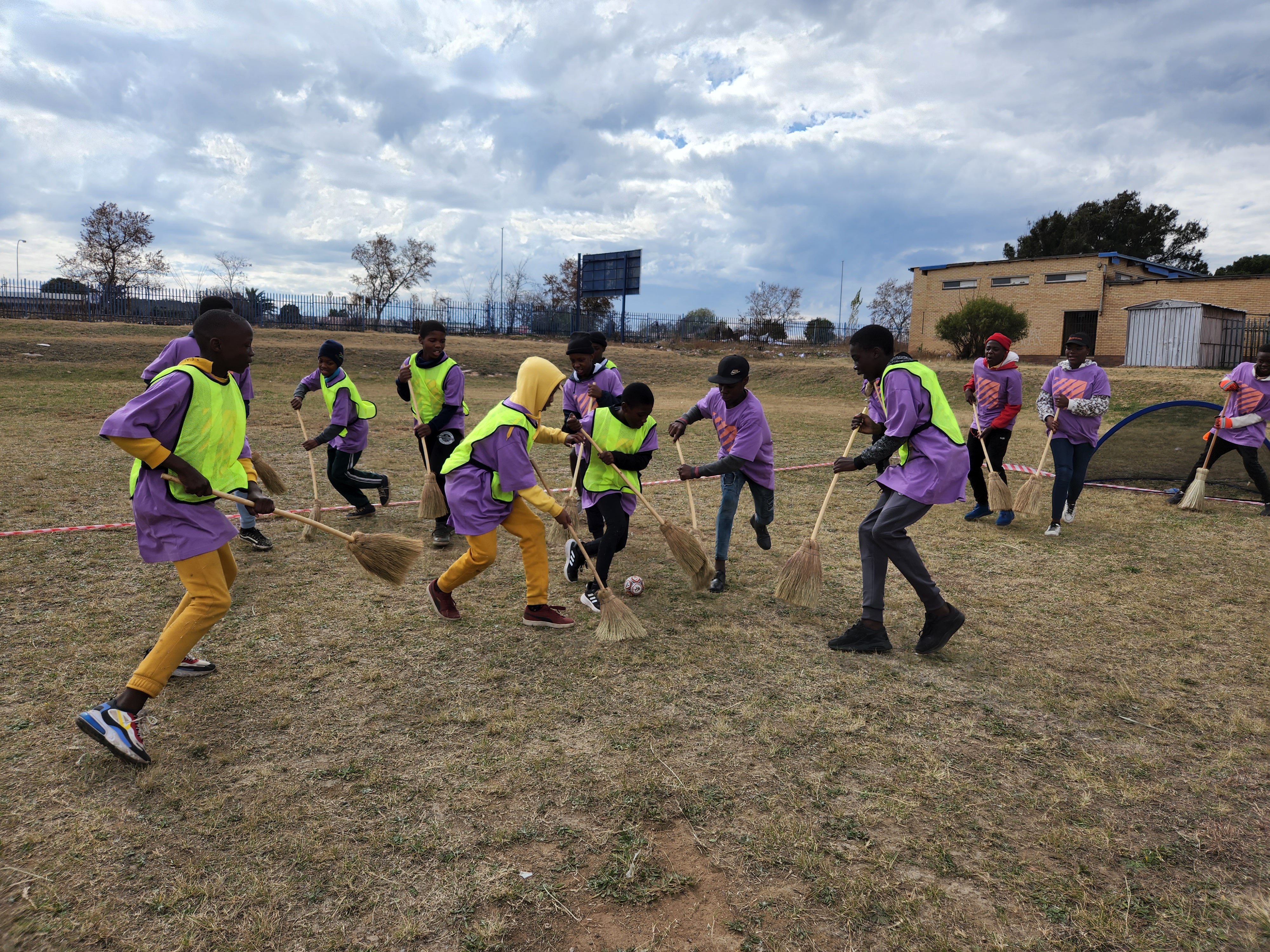
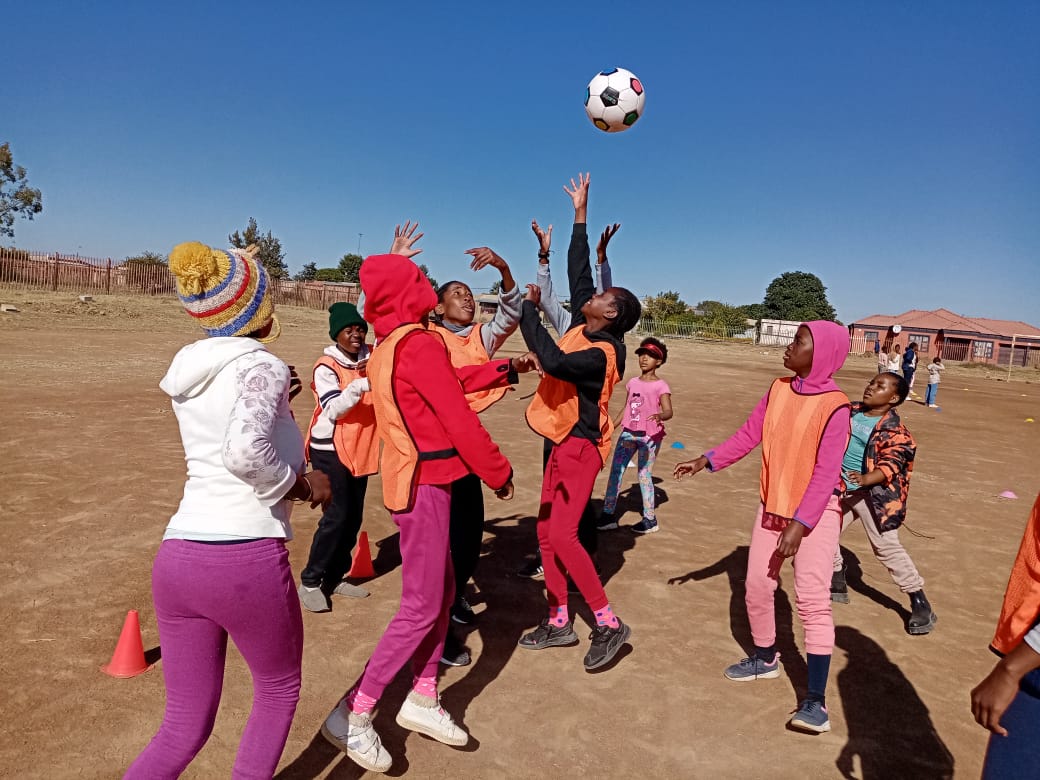
The goal of the project is to utilise sport to empower children to make positive changes to their lives. The project involves training young people to run sports and life skills sessions for children. At these sessions, the children will play football, cricket, touch rugby, netball and hockey and learn about positivity, resilience, hygiene, puberty and menstruation, avoiding pregnancy, healthy relationships, bullying and peer pressure, gender-based violence and financial management.

Partners

Genesis Football for Peace Community League

Location and general information

Ongoing
Location Bosnia and Herzegovina
Start date 01/01/2023
End date 12/31/2024
Cost of the project €417,825
Foundation funding €80,000
Project identifier 20220524
Partners Genesis Project
Categories Access to Sport - Gender Equality - Healthy lifestyle - Personal development

Context

This project contributes to overcoming ethnic segregation among ten ethnically divided communities in Bosnia and Herzegovina. The country is characterised by its divided schools, symbolised in particular by the phenomenon of two schools, segregated by ethnicity, under one roof. This unique form of apartheid emerges from distrust and fear fuelled by irresponsible nationalist politicians.

Project goals

This project aims to empower young people to act as role models and young leaders in their communities. It will contribute to reducing the risk of recurring conflict and violence by promoting peaceful coexistence, trust, respect for diversity and cross-cultural dialogue amongst project beneficiaries. They will learn how to:

  1. Make decisions based on the cross-cultural context
  2. Use conflict mediation skills
  3. Compromise and find solutions
  4. Respect gender equality
  5. Enjoy healthy competition on the pitch

Project content


We work in ethnically divided communities and primary schools to promote gender equality, personal development and communication among young people from different ethnic groups in Bosnia and Herzegovina. Football has the power to unite youth from different ethnic groups and is a common language understood by all children in Bosnia and Herzegovina, and here it will be used as a peacebuilding and youth empowerment tool.

Project activities:

  1. Sign MoUs with primary schools in ten communities
  2. Donate sports equipment to primary schools
  3. Transfer knowledge among peers using the football3 methodology
  4. Form football3 teams
  5. Establish the Genesis Football for Peace Community League (GFPCL)
  6. Organise football3 matches within the GFPCL
  7. Organise GFPCL camps within various communities

Partners

Youth in Action

Location and general information

Ongoing
Location Northern Ireland and the Republic of Ireland
Start date 12/05/2022
End date 12/04/2023
Cost of the project €130,000
Foundation funding €85,000
Project identifier 20220150
Partners Rio Ferdinand Foundation
Categories Access to Sport - Employability - Healthy lifestyle - Personal development - Strengthening partnerships
Context

Northern Ireland and the Republic of Ireland have increasingly diverse demographics, with migrants, asylum seekers and minority communities becoming more visible in society. This has caused some issues within working-class areas, with increase in hate crimes against minorities, e.g. 48% of hate crime in Northern Ireland is directed at communities who make up 2% of the population. Increasing tensions caused by Brexit and the Northern Ireland Protocol are also causing conflict, with discussions on culture and identity increasingly dominating the debate and causing discord in border counties.

Project goals

  • Build strong, ongoing relationships through football across the divides of race/ethnicity/culture and the Northern Ireland/Ireland border
  • Train young people from all communities to become leaders
  • Encourage young leaders to work together to deliver social initiatives that promote learning and common objectives to tackle racism, division and inequality
  • Oversee the cooperation of young leaders with stakeholders and decision-makers to address these issues
  • Develop a best practice model that will attract sustainable mainstream funding to deliver long-term transitional change in the target communities

Project content

Our project brings communities together through the sport of football, providing a platform to build relationships and friendships. From this platform we encourage young people to work together and achieve accreditation while delivering social action projects that address racism, division and inequality within their communities and across borders and boundaries. We will encourage young people to share the lessons they learn with decision-makers and stakeholders.

Partners

Get them to move again

Location and general information

Ongoing
Location Suriname
Start date 01/01/2023
End date 12/31/2023
Cost of the project €53,155
Foundation funding €51,155
Project identifier 20221076
Partners The Mulokot Foundation
Categories Access to Sport - Healthy lifestyle - Infrastructure and equipment - Personal development

Context

The Wayana territory in Suriname is remote and receives almost no support from the government. Organisations such as WWF, CI International and ACT are working in the territory, but their main goal is to preserve the forest and protect wildlife rather than support the Wayana indigenous people. It was for this reason that the Mulokot Foundation was established by Wayana paramount chief Ipomadi Pelenapin in 2018. The foundation’s board members are all Wayana indigenous people. There are currently just 2,500 Wayana people living in remote Amazon rainforest in Suriname, Brazil and French Guiana.

In common with many indigenous communities around the world, our people have sadly had problems with alcohol abuse and domestic violence. Sport, and education through sport, can be a major contributor to ending harmful behaviour. Wayana villages have very few sports facilities and what does exist is in poor condition.

Project goals

- Establish and restore football and volleyball facilities in the villages of Apetina, Kawemhakan and Palumeu

- Provide young players with equipment, such as balls, nets, boots, kits, etc.

- Develop a training and awareness programme on:

  • Healthy food and lifestyles (the importance of sport for well-being)
  • Alcohol abuse and health
  • Technical football and volleyball training

Project content

The Mulokot Foundation will work with the three main Wayana indigenous communities of Apetina, Kawemhakan and Palumeu to implement the project. There are small football pitches in Kawemhakan and Palumeu, but they lack goalposts and other facilities. Volleyball courts exist in Palumeu and Kawemhakan but new nets are required. The volleyball court in Apetina is in reasonable condition, but the football pitch is on a slope and needs to be relocated.

The Mulokot Foundation will provide three Wayana villages with sports facilities: football pitches and volleyball courts will be built and training and awareness programmes provided. The project will have a positive effect on the community in general and young people in particular.

The other important facet of this project is encouraging personal development and healthy lifestyles through training and workshops. The foundation’s objective is to train our children and young people to become more active, adopt a healthier lifestyle and diet and consume less alcohol. With the positive impact of sport, training and workshops, we are confident that Wayana indigenous communities will thrive once again.

Partners

Aktive Jen Yo – Activating Youth

Location and general information

Ongoing
Location Haiti
Start date 02/01/2023
End date 12/31/2023
Cost of the project €340,000
Foundation funding €48,000
Project identifier 20220147
Partners GOALS Haiti (Global Outreach And Love of Soccer)
Categories Access to Sport - Gender Equality - Healthy lifestyle - Personal development

Context

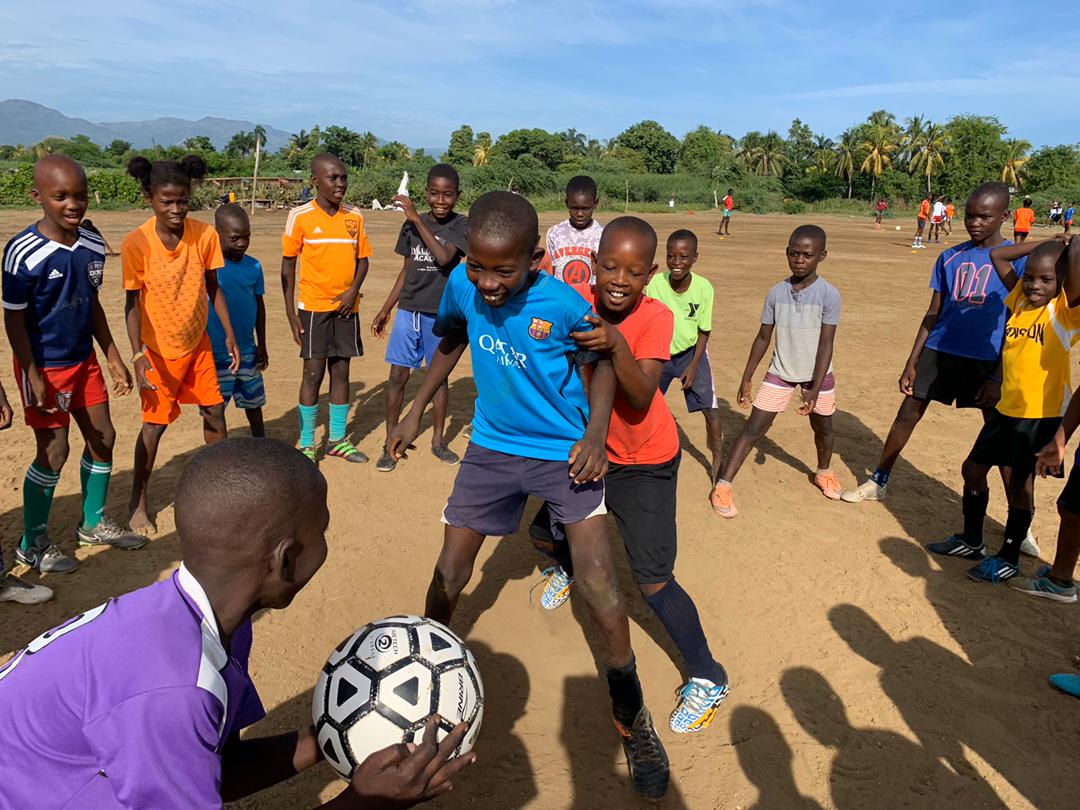
In rural Haiti, families live on the edge, trying to survive in the face of extreme poverty. GOALS focuses on rural areas where no other non-profit, private or government services are available. Unemployment rates are as high as 80% and parents cannot afford to send their children to school. Disease is an ever-present risk and gender bias is high. In terms of health and education, Haiti is one of the most difficult places in the world to grow up.

Project goals

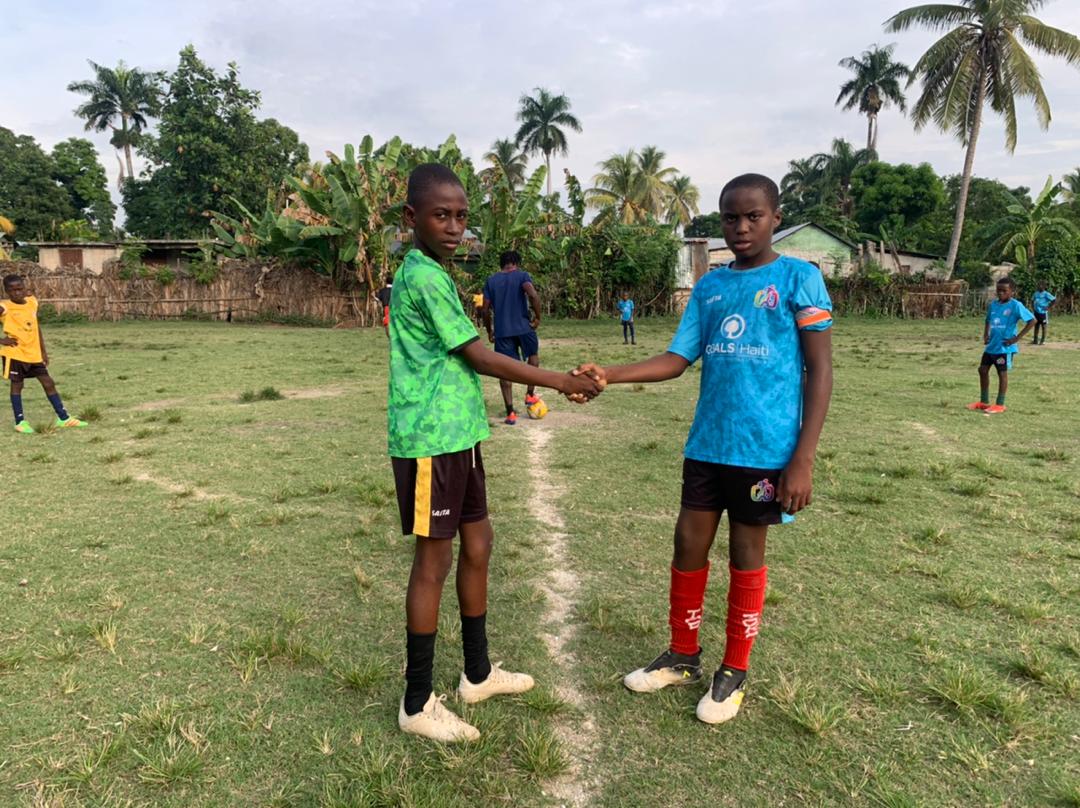
GOALS was created to use the power of sport to engage youth with education and leadership opportunities. The Aktive Jen Yo project embraces football, education and community service. We focus on teaching life skills such as literacy, healthy living and conflict resolution. The holistic approach aims to create long-lasting change. An astounding 98% of participants had no access to sport before GOALS. Our programmes provide vital support for the development of Haiti’s youth in a safe, empowering space.

The objectives of our programme are to improve the physical and mental health of individuals within healthier, more stable rural communities where every child can realise their potential. Our projects engage citizens who learn in a dynamic, culturally appropriate way. Sport is a foundation of education and young people acquire life skills (communication, problem solving, leadership, inclusion, self-confidence) in a safe environment that allows them to truly flourish.

Project content

  • Football – daily practice using purposeful play games, friendly matches and rural outreach to teach inclusion, conflict resolution and gender equality
  • Health education – disease prevention, sex education, gender-based violence training, good hygiene
  • Climate action – tree planting, recycling and community gardens
  • Leadership training – youth leaders identify community issues and solutions
  • Education – literacy programme and high school scholarships
  • Community service – volunteering for projects
  • 350 young people receive daily meals and take part in football/purposeful play activities
  • 350 young people receive hygiene training and disease prevention education (AIDS, cholera, COVID-19)

Partner

Education Through Sports

Location and general information

Ongoing
Location Yemen
Start date 12/01/2022
End date 06/30/2023
Cost of the project €86,283
Foundation funding €73,700
Project identifier 20220348
Partners Helpcode
Categories Access to Sport - Conflict victims - Healthy lifestyle

Context

After seven years of conflict, Yemen is still suffering the effects of one of the world’s most severe humanitarian crises, with an estimated 24.1 million people in need of urgent assistance. Four million of these people are internally displaced. Vulnerable women, girls and children are paying the heaviest price; they tend to suffer the most from a limited access to basic services, threats and the lack of privacy, compromising their safety and making them even more exposed to violence.

Project goals

- Address the psychosocial needs of children affected by conflict and displacement by improving access to sport and psychosocial and social education.

- Promote children’s rights and strengthen protection mechanisms in the broader community.

Project content

  1. Provide training workshops for psychosocial support facilitators and teachers on the delivery of psychosocial support and the use of play-based activities as a tool for integration and development.
  2. The delivery of psychosocial support sessions to in-school and out-of-school children by supplying sports equipment and using recreational activities to help children deal with trauma and build life skills.
  3. Community awareness-raising campaigns on children’s rights and protection services.

Partner

Teaching life skills and personal development through football

Location and general information

Closed
Location Indonesia
Start date 12/20/2022
End date 12/19/2023
Cost of the project €30,000
Foundation funding €20,000
Project identifier 20220009
Partners ASA Foundation (Yayasan ASA Asia)
Categories Access to Sport - Environmental protection - Gender Equality - Healthy lifestyle - Infrastructure and equipment - Personal development - Strengthening partnerships
Context

Garut has high levels of poverty, with poor levels of education, health and development, and discrimination against women and girls.

Furthermore, Indonesia is now one of the world’s largest plastic waste producers, creating over 3.2 million tonnes of plastic waste per year. A lack of public awareness of waste management, together with a lack of investment, means that there is no easy solution to Indonesia’s waste problems. There is an urgent need for locally-owned and community-driven solutions, such as an accessible and cost-effective waste management infrastructure.

Project goals

To train, educate, empower and build the capacity of 30 local male and female school teachers and over 5,000 vulnerable male and female students, with 50% female participation, on the topics of the circular economy, health, life skills and gender equality in order to improve the level of education, create positive social change and guarantee cleaner, greener Garut communities.

Project content

I. Programme planning, design and socialisation

Through its DINAS, DISPORA and PSSI stakeholder group partnerships, the ASA Foundation conducts project socialisation, planning and design workshops comprising baseline studies and needs assessments. During this phase, our stakeholders recommend potential target schools together with adult teachers to implement the virtual programme. The teachers’ CVs are submitted to the ASA Foundation.

II. Design and development of the training platform

A collaborative empowerment approach involves all our stakeholders, which are invited to include their own education modules in our curriculum design process. The curriculum, in both local Bahasa Indonesian and English languages, is scheduled to be rolled out during the Training of Trainer (ToT) workshop. The training modules are to be updated throughout the program through continuous feedback from all stakeholders.

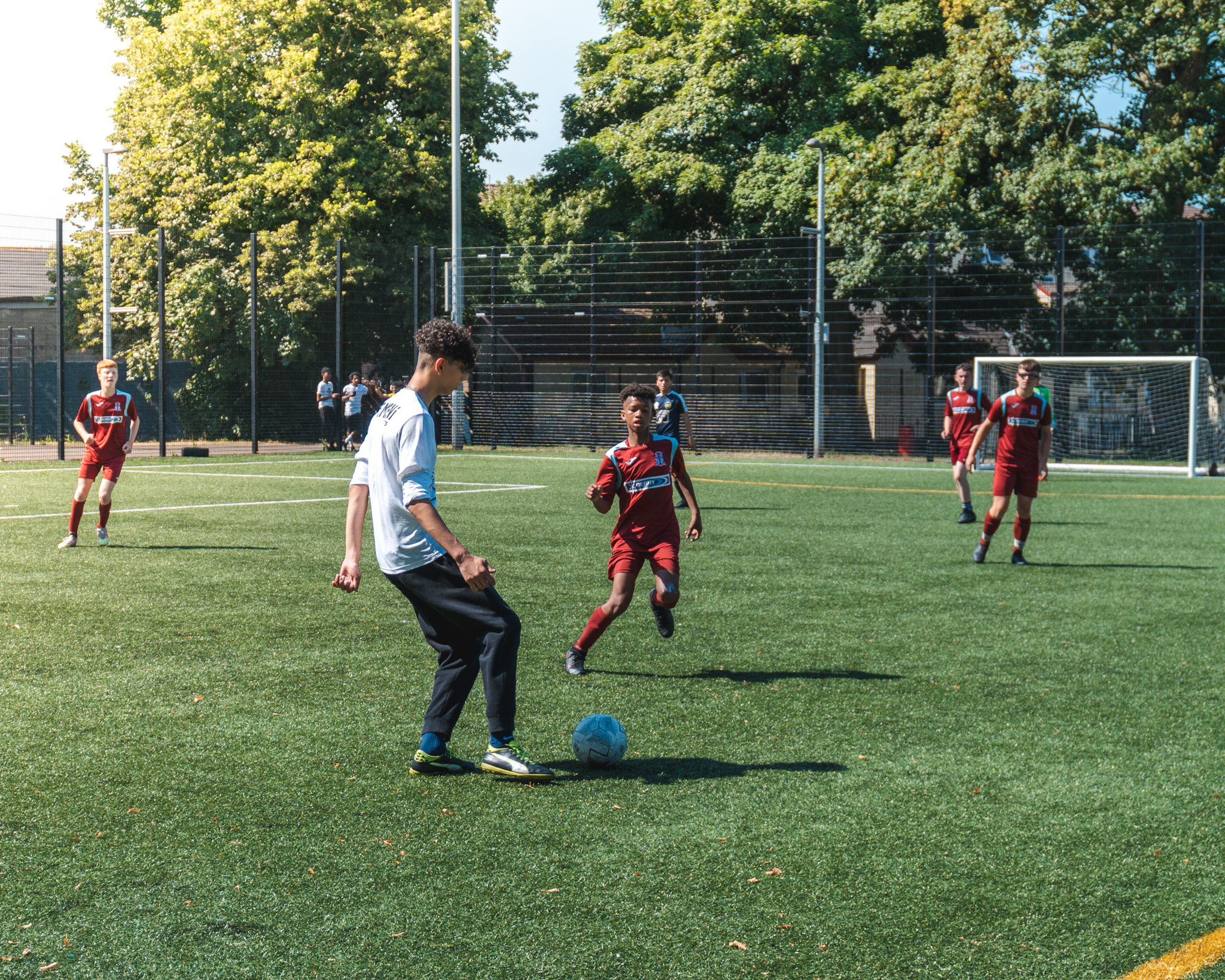
III. Implementation of the ToT programme, UEFA Foundation for Children ‘Field in a Box’ football pitch, Garut City, West Java, Indonesia

The ToT workshop will be run by local ASA Foundation master trainers to build the capacity of 30 male and female school teachers so that they can deliver the football-based education training modules. The teachers are trained and empowered through the coaching development methodology that covers the following topics:

  1. The circular economy and waste management development, including recycling plastic materials to produce sports training equipment
  2. Life skills development including creative thinking, character building, and gender equality
  3. Health and well-being education including virus prevention measures by focusing on hygiene and sanitation information during the current pandemic

The ToT workshop is to be held at the UEFA Foundation for Children Field in a Box pitch in Garut City.

IIII. Running the youth development training activities in schools

On completion of the ToT workshop, the 30 adult teachers are expected to lead weekly grass-roots youth development coaching activities for their respective male and female student groups, either in school as extra-curricular activities or in their communities. The activities are geared towards long-term sustainability.

Partners

Building Children’s Resilience through Sports

Location and general information

Closed
Location China
Start date 03/01/2023
End date 03/31/2024
Cost of the project €110,000
Foundation funding €110,000
Project identifier 20220454
Partners Plan International Hong Kong
Categories Access to Sport - Gender Equality - Healthy lifestyle - Infrastructure and equipment - Personal development

Context

COVID-19 had a huge negative impact on mental and physical health, especially among children. While we believe that doing sport is an important way to tackle this issue, some schools in the less developed areas of China may not be able to afford decent sports equipment or offer their students training. Moreover, gender stereotypes make it difficult for boys and girls to play sports freely. This not only hinders the recovery process in the post-COVID era but also fosters gender inequality in schools.

Project goals

The main objectives of this project:

- Enhance junior and secondary school students’ engagement in sport

- Challenge gender stereotypes in sport and introduce transformative changes among girls, boys, their families, schools and communities

- Enhance friendships and cohesion in the schools targeted by the project

Project content

To achieve the objectives, the following activities are planned in ten project schools:

  • Procure high-quality sports equipment and renovate play areas
  • Establish sports clubs in schools to promote participation
  • Establish girls’ football teams in schools
  • Offer physical education teachers training on gender-responsive coaching
  • Provide teachers and parents with training on gender awareness
  • Organise football and sports tournaments among the project schools

Partners

Busajo Campus: promoting education and well-being through sport

Location and general information

Ongoing
Location Ethiopia
Start date 02/01/2023
End date 02/28/2024
Cost of the project €90,360
Foundation funding €40,000
Project identifier 20220532
Partners Busajo NGO Ets
Categories Access to Sport - Children with disabilities - Gender Equality - Healthy lifestyle - Infrastructure and equipment - Personal development

Context

The project is based in Sodo, a rapidly expanding city in the region of Wolaita, Ethiopia. The pace of development is generating many social problems as an increasing number of people, including many minors, migrate to the city in the hope of improving their lives and escaping the deep poverty of the countryside.

Many people moving to the city are forced to resort to marginal employment and live on the streets. Young people and children soon become targets of the criminal underworld. The situation can also be catastrophic for those who remain in rural areas as they face deprivation and poverty, often struggling to survive. There are an estimated 3,000 street children in Sodo. Many families do not have the economic capacity to meet basic needs or send their children to school.

Project goals

  • Combat slavery, crime and child prostitution
  • Improve school attendance rates
  • Enhance the physical, psychological and social conditions of the beneficiaries
  • Improve interpersonal, relationship and soft skills
  • Effectively treat rickets
  • Improve socialisation and teach tolerance and respect through sport
  • Promote inclusion and equal opportunities for girls and boys as well as between the children on campus and those living externally

Project content

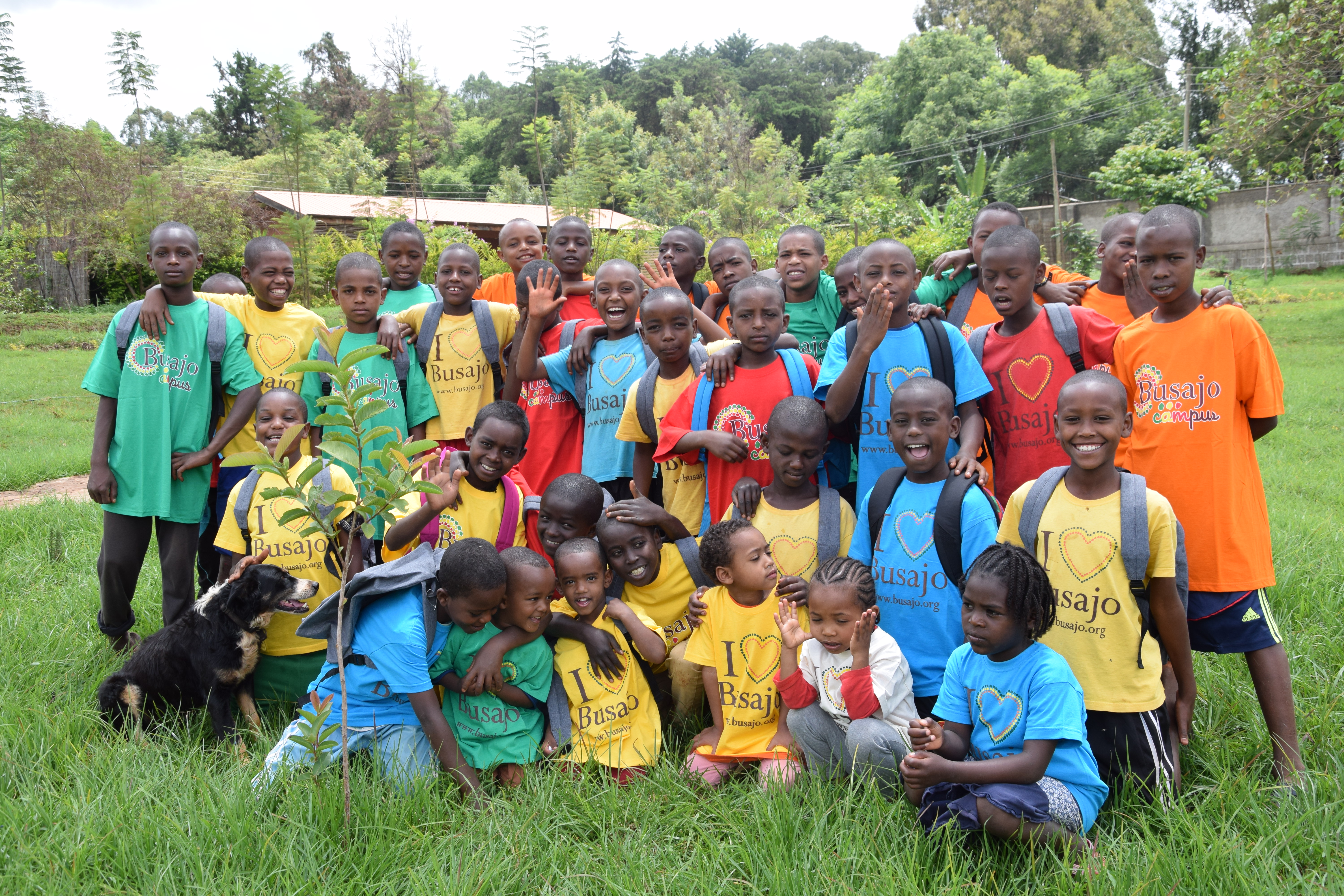
Busajo Campus is a social and educational project for street children living in the city of Sodo and the surrounding rural areas. It supports rehabilitation, crime prevention and family reintegration. The project beneficiaries regain their dignity and build hopes for the future.

Thousands of children live in extreme poverty – many more than we can accommodate on our campus. For this reason, the project focuses on support for health, education and sport, for those on campus and in the vicinity.

A new off-road vehicle is required to reach remote villages.

Partner

SHARE: my story

Location and general information

Ongoing
Location Senegal, Palestine and Burkina Faso
Start date 01/10/2023
End date 12/31/2023
Cost of the project €88,770,00
Foundation funding €72,140,00
Project identifier 20220581
Partners Exodos Ljubljana
Categories Access to Sport - Children with disabilities - Conflict victims - Employability - Environmental protection - Healthy lifestyle - Personal development - Strengthening partnerships
Context

We strongly believe that sport and culture should be more connected and the Share: My Story programme promotes this. Children who hope to be the best footballers in the world should learn about culture for their personal growth and to broaden their horizons. We advocate for equality for girls and boys who, although from different backgrounds, all share the same passion.

Project goals

Our project encourages social, sporting and artistic bonds, promoting the talent of young people and strengthening their physical, cultural and intellectual capital.

Specific objectives

  • Provide young people from different countries with new training and cultural skills, enabling them to express their voices through art.
  • Connect sport with cultural activities, the physical with the imagination, for the surrounding communities: families, neighbours, schoolmates.
  • Empower small clubs and NGOs in their efforts to inspire creative teamwork.

Project content

Creative camps in three countries: Senegal, Burkina Faso, Palestine

  • My story – a workshop in documentary filmmaking
  • Urban dance and movement – a workshop in urban dance

Location 1: Dakar, Senegal, 10–21 January 2023

Location 2: Jenin, Ramallah, Palestine, 1–14 July 2023

Location 3: Bobo Dioulasso, Burkina Faso, 1–11 December 2023

Creating and updating project website and social media accounts, producing PR content

1 December 2022 – 31 December 2024

Completion of the professional documentary film My Story

30 March 2024

Setting up and developing local football clubs

20 January 2023 – 31 December 2023

Partners

Tackling the Blues

Location and general information

Ongoing
Location Merseyside, Liverpool - England
Start date 02/01/2023
End date 02/01/2024
Cost of the project €160,821
Foundation funding €88,836
Project identifier 20220531
Partners Everton in the Community
Categories Access to Sport - Children with disabilities - Healthy lifestyle - Personal development

Context

Inequality is a serious problem in severely deprived areas where people are exposed to multiple risk factors, including mental illness, adverse childhood experiences and limited opportunities. Liverpool is the third most health-deprived area in England. Children and young people frequently have to wait a long time for treatment and a high proportion of youngsters with mental health issues do not receive any treatment at all.

The Tackling the Blues project seeks to address the complex social determinants and inequalities associated with mental health and illness. This is done by applying mechanisms for social inclusion and equity, namely by providing local schools with services that they would not otherwise have access to.

The project develops the youngsters’ knowledge and understanding of positive mental health strategies and resilience, which may render intervention by mental health services unnecessary. An external review by RealWorth calculated that Tackling the Blues had a societal value of £7,354,000, which suggests that it is having a significant impact for its beneficiaries.

Project goals

- Reduce inequalities and support children and young people in severely deprived areas by offering insight into the importance of positive mental health

- Support schools in the introduction of a whole-school approach to mental health

- Provide inclusive activities for children and young people, such as art, sport and education

- Adopt a mentoring approach to help pupils into full-time employment

Project content

- Weekly sessions will be delivered in the top 10% of Lower Layer Super Output Areas (LSOA) where deprivation is a serious problem and access to sport is limited.

- The project helps schools introduce a whole-school approach to mental health. Consultation with partner schools identifies relevant issues and how the project can offer support.

- Sport, art and education promote significant benefits for children’s mental and physical health. These activities will be major deliverables throughout the Tackling the Blues project.

- The project will provide students at Edge Hill University with opportunities for knowledge exchange so that they can improve skills and experience in planning and implementing mental health projects based on sport, art and education.

Partners