Location and general information
Access to Sport -
Conflict victims -
Gender Equality -
Personal development -
Strengthening partnershipsEnsuring girls are given the same opportunities as boys within football, sport and education.
Access to Sport -
Conflict victims -
Gender Equality -
Personal development -
Strengthening partnerships
Access to Sport -
Gender Equality -
Healthy lifestyle -
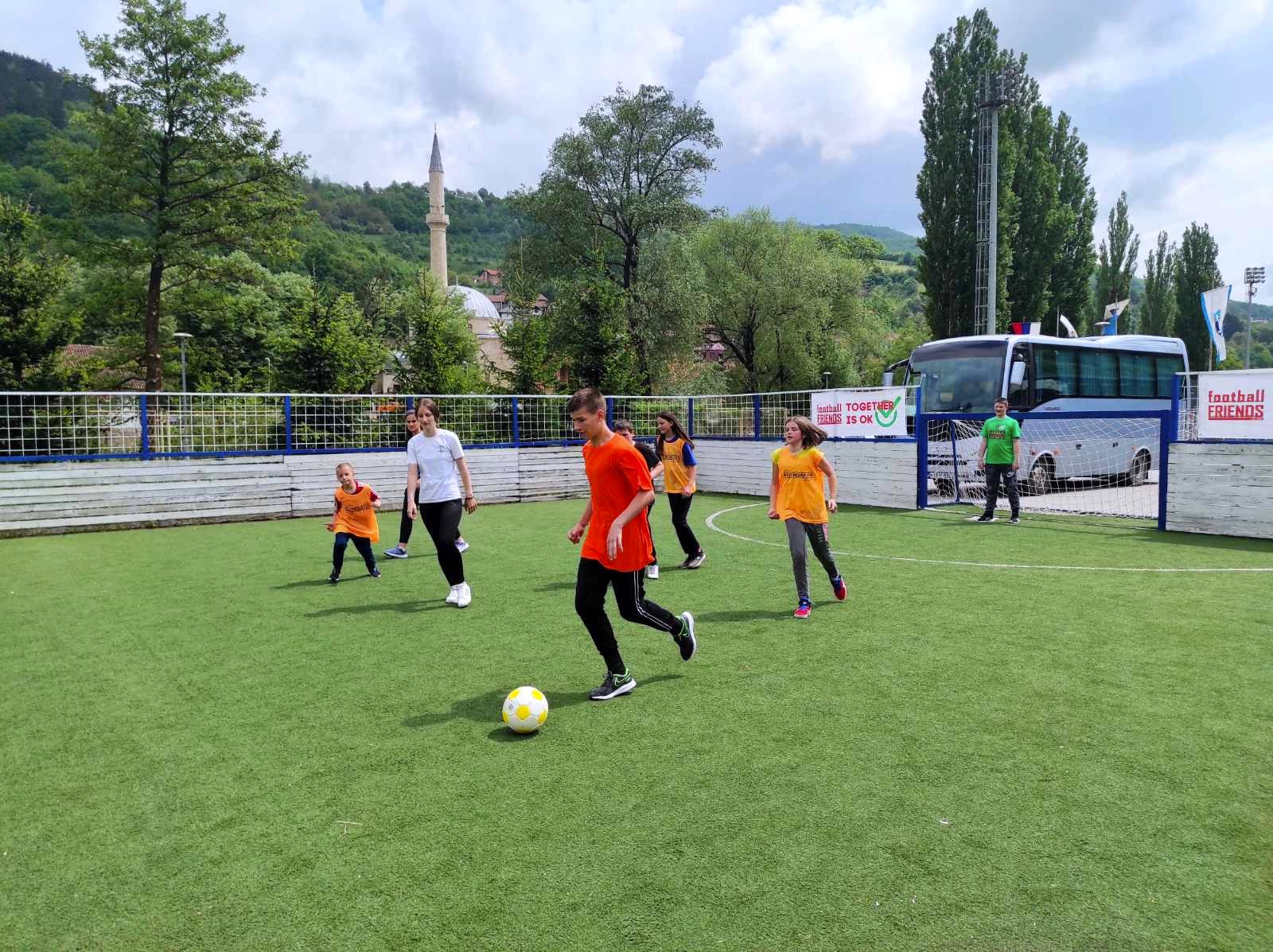
Personal developmentThis project contributes to overcoming ethnic segregation among ten ethnically divided communities in Bosnia and Herzegovina. The country is characterised by its divided schools, symbolised in particular by the phenomenon of two schools, segregated by ethnicity, under one roof. This unique form of apartheid emerges from distrust and fear fuelled by irresponsible nationalist politicians.

This project aims to empower young people to act as role models and young leaders in their communities. It will contribute to reducing the risk of recurring conflict and violence by promoting peaceful coexistence, trust, respect for diversity and cross-cultural dialogue amongst project beneficiaries. They will learn how to:

We work in ethnically divided communities and primary schools to promote gender equality, personal development and communication among young people from different ethnic groups in Bosnia and Herzegovina. Football has the power to unite youth from different ethnic groups and is a common language understood by all children in Bosnia and Herzegovina, and here it will be used as a peacebuilding and youth empowerment tool.
Project activities:

Access to Sport -
Gender Equality -
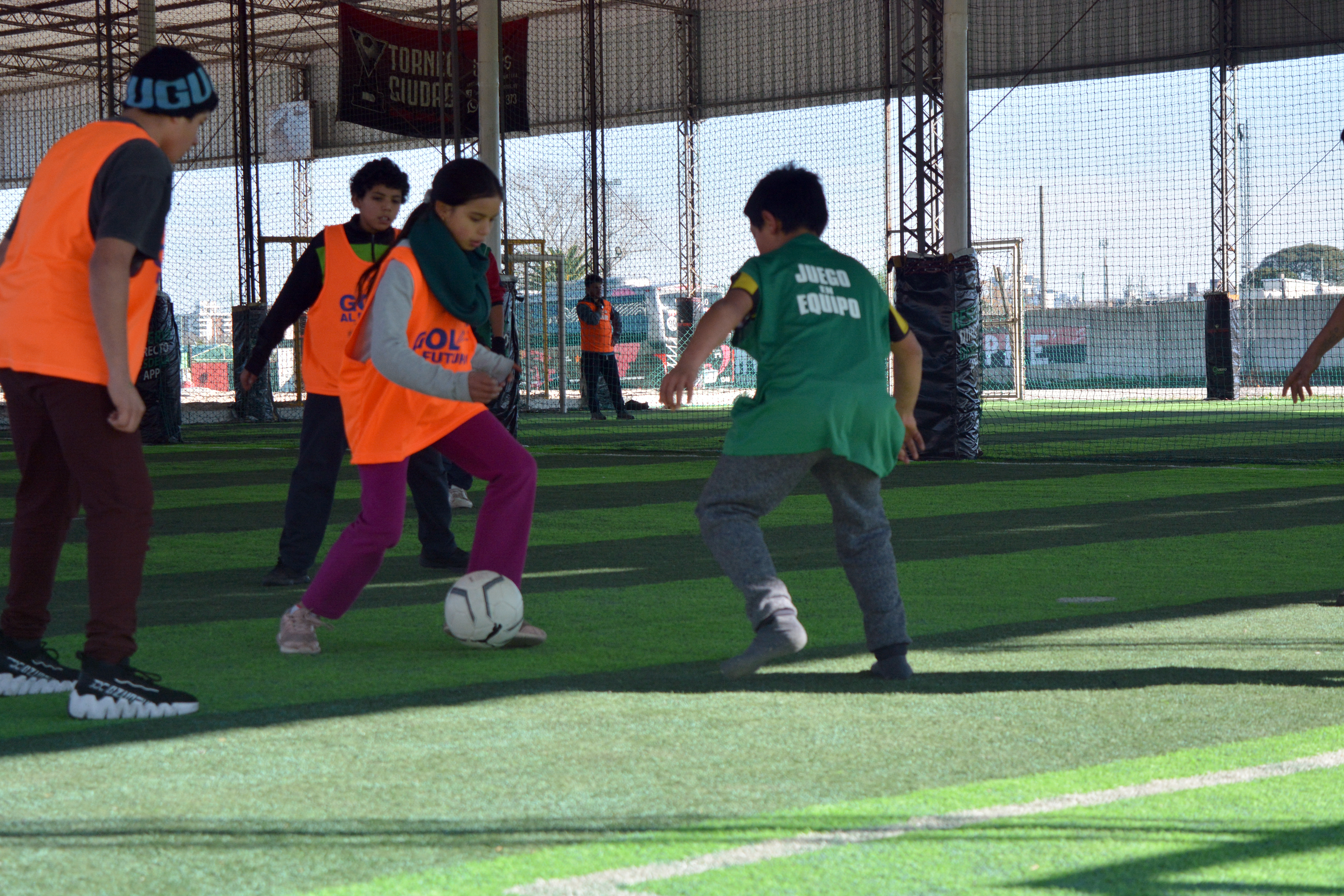
Strengthening partnershipsUruguay has an overall population of 3,485,152. Children are the most affected by situations of poverty and violence: in 2020, 20% of children (a total of 176,375) were living below the poverty line. Moreover, reports showed an increase of 42% in violence against children in 2021. Most violent situations are chronic and 9 out of 10 of the aggressors are close family members of the victims.

- Provide a cohort of children with the tools to strengthen their inter- and intrapersonal skills, their emotional intelligence and their family’s ability to care for them
- Create safe and inclusive sports activities
- Promote the meaningful participation of children in their communities, their positive and sustained integration into formal educational and their right to health through self-care

This project provides sports areas where social skills are developed in favour of gender equity, teamwork and peaceful conflict resolution, as well as themed workshops and individual interviews with a view to making life plans. In addition, the project monitors families and promotes access to resources and social policies that respect children’s rights. It also organises open community awareness activities where children become key members of the community.

Access to Sport -
Gender Equality -
Healthy lifestyle -
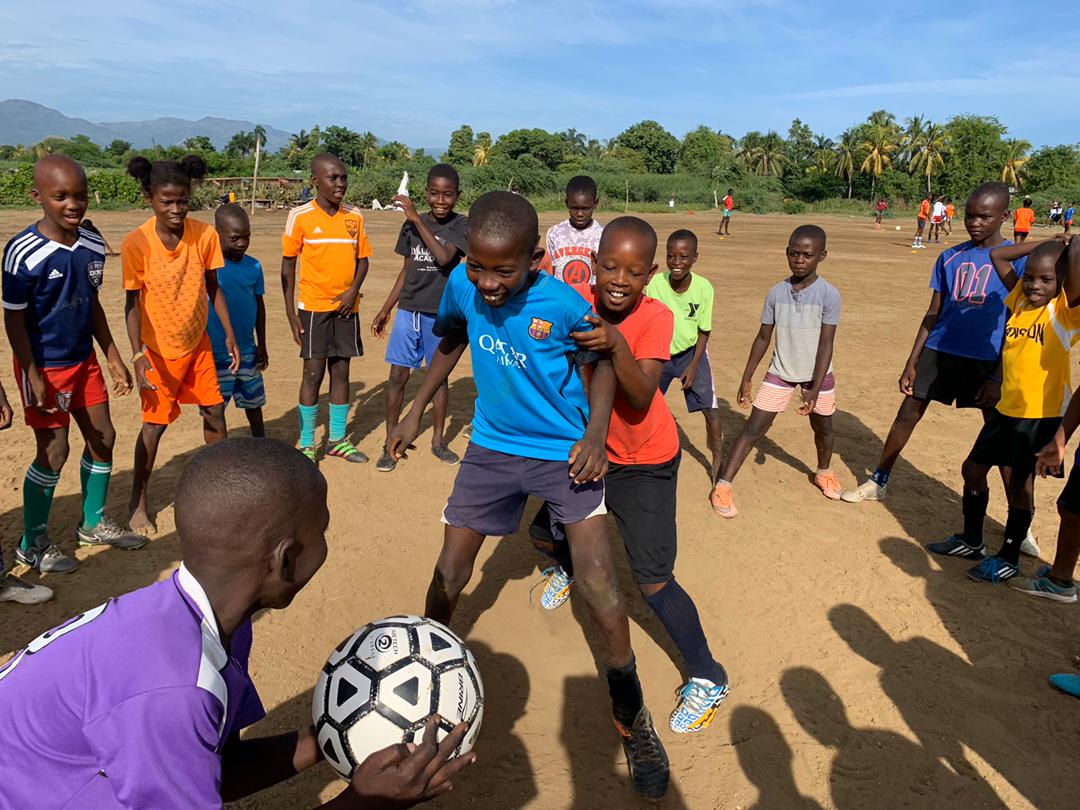
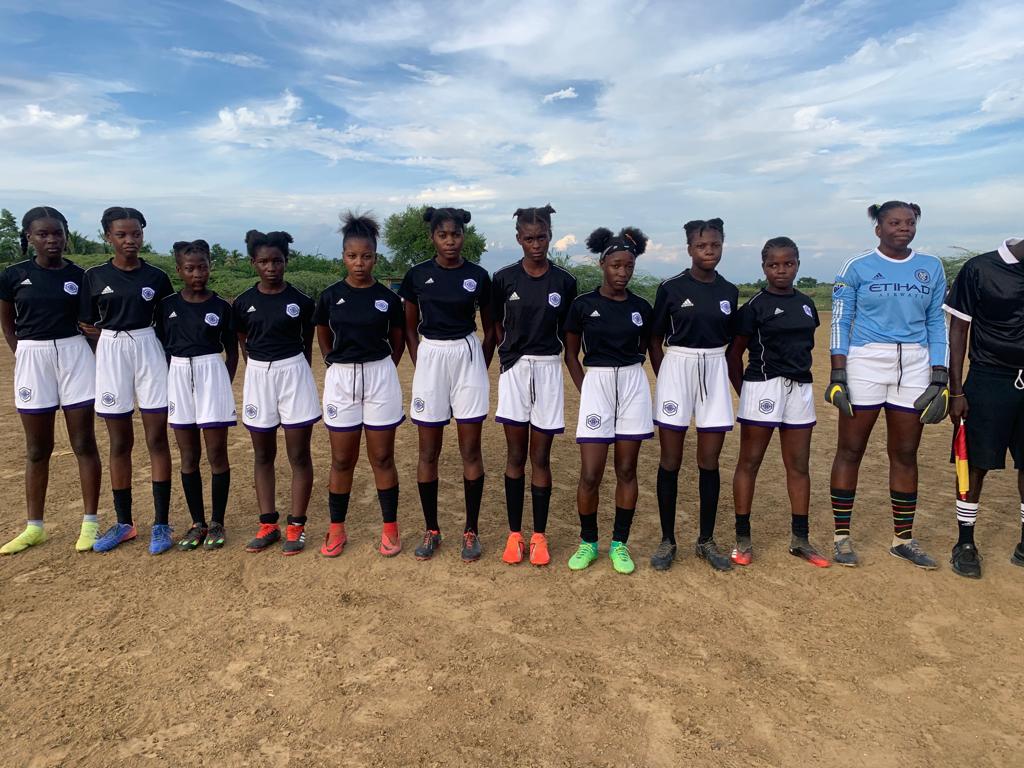
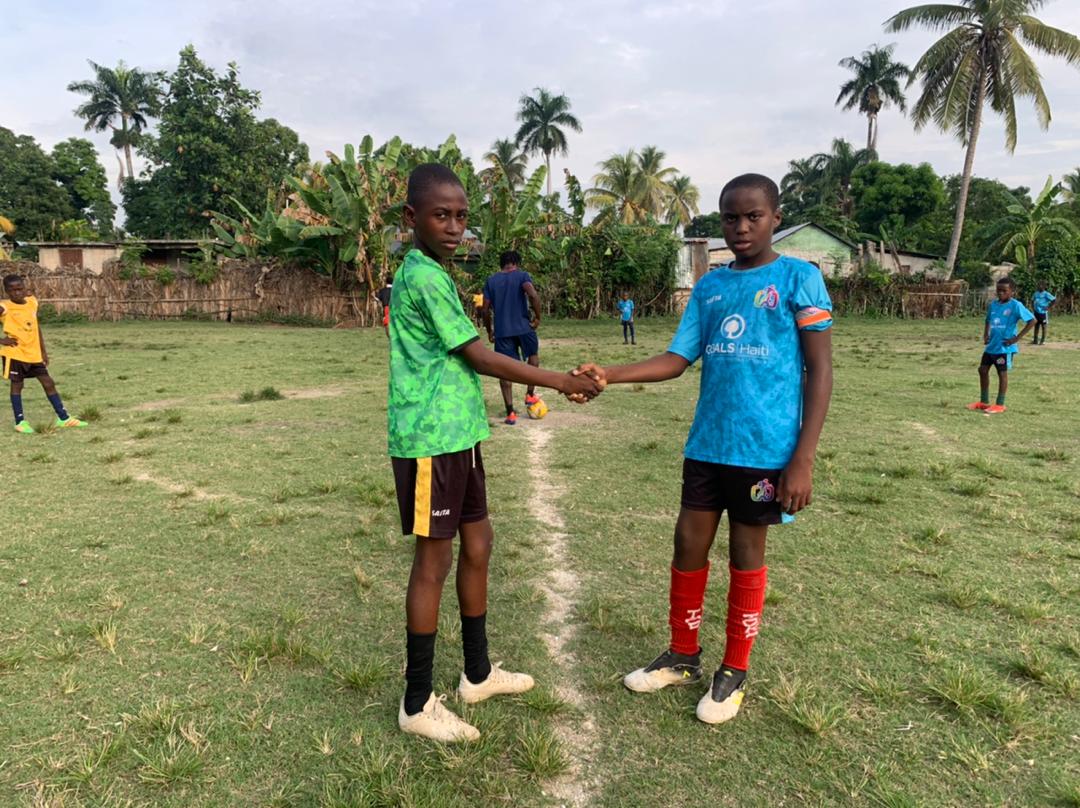
Personal developmentIn rural Haiti, families live on the edge, trying to survive in the face of extreme poverty. GOALS focuses on rural areas where no other non-profit, private or government services are available. Unemployment rates are as high as 80% and parents cannot afford to send their children to school. Disease is an ever-present risk and gender bias is high. In terms of health and education, Haiti is one of the most difficult places in the world to grow up.

GOALS was created to use the power of sport to engage youth with education and leadership opportunities. The Aktive Jen Yo project embraces football, education and community service. We focus on teaching life skills such as literacy, healthy living and conflict resolution. The holistic approach aims to create long-lasting change. An astounding 98% of participants had no access to sport before GOALS. Our programmes provide vital support for the development of Haiti’s youth in a safe, empowering space.
The objectives of our programme are to improve the physical and mental health of individuals within healthier, more stable rural communities where every child can realise their potential. Our projects engage citizens who learn in a dynamic, culturally appropriate way. Sport is a foundation of education and young people acquire life skills (communication, problem solving, leadership, inclusion, self-confidence) in a safe environment that allows them to truly flourish.


Access to Sport -
Gender Equality -
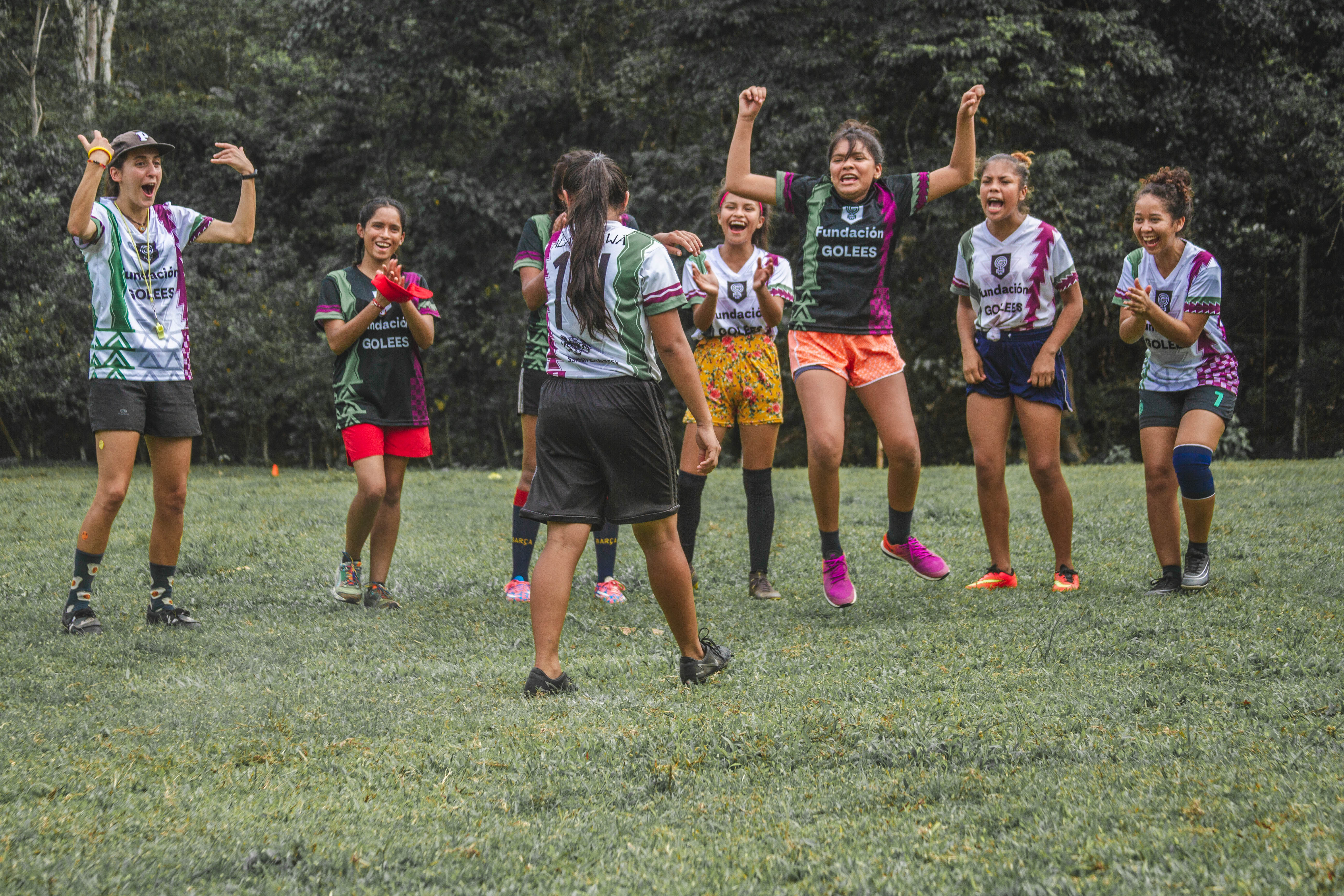
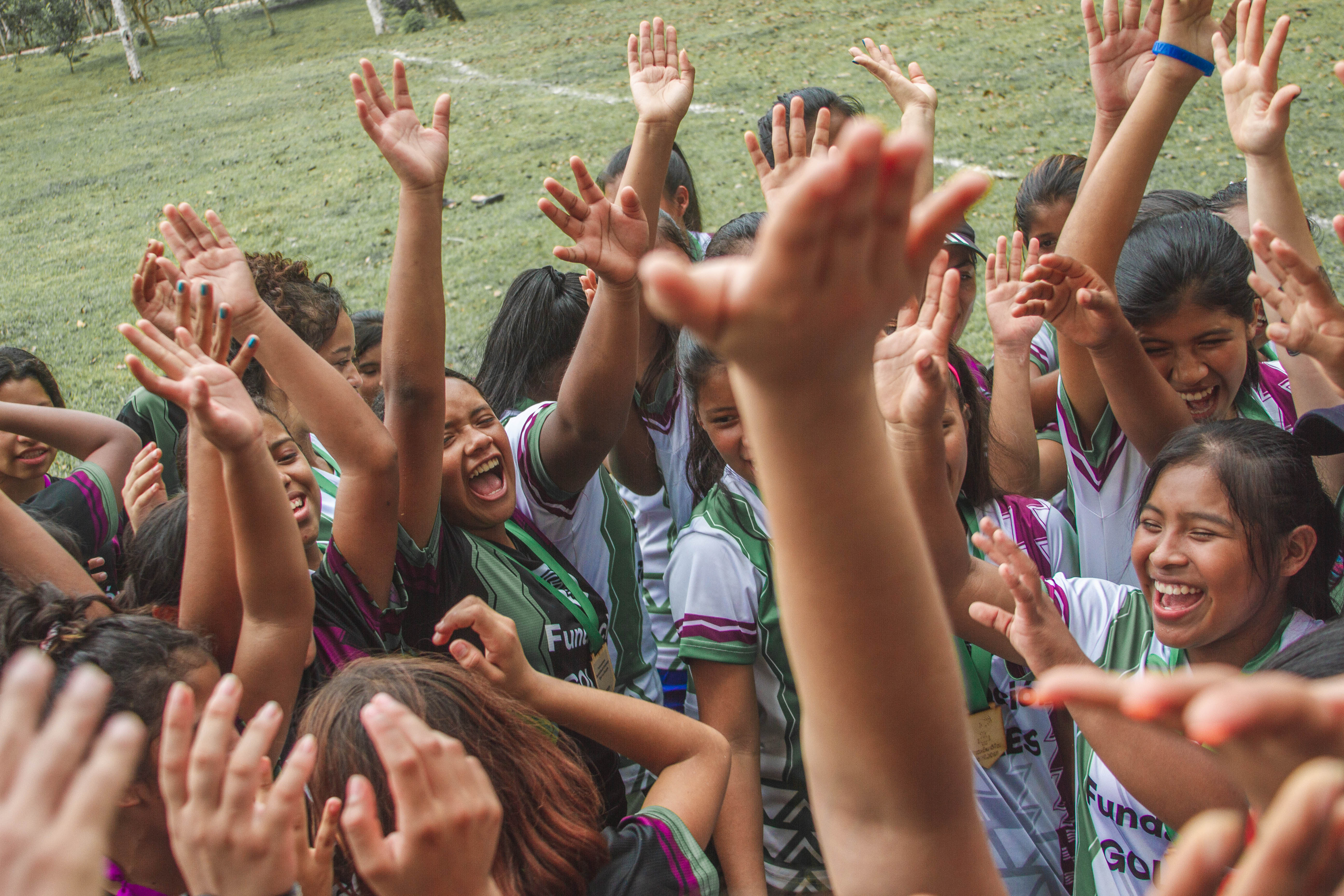
Personal developmentAfter more than three years of working with women and girls in informal settlements and indigenous territories in Costa Rica, we recognised the potential of using football as a tool for social transformation and specifically to address sexual diversity. Homosexuality should not be taboo in women’s football. Football represents freedom, and no matter who you love, you can be yourself.

General:
- Promote the acceptance of sexual diversity in girls through the practice of football.
Specific:
- Generate sports areas and psychosocial spaces that offer a free, safe environment for dialogue on various sexual/affective experiences and encourage solutions to discrimination on the basis of sexual orientation.
- Prevent violence and harassment directed at sexual-affective relationships between girls who play football.
- Redefine the relationship between women’s football and sexual orientation.

Through football, we will develop and implement a methodology to use sports and psychosocial spaces to encourage a greater tolerance of sexual diversity. Whether in secondary school, receiving assistance from NGOs or playing for teams in at-risk areas, and irrespective of sexual orientation, girls and young women will be agents of change to foster greater inclusion on football pitches and in the lives of lesbian, bisexual and unconventional girls and teenagers.
Access to Sport -
Environmental protection -
Gender Equality -
Healthy lifestyle -
Infrastructure and equipment -
Personal development -
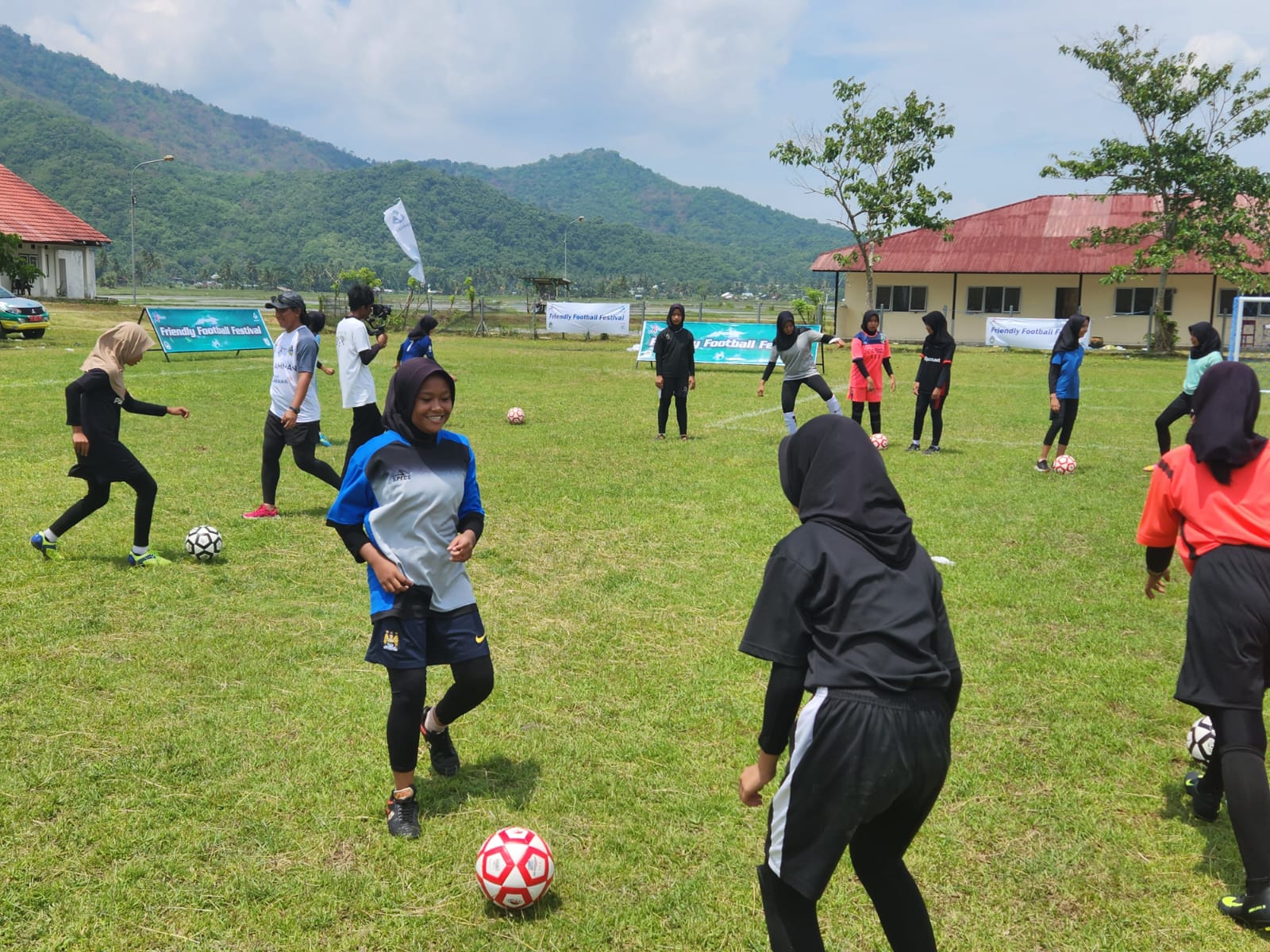
Strengthening partnershipsGarut has high levels of poverty, with poor levels of education, health and development, and discrimination against women and girls.
Furthermore, Indonesia is now one of the world’s largest plastic waste producers, creating over 3.2 million tonnes of plastic waste per year. A lack of public awareness of waste management, together with a lack of investment, means that there is no easy solution to Indonesia’s waste problems. There is an urgent need for locally-owned and community-driven solutions, such as an accessible and cost-effective waste management infrastructure.

To train, educate, empower and build the capacity of 30 local male and female school teachers and over 5,000 vulnerable male and female students, with 50% female participation, on the topics of the circular economy, health, life skills and gender equality in order to improve the level of education, create positive social change and guarantee cleaner, greener Garut communities.
I. Programme planning, design and socialisation
Through its DINAS, DISPORA and PSSI stakeholder group partnerships, the ASA Foundation conducts project socialisation, planning and design workshops comprising baseline studies and needs assessments. During this phase, our stakeholders recommend potential target schools together with adult teachers to implement the virtual programme. The teachers’ CVs are submitted to the ASA Foundation.
II. Design and development of the training platform
A collaborative empowerment approach involves all our stakeholders, which are invited to include their own education modules in our curriculum design process. The curriculum, in both local Bahasa Indonesian and English languages, is scheduled to be rolled out during the Training of Trainer (ToT) workshop. The training modules are to be updated throughout the program through continuous feedback from all stakeholders.
III. Implementation of the ToT programme, UEFA Foundation for Children ‘Field in a Box’ football pitch, Garut City, West Java, Indonesia
The ToT workshop will be run by local ASA Foundation master trainers to build the capacity of 30 male and female school teachers so that they can deliver the football-based education training modules. The teachers are trained and empowered through the coaching development methodology that covers the following topics:
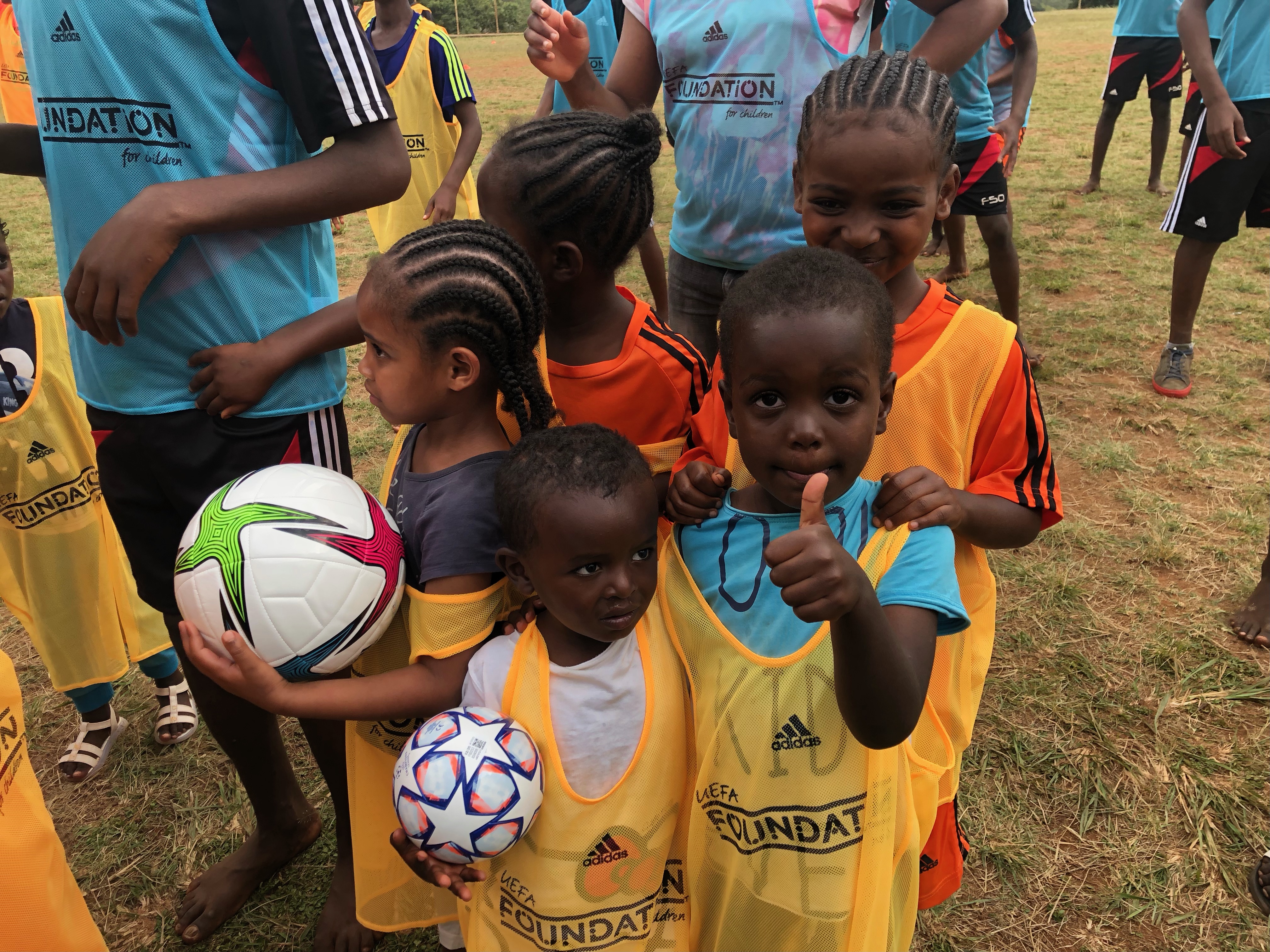
The ToT workshop is to be held at the UEFA Foundation for Children Field in a Box pitch in Garut City.
IIII. Running the youth development training activities in schools
On completion of the ToT workshop, the 30 adult teachers are expected to lead weekly grass-roots youth development coaching activities for their respective male and female student groups, either in school as extra-curricular activities or in their communities. The activities are geared towards long-term sustainability.
Access to Sport -
Gender Equality -
Healthy lifestyle -
Infrastructure and equipment -
Personal developmentCOVID-19 had a huge negative impact on mental and physical health, especially among children. While we believe that doing sport is an important way to tackle this issue, some schools in the less developed areas of China may not be able to afford decent sports equipment or offer their students training. Moreover, gender stereotypes make it difficult for boys and girls to play sports freely. This not only hinders the recovery process in the post-COVID era but also fosters gender inequality in schools.
The main objectives of this project:
- Enhance junior and secondary school students’ engagement in sport
- Challenge gender stereotypes in sport and introduce transformative changes among girls, boys, their families, schools and communities
- Enhance friendships and cohesion in the schools targeted by the project
To achieve the objectives, the following activities are planned in ten project schools:
Access to Sport -
Children with disabilities -
Gender Equality -
Healthy lifestyle -
Infrastructure and equipment -
Personal developmentThe project is based in Sodo, a rapidly expanding city in the region of Wolaita, Ethiopia. The pace of development is generating many social problems as an increasing number of people, including many minors, migrate to the city in the hope of improving their lives and escaping the deep poverty of the countryside.
Many people moving to the city are forced to resort to marginal employment and live on the streets. Young people and children soon become targets of the criminal underworld. The situation can also be catastrophic for those who remain in rural areas as they face deprivation and poverty, often struggling to survive. There are an estimated 3,000 street children in Sodo. Many families do not have the economic capacity to meet basic needs or send their children to school.

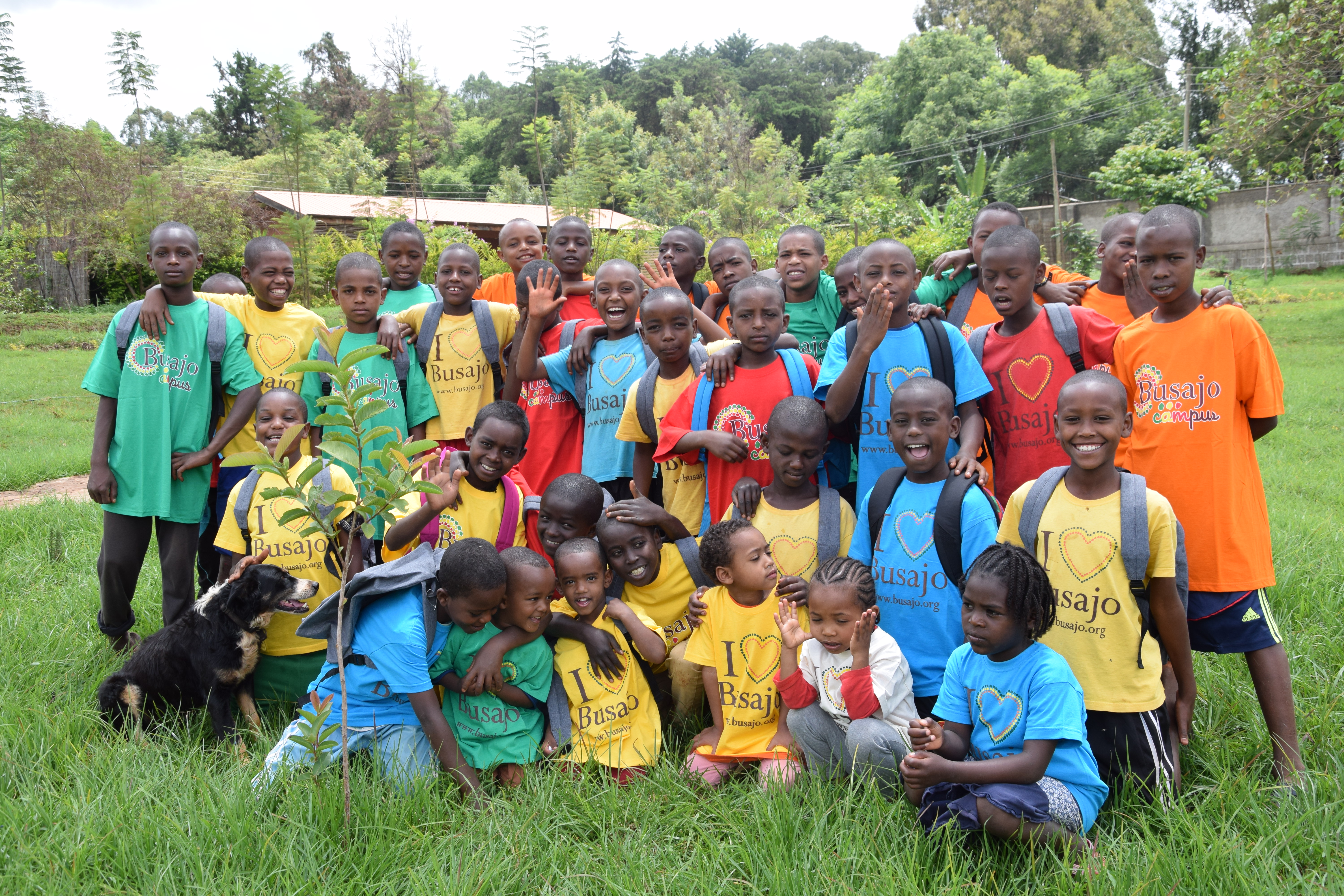
Busajo Campus is a social and educational project for street children living in the city of Sodo and the surrounding rural areas. It supports rehabilitation, crime prevention and family reintegration. The project beneficiaries regain their dignity and build hopes for the future.
Thousands of children live in extreme poverty – many more than we can accommodate on our campus. For this reason, the project focuses on support for health, education and sport, for those on campus and in the vicinity.
A new off-road vehicle is required to reach remote villages.

Access to Sport -
Gender Equality -
Healthy lifestyle -
Personal development -
Strengthening partnershipsCommercialisation of sport has led to a reduction in its educational role. Instead of using sport to educate and promote healthy lifestyles and positive social values, the focus is on top performance. There is also an increase in negative phenomena in and around sport, directly linked to the widespread crisis of social and moral values.
Not all young sportsmen/sportswomen will become top athletes, but they should all strive to be top people. Children go to school because they have to and do sports because they want to, which illustrates the relevance of sport during childhood.

The aim is to revitalise the educational role of football, utilising the coaches’ influence and contributing to the youngsters’ upbringing. The training module teaches coaches how to introduce other topics of relevance to everyday life in their sessions, to help the youngsters become open-minded, free-thinking and active citizens, i.e. use football to turn them into life champions.
In the first stage, its specific objectives will be as follows:
- Set the framework for proper usage of non-formal educationthrough sport: develop a curriculum with three areas of intervention – for coaches, youngsters and parents; capacity building
- Test the model of educational work in sport directly on 2,000 children, to make it a replicable tool for other age categories/countries/disciplines
- Present the Life Champions concept to more than 2,000,000 people through an extensive Creating Life Champions campaign
The project will comprise a number of activities with different formats, starting from developing educational modules for three main target groups (youngsters, coaches and parents). It will include six regional info days in the countries involved, to present the concept and approach and invite the coaches and youngsters to apply for the summer camps.
Thirty coaches from all over the region will be selected for training. Preference is given to the coaches who use the knowledge and skills they have gained at summer camps run by famous players Dejan Stankovic (DEKI5) and Goran Pandev (Pandev Academy) or in their regular coaching activities. The focus is on those from disadvantaged groups.
An extensive media campaign will be run to reach at least 2 million people, underlining the Life Champions messages, with famous athletes as its main ambassadors.
The project will end with a major international conference to present the main results and the advantages of this new working model in sports, to promote the utilisation of sport in educating new generations.
Access to Sport -
Children with disabilities -

Gender Equality -
Healthy lifestyle -
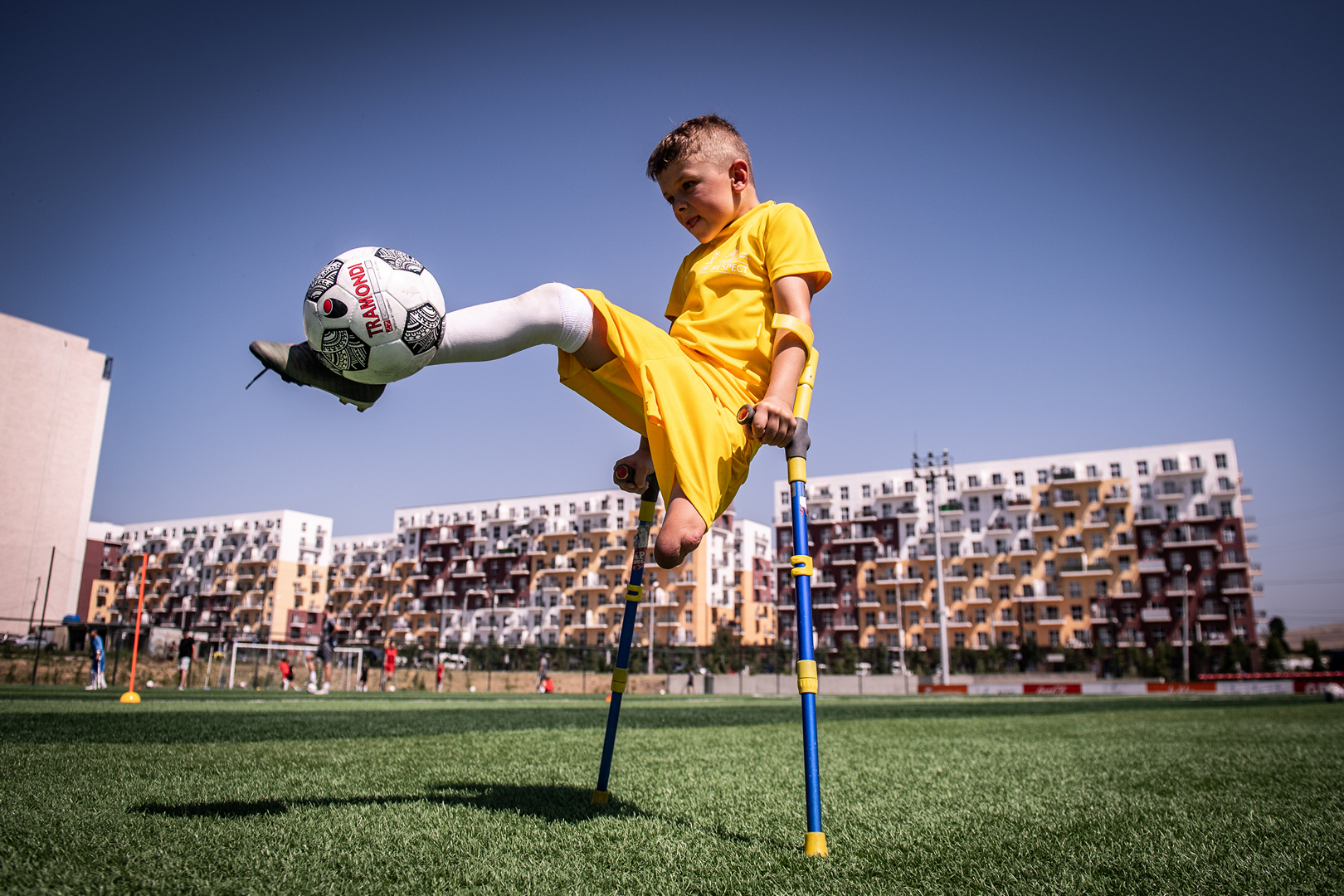
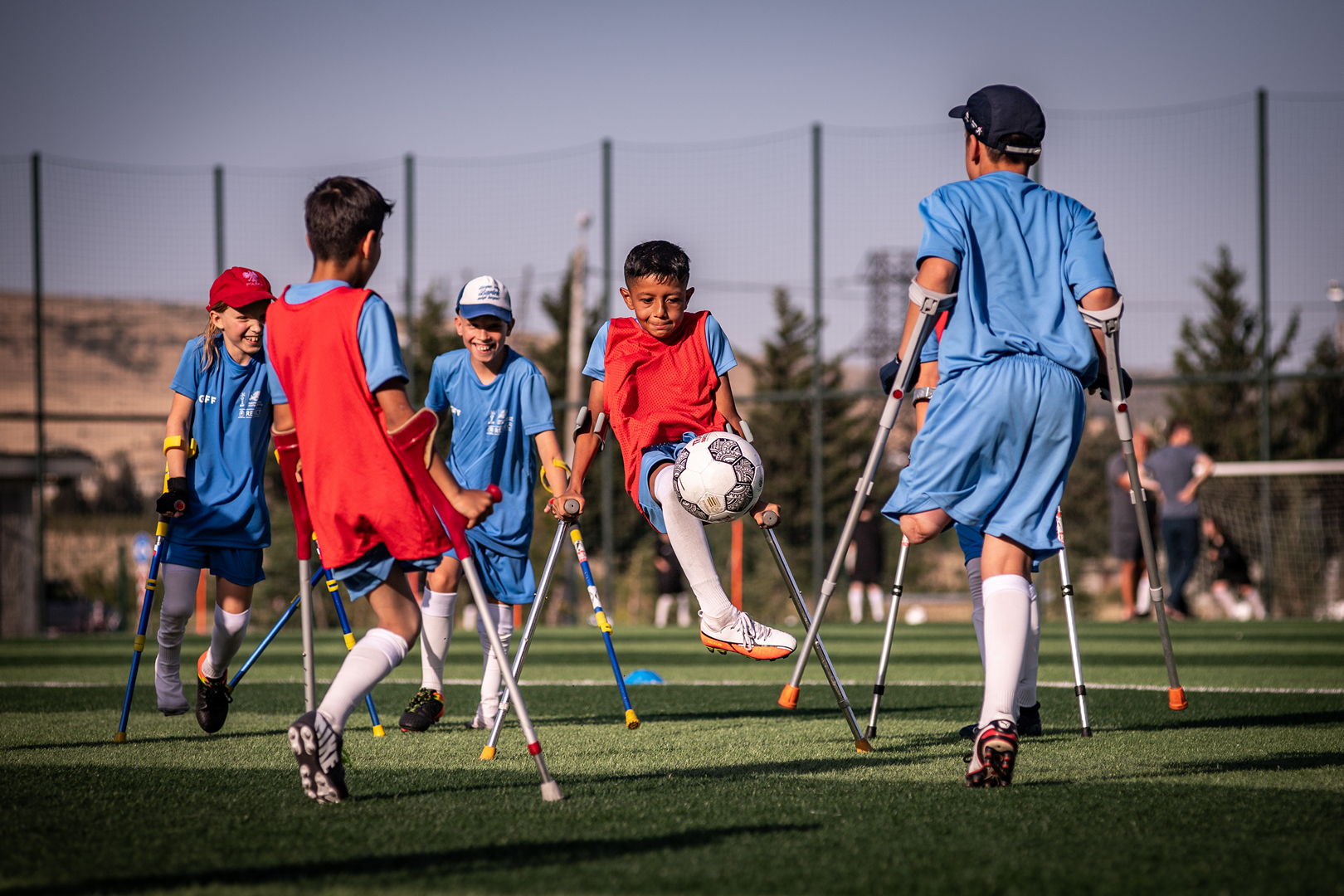
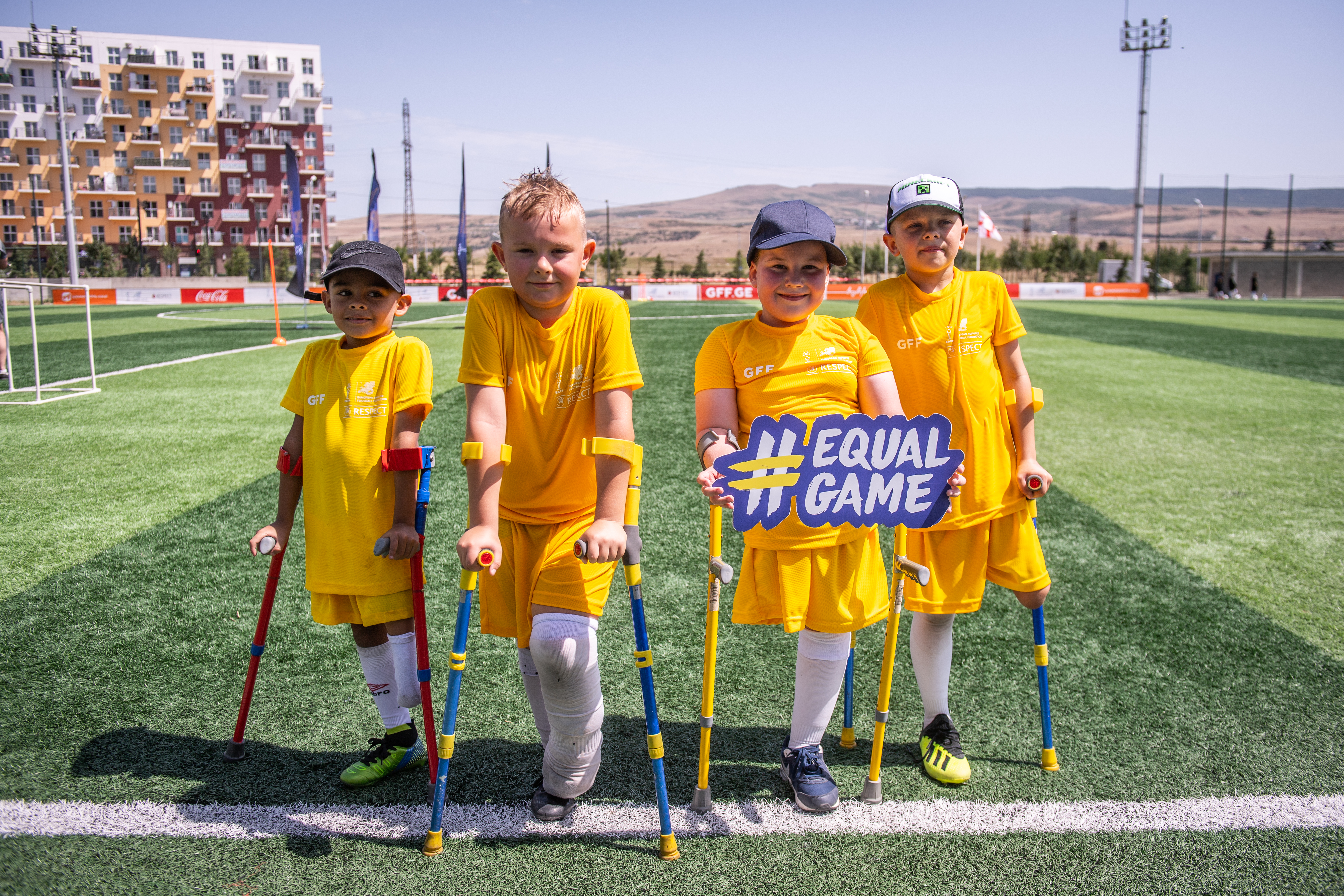
Personal developmentThe benefits of participating in sport for children are universal. In many countries, disabled children have limited access to sport even though it is their basic human right. Providing children with the opportunity to participate in a range of physical activities improves their well-being, enables them to socialise with their peers, develops social skills and enhances mental and physical health. It is important to reduce the inequalities that disabled children face as much as possible.

- Offer equal access to sport
- Increase skill levels
- Disseminate the concept of junior amputee football
- Provide cultural exchanges for children, parents and coaches
- Develop new junior projects in the participating countries
- Increase participation in physical activities
- Increase the number of girls involved in sport

Junior Camp is a training camp for children, aged 5–16, with unilateral amputations or limb defects. Participants from all over Europe and further afield attend Junior Camp and are afforded the opportunity to play football, speak the universal language of sport and develop new skills. It is also a chance for coaches to exchange knowledge and consider developing subsequent programmes. In addition, the camp gives parents the opportunity to strengthen their bonds with their children.

Access to Sport -
Gender Equality -
Personal development -
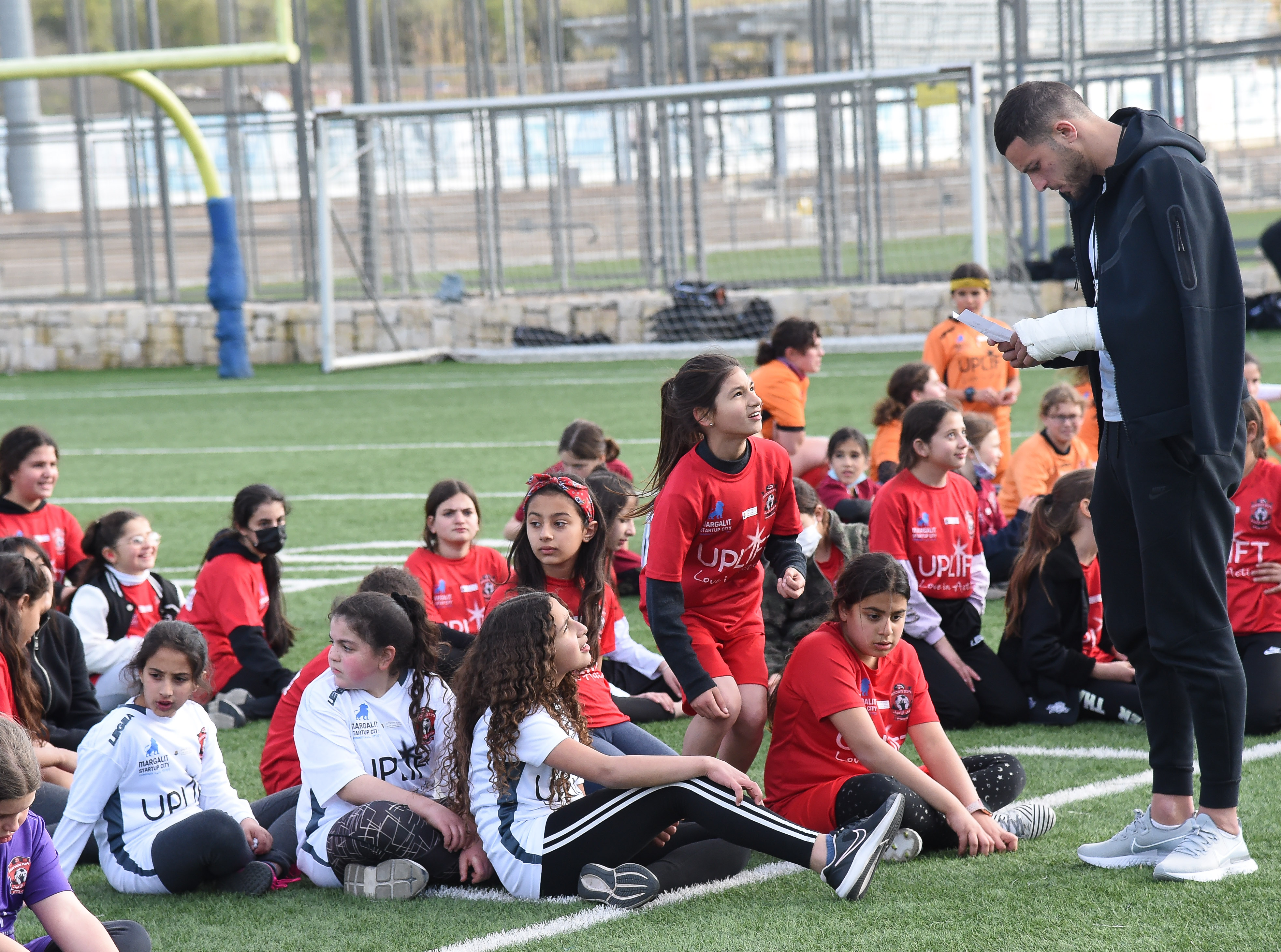
Strengthening partnershipsHapoel Jerusalem projects take place in the Greater Jerusalem area. Jerusalem is a highly sensitive, complex arena in terms of the political, ethnic, religious and geographical contexts. It is an almost impossible mosaic of communities and faiths, attracting people from all over the world. Jerusalem suffers from severe violence, animosity and friction with hardly any positive contact between the various communities. Jerusalem is the poorest city in Israel and as a result, Hapoel Jerusalem places a great deal of emphasis on including all children from all backgrounds and on creating equal opportunities for all.
- Bringing together children from different religions, nationalities and backgrounds, in order to break down barriers and remove stigmas
- Using football to promote values such as tolerance, anti-violence and anti-racism
- Giving children from underprivileged backgrounds a better education and high-quality sports activities
- Promoting women’s football in Jerusalem

- Enrol 550 Jewish and Arabic boys and girls in after-school learning centres
- 24 mixed and cross-cultural activities throughout the year for Neighbourhood League participants
- Include at least 10% of participants’ parents in activities
- At least 300 children complete 16 hours of conflict resolution workshops and tournaments
- The participants’ families, schools and communities will also be involved in this unique enterprise for social change, with the aim of humanising the other communities and learning that, just like them, people on the other side of the social divide are seeking peaceful lives for themselves and their families.
Access to Sport -
Children with disabilities -
Gender Equality -
Healthy lifestyle -
Personal developmentIreland has been under international scrutiny as a country that is failing to meet its international human rights obligations to tackle racism and discrimination. The UN Committee on the Elimination of Racial Discrimination, the EU Agency for Fundamental Rights, the Council of Europe and the Irish Network Against Racism have all highlighted Ireland’s shortcomings: the country has an above-average number of incidents of discrimination and racist violence.


Football versus Discrimination is a 75-minute interactive workshop using football as a tool to address issues of discrimination such as racism, sexism, ableism and homophobia.

Access to Sport -
Gender Equality -
Healthy lifestyle -
Personal developmentRecent reports have shown that there are significant inequalities in access to a decent education in Czechia. These inequalities only grew during the COVID-19 pandemic as the result of extended school closures and a lack of support and access to online technologies at home, e.g. parental illiteracy, lack of access to computers and a reliable internet connection. The region of Czechia where a child is born plays a major role in their future success. In regions with a high poverty rate, children are less likely to receive a good education and enrol on after-school programmes. They often have to deal with youth and parental violence, petty crime, addiction, poor health, mental stress, discrimination and financial pressure. Our project targets children in these regions with an approach that combines the health benefits of football with educational added value.

This project introduces the League of Fair-Play Football (LFF) to various regions of Czechia. The league offers a platform for positive socialisation through a year of activities for children who lack access to quality education and sports activities. LFF uses football to attract, motivate, empower and develop young people who are exposed to social failure due to their economic status, family situation, social environment or ethnic background. LFF provides children with an opportunity for constructive emancipation in an inclusive, safe, mentored environment, free of any charge.

Access to Sport -
Environmental protection -
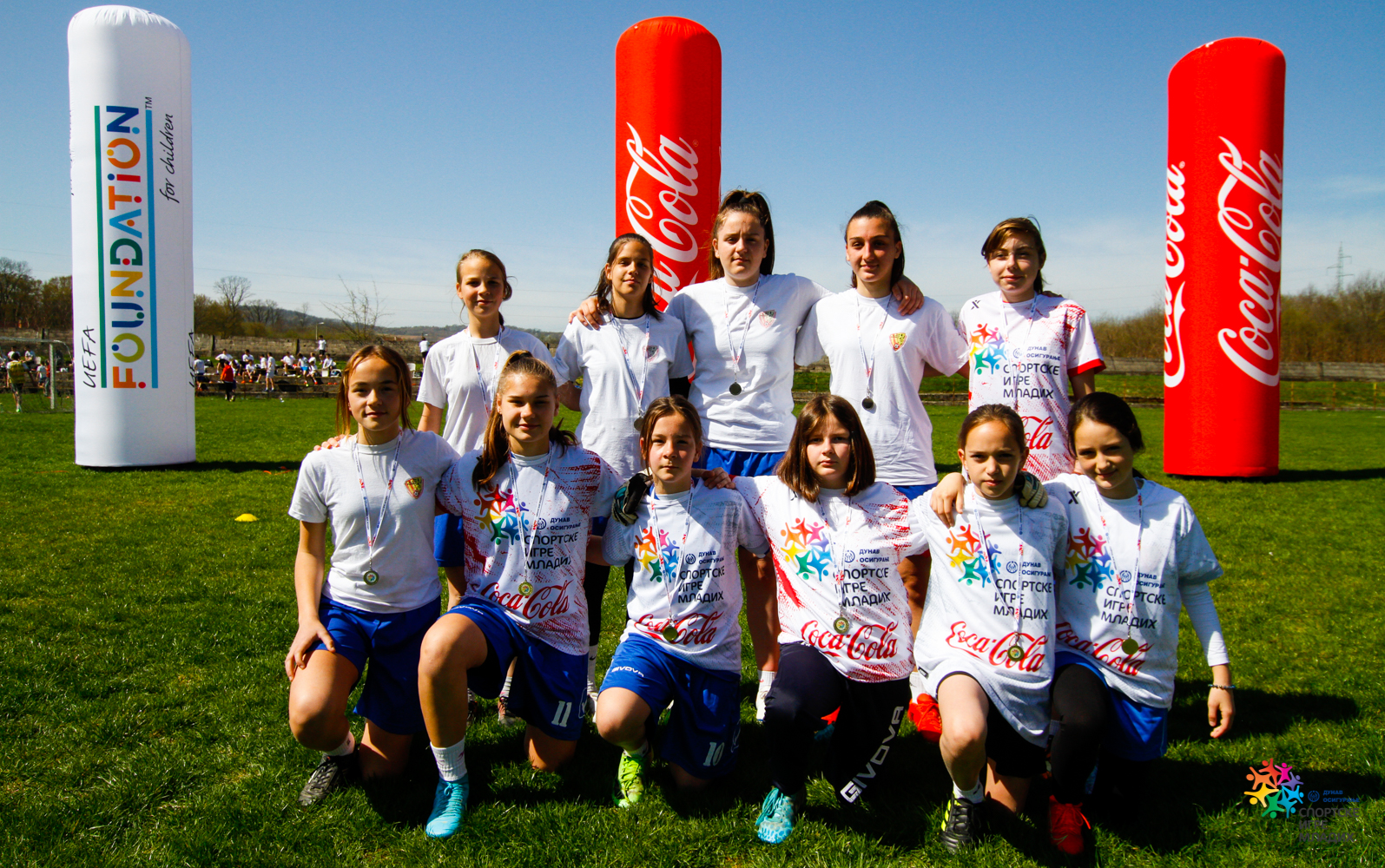
Gender EqualityThe Youth Sports Games were launched in Split, Croatia, in 1996. The primary motive was to enable children to take part in organised sporting events and other free activities. The Youth Sports Games have since become the largest amateur sports event for children and young people in Europe. More than 2.5 million children have competed in the 26 years since they began.
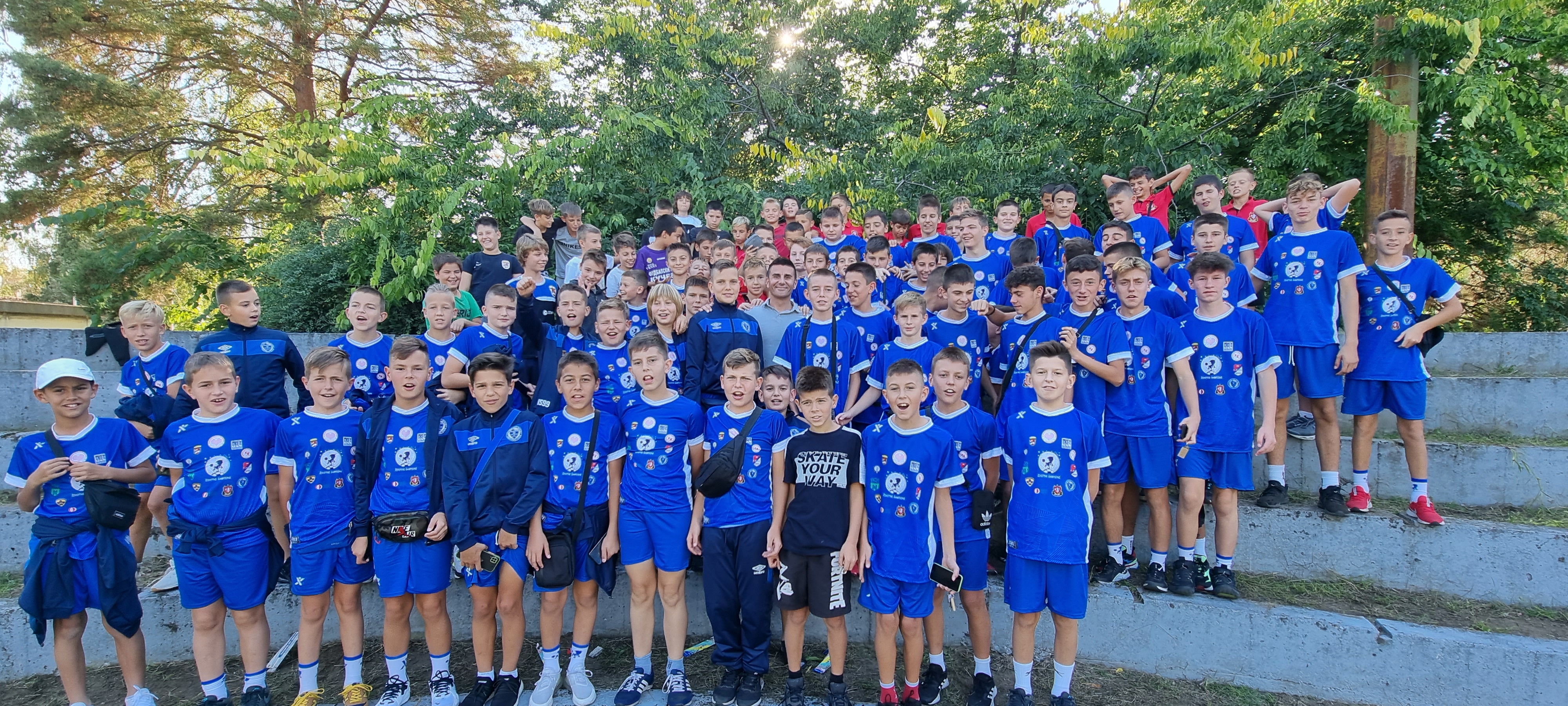
The games are held in three countries: Bosnia and Herzegovina, Croatia and Serbia. Children of primary and secondary school ages compete in ten sports free of charge, and the most successful individuals and teams get to travel to Split to take part in the international finals.

In addition to the games, the association organises regular sports and recreational activities for children to encourage health, tolerance and ethical values. The association promotes a lifestyle based on understanding, friendship, solidarity and fair play as an alternative to addiction and delinquency.
The association aims to:
- Bring children and young people together for sport and recreation
- Cultivate a positive atmosphere among children and young people;
- Encourage sport and friendship as an alternative to addiction and delinquency, thereby rationalising health and social programmes
- Promote educational activities and deliver a modern, up-to-date message to, and by, young people
In 2023, 220,000 participants are expected from the three countries. Football will have 110,000 players.
The goals for 2023 include the expansion of activities to over 300 municipalities with 15,000 female footballers. National finals in the three countries will be attended by 6,000 participants each, while 1,500 young people will compete in the international finals for which all expenses are covered – accommodation, travel and competition costs.

Sport is used as a medium to connect the participants, aged 7–18, through tournaments held in over 300 municipalities in Bosnia and Herzegovina, Croatia and Serbia. The Youth Sports Games advocate a healthy lifestyle and promote all ten sports (football, street basketball, handball, volleyball, beach volleyball, tennis, table tennis, chess, dodgeball and athletics), as well as educating the children about sustainability. Emphasis is placed on organising football tournaments for girls with a participation target of 15,000 young female footballers in the three countries.

Access to Sport -
Children with disabilities -
Employability -
Gender Equality -
Healthy lifestyle -
Infrastructure and equipment -
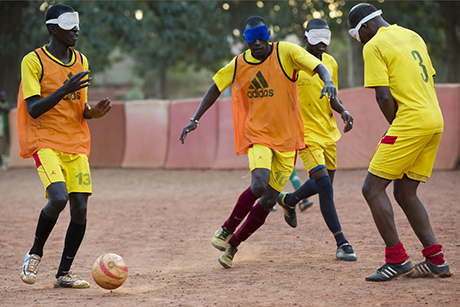
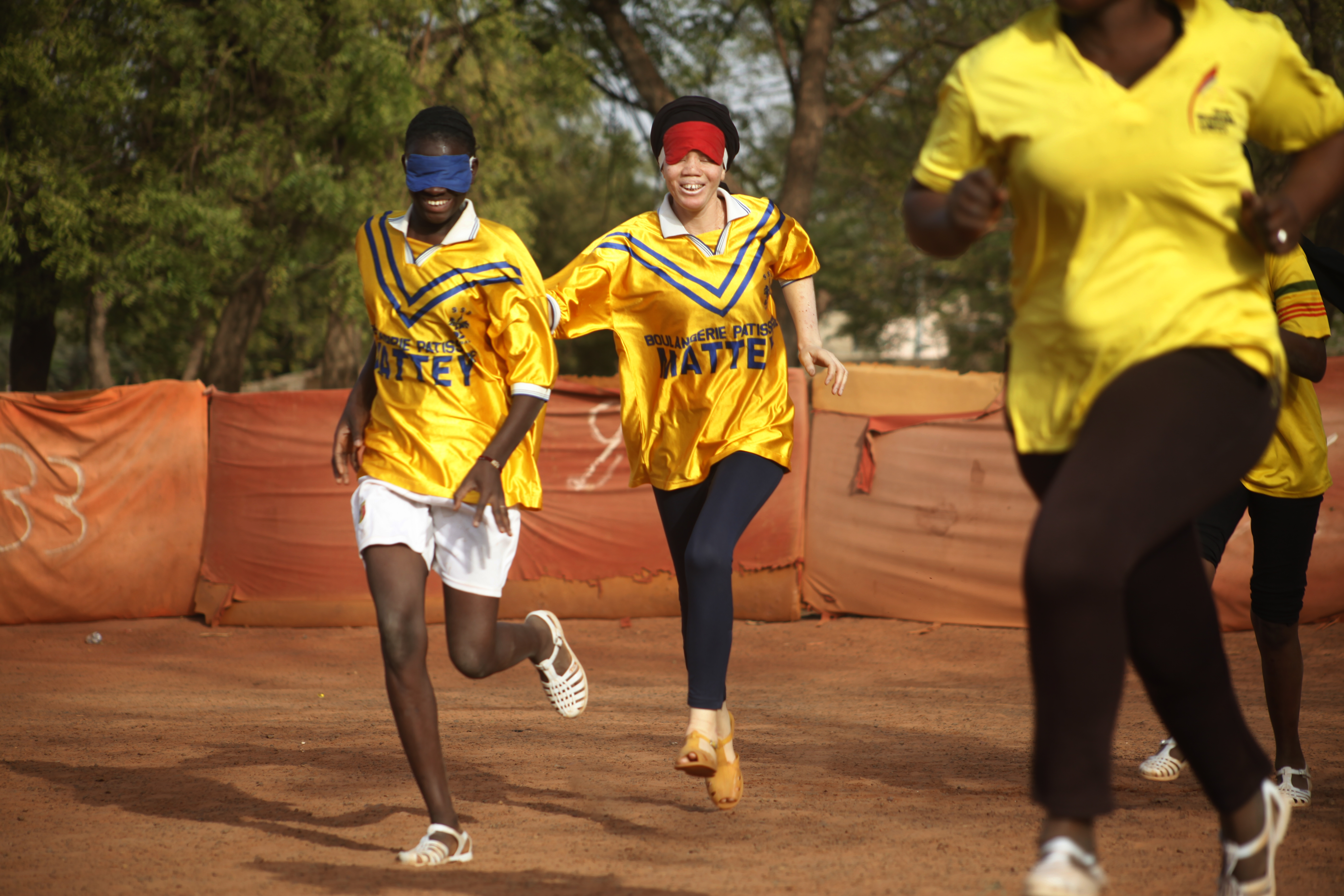
Personal developmentThe Institut des Jeunes Aveugles in Bamako is a school for 250 children with visual impairments who live and pursue their studies in very precarious conditions. Libre Vue has delivered its blind football programme to these children since 2012. The programme consists of football adapted to visually impaired players, thereby promoting access to sport and contributing to personal development, health and inclusion.
Our goal is to offer high-quality coaching, motivate even more young people and train coaches, guides and educators. We want to create a policy that promotes access to blind football for girls and offers them significant practice sessions. We also want to set up a sports canteen. In order to better communicate and sell artistic photographs (a source of funding for Libre Vue) we need to update our promotional film and organise new exhibitions.

Organise local and international training.
Create a ‘women's’ policy with the staff and players with regards to families and the school.
Install a canteen/bar next to the pitch (renovate old changing room hut).
Create images: produce (local) videos to update our promotional film, take photographs, organise new exhibitions, provide prints for our online Solidarity Boutique and produce impactful communication materials.

Access to Sport -
Conflict victims -
Gender Equality -
Healthy lifestyle -
Personal development -
Strengthening partnershipsTunisia is facing economic and social challenges that have significant repercussions for its population, in particular children, young people and marginalised groups, including women and migrant communities. The COVID-19 pandemic further exacerbated socioeconomic conditions, contributing to rising frustration in the country and tensions between migrants and their host communities.
When the discrimination and exclusion experienced by migrant populations in Tunisia, particularly those from sub-Saharan Africa, are added to this situation, it can be seen that there is a need to promote social inclusion, tolerance and diversity within the migrant and host communities. Using sport as a vehicle for change, an activity that increases the participation of children and women, this project aims to encourage and facilitate social inclusion between migrant and host communities in five cities in Tunisia .
Building on the pilot project “Sport for Inclusion: Football Against Racism”, this project aims to extend its reach to marginalized communities to participate in sports activities and to develop coordination and collaboration with stakeholders. governmental and non-governmental to ensure safe and inclusive communities in Tunisia.
Reinforce the social inclusion of migrant and local populations in Tunisia in accordance with international law and standards on migration and human rights.

Building on the pilot project, Sport for Inclusion: Football against Racism, this project aims to extend the scope to marginalised communities so that they can participate in sports activities. It also seeks to further its coordination and collaboration with both governmental and non-governmental actors to promote safe, inclusive communities in Tunisia.
The overall objective of the project is to contribute to the improvement of social inclusion between migrant and host communities. This is especially the case for women and children, and is achieved by enabling local and national actors to provide educational services through sport and other recreational activities. This approach facilitates social integration, provides training and raises the awareness of tolerance, inclusion and the fight against discrimination among the broader community. The project will build on a pilot initiative in the cities of Sfax, Sousse, Tunis and Zarzis and will include gender considerations in all aspects of the programme’s design and implementation, evaluating the unique challenges and opportunities for women and children to participate in sport as a means of empowerment and to build self-esteem.
The project's approach is based on the theory of intergroup contact, adopted by IOM around the world, including IOM Tunisia, to promote social cohesion. Intergroup contact theory states that when people from different origins meet and mix in the appropriate circumstances, trust increases and prejudices decrease among the participants. This method, taken from the field of social psychology, was first put forward by Robin Williams in 1947 and has subsequently been supported and developed by other researchers. There is now an enormous amount of empirical evidence that, under the right conditions, positive contacts between individuals from different groups in society are likely to improve relations between those groups. The project is anchored in this approach and will also use a proven methodology to evaluate the initiative’s impact.