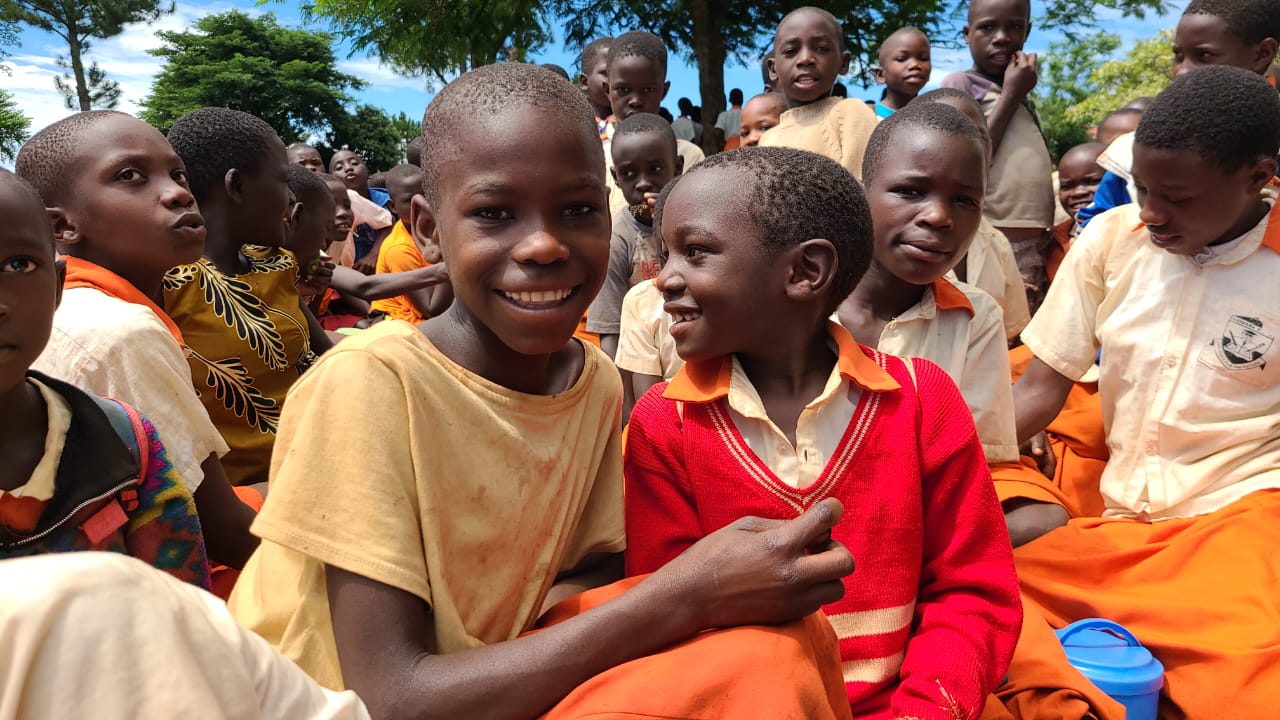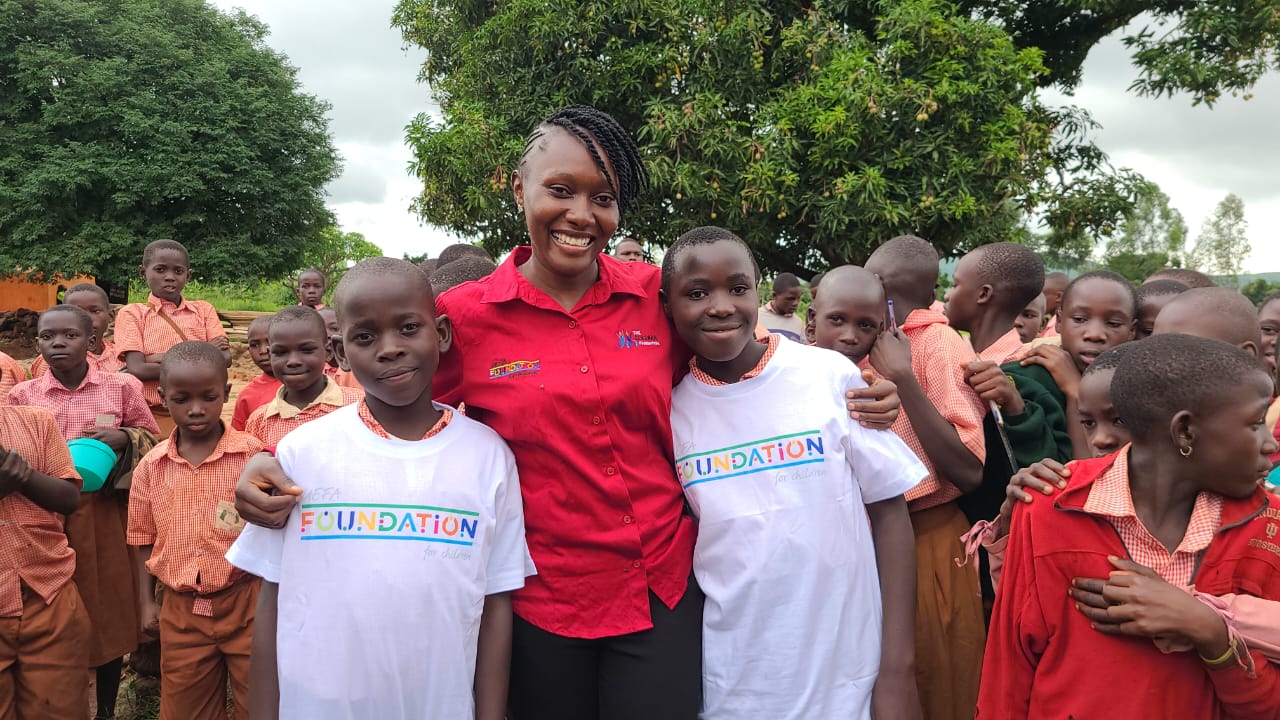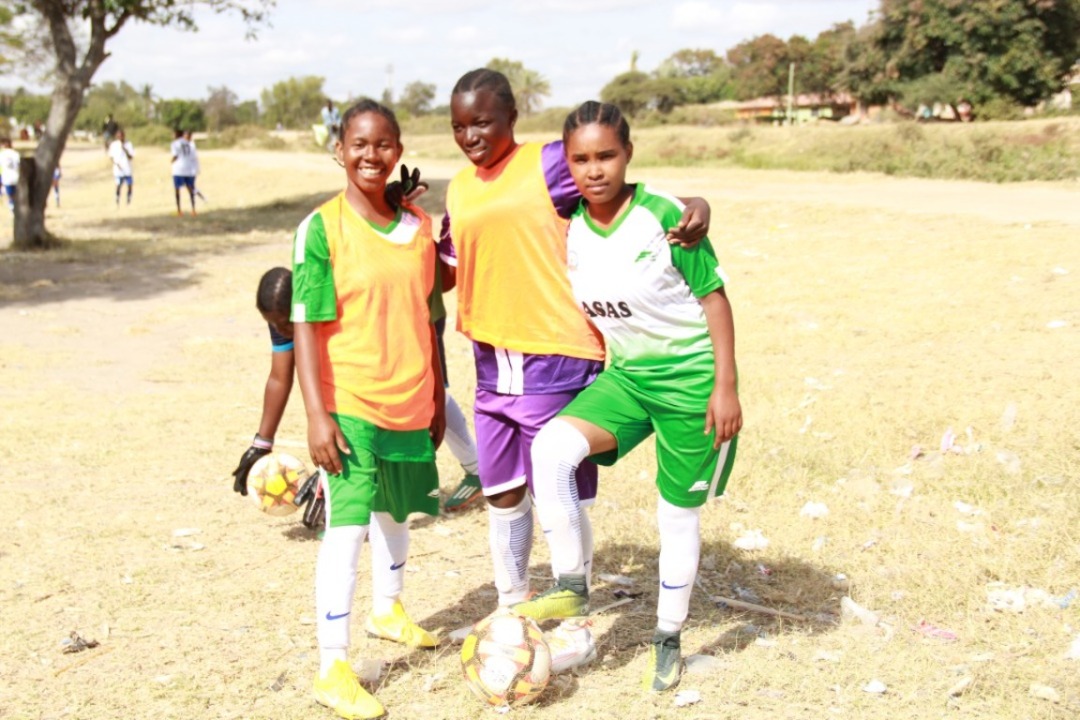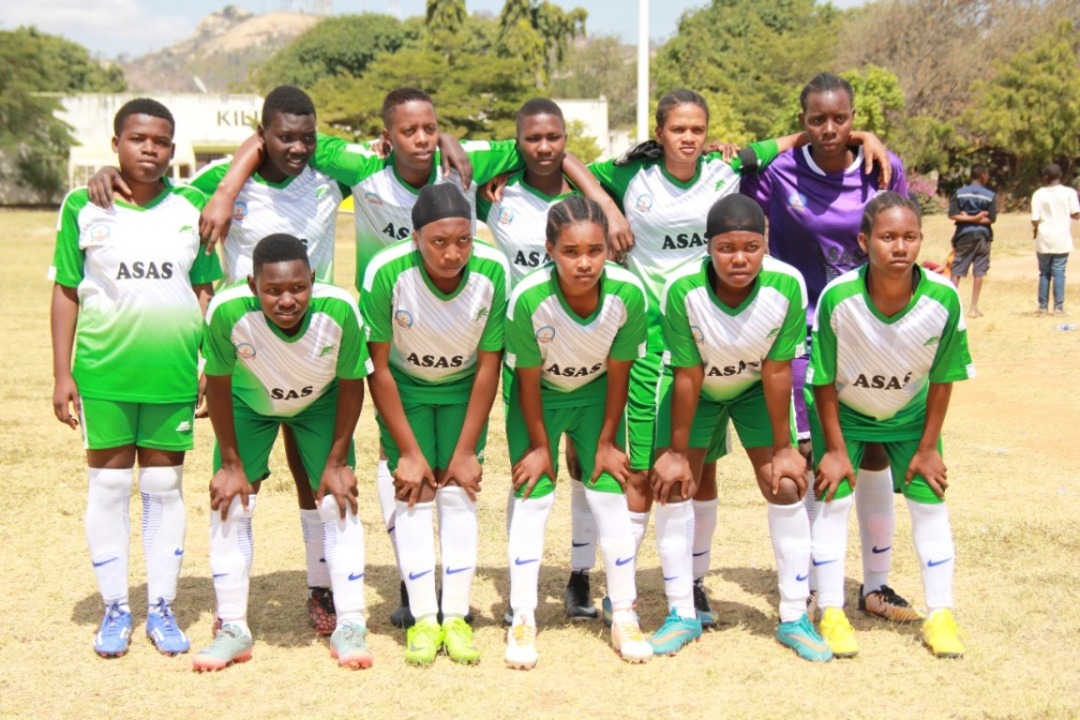
UEFA Foundation for Children visits MYSA, Nairobi

UEFA Foundation for Children visits MYSA, Nairobi

Opening the door to possibility

The Mathare Youth Sports Association (MYSA) is a youth-led organisation founded in 1987 by Canadian Bob Munro to harness the power of sport for community change. In 1994, Mathare United FC was founded, a professional club that grew out of the MYSA youth programme and went on to win Kenya’s top league in 2008 – proof that local talent, when nurtured, can reach the very top.
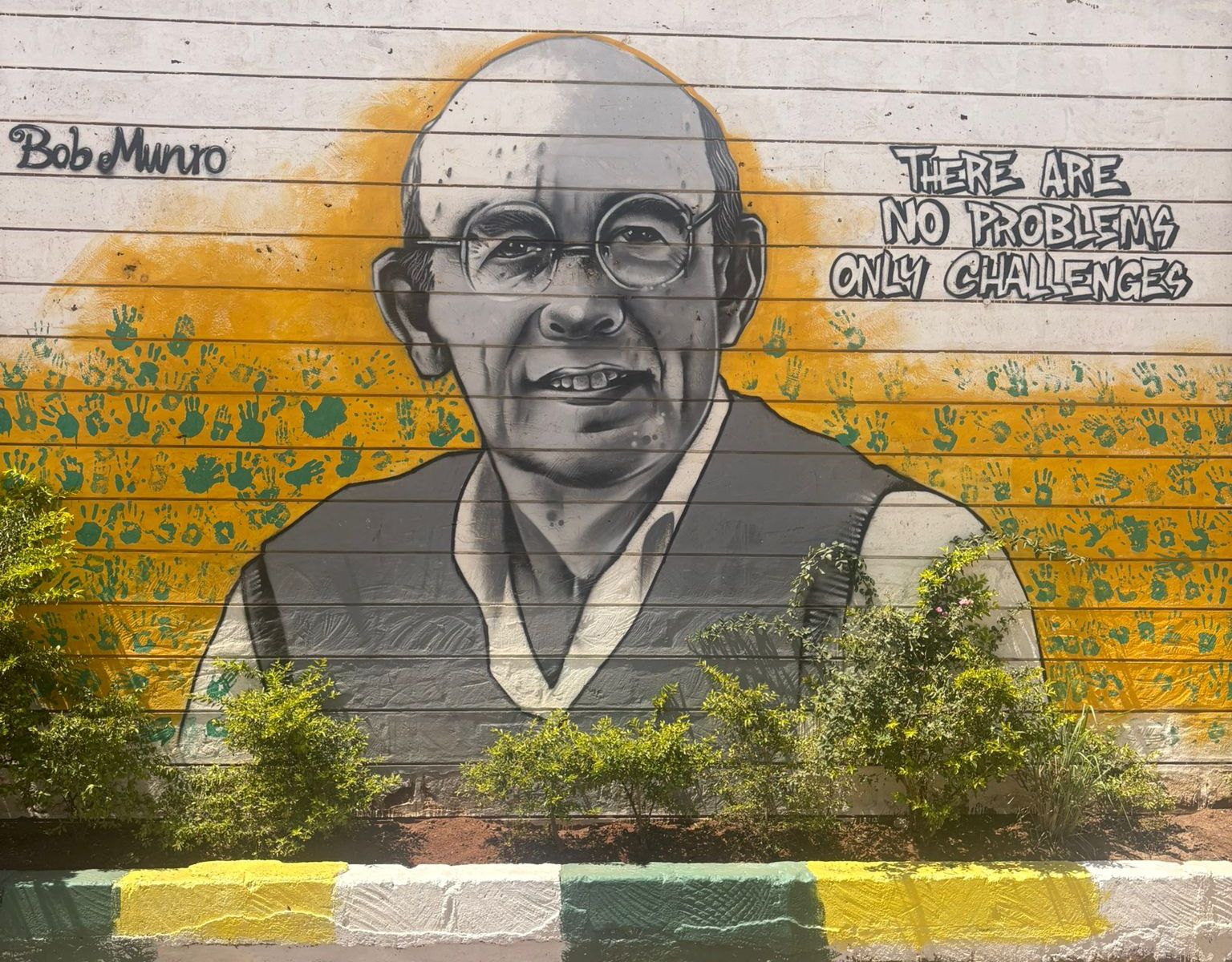
 

The UEFA Foundation for Children has supported MYSA for years, funding programmes that blend football with education, health awareness, employability and inclusion. The foundation’s grants to MYSA – awarded in 2019, 2024, 2025 and 2026 – total €309,886.

This collaboration reflects the foundation’s broader mission to protect children’s rights and create opportunities worldwide through sport.


The MYSA Centre, a place of hope

MYSA’s mission is to provide opportunities for boys and girls from informal settlements to realise their potential, both on and off the pitch.

Edwin Wasonga, who accompanied us throughout our visit last January, started at MYSA as a young football player and is today the Executive Director. He took us on a tour of the MYSA Centre and its buildings and activities, during which we met staff members responsible for running different programmes, all former beneficiaries of the association. “When there is a job opportunity at MYSA, we give priority to the people who benefited from and participated in life at MYSA,” said Edwin. “It is a way of giving our people a chance if they have the competencies needed for the job.”

  • Health and rights: Knowledge that protects

Since 1994, MYSA’s Slum Health and Rights Programme has offered HIV testing, medication and counselling, sexual and reproductive health education, peer‑education training, safeguarding support and referrals – practical, youth‑friendly services that meet young people where they are. This programme empowers beneficiaries to make the right decisions related to their well-being.

  • Libraries: Quiet places of discovery

MYSA has four libraries, one of which is a digital library. These locations are regularly used by school groups of all ages because many local schools lack resources to cultivate a reading culture and provide safe spaces for learning. The young people love coming to the library – it offers them a moment of freedom and the chance to discover new subjects and interests that inspire them.

  • Sporting spaces where confidence grows

The largest area of the MYSA Centre is dedicated to sport. It includes a fitness room, a multipurpose hall equipped for badminton and table tennis, an artificial football pitch donated by FIFA before the World Cup in South Africa and a large football pitch.

The youth transformation projects funded by UEFA use the sport for development model, supporting the personal and social development of young people through sport and recreational activities at the grassroots level.

  • How MYSA leagues build skills on and off the pitch

MYSA has established football leagues for children aged 4 to 17. In 2025, there were 1,745 teams: 1,018 boys' teams, 402 girls' teams and 325 mixed teams.

In league matches, scoring goals is not the only factor that counts. Teams and players can earn extra points for fair play and participating in community activities, while yellow and red cards result in point deductions. This system promotes respect, teamwork and social responsibility both on and off the field.

By participating in these activities, young people acquire skills that help them avoid engaging in risky or antisocial behaviour, such as substance abuse, violence or crime. The project uses sport to raise awareness about health, safeguarding and physical and emotional well-being.


Mathare, a slum located in the heart of Nairobi

As the association’s name suggests, MYSA started in Mathare.

Home to approximately 200,000 people, Mathare is one of Africa’s largest informal settlements – a place where daily life is a struggle for survival. Here, families live in fragile homes clustered along narrow pathways, and most residents are single mothers raising their children alone. Many have been abandoned by their partners, who have avoided their responsibilities and left young mothers to shoulder the entire weight of parenthood alone, often with several children in their care. Most MYSA beneficiaries are children raised by single mothers.

With no access to training and no steady income, these mothers take on small tasks, like washing clothes for neighbours or selling small items on the street, accepting any job that appears. And when hardship becomes unbearable, some are driven to desperate, high‑risk choices simply to make sure their children have something to eat.

Life in Mathare is difficult. Water must be purchased. Electricity is unreliable or nonexistent. Toilets are a luxury. Every day demands resilience.

For many children, childhood ends far too early. To support their mothers, they leave school – where fees are required – and begin working, long before they should. By adolescence, some are drawn into gangs, not out of choice, but out of a lack of alternatives. And so, the cycle of poverty tightens its grip, generation after generation.
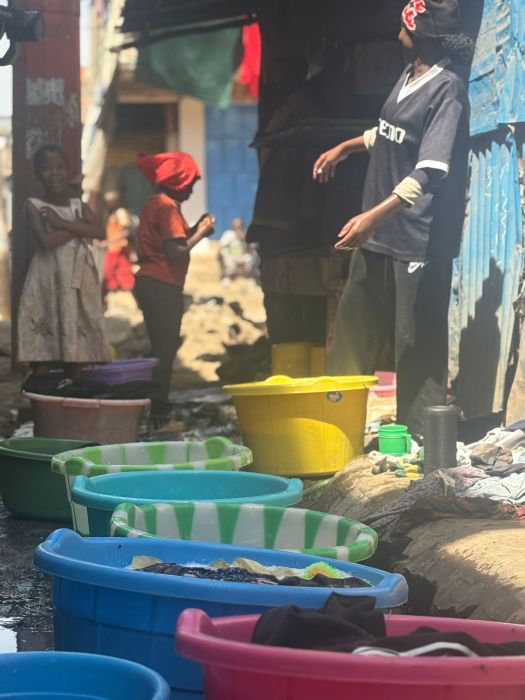
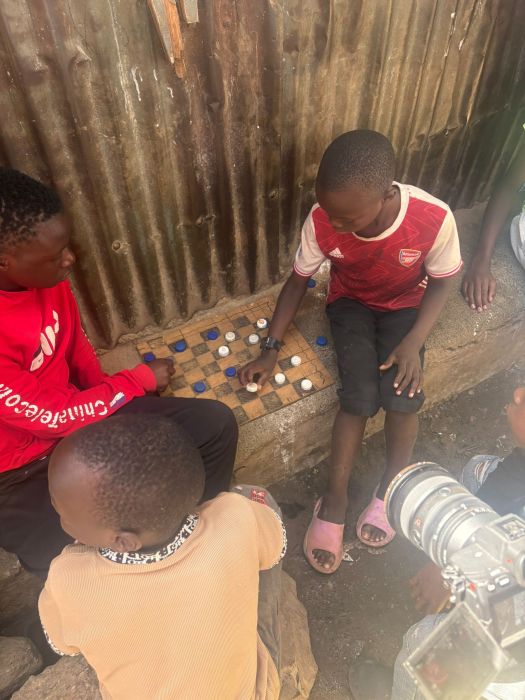
 

MYSA offers a lifeline. Through its community football programmes, children discover a safe space where they can simply be children – play, laugh and breathe away from the pressures of life. The sports field becomes their refuge and their source of hope.

Some of the players from Kenya’s national football teams come from the MYSA programme, proof that they have been able to change their living conditions and those of their families by becoming professional football players

For those who demonstrate dedication and leadership, MYSA goes even further by providing scholarships, helping prevent children from dropping out of school. By covering school fees, MYSA opens the door for these children to an education they could never have afforded on their own. For many, this support is truly transformative, as good education can change lives and break the cycle of poverty.

The healthcare and rights programme also plays a crucial role, as the community faces challenges related to disease, violence and substance abuse. Through this programme, MYSA provides information, guidance and support to empower young people to make informed decisions and become drivers of positive change within their community.

Edwin Wasonga:

“We believe deeply in the potential of young people growing up in the slums, because they represent the change we want to see. Our goal is to help them take ownership of their future and their environment. That is why we focus on working hand in hand with the community’s young leaders, strengthening their capacity to lead, inspire and build lasting transformation.”


Library – Through the pages

Across the road from the settlement, the Mathare North community library, managed by Charles Ajoe, welcomes countless children and young adults who come here to read, draw, discuss, dance and study in a safe and inspiring environment. He organises engaging opportunities such as book awards to encourage children to read selected titles and video conferences with authors to give young readers a chance to engage directly with the stories they love. He also promotes exchanges with youngsters in other countries, creating meaningful conversations around themes explored in the books. Through these experiences, children are motivated to read more and discover new worlds beyond their own – through the pages.


He remembered when children from Scotland and children from Mathare shared their thoughts about the same book. In the story, a monkey enters a classroom. The Scottish children’s reaction was to take care of the monkey and feed it bananas, while the Kenyan children’s response was to chase the monkey away and keep the bananas for their lunch break.

The MYSA programme – and especially the library – plays a vital role in supporting the education of young pupils. Many of these children live in the slums of Kenya and have no access to learning facilities, so they look forward to visiting the library, listening to stories and exploring picture books.


Victorious King Education Centre

We had the privilege of meeting Martha Mwangi, director of the Victorious King Education Centre, who opened the doors of her school so we could meet the pupils, from the very youngest to teens. They spoke candidly about their dreams, and the teachers described the changes they’ve seen since joining MYSA’s activities.
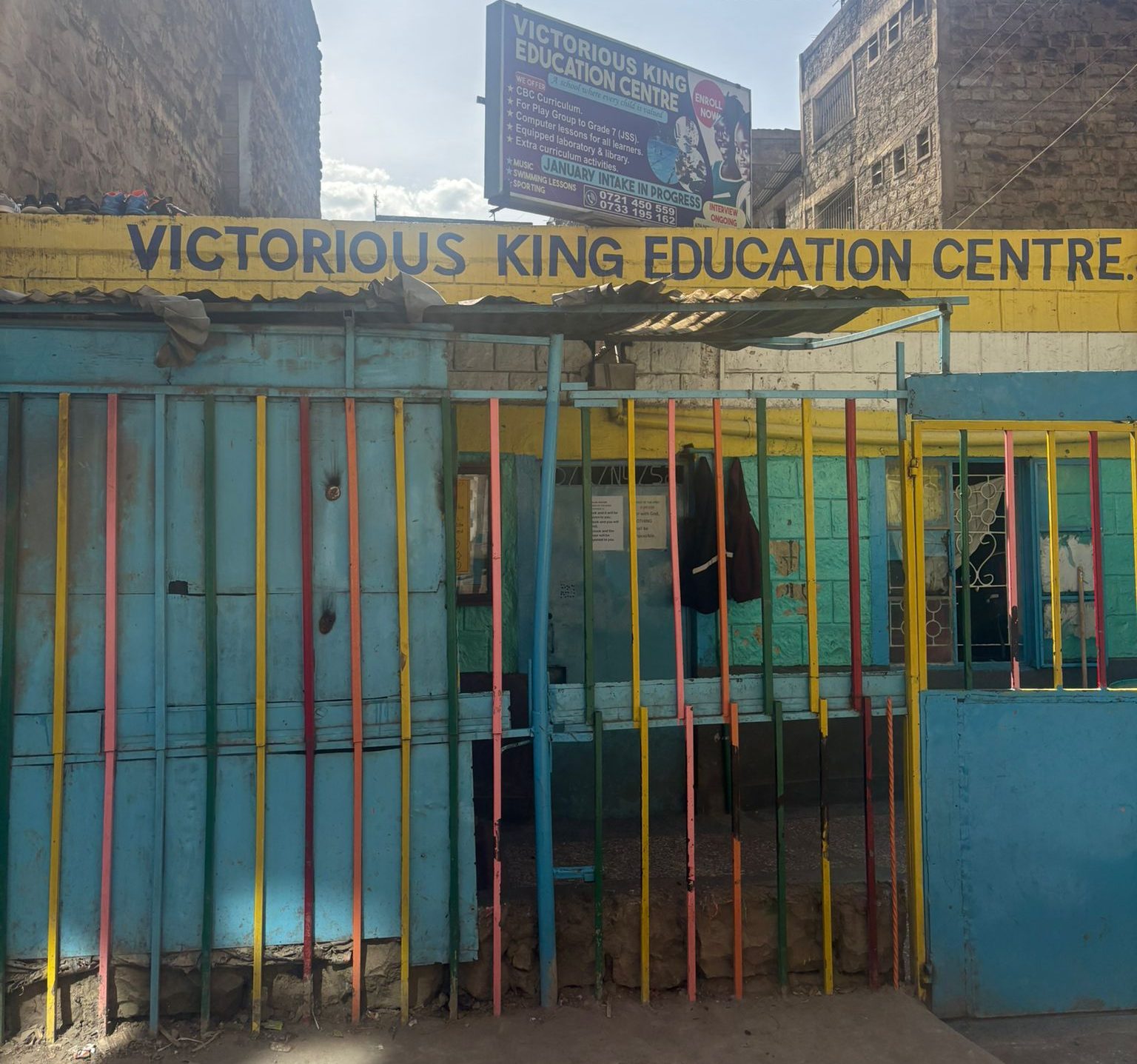
Martha Mwangi, director of the Victorious King Education Centre:

“Since our school joined the MYSA programme, we have seen remarkable positive changes in our children. Previously, many of them struggled with low self‑esteem and lacked confidence in themselves and in life. Through participating in MYSA activities and learning new skills, these children have become more active, more engaged and more emotionally stable – both in and out of school. The library has opened a new world to them: they read together, their writing and English have improved, and books have become a powerful source of growth and encouragement.”


League day in Korogocho: Coaches who came back to give back

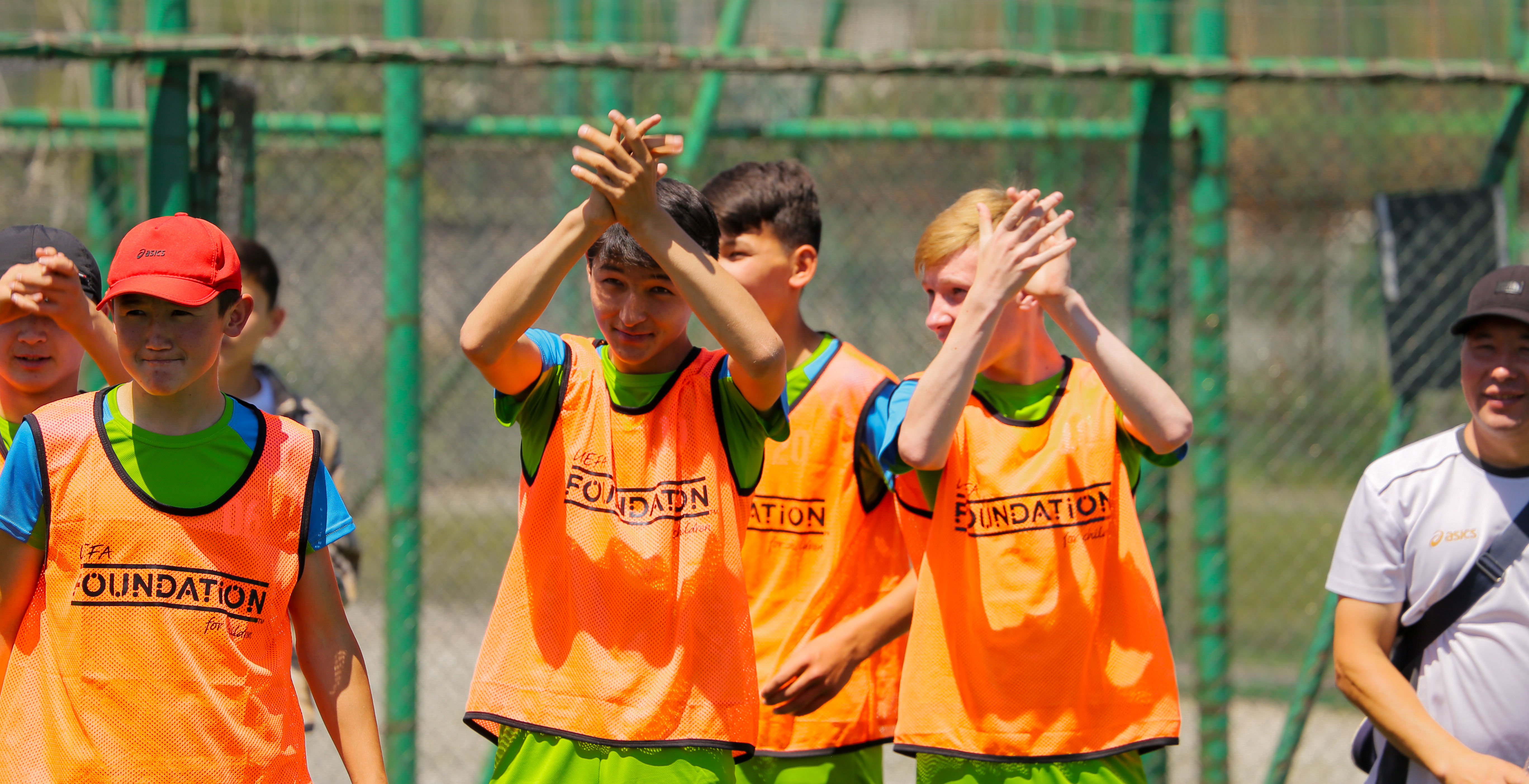
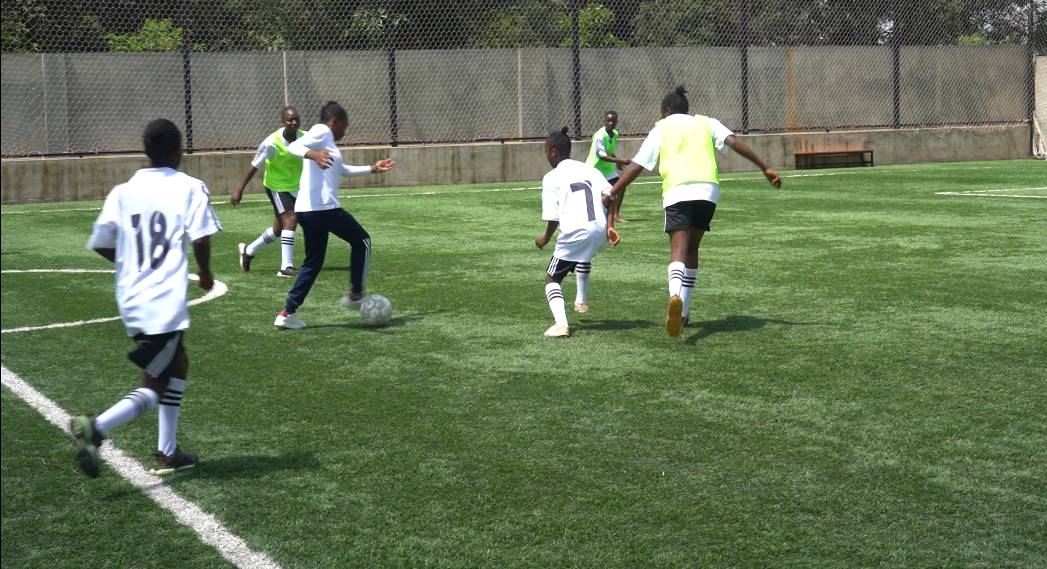
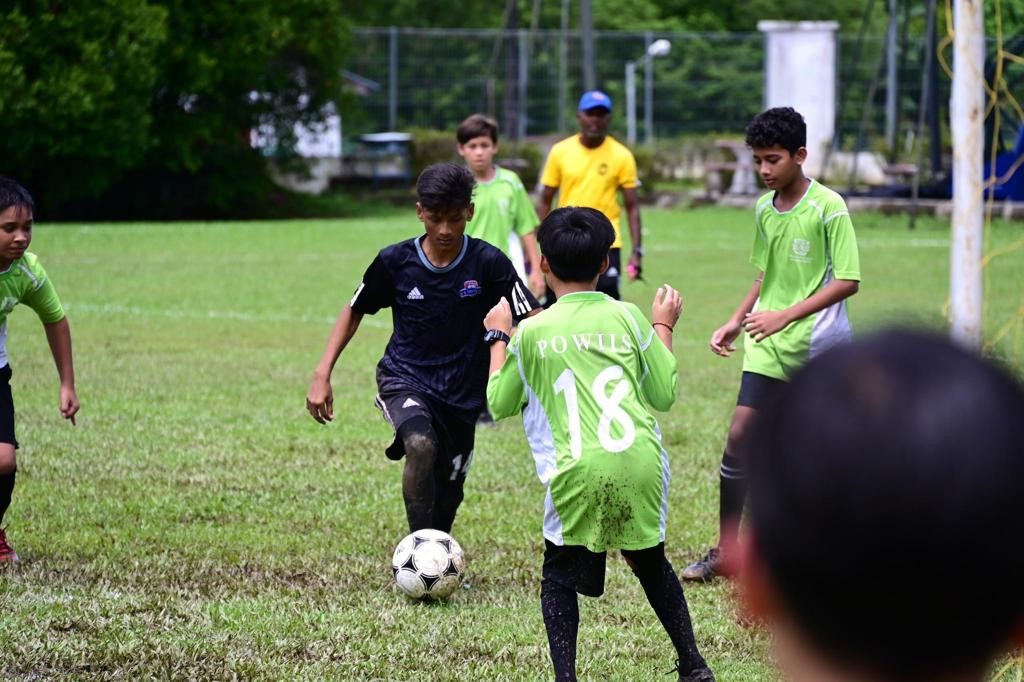
Accompanied by Robert Menya, the league match coordinator, we visited the MYSA sports field in Korogocho to watch some league matches. What impressed us most was not only the talent on the pitch, but the spirit and determination driving it.

These young players are guided by coaches who once stood exactly where they stand today – children shaped by MYSA’s grassroots football programme. Having grown up on the same fields, faced the same challenges and shared the same dreams, they now return as mentors, committed to giving the next generation the opportunities they once received.

Thanks to specialised training provided through MYSA by the Football Kenya Federation, these coaches have strengthened their skills, gained new confidence and are now empowering their teams to aim higher, play better and truly believe in themselves.
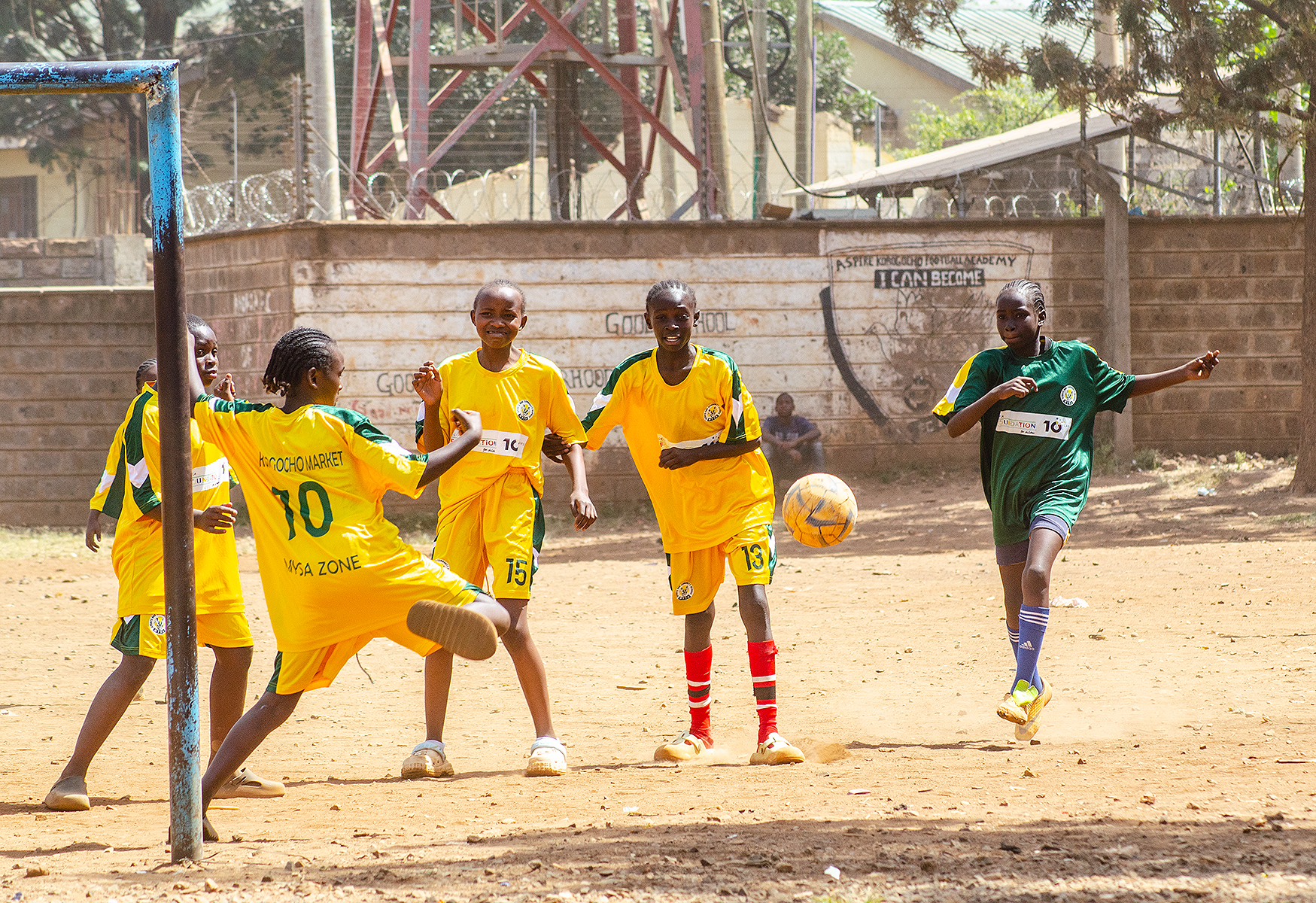
Mohammed Ismael, coach, Under-15 girls’ team:

“It isn’t easy to coach teenage girls here. Families struggle to afford even basic equipment, and social pressures can keep girls at home. MYSA helps them grow their talent and confidence – on and off the pitch. As a coach, I try to instil determination, consistency and focus in everything they do.”

Catherine Monthe, coach, Under-12 and Under-13 girls’ teams

“The first challenge is simply finding girls, because not all parents support their daughters playing football. Menstruation can complicate participation, too. But once they join, they make friends, learn life skills and keep coming back. Sometimes a little practical support – like soap or slippers – helps us keep them in the game.”


Asher’s story and transformation
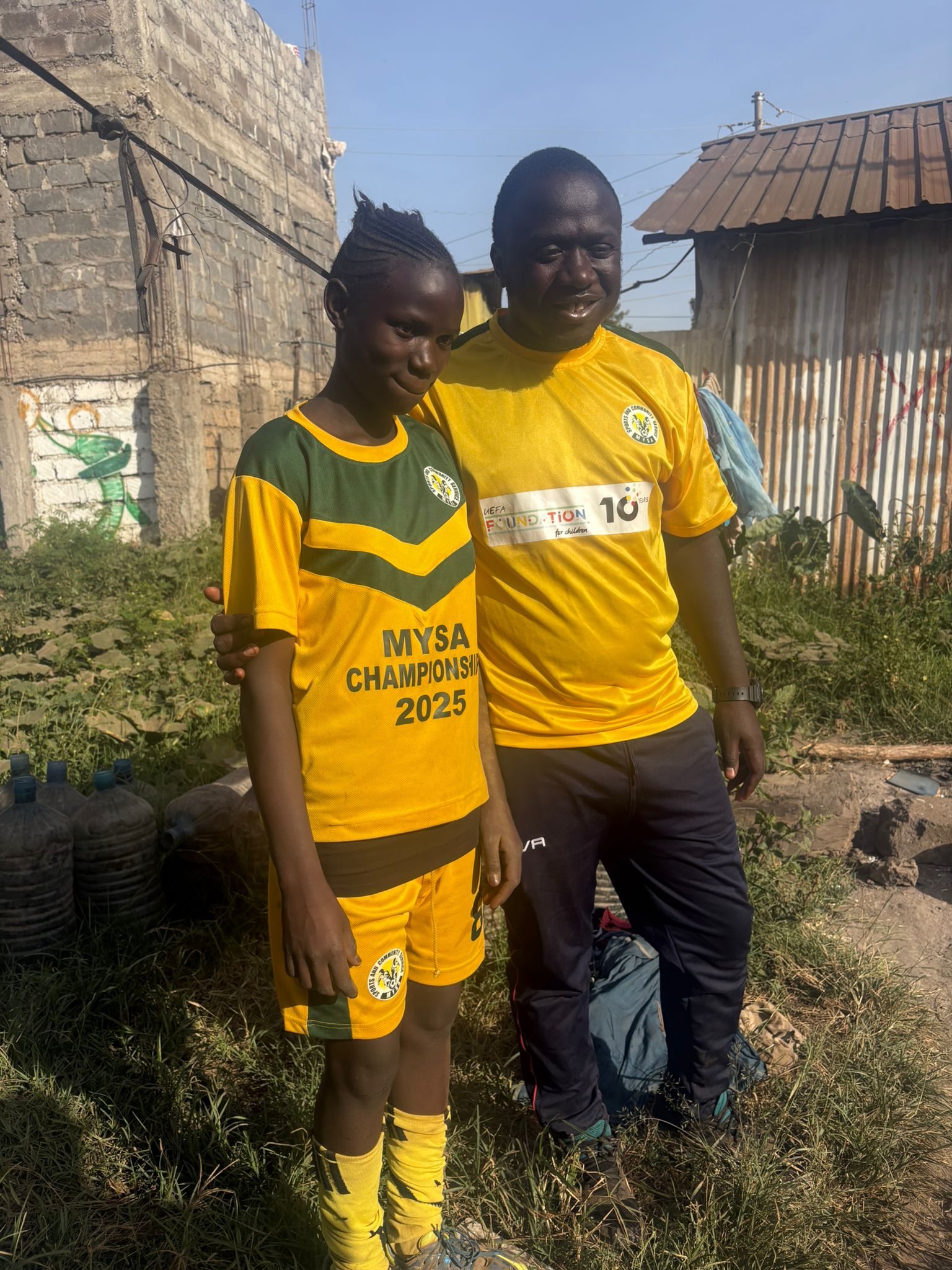
Asher is a 13‑year‑old girl who lives in Korogocho. Orphaned at a young age, she now lives with her grandmother, Rosemary. Her older brother is currently in prison, leaving Asher and her grandmother to navigate life on their own, a life with many struggles, which brought the young girl close to dropping out of school.

Asher joined the MYSA programme five years ago, after MYSA representatives visited her school in search of new participants. From the very first day, she discovered a genuine passion for football – one that quickly grew into an extraordinary talent.

Her dedication and active participation in the programme earned her a MYSA education sponsorship, allowing her to stay in school. Although Asher understands the importance of education, football has become her main source of joy, confidence and purpose.

Today, she is determined to be among the few young athletes selected to travel to Norway to participate in the Norway Cup 2026, the world’s largest youth football tournaments. For Asher, this is more than a competition – it is the chance of a lifetime.

Asher has already participated in two championships with MYSA, during which she received medals and a MYSA jersey. In 2024, she was named player of the match.

Her grandmother is very proud and supportive of her and is grateful every day for the opportunity that MYSA has given to Asher: to have a better life.

Rosemary, the grandmother

“I am so proud of my granddaughter, and my heart is full of gratitude for the coach who cares for her and all the other girls. They lift each other up, growing together in ways they could never do alone. She goes to school, and I no longer ask her to do the heavy housework – I want her to have the childhood and opportunities I never had. The coach’s commitment has been a blessing to our family.”

Asking Asher about her dream, she replied:

“My dream is to play football and help my family and other children who have no shelter and nothing to eat.”


IMPACT OF MYSA

30,000+ registered members

1,745 teams in 2025 (1,018 boys’ teams, 402 girls’ teams and 325 mixed teams)

10,000+ young people informed about health and their rights

6,000+ scholarships

3,000+ grassroots coaches

1,300+ library users

In 2008, 80% of the Kenyan national football team, as well as the technical team, came from the MYSA programme.


Water4Wildlife in the Maasai Mara Reserve

Water4Wildlife in the Maasai Mara Reserve

A foundation rooted in conservation and community

The Maasai Mara National Reserve in Kenya, about 250km from Nairobi, is home to the Water4Wildlife Foundation, registered in 2019 by Christine Cherop de Harder, a Kenyan woman deeply committed to protecting ecosystems, wildlife and the natural environment.

The organisation’s mission is clear: to protect wildlife and their habitats while inspiring children and young people – through football – to become future wildlife conservationists.

Water4Wildlife combines two powerful pillars:

  • Ecosystem conservation – protecting wildlife and the environment, creating separate waterpoints for humans and wild animals
  • Football – using the most loved and followed sport in the region to educate children at an early age to cherish and protect their environment and support conservation efforts.

For the past five years, Water4Wildlife has proudly partnered with the UEFA Foundation for Children, working together on:

  • Distribution of football kits
  • Construction of football pitches at Ilkimatare and Ngosuani primary schools
  • Construction of a fully equipped girls’ club


Safe access to clean water

Near the Water4Wildlife campus lies a small Maasai settlement of manyattas where ancestral traditions remain strong. Women here play a central role. They build the manyattas (traditional Maasai homes), fetch water for drinking, cooking and washing, prepare fire using wood and flint and ensure the well-being of their families.

Stephan Parmuat, the elder of the community, explains the transformation the community has experienced:

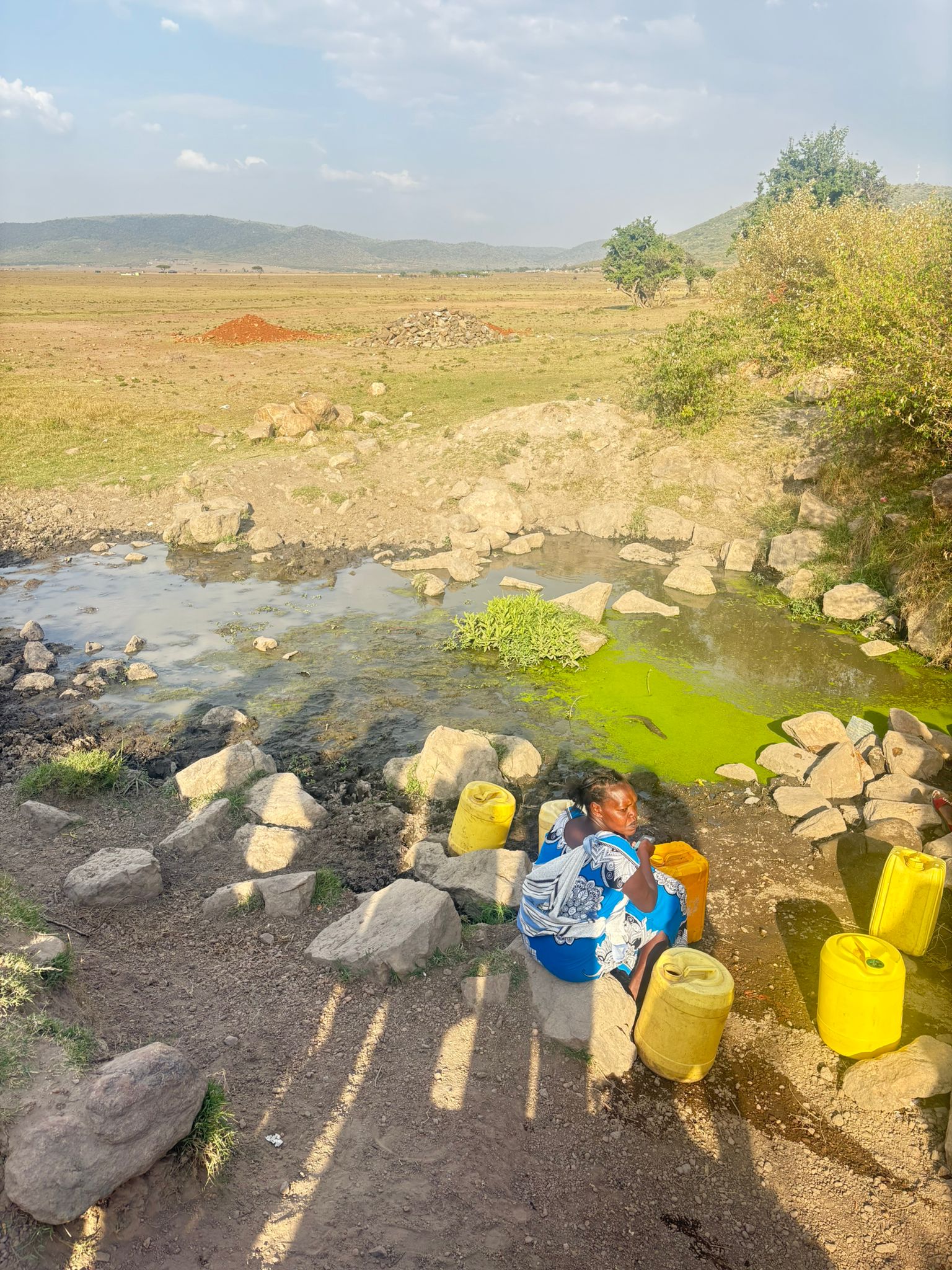
“Before the sun rose each morning, our journey began. Women walked long distances to reach the only water source we knew. The path was long, and when we finally arrived, they often found wild animals – zebras, buffaloes, even elephants – were drinking from the same place. The water was dirty, full of germs. That caused our children to catch diseases such as typhoid and cholera. But it was the only water we had.

Then everything changed.

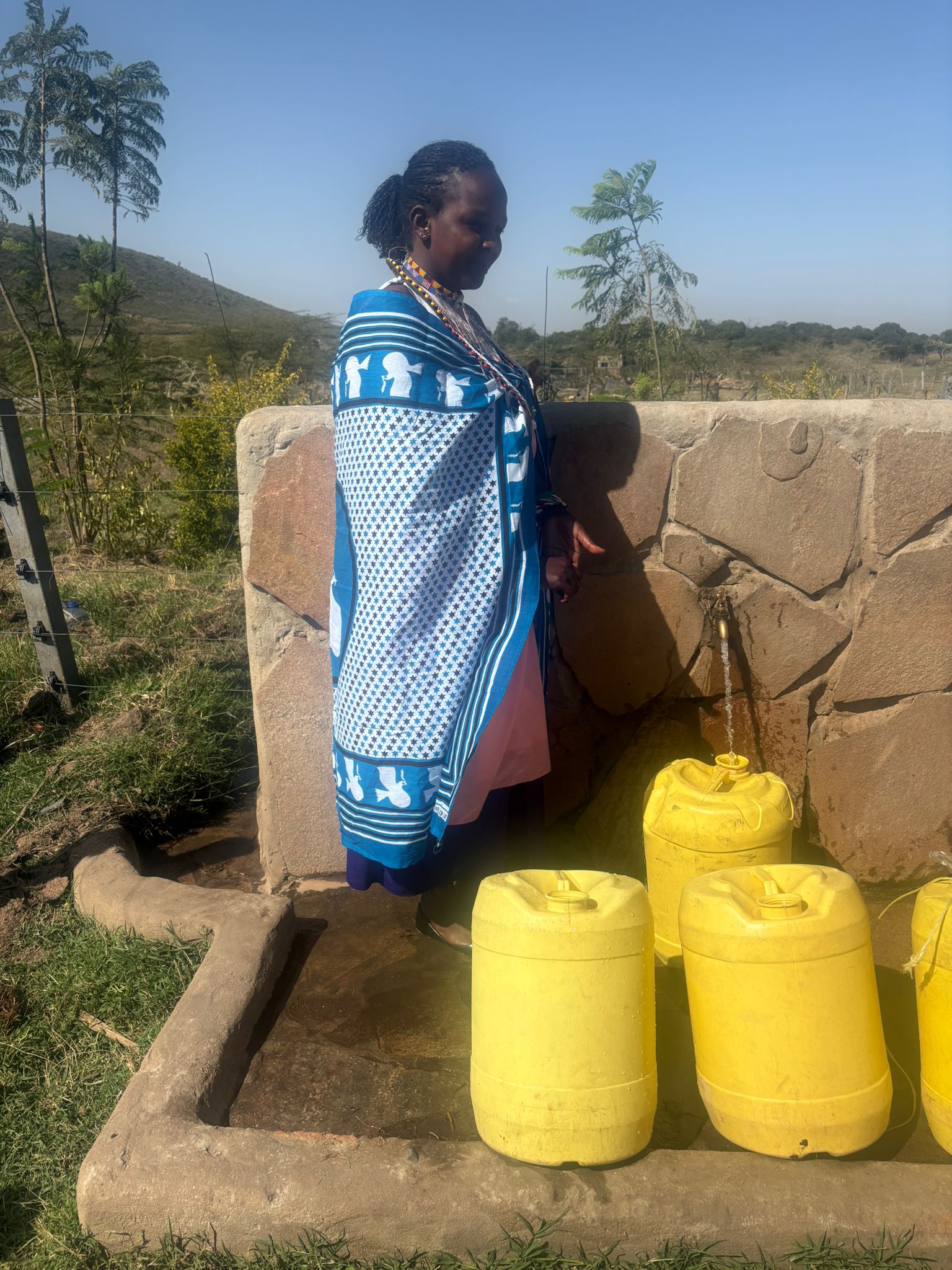
Water4Wildlife brought hope to the community. After identifying a clean water source next to the mountain, the foundation built a system to pump safe water next to the village. The water was clear, fresh, safe and easy to reach. For the community, it was life‑changing.”

Christine Cherop de Harder added:

“The Maasai Mara is vast and dry. Humans and wildlife often share the same water sources, leading to conflicts. Water4Wildlife’s goal is to create as many separate water points as possible so that communities have safe access to water, wildlife can drink without coming into dangerous contact with people, children can spend more time learning and playing than fetching water, and women, who benefit perhaps the most, save hours each day and avoid dangerous encounters with wild animals.”


Rangers: Protectors of wildlife

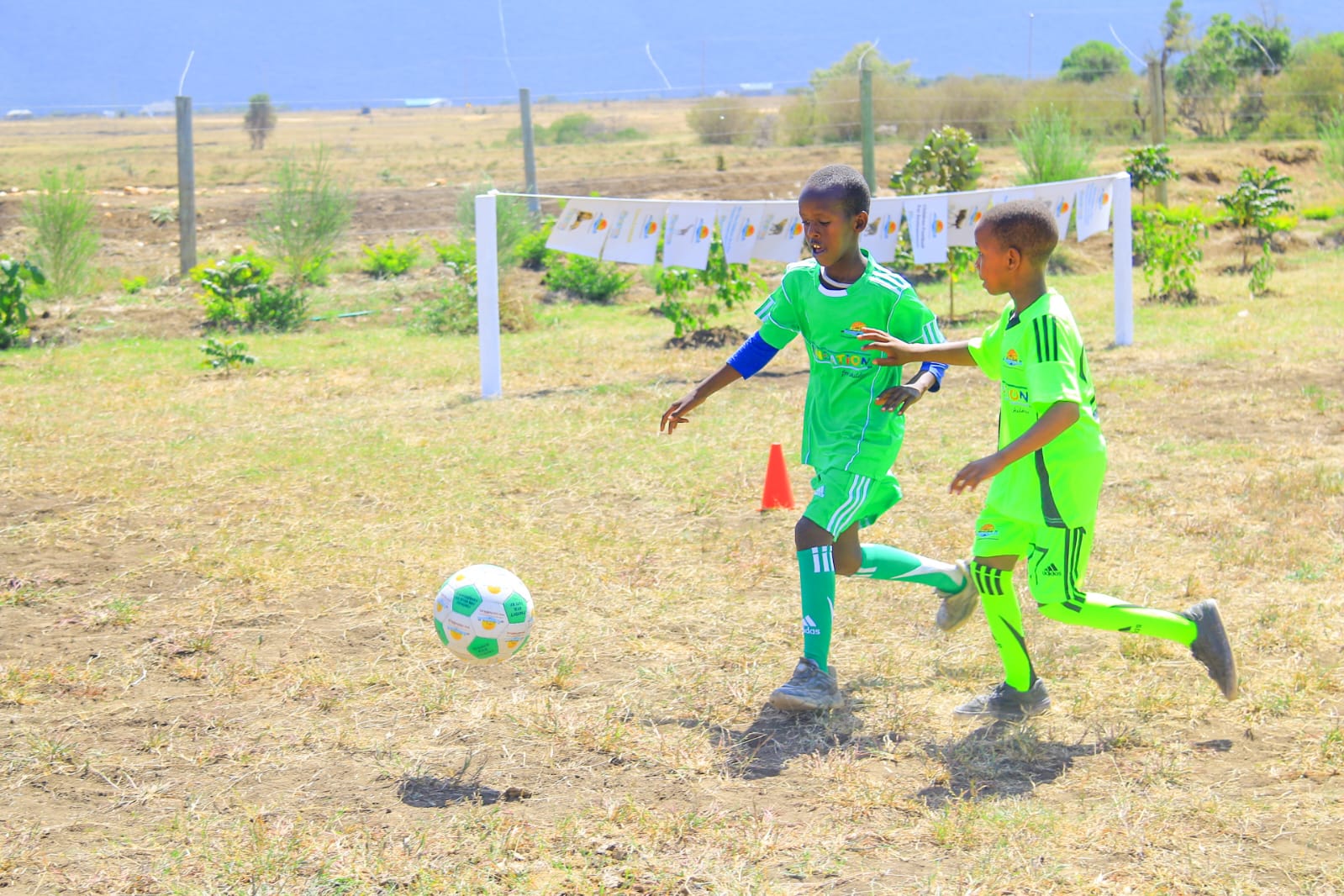
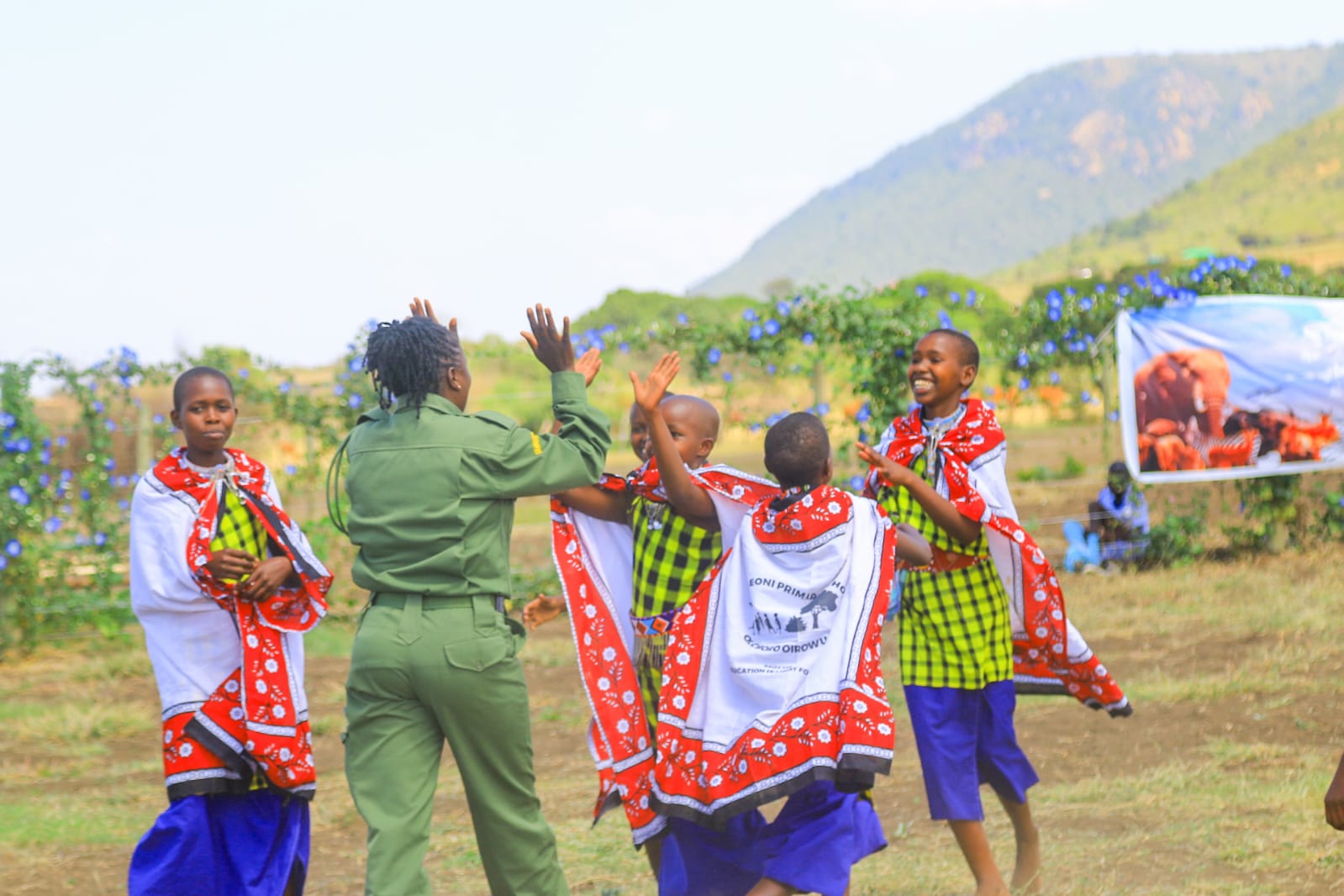
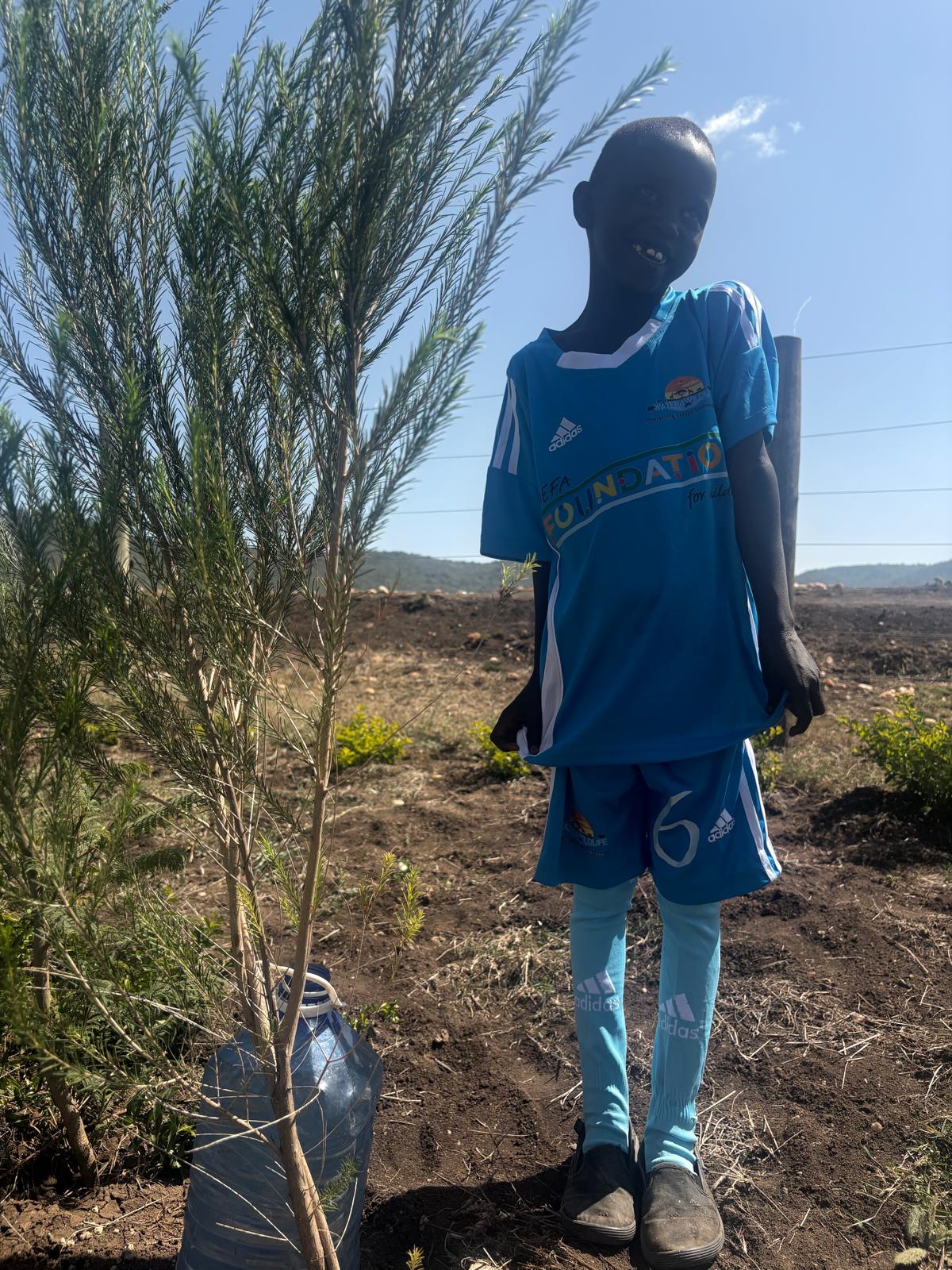
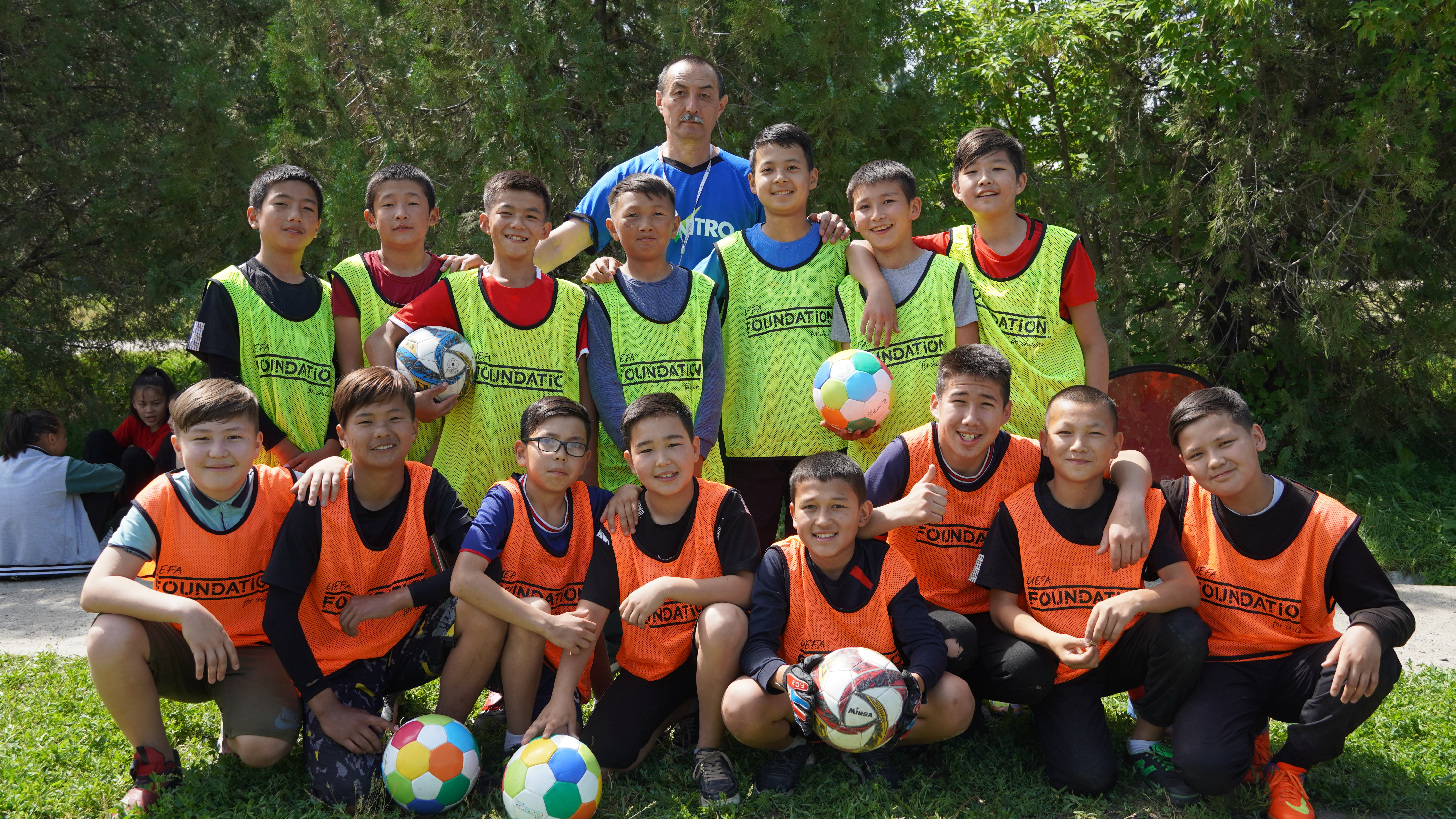
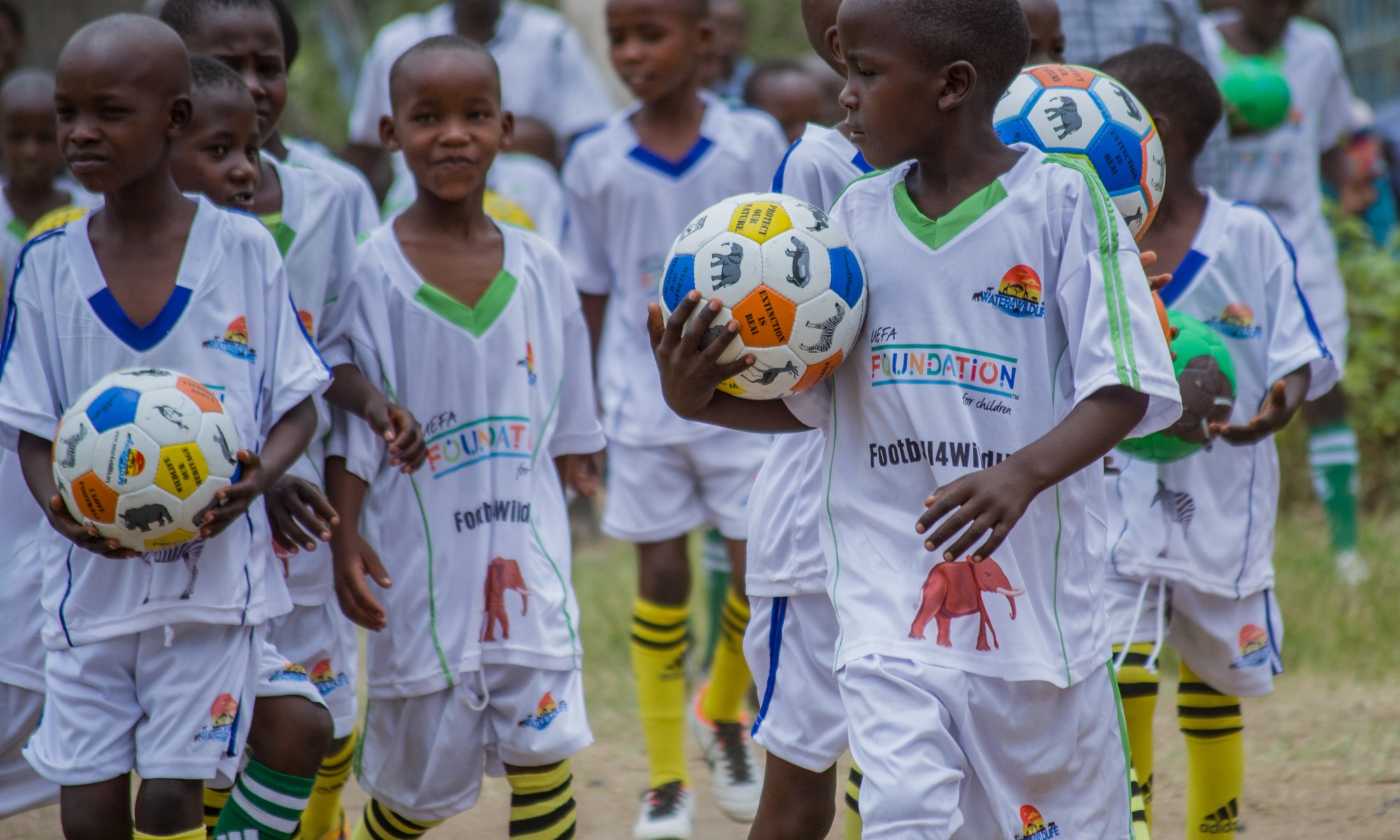
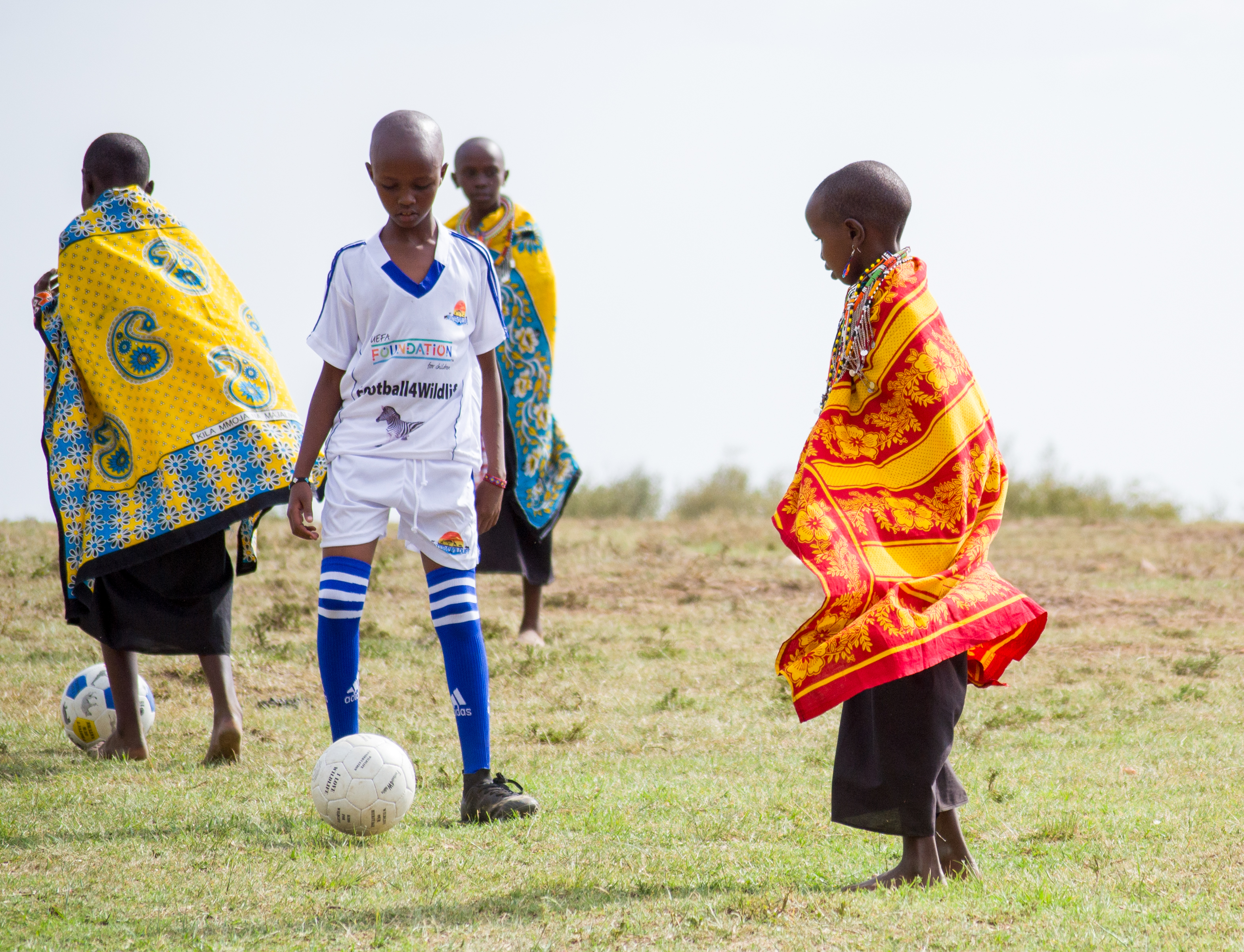
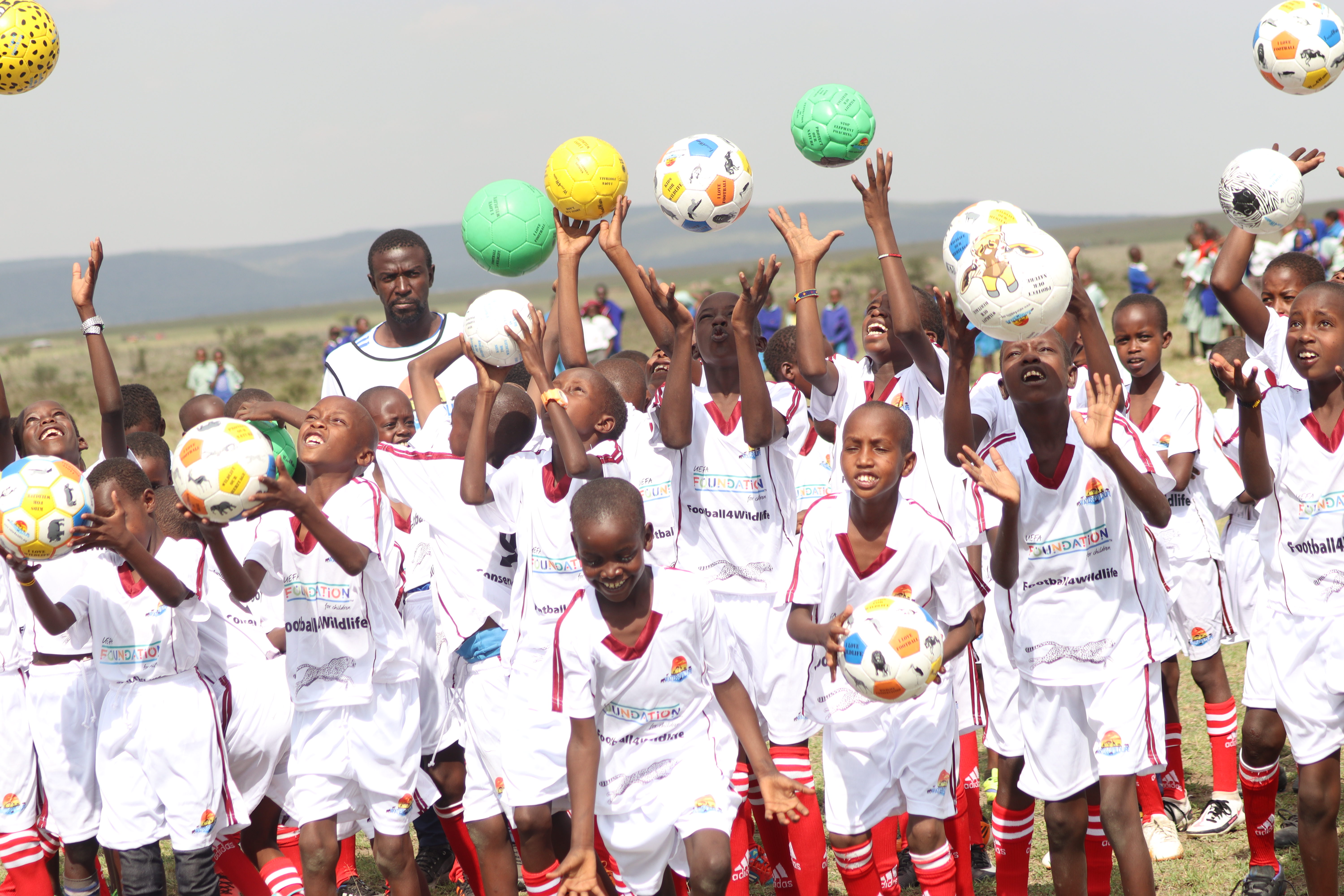
On our visit, we met children from three different local schools benefiting from the football kit donated by the UEFA Foundation. Some rangers joined too, to play football with the pupils and teach them about wildlife conservation and how to behave in the presence of wild animals, so they can better understand and protect them.

Local wildlife rangers play a vital role in educating children about conservation. Every day, they ensure the safety of animals in the conservancy.

“If an animal is sick, we give first aid,” one ranger explains. “We also monitor for unusual movements or signs of poachers.”

Suzanne, a ranger and conservation advocate, adds:

“It is important to transfer our knowledge to the younger generations. This ensures the continuity of wildlife conservation in our reserve. We take care of a pair of rhinos – Kofi Annan and Queen Elizabeth – who are the pride of our reserve.”


From water to football: A vision for education

The initial focus was on water for wildlife, but Christine soon realised the community was suffering too, so she expanded the project to include water points for people and educational activities for children.

Football quickly became a powerful tool.

“It is the most popular and loved sport here,” Christine says. “Boys and girls play equally. So, I gave them a ball, and after playing, we began to talk about wildlife conservation.”

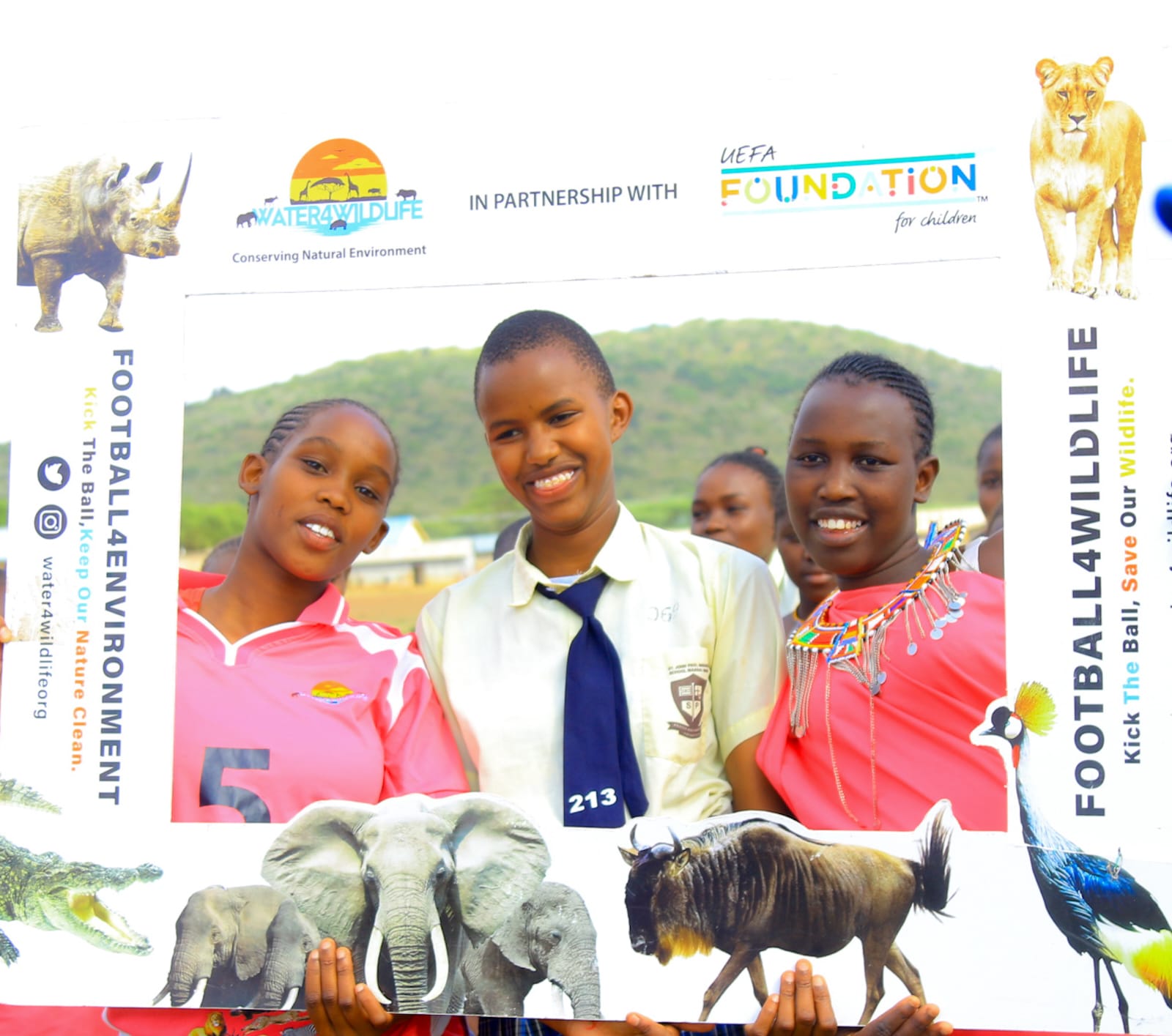
This is how programmes like Football4Wildlife, Football4Trees and Football4Environment were born.

They began in schools, but the dream soon grew. Christine wanted a safe space where children, especially girls, could gather. This led to the creation of the girls’ club: a place where Maasai parents know their daughters are safe, supported and inspired.


Thinking about the future, Christine hopes the girls’ club will empower girls to take on leading positions in the field, where more women are needed as vets, drivers, rangers and conservationists.

Girls have little life outside school and domestic work. This club will give them freedom, confidence and a future.”


St John Paul II Mission Boarding Primary School

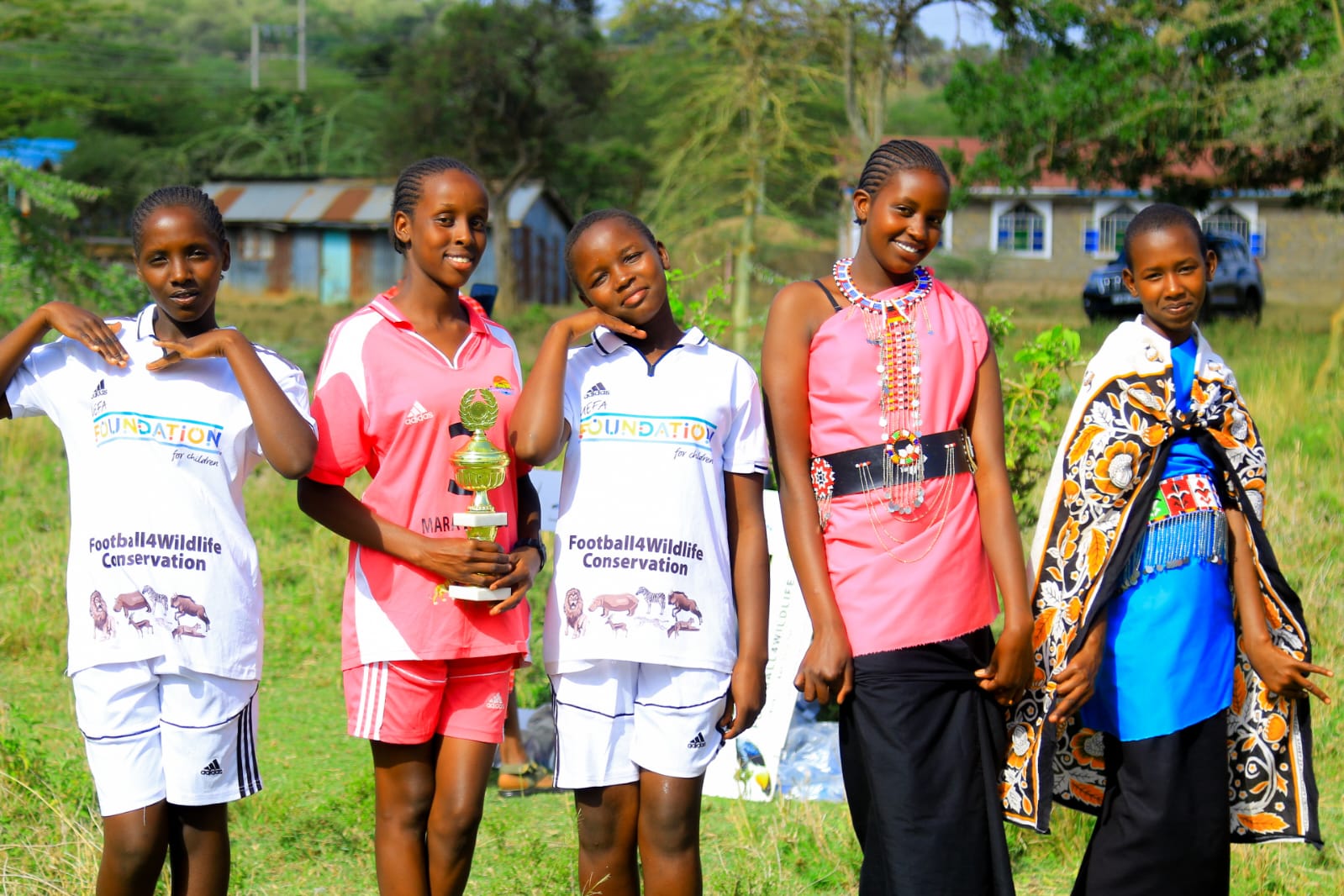
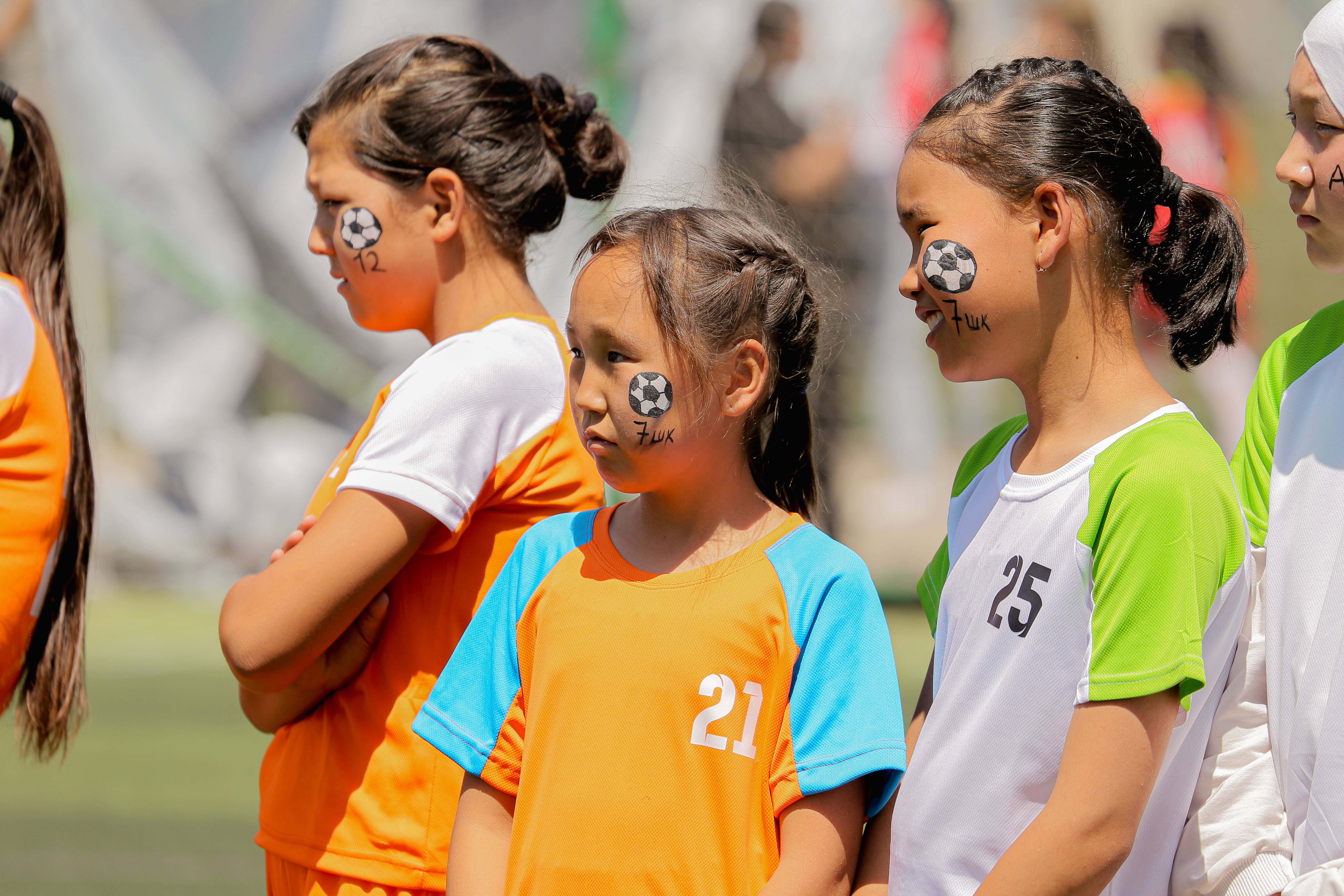
We received a warm welcome from the teachers and the 700 students, from first to eighth grades. We also connected with their girls’ football team, who thanked the UEFA Foundation for helping them defend their rights through football.

The girls’ club plays an essential role: it gives girls the opportunity to meet mentors to discuss their rights, to develop their skills and talents, to preserve their cultural heritage through recycling waste, nature protection, and to enjoy regular football practice.


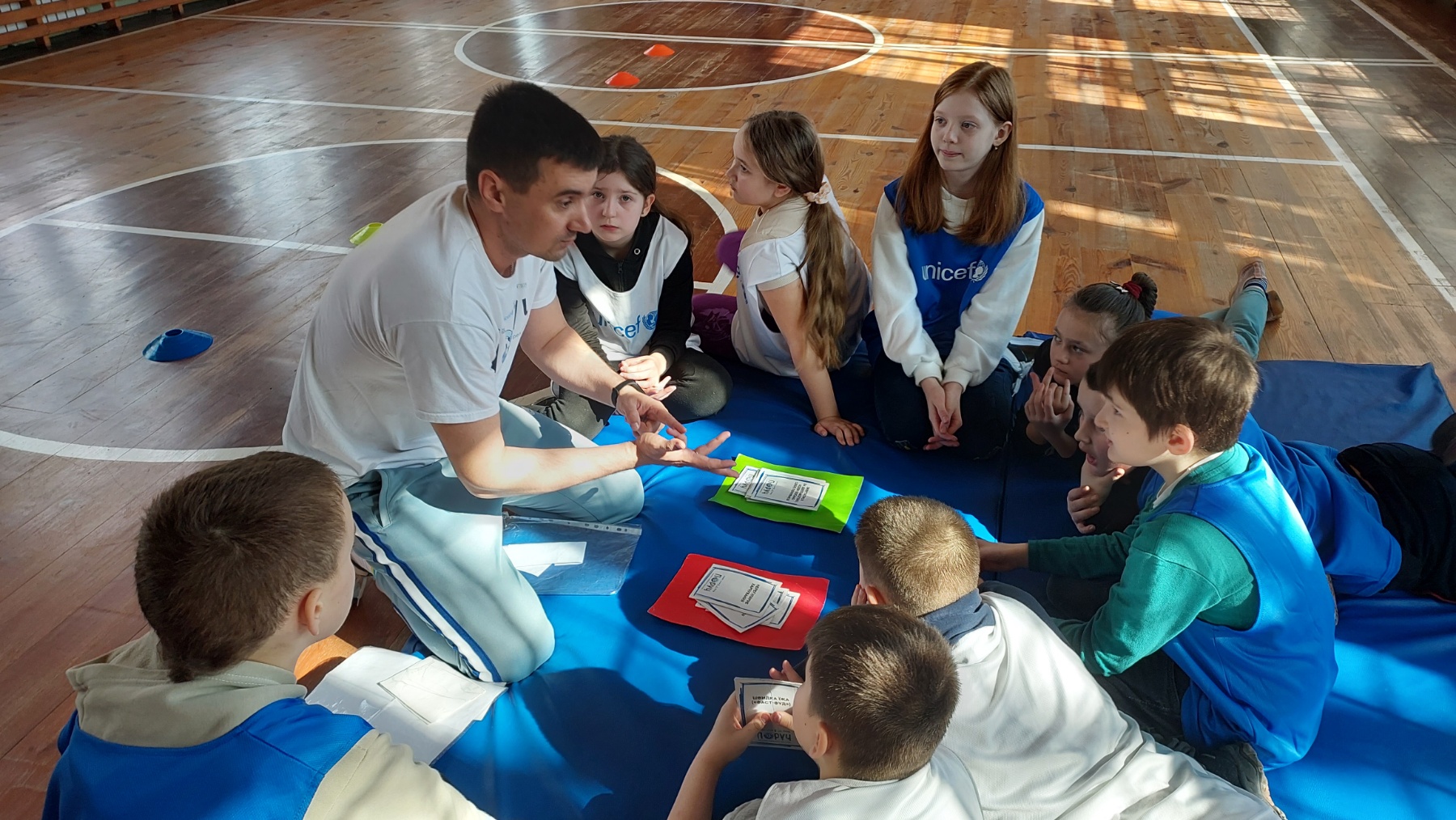
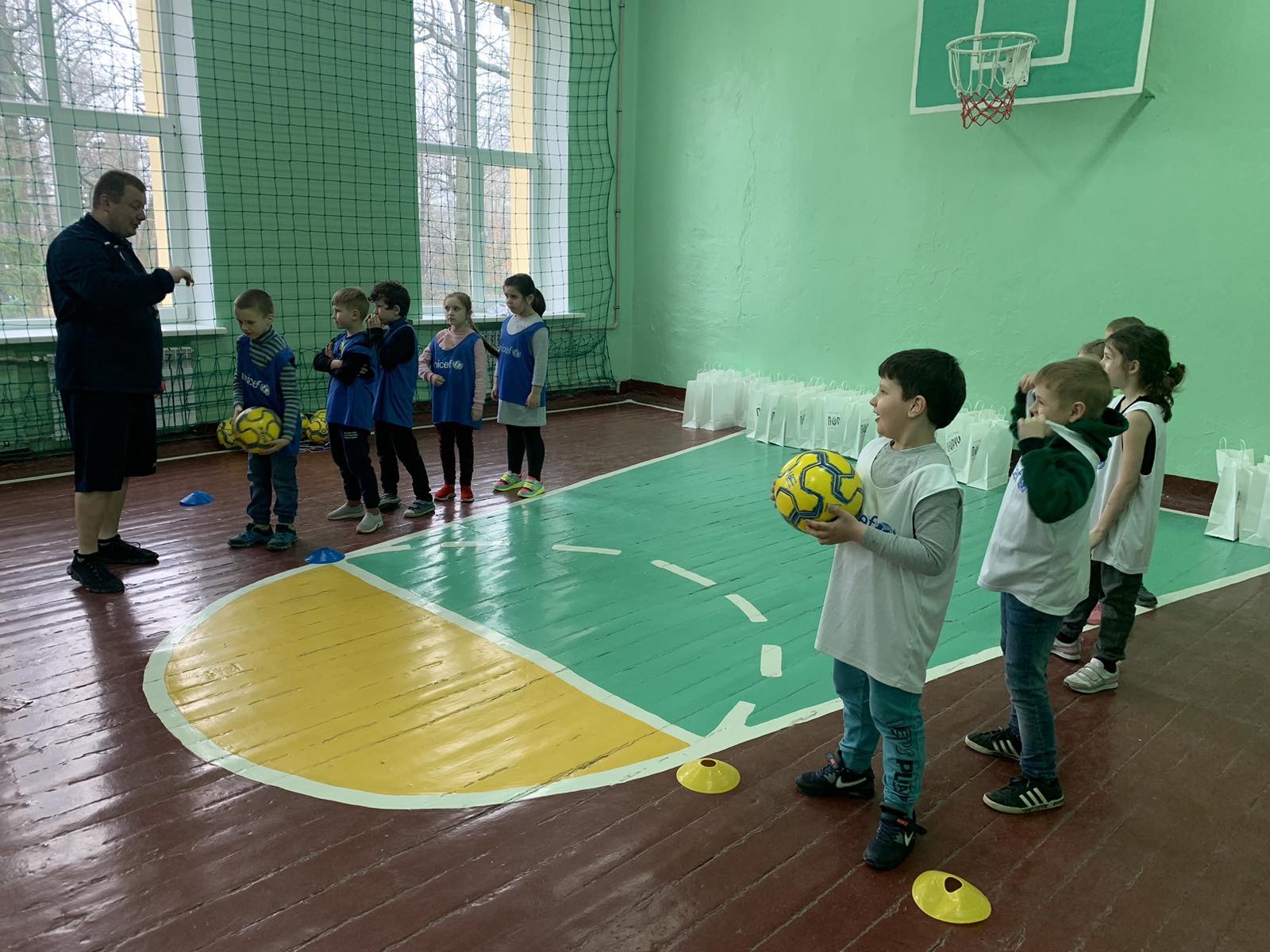
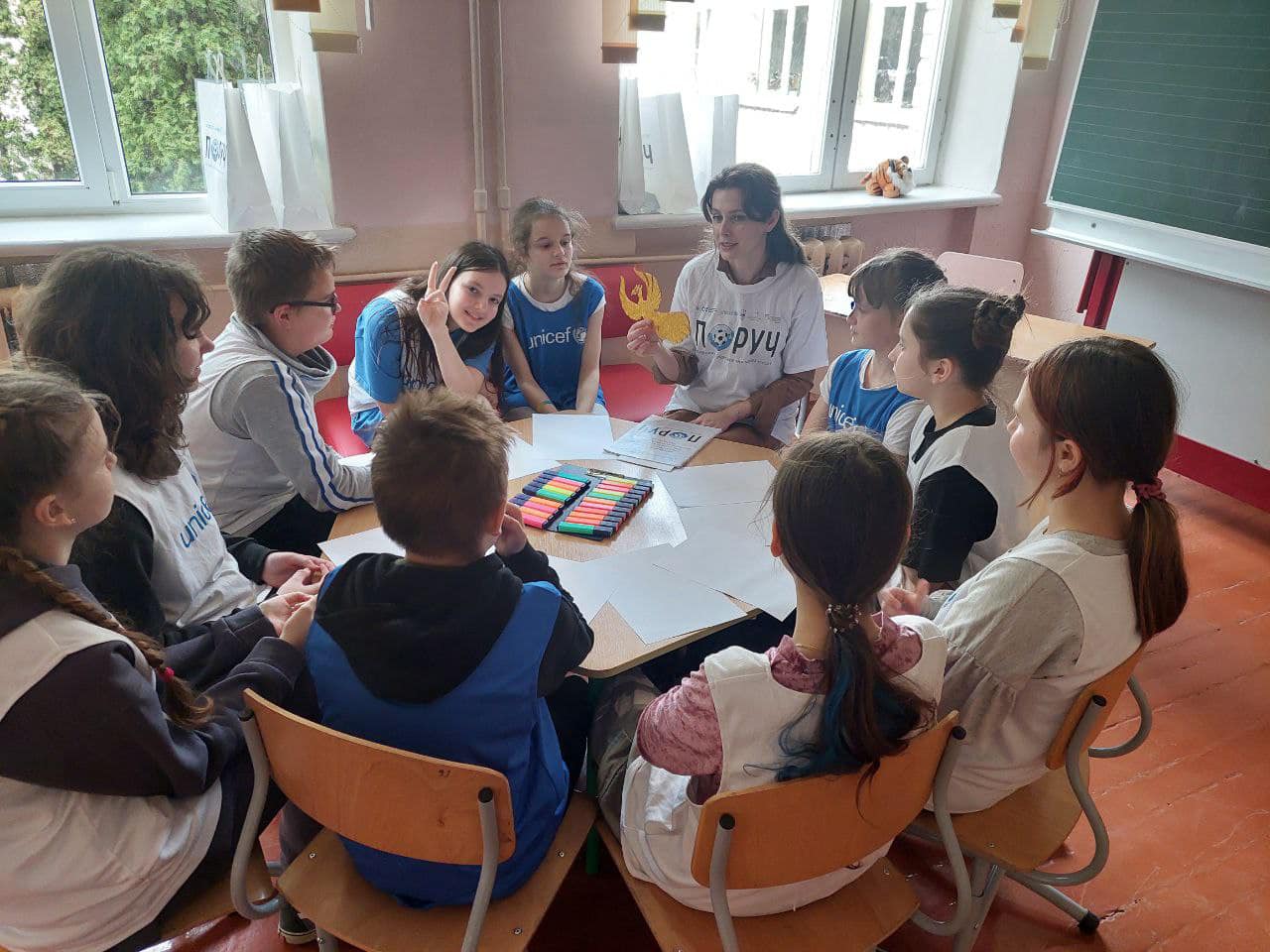
PLAY TOGETHER – PORUCH

Location and general information

Closed
Location 15 regions of Ukraine
Start date 01/01/2023
End date 12/31/2023
Cost of the project €267,628
Foundation funding €125,000
Project identifier 20220528
Partners The Charity Found "Around Football”
Categories Access to Sport - Children with disabilities - Conflict victims - Healthy lifestyle - Personal development

Context

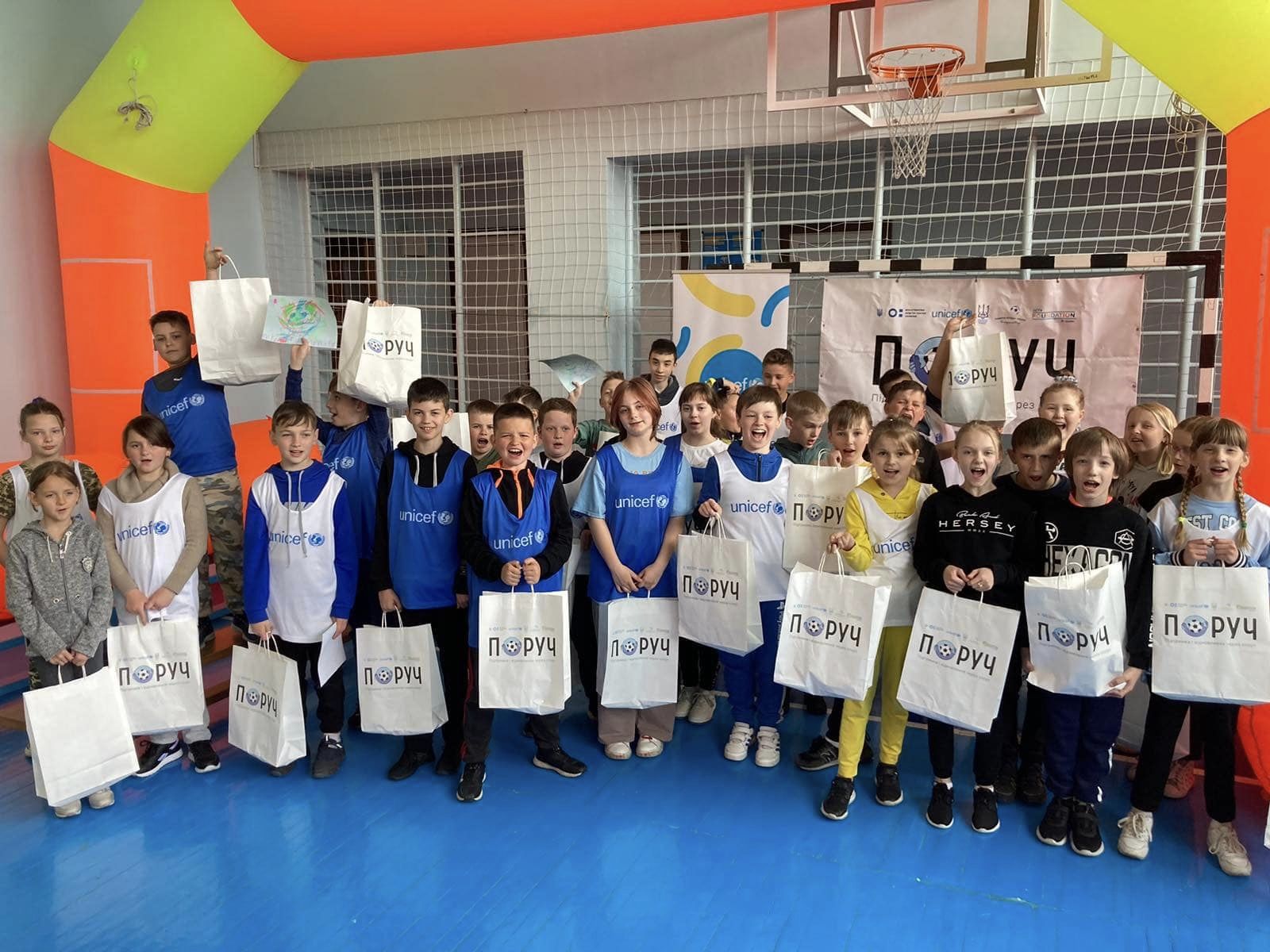
Children, affected by war, experienced fear, are withdrawn, and psychologically stressed. And sport is one of the tools that can provide psychosocial support to such children.

Project goals

  • Create a network of professional volunteers (managers, coaches, medical and psychological volunteers) in 15 regions of Ukraine.
  • Conduct training for the teams of specialists: briefings by instructors, child protection courses.
  • Conduct psychosocial sessions for children and youth.

Project content

The main purpose of the project is provision of targeted psychosocial support to children and teenagers, affected by war. This support will be provided through sport activities. A network of trained teams of specialists (managers, sport coaches, medical volunteers, psychologists) will work with children, involve them in sport activities. Such form of work with children will help the direct beneficiaries to overcome fear and to return to normal life.

Partners

Kick for Trade Festival

Location and general information

Closed
Location Basra, Iraq
Start date 12/01/2022
End date 06/30/2023
Cost of the project €110’814
Foundation funding €110’814
Project identifier 20220939
Partners Palestine: Sports for Life
Categories Access to Sport - Employability - Gender Equality - Personal development - Strengthening partnerships

Context

Iraqi children have limited opportunities to take part in projects that support individual development and foster employability. This hinders them from becoming successful and engaged individuals and citizens. 

Project goals

  • Increase employment rates among young people in Basra. 
  • Promote young people’s life skills, personal development, employment opportunities and entrepreneurship 
  • Increase the leadership skills of young leaders 
  • Improve the coaching skills of coaches 
  • Provide an inclusive environment and access to sports for ethnic minorities 

Project content

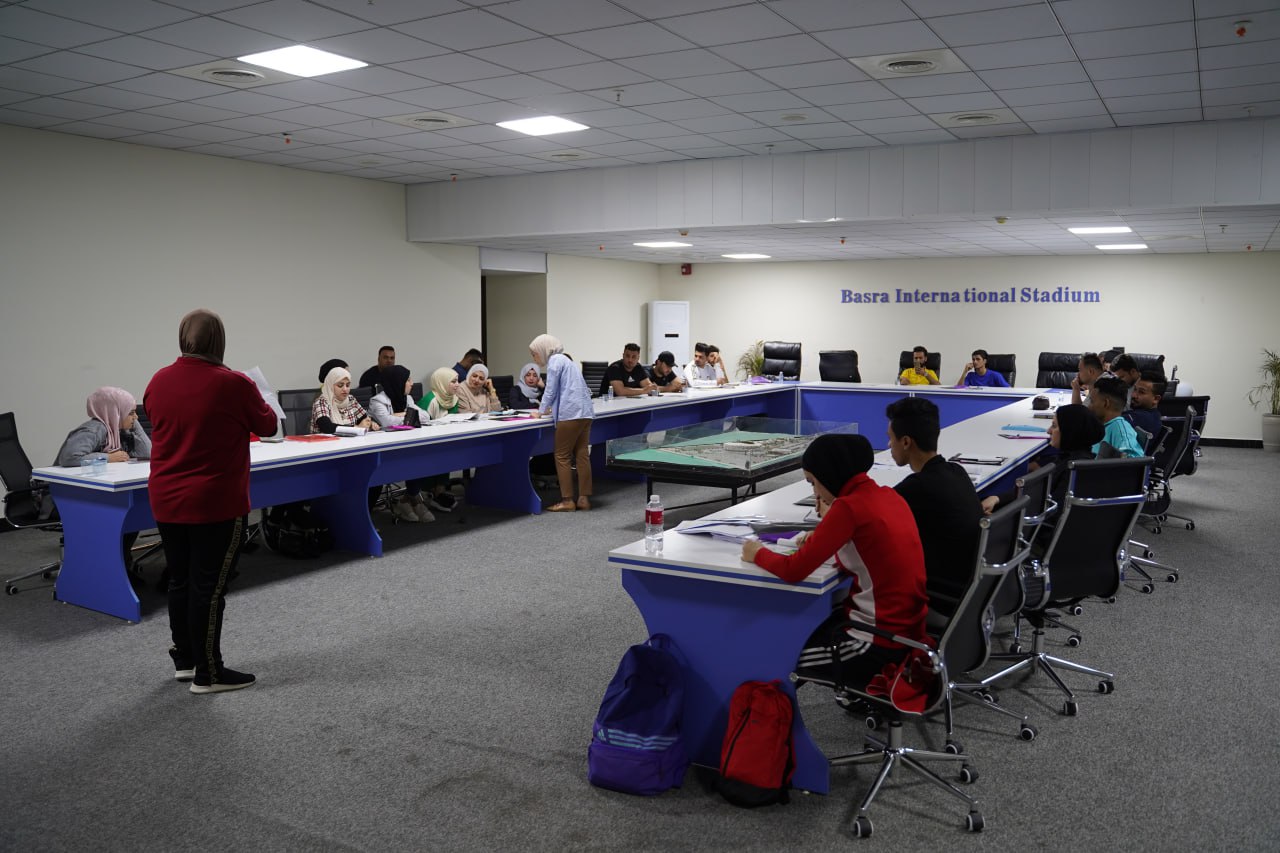
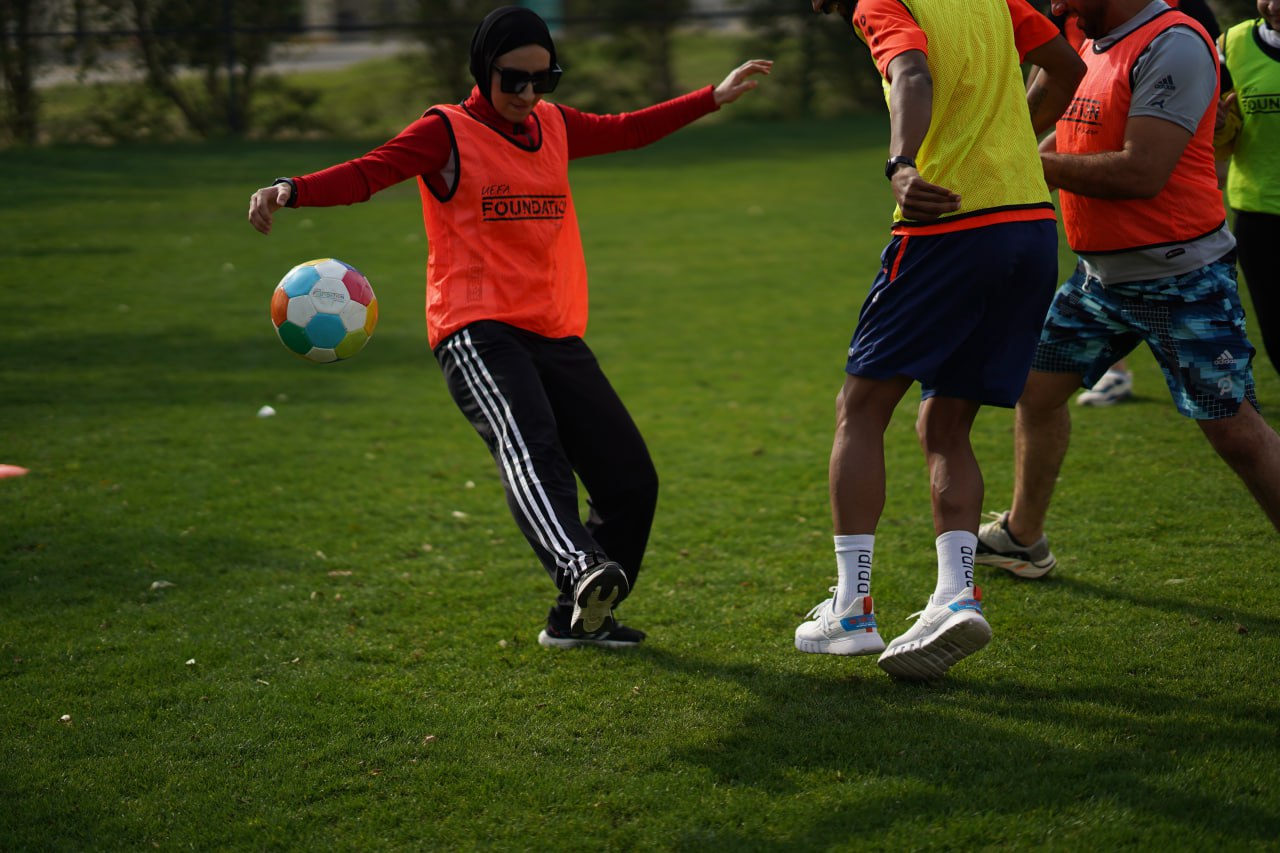
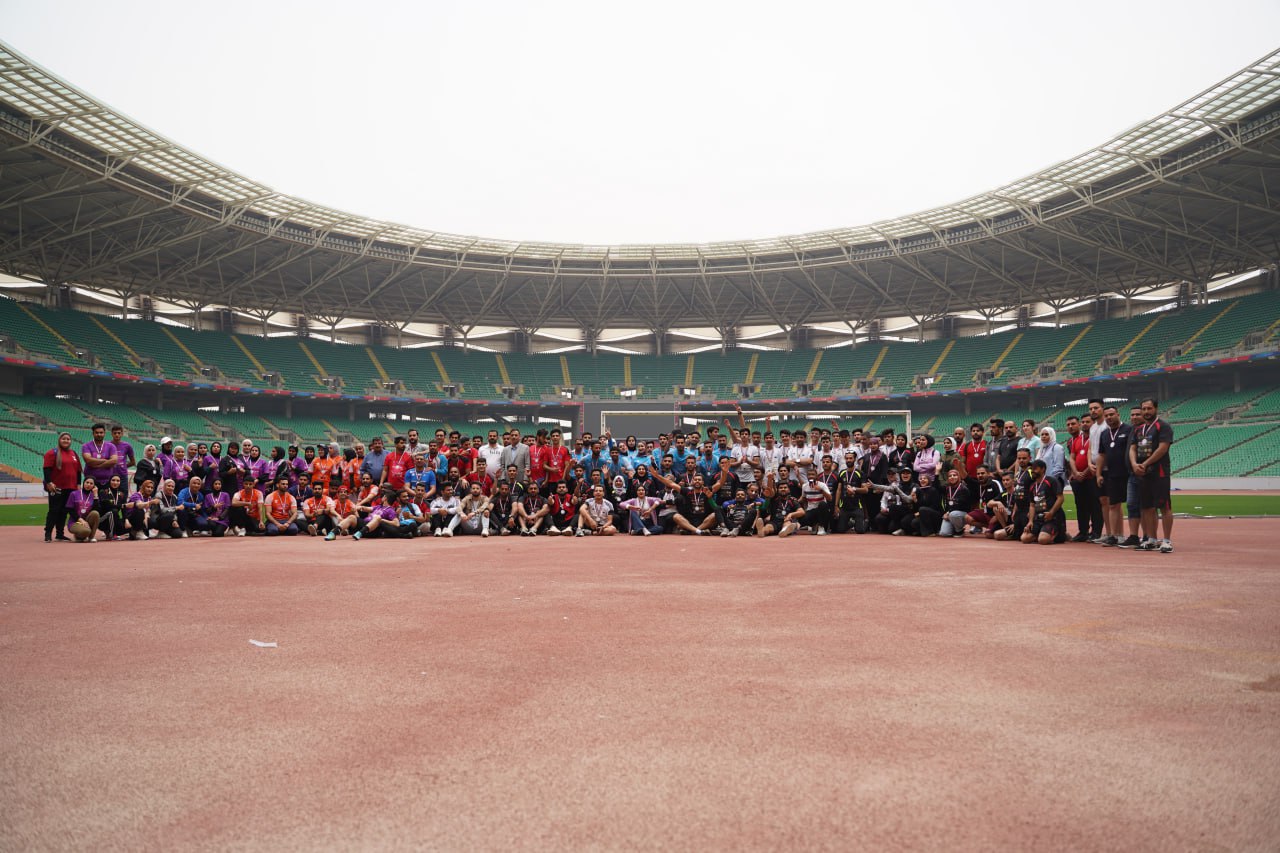
The Kick for Trade Festival is an expression of the successes of the K4T programme and has sport at its heart. 

The K4T project applies a unique approach to tackling youth unemployment by engaging young people through football. Sport acts as an entry point, offering a safe space for learning and personal development, leading on to further engagement in vocational programmes and entrepreneurship opportunities. Young people are linked to potential investors and employers from the Iraqi private sector through entrepreneurial and employability activities using Kick for Trade teams and tools.  

Football3 and the Kick for Trade curriculum sessions include adapted-rules football matches that enable the youngsters to develop and implement transferable skills that are relevant for employment, such as teamwork, leadership, communication, self-discipline and resilience. The sessions are for children and young people from ethnic minorities and from marginalised rural areas and disadvantaged districts of Basra. 

Partners

Sport youth inspiring the future – Line Up, Live Up

Location and general information

Closed
Location Chui, Naryn, Issyk-Kul and Talas oblasts, Kyrgyzstan
Start date 12/01/2022
End date 06/30/2023
Cost of the project €50 000
Foundation funding €50 000
Project identifier 20220786
Partners Institute for Youth Development
Categories Access to Sport - Healthy lifestyle - Personal development

Context

According to the Kyrgyzstan National Statistical Committee, the country had 1.6 million young people aged 14–28 in 2018, of which 51% were men and 49% women.

The Kyrgyz Republic has a young population, with over a quarter between 14 and 28. Some 70% of young people live in rural districts. There is an urgent need for more extracurricular activities, mostly in rural regions. Getting children to try a broad range of sports at an early age with specialist coaching would boost the culture of sport in Kyrgyzstan.

Project goals

1) Improve the behaviour of young people through involvement in football and sport in general

2) Promote sport and healthy lifestyles among young people

3) Encourage marginalised and potentially antisocial young people to try sport

Project content

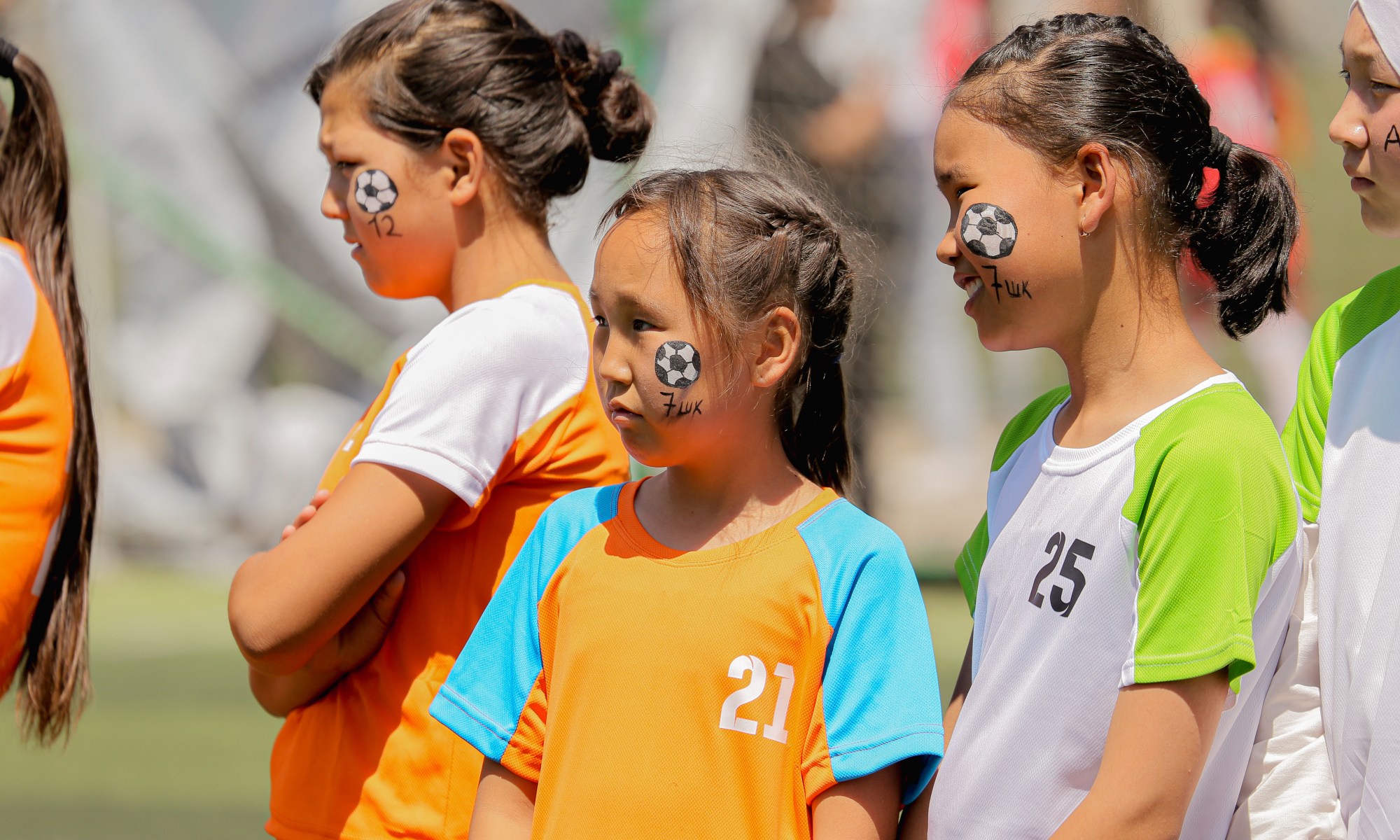
Our focus is on rural regions in northern Kyrgyzstan, for a target audience of young people aged 14–16 who are just finding their way in society, forming communities of interest and thinking about their futures.

1) Liaising with youth specialists from the regional education department to identify the schools and regions with the greatest need

2) Educating trainers to deliver the ‘Get into life’ programme in Bishkek

3) Recruiting 150–300 participants to form 16 football teams

4) Organising an inter-regional tournament in four locations

5) Holding a major tournament in Bishkek

Partners

KIFUMPA – Girls United

Location and general information

Closed
Location Lubumbashi, Katanga region, Democratic Republic of Congo
Start date 01/09/2023
End date 06/30/2024
Cost of the project €138000
Foundation funding €75000
Project identifier 20220560
Partners Play for Change UK charitable trust
Categories Access to Sport - Employability - Healthy lifestyle - Infrastructure and equipment - Personal development

Context

Lubumbashi is the second largest city in the Democratic Republic of Congo and the country’s mining capital. Political instability, corruption and violence are rife, including widespread attacks against civilians, fighting between ethnic factions, sexual violence and murder. The country is also plagued by malnutrition, easily treatable but highly infectious, deadly diseases such as malaria and sleeping sickness, the world’s second highest rate of infant mortality and high maternal mortality.

Widely considered an economic resource, families tend to have many children (often more than ten) but lack the resources to support them. Many children are thus abandoned and find themselves living on the street, perpetuating cycles of theft, crime, drugs and violence.

Child brides, young mothers and sexual violence against adolescent girls and young women are commonplace.

Project goals

Educational inclusion: Increase participation in school activities and reduce school dropout rates

Gender equality: Break down gender barriers and develop mutual respect

Educational capacities: Train educators and coaches

Basic skills: Promote awareness of participants' own aptitudes, enhance their relational, emotional, motor and cognitive skills, and help girls in particular to better plan their futures

Health and well-being: Improve the health and well-being of minors through access to clean water, food, sanitation, education, etc.

Sport: Encourage participation in sport, in particular football, especially among girls

Safe spaces: Guarantee access to safe spaces and solutions tailored to the needs of minors


In numbers:

  • 36 trained technical and educational staff
  • 450 students
  • 10 schools involved in workshops
  • 40 girls involved in pre-academy activities
  • 1,000 street children reached by awareness campaigns

Project content

Launched in January 2023, the KIFUMPA (=a Swahili word meaning ball of rugs) project comprises six activities in four categories.


Awareness campaigns

PROXIMITY/SCOUTING CAMPAIGNS: Five evening visits to neighbourhoods where street girls live, to promote the educational and sporting activities available.

COMMUNITY EVENT: Open access concerts and theatre in an area of the city frequented by street children to break down the cultural barriers and stereotypes surrounding activities typically considered to be “for men”.


Staff training

An introduction to values-based training and the importance of identifying and addressing children’s frailties and educational needs during sports activities, helping coaches to support young players’ holistic growth and teaching educators to promote gender equality, resilience and teamwork.


School workshops

A four-hour educational and recreational workshop for 10 schools, using football and art to promote gender equality, inclusion, teamwork and sport among 10 to 14-year-olds.


Education and sport

SUMMER CAMPS: Three weeks of educational and recreational sports activities at the end of the school year, in June and July 2023, as an introduction to the pre-academy.

PRE-ACADEMY: Educational and football courses from September 2023 (5hrs of language classes, 5hrs of maths, 15hrs of general culture and 5hrs of football each week) on the premises of the Futuka men's academy (pending completion of the Msichana Football Academy).

Partner

Refugee Youth Empowerment

Location and general information

Closed
Location Penang, Malaysia
Start date 01/01/2023
End date 12/31/2024
Cost of the project €23,839
Foundation funding €23,839
Project identifier 20220154
Partners Persatuan Komuniti Berdikari (also known as ASPIRE Penang and Penang Stop Human Trafficking Campaign)
Categories Access to Sport - Conflict victims - Infrastructure and equipment - Personal development
Context

In Malaysia, young refugees often live in an environment that offers few opportunities for recreation, education or social interaction. The Malaysian government provides no legal or administrative framework to protect or support refugees. Instead, it has invited the United Nations High Commissioner for Refugees (UNHCR) to verify, register and resettle refugees, based on the concept that refugees are simply in transit. However, the severe lack of resettlement places means that refugees end up staying in Malaysia for decades, without access to mainstream education and protection at work and few safeguards against extortion, harassment, arrest and detention. Consequently, women, men and young people often feel helpless and without hope, as their opportunities in Malaysia are very limited and the chances of resettlement slim.

Project goals

1. Significantly increase opportunities for young refugees to learn about and engage in organised activities, including sports and other recreation, and to acquire life skills

2. Build teamwork, responsibility, decision-making and leadership skills through participants’ ‘ownership’ of project planning and management

3. Improve prospects by learning vocational and life skills

Project content

Over a two-year period, this project will offer young refugees in Penang greater opportunities to engage in activities that bring hope and positivity: an organised football project for boys, other culturally appropriate recreational activities for girls, and life skills classes in language and computer literacy. These are skills the young refugees themselves have identified as critical for their future. In the football programmes, the players themselves will be responsible for all aspects of team management, which will build a sense of ownership, leadership and responsibility. In the other parts of the project, the young people will play a key role in initiating and directing activities.


ACTIVITY FREQUENCY
U14 football programme boys One practice session + one match a week
U19 football programme boys One practice session + one match a week
Girls’ recreational activity Frequency to be determined
Computer classes Once a week at weekends (note: young refugees are only available for classes at weekends)
English classes Once a week at weekends (note: young refugees are only available for classes at weekends)

Partners

Reintegration to school through sport

Location and general information

Closed
Location Batticaloa, Eastern Province, Sri Lanka
Start date 02/01/2023
End date 07/31/2023
Cost of the project €20,285,00
Foundation funding €20,300
Project identifier 20220861
Partners Street Child
Categories Access to Sport - Healthy lifestyle - Infrastructure and equipment - Personal development
Context

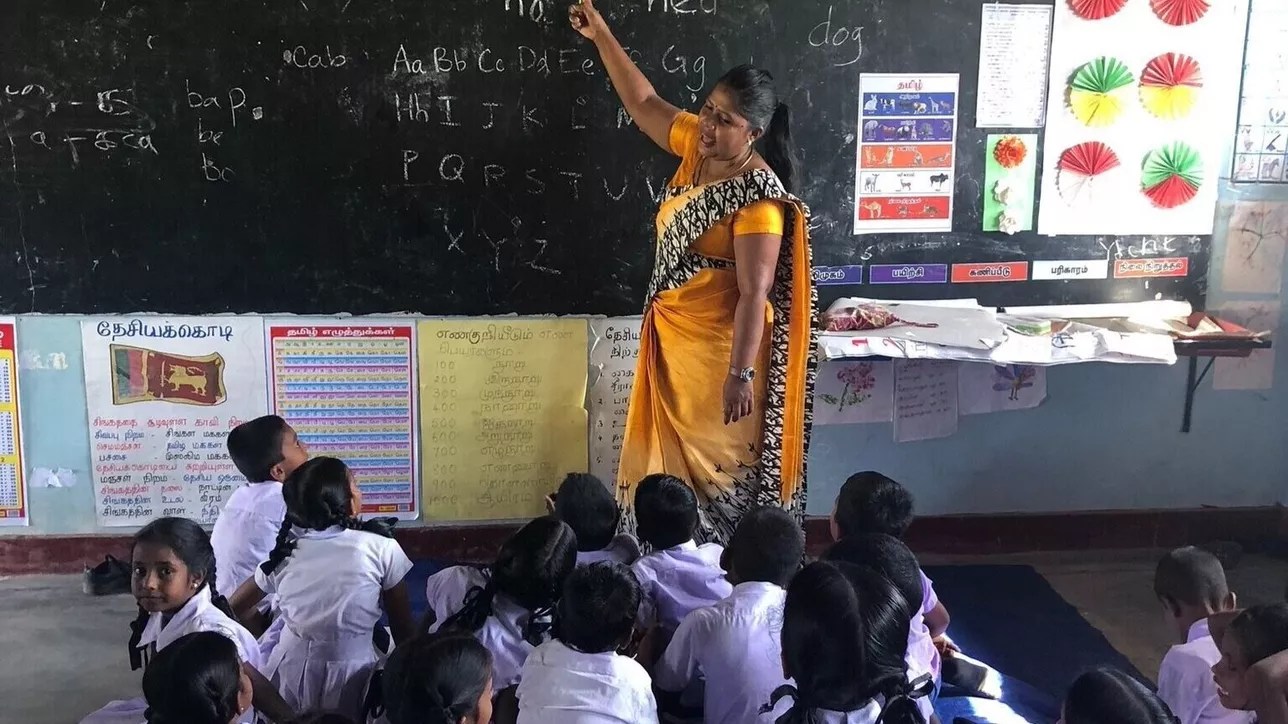
In Sri Lanka, many children have endured the negative effects of isolation and a lack of social interaction over the last three years due to COVID-19 school closures and now the severe economic crisis. These events will have a long-term impact on the country, with the effect that many children will be left behind. It is difficult for children to acquire essential life skills without spending significant amounts of time with their peers. The well-being of young people is a major concern. Students with irregular school attendance fall far behind in class and often drop out.

Project goals

Active participation in sport develops both cognitive and non-cognitive skills, offering students a holistic learning experience and producing well-rounded individuals. The objectives of the project are to: (i) reintegrate students into school with a positive attitude, in classroom settings that encourage student retention, and (ii) introduce regular sporting activity in schools to encourage consistent social interaction.

Project content

In total, 900 students will benefit from improved PE classes with football lessons.

Some 18 teachers at six schools will receive two months of training from experienced educators in active learning practices, in particular how to create, manage and deliver sports-based learning in the classroom.

Furthermore, 180 students will benefit from a two-month training programme for six community football teams. This will feature football training, after-school football sessions and weekly inter-school matches.

The data gathered during the impact assessment process will be used by Street Child to produce reports to be distributed both locally (to schools, partners and stakeholders) and internationally. Street Child will share the results with its offices in other countries and local partners, identifying the strengths of the model and promoting its replication where appropriate.

Partners

Play to prevent

Location and general information

Closed
Location Oruro, Bolivia
Start date 01/15/2023
End date 01/15/2024
Cost of the project €97,192,00
Foundation funding €80,000
Project identifier 20221105
Partners ChildFund Bolivia
Categories Access to Sport - Gender Equality - Infrastructure and equipment - Personal development
Context

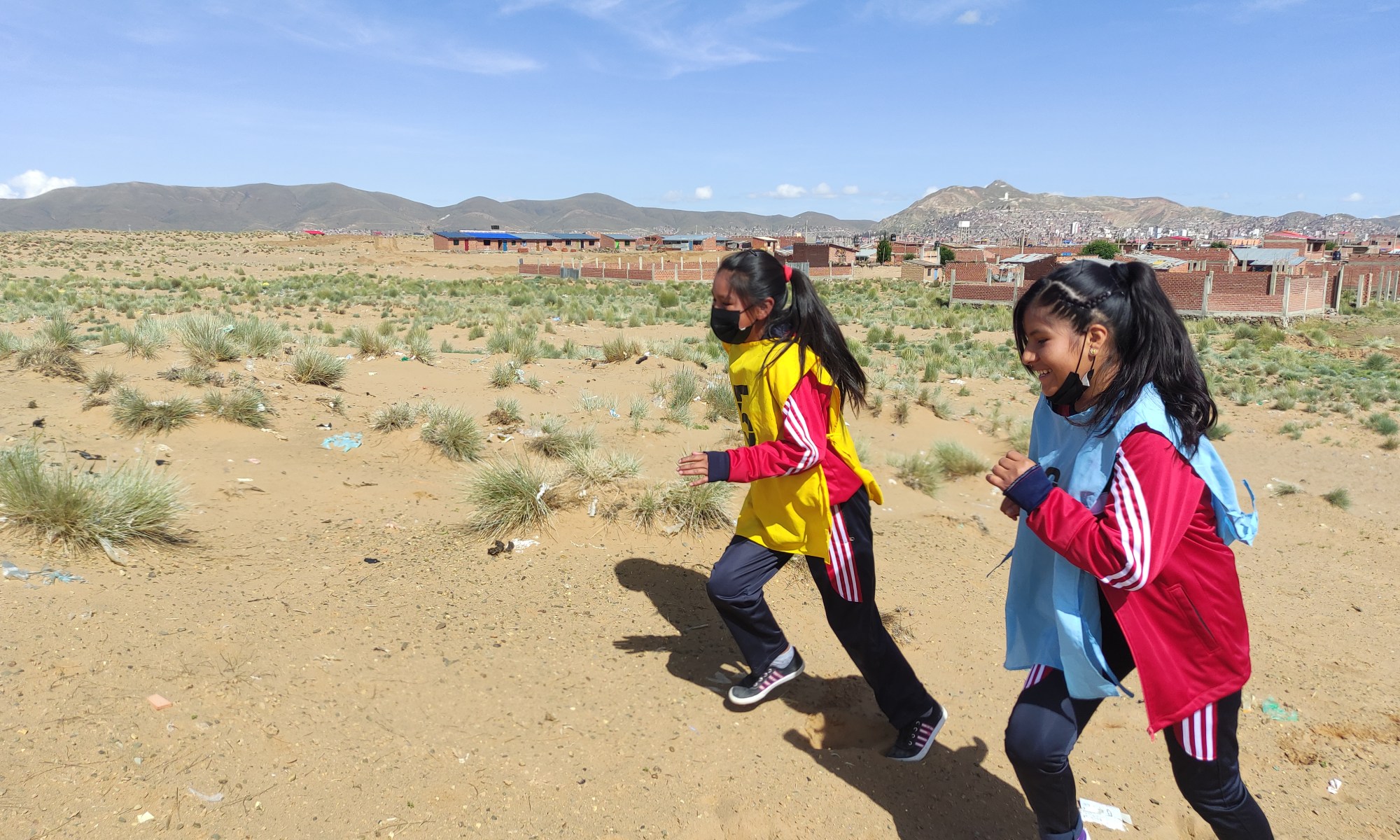
Oruro in Bolivia has a population of over half a million, mainly in its eponymous capital city. Bolivia is one of South America's poorest countries and, as the urban population of Oruro has grown due to internal migration, there has not been universal access to basic services such as health, education and decent housing. The city also suffers from distressing levels of domestic violence.

The children who take part in the project are highly vulnerable and come from deprived backgrounds. Many are from single-parent families and are often subject to physical, psychological and sexual abuse. In general, there are few opportunities for young people to do sport and engage in personal development.

Project goals

  1. Improve life skills and enhance violence prevention for 1,000 girls and 500 boys
  2. Train female and male teachers and coaches to promote violence prevention and gender equality through sport
  3. Introduce the Jugar para Prevenir methodology that offers a clear gender focus
  4. Support the city of Oruro’s football schools for both girls and boys through inclusion and equity methodologies

Project content

The project promotes ChildFund’s Jugar para Prevenir (Play to Prevent) method to improve the violence prevention skills of girls and boys and their coaches and teachers through sports. The project is introducing the methodology to ten schools including the Quirquincho Feliz football school for boys. The project also partners with the first football school for girls in Bolivia, Las Super Poderosas, implementing the Jugar para Prevenir methodology through specific activities for girls and female sports teachers.

The project will reach 1,000 girls, 500 boys and 20 football coaches in 10 schools.

Partners

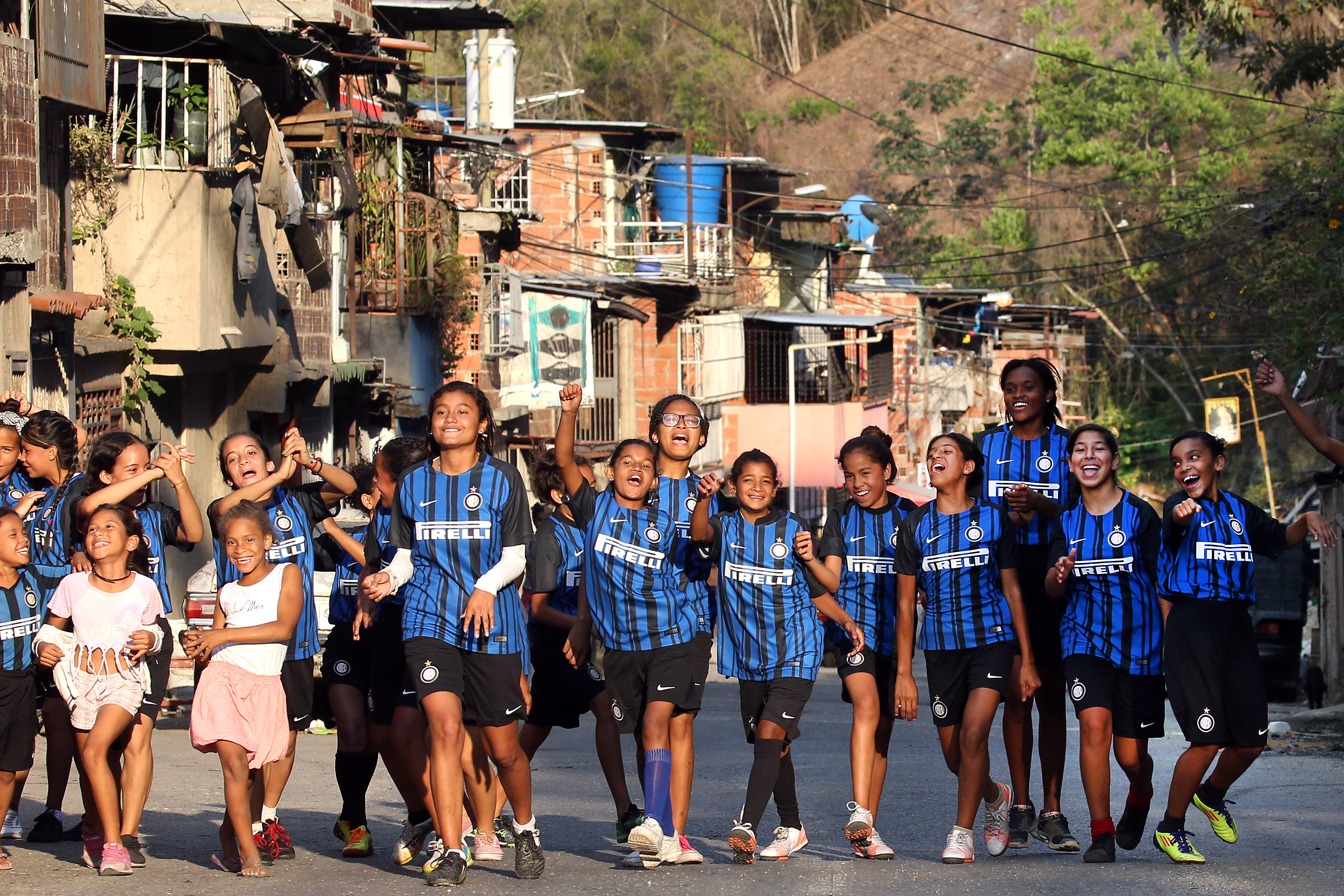
Facing crisis through football in Colombia & Venezuela

Location and general information

Closed
Location Colombia (Cauca, Valle del Cauca, Vichada) and Venezuela (Caracas)
Start date 01/31/2023
End date 12/31/2023
Cost of the project €212,864
Foundation funding €99,864
Project identifier 20220558
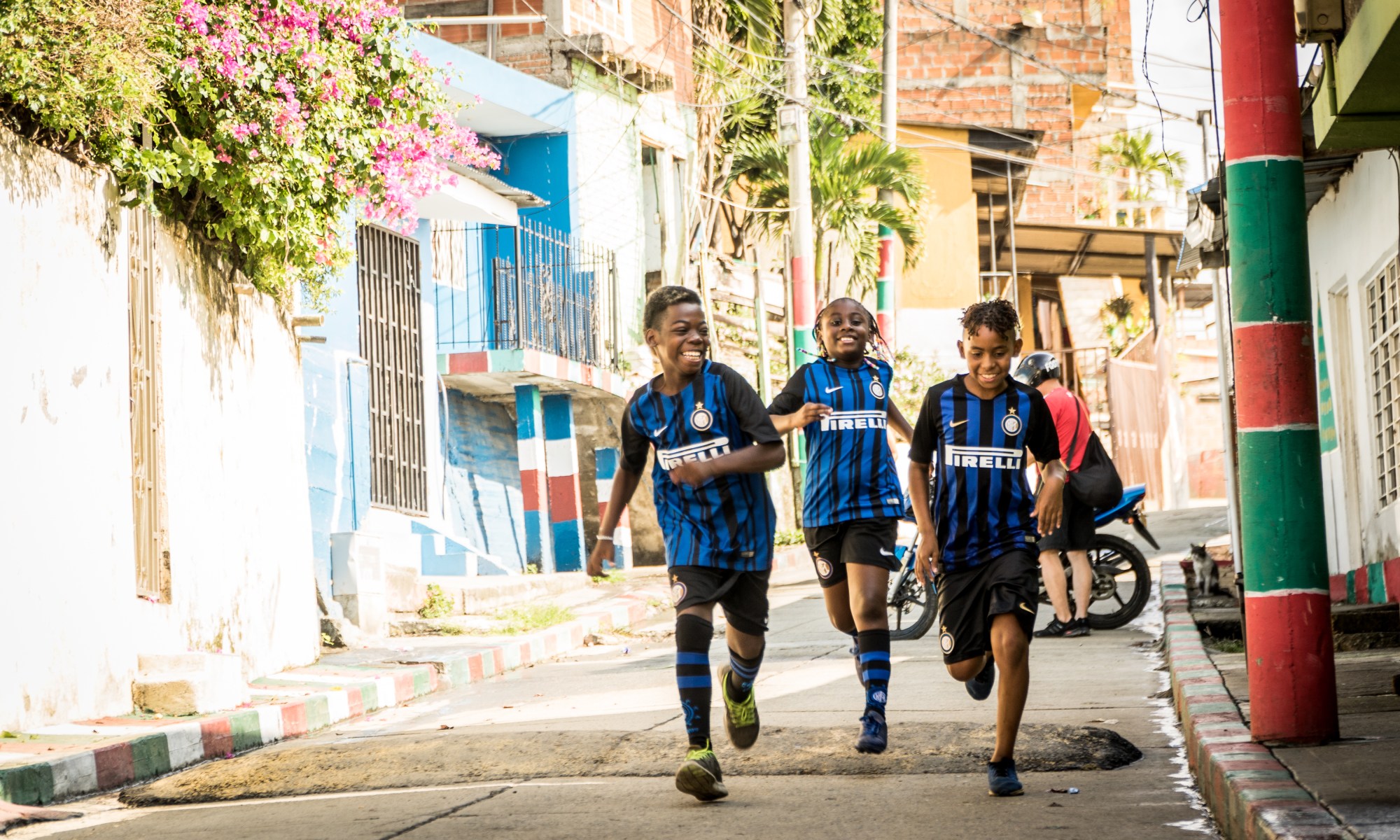
Partners Inter Campus
Categories Access to Sport - Employability - Gender Equality - Healthy lifestyle - Personal development - Strengthening partnerships

Context

Colombia and Venezuela are experiencing unprecedented economic crises, affecting in particular the most vulnerable: children, women and minorities. Thousands of young people and their families are facing food shortages, resulting in limited physical development and possibly also irreversible mental damage. This economic and social crisis is linked to acute political disorder, giving rise to insecurity, violence and corruption.

Project goals

The objective is to support children’s physical, mental and social health, providing them with cultural elements and a psychological structure to face threats prevalent in their communities.

Two main priorities have been identified:

1. Bridging a nutritional gap affecting children’s development

2. Countering a wave of violence caused by the socio-economic crisis, mainly as a result of drug production, distribution and consumption

Project content

There are three approaches:

1. Teach local coaches how to teach children team values: respect for the coaches, rules and referees; seeing opponents not as enemies but as partners; cooperating with other children; learning to make the most of their time in training and school activities; growing their skills and gaining self-confidence; getting stronger against adversities by learning how to deal with winning and losing; and how to fulfil their dreams by working hard; training even in bad weather; and learning how to overcome stress or aggressive instincts in a positive way.

2. Promote integration among people with different languages, cultures, and religions; reducing violence; gender equality and confidence-building.

3. The mere presence of the Inter brand will attract attention from volunteers, sponsors, local authorities, other social offices or NGOs and inspire them to help.

The project will last 24 months, based on weekly training sessions and periodical weekend matches, and involve 530 vulnerable children from 6 to 13 years old living in 11 different rural and urban contexts in Colombia and Venezuela.

The training will be run by local educators applying an innovative socio-sports methodology according to local needs. Weekly nutritional support will be given, by providing healthy, good-quality food normally not available to these children.

Local partners, the Fundación Crecer Jugando in Colombia and the Fundación Magallanes in Venezuela, will select and run the activities.

Twelve coaches will take part in a working group and learn to use the scientific tools used to asses children’s personality, as well as basic sports-related skills on social, emotional, cognitive issues.

Partners

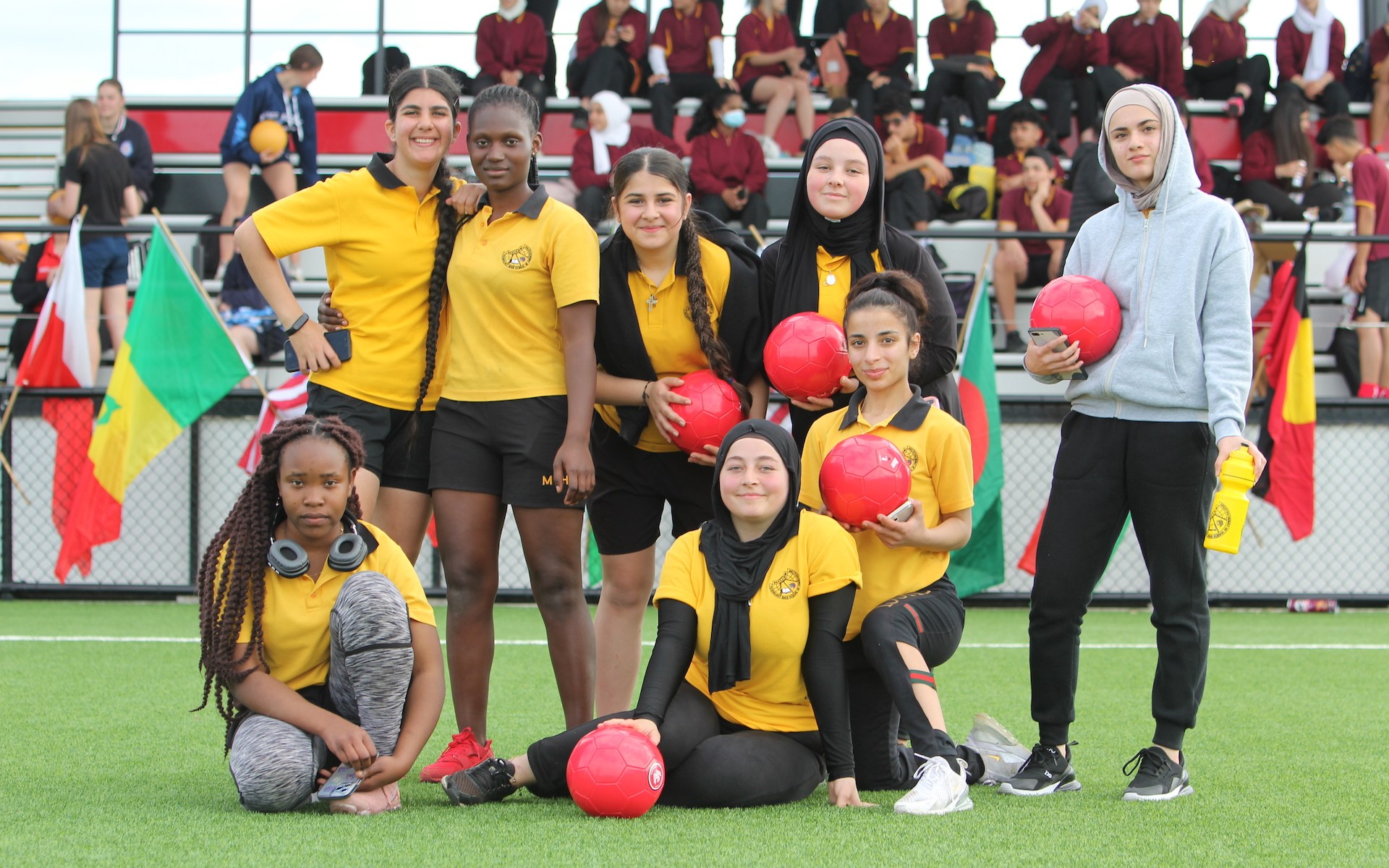
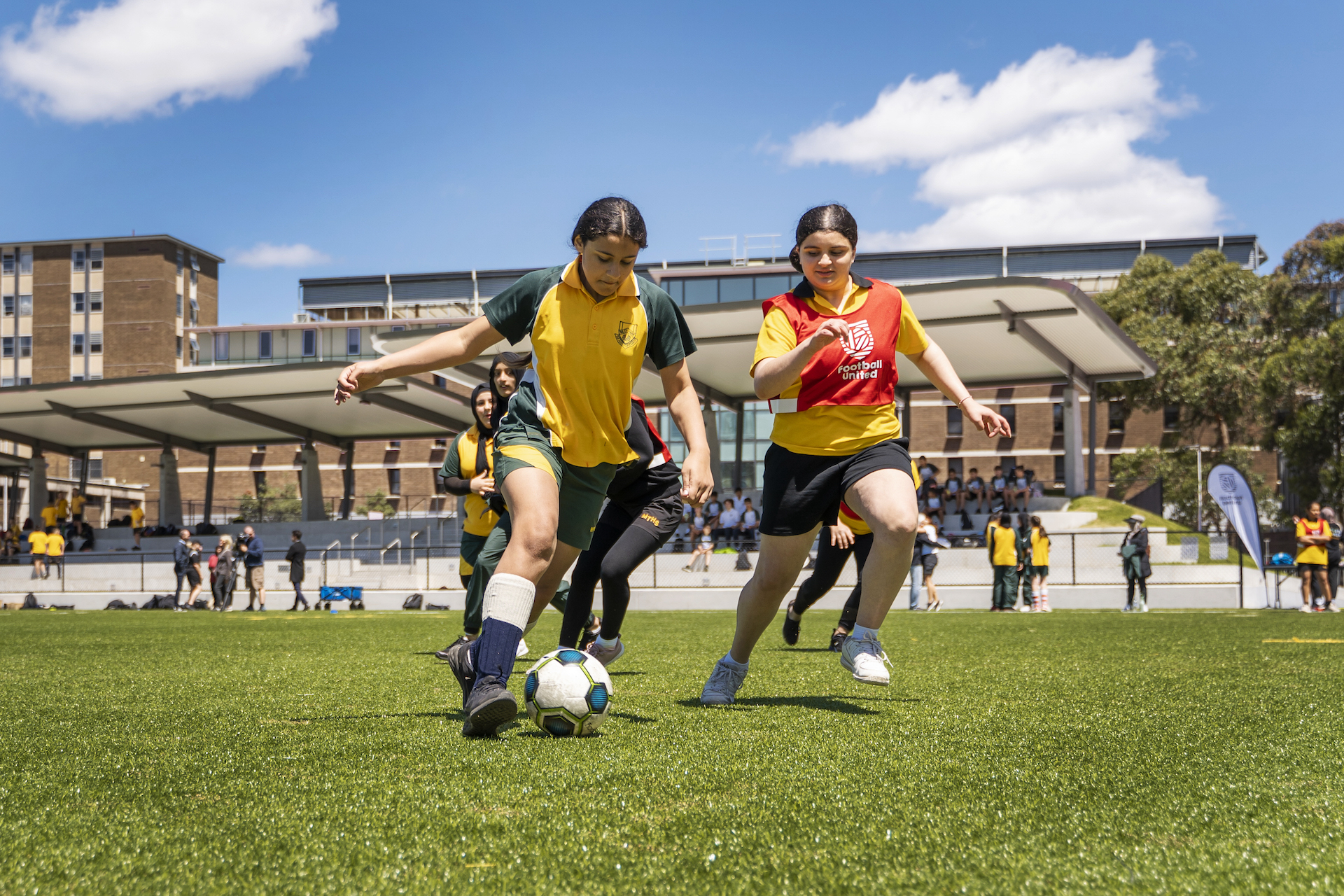
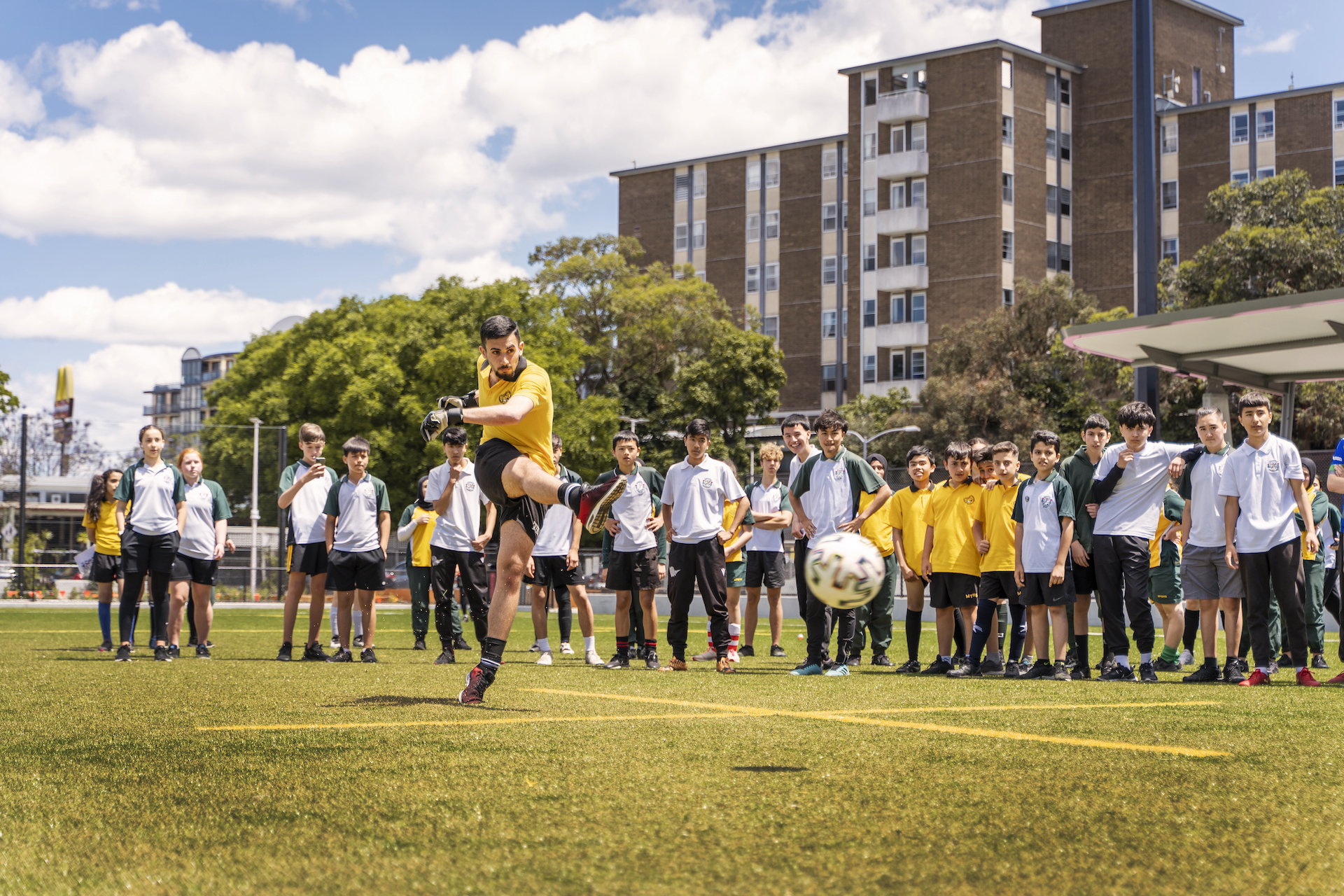
Festival 23

Location and general information

Closed
Location Sydney, Australia
Start date 01/15/2023
End date 12/31/2023
Cost of the project €600,000
Foundation funding €80,000
Project identifier 20220520
Partners University of New South Wales, Football United programme
Categories Access to Sport - Employability - Environmental protection - Gender Equality - Personal development - Strengthening partnerships

Context

Football United is a member of the Common Goal movement that unites 200 grassroots organisations that use football to promote social change, in areas such as gender equity, climate action, social inclusion and poverty reduction. An essential part of these organisations’ sustainability efforts is training and empowering youth to become leaders in the football for good (F4G) space, providing organisational sustainability, enabling the global movement to further develop and improving the impact of the F4G sector. F4G festivals enable such training opportunities.

Project goals

Festival 23 will build youth leader capacity to create positive social change in 25 communities throughout Australia with immediate practical engagement during the festival. Training from global experts will focus on the UN’s Global Goals to enhance the capacity of F4G organisations to achieve the objectives in health; education; access to sport; personal development; integration of minorities; and the protection of children’s rights.

Project content

Festival 23 will provide the social legacy for the upcoming 2023 Women’s World Cup. F4G festivals have been a way to build youth leadership capacity at every FIFA World Cup since 2006. Evaluations indicate participants increased their capacity to take on leadership roles in their respective communities after the event.

Festival 23 will bring up to 120 youth leaders from around the world together for ten days of capacity-building through F4G themed training alongside community engagement mechanisms and activities. Festival 23 is therefore a catalyst for progressive leadership development in F4G organisations, leveraging the immense power of mass football events.

1. Four days of capacity-building workshops by global experts in F4G, Global Goals themes relating to climate action, gender empowerment, health, education, employability, advocacy

2. Application of training as youth leaders will engage with 25 diverse, low socio-economic communities in football gala days

3. Fair-play tournament between teams comprising the youth leaders and Common Goal footballers

4. Increased engagement and application of acquired competencies in the participants’ home countries following Festival 23

Partners

This is How We Football

Location and general information

Closed
Location American Samoa, Cook Islands, Fiji, New Caledonia, Papua New Guinea, Samoa, Solomon Islands, Tahiti, Tonga and Vanuatu
Start date 01/01/2023
End date 01/01/2024
Cost of the project €1,088,500
Foundation funding €190,000
Project identifier 20220628
Partners Oceania Football Confederation
Categories

Context

Girls in the Pacific experience the highest rates of gender-based violence in the world. They also face discrimination and exclusion, with inequalities in education, decision-making processes, access to health services and opportunities to play sport. Some 70% of women and girls in the Pacific are insufficiently physically active, resulting in health issues and exclusion from the benefits of sport, including peer support, accessing new networks, leadership and other skills.

A co-design process was initiated with OFC member associations to develop female participation programmes that would meet the needs of girls and create a safe, sustainable environment to develop female footballers.

Project goals

  • Change perceptions among boys, girls, women and men involved in football
  • Empower young people to be leaders and advocates for broad social change
  • Train young people and coaches on gender-based violence and ensure they have access to services
  • Guarantee that strategies, systems and training are in place to support non-discrimination and reduce the risks of harm

Project content

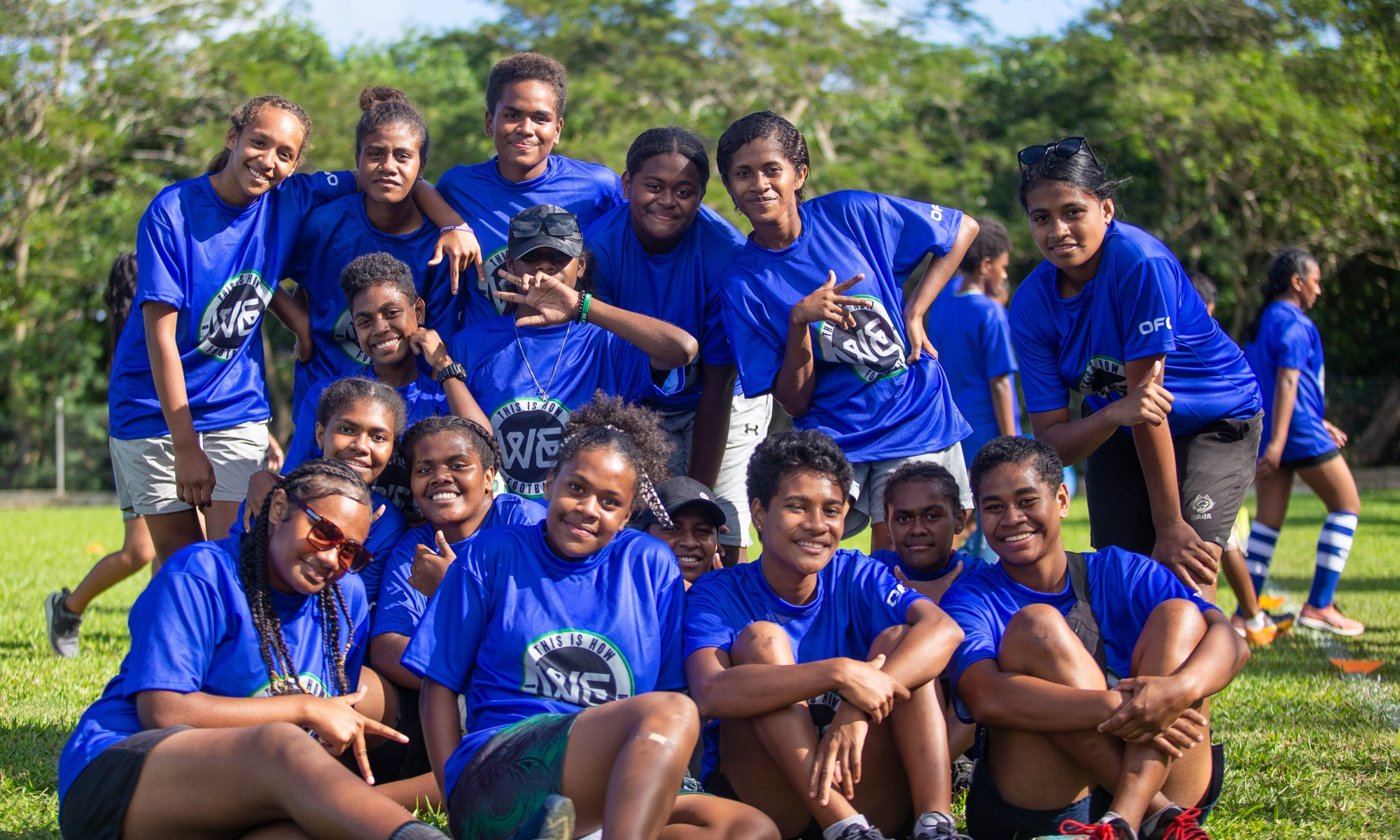
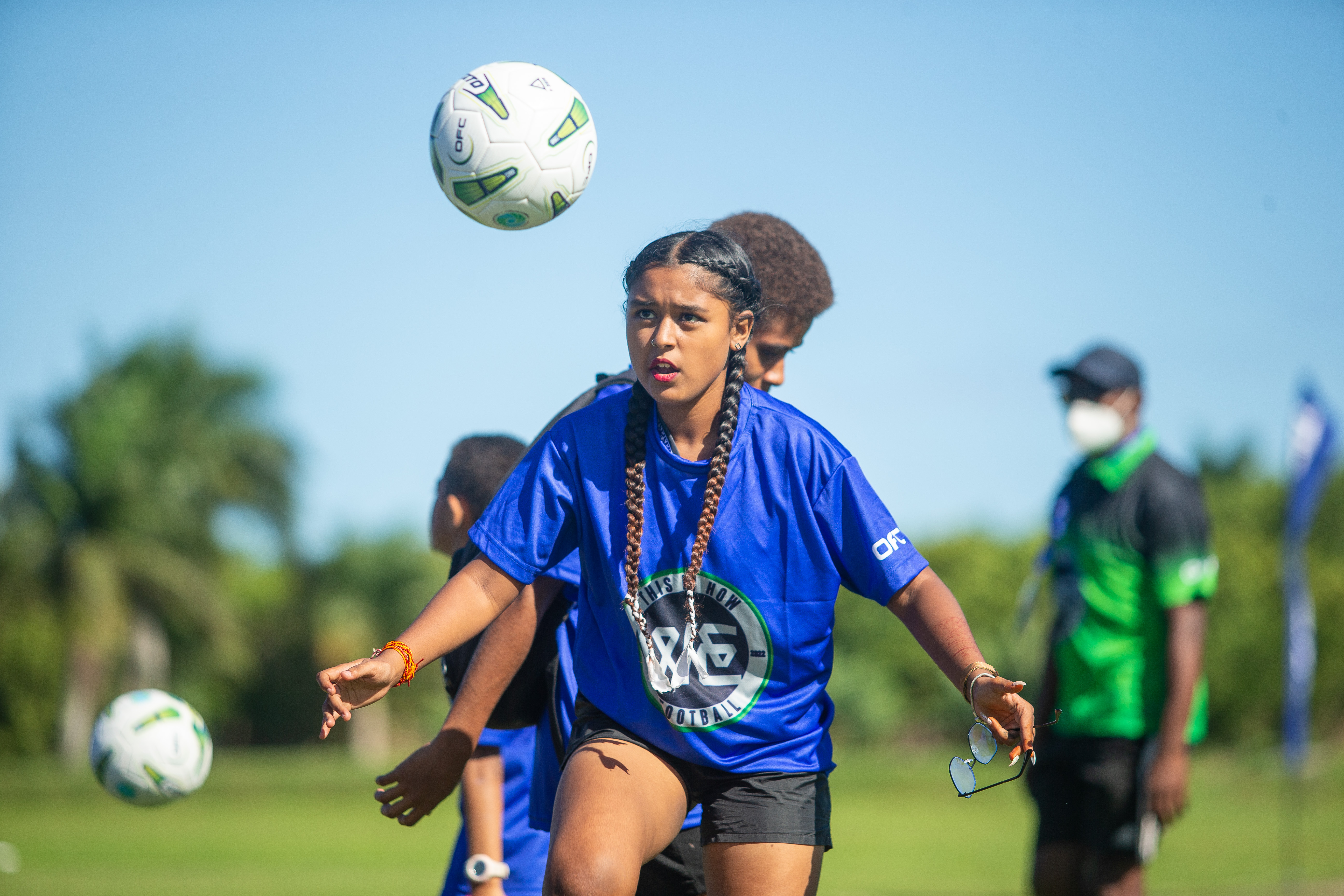
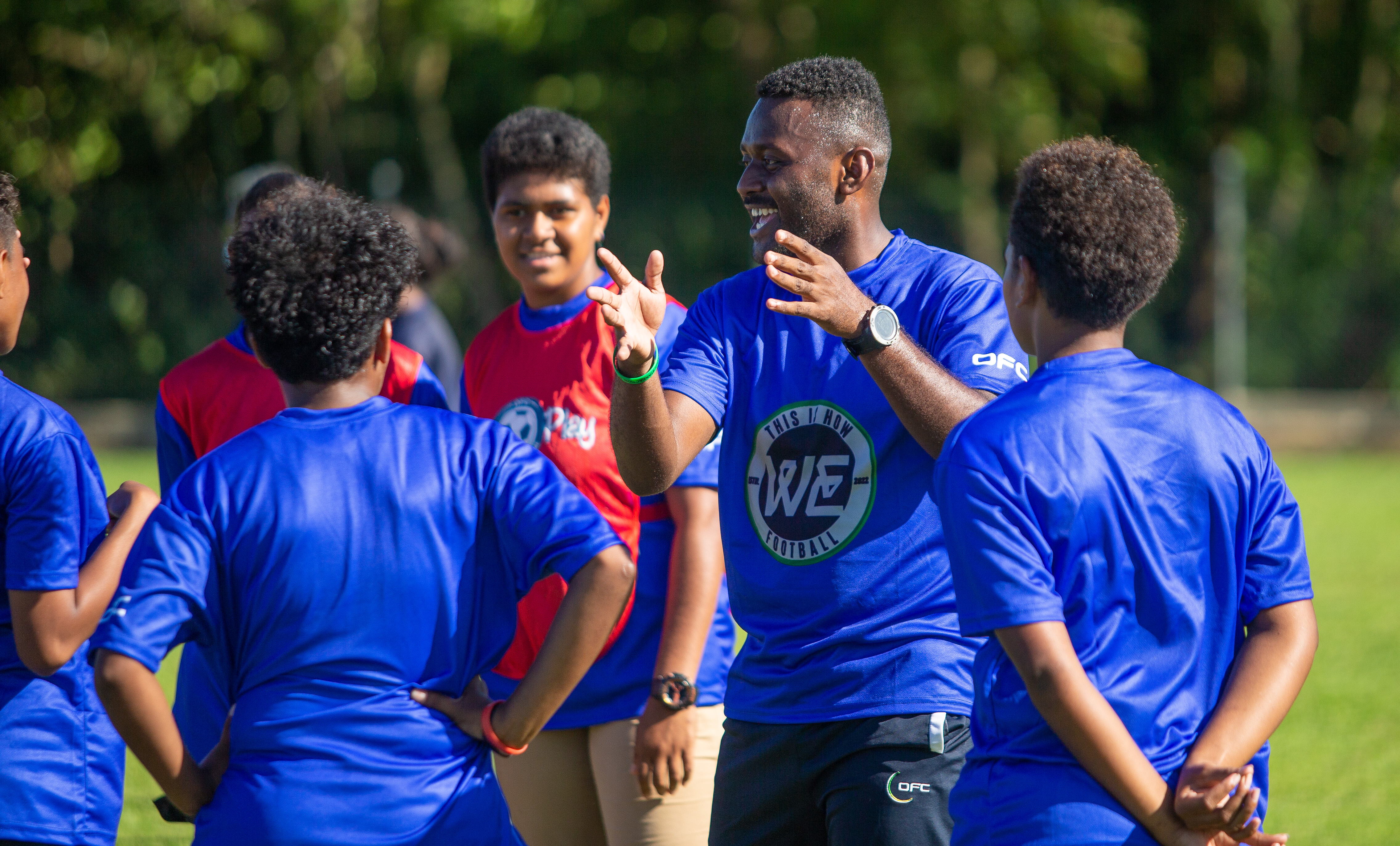
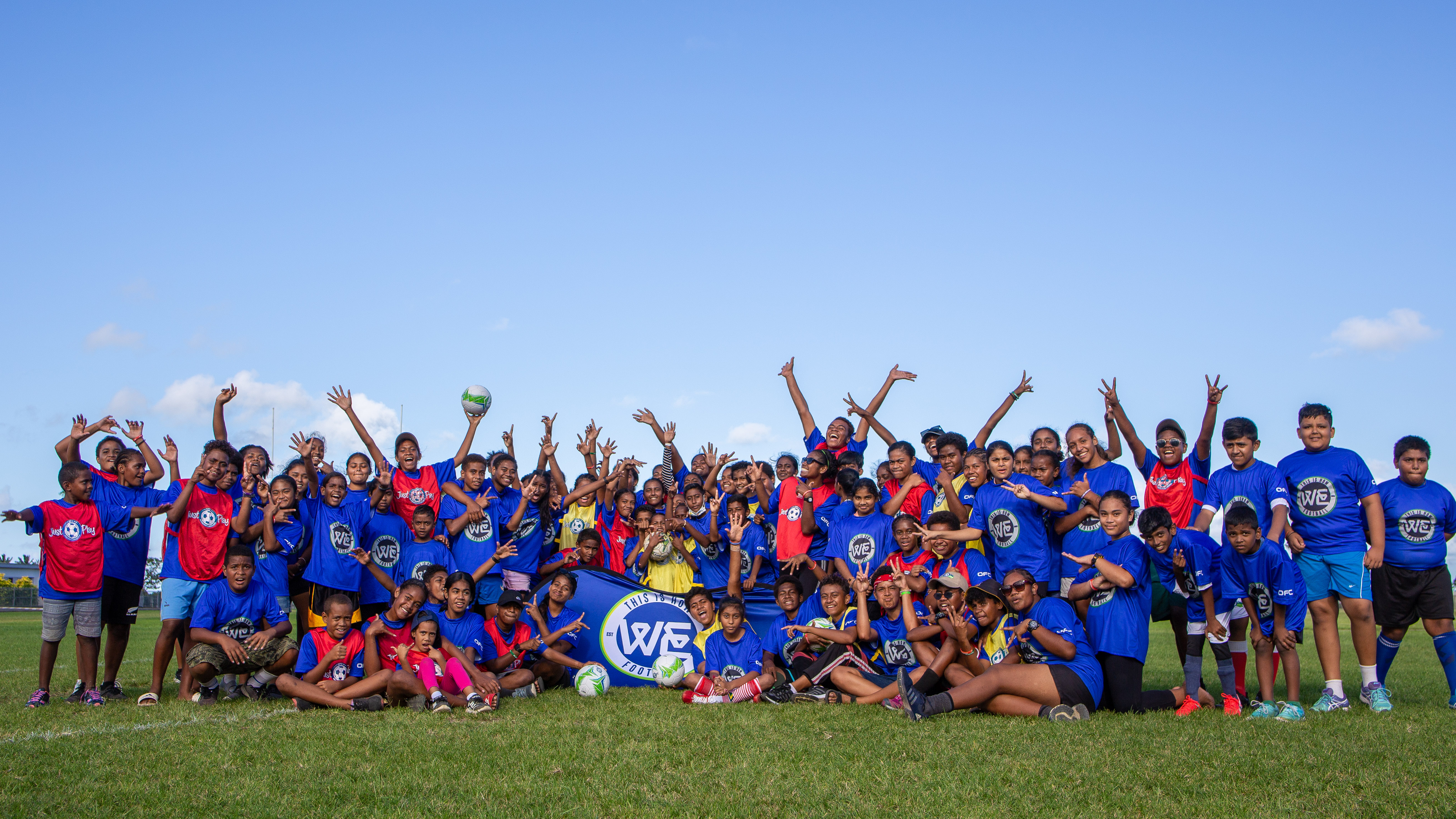
This is How We Football was launched in 2022 as part of the OFC’s commitment to a long-term women’s football strategy to ensure that girls throughout the region have the opportunity to take part in football in a safe, supportive environment.

This is How We Football focuses on creating supportive environments through regional and national communication campaigns, policy and strategy development, training and delivering programmes focused on safe female participation. We are partnering with UN Women and national women’s and children’s crisis centres to offer support and education to women and girls in our region, promoting gender equality, leadership, responses to gender-based violence and training on health and hygiene. The programme includes:

  • Youth football programmes that provide opportunities for boys and girls to interact and change perceptions around gender roles
  • A girls’ (13-18) football participation programme integrating messages of gender empowerment, life skills, health and responses to gender-based violence
  • Regional and national communications campaigns and festivals to promote awareness of gender equality
  • Gender equality training and capacity building workshops for coaches across 11 member association countries
  • Bespoke safeguarding training for all instructors across the Pacific
  • Long-term gender inclusion and safeguarding action plans developed in 11 countries in respect of EVWAG (the elimination of violence against women and girls)

Partners

Sports for Resilience and Empowerment Project, phase 2

Location and general information

Closed
Location Acholi neighbourhood, Kinuuma Masindi district, Kampala city, Uganda
Start date 12/01/2022
End date 12/01/2024
Cost of the project €350000
Foundation funding €200000
Project identifier 20220112
Partners The Aliguma Foundation
Categories Access to Sport - Children with disabilities - Conflict victims - Employability - Environmental protection - Gender Equality - Healthy lifestyle - Infrastructure and equipment - Personal development - Strengthening partnerships
Context

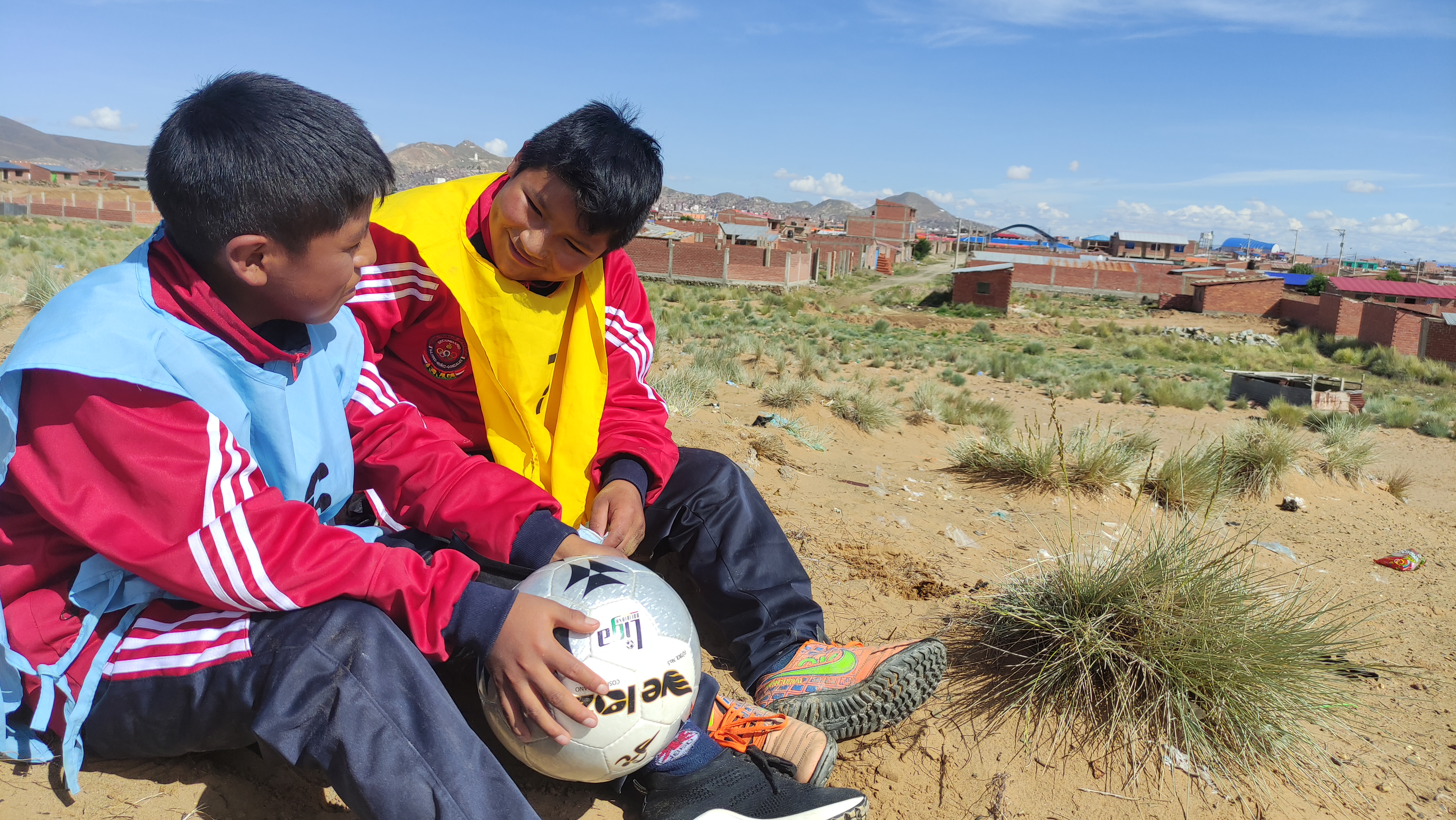
The Aliguma Foundation is a charitable organisation that helps marginalised communities access the basic requirements of life. The organisation aims to improve the living standards of mothers and children. The foundation currently operates in Acholi, a slum neighbourhood on the outskirts of Kampala, mostly inhabited by refugees from northern Uganda.

Project goals

1. Identify and develop the career goals of individuals through sport

2. Enhance education and literacy among children to promote holistic development

3. Provide decent housing and a safe environment in which women from deprived backgrounds can raise their children

4. Create income-generating alternatives for mothers who are suffering severe hardships

5. Consolidate the progress made by the project by using sport and businesses as catalysts to allow 1,500 women and 5,000 children and young people to move out of social and economic exclusion

6. Extend the Sports for Resilience and Empowerment Project to refugee communities in the West Nile region and parts of western Uganda by organising football tournaments for refugee and host communities

7. Establish a football tournament for primary schools as a means to campaign for the protection of children, and girls in particular

8. Use football matches as a vehicle to offer more educational scholarships

9. Continue the construction of the Sports and Empowerment Centre, including two football pitches, volleyball and basketball courts and dormitories at the Women and Child Empowerment Centre in Masindi

10. Establish a practical skills unit at the Sports and Empowerment Centre in Masindi


Project content

- Girl child campaign in schools and communities

- Slum Soccer tournament

- UEFA Foundation ball project in schools

- Education

- Infrastructure development

- Income-generating activities at the empowerment centre

Partners

Mpira Fursa: grassroots football for girls and child safeguarding

Location and general information

Closed
Location Nationwide, Tanzania
Start date 05/01/2023
End date 12/31/2023
Cost of the project €55,000
Foundation funding €55,000
Project identifier 20221136
Partners Karibu Tanzania Organization
Categories Access to Sport - Gender Equality - Personal development

Context

Tanzanian society suffers from considerable gender disparities that restrict girls’ and women’s access to basic services. The country has some of the highest rates of child marriage and adolescent pregnancy in the world (MoEVT, 2008; BEST, 2010), with the consequent adverse effect on school dropout rates for girls. Incidents of child violence and abuse are also increasing throughout the country. Violence against children is a serious problem, with the 2019 Violence Against Children report stating that nearly three in ten girls and approximately one in seven boys experience sexual violence before the age of 18. Almost three-quarters of both girls and boys experience physical violence before they are 18 (NICEF, 2019).

There are many talented girls in Tanzania who could be great football players, coaches, referees, administrators and sports medicine practitioners. The challenge is the lack of organisation and infrastructure to encourage women to become involved in football, combined with the negative cultural norms that restrict the participation of girls and women in sports activities.

Project goals

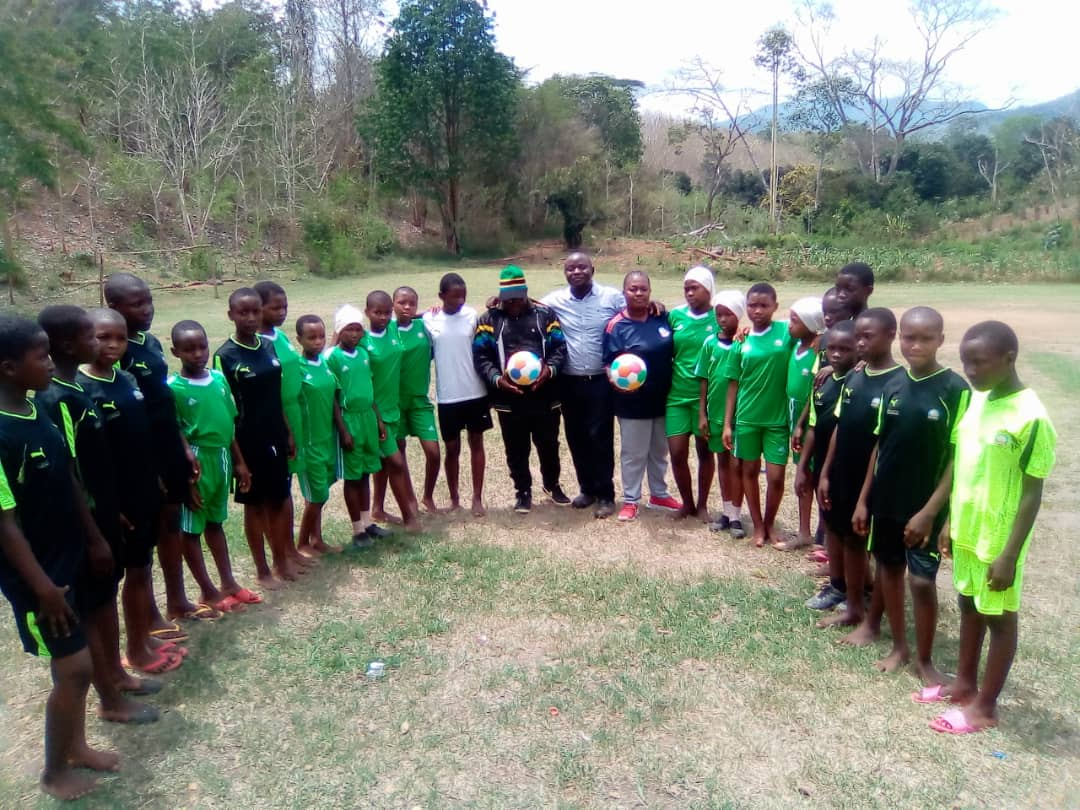
  • Promote girls’ football in primary schools through folk development colleges (FDCs)
  • Empower girls to become skilled, confident football players with knowledge of football and economic opportunities
  • Promote girls’ engagement and strengthen girls’ self-esteem, self-confidence and knowledge about their rights
  • Reduce school dropout rates in primary schools
  • Raise awareness of children’s rights and the importance of child safeguarding
  • Promote sports for child development and learning at daycare centres and in children’s homes

Project content

The Mpira Fursa project offers girls the opportunity to immerse themselves in football. It introduced football activities to 86 primary schools in collaboration with 43 FDCs in 23 regions during 2022. The project will be scaled up to involve 108 primary school in 54 FDC catchment areas in 24 regions in 2023. The initiative has increased the proportion of girls playing football at different levels.

Project activities

1) Conducting stakeholder orientation and project review meetings; providing training in children’s rights and safeguarding

2) Supporting the primary schools involved in the project, providing football training and supplying educational materials including football equipment (shirts, footballs and bibs)

3) Organising football matches and tournaments for girls’ primary school teams

4) Improving primary school PE teachers’ understanding of children’s rights and safeguarding

5) Engaging communities in a dialogue on gender equality, girls’ participation in football, children’s rights and safeguarding

6) Media engagement to improve public awareness and promote the project

7) Project monitoring

Partners

FOOTBALL4WILDLIFE

Location and general information

Closed
Location Maasai Mara ecosystem, Narok County, Kenya
Start date 01/01/2023
End date 06/30/2023
Cost of the project €51,568
Foundation funding €3,000
Project identifier 20220309
Partners Water4Wildlife Maasai Mara Foundation
Categories Access to Sport - Children with disabilities - Environmental protection - Gender Equality - Infrastructure and equipment - Personal development

Context

The Maasai Mara national reserve is a wildlife conservation area in Kenya that is also home to human settlements.

Project goals

1. Increase children's access to football training sessions and matches to promote the social integration and cohesion of communities in Maasai Mara

2. Encourage girls' involvement through training and coaching

3. Educate children on wildlife conservation and life and social skills while countering adverse behaviour such as drug abuse and negative peer pressure

Project content

The Football4Wildlife programme promotes conservation awareness and encourages positive relationships in the community. The beneficiaries are children from extremely disadvantaged backgrounds in state primary schools in Maasai Mara. They are given access to sports and football in particular, while encouraging their commitment to wildlife conservation through fun activities. Information sessions and guidance on conservation will be provided alongside the sports activities. Girls are encouraged to take part in football training, to enhance gender equality. Schools will be supplied with football equipment, such as playing kits and footballs, as well as educational materials, i.e. books and marker pens, for wildlife conservation training.

Partners

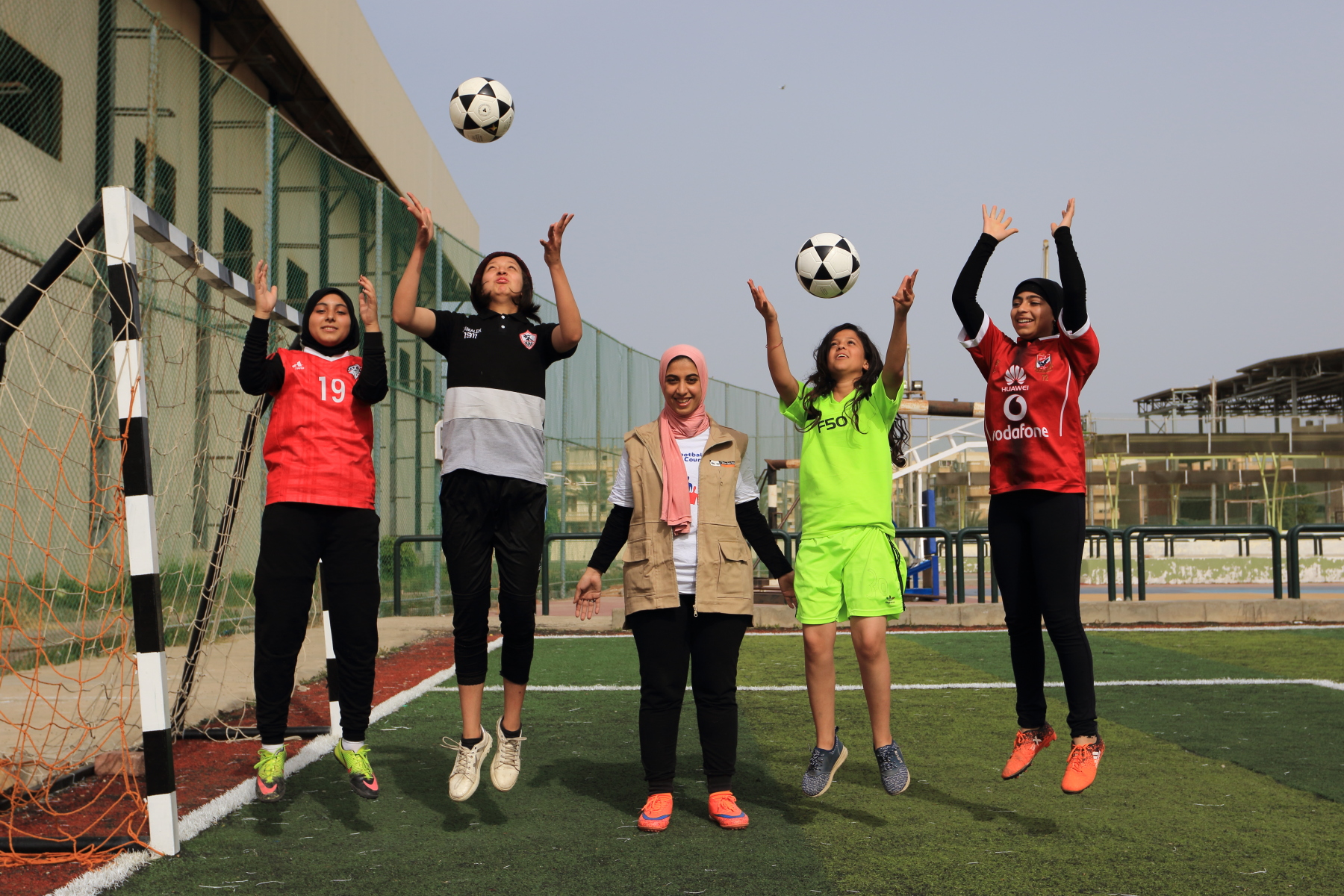
Football for Climate Change

Location and general information

Closed
Location Cairo, Egypt
Start date 02/01/2023
End date 05/31/2024
Cost of the project €100,000
Foundation funding €100,000
Project identifier 20220602
Partners Terre des Hommes Egypt
Categories Access to Sport - Conflict victims - Environmental protection - Gender Equality - Personal development
Context

Egypt currently hosts nearly 290,000 registered refugees and asylum seekers. Children and young people from these communities report high levels of discrimination, exploitation and insecurity, among other protection issues.

Programmes based around sports, playing and art are important for the physical health and social, psychological and developmental needs of young people who have experienced the stress and anxiety of forced displacement.            

Project goals

Football for Climate Change promotes sport as a way to improve social cohesion among vulnerable young Egyptians and refugees living in Egypt and offers them the opportunity to take action on climate change. It does this by:

  1. Implementing and maintaining a sustainable, safe environment for youth participation through football in 20 schools in the El-Obour district;
  2. Organising a Climate Change Football tournament in El-Obour to promote behaviour to address climate change among local students, caregivers and families.

Project content

The project leverages the potential of Terre des Hommes’s Football for Protection (F4P) methodology to develop young people’s skills and well-being. This interactive approach consists of four interrelated programmes:

1. F4P Training of Trainers for staff and teachers in 20 schools in El-Obour district

Five-day training programmes are provided for 20 sports teachers and ten community facilitators on F4P methodology and using football to enhance knowledge of climate change issues. The programme includes technical sport skills and soft skills for children and young people, focusing on child protection, intercultural education, leadership, conflict management, community engagement, experiential learning, etc.

2. Technical and financial support to enable schools to implement an F4P programme for 400 students (at least 25% of whom are girls and 5% are disabled students)

Trained facilitators and teachers carry out weekly F4P coaching sessions to enhance the well-being and inclusion of the participating students. The project team sets up the groups, some of which are girls-only groups to encourage participation, and provides the necessary sports equipment. Safeguarding procedures monitored by the project team ensure protective, gender-sensitive environments and climate change awareness is integrated into the coaching sessions.

3. Supporting social sports initiatives

The 400 participating children, supported by the project team, facilitators and teachers, work in groups to coordinate three social sports initiatives per school. These initiatives use sport to raise awareness of climate change, reaching at least 2,000 fellow students.

4. A football tournament for the 20 participating schools in the El-Obour district

The project team organises a district football tournament between the participating schools. The students of each school design their own kit, which should promote climate change messages.

Terre des Hommes Egypt posts short videos, testimonies and success stories on social media to promote the project.

Partners