The Gazelles of Teranga

Location and general information

Terminé
Location Senegal, Gandon
Start date 04/01/2021
End date 12/31/2021
Cost of the project €61,000
Foundation funding €30,000
Project identifier 20200894
Partners Unis Vers le Sport
Categories Access to Sport - Gender Equality - Personal development

Context

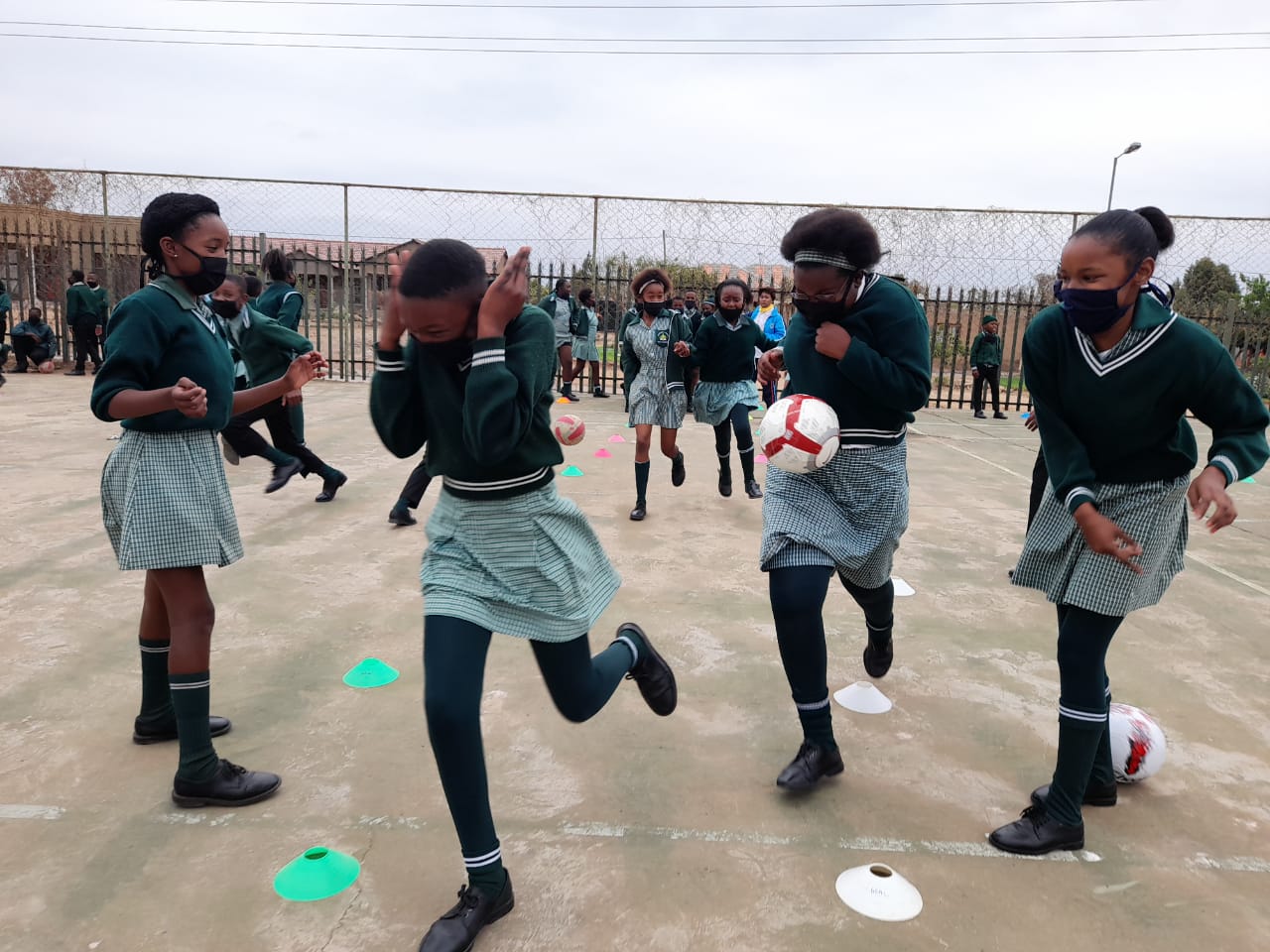
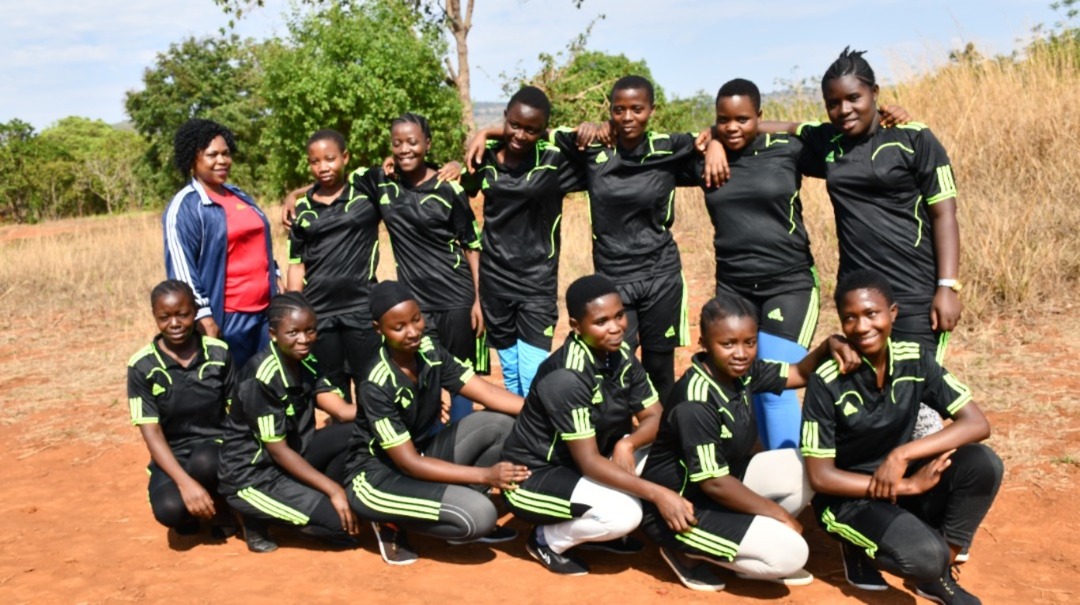
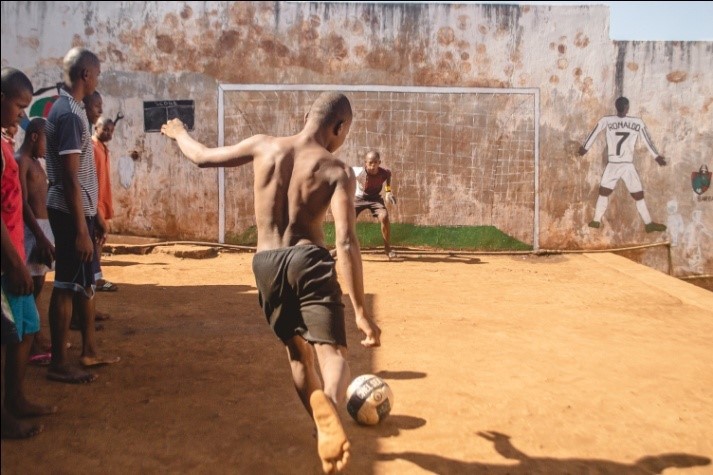
The Unis Vers le Sport (UVS) street children’s reception centre was opened in October 2019 in the Senegalese municipality of Gandon. Equipped with sports facilities and employing qualified sports coaches, the centre, which is in a rural location, is surrounded by numerous public schools. For cultural reasons, most girls in the region do not participate in any sports activities, which leads to physical and mental health problems in adulthood.

Project content

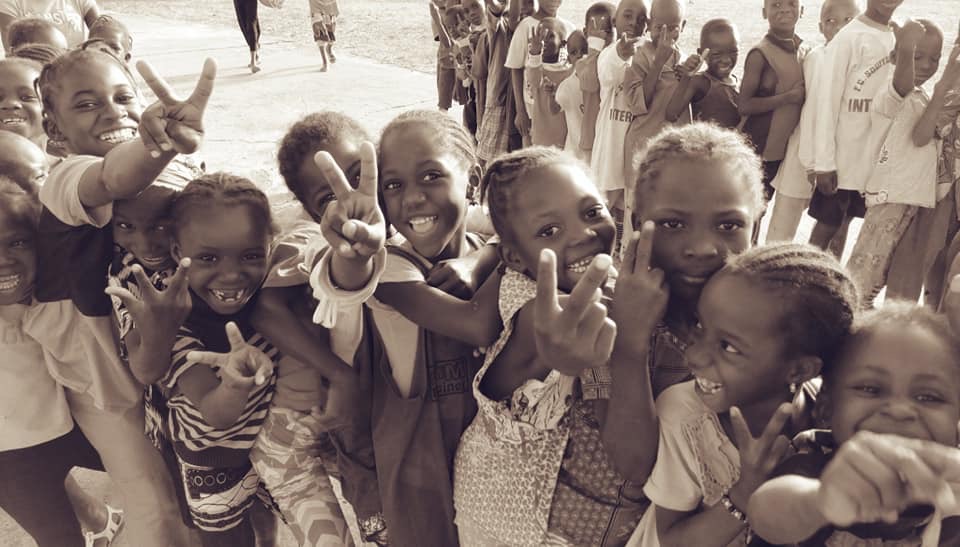
The ‘Gazelles of Teranga’ project aims to invite 2,500 schoolgirls from the surrounding rural districts to take part in regular sports activities and fun, educational workshops designed to teach them about the health benefits of regular participation in appropriate sports activities. Their teachers also receive training in sports coaching and first aid so they can continue running these activities after the end of the project.

Objectives

  • Participation of around 2,500 schoolgirls in regular sports activities.
  • Participation of around 2,500 schoolgirls in workshops designed to raise awareness of issues relating to health, hygiene, diet and sport relevant to the local context.
  • Training of teachers in sports coaching and first aid to give them the tools they need to continue running sports activities after the end of the project.
  • Distribution of sports clothing as well as sports and first aid equipment to schools in the region.

Project activities

  • Each day, 50 girls are taken from nearby schools to the UVS centre by coach.
  • Between 08:00 and 10:00, the girls participate in a session comprising gymnastics and fun sports activities.
  • They are given a snack between 10:00 and 10:30.
  • Between 10:30 and 12:00, the girls attend workshops designed to raise their awareness of issues relating to health, hygiene, diet and sport.
  • Meanwhile, from 08:00 until 12:00, teachers receive training in sports coaching and first aid, with 12 sessions spread over a three-month period.

Expected results

  • Regular participation in sport becomes the norm for girls in the region.
  • The physical and mental health of the 2,500 or so schoolgirls participating in the project is improved.
  • The women in the region suffer from fewer health problems resulting from a lack of participation in appropriate sports activities.
  • Basic knowledge of issues relating to health, hygiene, diet and sport is acquired.
  • The teachers gain the knowledge and skills needed to continue running the sports activities after the project is over.

Partner

Refugee-led Sport and Early Childhood Education Programmes Launch in Chad

Location and general information

Closed
Location Chad
Start date 01/01/2021
End date 03/31/2022
Cost of the project €165,253
Foundation funding €77,145
Project identifier 20201117
Partners iACT
Categories Access to Sport - Conflict victims - Employability - Gender Equality - Personal development
Context

Eastern Chad hosts 360,000 refugees, with numbers increasing due to violence in Sudan. Highlighted in the 2020 SDG report, refugees and those fleeing armed conflict, particularly women and children, face even greater risk to their health, education, and livelihoods due to COVID-19.

iACT is a groundbreaking international action organisation with a mission to inspire a more mindful humanitarian system. It works to ensure conflict-affected children and young people are able to exercise their rights to education and healthy development. iACT’s refugee-led, gender equity-focused early childhood education and football programmes meet immediate needs and have the ability to expand during and beyond the global pandemic to support communities long-term.

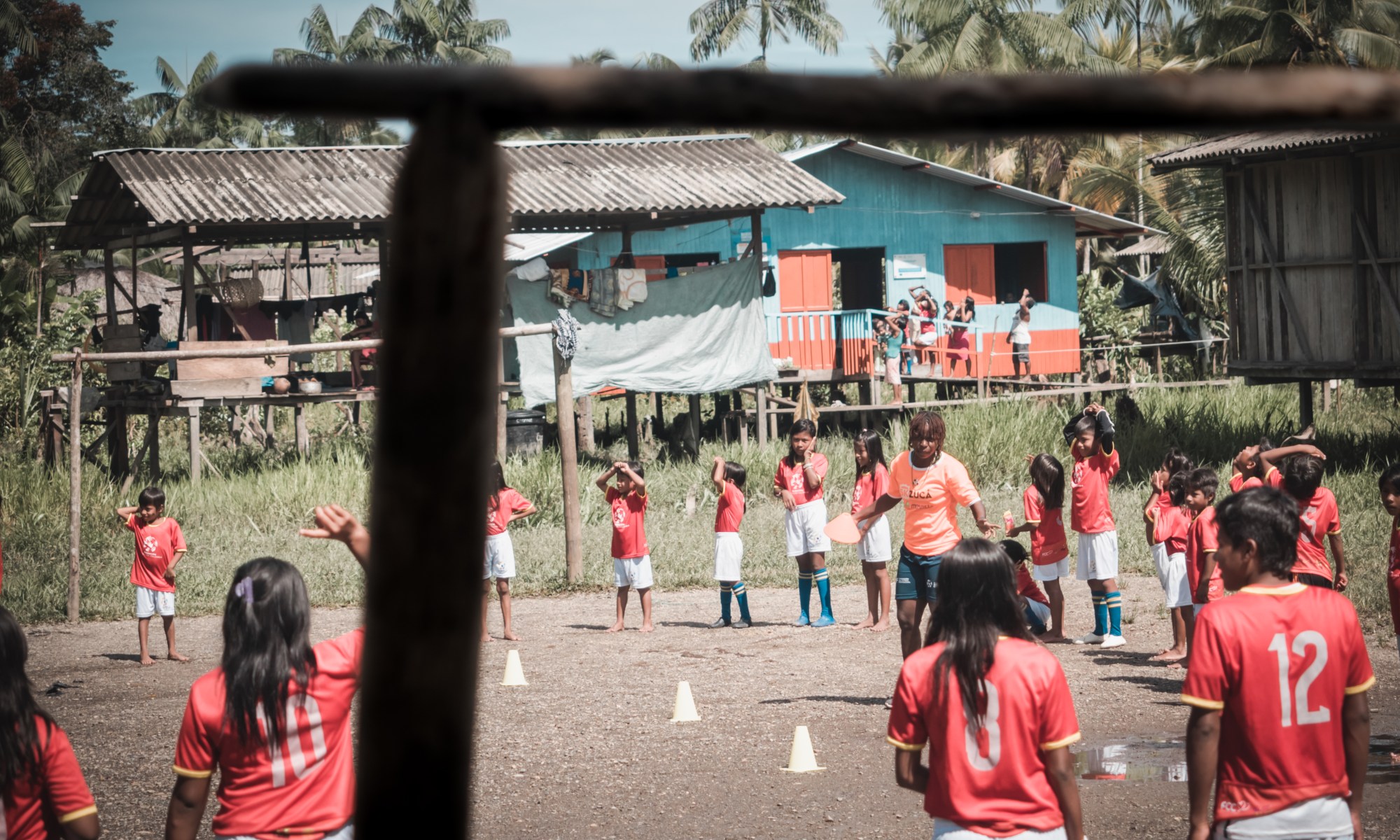
iACT’s Little Ripples and its Refugees United Soccer Academy (Academy) are the only programmes in eastern Chad that address gaps in preschool education and sport, providing refugee children aged 3–13 with comprehensive social-educational opportunities that will have a life-long impact. Little Ripples is an early childhood education programme that empowers refugees and communities affected by humanitarian crises to implement child-centred, quality, and comprehensive pre-primary education that supports the social-emotional, cognitive, and physical development of children aged 3–5. The Academy is a place for refugee girls and boys aged 6–13 to learn about teamwork, leadership, and peacebuilding, all while improving their football skills.

Project content

iACT’s Little Ripples and its Refugees United Soccer Academy (Academy) are the only programmes in eastern Chad that address gaps in preschool education and sport, providing refugee children aged 3–13 with comprehensive social-educational opportunities that will have a life-long impact. Little Ripples is an early childhood education programme that empowers refugees and communities affected by humanitarian crises to implement child-centred, quality, and comprehensive pre-primary education that supports the social-emotional, cognitive, and physical development of children aged 3–5. The Academy is a place for refugee girls and boys aged 6–13 to learn about teamwork, leadership, and peacebuilding, all while improving their football skills.

Objectives

  • Provide children with opportunities to heal from trauma and develop leadership skills through refugee-led early childhood education and sports programmes in all 12 refugee camps in eastern Chad.
  • Document the refugee-led process, particularly the expansion of programmes, and extract lessons learned to share with the humanitarian community, partners and supporters of refugee-led work, and sports and early childhood education leaders.

Project activities

  • Six days a week, children aged 3–13 will participate in Little Ripples and the Academy.
  • iACT’s refugee staff will lead the expansion of Little Ripples to one new camp (Amnabak) and the Academy to four new camps (Amnabak, Gaga, Oure Cassoni, and Treguine):A team of experienced staff members will travel to new programme
  • locations, engage the community leaders and members in dialogue, and train and hire coaches, teachers, cooks, and programme coordinators.Little Ripples teachers and Academy coaches will complete three training sessions over the course of 2021.
  • All new iACT teachers and coaches will participate in LEAD with EMPATHY, a leadership development and human rights curriculum that provides the tools and guidance for refugees to learn and practise community organising and programme management skills.
  • iACT staff will share insights and lessons learned from the entire refugee-led expansion process with UEFA and the humanitarian community.

Expected results

  • 80 coaches trained in iACT’s Academy curricula (50% male and 50% female).
  • 30 female teachers receive iACT’s Little Ripples teacher training.
  • 16 coaches hired (50% male and 50% female).
  • One camp coordinator hired.
  • Eight teachers hired.
  • 34 refugee staff trained in iACT’s LEAD with EMPATHY leadership development curriculum.
  • Three iACT refugee staff leading programme expansion in four camps.
  • 8,000 children enrolled in four new Academy programmes.
  • 180 children enrolled in four new Little Ripples preschool centres where they will receive nutritious daily meals.

Partner

Football Foundation Programme

Location and general information

Terminé
Location South Africa, Western Cap
Start date 01/01/2021
End date 12/31/2021
Cost of the project €81,000
Foundation funding €30,000
Project identifier 20201327
Partners Grootbos Foundation
Categories Access to Sport - Children with disabilities - Conflict victims - Employability - Gender Equality - Infrastructure and equipment - Personal development
Context

The Football Foundation, a subsidiary of the Grootbos Foundation, operates in the rural towns of Hawston, Zwelihle, Hermanus, Stanford, Gansbaai, and Elim in the Overberg region two hours from Cape Town. Here vulnerable children and their families live in underserved townships and overcrowded informal settlements in inadequate shack housing without electricity, digital access, running water or inside toilets. Families move here hoping to find work, but are faced with socio-economic problems such as poverty, high levels of school drop-out, gangs, marine poaching, drugs, alcohol abuse and gender-based violence. With an unemployment rate of over 50%, exacerbated by the COVID-19 pandemic, young people face a bleak future. Schools are struggling to serve these communities and children have little hope of breaking out of the cycle of poverty.

The Football Foundation programme aims to give these children role models, hope, healthy lifestyles and promising opportunities so that they can pursue the same dreams as more affluent children.

Project content

The Football Foundation programme uses community development sports programmes to give vulnerable children not just access to sport, but also to education, life skills, health and nutrition, life opportunities, gender equality, employability and conservation awareness, which paves the way to a better future and more dignified life.

8,461 vulnerable children attend free, daily, multisports coaching at community sites and schools. This gives them a safe place where they benefit from daily meals, role models in the form of their coaches, and digital access and learning support, which are vital during school closures due to the pandemic. The children receive education in female empowerment, conservation, nutrition, HIV and AIDS, employability, entrepreneurship and racial integration.

Objectives

The programme aims to uplift vulnerable children (aged 6 months to 18 years) through sports coaching, education and life skills to help them become thriving young adults. With a focus on the Sustainable Development Goals, in particular conservation, the programme is committed to conserving and restoring the natural biodiversity of the local Cape Floral Kingdom.

Project activities

  • Coaching in football, hockey, cross-country running, netball, track and field, canoeing, women’s rugby and water safety.
  • Motor skills sports at early childhood development centres and a special needs centre.
  • An HIV/AIDS programme in schools.
  • Afterschool programmes: female empowerment programme; Earth Rangers conservation programme; Food 4 Sport nutrition programme; and employability and entrepreneurship programme.
  • Learning support and free data.

Expected results

  • A minimum of 8,461 beneficiaries aged 6–18 years (49% female) of the sports programmes.
  • A minimum of 200 beneficiaries aged 0–6 years (50% female) of the motor skills programmes.
  • A minimum of 15 beneficiaries with special needs (aged 8–16 years) of the motor skills programmes.
  • 40 beneficiaries of the female empowerment programme.
  • 90 beneficiaries of the Earth Rangers programme.
  • 120 beneficiaries of the Food 4 Sport programme.
  • 120 beneficiaries of the employability and entrepreneurship programme.
  • A minimum of 8,461 beneficiaries of the daily meals scheme.
  • 100 beneficiaries of access to education support.

Partner

Fundlife Dream Academy

Location and general information

Closed
Location Philippines
Start date 01/01/2021
End date 12/31/2023
Cost of the project €365,900
Foundation funding €126,740
Project identifier 20201501
Partners Fundlife International
Categories Access to Sport - Employability - Infrastructure and equipment - Personal development

Context

The FundLife Dream Academy aims to support highly vulnerable youth living in Cebu City, Philippines. One in four children in Cebu are trapped in poverty with little chance of climbing up the social ladder. Education is one of the most important bridges to a better life.

Children in Cebu often have no access to proper education or they opt to drop out. Access to education is further exacerbated by frequent natural disasters and, recently, the COVID-19 pandemic. More girls than boys are out of school at a ratio of 2:1. Girls mainly drop out for family reasons, including early marriage and being isolated by domestic roles; boys tend to drop out due to a lack of personal interest, a need to financially support their families, and an inability to understand the relevance of education to their future.

From socio-economic growth to improved political representation, the evidence of the benefits of educating and empowering girls is clear. According to UNICEF, educating girls saves millions of lives, as they are more likely to value education and invest in the next generation. When girls and women are able to make informed choices – impacting a range of issues from child malnutrition and mortality to better democratic processes – the overall social and emotional well-being of society is improved.

Project content

FundLife’s mission is to give every child equal opportunity in football and in life. The FundLife Dream Academy (FDA) expands the successful flagship Football for Life Champions Academy project to a new location, the highly urbanised and impoverished city of Cebu. The FDA protects, educates and provides opportunities to vulnerable children via a holistic sport-for-youth empowerment approach. Its child education programme combines engagement through football, access to digital learning and a community-run safe space (including a futsal court) in which the children can develop and acquire the tools they need for a better future.

Objectives

  • Reduce school dropout rates in beneficiary communities.
  • Provide self-development and employment opportunities for teenagers.
  • Increase the participation of girls in sports and improve their access to education, self-development and employment opportunities.

Project activities

  • Two weekly play-based sessions for football development and personal growth.
  • One weekly local community league game to foster a sense of belonging and commitment.
  • One weekly facilitated digital self-learning session.
  • Ongoing access to digital self-learning multimedia.
  • Construction of a safe space for play and learning (including a futsal court) lead and run by the community.

FROM TACLOBAN TO MOSCOW

Expected results

  • Two weekly play-based sessions for football development and personal growth.
  • One weekly local community league game to foster a sense of belonging and commitment.
  • One weekly facilitated digital self-learning session.
  • Ongoing access to digital self-learning multimedia.
  • Construction of a safe space for play and learning (including a futsal court) lead and run by the community.

Partner

Urban Football for Hopes and Dreams

Location and general information

Terminé
Location Canada, Montreal
Start date 01/01/2021
End date 12/31/2021
Cost of the project €86,000
Foundation funding €15,000
Project identifier 20201599
Partners Rêves Passion Montréal
Categories Access to Sport - Gender Equality - Personal development

Context

Almost 70% of Montreal’s population are immigrants. Dreams Passion Montreal works in areas where low-income immigrants are concentrated, offering team sports in partnership with local community centres. Football is used not only as a form of physical activity but also as a tool for integration, especially the integration of girls.

Dreams Passion Montreal helps Montreal’s community centres provide inclusive and equitable mixed football activities. When girls and women come into their own through sports, they can thrive in their private and professional lives and bring positive change to society.

Gender diversity is as much a fact of team sports as it is of daily life, so it is essential for young boys to be educated about tolerance and respect. It is equally important to build girls’ confidence to take part in mixed activities.

Project content

The aim of the project is to create an environment that enables the personal development of vulnerable young people whose parents cannot afford to enrol them in extracurricular activities. The goal is to help young people integrate into their community and educate boys about respecting and including girls.

Objectives

  • Use sports as a tool for integration and social development.
  • Promote equitable and equal participation in sports and combat all forms of discrimination, including gender-based discrimination.
  • Develop the self-esteem and self-confidence of girls through mixed sports.
  • Foster positive attitudes and behaviours in young people and improve their team working skills.

Project activities

  • Supporting community centres in their weekly mixed football activities, by providing a structure, coach, fair play-based methodology and equipment if needed.
  • Providing a series of No Girls Offside football workshops, usually combined with other activities (Zumba, basketball, singing), to promote leadership, self-confidence and a sense of belonging in girls.
  • Organising a yearly Urban Football Festival bringing together all the participants, their families and the project partners to celebrate everyone’s involvement.

Expected results

  • 100 girls will have taken part in activities that are 100% female or led by women by the end of 2021.
  • At least 150 children (minimum 25% girls) will have participated in mixed football activities at community centres.
  • More than 150 young people will have learned about group dynamics, including how to work as a team, respecting diversity and other people’s ideas, accepting criticism, making constructive comments based on mutual respect, peacefully. managing and resolving conflict, and following rules.
  • More than 150 young people will have adopted positive attitudes and behaviours, including honesty, integrity and working together.

Partner

Senior Leaders Programme

Location and general information

Closed
Location USA, Philadelphia
Start date 01/01/2021
End date 12/31/2021
Cost of the project €235,107
Foundation funding €50,000
Project identifier 20201322
Partners Starfinder Foundation
Categories Access to Sport - Employability - Gender Equality - Personal development

Context

Philadelphia’s poverty rate is the highest among the US’s largest cities. Nearly 40% of the city’s youth live below the poverty line and face barriers to success: under-resourced schools, limited access to healthy foods, a lack of safe places to play, neighbourhoods with high rates of drug use and gang activity, exposure to violence, and high rates of trauma and adverse childhood experiences. Only one in five gets the recommended 60 minutes of physical activity daily, and one in five gets none at all.

Project content

The intensive Senior Leaders after-school programme combines football with health and fitness, academic support, and leadership training to help low-income and immigrant youth achieve success on and off the field. A positive, intentional culture honours youth voice and promotes accountability. The teens learn to apply mental toughness and lessons from the field to other parts of their lives. 99% graduated high school, and 91% continued to university, far outperforming their peers (69% and 55%).

Objectives

Disadvantaged youth gain:

  • skills, confidence and resilience to overcome challenges and achieve their goals
  • long-term good health and physical fitness by establishing healthy lifestyles
  • social and emotional well-being through healthy, positive connections
  • post-secondary success
  • a future as resilient, empathetic adults and engaged, productive citizens

Project activities

The intensive after-school programme for 100-120 low-income teens requires them to attend two-hour sessions three days per week from November to March. They participate in football, mentoring, leadership, and fitness training. At the weekends they take part in university visits, post-secondary and professionalism workshops, community service projects, leagues, open play, tournaments and social events. Activities then continue from April to August, keeping the teens involved throughout the year.

Expected results

  • 100% of the participants will increase their engagement in physical activity and 100% will increase their knowledge and practice of healthy habits and behaviours.
  • 100% will learn and practice key life/social-emotional skills to support long-term success and 100% will be matched with a mentor.
  • 100% will graduate from high school and 95% will attain post-secondary education or training.

Partner

Football4Good

Location and general information

Terminé
Location Thailand, Chiang Mai
Start date 01/01/2021
End date 12/31/2021
Cost of the project €29,914
Foundation funding €29,914
Project identifier 20200779
Partners Baan Dek Foundation (BDF)
Categories Access to Sport - Gender Equality - Personal development

Context

Tens of thousands of migrant children live in construction site camps throughout Thailand. They live in slum-like conditions and face difficulties accessing healthcare and education. In addition, they have few opportunities to engage and connect with their peers, and the lockdown during the COVID‑19 pandemic has left them even more isolated. Baan Dek Foundation (BDF) supports over 2,000 of these children each year.

Project content

The Football4Good (F4G) project delivers sports education to children living in construction site camps, reaching 600+ children per year. Through access to sport and youth empowerment activities, the project provides positive social opportunities as well as physical and mental benefits. It also promotes gender equality and integration by teaching life skills, respect, and sportsmanship.

Objectives

  • Access to sport: F4G provides football sessions and matches, sports equipment, and improvements to community spaces.
  • Youth empowerment: Young people are trained as Youth Peer Educators (YPEs), equipping them to lead football sessions and act as role models.
  • Social and life skills: F4G provides an inclusive avenue for children to participate in community life and teaches them life skills.
  • Gender equality: F4G promotes gender equality in sport by eliminating barriers and preventing discrimination.

Project activities

  • Monthly after-school football sessions in priority construction site camp communities.
  • Weekly after-school football sessions in schools and a government institution.
  • Quarterly inter-community football matches.
  • Four-day youth leadership training for YPEs.
  • Four-day refresher leadership training for YPEs.
  • Monthly YPE meetings with BDF staff in the communities.
  • YPEs attend a professional football match with BDF staff.
  • Improvements to community sports spaces.
  • Donations of sports equipment to communities.

Expected results

  • Number of F4G sessions delivered – 120+
  • Number of F4G sessions in communities – 50
  • Number of F4G sessions at schools – 70+
  • Number of children attending F4G sessions/matches – 500+
  • Number of girls attending F4G sessions – 200+
  • Number of communities where sports facilities will be improved – 5
  • Number of children benefiting from improved facilities – 300+
  • Number of YPEs receiving training – 40+
  • Number of YPE meetings in communities – 10+
  • Number of inter-community matches – 4

Partner

Just Play

Location and general information

Terminé
Location Pacific Islands
Start date 01/01/2021
End date 12/31/2021
Cost of the project €1,000,000
Foundation funding €200,000
Project identifier 20200701
Partners Ocean Football Confederation (OFC)
Categories Access to Sport - Children with disabilities - Gender Equality - Personal development

Context

The Pacific region is home to half a million children spread over 17.2 million square kilometres of ocean. These children face significant challenges as they navigate their way through daily life.

Obesity and diabetes are on the rise. Only 18% of children in Fiji, Samoa, the Solomon Islands, Tonga and Vanuatu attend regular physical education classes, and fewer than 20% play for 60 minutes or more a day. More than 25% of children are overweight or obese at 13 years of age.

Children with disabilities experience discrimination, exclusion and social barriers; and girls are marginalised and face inequalities in education, decision-making processes and access to health services.

Children are exposed to high levels of violence at home and at school and one in four live below the poverty line. More than 40% miss school and up to 30% of those aged 15–24 are illiterate.

Furthermore, the region is prone to natural disasters, with children one of the most severely affected groups.

Through structured sport-for-development interventions, the Oceania Football Confederation (OFC) seeks to enhance national capacities to tackle the issues affecting children in the Pacific region, particularly non-communicable diseases, child protection, gender and social inequality, and humanitarian response.

Project content

As the most popular global sport, football has the power to influence the perceptions, behaviours and actions of children and their communities. Whether it is a training session, fun activity, kick-about or competition, children and teenagers are forced to make hundreds of important decisions, and with no two drills, kick-abouts or matches ever the same, they are given a variety of scenarios and contexts to learn from.

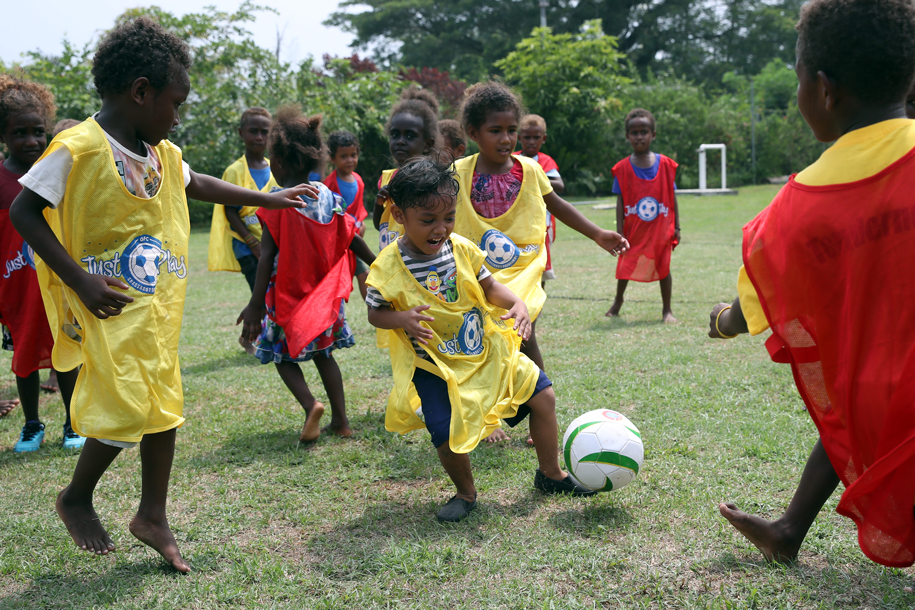
The OFC capitalises on this with a learning through sport approach to programme development recognised for creating low-cost, high-impact tools to achieve global development priorities. The Just Play programme promotes regular physical activity and harnesses its power to impact issues such as nutrition, disability and social inclusion to bring about positive social behaviour change. By integrating social messages into its sessions – for example, the importance of eating fruit and vegetables, the programme works to reduce regional vulnerabilities to endemic social issues.

Objectives

  • Build stronger, healthier communities and address the social issues affecting young people in the Pacific region.
  • Provide a platform through which to enhance positive behaviour, build confidence and resilience, develop fundamental life skills and enable informed decision-making in children and teenagers.
  • Empower children and teenagers to advocate for change and create role models to encourage active civic engagement.
  • Empower and engage girls, broaden their opportunities, and improve their access to football and to management and leadership pathways within football.

Project activities

The Just Play programme currently has four streams: Just Play 6–12 years, Just Play 13–18 years, Just Play grassroots and Just Play emergency.It provides children and teenagers with access to quality sports activities, educational platforms, advocacy campaigns, public dialogue, and the knowledge and skills necessary to make consistent, long-term lifestyle choices that promote health and wellness, gender equality, social inclusion and child protection.

 Just Play also supports the upskilling of teachers and community volunteers to enable them to deliver programme activities. It develops partnerships with inter-governmental and non-governmental organisations to expand and enhance the delivery of football for development programmes.

Expected results

Since 2009:

  • 317,004 children and teenagers have taken part in the Just Play programme across the Pacific region
  • 7,198 teachers and community volunteers have been trained to deliver the programme
  • 17,390 children and teenagers have taken part in Just Play emergency programme festivals

After participating in Just Play:

  • 82% of children chose to drink water instead of soda (compared to 52% previously)
  • 72% of boys said they enjoyed playing football with girls (53% previously) and 85% of children said they acknowledged and celebrated differences (65% previously)
  • 59% of children said they felt safe in the wake of a natural disaster (24% previously)
  • 54% of teenagers said they knew how to make SMART goals
  • 98% of teenage boys saw their coach as a positive role model
  • 71% of teenagers said they had someone to talk to if they had a problem or needed help and 93% said they knew what to do if they or someone they knew was being bullied

Partner

The Game, The Life !

Location and general information

Closed
Location South-Africa, Pretoria
Start date 01/01/2021
End date 12/31/2022
Cost of the project €62,248
Foundation funding €15,000
Project identifier 20200921
Partners Médecins du Monde
Categories Access to Sport - Children with disabilities - Employability - Personal development

Context

The Mamelodi township, northeast of Pretoria, is one of the poorest communities in South Africa. The level of education is low and opportunities for supervised learning outside the classroom are often non-existent. Physical education was taken off the national curriculum in 1994 and it is a subject easily neglected in townships lacking playgrounds and sports fields. Children often hang out unsupervised on the streets where they are exposed to numerous risks, such as violence, drugs, and early and unprotected sex, further damaging their already fragile lives and preventing them from building a future.

Project content

Bophelo Ke Kgwele (The Game, the Life!) was launched in 2011 by the Swiss NGO IMBEWU, in partnership with the South African association Altus Sport and the basketball player Thabo Sefolosha. The project promotes children’s learning and holistic development through extracurricular sports, educational and recreational activities. These activities are led by young adults from within the local community and consist of academic support classes, summer camps, tournaments and life skills sessions.

Objectives

The project improves the participants’ physical and mental well-being, as well as raising their level of education. By building partnerships, Altus Sport becomes more sustainable and autonomous.

Project activities

  • Sports activities every day after school, on some weekends and during the holidays.
  • Fun life skills sessions covering social issues, health and prevention, rights and responsibilities, crime, gender equality, drugs and sex.
  • After-school English reading and writing support for children aged 6–8.
  • Daily distribution of fruit to all the beneficiaries to address the problem of malnutrition.
  • Maintenance of sports facilities and provision of water and sanitation facilities.
  • Training and knowledge-sharing workshops every month for the young coaches.

Expected results

  • Trust will be established between the young people and the coaches.
  • Coaches will develop professional, personal and social skills; each coach will participate in at least 80% of the workshops each year; and at least one coach will find employment each year.
  • The beneficiaries’ self-esteem and self-confidence will increase by 75% each year.
  • English reading and comprehension levels will be improved by 50% each year and children needing extra academic support will attend at least one reading support class per week.
  • Each child will attend at least one sports lesson per week and over the year they will learn the rules of the game and develop their skills in at least six sports.
  • The nutritional element will remain part of the project and the physical fitness of the beneficiaries will be improved by 80% each year.
  • Communication with all partners will continue; the municipality of Tshwane will continue to support the project; and networking will attract new sponsors and partners.
  • Manuals will be regularly updated and tests at the beginning and end of each year will provide accurate and relevant quantitative and qualitative data.

Partner

Future Leaders of Kalebuka

Location and general information

Terminé
Location Democratic Republic of Congo, Kalebuka
Start date 01/01/2021
End date 12/31/2021
Cost of the project €72,000
Foundation funding €35,000
Project identifier 20201055
Partners Georges Malaika Foundation
Categories Access to Sport - Gender Equality - Personal development

Context

Despite being one of the most resource rich countries in the world, the Democratic Republic of the Congo faces challenges related to poverty, education and access to resources. Kalebuka, where Malaika operates, has one of the lowest literacy rates in the country. The lack of education and opportunity needs to be addressed in order for the community to thrive. Malaika works with community members to provide education, access to sports and sports for social development. Malaika’s programmes equip the young people of Kalebuka to become the future leaders of their communities. Youth who are educated, confident, and respected will become adults who change their community, their country and the world.

Project content

By providing access to formal education, sports and health programmes, Malaika is helping to change a community in the DRC. The Kalebuka Football for Hope Centre provides young people with free access to literacy, IT, English, health and sports. The Sports for Development programme addresses topics such as conflict management, COVID-19, HIV/AIDS and communicable disease prevention, leadership skills, reproductive health and children’s rights.

Objectives

  • Develop leadership and life skills in Kalebuka’s youth to enable them to access their potential and empower themselves and their community.
  • Improve the young people’s physical and mental health by providing health education and encouraging them to prioritise themselves and their health.
  • Improve public health by disseminating health information and disease prevention tools and distributing hygiene supplies.
  • Improve overall life outcomes.
  • Foster community cohesion and respect.
  • Progress gender equality.

Project activities

  • Implementing games and outreach sessions through sports for social development.
  • Hosting workshops on children’s rights, gender equality, conflict and violence prevention, hygiene and health.
  • Holding daily classes for out-of-school youth in literacy, English, IT and mathematics.
  • Hosting tournaments to raise awareness across communities.
  • Hiring and managing coaching staff.
  • Training staff in health outreach and social development techniques.
  • Repairing and maintaining football pitches and community centre facilities.

Expected results

  • More peer leaders and coaches (up from 12 to 17) via leadership training programmes.
  • More young people (up from 65 to 80) attending health-based sports sessions, giving them a safe space to discuss health topics.
  • More young people (up from 90 to 115) attending life outcome training sessions designed to positively change youth mentality in regard to conflict resolution, drug and alcohol use and domestic violence.

Partner

Bijzondere Eredivisie

Location and general information

Terminé
Location Netherlands
Start date 06/01/2021
End date 05/31/2022
Cost of the project €150,000
Foundation funding €50,000
Project identifier 20200607
Partners Het Gehandicapte Kind foundation
Categories Access to Sport - Children with disabilities - Personal development

Context

There are more than 100,000 disabled children in the Netherlands. Exercise is very important to improve their health, independence and self-confidence. Disabled children are more likely to experience loneliness, and sport gives them the opportunity to make friends. The Het Gehandicapte Kind foundation believes that all children should be able to share the same dreams and playing for their favourite football club is one those.

Project content

In 2019, the Het Gehandicapte Kind foundation kicked off the world’s first official football competition for disabled children: Bijzondere Eredivisie. Thanks to the funding of the UEFA Foundation, the third season can begin!

Children with a disability are given the opportunity to join a professional football club and play the sport they love. Playing sport helps them become socially included, build friendships and boost their self-confidence. Ten football clubs competed in the first season: Ajax, ADO Den Haag, De Graafschap, Excelsior, FC Emmen, FC Groningen, FC Utrecht, Heracles Almelo, SC Heerenveen and VVV Venlo.

Objectives

  • Increase the visibility of children with disabilities.
  • Inspire disabled children to believe that anything is possible.
  • Increase disabled children’s participation in sports.
  • Increase awareness of disabled football in the Netherlands.
  • Establish a sustainable competition.

Project activities

  • Clubs 'scout' their own team during the open selection days for approximately 200 disabled children.
  • Ten clubs and 120 children participate in the competition (more clubs and more children next season).
  • The teams train once a week at the grounds of their professional club.
  • A competition takes place twice a month, and every professional football club hosts once a season.
  • The competitions are a fully organised event with a welcome by the club manager, lunch and transport.
  • Communication via social media platforms (Bijzondere Eredivisie and football clubs’ channels).

Expected results

  • Children socialise and make new friends through their football clubs.
  • Children act as a catalyst for a more positive, inclusive perception of disabled children.
  • More disabled children start to play football.
  • Notable improvement in the confidence and health of the disabled children.
  • Minimum of 18 professional clubs involved in the competition.

Partner

New challenges, new opportunities

Location and general information

Terminé
Location Hungary
Start date 01/01/2021
End date 12/31/2021
Cost of the project €62,920
Foundation funding €50,000
Project identifier 20200820
Partners Oltalom Sport Association
Categories Access to Sport - Conflict victims - Employability - Personal development

Context

In 2020, the world changed in many ways due to COVID-19. Although the virus affects everyone, the most vulnerable groups have suffered the most. Social distancing and isolation have exacerbated existing problems and the social gap between different groups in society has widened. In areas where children have not been able to thrive through digital education, their opportunities have dwindled.

Oltalom Sport Association (OSA) helps vulnerable children in Hungary at risk of exclusion. Some children have had to act as parents to their siblings, meaning that they have lacked the time and energy to focus on their studies. Their physiological, mental and academic development is severely affected, restricting their opportunities in further education and the job market. The children from refugee and migrant backgrounds lack social contact with the host society and feel isolated, and sometimes lack primary carers. In extreme cases, children have been exposed to distressing events at an early age, resulting in acute and posttraumatic stress disorders.

Project content

As a reaction to the deepening social and educational gap, the OSA aims to help children who have lacked parenting and education develop the skills they are missing to lead successful lives. The OSA does not intend to take over the schools’ role in formal education, rather to contribute to the invisible curriculum that is oftentimes missing from the children’s lives.

Objectives

  • Enhance physical and mental well-being.
  • Reduce school dropout.
  • Foster social skills development.
  • Encourage entry and re-entry to primary education.
  • Encourage continuation to secondary education, vocational training or higher education.
  • Promote social inclusion of at-risk groups (e.g. Roma minority, unaccompanied migrants and refugees).

Project activities

  • Regular football training.
  • Active social work.
  • Fair Play Football Roadshows.
  • Youth leader and football3 mediator training.
  • Participation in international tournaments.
  • English and Hungarian language clubs.
  • Female workshops.
  • Employability services.
  • Appreciative inquiry workshop.
  • Scholarship programmes for young leaders and street soccer coaches.
  • Study visit to Slum Soccer India.

Expected results

  • 450 regular football training sessions.
  • Ten female workshops and ten employability workshops.
  • Three football3 mediator training sessions and four young leader training sessions.
  • 150 English classes and 50 Hungarian classes.
  • Scholarship programme for three young leaders.
  • Summer camp.
  • Study visit for three OSA coaches.
  • Scholarship for two coaches from the Slum Soccer India organisation.
  • 500 direct beneficiaries and 660 indirect beneficiaries.

Partner

Football3 Empower Girls

Location and general information

Closed
Location Poland
Start date 12/01/2020
End date 08/31/2022
Cost of the project €100,131
Foundation funding €50,501
Project identifier 20200985
Partners Stowarzyszenie "Trenuj Bycie Dobrym"
Categories Access to Sport - Gender Equality - Infrastructure and equipment

Context

Two of the biggest problems facing sports in Poland, especially youth football, are inequality and the exclusion of girls and women. Poland has 1,125,159 registered football players and only 40,695 of them are female. In fact, only 3% of players and coaches are female. Another problem is that sustainable development is not an important topic in Polish society and the UN Sustainable Development Goals (SDGs) are virtually unknown. Remedying these problems begins in schools where:

  • there are no separate PE lessons at primary school level (age 6–9);
  • there is a lack of global education connected to the SDGs;
  • team sports are promoted mainly among boys.

Project content

The aim of the project is to empower girls and women in football in Poland, especially at grassroots level, through football3 and cooperation with schools. The project will stress that football is a game for everyone by encouraging boys and girls to play together. Playing football3 teaches the fundamental values of equality, respect and cooperation.

Objectives

  • Promote equal access to football and equal treatment of women and girls in football in Poland through football3.
  • Increase the number of female football3 coaches and mediators in Poland through training.
  • Promote equality, respect and cooperation between boys and girls through football3 in Polish schools.
  • Promote the SDGs, in particular SDG 5: Gender Equality.

Project activities

  • Organising football3 lessons in 33 schools in rural areas for over 7,000 children, including a minimum of 3,600 girls.
  • Providing football3 training to 33 female coaches and 33 female mediators.
  • Organising 33 local community football3 tournaments (in villages and small towns) promoting the SDGs for over 2,000 participants.
  • Organising a final football3 festival in Warsaw for 240 children (aged 6–9), at least 50% of whom are girls from rural areas.
  • Creating 11 local teams (leaders, teachers and volunteers) with an equal gender balance.
  • Creating three online preparatory training courses for leaders, teachers and volunteers.
  • Creating an online certification course for female football3 coaches and mediators.
  • Translating the online certification course into Polish.

Expected results

  • 528 football3 lessons for boys and girls.
  • 33 local community football3 tournaments.
  • Over 50 agreements with volunteers.
  • A documentary clip about the football3 festival in Warsaw.
  • An online football3 certification course available in Polish.
  • 33 certified female football3 coaches.
  • 33 certified female football3 mediators.
  • An impact report.

Partner

Good Health and Climate Action through Football

Location and general information

Closed
Location Lesotho
Start date 01/01/2021
End date 12/31/2022
Cost of the project €245,000
Foundation funding €122,600
Project identifier 20201058
Partners Kick4Life
Categories Access to Sport - Children with disabilities - Employability - Gender Equality - Healthy lifestyle

Context

Young people in Lesotho face many severe and overlapping health challenges that negatively impact their well-being and prospects, including:

  • The world’s second highest prevalence of HIV and a lack of access to HIV testing and counselling.
  • High levels of gender-based violence.
  • A lack of access to sanitation facilities and poor standards of hygiene, contributing to the spread of preventable diseases such as TB.
  • An accelerating COVID-19 infection rate.
  • Drug and alcohol abuse.
  • Extremely high levels of poverty and food insecurity.
  • An urgent need for mental health support, exacerbated by the COVID-19 pandemic.
  • A reduction in vital resources due to climate change.

The young people engaged in the programme come from a range of underprivileged and vulnerable backgrounds, including:

  • Children living on the street.
  • HIV-positive youth.
  • Orphans.
  • Teenage mothers.
  • Children living in poverty.
  • At-risk children and vulnerable girls.
  • Children engaged in child labour.

Project content

The project focuses on improving the health and long-term prospects of Lesotho’s youth, with an enhanced emphasis on gender equality and reducing gender-based violence. It tackles issues such as HIV prevention, hygiene, nutrition and urgent COVID-19 health education, as well as facilitating referrals to specialist healthcare providers. The project also develops key life skills, empowering participants to protect the health of people and the planet. Participants are also encouraged to take part in other Kick4Life activities such as employability programmes and training and employment opportunities within its hospitality social enterprises.

The expanded project also aims to reduce the health impact of climate change, with new sessions on water conservation, biodiversity and preventing land degradation. A Youth Climate Action Group will be set up to drive climate action by young people across Lesotho.

Objectives

The project aims to increase the health-related knowledge of 5,000 young people through a football-based curriculum in order to improve their physical and mental health, well-being and nutrition and reduce their vulnerability to HIV and COVID‑19. The project’s outcomes are aligned with Sustainable Development Goals 3 (good health and well-being), 5 (gender equality), and 13 (climate action).

Project activities

  • Delivery of an 18-session football-based curriculum to 5,000 young people, in 200 intakes of 25 participants, with an even gender balance
  • Creation of four new climate education sessions and a Youth Climate Action Group
  • Development of a COVID-19 adaptation plan for alternative delivery if regular programming is interrupted
  • Two training courses for 20 coaches, including updated COVID-19 safeguarding
  • 500 referrals to health and protection services
  • Monitoring and evaluation including 125 pre- and post-tests and eight focus groups

Expected results

5,000 young people will have:

  • Increased health-related knowledge, including on HIV prevention and sexual health, hygiene and sanitation and nutrition
  • Improved attitudes to gender equality
  • Improved access to healthcare, including HIV testing and mental health services
  • Better understanding of climate change and motivation to take climate action
  • Greater confidence in maintaining their health and achieving their potential

Partner

Promoting Sports to Build Resilience in Rural Nicaragua

Location and general information

Closed
Location Nicaragua
Start date 01/01/2021
End date 12/31/2021
Cost of the project €96,115
Foundation funding €57,000
Project identifier 20200543
Partners Fabretto Children's Foundation
Categories Access to Sport - Children with disabilities - Personal development

Context

Economic activity in Nicaragua has decreased since the start of the COVID-19 pandemic in March 2020. Reduced disposable income and higher unemployment, together with rising food costs and limited access to hygiene supplies, have led to a rise in health problems and community stress. The uncertainty being experienced by already vulnerable communities is endangering children’s fundamental rights to education, play and development, as well as their access to learning materials.

Project content

The project has two components: (1) health and personal well-being; and (2) education, extracurricular activities and sport. It seeks to mitigate the risk of COVID-19, by promoting personal hygiene, a balanced diet and other healthy habits. It also seeks to reduce exclusion by ensuring access to quality education for 780 children from vulnerable communities in Nicaragua and foster an inclusive and healthy environment through extracurricular activities, sport, and community engagement.

Objectives

  • Educate students and their families about the importance of personal hygiene, a balanced diet and good mental health.
  • Provide children in poor communities with meaningful afterschool activities.
  • Enhance the reading and writing skills of primary school children.
  • Promote physical activities, such as football training and at-home workouts.

Project activities

Promotion of health and personal well-being:

  • Provision of hygiene kits, sports kits and learning materials.
  • Health campaigns.
  • Workshops (in-person and/or online) with parents and educators.
  • Lunches and snacks.

Education and extracurricular activities:

  • Teacher and coach training.
  • Education enrichment and literacy activities.
  • Development of a physical education plan for Fabretto.
  • Formation of sports teams and organised training sessions.

Expected results

  • 780 children enrolled in the education enrichment programme.
  • 550 children playing in football teams.
  • 780 hygiene kits distributed.
  • 650 families accessed information on personal hygiene, balanced diets and good mental health.
  • Sports and educational material kits distributed to all 40 teams.
  • 25 teachers trained.
  • 12 coaches trained.

Partner

Creating a Sport dans la Ville holiday and training centre for 8,000 young people

Location and general information

Terminé
Location France, Le Poët-Laval
Start date 05/01/2021
End date 06/30/2022
Cost of the project €5,000,000
Foundation funding €150,000
Project identifier 20200168
Partners Sport dans la Ville
Categories Access to Sport - Employability - Infrastructure and equipment - Personal development

Context

Over the past 20 years, Sport dans la Ville has enabled more than 3,000 children and teenagers to go on holiday. Their holiday experiences help them to mature and have a huge impact on their life trajectories.

To make it possible for even more children and teens to enjoy a holiday, Sport dans la Ville is creating its own holiday and vocational training centre in Poët-Laval, Drôme. Every year, the centre will accommodate 800 nine- to eighteen-year-olds from disadvantaged areas.

During their stay, the children will have opportunities for personal growth, creativity, discovery and sports. The centre’s group activities will promote mutual respect, solidarity, daily commitment and team work. The children will leave with happy memories and motivation to strive to achieve new goals.

Project content

Sport dans la Ville plans to create a holiday and training centre set within 22 hectares of stunning natural scenery where young people registered with the association can stay during their summer holidays. The centre will provide sports and leisure activities that will encourage their personal growth. The oldest children will also receive vocational training in activity leading, hospitality and catering.

Objectives

  • Provide holiday camps where young people can learn about individual and group responsibility, initiative taking, mutual respect and support, solidarity and interculturality.
  • Work with training bodies to give young people access to vocational training in activity leading, tourism, landscaping, hospitality and catering.

Project activities

Providing sports, arts and outdoor activities at the holiday camp:

  • Team sports such as football, basketball, tennis, volleyball, field hockey, archery and baseball.
  • Swimming lessons.
  • Nature activities such as orienteering, mountain biking, camping, climbing, hiking, tree climbing, escape games and astronomy.
  • Creative activities such as painting, music, dance, drama, pottery, public speaking and reading.
  • Building projects such as constructing cabins, maintaining hiking trails and planting trees.

Providing training and work placements for young people participating in the Job dans la Ville employability programme:

  • Vocational training in sports and youth activity leading, hospitality and catering, and landscape and grounds maintenance.
  • Camp catering work placements.
  • Theoretical and practical training leading to the BAFA and BAFD youth activity leader and manager qualifications.
  • Camp career discovery days.

Expected results

  • 800 young people staying in holiday camps every year.
  • 100 young foreigners staying in holiday camps every year.
  • 350 young people receiving job training and guidance every year.

Partner