Girl Power, Leadership Academy & Refugee World Cup

Location and general information

Ongoing
Location Copenhagen, Denmark
Start date 02/02/2026
End date 02/01/2027
Cost of the project €250,000
Foundation funding €51,000
Project identifier 2025001066
Partners Girl Power Organisation
Categories Access to Sport - Conflict victims - Employability - Gender Equality - Healthy lifestyle - Personal development

Context

Girls and young women in Europe face numerous challenges that impact their mental health, and studies show that these challenges are even more prevalent among refugees, who are likely to suffer higher rates of depression, PTSD, and anxiety disorders. Another concern linked to mental health pressures is the rate at which girls from all walks of life drop out of sport during adolescence.

Research shows that approximately 49% of girls stop participating in sports activities in their teenage years. Self-doubt and lack of confidence are among the main reasons. Other factors are societal pressures, body image concerns, and inadequate access to programmes specifically for women and girls. Marginalised girls and young women, like migrants, refugees, and stateless women, face additional difficulties in accessing education and life-skills training due to the systemic structures in place and economic and language barriers.

Societal expectations around the role of women remain an issue, as do the financial constraints and lack of role models that deter girls from playing sport recreationally or professionally. There is a direct connection between sport and mental health: a lack of sufficient physical activity can lead to heightened levels of anxiety and depression, and conversely, engagement in organised sport contributes to better self-esteem, social support, and a sense of belonging. And yet 85% of adolescent girls in Europe don’t meet the levels of activity recommended by the World Health Organization.

Project goals

Girl Power Leadership Academy

  • Provide refugee and marginalised young women with access to coaching qualifications, including international exposure and mentorship
  • Support young leaders in finding real-life applications for the things they have learned during the programme
  • Provide young leaders with practical opportunities to make a difference in their communities, ensuring that the skills and knowledge acquired during the programme are effectively translated into tangible, positive outcomes for the benefit of the community and its younger generations in particular, reinforcing the importance of community leadership and the transformative power of sport
  • Create a geographically and socially diverse network of female sports leaders who understand and promote the importance of girls and women in sport and in local communities, and the impact they can have, and who work to give back to the community


Girl Power Refugee World Cup

  • Provide a space for young women in Europe to share their experiences and foster inclusion and integration through sport
  • Create a place where young women can put their skills into practice, as players, coaches, speakers, panellists, communicators, representatives, etc.
  • Showcase how football is driving positive change in communities

Project content

Our project introduces a groundbreaking, holistic model that merges five key pillars – physical activity, leadership education, mentorship, motivational storytelling and public speaking – into transformative activities.

We are launching a year-long, two-part youth leadership and coaching programme for 45 young refugee women in Denmark and other European countries where Girl Power is active. Future leaders will be aged 16 to 25 and selected based on their passion for sport and social change.

  1. Learning and development(six months)
    This phase includes residential, in-person training over five days, supported by expert sessions on safe coaching pathways in girls’ football. Focusing on how to create inclusive, secure and empowering environments where girls feel safe to join and stay in the game, participants will explore issues such as safeguarding, inclusive leadership and coaching methodologies tailored to marginalised communities.
  2. Practical football delivery(six months)
    During this phase, each young leader will form a local girls’ football team that includes refugees and marginalised girls from their community. With the support of Girl Power mentors, they will lead weekly training sessions while being guided in their coaching journeys.

In Denmark, we will continue our weekly football sessions in two refugee and asylum centres, supporting children aged 10 to 13 and 13 to 16-year-old girls’ teams. Additionally, we will collaborate with local schools to deliver storytelling workshops and cultural festivals at which girls from our leadership programme will co-lead activities, promoting community leadership, hands-on learning and the exchange of narratives to foster friendship and connection between refugee and host communities.

We will also organise a refugee football World Cup in Denmark – a unique seven-a-side tournament for teams featuring at least three refugee players and at least three host country citizens. There will be two teams from Denmark and one team from each of the other European countries in which Girl Power is currently active: Germany, Greece, Portugal and the UK. The tournament will feature not only competitive matches but also a podium and panel series, giving space for players and coaches to share their personal stories and show how football is driving positive change in their communities.

All activities throughout the year will be documented and shared on our media channels to amplify their impact and inspire broader action. We will also feature some role models and influential young people to amplify the programme's positive stories and overall impact.

Partner

Invisible Champions

Location and general information

Ongoing
Location Serbia, Vranje, Bujanovac and Preševo, Pčinja district
Start date 03/01/2026
End date 11/01/2026
Cost of the project €56,112
Foundation funding €56,112
Project identifier 2025002437
Partners Vranje centre for activism
Categories Access to Sport - Children with disabilities - Conflict victims - Gender Equality - Personal development

Context

The Pčinja district in southern Serbia is among the country’s least developed and most socially diverse regions. Many children and young adults – particularly girls, Roma children, migrants, refugees and disabled children – face poverty, social exclusion and limited access to safe and organised sports activities.

Much of the district’s sports infrastructure is outdated or neglected, and opportunities for children from different backgrounds to meet and interact through positive, structured activities remain limited. Cooperation between schools, sports clubs and local institutions is also often insufficient, limiting the potential of sport to promote inclusion and healthy development and prevent violence.

Project goals

  • Increase access to safe, inclusive sports activities for marginalised children and young adults, particularly girls, Roma children, migrants, refugees and disabled children
  • Use sport as a tool to promote social inclusion, tolerance and mutual respect among children from different ethnic and social backgrounds
  • Reduce gender, social and cultural barriers through activities that mix sport with learning
  • Improve access to safe and functional sports infrastructure in local communities
  • Promote healthy lifestyles, non-violence, teamwork and fair play among children and young adults
  • Strengthen cooperation between schools, sports clubs, civil society organisations and local authorities to ensure long-term impact and sustainability
  • Empower children and young adults by providing safe spaces where they can participate, develop and interact with their peers

Project content

We run a comprehensive set of sports, educational and community-based activities targeting children from marginalised backgrounds that offer safe access to sport and contribute to improving local sports facilities and strengthening partnerships at community level. By creating spaces where children can play, learn and grow together, Invisible Champions fosters tolerance, equality and social cohesion, contributing to the well-being of children and the long-term resilience of local communities.

All activities are implemented in close cooperation with schools, sports clubs, civil society organisations and local authorities, and are continuously monitored and documented to ensure quality, transparency and sustainability.

  • Sports clubs are established in partner primary schools, and trained coaches and teachers lead weekly basketball, football and volleyball training sessions, adapted to ensure that marginalised children can participate
  • Young volunteers work alongside local communities and partners to renovate and revitalise neglected sports fields by cleaning, painting, repairing and installing basic sports equipment and creating safer, more accessible spaces for children’s activities
  • Under the Sport programme, educational workshops complement sports activities by addressing topics such as tolerance, gender equality, non-violence, child safeguarding and discrimination prevention, while encouraging dialogue, teamwork and respect
  • Inclusive sports tournaments bring together mixed teams of children from different communities and engage parents, schools and local communities, fostering cooperation and fair play and strengthening social cohesion
  • The digital platform My Sport, My Voice provides information on local sports opportunities, training schedules and renovated facilities, while also giving children a space to share experiences and stories

Partner

Together is OK!

Location and general information

Ongoing
Location Bosnia and Herzegovina, Čajniče, Foča, Goražde and Ustikolina
Start date 01/01/2026
End date 12/31/2026
Cost of the project €87,000
Foundation funding €58,860
Project identifier 2025000985
Partners Football Friends
Categories Access to Sport - Conflict victims - Gender Equality - Personal development

Context

Bosnia and Herzegovina is still experiencing unresolved post-conflict tensions and the negative consequences of the ruthless war of the 1990s, all of which particularly affect young people and ethnic groups.

Together is OK! is a tried-and-tested project successfully implemented in 2022 and 2023 with the support of the UEFA Foundation.

Project goals

  • Promote tolerance, social inclusion and gender equality among young people from post-conflict communities through football
  • Empower boys and girls to use sport as a tool for personal development, dialogue and lasting peace

Project content

The project includes regular football3 matches played by mixed-gender and mixed-ethnicity teams in four towns and villages in Bosnia and Herzegovina, combined with structured social activities such as workshops, seminars and community gatherings. The programme also includes youth tournaments and continuous dialogue-based activities that strengthen cooperation, understanding and fair play. Additional activities for 2026 will include a festival in Foča.

Partner

Logo-FF-est

Football for All in Vietnam

Location and general information

Ongoing
Location Vietnam, Tuyên Quang province
Start date 01/01/2026
End date 12/31/2026
Cost of the project €116,661
Foundation funding €97,249
Project identifier 2025002081
Partners Football Association of Norway, Football for All in Vietnam
Categories Access to Sport - Environmental protection - Infrastructure and equipment - Personal development
Context

Tuyên Quang is a mountainous province in the far north of Vietnam, on the border with China. Few spaces are available here for recreation and sport. The area is also heavily affected by natural disasters such as landslides, monsoons and flash floods. As a result, many of the already limited pitches are either in poor condition or regularly washed out or damaged, making it even more difficult for children to access sports.

Project goals

  • Provide children with equal and sustainable access to football
  • Maximize the power of football to raise awareness of gender rights and foster equitable practices among ethnic minorities groups
  • Increase the participation of women and girls in football and life skills education programmes, empower and equip them with leadership skills based on the Football for All in Vietnam model

Project content

  • Construct three artificial turf football pitches in three schools
  • Organise regular football and life skills activities for children
  • Organise nine Fun Football Festivals focused on gender equity and climate change education
  • Educate teachers, children and local communities on climate change
  • Plant trees for environmental protection
  • Carry out feasibility studies and internal assessments, continue to monitor and evaluate results

Partner

Football4Wildlife Girls Club

Location and general information

Ongoing
Location Kenya, Maasai Mara, Lemek Conservancy
Start date 01/01/2026
End date 12/31/2026
Cost of the project €64,791
Foundation funding €51,832
Project identifier 2025000729
Partners Water4Wildlife Maasai Mara
Categories Access to Sport - Children with disabilities - Environmental protection - Gender Equality - Infrastructure and equipment - Personal development
Context

Girls in the rural Maasai Mara ecosystem face limited opportunities to participate in football due to a lack of infrastructure. Football4Wildlife Girls Club provides a safe and empowering space where girls can play football, build confidence, learn about wildlife conservation and take part in well-being activities. The club also offers mentorship from female conservation rangers, creating a unique environment for personal and community growth.

Project goals

  • Make the Girls Club a sustainable model of girl-led community transformation
  • Provide a safe, inclusive space where girls can play football and build their skills, teamwork and confidence
  • Promote wildlife conservation awareness
  • Strengthen community support for girls’ football and female participation in wildlife conservation
  • Empower girls, reinforce their leadership skills and personal development and inspire them to consider careers in conservation

Project content

Phase 2 of the project involves infrastructure components as well as football activities, teaching girls about wildlife conservation, career-focused female mentorship and community engagement.

  • Completion of essential facilities including a septic tank, drainage system, storage room and dugouts
  • Installation of a solar power system and water tank to support sustainable operations
  • Provision of football kits and a projector for use in training and educational sessions
  • Launch event attended by the football coach, female conservation rangers, club members and other members of the community
  • Regular training sessions and friendly matches for girls
  • Football-themed games and structured classes to teach girls about wildlife conservation
  • Interactive sessions delivered by professional female rangers during training and club activities
  • Career talks and mentoring sessions led by female rangers

Partner

Play It Forward

Location and general information

Ongoing
Location Leuven, Belgium
Start date 02/01/2026
End date 05/31/2028
Cost of the project €122,600
Foundation funding €98,080
Project identifier 2025001931
Partners Football Girls Leuven
Categories Access to Sport - Employability - Gender Equality - Healthy lifestyle - Infrastructure and equipment - Personal development

Context

Belgium has a strong football culture, yet participation remains highly unequal. Girls are still significantly underrepresented in football as in other areas, and the gap is even wider in urban, culturally diverse and lower-income areas.

In places like Leuven, a rapidly growing and highly diverse university town, many girls face persistent social, cultural, and practical barriers to accessing and staying in sport and other activities. While Leuven offers many sports opportunities, mainstream club structures often struggle to respond adequately to the realities of girls from migrant backgrounds and socially vulnerable families.

Limited financial means, mobility issues, gender stereotypes, and a lack of safe, welcoming spaces where girls can truly feel at home, be themselves, and belong limit participation and increase dropouts, especially when sport is organised along linear pathways that reward performance over belonging.

There is a growing need for socially driven sports initiatives that not only offer access but also foster social mixing, ownership, empowerment, and long-term engagement. Football Girls Leuven emerged within this context, responding to a strong local need for a safe, inclusive, girls-only football space rooted in the neighbourhood and everyday public space. The club has grown rapidly, reaching more than 240 girls, demonstrating both the demand for such an approach and the limits of a purely volunteer-driven structure.

Project goals

With Play It Forward, Football Girls Leuven seeks to strengthen the club and continue to break down structural barriers to football participation for girls in Leuven by means of a sustainable, girl-led model that combines sport, youth work, and social inclusion. The project is designed to ensure that girls from diverse backgrounds and in potentially vulnerable situations can not only access football but also stay engaged, develop ownership, and have a voice beyond the club, transforming the club and football into a sustainable tool for inclusion, empowerment, and structural change for girls in Leuven.

Specific project goals

  • Build a coherent, club-wide structure that connects access, anchored participation, ownership, and policy impact in a clear, circular pathway, through which girls can enter, engage, pause, and re-engage on their own terms
  • Increase access and reduce dropout rates by embedding support, accessibility, and inclusive practices into the club’s day-to-day operations
  • Strengthen girls’ ownership by integrating leadership, volunteering, and co-creation into club life
  • Professionalise coordination, monitoring, and partnerships to ensure continuity, quality, and long-term impact beyond the project period
  • Translate local practice into broader impact by sharing knowledge and influencing policy on inclusive, girl-friendly sport

Project content

Play It Forward comprises four pillars:

  • Pillar 1 – Access: Bringing football to girls in their daily environment through regular street football sessions, school partnerships and neighbourhood activities. These low-threshold initiatives are directly linked to the club through a buddy support system that ensures smooth, stigma-free entry into regular training. Public space activations make football and playgrounds more inclusive and girl-friendly.
  • Pillar 2 – Anchored participation: Embedding support structures within the club to help girls stay engaged over time and prevent dropouts, including a strengthened buddy system, accessible membership policies, mobility support (bicycle loan scheme and carpools) and a more permanent menstruation programme. A shared framework guides trainers and volunteers in creating safe, inclusive team environments.
  • Pillar 3 – Ownership: Creating structured pathways for girls to take on roles as volunteers, coaches or referees, supported by training, mentoring and leadership workshops. Co-creation and shared leadership are embedded in the teams and club life, strengthening girls’ ownership and voice.
  • Pillar 4 – Policy impact: Systematising impact monitoring, sharing good practices through local and national networks, and actively involving girls in advocacy around sport, youth work and public spaces.

To implement the pillars and pave a sustainable pathway, the project requires a dedicated professional project coordinator (working at 70% of a full-time position), whose role is to connect and coordinate the four pillars, build partnerships with schools and youth organisations, develop mobility and inclusion measures, and ensure monitoring, evaluation and long-term anchoring of the model within the club and beyond.

Partner

TUMO Sports

Location and general information

Ongoing
Location Gyumri, Armenia
Start date 01/01/2026
End date 12/31/2026
Cost of the project €109,820
Foundation funding €85,820
Project identifier 2025001525
Partners Simonian Educational Foundation
Categories Access to Sport - Healthy lifestyle - Personal development

Context

Every week, 35,000 teens explore tech and design skills at TUMO centres across Armenia. To balance screentime with healthy playtime, TUMO launched TUMO Sports in 2015. Since then, 400 teens aged 12 to 18 in Yerevan train weekly in basketball and football. Enthusiasm is soaring, with 500+ kids on the waiting list and growing interest in other regions.

Football, in particular, is rapidly gaining in popularity among young Armenians. The Football Federation of Armenia aims to engage 80,000+ children and adults in football training in the coming years, but infrastructure investments, coaching quality, and demographics are uneven across the regions. To complement the federation’s network of facilities, TUMO Sports will open a natural grass football pitch and sports hub in Gyumri for hundreds of young people, many of whom are displaced and disadvantaged.

Project goals

  • Boost young people’s interest in sport
  • Train at least 200 children a week in football in Gyumri
  • Expand the provision of training sessions in Yerevan and establish a network of hubs across Armenia
  • Use sport to empower young people and complement the life skills and extracurricular education offered by TUMO learning centres

Project content

  • Establish a sports hub in Gyumri
  • Organise sports-based ‘learning labs’ with international experts that bridge tech, design, and sport
  • Run regular tournaments
  • Act as a community space for public use of the new football pitch


Partner

This Is How We Football

Location and general information

Ongoing
Location Fiji, Papua New Guinea, Samoa, Solomon Islands, Tonga
Start date 02/01/2026
End date 03/31/2027
Cost of the project €225,907
Foundation funding €100,532
Project identifier 2025001834
Partners Oceania Football Confederation
Categories Access to Sport - Gender Equality - Healthy lifestyle - Personal development

Context

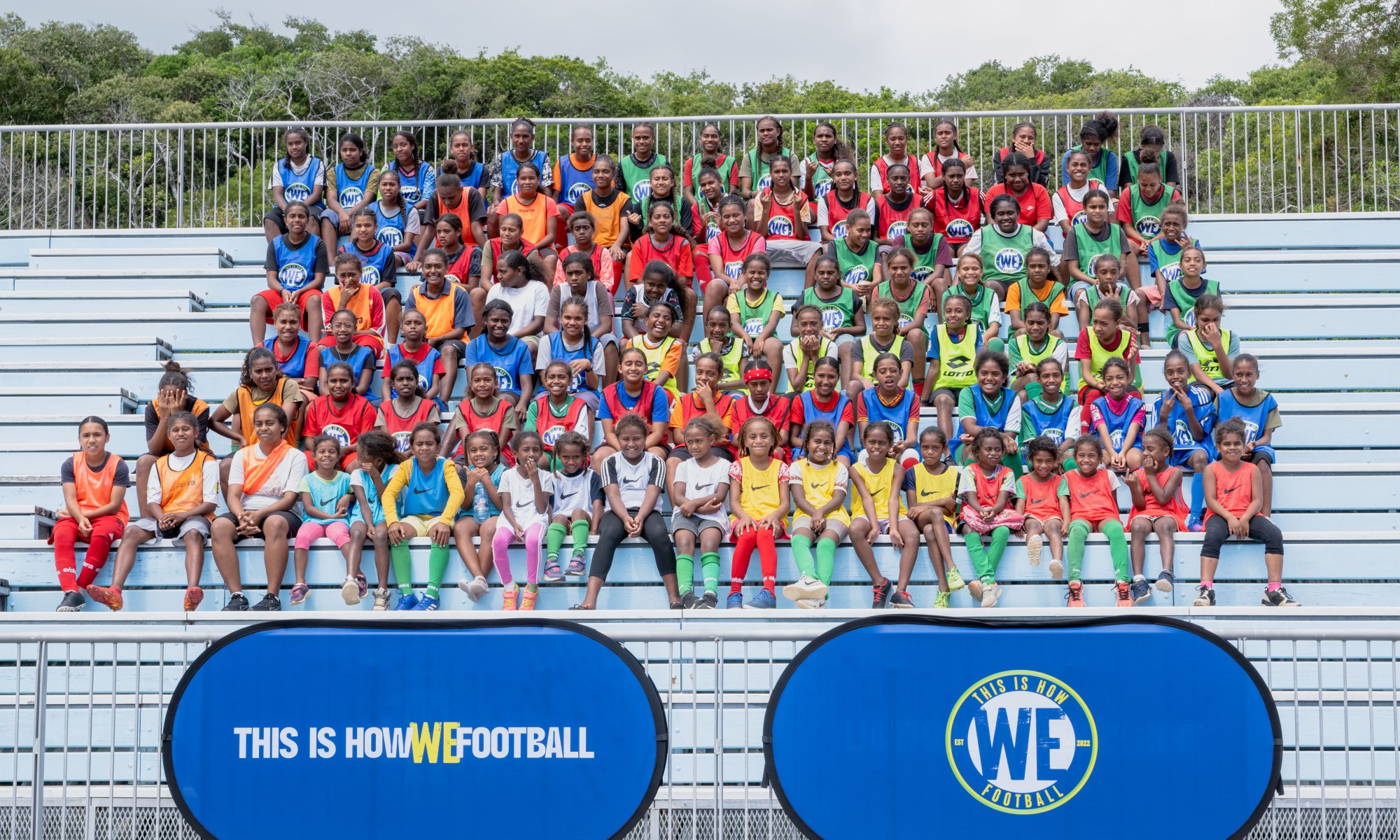
Girls and young women in the Pacific continue to face structural and social barriers, including limited access to safe and consistent sport opportunities, unequal participation in decision-making, and challenges related to health, education, and social inclusion. OFC’s This Is How We Football (TIHWF) programme is specifically designed to address these barriers by creating safe, consistent, and empowering football environments. Through targeted capacity building, pathway development, and community-based delivery, the programme ensures that girls and young women not only access football but feel supported to remain engaged, build confidence, and develop as leaders within their communities.

TIHWF drives sustainable change at individual, organisational, and community levels. Delivery is underpinned by strong regional messaging, nationally led implementation, training and education for coaches and facilitators, policy alignment, and embedded safeguarding and early prevention practices. This approach ensures that delivery is locally owned, culturally relevant, and socially impactful, while contributing to OFC’s long-term vision of an Equal Oceania, where women and girls can thrive both on and off the field.

Project goals

  • Deliver an adolescent girls’ football programme that provides safe, inclusive spaces for girls to play, while embedding key messages of gender empowerment, life skills development, health education, and awareness of gender-based violence prevention and response.
  •  Train coaches, youth leaders, and Women’s Development Officers (WDOs) to be advocates for gender equality and broader social change, equipping them with the skills to challenge harmful gender norms and foster respectful relationships both on and off the field.
  • Develop and implement safeguarding systems and procedures that ensure safety, inclusion, and gender sensitivity at all levels of football participation—from grassroots to elite pathways—creating a culture of zero tolerance towards violence and discrimination.
  •  Strengthen community partnerships and referral pathways by working with local service providers to ensure participants and their families have access to support services related to health, wellbeing, and violence prevention.

Project content

  • 1x in country Training workshops for program facilitators in each Member Association
  • 2x 8-week TIHWF programme delivery in each Member Association
  • 2x competition activations – OFC Women’s Champions League and OFC U-16 Women’s Championship
  • Distribution of equipment to every Member Association for the delivery of the programme
  • Distribution of player packs to every participant to support programme delivery and engagement
  • Ambassadors in each Member Association to drive participation, engagement, facilitation opportunities and role modelling for participants
  • Ongoing online promotion of the programme through OFC Social Media platforms

Partner

OFC-LogoV3A_RGB

Ti Mouvman Fun-Da-Mentals (‘little movement fundamentals’)

Location and general information

Ongoing
Location Canaries, Soufrière, Vieux Fort and Dennery, Saint Lucia
Start date 03/02/2026
End date 02/29/2028
Cost of the project €138,270
Foundation funding €81,172
Project identifier 2025001807
Partners Sacred Sports Foundation Inc
Categories Access to Sport - Children with disabilities - Gender Equality - Healthy lifestyle - Personal development - Strengthening partnerships

Context

Saint Lucia, like many developing small island states in the Caribbean, is experiencing a steady decline in physical activity among children. This trend is particularly evident in underserved communities, where schools experience limited resources, reduced access to trained physical education teachers, and competing academic priorities that often result in physical education being deprioritised. At the same time, children’s lifestyles are becoming increasingly sedentary due to screen use, a reduction in the number of safe play spaces, and fewer structured opportunities for movement.

When foundational movement skills, coordination, confidence, and positive attitudes towards physical activity are not developed early, children are more likely to disengage from sport altogether, which increases their long-term risk of obesity, non-communicable diseases such as diabetes, and poor mental health. Saint Lucia already faces a high burden of lifestyle-related diseases in adults, including obesity and diabetes, underscoring the urgent need for early preventive action.

Project goals

  1. Increase access to safe, structured, and inclusive physical activity for children aged six to ten in underserved communities in Saint Lucia.
  2. Improve fundamental movement skills, agility, balance, and coordination, as well as overall physical literacy, among participating children.
  3. Encourage positive attitudes towards physical activity and lifelong active lifestyles from an early age.
  4. Support children’s mental and emotional well-being by building confidence, resilience, teamwork, and social skills through sport.
  5. Promote equal participation opportunities for girls and boys.
  6. Strengthen school and community capacity to deliver sustainable physical activity and education programmes even after the project ends.

Project content     

Ti Mouvman Fun-Da-Mentals will deliver a structured, school-based physical education programme across 16 primary schools in underserved communities.

Key activities will include:

  • Regular structured physical activity sessions that are age-appropriate, inclusive and aligned with the children’s developmental needs.
  • Fundamental movement and motor skills activities, including jumping, hopping, skipping, balancing, running, throwing, catching, kicking, dancing, obstacle courses and active games. These activities build physical literacy and confidence in movement.
  • An introduction to football through play, using small-sided games and basic skills exercises to promote teamwork, communication and enjoyment rather than competition.
  • Inclusive programming, with strategies such as mixed-gender activities, girl-friendly coaching approaches and targeted encouragement to ensure that 50% of girls participate.
  • Providing training and simple activity guides for mentors, coaches, teachers and community stakeholders, enabling schools to sustain quality physical education beyond the life of the project.
  • Community engagement activities, including parent and guardian movement days and physical activity events, to strengthen local support for active lifestyles.
  • Monitoring and simple progress tracking, including attendance records, participation levels and basic motor skills assessments, to ensure quality delivery and continuous improvement.

Together, these activities will ensure that children not only move more, but move better, and that they build confidence and experience sport as a positive and integral part of their everyday lives.

Partner

Aktive Jen Yo (Activating young people

Location and general information

Ongoing
Location Rural Haiti, including Leogane, Destra, Carrefour Croix and Bossan
Start date 01/01/2026
End date 12/31/2026
Cost of the project €336,080
Foundation funding €55,657
Project identifier 2025000932
Partners Global Outreach And Love of Soccer (GOALS Haiti)
Categories Access to Sport - Employability - Environmental protection - Gender Equality - Healthy lifestyle - Personal development

Context

Haiti is facing a prolonged, multidimensional crisis marked by widespread insecurity, economic collapse, and the near absence of public services. Gang violence, political instability, inflation exceeding 40%, food insecurity, and recurring health emergencies (including cholera outbreaks) have deeply affected daily life, particularly for children and young adults. While international attention focuses on urban centres, rural communities are often overlooked. In the areas where GOALS Haiti operates, there are no other youth services, access to education and healthcare is limited, and children have very few safe spaces to gather, learn or play.

These conditions place children and adolescents at heightened risk of trauma, poor health, school dropout, gender-based violence, and social isolation. Without positive alternatives, young people are increasingly vulnerable to negative coping mechanisms or forced migration to unsafe urban areas.

Project goals

  • Improve the health and well-being of children and young adults in rural Haiti by ensuring regular access to safe sport, play, health education, and nutrition in communities where no other youth services exist
  • Expand access to education and learning opportunities for underserved young people by reducing barriers to schooling and strengthening literacy, academic skills and life skills through integrated sport-based programming
  • Help young people to develop confidence, leadership skills, and positive life pathways so that they can make informed decisions, contribute to their communities, and shape their own futures
  • Promote gender equality and inclusion through sport and education by ensuring girls and boys participate equally and by creating leadership opportunities for girls and young women
  • Strengthen community cohesion and youth civic engagement by engaging young people in community service and environmental action that improves local conditions, and fosters shared responsibility


Project content

Aktive Jen Yo is built around daily football and inclusive purposeful play sessions that provide children and adolescents with safe, consistent spaces where they regain a sense of normalcy and learn teamwork, discipline, communication and respect. The sessions are intentionally designed to include girls and boys equally and to model positive social norms through play.

Alongside sport, the project delivers integrated education and life-skills programming. Young people participate in literacy classes, tutoring and school support to strengthen reading, numeracy and critical thinking skills. Life-skills education – including leadership, problem-solving, conflict resolution, gender equality and decision-making – is embedded within both classroom sessions and on-field activities, reinforcing learning through practical experience.

Health education is a core component: trained staff and partners lead sessions on hygiene, disease prevention, sexual and reproductive health and gender-based violence awareness. Participants also receive a daily meal and access to clean drinking water during activities, supporting their physical health and concentration while reinforcing healthy habits.

The project places a strong emphasis on youth leadership, community service and environmental action. Young people take part in leadership workshops and lead community projects addressing local needs, such as tree planting, recycling initiatives and maintaining community gardens. These activities encourage civic responsibility, strengthen community ties and give the youngsters visible roles as contributors and leaders within their villages.

All activities are delivered by a locally led team of trained coaches, educators and community leaders, ensuring cultural relevance and responding to community needs. Regular monitoring, feedback from participants and community involvement guide ongoing adaptations and improvements to the activities provided.


Partner

Promoting inclusion and social development through football

Location and general information

Ongoing
Location Aden, Lahj and Abyain governorates, Yemen
Start date 01/01/2026
End date 10/31/2026
Cost of the project €138,458
Foundation funding €77,634
Project identifier 2025001808
Partners Helpcode Italia ETS
Categories Access to Sport - Children with disabilities - Conflict victims - Gender Equality - Healthy lifestyle - Personal development

Context

According to the Yemen Humanitarian Needs and Response Plan 2025, an estimated 19.5 million people across Yemen (1.3 million more than in 2024) need humanitarian assistance and protection services amid ongoing armed conflict, displacement and health emergencies. This represents more than half of the country's population, and children comprise over 55% of those in need (5.3 million girls and 5.5 million boys or 10.8 million children in all).

Within the scope of the project are also over 2,500 members of the Muhamasheen (the Arabic term for marginalised), a Yemeni underclass that has endured centuries of discrimination, exploitation and poverty. Conflict and displacement have further exacerbated their challenges, exposing them to heightened risks of gender-based violence, child marriage, trafficking, child labour, sexual exploitation and abuse. These vulnerabilities are compounded by limited access to essential services, education, healthcare, shelter and livelihoods.

Recent Helpcode data from the target area identified significant gaps in access to essential services such as child protection, psychosocial support and structured sports programmes. Parents reported that many children experienced emotional distress due to insecurity, displacement and exposure to violence, and reported behavioural issues such as acts of violence (53%), bullying (30%) and anger (12%). Approximately 67% of households reported children engaging in hazardous work such as selling khat, collecting plastics and begging. This not only deprives children of their right to education but also exposes them to exploitation, abuse and health risks.

Sports interventions can address protection gaps, promote resilience and foster social cohesion among vulnerable children and adolescents. Schools would have the potential to support such activities, particularly at the primary level, if they had the necessary equipment, coaches and resources. Of the 12 schools in the target area, only two girls' primary schools offer (limited) sports activities. At the secondary level, there are no sports programmes for boys or girls. Furthermore, none of the schools have locally trained coaches or organise after-school community sports initiatives, leaving children and adolescents with no structured physical exercise or recreation, putting them at greater risk of recruitment into armed groups, child marriage, exploitative labour, trafficking and other dangerous activities.

Project goals

  • Improve the physical and psychosocial well-being of war-affected children and adolescents through structured sports programmes
  • Use sport to promote tolerance, inclusion, resilience and respect within displaced and host communities

Project content

  1. Start-up workshops and community awareness-raising

A start-up workshop will be organised in each of the three governorates to introduce the project, discuss the roles and responsibilities of the various stakeholders, and raise awareness in the community about the objectives, activities, and expected outcomes.

  1. Community football teams

A total of 12 ‘cub’ teams (ages 10–14) and 12 youth teams (ages 15–25) will be set up, with a focus on including displaced, vulnerable, and marginalised youngsters, including girls where culturally appropriate.

  1. Community-based sports events and leagues

Regular leagues, intercommunity matches, and friendly tournaments will be organised to foster interaction, reduce tensions, and encourage unity among young people from different backgrounds. Activities will be organised in clusters.

  1. Sports equipment and uniforms

Footballs, team kits (shirts and shorts), cones, goals, markers, and first-aid kits will be given to the local teams, which will continue to benefit from them after the project ends.

  1. Awareness sessions

A total of 450 short, interactive awareness sessions will be organised at the community-based sports events and other gatherings on topics such as peacebuilding, acceptance, anti-discrimination and conflict resolution, in coordination with local schools, the Ministry of Youth and Sports, and community-based protection networks.

Partner

Her Voice. Her Choice.

Location and general information

Ongoing
Location Suddhodhan rural municipality, Kapilvastu district, Lumbini province, Nepal
Start date 01/01/2026
End date 12/31/2026
Cost of the project €45,000
Foundation funding €13,000
Project identifier 2025000844
Partners Atoot
Categories Access to Sport - Children with disabilities - Gender Equality - Personal development

Context

Madheshi girls in the Kapilvastu district of southern Nepal, in the country’s deeply patriarchal rural belt, grow up in isolation – unseen and unheard. Girls here face pervasive intergenerational inequality and discrimination, intersectional marginalisation, and economic injustice. They are excluded from their communities, with no freedom or opportunities to develop: they are not allowed to play, study, or work, and they have no decision-making power. Girls and women have no voice and no choice.

The many systemic issues affecting girls in rural southern Nepal include high rates of child marriage (83.4% according to the 2021 census), high rates of gender discrimination and gender‑based violence, early school drop‑out (generally between grades four and five), and an illegal but deeply entrenched dowry system that means girls are seen as a financial burden to their families.

Project goals

Goals

Atoot was founded to offer marginalised Nepali girls in rural areas sporting and educational opportunities and provide them with safe, empowering spaces that foster inclusion and empowerment.

Specific goals:

  1. Empower girls to break free from the vicious cycles they are trapped in, enabling them to make their own life choices.
  2. Provide diverse platforms for girls to build confidence and nurture empowering, emboldening relationships.
  3. Establish safe spaces where girls can gather to play, learn, and build positive peer connections.


Project content

Atoot has been working in this marginalised Madheshi community for six years, providing structured football sessions, educational support, life-skills workshops, and community engagement grounded in the principles of sport for development through a grassroots and localised lens.

  1. One‑hour football sessions, five days a week
  2. One‑hour educational classes, five days a week
  3. One or two life‑skills workshops every week, each lasting an hour to an hour and a half
  4. Daily community engagement
  5. One to one and a half hours of training for assistant coaches and teaching assistants each week
  6. Annual football tournaments

Partner

Empowering disabled children and strengthening their skills

Location and general information

Ongoing
Location Khovd province, Mongolia
Start date 01/01/2026
End date 11/01/2026
Cost of the project €28,500
Foundation funding €20,000
Project identifier 2025000471
Partners Sain Tus Development Bridge
Categories Access to Sport - Children with disabilities - Gender Equality - Healthy lifestyle - Personal development

Context

Most of the infrastructure and services in Khovd province, Mongolia, are inaccessible to disabled people. As a result, most disabled children have no means of transport and no access to education, even primary school. Khovd is home to many indigenous and minority populations, and the rate of gender‑based violence (GBV) is higher than the national average. Disabled children are at increased risk of GBV owing to their inability to defend themselves.

Project goals

  1. Protecting the rights of disabled children and empowering them by strengthening their skills
  2. Combating gender-based violence
  3. Preparing the beneficiaries for possible future participation in the Special Olympics World Games

Project content

Taking a creative approach to capacity‑building and fighting GBV, this project uses the power of sport to help disabled children discover new strengths, abilities, and skills while addressing their unique psychosocial needs. It gives at least 450 disabled children the opportunity to train and compete in a variety of sports, and the aim is for 70% of the beneficiaries to be girls. The participants will also be offered leadership and educational programmes.

Partner

Environmental Youth Ball Games and Community Competitions

Location and general information

Ongoing
Location Southeast Lowveld, Zimbabwe
Start date 01/01/2026
End date 12/31/2026
Cost of the project €20,957,01
Foundation funding €16,767
Project identifier 2025001441
Partners African Wildlife Conservation Fund
Categories Access to Sport - Environmental protection - Personal development
Context

Zimbabwe’s young people have borne the brunt of years of economic and political instability. Rural communities, in particular, are marginalised and deprived of educational and extra-curricular activities. This disadvantage is compounded by conflict between humans and the surrounding wildlife and a lack of appreciation for the value of the ecosystem.

These challenges make young people susceptible to environmentally detrimental behaviour such as poaching, deforestation, and overconsumption of natural resources.

Project goals

  1. Engage an at-risk, young demographic in environmentalism and inspire a change of attitude towards wildlife and the conservation sector
  2. Provide a rare opportunity for children and young adults to access sport and the arts
  3. Share proven human-wildlife coexistence strategies with rural communities to support the management of conflict
  4. Share important messaging on the sustainable use of natural resources and build rural resilience to climate challenges

Project content

The following activities will be delivered:

  1. Ten netball and football tournaments

Each tournament takes place over six to eight weeks. The four teams that make the final of each sport compete in front of a large crowd on the morning of the local Community Competition Day.

  1. Ten environmental community competitions

Teams from local schools compete in drama, poetry, model-making, and poster-making, presenting their messages to the community about locally relevant and urgent environmental, climat,e or wildlife needs.

Partner

Creating a safe play space for refugee children in Boa Vista

Location and general information

Ongoing
Location Waraotuma a Tuaranoko refugee shelter in Boa Vista, Brazil
Start date 01/01/2026
End date 12/31/2026
Cost of the project €175,958
Foundation funding €120,000
Project identifier 2025001012
Partners KLABU Foundation
Categories Access to Sport - Children with disabilities - Conflict victims - Gender Equality - Healthy lifestyle - Infrastructure and equipment - Personal development

Context

Over 6 million Venezuelans have been displaced due to an ongoing socio-economic crisis in Venezuela. The most vulnerable include indigenous groups such as the Warao, Pemon, and Kariña, who face severe marginalisation. Many of them have found refuge in Brazil.

KLABU has opened a clubhouse at Waraotuma a Tuaranoko, a shelter that is home to 1,300 refugees (800 of whom are minors), making it the largest shelter for indigenous refugees in Latin America. However, the only community sports pitch in the shelter is in poor condition and poses safety risks.

Project goals

  • Construct a safe, inclusive, and community-designed sports pitch at the Waraotuma a Tuaranoko shelter using love.fútbol’s participatory methodology.
  • Enable regular sports and recreational activities for children and young people from refugee and host communities.
  • Foster social inclusion and resilience through tournaments, events, and volunteer-led
  • Create local ownership and sustainability by engaging refugee volunteers and the local partner in maintenance and ongoing programming.

Project content

In partnership with love.fútbol, KLABU aims to rebuild the main sports pitch at the Waraotuma a Tuaranoko shelter and to make it a sustainable hub for sport and community. In addition, they will upgrade nearby infrastructure (a volleyball court, seating around the court, and a play area) and organise inclusive activities that will also be open to people from the six other nearby shelters. KLABU’s clubhouse is already active, and the new sports facilities will offer safe, inclusive spaces where children thrive, and community pride grows.

Partner

Legacy for the Future

Location and general information

Ongoing
Location Bosnia and Herzegovina, Georgia, Moldova and Romania
Start date 03/01/2026
End date 02/28/2027
Cost of the project €660,000
Foundation funding €180,000
Project identifier 2025001234
Partners FIA Foundation
Categories Access to Sport - Gender Equality - Healthy lifestyle - Sponsors - Strengthening partnerships

Context

The UEFA Foundation for Children and the adidas Foundation together designed the Legacy for the Future project to help organisations advance gender equity in and through sport in their local area. In ongoing consultation with the FIA Foundation, we agreed to expand the project to include advocating for safer journeys to school and active mobility. There will be a focus on collecting stories and evidence from partner organisations to highlight the systemic barriers women and girls face in accessing sport, getting to and from sports facilities and school and staying physically active, as well as the action required to empower them and overcome these barriers at an institutional level across Europe.

From a road safety perspective, the equivalent of around 84 football teams of children and teenagers were killed or injured in road crashes in Georgia in 2024 alone: a total of 923 children under the age of 17, almost double the EU average. Almost half of the casualties were girls. In Moldova in 2024, 447 children under the age of 17 were killed or injured on the roads – the equivalent of around 40 football teams. Most of these casualties were aged 10 to 17 and around 40% were girls. Bosnia and Herzegovina also faces significant road safety challenges, with 67 road deaths per million inhabitants, compared to an EU average of 44.6. Children are particularly vulnerable when travelling to school and recreational facilities, including football pitches and community sports centres.

Project goals

Georgia and Moldova

  • Improve road safety around parks and football clubs to reduce a significant barrier to girls participating in sport, focusing on the following themes identified as issues by clubs, civil society and local authorities:
    • Safe speed limits in areas of active travel
    • Safe and accessible infrastructure around parks and clubs
    • Visibility when travelling at night

Romania (pilot project)

  • Create a replicable, scalable and sustainable model for integrating critical thinking, debating, dreaming and world-building exercises into self-defence training for girls living and studying in underprivileged communities near Cluj and Bucharest
  • Increase personal safety in school and sport by building assertiveness, confidence and self-esteem, while reducing fear and anxiety

Bosnia and Herzegovina

  • Identify risks and prioritise upgrades on routes to schools and sports facilities using the International Road Assessment Programme (iRAP) Star Rating for Schools (SR4S) methodology
  • Empower young people in interactive football-based road safety workshops using the iRAP Youth Engagement App (YEA), enabling them to report hazards, share safety perceptions and co-create solutions
  • Promote gender equity by specifically addressing the needs and mobility patterns of young girls, encouraging their sustained participation in both education and sport
  • Leverage football networks to mobilise communities, engage parents and influence local decision-makers in support of safe and inclusive journeys

Project content

  • Interactive workshops combining football skills with road safety education
  • Road safety awareness training with girls’ football teams in each club
  • Intergenerational ‘mobility snapshots’ or ‘star ratings’ of schools and football grounds to identify and assess the main risks and advocate for safer mobility
  • iRAP SR4S assessments in high-risk locations identified by students
  • Support for the implementation of low-cost, high-impact safety improvements (e.g. crossings, signage, speed reduction/traffic calming measures)
  • Sessions incorporated into sports and civic education classes as well during annual extracurricular education weeks

Partner