Blind Solidarity

Location and general information

Ongoing
Location Mali, Bamako
Start date 01/01/2025
End date 12/31/2025
Cost of the project €59,000
Foundation funding €40,000
Project identifier 2024000675
Partners Association Libre Vue
Categories Access to Sport - Children with disabilities - Employability - Gender Equality - Healthy lifestyle - Infrastructure and equipment - Personal development

Context

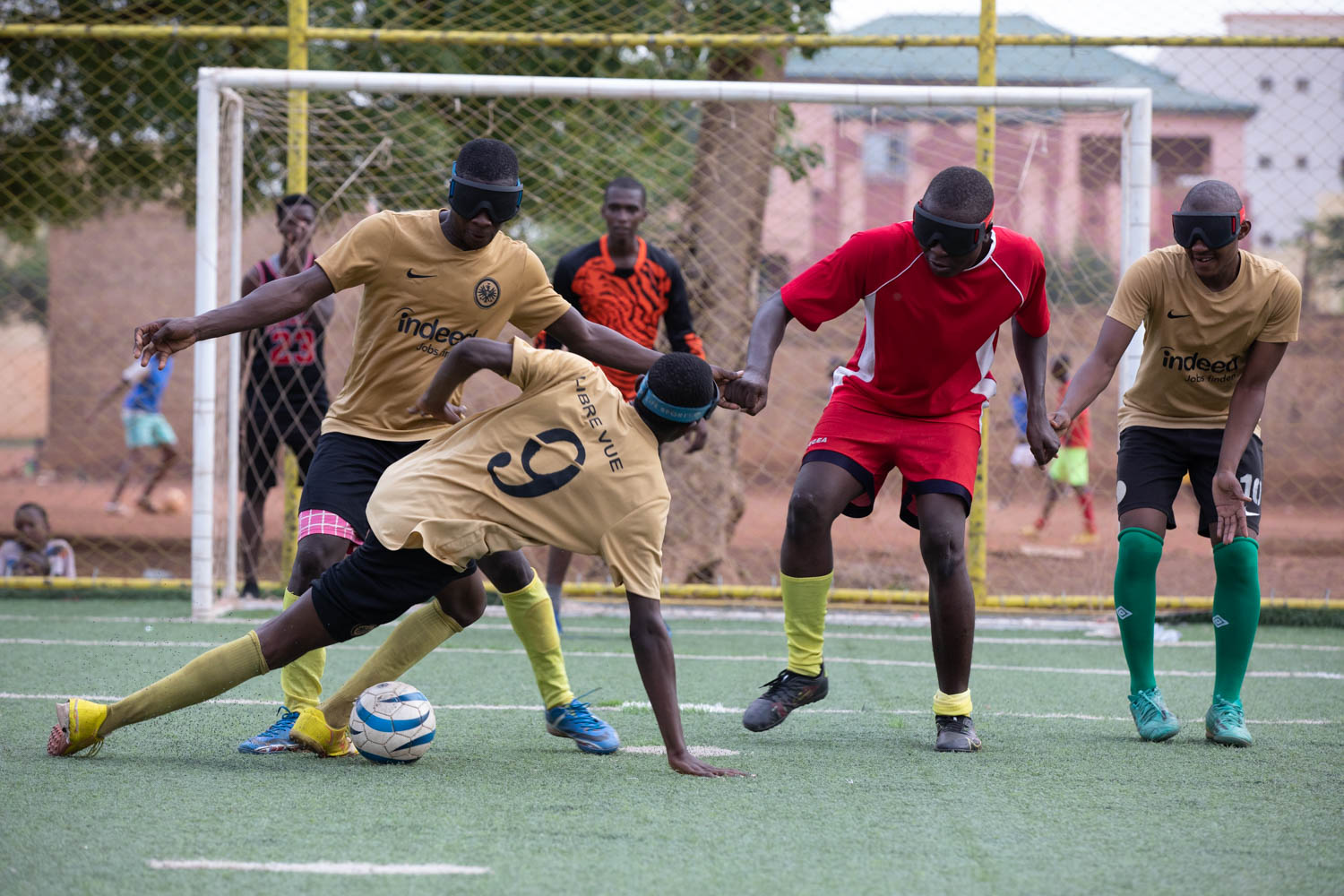
The political situation in Mali is highly unstable, and relations with France are particularly tense following the European country’s military withdrawal. This instability and widespread conflict contribute to high levels of internal displacement and poverty in one of the poorest countries in the world. In 2012, Libre Vue launched the Blind Solidarity project at the Institut des Jeunes Aveugles in Bamako (a school for 250 visually impaired children living in highly precarious conditions). The association built infrastructure including a special pitch suitable for blind football and started offering regular football coaching.

Project goals

The charity’s next steps as the project continues are to:

  • resurface the artificial pitch for blind football in order to improve playing conditions and enable Blind Solidarity to rent it out and therefore become more self-sufficient
  • step up educational measures on how to keep the pitch and its surroundings clean and in good condition
  • foster the long-term growth of blind football among girls
  • use social media to communicate more effectively throughout the country using social network

Project content

  • Resurface the artificial pitch for blind football
  • Hold regular discussions with the families of girls, in particular
  • Implement routine pitch-maintenance measures
  • Train the manager of the facilities

Partners

Sports centres for children, young people and their families

Location and general information

Ongoing
Location Switzerland
Start date 01/01/2025
End date 12/31/2025
Cost of the project €7,694,307
Foundation funding €80,000
Project identifier 2024000282
Partners Fondation IdéeSport
Categories Access to Sport - Children with disabilities - Gender Equality - Healthy lifestyle - Infrastructure and equipment - Strengthening partnerships
Context

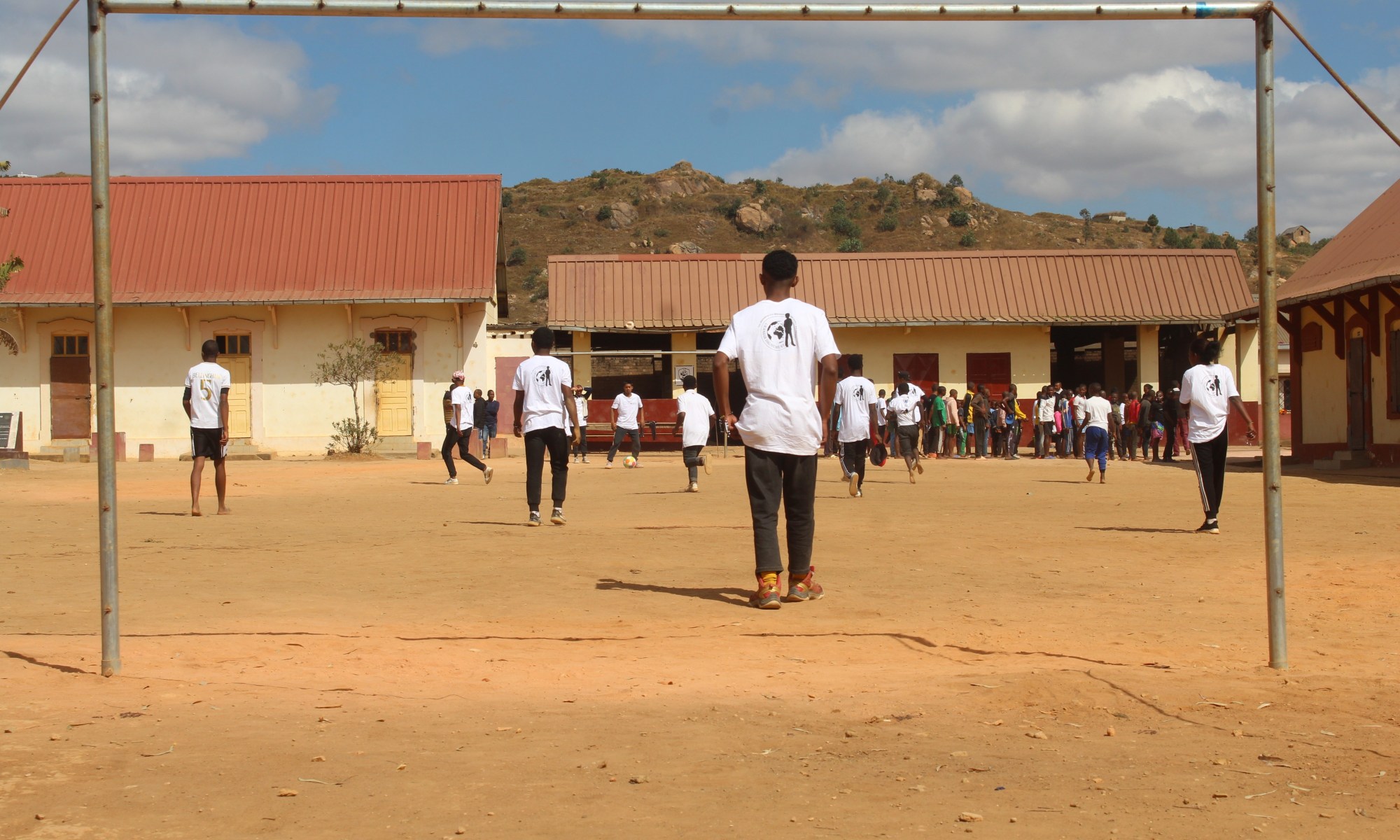
Children and young people today often suffer from a sedentary lifestyle and lack of exercise, excessive use of social media, mental health problems, limited access to sports facilities and gender stereotypes. Participating in sport can help to address these issues and gives children a chance to meet new people, thereby supporting their healthy development and integration into the community.

Project goals

The IdéeSport Foundation uses sport to get young people moving, encourage them to lead a healthy lifestyle and prevent addiction. It aims to actively promote integration, particularly of disabled or migrant children and young people, by welcoming those from all social backgrounds, regardless of their gender, socio-economic status, ethnicity or sporting ability.

Project content

IdéeSport gives children and young people opportunities to meet, train and play in local public sports centres at weekends and during the holidays. The programmes are:

  • PeerPower, aimed at teenagers and young adults
  • MidnightSports, aimed at secondary school students
  • OpenSunday and ActiveWeek, aimed at primary school pupils
  • MiniMove, aimed at preschoolers and their parents

Partners

Empowering Mchinji Youth Through Sports

Location and general information

Ongoing
Location Malawi, Mchinji district
Start date 02/01/2025
End date 07/31/2026
Cost of the project €92,347
Foundation funding €36,938
Project identifier 2024001465
Partners Our Aim Foundation
Categories Access to Sport - Employability - Gender Equality - Infrastructure and equipment - Personal development

Context

The health and community centre in Tongozala, built in April 2019, includes a playground for younger children and a volleyball pitch for older ones. Our next ambition is to construct a multipurpose sports field and provide equipment for popular local sports like football and netball, as well as traditional dances and games, making it possible to organise training sessions, form teams and leagues, and host tournaments and friendly matches.

Project goals

  • Physical activity: Increase physical activity among 40,000 participants in 18 months (100,000 over the next three years)
  • Young sports leaders: Train at least 25 young leaders in sports-related skills and mentorship (50 in three years)
  • Community sports events: Organise four community-wide sports events a year (one every quarter), involving as much of the community as possible, as players and spectators
  • Coaching for brilliant athletes: Identify and provide specialised training (mentoring and coaching) to 25 particularly promising young athletes (at least 50 over the next three years)
  • Gender-equal participation: Ensure equal participation of girls and boys

Project content

  • Renovation of the existing playground and volleyball pitch by levelling the ground, marking boundaries and installing durable goalposts and netball poles, high-quality nets, perimeter fencing, benches for players and spectators, and proper drainage to enable year-round use
  • Cost-effective procurement of equipment for football, netball and selected traditional games and dances, including goalposts, nets, balls and kit
  • Weekly training sessions led by local coaches for children and adolescents grouped by age and skill level (at least 40% girls and young women), to develop skills, fitness and teamwork
  • Four community sports events hosted during the 18-month funding period, including friendly matches, cultural dance performances and traditional competitions to encourage broad community participation, foster social interaction and provide a platform for showcasing local talent
  • Simple logs and feedback forms to track attendance at training sessions and events, collect participant feedback, evaluate the programme and make adjustments where necessary to ensure the activities align with the project goals and community needs

Partners

Sportducation

Location and general information

Ongoing
Location Liberia, Monrovia, Logan Town
Start date 01/06/2025
End date 02/07/2026
Cost of the project €32,437
Foundation funding €29,864
Project identifier 2024000327
Partners Aletha’s Legacy
Categories Access to Sport - Employability - Infrastructure and equipment - Personal development

Context

Logan Town is an extremely poor community where over 100,000 people live in extreme poverty, and access to education is limited. Children in the community face challenges such as child labour, harsh punishments, low primary education completion rates and disparities in education.

Project goals

Aletha's Legacy aims to improve access to education and thereby increase school attendance and completion rates in Logan Town, with a view to enabling the community’s underprivileged children to learn and hope for a better future

Project content

  • Organise sports and educational sessions for children in the community
  • Provide training for local coaches to enhance their skills
  • Implement peace-building workshops and empowerment initiatives aimed at young people
  • Provide resources and equipment for sports and educational activities
  • Collaborate with schools and community organisations to promote the programme
  • Monitor and evaluate the impact of the project on school attendance and academic performance

Partners

Kick the Ball, Save our Wildlife

Location and general information

Ongoing
Location Kenya, Narok County, Lemek Wildlife Conservancy
Start date 01/01/2025
End date 12/31/2025
Cost of the project €38,214
Foundation funding €30,000
Project identifier 2024000239
Partners Water4Wildlife Maasai Mara
Categories Access to Sport - Environmental protection - Gender Equality - Healthy lifestyle - Infrastructure and equipment - Personal development

Context

Home to diverse wildlife species, the Maasai Mara ecosystem is a vital part of Kenya’s natural heritage, tourism industry and conservation efforts. It is also home to marginalised communities in which girls in particular face barriers to personal development and recreation. They are often overprotected, restricted to household chores and denied opportunities for outdoor activities like football, limiting their growth and potential.

Project goals

  • Promote gender equality and empowerment: Break down cultural barriers and challenge gender norms by creating opportunities for girls to engage in football and community activities
  • Foster wildlife conservation awareness: Educate and inspire the next generation of conservationists by connecting girls with female wildlife game rangers and teaching them about the importance of preserving the Maasai Mara ecosystem
  • Enhance life skills and education: Provide mentorship and workshops to improve girls' life skills, mental health, reproductive health awareness and leadership abilities, empowering them for personal and professional growth
  • Strengthen community support for girls' development: Build community engagement and support for girls' participation in recreational and educational activities, promoting an inclusive environment
  • Develop sustainable infrastructure for recreation and learning: Construct a football pitch and a girls' community social hall to offer a safe, inclusive and supportive environment for girls to engage in football and mentorship programmes

Project content

  • Site preparation: Site clearance and environmental surveys to prepare the area for the construction of a football pitch and a girls' community social hall
  • Infrastructure development: Construction of a mini football pitch and a girls' community social hall
  • Football activities: Provision of football kits and monthly football sessions for girls, encouraging active participation and teamwork
  • Mentorship: Mentorship sessions with female wildlife game rangers invited to talk about their careers and inspire girls to pursue opportunities in conservation and leadership
  • Educational workshops: Monthly workshops focusing on life skills, mental health, reproductive health, gender-based violence, sexually transmitted diseases and leadership
  • Community engagement: Work with the local community to support girls’ participation in football and education, promoting acceptance and encouragement
  • Project launch: A launch event featuring a football session and a conservation talk to introduce the project and engage stakeholders
  • Project monitoring: Tracking of participation rates, participant feedback and community responses to ensure the activities are effective and aligned with the objectives

Partners

Football for inclusion and equity for every child

Location and general information

Ongoing
Location Armenia, Dilijan, Ijevan, Berd and Noyemberyan, Tavush province
Start date 01/01/2025
End date 12/31/2025
Cost of the project €133,900
Foundation funding €100,000
Project identifier 2024000377
Partners Bridge of Hope
Categories Access to Sport - Children with disabilities - Conflict victims - Gender Equality - Infrastructure and equipment

Context

In Armenia’s Tavush province, in the northeast of the country, disabled children are excluded from sport, particularly from physical education at school and team sports like football, denying them opportunities for physical development, social interaction and confidence building. Football is often perceived as unsuitable for disabled children and many schools lack the infrastructure and trained educators needed to organise inclusive sports activities.

Girls face particular challenges. Societal norms and stereotypes discourage their participation in traditionally male-dominated sports such as football, and mixed-gender teams are rarely encouraged as a result of deeply rooted cultural prejudices.

These systemic barriers are compounded by a lack of awareness and advocacy about the transformative potential of inclusive sport, at individual, community and policy levels.

Project goals

Main goal

Foster a culture of equality and inclusion in Tavush province using football to ensure that every child – regardless of ability, gender or circumstance – can participate and thrive

Specific objectives

  • Upskill physical education teachers and equip them to effectively support and coach children of diverse abilities and backgrounds
  • Consolidate and expand inclusive football opportunities in 32 rural communities by strengthening existing teams, establishing new ones and making sports facilities more accessible to ensure equal opportunities for disabled and non-disabled children
  • Bring about systemic change by advocating for inclusive sports policies and legislation, engaging key stakeholders, media outlets and government bodies to promote a supportive legal framework and raise public awareness of inclusive football’s transformative impact

Project content

  • Teacher training: Weekly training sessions from January to May and September to November to equip educators with the skills to facilitate inclusive and safe physical education classes
  • Individual education plans: Collaboration with teachers to integrate inclusive practices into children’s individual education plans, ensuring tailored physical activities for all students
  • Infrastructure improvements: From January to March, 16 school football fields will be equipped to meet accessibility standards and provide a safe environment for inclusive sport
  • Football training sessions: Starting in April, fortnightly training sessions for 480 children will focus on fundamental skills, teamwork and physical fitness
  • Regional and provincial tournaments: Inclusive tournaments in April/May and October/November promoting teamwork and social inclusion
  • Advocacy: Workshops and meetings with policymakers from March to November to support legislative reforms for inclusive sport
  • Social media campaigns: Monthly campaigns bringing positive impact stories and project achievements to a wider audience and promoting inclusive values

Partners

Campo do Sancho

Location and general information

Closed
Location Brazil, Recife, Pernambuco
Start date 04/01/2024
End date 08/31/2025
Cost of the project €114,575
Foundation funding €80,000
Project identifier 20230618
Partners love.fútbol
Categories Access to Sport - Gender Equality - Healthy lifestyle - Infrastructure and equipment - Personal development - Strengthening partnerships

Context

In Brazil, according to the Brazilian Institute of Geography and Statistics (IBGE, 2020), 47% of the public schools have no sports infrastructure and 78% (2019) of the children and 84% of teenagers do less exercise than what is recommended by WHO.

Project goals

The project will take place in Sancho, a community that represents the reality of the lack of play spaces and quality education in northeastern Brazil.

  • Use love.fútbol's award-winning methodology and 16 years of experience developing community-driven sports spaces to create a football facility in an underserved community
  • Engage the local community and enable it to build and take ownership of this space as a platform dedicated to sports, and education
  • Deliver bi-weekly ‘sports for education’ sessions to 60 children
  • Partner with the city hall and the local organisation Cores do Amanhã to keep the space safe and provide a daily schedule

Project content

love.fútbol will promote a cross-sector partnership between Recife city hall, local grassroots non-profit organisation Cores do Amanhã, and a broader range of community leaders, groups, businesses, and organisations to plan, refurbish and reactivate a historic football pitch that will serve as a sustainable platform for sports and educational sessions, a point of integration between various sectors of the community, and a reference for municipal, state and regional public policy. The ‘Campo do Sancho’ will be more than a place to play, but a local hub for education, social coexistence and peace.

Partner

Football for all children

Location and general information

Closed
Location Bosnia and Herzegovina, Bihać
Start date 01/01/2024
End date 12/31/2024
Cost of the project €146,343
Foundation funding €39,100
Project identifier 20230933
Partners Bihać youth football club (OFK Bihać)
Categories Access to Sport - Gender Equality - Healthy lifestyle - Infrastructure and equipment - Personal development - Strengthening partnerships

Context

Local development strategies set out the need to provide access to sport for children and teenagers, train professional staff and improve sports facilities, especially for vulnerable and marginalised social groups.

Project goals

The project aims to provide inclusive access to sport for all children in local communities, including those in marginalised population groups, facilitate social interaction and remove stigma through football, promoting team spirit and equality among peers. By improving infrastructure, the project will enhance the capacities of OFK Bihać and long-term sustainability prospects for the benefit of the entire community.

Project content

The Prekounje sports centre that the project seeks to develop is located on the right bank of the Una river that runs through Bihać, in and adjacent to communities with about 17,000 citizens, incl. about 5,400 children of all ages, including the largest Roma community.

The sports centre will significantly improve access and opportunities for all children, in their neighbourhood, at walking distance from their homes. Additionally, the upgraded infrastructure will provide opportunities to increase the diversity and number of activities by over 60%, finally allowing evening/night activities and tournaments in a modern, safe environment for all children.

  • Inclusive football school: One year of free football practice, at least twice a week, with UEFA-licensed coaches, for boys and girls in marginalised population groups, together with peers from other communities, in mixed (ethnicity, gender, etc.) teams.
  • Enhancing facilities at the Prekounje sports centre: Modernising and upgrading the existing football pitch (100mx64m) and building a new artificial pitch (40mx20m).

Partner

Sport in the Village

Location and general information

Closed
Location Zimbabwe, Harare
Start date 02/19/2024
End date 12/31/2024
Cost of the project €160,000
Foundation funding €110,000
Project identifier 20230180
Partners Fondation Khuon
Categories Access to Sport - Children with disabilities - Healthy lifestyle - Infrastructure and equipment - Personal development

Context

For more than 20 years, St Marcellin Children’s Village in Harare has been home to 66 children aged between three months and 18 years old. The orphanage also houses a preschool and a primary school for boys and girls living in the surrounding area. The 16 classes can accommodate up to 300 pupils in total. However, the only place to play sport is an undeveloped patch of dirt. Proper sports facilities are crucial to the children’s development.

Project goals

  • To give all children access to sport at school
  • For each of the 300 pupils to attend two to three supervised sports sessions each week
  • To make the sports facilities available for children from the orphanage and the surrounding area to use outside school hours
  • To offer a space where members of the community can relax and interact

Project content

The team will build a fully equipped 30m x 15m multi-sport pitch and will develop the outside space into a grass sports field measuring 70m x 50m.

These facilities will be built in a sustainable way and will be accessible to disabled children. They will be managed and maintained jointly by the two schools.

Partner

Diangsport (Education through sport in Wolof)

Location and general information

Closed
Location Senegal, Mbour and Saly
Start date 12/06/2023
End date 12/31/2024
Cost of the project €31,000
Foundation funding €21,000
Project identifier 20230494
Partners Association Kenskoazell Afrika (AKA)
Categories Access to Sport - Environmental protection - Gender Equality - Healthy lifestyle - Infrastructure and equipment - Personal development - Strengthening partnerships
Context

At the inauguration of the Lycée Demba Diop (multi-sports field and multi-purpose hall in 2022), three head teachers came to ask us to help their schools as they were lacking sports facilities.

After visiting the schools in June last year, we decided to adapt the Educafoot programme used in primary schools to the needs of these high schools, offering sports and educational events along with an environmental and health-based approach, including menstrual education for the girls.

Project goals

Help the children to develop and become tomorrow’s adult citizens. To fulfil this goal, our programme covers several topics, such as gender equality, access to sport, environmental education, sporting values, a work ethic, self-improvement, social coexistence, adhering to rules, respect for opponents and health education. The aim is to enhance the children’s mental and physical well-being.

Project content

We use a toolbox comprising multiple approaches to achieve our objectives. For example, we have mixed teams in the various events, and both girls and boys are given the chance to referee in order to develop leadership and decision-making skills. We educate the children about environmental issues by showing them a film and discussing it, followed by an activity making a net out of plastic waste, and have them help clean the school before each game. We organise French and maths competitions. We set up joint captainship and address health issues, in particular menstruation for the girls.

Partner

Youth Sports Games 2024

Location and general information

Closed
Location Croatia, Bosnia and Herzegovina, Serbia and Slovenia
Start date 01/10/2024
End date 11/30/2024
Cost of the project €7,476,965
Foundation funding €200,000
Project identifier 20230432
Partners Association for Sport, Recreation and Education – Youth Games
Categories Access to Sport - Environmental protection - Gender Equality - Healthy lifestyle - Infrastructure and equipment

Context

More than 2,750,000 have competed in the 27 years since they began.

In 2024, the games will be held in four countries: Bosnia and Herzegovina, Croatia, Serbia and Slovenia. Primary and secondary-school-age children compete in ten sports free of charge, and the most successful individuals and teams get to travel to Split to take part in the international finals.

In addition to the games, the association organises regular sports and recreational activities for children, to promote health, tolerance and ethical values. The association promotes a lifestyle based on understanding, friendship, solidarity and fair play as an alternative to addiction and deviant behaviour.

Project goals

  • Bring children and teenagers together to actively take part in sport and recreational activities
  • Education and development of a positive atmosphere and affirmation of children and teenagers through sport and friendship as an alternative to various forms of addiction and deviant behaviour
  • Educational content that has been promoted through all activities and has been set up as a modern and up-to-date message from young people to young people is a significant contributor to preventing of all types of addiction and ties in with health and social programmes

In 2024, we expect to involve more than 315,000 participants from all countries. One of the goals this year is to expand our presence to more than 300 cities and 19,000 female football players. The national finals in all four countries will attract 8,000 participants and the international finals will involve 1,500 participants, for whom we cover all expenses – accommodation, travel and competition fees.

Project content

Sport is used as a medium to connect with the participants aged 7–18 through tournaments held in over 300 cities in Croatia, Bosnia and Herzegovina, Serbia and Slovenia. The Youth Sports Games promote a healthy lifestyle and popularise all ten sports (football, street basketball, handball, volleyball, beach volleyball, tennis, table tennis, chess, dodgeball and athletics), as well as educating the participants about sustainability. A special focus is placed on the football tournaments for girls that will attract around 19,000 young female footballers in four countries.

Partner

Flexible Education and Sports for Children out of Education System in Afghanistan

Location and general information

Closed
Location Kabul, Charikar and Bagram, Afghanistan
Start date 01/01/2024
End date 12/31/2024
Cost of the project €258,558
Foundation funding €75,000
Project identifier 20231088
Partners Action for Development
Categories Access to Sport - Conflict victims - Employability - Gender Equality - Healthy lifestyle - Infrastructure and equipment - Personal development

Context

Extreme poverty and food insecurity have increased in Afghanistan since the Taliban took over and banned education for girls. Poverty due to the failing economy has caused an increase in vulnerable children seeking survival on the streets doing small jobs or selling items to support themselves and their families. These children come from vulnerable families, some of which have migrated to the cities in search of better living conditions, security and food. They are employed in dangerous jobs, exposing them to abuse, illness, injury or even death.

Project goals

AfD supports street-working children (6–13 years old) by providing semi-formal education (basic literacy, numeracy, sport) and food, psychosocial support, football training, etc. We also have a class of 49 children who receive vocational training (English and computer classes). Since the education ban, AfD has set up home-based schools to provide girls over 13 years old with an education. The organisation is committed to empowering children to build their resilience.

The main objective is to provide children with quality education so that they can support themselves when they become adults. Our aim is to reduce poverty and child labour. With a rise in street-working children, AfD’s objective is to open more classes. The goals are as follows:

  • Provide access to quality education and food for 750 children (through centres for street working children and home-based schools)
  • Improve gender parity
  • Enhance opportunities for girls to gain an education through a digital learning platform
  • Increase the capacity of the vocational education and training programme to 50 students

Project content

The various activities and programmes organised to achieve the above goals are as follows:

  • Introduce a digital platform to increase access of girls above 13 years old to quality education.
  • Establish 6 education centres to facilitate enrolment of girls and street-working children.
  • Provide one daily meal, football lessons, health checks and vaccinations to street working children.
  • Conduct awareness sessions on the importance of education and sport for girls.
  • Increase the participation of teachers in teacher training sessions.
  • Ensure a safe learning environment for social inclusion and networking.

Partner

Fostering Youth Leadership

Location and general information

Closed
Location Kenya and Uganda
Start date 02/01/2024
End date 01/31/2025
Cost of the project €32,734
Foundation funding €15,900
Project identifier 20231140
Partners Power for the People
Categories Access to Sport - Children with disabilities - Conflict victims - Employability - Environmental protection - Gender Equality - Healthy lifestyle - Infrastructure and equipment - Personal development - Strengthening partnerships

Context

In a world where education is increasingly accessible, it's crucial to look beyond mere enrolment numbers and focus on the quality of experiences within schools.

While strides have been made in getting more girls into classrooms worldwide, there's still work to be done to ensure that education reaches beyond attendance to personal growth and empowerment.

Gender norms often limit girls’ opportunities for socialisation and personal development, leaving them with less leisure time and fewer chances to explore their potential. Boys, too, can be left behind by aid initiatives that primarily target girls' education.

PFP believes in creating inclusive spaces where all children can thrive. It has created the PFP Boys and Girls Clubs initiative, a convenient and effective way of supplementing traditional education. The clubs offer a holistic approach to education, encompassing everything from sports and physical health to digital literacy and environmental stewardship.

Project goals

  • Set up 15 PFP Clubs in three schools, leading to improved pupil attendance and attainment.
  • Engage school staff as teacher ambassadors who will offer mentorship and encouragement, increasing teacher and pupil engagement.
  • Recruit and train 30 student ambassadors (ten in each school) who will improve their leadership skills.
  • Enable 900+ pupils across the three schools to participate in an extra-curricular club offering them informal learning opportunities, peer support, personal development and improved physical and mental health.
  • Connect the participating schools to foster shared learning opportunities.

Project content

PFP Clubs will be set up in three schools to provide opportunities for boys and girls to develop personal leadership skills and learn essential life skills, like decision-making and communication. The clubs will provide safe and supportive spaces for young people to discuss issues they say are important to them: menstrual and sexual reproductive health, mental health, sports and physical health, environmental stewardship and digital literacy. They will learn to challenge gender norms and advocate for equality.

Each club will have two student ambassadors who will have access to a leadership and personal development programme. They will be tasked with developing and implementing a year-long programme to engage other pupils in activities. They will be given a small budget to manage, creating opportunities to take responsibility and be accountable to their school and their peers.

Regular online calls will connect pupils and teachers in the three participating schools so that they can learn together. The programme will culminate in an annual innovation prize to foster student-led solutions to the challenges they have identified.

Partner

Provision of psychosocial support to vulnerable children, adolescents and parents through sport (PORUCH)

Location and general information

Ongoing
Location Poltaa and Sumska oblasts, Ukraine
Start date 01/01/2024
End date 12/31/2024
Cost of the project €1,019,850
Foundation funding €150,000
Project identifier 200230654
Partners United Around Football
Categories Access to Sport - Children with disabilities - Conflict victims - Gender Equality - Healthy lifestyle - Infrastructure and equipment - Personal development - Strengthening partnerships

Context

Since the start of full-scale war in February 2022, the children of Ukraine have experienced violence, trauma, loss, destruction and displacement, not to mention the stress of constant air raids and shelling. The living conditions, everyday news and general situation take a toll on their mental and physical health. According to official sources, by the morning of 29 November 2023, 511 children had been killed and more than 1,148 physically injured.

Recovery through sport is the ethos of PORUCH, a joint initiative by the Ministry of Education and Science of Ukraine and UNICEF Ukraine to use sport, in particular football, to provide psychosocial support to children, teenagers and families affected by the war. They have teamed up with the Ukrainian Association of Football, foundation partner United Around Football, and Football Development in Ukraine, another charitable foundation.

Physical education teachers (sports coaches), psychologists and healthy lifestyle coaches (medical volunteers) engage participants in a form of play that will hopefully lead to regular physical activity and help them develop a range of skills and values in a positive, holistic way. This approach is considered effective in supporting psychological recovery after a traumatic experience and overcoming fears.

A similar project was implemented in 15 oblasts between March 2022 and May 2023, reaching 90,417  vulnerable children and 34,663 parents and guardians (indirect beneficiaries).

Project goals

General

  • Provide group psychological support to vulnerable children and teenagers through sport

Specific

  • Develop the methodology and materials for targeted psychological support through sport
  • Deliver group psychological sessions to 25,000 vulnerable children and teenagers in 2 oblasts (Poltava and Sumy) in central and northeastern Ukraine
  • Boost the capacity of professionals to provide targeted psychological support


Project content

Sports grounds will be divided into three zones or stations, where children will take turns playing mobile games with a football, working with a psychologist, and learning from medical volunteers about healthy lifestyles and what to do in case of injury.

  • Zone 1 – Sports coach
  • Zone 2 – Psychologist
  • Zone 3 – Medical volunteer

Approximately 30 children affected by war will participate in each session, in three groups of ten. Each group must visit each station twice.

Partner

Kick for Hope

Location and general information

Closed
Location Azraq and Zaatari, Jordan
Start date 01/01/2024
End date 12/31/2024
Cost of the project €420,000
Foundation funding €175,000
Project identifier 20231224
Partners Association Football Development Programme (AFDP) Global
Categories Access to Sport - Conflict victims - Employability - Gender Equality - Healthy lifestyle - Infrastructure and equipment - Personal development - Strengthening partnerships

Context

The Azraq and Zaatari refugee camps have been hosting Syrian refugees since 2011. The refugee camps are as big as ever, and 50% of the population are children. The Kick for Hope project, established with UEFA in 2011, continues to support those children and young adults by providing meaningful football activities intertwined with social support, to harness the positive impact of sport on children.

Project goals

  • Engage with Syrian refugee children and young adults by organising football and other sports activities
  • Train and educate Syrian refugee coaches and referees and provide them with tools to run their own activities
  • Integrate a specific life skills curriculum based on the context and needs of the children involved
  • Establish football clubs within the camps
  • Empower children, cultivate leadership skills, and promote physical and mental well-being
  • Establish a Zaatari Camp Youth Club and enable members to participate in local competitions

Project content

AFDP Global has a team of coaches at the Zaatari and Azraq refugee camps who manage daily football activities for over 6,000 children and young adults. The organisation runs an education programme for the coaches to ensure they have the skills required to coach young people to the standard expected of them.

This work is bolstered by friendly competitions organised within the camps, giving the youngsters the opportunity to put their training into practice.

AFDP Global also organises activities that promote positive social change. These activities are integrated into the coaching curriculum to ensure a seamless transfer of knowledge and capitalise on the youngsters’ enthusiasm for football.

The organisation also works with other NGOs in the camps, sharing knowledge and participating in complementary initiatives to encourage more football activities and improve the quality of all the activities provided.

Partners

Génération Sportive – The Athletic Generation

Location and general information

Closed
Location Morocco
Start date 01/01/2024
End date 12/31/2024
Cost of the project €200,534
Foundation funding €100,000
Project identifier 20231154
Partners Tibu Maroc
Categories Access to Sport - Healthy lifestyle - Infrastructure and equipment - Personal development

Context

In the target regions of the Génération Sportive project, the lack of adequate sports facilities and physical activity opportunities for children is a major issue. This not only affects their physical health but also their social and cognitive development.

Project goals

  • Encourage 12,000 children to adopt a healthy and active lifestyle through fun and educational sports activities
  • Develop children's motor, cognitive and social skills
  • Raise awareness among children about the importance of a balanced and healthy lifestyle
  • Foster the overall well-being of children, taking account of their physical and mental health
  • Ensure that all children take part in regular physical activity

Project content

The project addresses the issues by providing schools with sports resources (people and equipment) and raising awareness of the importance of sport for children's growth and well-being. This initiative is essential for promoting a healthy and active lifestyle from a young age in these regions.

  • Regular fun sports sessions to develop motor skills
  • Interactive workshops on healthy lifestyle habits, including a balanced diet, personal hygiene and sufficient sleep
  • Educational activities focused on the UN's 17 Sustainable Development Goals to inspire engagement with the environment and society
  • Teacher training on running sports activities independently and promoting a healthy lifestyle

Partner