Learning to change

Location and general information

Closed
Location Ghana
Start date 03/01/2022
End date 02/28/2023
Cost of the project €57,149
Foundation funding €18,387
Project identifier 20211184
Partners Play Soccer Ghana
Categories Access to Sport - Children with disabilities - Employability - Gender Equality - Personal development

Context

The education system in Ghana is mainly theory, with little attention paid to practice. Many pupils are therefore unable to develop critical thinking and problem-solving skills.

Project content

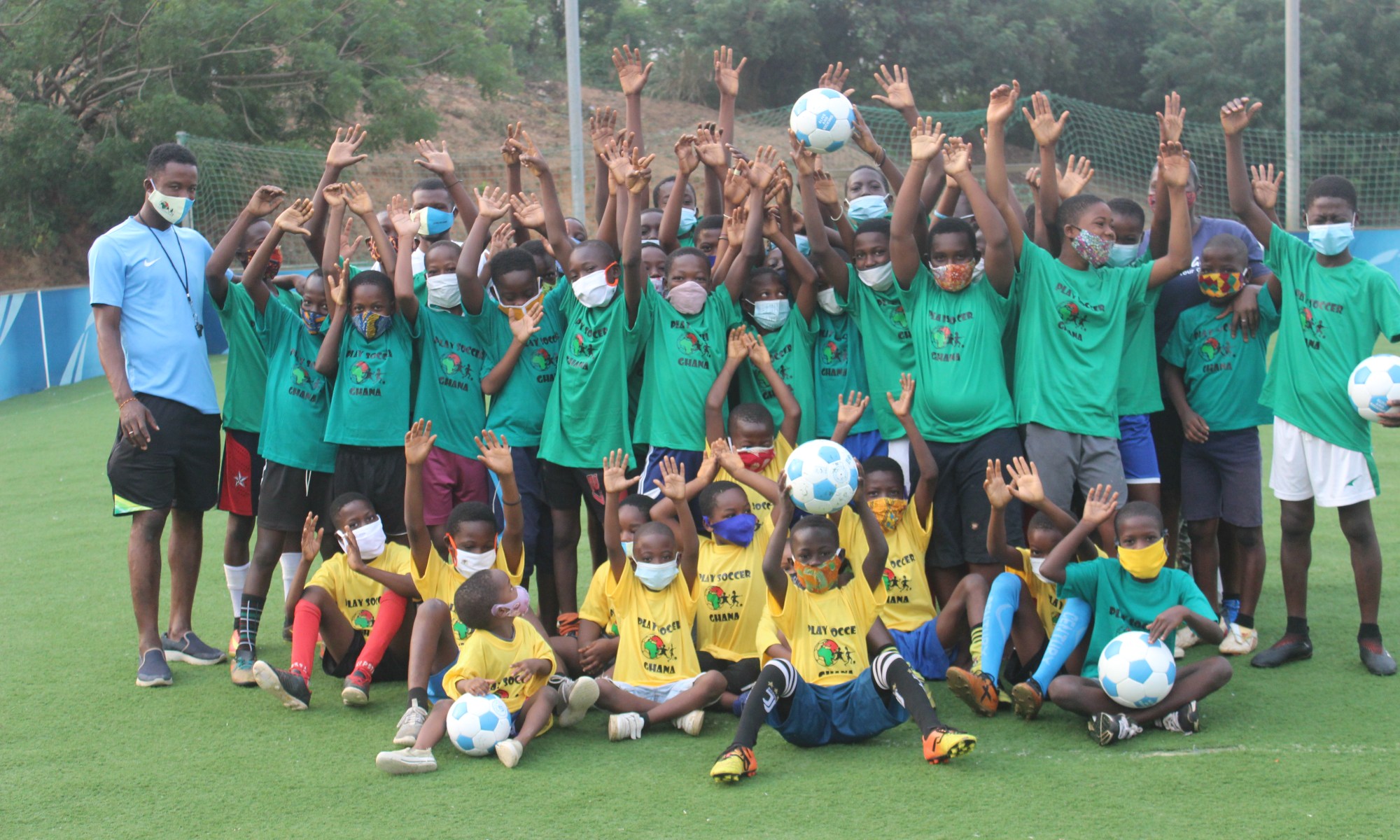
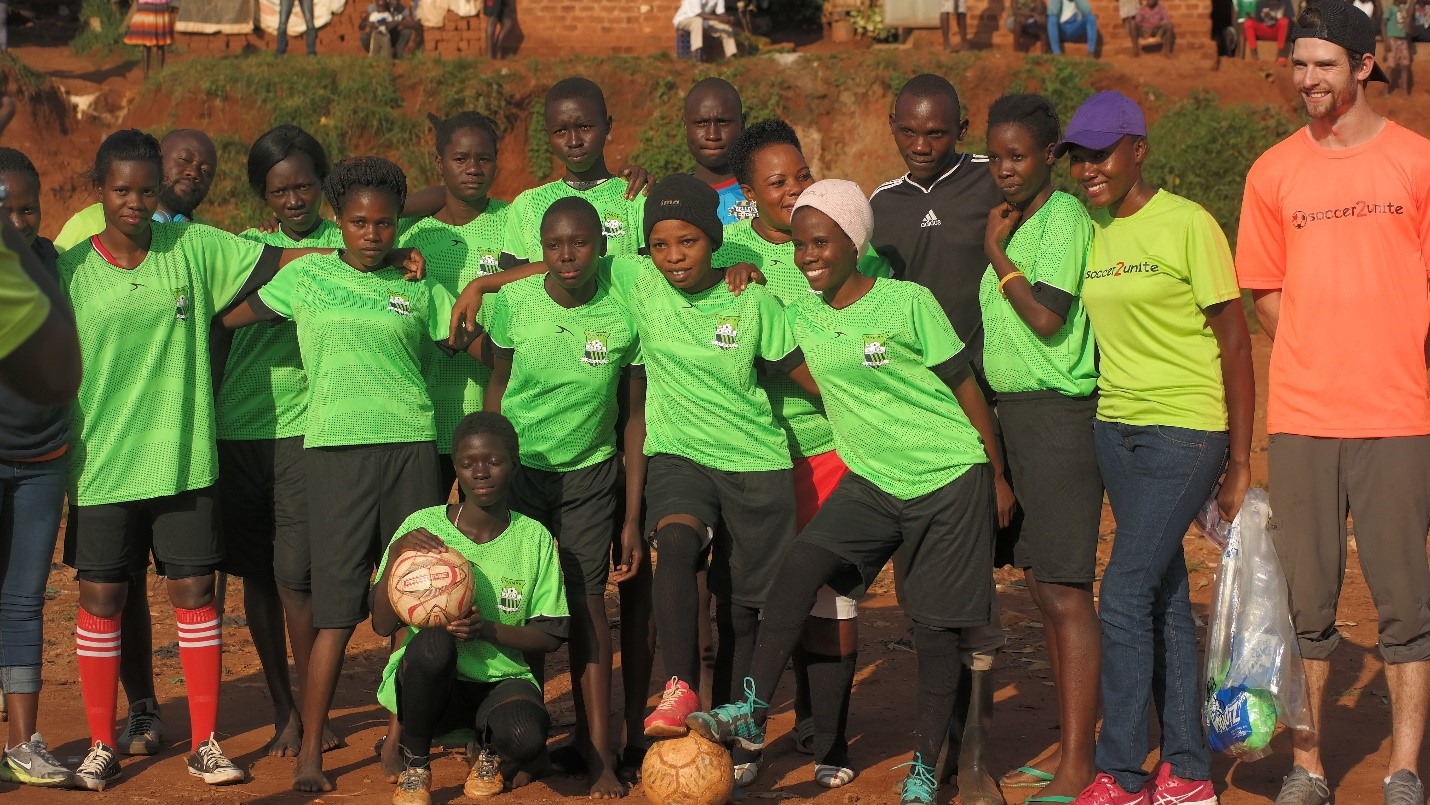
This programme harnesses the unique appeal of football for community development by creating learning opportunities for children between the ages of 5 and 15 to improve their life skills, health and playing ability. Besides applying the football3 philosophy, the programme collects used plastic bags that are knitted into goal nets. The project will be run in 11 satellite communities in six regions for 12 months, reaching a total of 880 beneficiaries.

Objectives

Children will gain additional learning opportunities through ‘play for fun’ and ‘learn for life’ (PFFLFL) sessions to learn more about good health, develop life skills and apply the knowledge they acquire to real-world problem-solving.

The children will sort plastic bags used in their homes and schools which will then be knitted into goal nets.

The football3 philosophy will be used to teach fair play, equality and participation of girls in soccer.

Project activities

  • Coaches will be trained to use the PFFLFL curriculum to educate the children in life skills, health and football;
  • Beneficiaries will take part in weekly PFFLFL sessions;
  • Youngsters will be trained how to re-use plastic bags to produce goal nets and promote clean cities;
  • football3 matches will teach children about fair play and avoiding discrimination.

Expected results

  • 33 coaches will learn how to use football activities to promote learning;
  • 880 children in six regions throughout Ghana will benefit from PFFLFL activity sessions to improve their life skills, health and football;
  • 200 households will sort their plastic waste and plastic bags will be knitted into goal nets;
  • football3 matches will teach children about the need for inclusion, fair play and gender equality.

Partner

Alakäläwa GOLEES

Location and general information

Closed
Location Costa Rica
Start date 03/01/2022
End date 03/01/2024
Cost of the project €72,304,79
Foundation funding €50,707,71
Project identifier 20211137
Partners Fundación GOLEES
Categories Access to Sport - Gender Equality - Personal development

Context

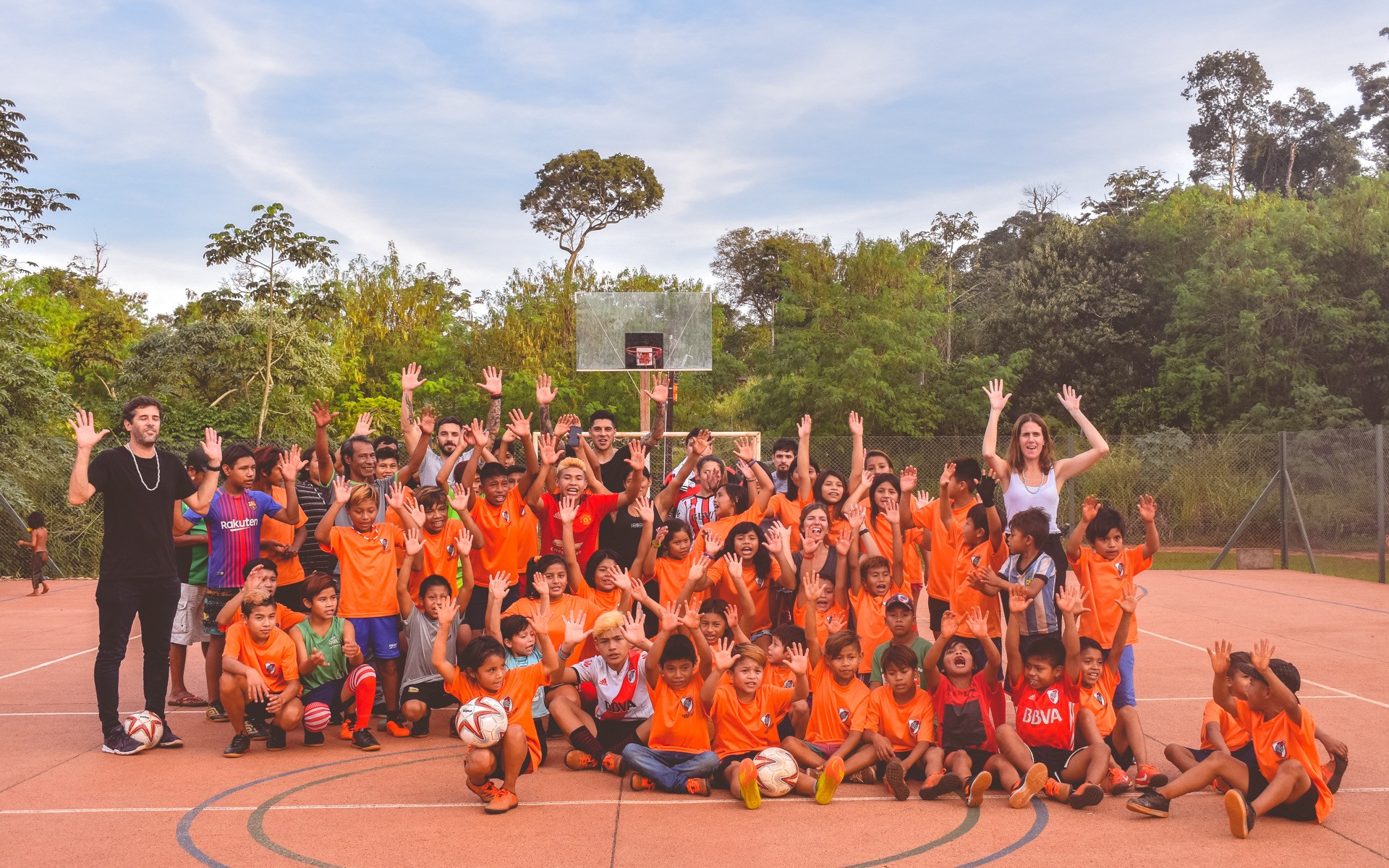
Many young girls in the Cabécar Tjai indigenous community in Costa Rica want to play football, but the community lacks coaches, training and organisation. Football is an expression of freedom for the girls who live in a context where there is a lack of information regarding the rights of young girls and high levels of teenage pregnancy and unhealthy relationships.

Project content

In alliance with community’s women leaders, this project promotes opportunities for indigenous girls to play football. The GOLEES methodology allows social and gender issues to be addressed, while respecting the community’s worldview. The community football field becomes a space that promotes equality, freedom and female empowerment, turning female players into agents of personal, family and community change defending their right to play football and their right to live a life free from violence.

Objectives

  • Create an educational sports space that promotes female empowerment and reinforces the autonomy, self-esteem and identity of the players;
  • Create a structure of female football teams from various indigenous communities and provide the tools for their gradual self-management;
  • Make girls aware of their human rights in order to reduce the levels of teenage pregnancy and unhealthy relationships.

Project activities

  • Educational sports camps: football fundamentals training, joint creation of monthly training plans, exercises linked to social and gender themes;
  • Intercommunity tournaments: mixed (boys and girls) tournaments based on the football3 methodology Intercultural; tournaments: tournaments  with other GOLEES players from urban areas to facilitate cultural exchange.

Expected results

  • 18 educational sports camps with 40 female players aged 12–19;
  • Two intercommunity tournaments with 120 male and female players;
  • Two intercultural tournaments with 120 female players.

Partner

Safer Play – Safeguarding in Sport for Development

Location and general information

Closed
Location Worlwide
Start date 03/01/2022
End date 05/31/2023
Cost of the project €140,044
Foundation funding €140,044
Project identifier 20210464
Partners Streetfootballworld
Categories Access to Sport - Children with disabilities - Conflict victims - Gender Equality - Strengthening partnerships
Context

Throughout the world, more and more organisations are using sport as an effective development tool to meet targets related to education, social inclusion, child protection and empowerment. However, it must be accompanied by high-quality safeguarding training and robust safeguarding practices at all levels.

In 2021, the UEFA Foundation for Children and streetfootballworld took the lead in the sport-for-good sector by launching an online safeguarding course. A five-track training programme was developed in collaboration with experts to educate, support and raise the awareness of coaches, volunteers and everyone working in the sport-for-good sector.

Project content

In 2022, the online training programme will be refined and adjusted to the specific needs of those working with at-risk children and adults. All the content will be made available to all sport-for-good organisations worldwide with the aim of nurturing a global culture of mutual support in the safeguarding sector. The ‘do no harm’ principle will be at the core of each sports-based activity and regional, contextual and cultural specificities will be taken into account.

Objectives

The overall goal is to minimise intentional and unintentional harm to vulnerable groups, especially children, in sport-for-good contexts. This will be achieved by building on UEFA’s previous safeguarding initiatives to develop a certification course for all practitioners working with children and at-risk youth and with adults within the sport-for-good sector. The knowledge and training track will benefit from local expertise by engaging sport-for-good organisations working closely with children in their communities.

Project activities

  • Refining and scaling up the existing sport-for-good safeguarding certification course to reach new organisations with the aim of obtaining feedback and making further improvements and thematic additions;
  • Boosting organisational capacity by developing tools and providing workshops on organisational safeguarding structures.

Expected results

  • 150,000 at-risk youngsters will be reached indirectly by the ten organisations that complete the online certification programme and attend the organisational safeguarding workshops;
  • 150 new coaches and other sport-for-good practitioners, including youth leaders and counsellors, from ten new organisations will complete the online certification programme and take part in the workshops, gaining a qualification in safeguarding and building knowledge and skills relating to child protection;
  • The updated course will be disseminated to all of the 154 organisations in the streetfootballworld network, indirectly benefiting a total of 1.3 million at-risk youngsters.

Partner

Live together II

Location and general information

Closed
Location Türkiye and Syria
Start date 01/01/2022
End date 10/30/2022
Cost of the project €200,000
Foundation funding €200,000
Project identifier 20210900
Partners Bonyan Organization for Youth and Development
Categories Access to Sport - Children with disabilities - Conflict victims - Gender Equality - Infrastructure and equipment - Personal development

Context

The Syrian refugee crisis remains the largest humanitarian and development crisis in the world. Across the five main Syrian-refugee hosting countries, over 10 million people need some form of humanitarian and resilience support, the highest number in nearly a decade. This includes 5.5 million Syrian refugees and 4.8 million impacted host community members.

The key underlying issues are large-scale protracted displacement, socio-economic conditions, COVID-19 and demographic pressures. Türkiye currently hosts approximately 3.6 million refugees, the majority of whom live out-of-camp, integrated into host (Turkish) communities in cities and villages. Both communities therefore share the same environment and resources.

Project content

The Live Together II project is a continuation of the 2019 Live Together project. Work will be done in schools to disseminate and mainstream football3 culture among teachers, who in turn will pass it on to the children. Capacity-building courses will be held, playgrounds rehabilitated and brochures, guidebooks and sports supplies distributed.

Children with special needs will also be included in the sports activities. Girls’ and boys’ football teams will be set up to involve girls in sports activities, with the hope that this will lead to wider inclusion of girls within the community. The project volunteers will receive training on child protection principles, awareness of child protection issues, the promotion of children’s rights and health tips to prevent the spread of COVID-19.

Objectives

The project’s overall goal is to use football as a tool for building peaceful coexistence, as well as to improve the sports infrastructure in schools in the border towns of Akçakale in Türkiye and Tal Abyad in Syria.

Project activities

  • Playground rehabilitation: Playgrounds in five schools – in each country - will be rehabilitated so that children attending and living near the school can play sports, which will improve their life skills and promote peaceful coexistence.
  • Teacher capacity-building: The teacher training programme will last four days and focus on mainstreaming the football3 methodology as well as other social cohesion activities that can be integrated into classwork.
  • Capacity-building for youth mediators: Youth mediators will volunteer as coaches in the football3 leagues. They will prepare and facilitate the football3 sessions, mediate any conflicts arising between the teams and act as positive role models for the children.
  • Running football3 leagues: Football3 leagues will be set up: one in Türkiye and one in Syria. All teams will include both Turkish and Syrian children. Children will play in a safe environment where they will have fun, learn life skills and build their resilience. The volunteer coaches will discuss well-being with the children to provide them with psychosocial support.

Expected results

  • Playgrounds will be rehabilitated in five schools in Türkiye and Syria.
  • 100 teachers will be provided with training on football3 and sports for children.
  • 240 children will take part in football3 games in Türkiye and Syria.
  • 80 young people will play an active role in their communities and receive training on football3 methodology, leadership and conflict resolution.

Partner

Social integration of street children through sport

Location and general information

Terminé
Location Ethiopia
Start date 01/01/2022
End date 12/31/2022
Cost of the project €98,320
Foundation funding €63,000
Project identifier 20210272
Partners Busajo NGO
Categories Access to Sport - Employability - Gender Equality - Personal development

Context

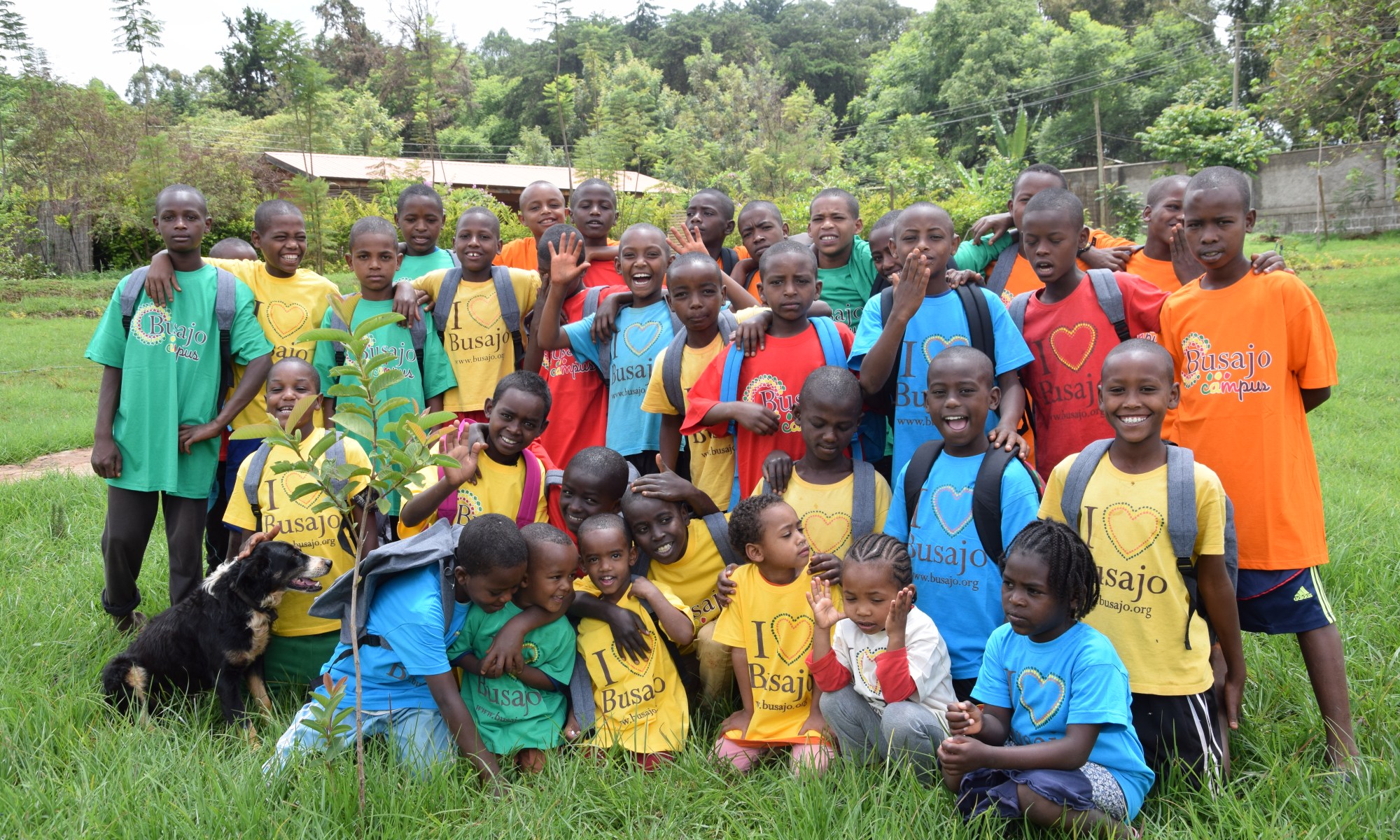
Busajo Campus is a social and educational project aimed at street children living in the Ethiopian city of Sodo and the surrounding rural areas. It is estimated that there are about 3,000 street children in Sodo.

The ultimate goal of Busajo Campus is to reintegrate street children into their families and society. The project focuses on helping the girls and boys to become more autonomous and self-sufficient by investing in their cultural, educational and professional growth – something which in turn favours the social and economic development of the wider community.

Busajo Campus promotes both vocational and psychological support as the best way to guarantee the children a better life of social integration and to fight the poverty in which they live, helping them to regain confidence in their future. Sport is also promoted as an educational activity that supports physical and emotional growth and a social activity that teaches the rules of coexistence and community.

Busajo Campus guides the children through a path of recovery that is initially physical and then psychological, emotional and attitudinal helping them become happy children now and agents of sustainable development in their country in the future. However, the current workshops are no longer sufficient for training needs and to support the economic sustainability of the Campus.


Project content

The support of the UEFA foundation will enable Busajo Campus to create two new workshops and enhance its professional courses to increase vocational training and job opportunities for participants.

The new workshops in tailoring/weaving and carpentry will allow the young people to learn indoors during the rainy season. Two new buildings will provide the space and machinery for them to improve their technical skills, giving them the opportunity to start their own businesses with minimal capital and to specialise in quality craftsmanship which is in high demand in Sodo.

The young people’s soft skills will be improved through educational sports activities including an ‘Olympic Games’ for children that will take place on the campus sports field.

Objectives

  • Increase the potential of the campus by expanding the workshops.
  • Enhance young people’s technical skills, in tailoring/weaving and carpentry, giving them an opportunity to start their own business and develop quality craftmanship, which is in high demand locally.
  • Increase the economic sustainability of the campus by enabling the sale of self-produced goods.
  • Increase young people’s soft skills through sports.

Project activities

  • Constructing the buildings for the new workshops.
  • Delivering four professional training courses (in bamboo carpentry, soap-making, bakery and tailoring/weaving).
  • Providing start-up support to help young people set up their own businesses upon completion of their training.
  • Holding ‘Olympic Games’ for children to promote equal opportunities and socialisation.
  • Coordination, monitoring and communication.

Expected results

  • Two new buildings which will improve the professional training offered by Busajo Campus and improve its economic sustainability.
  • Four professional training courses for 20 boys and girls aged 15–20.
  • Start-up assistance for four self-employed businesses for young people who have finished their training.
  • Informal educational sports activities for 60 young people on campus to promote equal opportunities for girls and boys and integration between children residing on the campus and the community.

Partner

Education, empowerment and employability for girls

Location and general information

Closed
Location Pakistan
Start date 01/01/2022
End date 12/31/2023
Cost of the project €360,000
Foundation funding €150,000
Project identifier 20210338
Partners Right To Play
Categories Access to Sport - Employability - Gender Equality - Personal development

Context

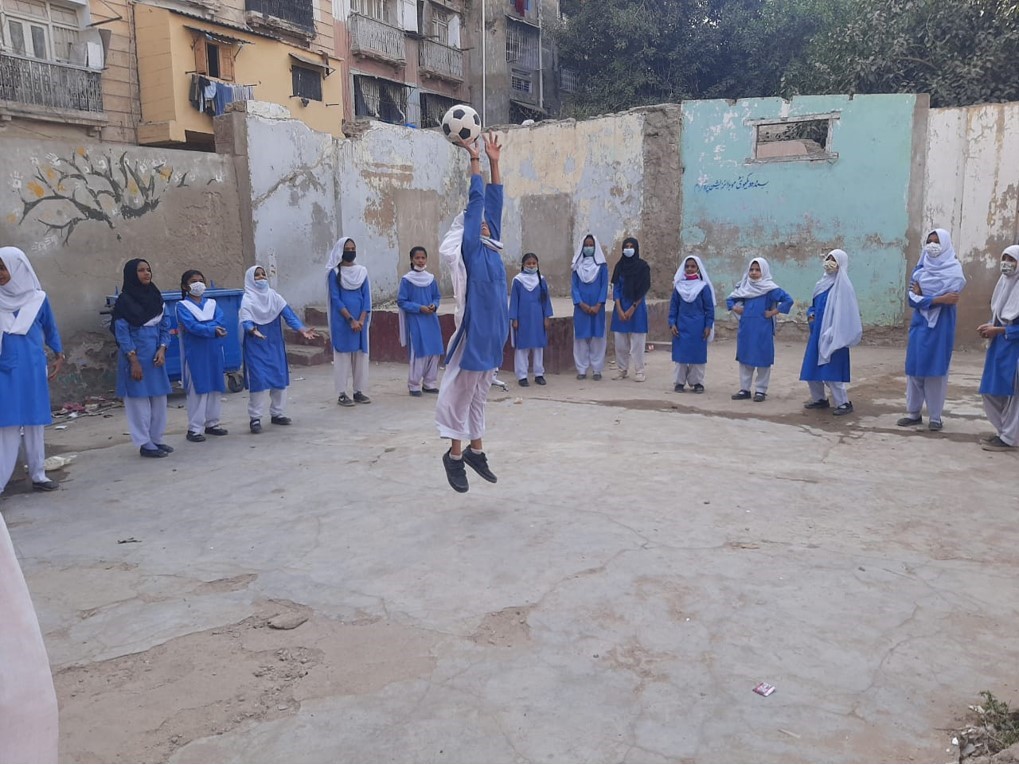
Pakistan is at the bottom of international rankings on quality, equity and access to education. Children and young people living in urban slums are among the most vulnerable, with COVID-19 aggravating the situation, especially for girls.

According to the national 2021 Annual Status of Education Report, as schools reopened after COVID-19 closures, dropout by girls increased by 5% in primary schools and 10% in secondary schools. Additionally, the participation of girls in employability training in technical and vocational institutes fell by 25% in comparison to 2019.

Of the 12 million home-based workers in Pakistan, 80% are estimated to be women – the majority of whom faced pay cuts and layoffs due to a slowdown in economic activity. This illustrates the need for tailored programmes that focus on education and employability skills for girls to help them secure better jobs and retain them in the wake of such crises.

Project content

Education, empowerment and employability are the core objectives of the Goal project, which aims to equip girls with the knowledge and skills they need to build better futures for themselves and their communities.

The project includes:

  • a girls’ education and empowerment module focusing on self-awareness, health and hygiene, girls’ rights, and financial literacy;
  • football, basketball and volleyball sessions carefully designed in line with a sport for development (SFD) approach to teach social, physical, cognitive and emotional life skills alongside athletic skills.

Objectives

The two-year project focuses on empowering 18,000 girls aged 11–16 in 70 public schools in Karachi and Islamabad to exercise agency over their bodies and lives. It aims to achieve this by creating greater access to sport and play opportunities and by teaching financial literacy, employability, leadership and essential life skills.

Project activities

  • Training of volunteer coaches and physical education teachers in the Goal curriculum, football for development, gender equality, inclusion and child protection.
  • Regular sport and play-based sessions in schools conducted by trained coaches and teachers.
  • Sports tournaments, training camps, and thematic ‘play days’ to create awareness and dialogue in the community.
  • Junior leader clubs: select young people are helped to create school clubs and take the initiative to improve their school environment, assist coaches and encourage peer-to-peer learning.
  • Provision of equipment and rehabilitation of play spaces to facilitate safe and inclusive sessions in schools.

Expected results

  • Improved life skills (confidence, communication, leadership, decision-making, etc.) in 70% of girls.
  • Improved knowledge of budgeting, saving and other financial concepts in 70% of girls.
  • Ability to identify career goals and a better understanding of the trajectory towards strengthening their employability skills in 50% of girls.
  • Improved ability to take decisions related to agency over their bodies and lives in 40% of girls.

Partner

Positive Futures

Location and general information

Closed
Location Northern Ireland and Republic of Ireland
Start date 12/01/2021
End date 12/31/2022
Cost of the project €100,000
Foundation funding €50,000
Project identifier 20210469
Partners Rio Ferdinand Foundation
Categories Access to Sport - Employability - Gender Equality - Personal development

Context

Inequality & hate crime are rising issues in Northern Ireland & Ireland, with border towns between the two particularly at risk with relocation of migrant communities & refugees into small towns adding to existing tensions following the exit of the UK from the EU. Young people are particularly vulnerable, with tensions between communities over national identity coupled with organised criminality operating cross border leaving them at risk of participating in/being victims of negative behaviours.

Project content

This project will build community cohesion and tackle racism and xenophobia through the empowerment of young people from disadvantaged and vulnerable communities in Ireland / Northern Ireland – including those suffering economic disadvantage, racism and prejudice. We will use our project to enhance the skills, confidence and opportunities available to young people and drive a message of respect, inclusion and working together to create safer, stronger and more inclusive communities.

Objectives

This project will create an environment for young people to work together to:

  • Create spaces & opportunities for enhanced cultural understanding & to tackle the negativity of racism & xenophobia.
  • Improve the confidence, skills & experiences of young people to enable & empower them to take a lead role in delivering a message of inclusion, equality & respect in their communities.
  • Create long lasting friendships and networks across communities and cultures to tackle social exclusion and prejudice.


Project activities

  • Football coaching/games/tournaments bringing people together across communities/borders.
  • Workshops improving confidence, mental health/wellbeing, addressing issues of prejudice/racism/hate crime, including current/former players sharing lived experience.
  • Accredited training building skills, opportunities & networks.
  • Youth led social action projects promoting cohesion & inclusion.
  • Pathways into further education, training & employment for young people from vulnerable & excluded communities.


Expected results

The Positive Futures project will:

  • Engage 250 young people from disadvantaged and vulnerable communities in regular sporting activity.
  • Support 150 young people in personal development workshops and mentoring.
  • Train 100 young people in accredited vocational qualifications.
  • Deliver 4 youth led community cohesion events to bring communities together.

Partner

Football in Rissani

Location and general information

Closed
Location Morocco, Rissani
Start date 01/01/2022
End date 12/31/2022
Cost of the project €60,000
Foundation funding €30,000
Project identifier 20210570
Partners Association Enfants du Désert
Categories Access to Sport - Gender Equality - Infrastructure and equipment

Context

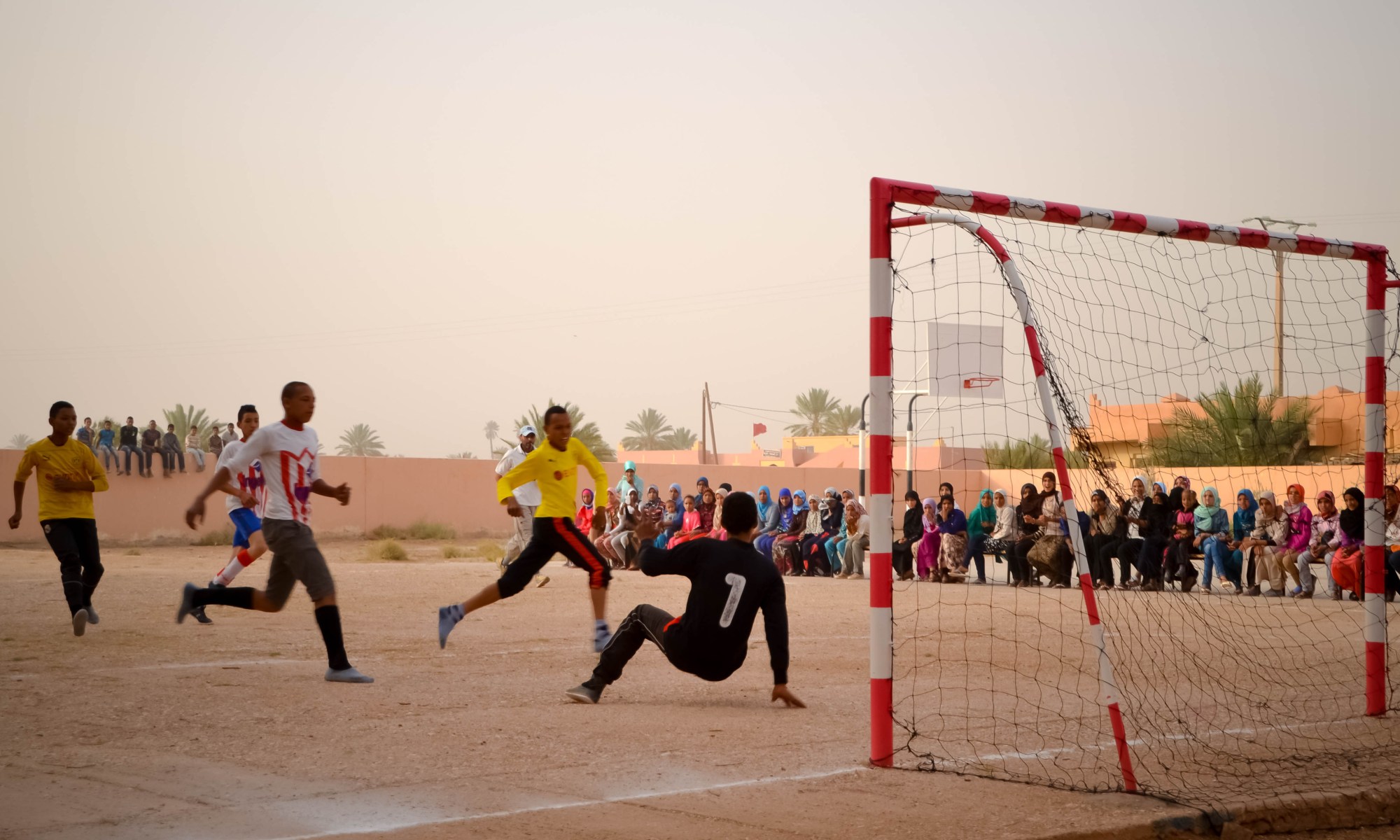
The population of Rissani, a town in the Moroccan desert, has risen enormously over the past ten years; however, the town’s infrastructure has not kept pace. While there are some dynamic clubs that try to provide underprivileged youngsters with access to sport, the lack of funding and decent equipment means that they do not have the facilities they need. The Football in Rissani project was launched to overcome this issue and enable all youngsters, both girls and boys, to enjoy the advantages of sport.

Project content

The Football in Rissani project will build a dedicated sports area in two locations in the town, consisting of an enclosed football pitch, equipped changing rooms, toilets and running water. Playing equipment (balls, bibs, cones, etc.) will also also provided. The facilities will be built by a team of local builders that Enfants du Désert has been working with for 17 years.

Objectives

  • Give youngsters from underprivileged families access to sport.
  • Encourage boys and girls to mix while enabling girls to enjoy sport in a suitable, safe environment.
  • Provide extracurricular activities for young people.
  • Promote education through sport by exposing young people to values such as team spirit and tolerance while. promoting trust and self-confidence.
  • Support the activities of sports clubs.
  • Encourage socialisation among young people.

Project activities

  • Building infrastructure (pitches, changing rooms, toilets, enclosure).
  • Providing two local clubs with equipment.
  • Weekly training sessions in partnership with two local sports clubs.
  • Organising friendly tournaments and open days to encourage more youngsters to discover and take up sport.

Expected results

  • Reduced inequalities through extracurricular activities.
  • Reduction in inappropriate behaviour among teenagers due to their enthusiastic participation in the activities giving. them a sense of belonging and achievement.
  • More youngsters regularly taking part in local life and sport thanks to the new facilities.
  • More girls taking part in sport.

Partner

My time, my future

Location and general information

Terminé
Location Ecuador, Yacuambi
Start date 01/10/2022
End date 01/10/2023
Cost of the project €33,804
Foundation funding €33,804
Project identifier 20210800
Partners Fundación Humana Pueblo a Pueblo
Categories Access to Sport - Gender Equality - Infrastructure and equipment - Personal development

Context

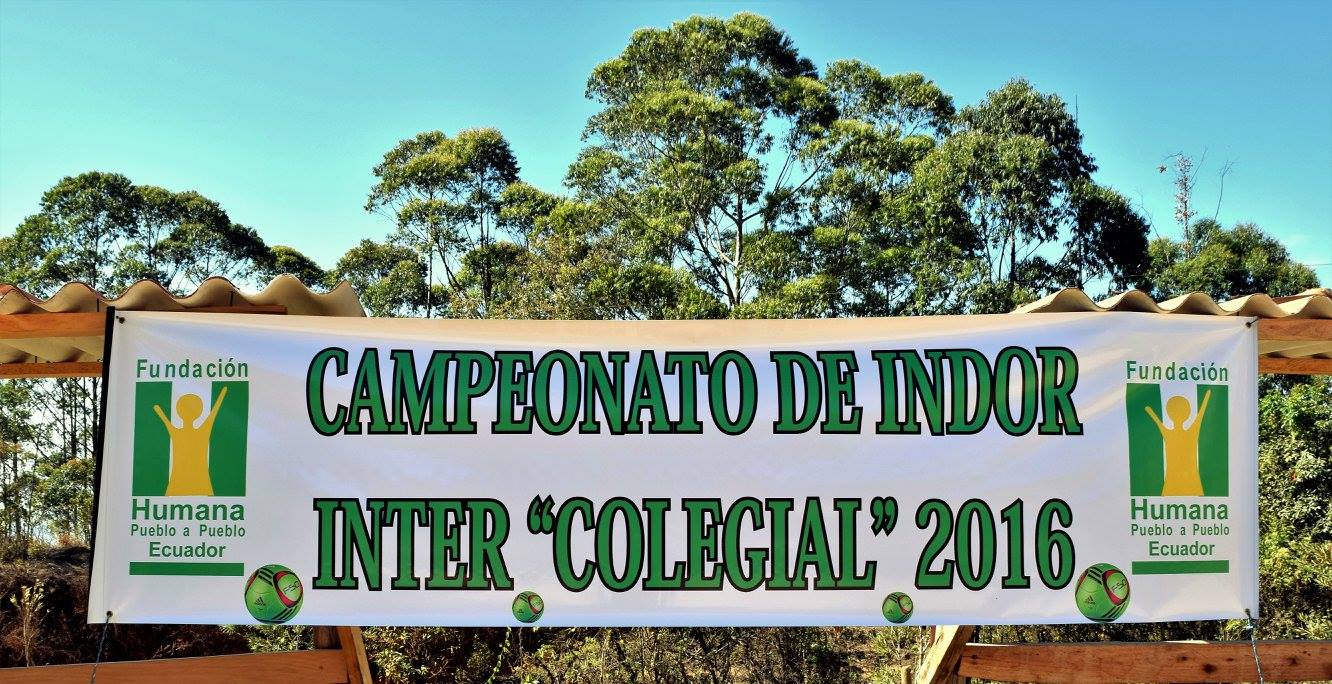
FHPP-E helps children and young people play an active role in society through cultural, sporting and educational activities. Children and young people in the Yacuambi municipality in the Ecuadorian Amazon do not have adequate recreational spaces to have fun and develop their motor skills, often leaving them exposed to drugs and child labour. Child labour has a negative impact on children’s cognitive, emotional and social development, affecting their quality of life and mental health, and leaving them vulnerable without the tools they need for the future.

Project content

Regularly playing a group sport has been shown to promote social development and good health, as well as build character, discipline, decision-making skills and rule compliance, benefiting all areas of daily life. To counteract the lack of emphasis placed on extracurricular activities at school, the project seeks to get local actors involved in developing sports and football training activities for children aged 8–18 in Yacuambi municipality. The aim of the project is to provide an environment that allows the children to develop both physically and psychologically, as well as improve their social skills.

Objectives

  • To develop the motor, sports and life skills of 100 children and teenagers through the promotion of education and physical activity as a universal right.
  • To promote the practice of football as an inclusive and effective tool in improving physical and mental health.

Project activities

  • Technical and tactical football training and practical and audiovisual workshops.
  • Training in leadership, self-esteem, values, conflict resolution, a culture of peace and teamwork.
  • Creation of murals on caring for the environment and the rights of children and teenagers.
  • Improvement of sports spaces through community action.
  • Selection of the best participants through micro-cycles.
  • Technical and tactical macrocycles and physical preparation.
  • Organising and participating in local (intercommunity), national (indigenous league) and international (binational Ecuador-Peru tournament) tournaments.

Expected results

  • At least 80% of the children are technically, physically and tactically trained in football.
  • At least 80% of the children are trained in leadership, self-esteem, values, conflict resolution, a culture of peace and teamwork.
  • At least 60% of the children participate in creating murals about the environment and children’s rights.
  • At least 80% of the children participate in physical activities and education.
  • At least 40% of the children are selected for teams.
  • At least 60% of the children participate in technical and tactical macrocycles, physical preparation and goalkeeping.
  • At least 40% of the children participate in local, national and international tournaments.
  • 100% of the children participate in the opening and closing events of the project.


Partner

Youth Sports Games 2022

Location and general information

Terminé
Location Croatia, Bosnia & Herzegovina, and Serbia
Start date 01/01/2022
End date 12/31/2022
Cost of the project €5,035,000
Foundation funding €250,000
Project identifier 20210447
Partners Association for Sport, Recreation and Education – Youth Games
Categories Access to Sport - Gender Equality

Context

The Youth Sports Games started in 1996 in Split, Croatia. The primary motive was to enable children to participate in organised sporting events and other free activities. The Youth Sports Games have become the largest amateur sports event for children and young people in Europe. More than 2 million children have competed in the 25 years since they began.

The games are held in three countries: Bosnia and Herzegovina, Croatia and Serbia. Primary and secondary-school children compete in ten sports disciplines free of charge, and the most successful individuals and teams get to travel to Split to take part in the international finals.

In addition to the games, the association organises regular sports and recreational activities for children, to promote health, tolerance and ethical values. The association promotes a lifestyle based on understanding, friendship, solidarity and fair play as an alternative to addiction and deviant behaviour.

Project content

Sport is used as a medium to connect with the participants aged 7–18 through tournaments held in over 300 cities in Bosnia and Herzegovina, Croatia and Serbia. The Youth Sports Games promote a healthy lifestyle and help to increase the popularity of all ten sports (football, street basketball, handball, volleyball, beach volleyball, tennis, table tennis, chess, dodgeball and athletics), as well as educating the children about sustainability.

Objectives

In 2021, a total of 214,852 children took part. The objective for 2022 is to have 220,000 children compete: 80,000 in Croatia, 50,000 in Bosnia and Herzegovina and 90,000 in Serbia, and for 30% of the participants to be girls. The association also aims to develop football tournaments for girls and to be a preferred choice for young girls aged 12–15 years.

Project activities

From January to August 2022, local tournaments will be held in the three countries, then national finals followed by the international finals in Split, Croatia. There will also be marketing activities, such as promotional campaigns, digital media activities, PR activities, live TV broadcasts and a TV show in each country.

Expected results

  • Football tournaments with a total of 110,000 participants.
  • 35 girls' football tournaments for a total of 11,000 young players aged 12–15.
  • Tournaments in the nine other sports (street basketball, handball, volleyball, beach volleyball, tennis, table tennis, chess, dodgeball and athletics) with a total of 110,000 participants.

Partner

Together we live, learn and play

Location and general information

Closed
Location Spain
Start date 01/01/2022
End date 12/31/2022
Cost of the project €144,468
Foundation funding €18,805
Project identifier 20211045
Partners Asociación Alacrán 1997
Categories Access to Sport - Gender Equality - Personal development

Context

The Asociación Alacrán 1997 works in the Hortaleza district of Madrid. There is significant inequality between neighbourhoods in the Hortaleza district. Around 2,500 households live below the poverty line and struggle with housing, employment or resources. Children and teenagers living in these families face serious challenges that affect their personal and social development.

Project content

The project helps children in vulnerable situations acquire skills and positive values as a protective factor against risky behaviours and habits. The core activity is the football programme, which has a strong focus on the inclusion of girls. This gives children access to a free sports activity. The programme is complemented with socio-educational support and healthy leisure options.

Objectives

  • Protect children’s rights and alleviate the effects of poverty on girls and boys in the Hortaleza district.
  • Promote the personal and social development of girls and boys in the Hortaleza district, especially those at greatest risk and the most socially vulnerable.
  • Encourage girls to play football – a traditionally masculine space – as a way to combat prejudices and stereotypes.

Project activities

  • Football training focused on individual technical improvement and learning basic team play concepts, as well as the development of abilities, skills, attitudes and values.
  • Awareness and recruitment campaigns for girls.
  • Football tournaments.
  • Coach training.
  • Classes to help with school and teach study techniques.
  • Activities to promote group cohesion and conflict resolution.
  • Workshops to promote healthy habits and on specific topics such as sexuality, drugs and emotions.
  • Individualised follow-up.

Expected results

  • Girls and boys are encouraged to play sports
  • Girls and boys acquire or improve their abilities, skills and fundamental values
  • Increased school attendance among girls
  • Creation of an educational, protective and caring space for the participants
  • Upholding the participants’ right to equal opportunities in education by supporting them and counteracting their educational difficulties
  • Providing individual support to protect the participants and ensure their optimal development

Partner

Playing for Equality: Making Equality a Reality

Location and general information

Terminé
Location Cambodia, Phnom Penh
Start date 01/01/2021
End date 03/31/2022
Cost of the project €23,450
Foundation funding €23,000
Project identifier 20201165
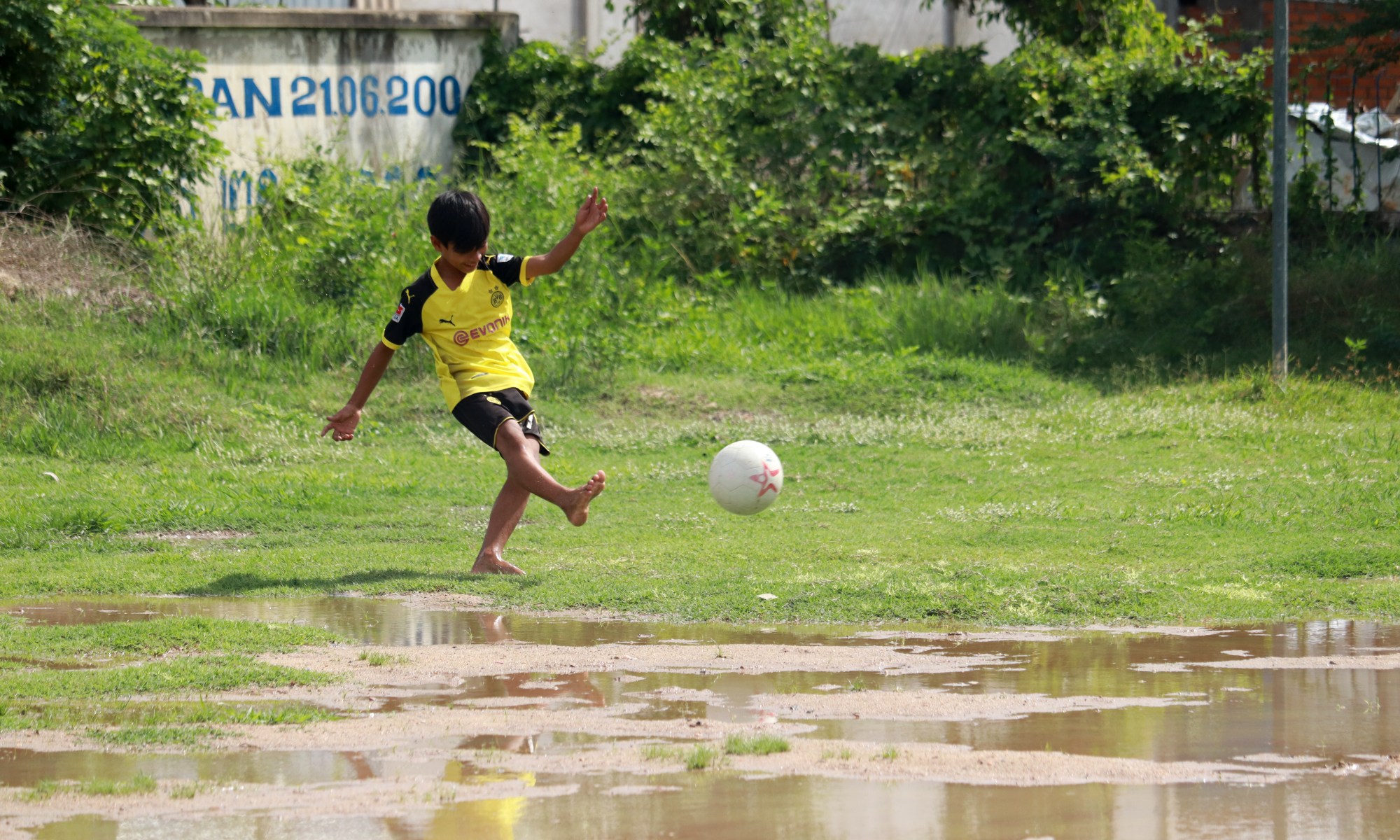
Partners Indochina Starfish Foundation (ISF)
Categories Access to Sport - Children with disabilities - Gender Equality - Personal development

Context

As Cambodia continues to recover from the impact of the Khmer Rouge’s destructive regime, corruption and inequality remain prevalent. 44% of children in Cambodia live in multidimensional poverty, experiencing barriers to childhood development such as malnutrition and poor sanitation. As a result, access to education and organised sports in disadvantaged communities is limited. This is especially the case for vulnerable groups such as girls and disabled children, who experience pervasive discrimination that often prohibits them from accessing their right to attend school and practice sports in safe environments. ISF Cambodia believes every child has the right to education, healthcare and play.

Project content

To challenge discrimination and promote the inclusion of minorities in sport, ISF Cambodia will partner with 15 schools and NGOs to provide football-for-good lessons to 300 children, including deaf and HIV-positive players. ISF’s experienced coaches will deliver ISF’s social outreach curriculum by using football-based activities to educate young players on gender equality, disability rights, and children’s rights. The project will culminate in a football festival that celebrates diversity and inclusion in sport.

Objectives

  • Increase youth access to sport across all genders and abilities.
  • Improve attitudes towards equal societies and inclusion in sport.
  • Provide a safe space for young people to explore social issues such as children’s rights, gender equality, disability and inclusion.
  • Empower girls and people with disabilities and HIV.

Project activities

  • Training ISF’s experienced coaches in ISF’s adapted social outreach curriculum, covering gender equality, disability rights, and children’s rights.
  • Delivering three sessions to 15 groups of 20 players – one group from each of the nine schools and six NGOs ISF will partner with.
  • Assessing changes in knowledge and attitude using comprehensive monitoring and evaluation tools.
  • Hosting a fun and celebratory football festival for all 300 players.

Expected results

  • 15 coaches will increase their capacity to deliver football-for-good sessions to players with a range of abilities.
  • 300 players will have greater access to organised sport activities.
  • 300 players will have a better understanding of minority rights and improved attitudes towards the inclusion of minorities in society and in sport.

Partner

Fun, Friends, Football camps

Location and general information

Terminé
Location Peru, Ayacucho, Quinua
Start date 01/04/2021
End date 05/30/2021
Cost of the project €81,322
Foundation funding €39,444
Project identifier 20201609
Partners Mama Alice
Categories Access to Sport - Conflict victims - Gender Equality - Personal development

Context

Mama Alice works with refugee children from Venezuela and Peruvian children growing up in extreme poverty.

There is little support or understanding among the Peruvian population for Venezuelan refugee children. Most Venezuelan children in Peru live in extreme poverty, which causes them a great deal of stress, which is then exacerbated by the discrimination they experience.

At Mama Alice, a professional and highly experienced multidisciplinary team guides both Venezuelan and Peruvian children towards a positive self-image and better social skills. All children participating in Mama Alice activities come from homes experiencing poverty, often accompanied by domestic violence, alcoholism, sexual abuse, poor hygiene and malnutrition. These problems have a major impact on educational performance and general well-being. When a child is never told that they are wanted and loved, the effect is devastating. Not only do they have poor self-esteem, but they also lack confidence in a better future. For some this leads to serious emotional or behavioural problems.

Mama Alice trainers and teachers are trained to recognise problems and refer children to social workers, nurses or psychologists. They see that their approach has a positive impact: children become happier, more confident and have better social skills. They also achieve better school results, make friends more easily and increase their problem-solving skills.

Project content

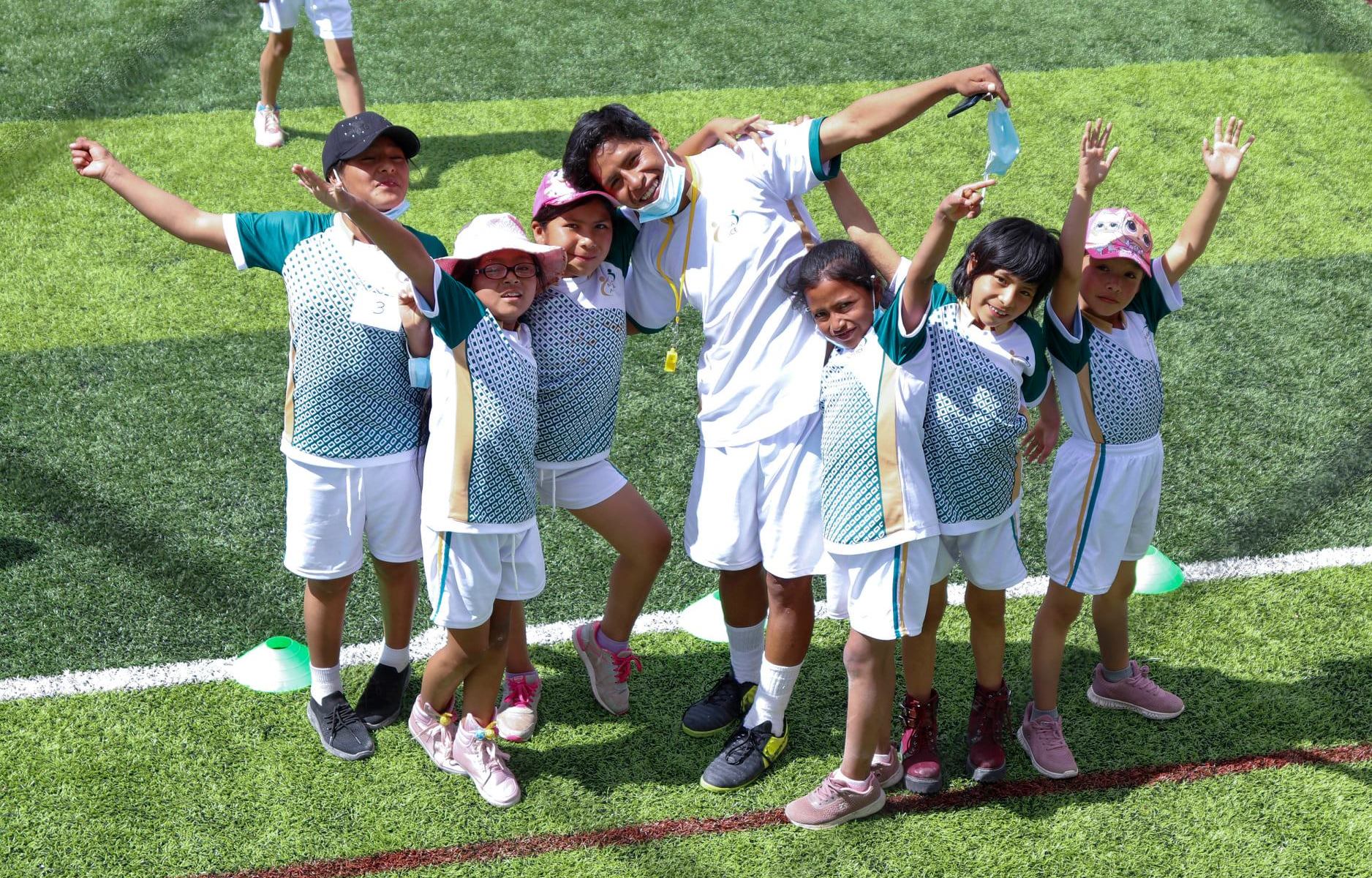
Mama Alice organises football camps for children living in extreme poverty and who are often from families with high levels of domestic violence, whether physical, psychological or sexual. Each camp is for 30 participants, divided into 3 groups of 10 (due to COVID-19 restrictions).

During the football camp, the children will not only improve their football skills, but they will also learn many new personal skills that should lead to significant personal growth.

A participation certificate and a photo book are given to the children at the end of the camp to ensure that they have lasting and proud memories. They may also share them via social media and with their friends and family.

Objectives

Overall objectives:

  • Peruvian and Venezuelan children develop more understanding and friendship.
  • They learn about nature and sustainability.
  • They learn about Peru’s history and culture.
  • They learn more about healthy food.
  • They have fun.
  • They have an unforgettable experience.

Specific objectives:

  • 90% of all participants show improved football skills.
  • 80% have improved self-esteem.
  • 90% show improved social skills.

Project activities

  • Football training : All trainers are trained in the Total Soccer Method by Igor Hameleers, the founder of several football schools in the Netherlands. Children take part in daily training, games and relaxation, which are adjusted depending on their level and motivation.
  • Creative activities: The Mama Alice teachers all have over ten years of experience in offering creative activities, especially for target groups with a negative self-image and no strong social skills. Through creativity and art, children also learn to express their feelings.
  • Wari cultural visit: Wari is an archaeological site in Ayacucho. The excavations show how the Waris (a people before the Incas) lived. Yasser, an archaeologist, guide and history teacher, tells interesting stories at the children’s level.
  • Quinua cultural visit: The last struggle for independence in all of Latin America was fought on the pampas of Quinua. The children visit an independence monument and a small museum at the site.
  • Psychosocial workshop: Mama Alice has been working with Peruvian children since 2005 and has developed a method that works well specifically for this target group. Interactive and playful workshops using this method create a safe environment in which children can express their feelings, gain a more positive self-image, understand themselves and others better, work together better and become stronger.
  • Health workshop: Activities are aimed at better personal hygiene, in order to prevent a number of diseases that are common in Ayacucho. Since 2020, prevention of COVID-19 has been added.
  • Musical games: Music therapist Frederique organises games to connect and relax the children and help those who cannot express their feelings easily.
  • Football match: At the end of each day a small 5 v 5 football match is played within the subgroups of 10 on small football pitches. On the last day, Saturday, there are three big matches between the different subgroups.
  • Presentation of the participation certificate: Every child receives a participation certificate and a printed photo book containing 20 photos of the camp, giving them wonderful memories of perhaps the best week of their lives so far.

Expected results

90% of all participants show improved football skills:

  • 90% know most rules.
  • 90% have a understandings of the game during a match.
  • 80% are able to receive a ball, pass it on and shoot at the goal.

80% have improved self-esteem:

  • 90% have more confidence in themselves, others and the future.
  • 90% are able to ask for help when they need it.
  • 90% are able to participate in all the different activities.
  • 80% are able to form their own opinions.

90% of participants show improved social skills:

  • 80% are more able to express their feelings.
  • 90% have learned to push their own boundaries.
  • 90% have learned to work and play together and to make friends.
  • 90% have increased their understanding of other cultures and backgrounds.
  • 90% have better personal hygiene.

Partner

Sports for Resilience and Empowerment Project (SREP)

Location and general information

Terminé
Location Uganda , Kampala
Start date 03/01/2021
End date 03/01/2022
Cost of the project €193,215
Foundation funding €144,911
Project identifier 20200410
Partners Aliguma Foundation
Categories Access to Sport - Children with disabilities - Conflict victims - Gender Equality - Infrastructure and equipment - Personal development

Context

Children make up 60% of the Ugandan population, and 55% of them are experiencing child poverty. Of the 270 million people in Africa living in slums, 2.4 million are in Uganda and 60% of them reside in Kampala. Acholi Quarters is one of the biggest slums in Kampala and is home to over 20,000 people. Children living in slums face deprivation, exclusion, vulnerability and lifelong difficulties linked to limited physical, psychological and intellectual development. They are exposed to violence, exploitation, abuse, neglect, child labour, trafficking, sexual exploitation and child marriage.

Project content

The Sports for Resilience and Empowerment Project (SREP) aims to transform the vulnerable Acholi Quarters community through sports and was a result of consultations between the Aliguma Foundation, the children’s families and caregivers and community leaders. The project targets girls, boys, women and other caregivers (including refugees and those with disabilities) living in Acholi Quarters. A sports facility equipped with basic training facilities will enable 850 women and other caregivers to gain skills to start and manage their own businesses, allowing them to take care of themselves and their families sustainably. The goal is to protect over 2,500 children from exploitation and enable them to go to school and delay marriage until the right time.

Objectives

  • Develop a sports training facility to develop the talent of children in Acholi Quarters slums.
  • Use sport and trade skills to empower 2,500 children and 850 caregivers to escape social and economic exclusion by 2021.
  • Improve the capacity of 200 trainers and coaches to manage and improve the talent and social behaviour of the children.
  • Create access to social and economic opportunities for women and their children.
  • Raise awareness about child protection and gender equality.

Project activities

  • Training and mentoring community-based volunteers, informal community trainers and coaches, linking them to schools and churches in the community and establishing a ‘children- to-coaches’ support network.
  • Community sports activities and events involving all demographics of the community for social, health and wellness as well as talent development purposes.
  • Installing and erecting goal posts and nets, fencing the sports facility, building toilets and changing rooms, and procuring balls and other training equipment.
  • Training caregivers in practical skills such as shoe making, jewellery, tailoring, fashion and design, cookery, house-keeping, child care, nutrition, phone repair, computer literacy, finance, business plans and business development.
  • Drafting user manuals, best practice briefs and articles and conducting research studies and project evaluation.

Expected results

  • A sports facility in Acholi Quarters equipped with decent basic training facilities, toilets and changing rooms.
  • 200 trainers and coaches able to manage the holistic development of children.
  • At least 700 women and other caregivers possessing skills needed to start and manage their own businesses and take care of themselves and their families.
  • 2,500 children aged 6–17 (1,800 girls and 700 boys) protected from exploitation and able to go to school and delay marriage.
  • Gender equality in Acholi Quarters promoted and improved through equal opportunities.

Partner

Blind Solidarity

Location and general information

Terminé
Location Mali, Bamako
Start date 01/02/2017
End date 12/31/2021
Cost of the project €100,000
Foundation funding €60,000
Project identifier 20200717
Partners Libre Vue
Categories Access to Sport - Children with disabilities - Gender Equality - Infrastructure and equipment - Personal development

Context

The Institut des Jeunes Aveugles, a school for blind children in Bamako, is home to 250 disabled children, where they live and study in difficult conditions. Since 2012, Libre Vue has provided a blind football programme to promote the schoolchildren’s access to sport and contribute to their personal development, health and inclusion.

Project content

The Solidarité Aveugle programme initially developed blind football at the school as a leisure activity for the children by creating a pitch and training coaches. Over time the programme has expanded to include other activities. Mali’s national blind football team was created out of the centre’s best players, coming 10th in the 2018 Blind Football World Championships and 2nd in the 2017 and 2019 Blind Football African Championships. The programme has also involved drilling a well to supply the school with drinking water, planting an organic vegetable garden to improve canteen food and raising public awareness about disability.

A total of 120 young people aged 6–20, 20% of whom are girls, take part in four weekly training sessions and have access to the Maison Cécifoot (home of blind football) equipped with showers and changing rooms.

Objectives

Despite the tragic events in Mali, over the past eight years Libre Vue has provided sports and solidarity activities for blind children with the support of its partners. The current objective is to upgrade its infrastructure with an artificial turf pitch that will allow the Solidarité Aveugle programme to become self-funding by organising events and hiring out the pitch.

Project activities

  • Operating the blind football centre in 2021: holding training sessions, providing sports equipment and mobility aids (white canes), organising exhibition matches and arranging public awareness raising events.
  • Installing an artificial pitch: importing the turf from France, building and under-pitch drainage system, installing the pitch, inaugurating the pitch.

Expected results

  • Improved playing conditions: replacing the dirt pitch will improve safety and enjoyment of the game and attract more children (25% more at the start of the 2021 school year).
  • Reach: coverage of the new facilities with help to publicise blind football in Mali and change attitudes towards disability (30% more followers on the Mali blind football Facebook page – 500 people more disability aware through blind football).
  • Elite level football: the pitch will be used by the national team for official matches or training (plan to hold a regional African tournament in 2022).
  • Funding: events, hiring out the pitch and the involvement of local partners will partially fund the activities (25% expected in 2022).

Partner

The Gazelles of Teranga

Location and general information

Terminé
Location Senegal, Gandon
Start date 04/01/2021
End date 12/31/2021
Cost of the project €61,000
Foundation funding €30,000
Project identifier 20200894
Partners Unis Vers le Sport
Categories Access to Sport - Gender Equality - Personal development

Context

The Unis Vers le Sport (UVS) street children’s reception centre was opened in October 2019 in the Senegalese municipality of Gandon. Equipped with sports facilities and employing qualified sports coaches, the centre, which is in a rural location, is surrounded by numerous public schools. For cultural reasons, most girls in the region do not participate in any sports activities, which leads to physical and mental health problems in adulthood.

Project content

The ‘Gazelles of Teranga’ project aims to invite 2,500 schoolgirls from the surrounding rural districts to take part in regular sports activities and fun, educational workshops designed to teach them about the health benefits of regular participation in appropriate sports activities. Their teachers also receive training in sports coaching and first aid so they can continue running these activities after the end of the project.

Objectives

  • Participation of around 2,500 schoolgirls in regular sports activities.
  • Participation of around 2,500 schoolgirls in workshops designed to raise awareness of issues relating to health, hygiene, diet and sport relevant to the local context.
  • Training of teachers in sports coaching and first aid to give them the tools they need to continue running sports activities after the end of the project.
  • Distribution of sports clothing as well as sports and first aid equipment to schools in the region.

Project activities

  • Each day, 50 girls are taken from nearby schools to the UVS centre by coach.
  • Between 08:00 and 10:00, the girls participate in a session comprising gymnastics and fun sports activities.
  • They are given a snack between 10:00 and 10:30.
  • Between 10:30 and 12:00, the girls attend workshops designed to raise their awareness of issues relating to health, hygiene, diet and sport.
  • Meanwhile, from 08:00 until 12:00, teachers receive training in sports coaching and first aid, with 12 sessions spread over a three-month period.

Expected results

  • Regular participation in sport becomes the norm for girls in the region.
  • The physical and mental health of the 2,500 or so schoolgirls participating in the project is improved.
  • The women in the region suffer from fewer health problems resulting from a lack of participation in appropriate sports activities.
  • Basic knowledge of issues relating to health, hygiene, diet and sport is acquired.
  • The teachers gain the knowledge and skills needed to continue running the sports activities after the project is over.

Partner