Let’s Play Outside!

Location and general information

Terminé
Location Chadyr-Lunga, Moldova
Start date 01/01/2021
End date 12/01/2021
Cost of the project €58,352
Foundation funding €47,000
Project identifier 20201372
Partners Football Association of Moldova
Categories Infrastructure and equipment

Context

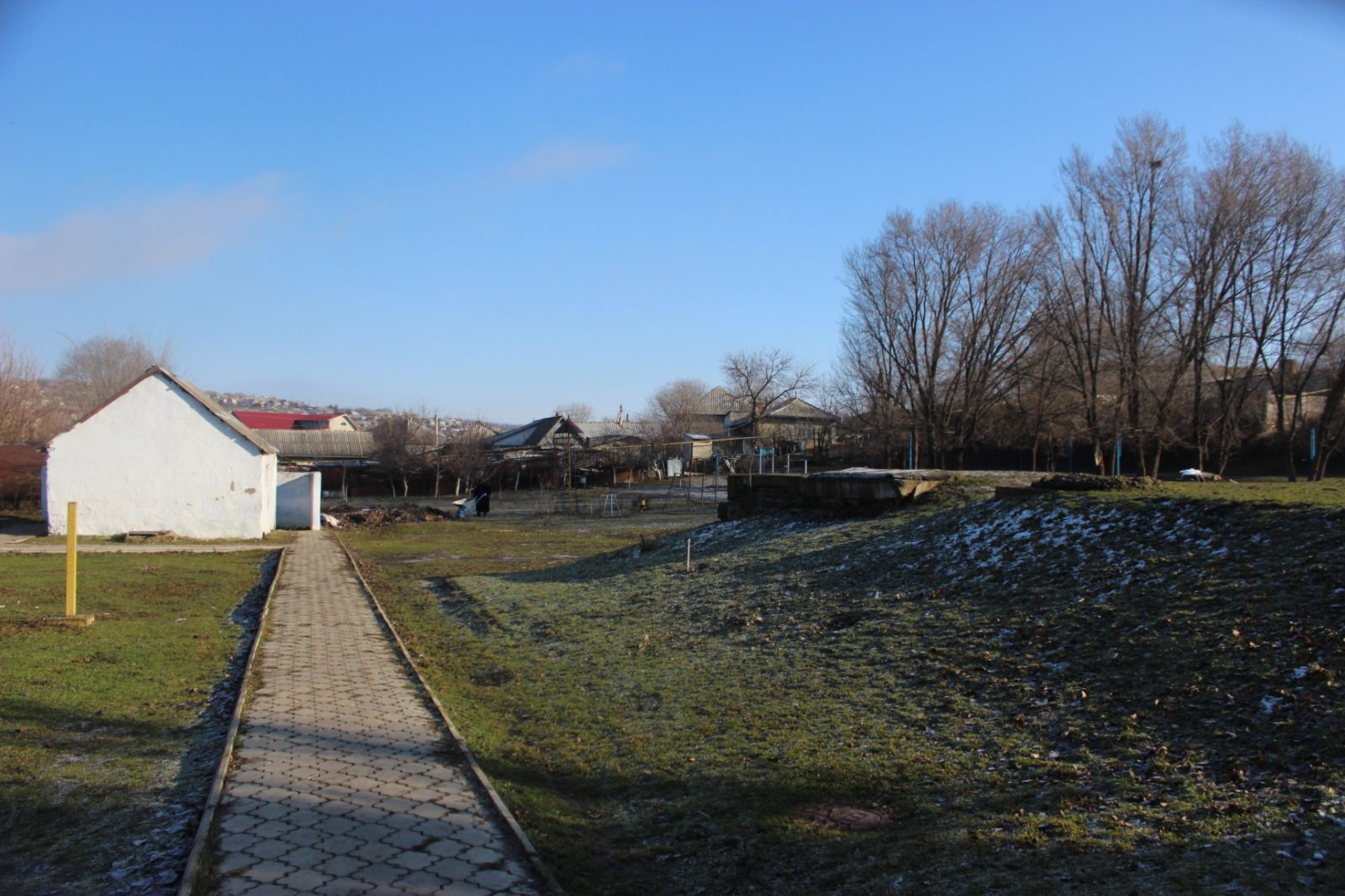
The target area in Chadyr-Lunga has a population of 4,000 (a quarter of the town’s population), but no modern sports facilities. The existing facilities are run down and the only large open space is the sports ground in the school yard that was created in 1985. The secondary school (Lyceum N2) has pupils with special educational needs and some of the pupils are orphans.

Project content

This project will create a football field at the Lyceum N2. In a survey, the local community, represented by parents, pupils and local residents, determined that the development of football facilities was a priority need to create a healthy next generation.

Objectives

The main objective is to provide young people with an alternative to computer games, television, alcohol and tobacco abuse and unhealthy relationships. The project hopes to help the young generation to maintain a healthy lifestyle.

Project activities

  • Constructing a mini-football field for children to allow them to play sports and improve their quality of life
  • Organising extracurricular activities for children

Expected results

  • Access to sports for 700 children from the Lyceum N2 and two nearby kindergartens
  • Extracurricular activities for the children
  • Football tournaments for the children
  • Football training sessions for the children

Partner
EFDN STEM Football and Education Programme

Location and general information

Closed
Location The Netherlands, United-Kingdom, Bulgaria, Ukraine and Poland
Start date 12/01/2021
End date 11/30/2022
Cost of the project €279,495
Foundation funding €200,000
Project identifier 20200793
Partners European Football for Development Network
Categories Gender Equality - Personal development

Context

The importance of science, technology, engineering and maths (STEM) education is becoming more apparent every day. Demand for STEM jobs tripled between 2000 and 2010, and it has continued to grow exponentially over the past decade due to developments in technology and artificial intelligence.

The EFDN STEM Football and Education Programme aims to provide STEM learning opportunities for children from disadvantaged areas through football-based activities. It seeks to enhance their self-confidence and teach them skills that will improve their future employability.

Some of the project partners have experience delivering similar projects in their local communities and will be able to use this to good effect.

Project content

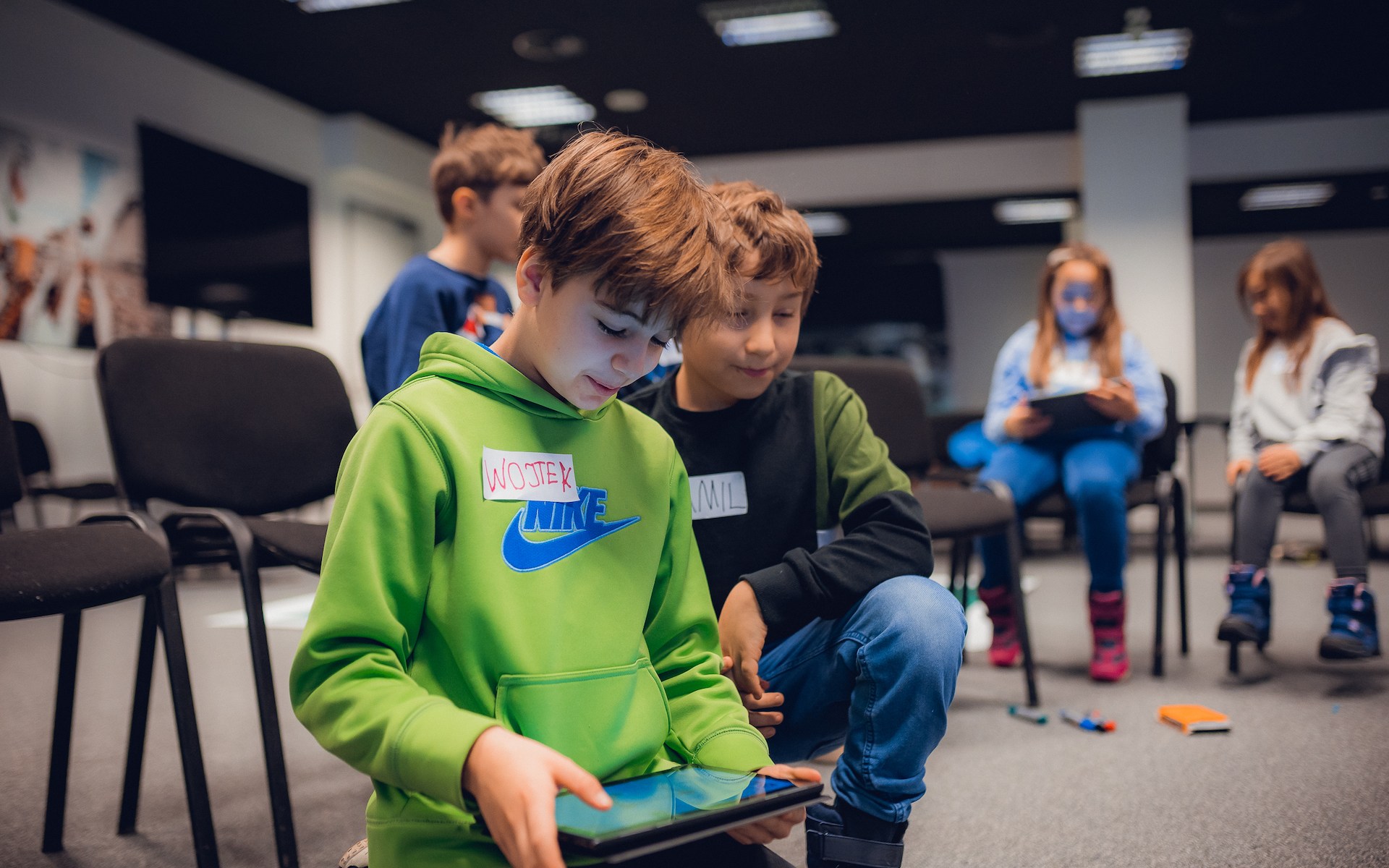
This ten-week, football-based educational enrichment programme for children aged 9 to 12 will be delivered by football club foundations in collaboration with local schools and supported by local and international companies. It aims to use football as a tool to inspire and educate the participants about STEM. The project partners will achieve this by pairing strategic STEM-based activities with essential gameplay and current topics. The target group will learn how to program, code and understand technological devices. External partners will provide educational robots to assist the delivery of the programme and to add an element of fun to the learning experience.

Objectives

  • Improve the digital skills of digitally excluded groups (including migrants and young people from disadvantaged backgrounds) through partnerships between schools, business and non-formal sectors, including public libraries
  • Reach a minimum of 4,800 participants aged 9 to 12 from disadvantaged backgrounds
  • Disseminate the project to over 100 clubs, leagues and FAs across the European continent
  • Produce an effective and user-friendly practitioner’s guide and methodology
  • Positively impact education policies across the partner countries

Project activities

  • Five international project meetings for project managers and coaches to share best practices and establish a practitioner’s guide
  • Three 10-week programmes delivered to schools in disadvantaged areas: these will include inclusive educational and practical workshops alongside football-based activities to educate participants about the importance of STEM
  • One mid-term dissemination event and one final international dissemination event

Expected results

  • Awareness raised of the importance of inclusive education
  • Individuals from disadvantaged backgrounds will have been given opportunities to access high quality, innovative education
  • STEM learning opportunities provided to those who do not usually participate in them
  • Engagement of other organisations in the development of their own football-based STEM education programmes
  • Higher educational standards to benefit the future European labour market
  • Better equal opportunities in employment

Partner

RISE – Beyond Goals 2

Location and general information

Terminé
Location Greece, Athens, Thessaloníki
Start date 03/01/2021
End date 08/31/2022
Cost of the project €121,050
Foundation funding €99,260
Project identifier 20200333
Partners ActionAid Hellas
Categories Access to Sport - Conflict victims - Gender Equality - Personal development

Context

Two out of five children in Greece live in low-income households at risk of poverty and social exclusion. The situation is exacerbated by the migration crisis, with 50,000 refugee and migrant children in Greece. These children face numerous challenges, including domestic violence, high levels of school dropout and high levels of stress and depression. They also lack basic resources, educational support, and creative and life-skills education, resulting in fewer opportunities and social exclusion.   

Project content

Beyond Goals 2 is the second phase of ActionAid Hellas RISE programme aimed at deepening and scaling up its impact. The programme is led by international football player Dimitris Papadopoulos, who was inspired to create a football-based programme that would provide marginalised children with life values and skills affording them a better life with dignity and greater opportunities to develop themselves and their communities.  

Objectives

RISE's mission is to empower disadvantaged children by providing them with skills and access to opportunities in order to build their resilience and thus the resilience of their communities. This second phase aims to deepen and mainstream RISE’s impact by 

  • developing football and youth club activities in Athens to address youth disengagement, social exclusion and community-building issues; 
  • providing targeted dissemination/capacity building to sports, education and CSO professionals across Greece. 

Project activities

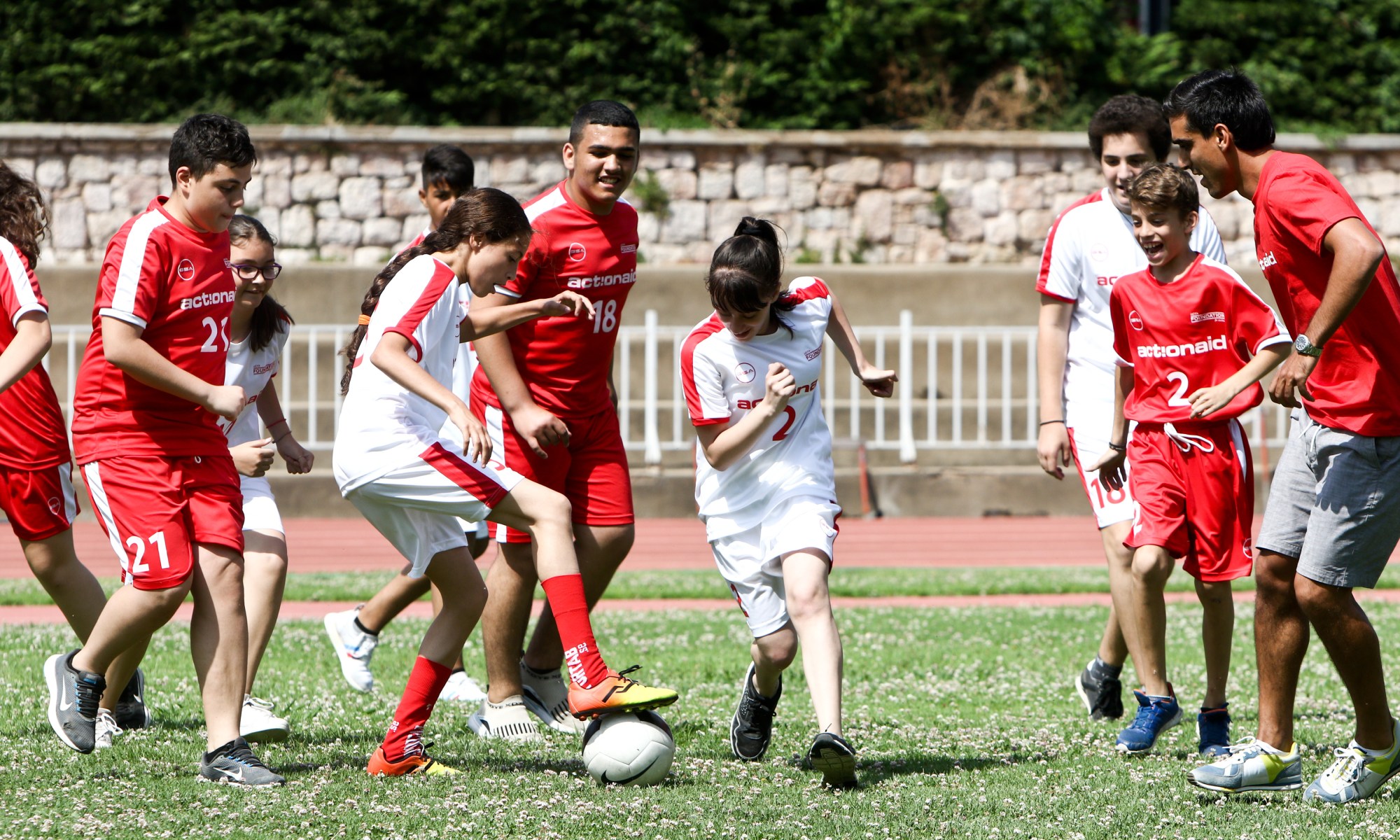
  • Foodball3 training and matches: Access to sports and motivation through positive role models (professional athletes and peers) for marginalised youth
  • National football3 tournament
  • Psychosocial and educational support services
  • Youth civic engagement activities (local youth action groups, capacity building and youth-led civic initiatives)
  • Community-building activities bringing onboard families
  • RISE model transfer workshops (physical and digital)

Expected results

  • 50 disadvantaged children aged 1217 will participate in football activities, receive support and be actively engaged in youth club activities in the long term 
  • 15 children aged 1417 will build leadership skills and act as youth mediators for their peers 
  • Five youth-led local initiatives 
  • Ten schools and 200 representatives from sports clubs, CSOs and schools across Greece will receive informationtraining and support in implementing the RISE model 
  • At least 1,250 children will benefit indirectly from transfer of the RISE model 

Partner

Finding My Potential

Location and general information

Closed
Location England, Liverpool
Start date 03/01/2021
End date 07/31/2022
Cost of the project €62,618
Foundation funding €49,440
Project identifier 20201366
Partners Liverpool School Sports Partnership (LSSP) Foundation
Categories Access to Sport - Employability - Personal development

Context

Liverpool is the fourth most deprived area in England and has unfortunately remained stubbornly so for some time. The unemployment rate for young people is 10.8% and only 51.4% of young people achieve five C grades and above in their secondary education. This is coupled with the fact that young people seem to be shouldering the brunt of the impact of COVID-19 on the job market, with those who struggle academically likely to fall further behind.  Young people in Liverpool need to be given every opportunity to succeed.

Project content

Sport has the power to fully engage young people. Through engagement in this project, they will gain both specific knowledge, skills and qualifications and soft skills such as integrity, responsibility, planning and leadership to help them thrive in adulthood. By achieving a coaching and officiating qualification, followed by valuable work experience in a supportive environment, they will not only develop their confidence but also gain access to employment opportunities in their local community. The project will provide equality of opportunity regardless of circumstances.

Objectives

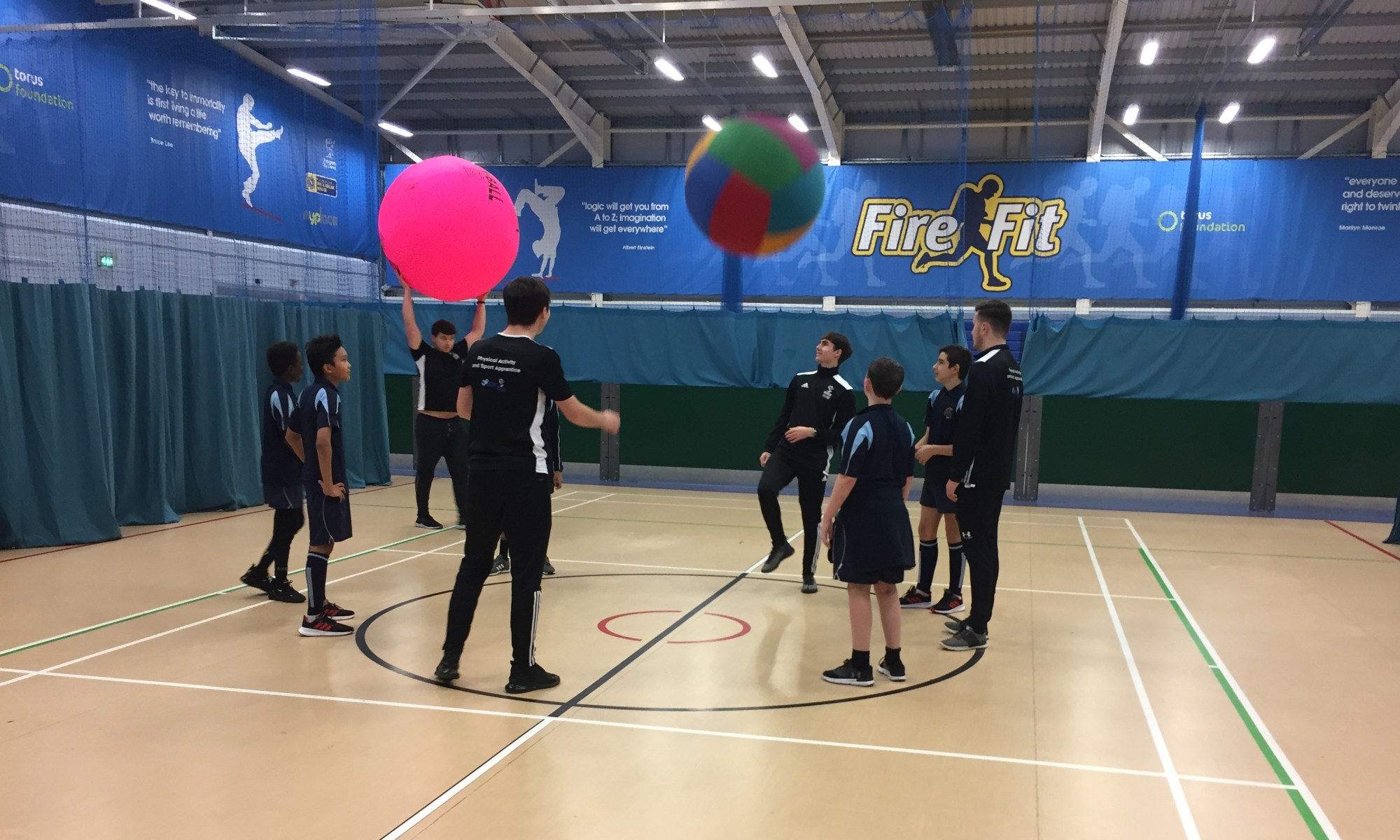
  • Increase the confidence and self-efficacy of 160 young people aged 14–21 years and develop their employability and leadership skills by providing training and accredited qualifications to enable them to coach and lead sport and physical activity sessions in the local community.
  • Provide a mentor/LSSP coordinator to support the young people in coordinating, planning and delivering a six-week community sports programme (‘nurture clubs’).
  • Ensure a minimum of 96 nurture clubs are delivered to 500 inactive young people aged 8–12 years to help them become more active and improve their health and wellbeing.

Project activities

  • Team building: This will focus on developing an understanding of different forms of communication; what makes a good team; conflict resolution; and working together.
  • Youth Sport Trust Active in Mind training course: This will be delivered by an athlete mentor and the young people will gain an understanding of the CARE (creativity, aspiration, resilience and empathy) model of leadership.
  • National Governing Body (NGB) qualifications: The young people will select a suitable NGB award to achieve.
  • Nurture clubs: The nurture groups, composed of pupils who are struggling to integrate in school, will receive a minimum of six sessions and be rewarded with a certificate for full attendance.
  • First aid and safeguarding.

Expected results

  • 160 young people trained.
  • 500 nurture club attendees.
  • A minimum of 96 community sessions delivered.

Partner

Smiles for Children – Disability and the COVID-19 health crisis

Location and general information

Terminé
Location Switzerland, Rolle
Start date 01/01/2021
End date 12/31/2023
Cost of the project €150,000
Foundation funding €50,000
Project identifier 20200121
Partners Just for Smiles
Categories Access to Sport - Children with disabilities
Context

There are over 150,000 children with disabilities in Switzerland. The COVID-19 pandemic has isolated them at home. To help them reintegrate and readjust, Just for Smiles plans to expand its sailing programme to reach more beneficiaries.

Project content

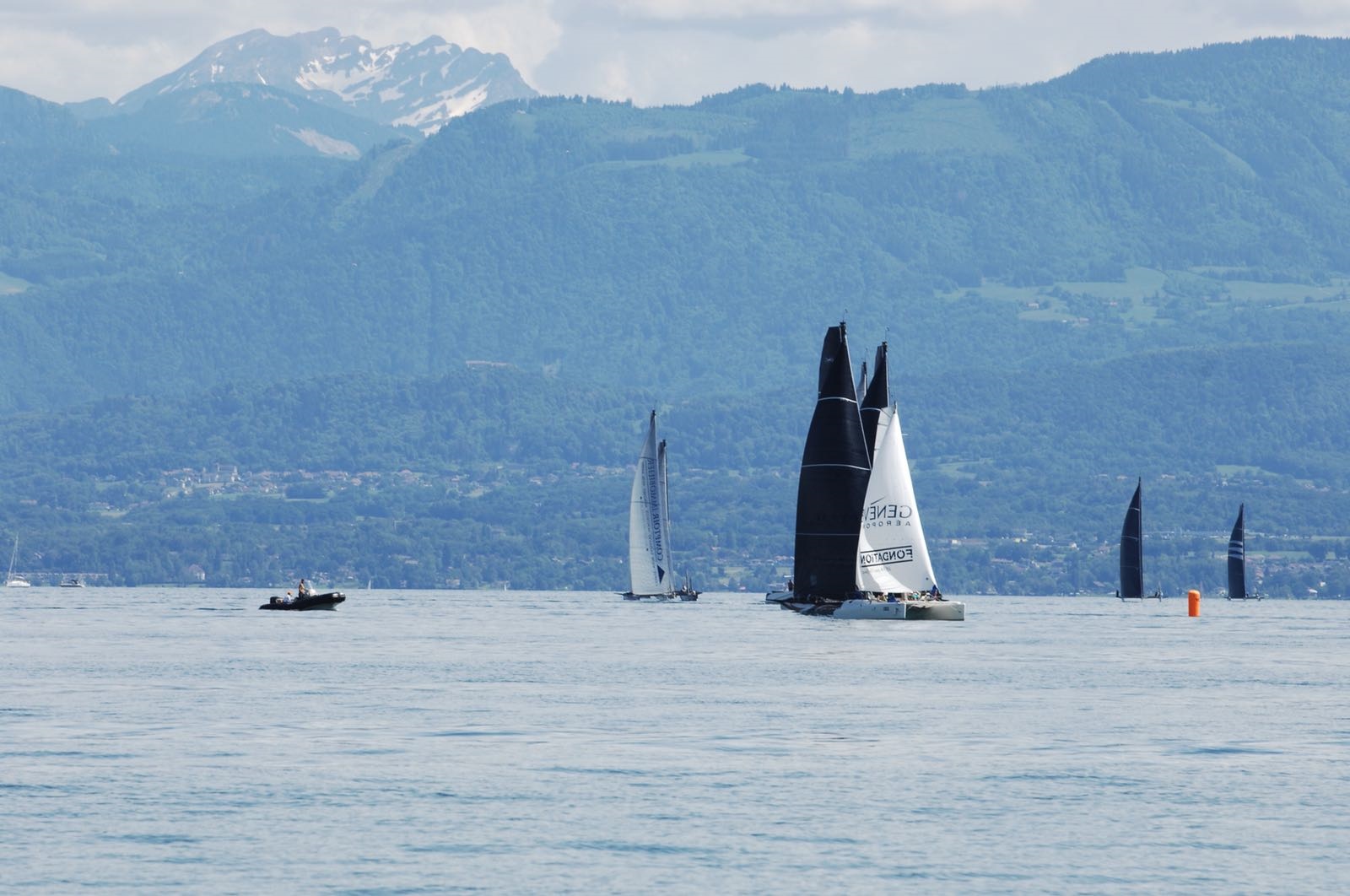
Children are enrolled in a sailing activity to suit their preferences, abilities and needs in terms of motor skills and sensation. They spend a half day laughing and feeling the thrill of being on the lake. This adapted sports activity is particularly useful in the treatment of neurological conditions such as spinal injury, head injury and stroke.

Objectives

The aim of the project is to give children with disabilities the greatest possible access to sailing and wellbeing. Just for Smiles seeks to have a lasting impact on the participants and their independence.

Project activities

The sailing trips take place in the warmer months, consisting of two two-hour trips per day.

Expected results

2,400 children will go on a sailing trip from Rolle harbour.

Partner

Fairplay4life

Location and general information

Closed
Location Portugal, Lisbon and Spain, Barcelona
Start date 01/01/2021
End date 12/31/2021
Cost of the project €31,625
Foundation funding €31,625
Project identifier 20200516
Partners Ayuda en Acción
Categories Access to Sport - Personal development

Context

Most families in the neighbourhoods of Camarate (Portugal) and Sant Ildefons (Spain) are at a social, cultural and economic disadvantage, and many children have an unhealthy lifestyle and poor eating habits. Fast processed food, incomplete breakfasts and little physical activity are commonplace.

Practical training in healthy habits among the youngest is the best prevention and the most effective and efficient way to contribute to a better world for these children and young people. Research suggests that teenagers, their parents, and teachers alike feel that technology can be a good ally in encouraging healthy habits. The use of technology is effective in helping them to improve and maintain their self-esteem in a fun way and using their own communication codes (mainly audiovisual), based on a holistic and integrated perception of health.

Project content

Fairplay4life is focused on helping teenagers in vulnerable situations lead a healthier lifestyle. Four steps to improve teenagers’ quality of life through healthy lifestyle habits:

  • increase their physical and intellectual performance,
  • achieve and maintain a healthy weight,
  • adopt sustainable consumption habits and
  • reduce food waste.

Face-to-face or virtual workshops will be held at six schools and a health monitoring app will support the process.

Objectives

The project seeks to pilot a methodology for face-to-face and virtual intervention that will help to ensure children and teens at risk of social exclusion have a healthy diet by increasing their knowledge, self-esteem and self-awareness. The idea behind the activities developed is to give them the skills they need to keep up these habits, including teamwork and sport.

Project activities

A total of ten workshops will be held at six schools in Camarate (Portugal) and Sant Ildefons (Spain) providing theoretical and practical training in healthy habits and sports. Groups of 20 children will attend four sessions. A health monitoring app will be adapted to support the workshop with related content and challenges. The game elements of the app will help the participants put what they have learned into practice in their family environment.

Expected results

A methodology for promoting healthy lifestyle habits will be developed. A total of 200 children and teenagers (in six schools in Portugal and Spain) will benefit from the workshops and health monitoring app. If successful, the workshop may be scaled up to 90 centres.

Partner

Youth in Action

Location and general information

Terminé
Location Northern Ireland and Republic of Ireland
Start date 12/12/2020
End date 12/01/2021
Cost of the project €100,000
Foundation funding €50,000
Project identifier 20200593
Partners Rio Ferdinand Foundation
Categories Access to Sport - Conflict victims - Employability - Personal development

Context

Black, Asian and minority communities across the island of Ireland (both Northern Ireland and the Republic of Ireland) face racism, prejudice and inequality. Young people from minority communities are more likely to live in poverty than their peers, often in insecure housing (including reception centres), and face added language barriers. Families and communities are housed across borders (Britain, Northern Ireland, Republic of Ireland), and face increasing racism – in Northern Ireland alone, 40% of reported hate crime was race related.

Project content

The project’s mission is to tackle racism in Ireland and promote community cohesion and the integration of ethnic minority and migrant communities through sports and education.


Objectives

The programme aims to promote inclusion and friendship and tackle racism and prejudice on the island of Ireland, by working with young people, ethnic minority representative groups and refugees and asylum seekers housed in local communities. Young people will be given the opportunity to share experiences, cultural values and interests. Education programmes will use football and football culture as a pathway to explore the themes of race and racism.

Project activities

  • Delivering sports and educational activities that give people shared experiences and engage them in dialogue on solutions to racism, xenophobia and prejudice.
  • Delivering inclusive sports activities that create community cohesion.
  • Delivering education programmes that explore the themes of race, racism and prejudice
  • Training community role models and actors to deliver social action projects
  • Capacity building of ethnic minority and refugee groups to deliver services and engage with government agencies and civic society
  • Building a network of local community actors and organisations that will embed the approach in communities
  • Sharing best practices and building an ongoing support network across Ireland and the UK.

Expected results

  • Improved awareness of racism and racist behaviour.
  • Improved cohesion and integration of ethnic minority and refugee groups into communities.
  • Trained actors from across the community delivering social action projects and a shared methodology throughout the island of Ireland.
  • Greater skills in ethnic minority led organisations to deliver services and engage with civic society.
  • A support network across Ireland to advocate and lead on this agenda on a local and regional scale.

Partner

Football versus Discrimination

Location and general information

Terminé
Location Republic of Ireland
Start date 12/01/2020
End date 03/31/2023
Cost of the project €212,000
Foundation funding €110,000
Project identifier 20201607
Partners Sport Against Racism Ireland (SARI)
Categories Access to Sport - Conflict victims - Gender Equality - Personal development

Context

Recently, Ireland has been under international scrutiny for falling short of its human rights commitments to tackle racial discrimination. Sport Against Racism Ireland (SARI) programmes give children from diverse ethnic minority and indigenous Irish backgrounds the opportunity to take part in physical activity, meet people from different cultures and learn about human rights and racism.

Project content

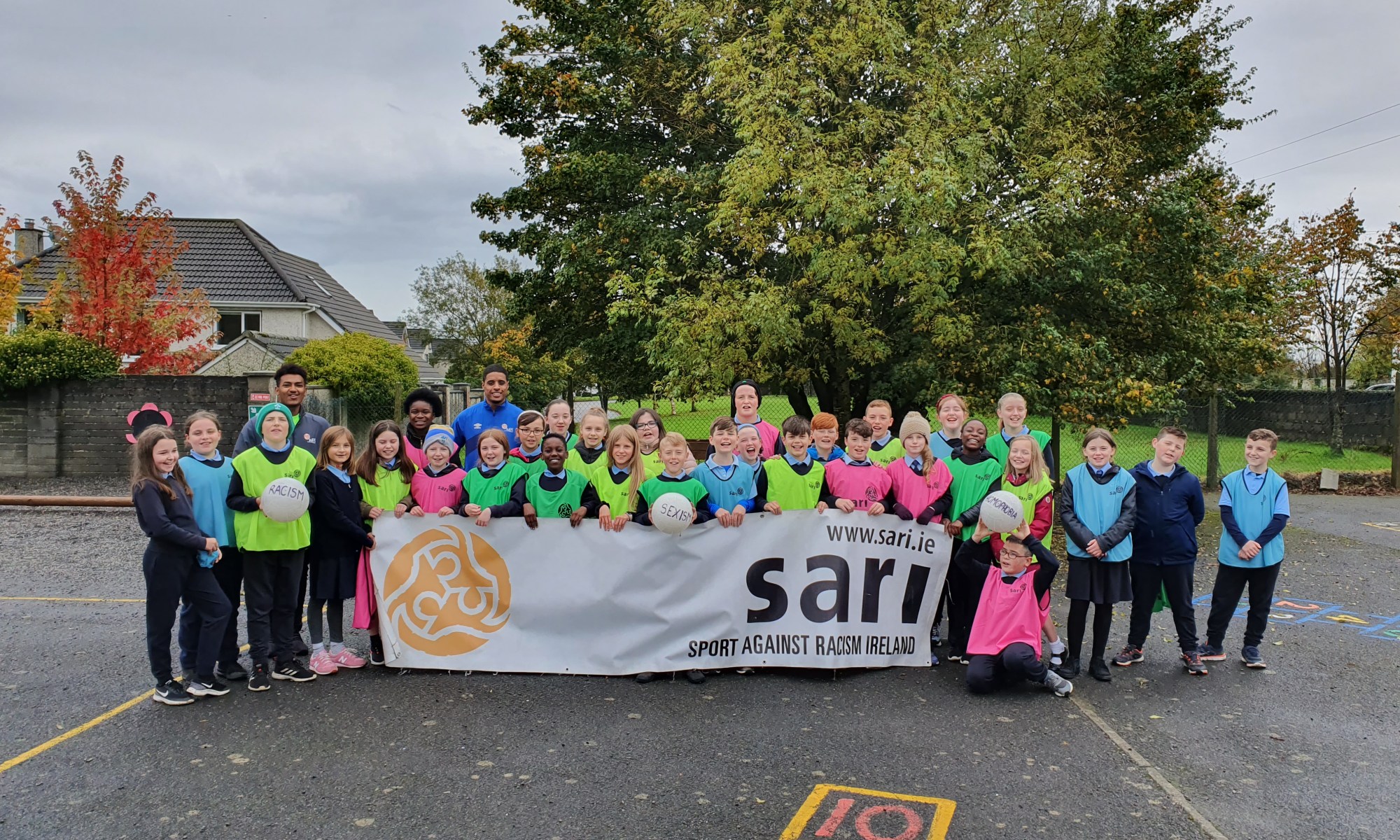
SARI coaches – both male and female and from diverse ethnic backgrounds – will visit primary schools across Ireland to deliver anti-discrimination workshops to pupils. The workshops, lasting 60–75 minutes, gather children on the sports field or in the playground to play football, boost their health and fitness and develop ball skills, while considering and challenging all forms of discrimination, including racism, sexism and homophobia. The idea is for the children to take what they have learnt on the pitch, such as teamwork, respect, commitment and cooperation, and apply it off the pitch.

Objectives

  • Increase mutual understanding between children and young people from diverse ethnic backgrounds.
  • Help combat racism and xenophobia.
  • Promote the integration of immigrants into Irish schools and society.
  • Promote the involvement of immigrants in sport, volunteering and cultural activities.
  • Promote gender equality in sport and society.
  • Educate children about Human Rights.

Project activities

  • Role playing games for the children to understand and experience how it feels to be discriminated against.
  • Fair play football designed so that the players take responsibility for their own actions: there are no referees and the players are encouraged to resolve disagreements amongst themselves through dialogue.
  • An in-class questionnaire for the children about what they have learnt and their attitudes towards all forms of discrimination.

Expected results

SARI aims to deliver the workshop to over 10,000 children across the 26 counties of the Republic of Ireland.

Partner

Sport in the Service of Peace: Playing Fair, Leading Peace

Location and general information

Terminé
Location Israel
Start date 12/01/2020
End date 11/30/2021
Cost of the project €79,500
Foundation funding €35,000
Project identifier 20200724
Partners Peres Center for Peace and Innovation
Categories Access to Sport - Personal development

Context

Ties between Arab and Jewish citizens in Israel are marred by ongoing conflict that has led to discrimination, fear, and distrust of ‘the other’ on both sides. Many of Israel’s municipalities and institutions, including schools, are uni-cultural, leaving few opportunities for integration between Jewish and Arab children that would allow them to challenge existing preconceptions and build mutual trust and the foundations for shared living. This has been exacerbated by isolation during COVID-19.

Project content

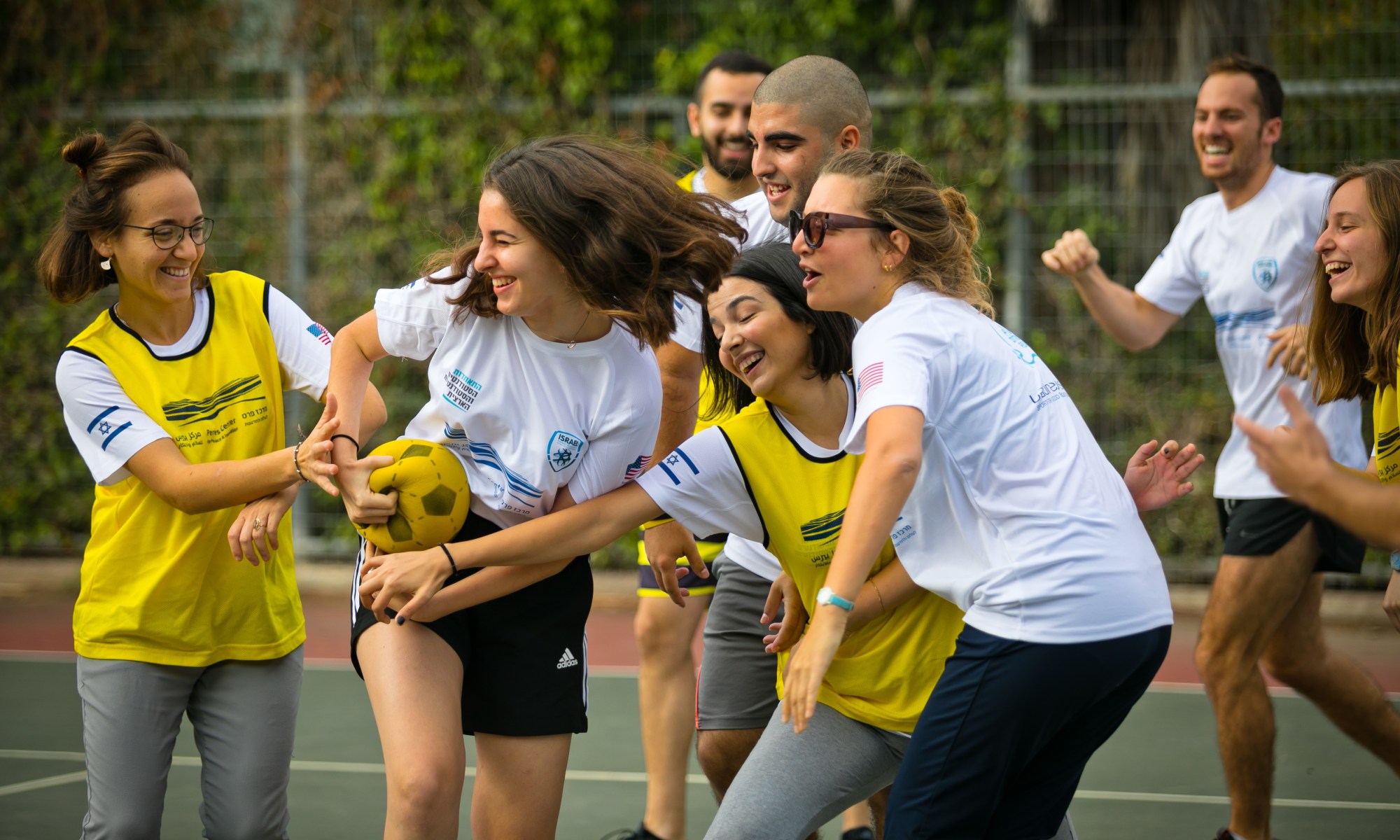
The Peres Center’s Sport in the Service of Peace: Playing Fair, Leading Peace project uses football as a peacebuilding tool. It recruits exceptional university-aged Young Leaders to participate in anti-discrimination, peace education and leadership training. These Young Leaders also develop and implement football activities for ‘twinned’ classes of Jewish and Arab schoolchildren using an award-winning sports-based peace education methodology. These activities include cross-cultural exchange, Hebrew/Arabic language learning, and joint football matches using the innovative FairPlay method where the players determine the rules of the game, referee themselves, and resolve conflicts on the pitch through facilitated dialogue. The project also provides educators with tools for promoting children’s rights and development through access to sport.

Objectives

  • Promote integration, anti-discrimination and dialogue among Jewish and Arab children and youth in Israel.
  • Train Jewish and Arab Young Leaders in leadership development, conflict management and the use of football as a tool for peace education.
  • Encourage positive changes in perceptions and the elimination of stereotypes through joint football and peace education activities for Jewish and Arab children.
  • Promote the children’s rights toolkit for educators and a nationwide network of Jewish and Arab educators using football as an educational tool.

Project activities

  • Recruitment and training of 17 outstanding Young Leaders (half Jewish, half Arab, and half male, half female) from across Israel.
  • School outreach developed and implemented by Jewish-Arab pairs of Young Leaders for classes of Jewish and Arab schoolchildren ages 8–12.
  • Provision of distance-education support for teachers in light of COVID-19 to help them provide children with safe quality online activities focused on the themes of diversity, tolerance and inclusivity.

Expected results

  • Enhancement of the personal and professional leadership skills of 17 Jewish and Arab Young Leaders, as well as their mutual understanding and trust.
  • Promotion of cooperation, trust, and understanding among 240 Jewish and Arab schoolchildren through joint football activities and peace education.
  • Integration of anti-discrimination education into the school curriculum (both online and in the classroom) in 8 participating Jewish and Arab schools across Israel.

Partners

Hapoel Katamon’s Neighbourhoods League

Location and general information

Terminé
Location Israel, Jerusalem
Start date 01/01/2021
End date 12/31/2021
Cost of the project €304,000
Foundation funding €100,000
Project identifier 20200349
Partners Hapoel Katamon Jerusalem FC
Categories Access to Sport - Conflict victims - Gender Equality - Personal development

Context

The poorest city in Israel, Jerusalem is a microcosm of the Israeli-Palestinian conflict, with hardly any positive contact between the two populations. Arab children in Jerusalem desperately need improved formal and informal education, including leisure time and proper facilities. Most Jewish children taking part in the programme also come from poor neighbourhoods. Hapoel Katamon Jerusalem FC (HKJFC) shows the marginalised Jewish and Arab children from the east and west of the city a different reality that radiates potency, professionalism, optimism, joy and hope.

Project content

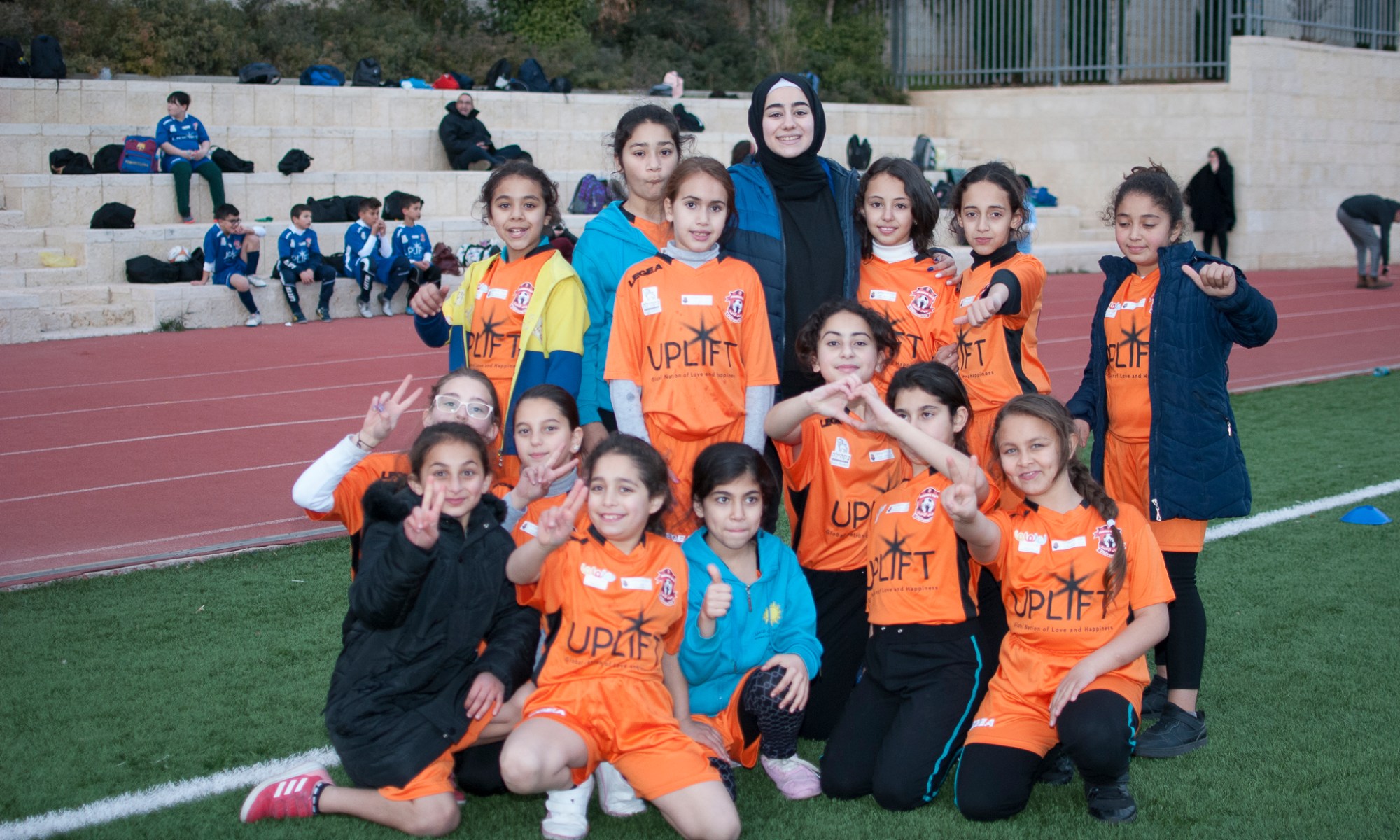
The Neighbourhoods League consists of football teams in schools across Jerusalem. HKJFC strongly emphases the inclusion of all children from all backgrounds and the creation of equal opportunity for all. Any school wishing to enrol its boys' team in the Neighbourhoods League is required to set up a girls' team as well.

Objectives

  • Bring children from different religions, nationalities and backgrounds together.
    in order to break down walls and stigmas.
  • Use football to promote values such as tolerance, anti-violence, anti-racism and female empowerment.
  • Give children from underprivileged backgrounds a better education and high-quality sports activities.
  • Promote women’s football in Jerusalem.

Project activities

Learning centres in schools: The Neighbourhood League holds learning sessions each week before practice. The learning centre staff and volunteers help the children with their studies. The centre also provides social activities so the children can learn to work better as a group, become friends and overcome problems that occur during practice.

Football training: Two football practices for children aged 9–14 are held each week during the school year. Here the children can play organised football, learn skills, improve their fitness and develop their social skills. There are no try-outs: all children are welcome to take part.

Tournaments: All the girls' teams and all the boys’ teams take part in monthly tournaments in mixed teams, bringing children together from a variety of backgrounds, cultures, and religions. Games are played simultaneously and have no referees – it is up to the players to solve their arguments and differences by themselves.

Expected results

  • 750 children, 30 coaches, 20 volunteers and 10 tutors trained in conflict mitigation and management.
  • Creation of a ‘bubble’ of non-conflict that will radiate out to the community at large.
  • Enabling young people to take part in a positive and meaningful activity, regardless of their ability to pay.
  • Increased dialogue through football and education.
  • Girls in Jerusalem empowered to play football.

Partner

Youth Sports Games 2021

Location and general information

Terminé
Location Croatia, Bosnia & Herzegovina, and Serbia
Start date 02/02/2021
End date 12/31/2021
Cost of the project €4,634,393
Foundation funding €150,000
Project identifier 20200528
Partners Association for Sport, Recreation and Education – Youth Games
Categories Access to Sport - Gender Equality - Personal development

Context

The Youth Sports Games started in 1996 in Split, Croatia. The primary motive was to enable children to participate in organised sporting events and other free activities. The Youth Sports Games have become the largest amateur sports event for children and youth in Europe. More than 2 million children have competed in the 25 years since they began.

The games are held in three countries: Bosnia and Herzegovina, Croatia and Serbia. Primary and secondary-school-age children compete in ten sports disciplines free of charge, and the most successful individuals and teams get to travel to Split to participate in the international finals.

In addition to the games, the association organises regular sports and recreational activities for children to promote health, tolerance and ethical values. The association promotes a lifestyle based on understanding, friendship, solidarity and fair play as an alternative to addiction and deviant behaviour.

Project content

Sport is used as a medium to connect with the participants aged 7–18 through tournaments held in over 280 cities in Croatia, Bosnia and Herzegovina, and Serbia. The Youth Sports Games promote a healthy lifestyle and popularise all ten sports (football, street basketball, handball, volleyball, beach volleyball, tennis, table tennis, chess, dodgeball and athletics), as well as educating about sustainability.

Objectives

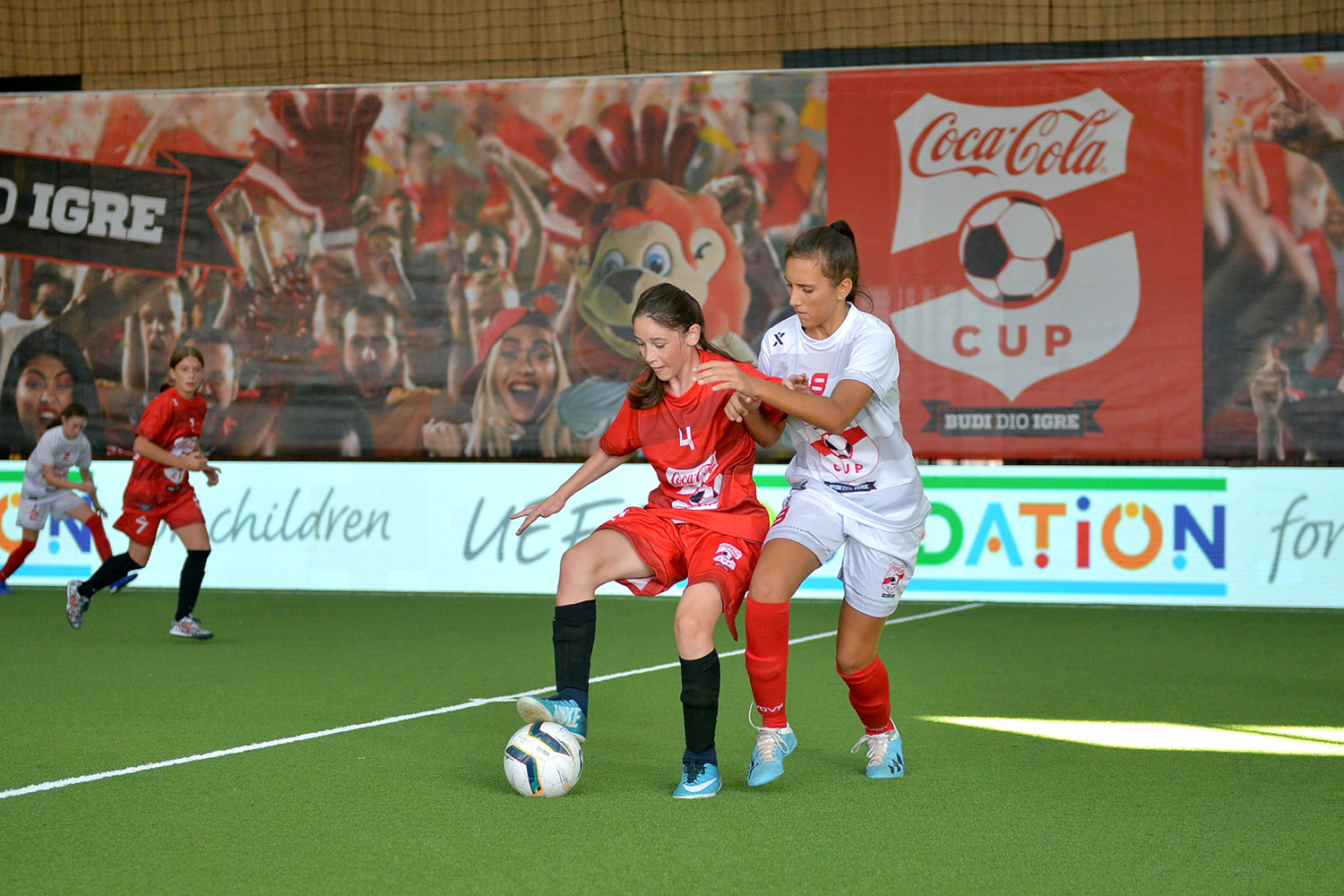
In 2020, 186,474 children competed. The objective for 2021 is to have 220,000 participants: 80,000 in Croatia, 50,000 in Bosnia and Herzegovina, and 90,000 in Serbia, and for 30% of the participants to be female. The association also aims to further develop football tournaments for girls and to be a preferred choice for young girls aged 12–15 years.

Project activities

From January to August 2021, there will be local tournaments held in the three countries, followed by national finals and then the international finals in Split, Croatia. There will also be marketing activities such as promotional campaigns, digital media activities, PR activities, live TV broadcasts and a TV show in each country.

Expected results

  • 35 girls football tournaments with a total of 11,000 participants in the three countries and young girl players aged 12–15 recruited.
  • Youth Sports Games football tournaments with a total of 110,000 participants in the three countries.
  • Youth Sports Games tournaments in the nine other sports (street basketball, handball, volleyball, beach volleyball, tennis, table tennis, chess, dodgeball and athletics) with a total of 110,000 participants in the three countries.


Partner

Football for Unity

Location and general information

Terminé
Location Denmark; Germany; Hungary; Italy; Ireland; Netherlands, United Kingdom
Start date 01/01/2020
End date 08/31/2021
Cost of the project €669,092
Foundation funding €69,100
Project identifier EURO2020_1
Partners European Union’s Asylum, Migration and Integration Fund; streetfootballworld gGmbH; European Football for Development Network
Categories Access to Sport - Conflict victims - Personal development - Sponsors

Context

Factors such as cultural differences, language barriers and social stigmas can make it difficult for third-country nationals (migrants from non-EU countries) to integrate into their new European societies.

Over the past decade, the potential of sport has become increasingly recognised by the EU, with the Council of the European Union observing that “sport is a powerful social tool in many areas such as addressing increasing migrant populations, combating social exclusion or increasing solidarity between generations”. Sporting values, such as teamwork, respect, diversity, equality of opportunity and fair play, are equally European values.

UEFA EURO 2020 is the ideal opportunity to educate the European public about the social inclusion of third-country nationals. It is an occasion to celebrate unity in diversity, break down barriers to social inclusion, transform lives and inspire communities. Co-funded by the European Commission’s Asylum, Migration and Integration Fund (AMIF) and coordinated by streetfootballworld, the Football for Unity project will utilise the tournament to promote a positive image of migration and help create strong incentives that will lead to a more constructive discourse on migration within European host communities.

Project content

Football for Unity will enable pan-European collaboration, cross-border exchange and peer-to-peer learning to help unite and develop the capacities of relevant European stakeholders, eager to improve their sport-based social inclusion programmes to produce more positive outcomes for third-country nationals in their local communities.

The aim is to unite and capacitate local stakeholder groups to plan, organise and implement their own local legacy sport programmes and impactful events in the context of UEFA EURO 2020. The project will bring together young third-country nationals and young Europeans in seven European capital cities in a series of local football-based programmes, youth forums, integration activities and football for inclusion tournaments (utilising methodologies such as football3) that will demonstrate football’s unique ability to promote equality and social inclusion. The young participants will be able to interact, learn from one another, acquire life skills and become agents of change and community building.

Objectives

  • Use UEFA EURO 2020 to bring football as a powerful tool for the social inclusion of third-country nationals to the attention of the wider European public
  • Build the capacity of local stakeholder groups to collaboratively organise seven awareness-raising festivals (five larger festivals and two smaller festivals) during UEFA EURO 2020 in seven strategic locations:
    1. Netherlands, Amsterdam with Johan Cruyff Foundation
    2. Germany, Munich with KICKFAIR
    3. Hungary, Budapest with Oltalom Sports Association
    4. Ireland, Dublin with Sports Against Racism Ireland
    5. United Kingdom, London with Street Child United
    6. Italy, Rome with Liberi Nantes ASD
    7. Denmark, Copenhagen with FC Nordsjælland
  • Sustainably improve the social inclusion outcomes of young third-country nationals in UEFA EURO 2020 host cities via opportunities for active participation, exchange and non-formal learning
  • Ensure maximum impact and sustainability of the multi-stakeholder collaborative approach beyond UEFA EURO 2020

Project activities

Local stakeholder groups will be created in each of the seven UEFA EURO 2020 host cities to organise the festivals. Each group will be comprised of local partners, such as civil society organisations, public authorities, football industry actors and local social inclusion experts.

The groups will organise legacy sports programmes with low barriers to entry to ensure sports activities aimed at the social inclusion of young third-country nationals continue after the UEFA EURO 2020 awareness-raising festivals.

They will also create action plans to ensure joint integration activities continue so that third-country nationals are actively given the opportunity to participate in society.

They will create an action plan for the continuation and sustainability of the multi-stakeholder cooperation and continue to implement integration activities, actively supporting their participation in society and aiding community building on the local level.

Expected results

  • Festivals will raise awareness about social inclusion of third-country nationals in seven EURO 2020 host countries
  • Local stakeholder groups (comprised of civil society organisations, public authorities, football industry actors, local experts on the topic of social inclusion) develop and implement joint activities at a local or regional level
  • Third-country nationals will take part in integration activities through which they will acquire life skills (communication, conflict resolution, leadership and intercultural knowledge) and become promoters of European values on and off the pitch
  • Local stakeholder groups will develop and implement joint activities and create action plans for utilising football as a tool for social inclusion

Partners

Football for Children with Down Syndrome

Location and general information

Terminé
Location Russia, Moscow
Start date 03/01/2021
End date 02/28/2022
Cost of the project €45,277
Foundation funding €34,850
Project identifier 20200451
Partners Syndrome of Love
Categories Access to Sport - Children with disabilities
Context

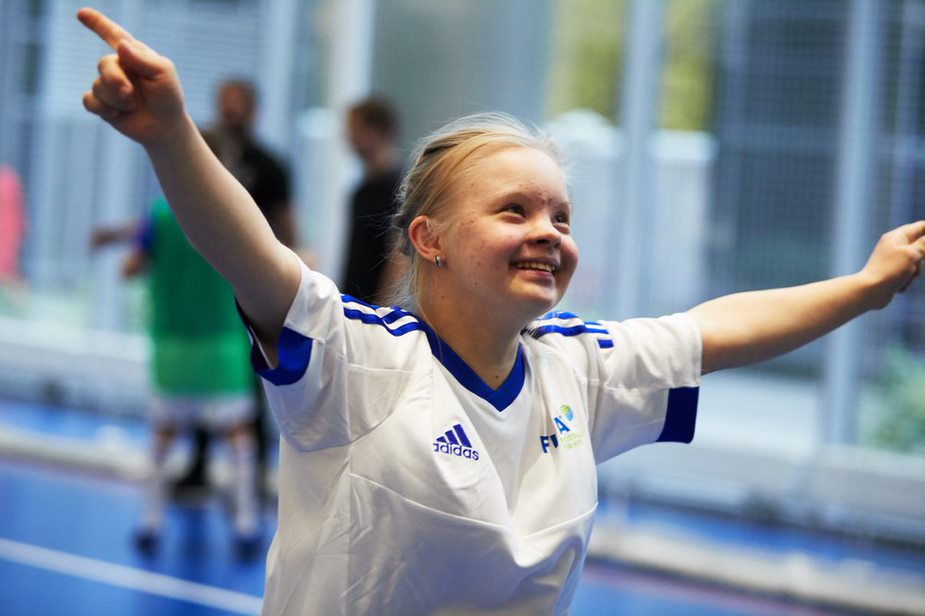
In Russia, there are still many obstacles to the integration of people with Down syndrome into the community. Sport assists social integration since it develops physical and mental abilities, improves emotional and psychological well-being, and teaches teamworking and social skills. However, there are still insufficient clubs, coaches, methods and conditions to enable children with Down syndrome in Russia to engage in sports, including football.

The Football for Children with Down Syndrome project began in 2015, when the charitable foundations Syndrome of Love and Downside Up started to teach football to children and teenagers with Down syndrome in Moscow. Through active promotion of the methodology, the project has spread to 12 other major Russian cities. More than 1,300 sessions took place between 2015 and 2019, with over 200 children with Down syndrome benefiting from regular football lessons.

The project has proven its value and effectiveness for children with Down syndrome. Regular physical activity is vital as a means of physical, mental and social development.

Project content

Football for Children with Down Syndrome is the first initiative in Russia that teaches children with Down syndrome how to play as a team. They attend football training sessions several times a week, participate in friendly games and other sports events, and attend football matches.

The project plans to organise:

  • professional development courses at the Russian State Social University (RSSU) to train 15 coaches how to organise mini-football lessons for children with Down syndrome;
  • training camps for children with Down syndrome from Moscow and other regions;
  • an intensive training course in better competition preparation, sports form, and football skills;
  • a mini-football competition at the end of the project (in autumn 2021).


Objectives

  • Stimulate the physical development of children with Down syndrome and improve their communication and social skills through regular football playing
  • Popularise sports, physical activity and football among children and teenagers with Down syndrome and their families
  • Draw attention to sports for children with Down syndrome among parents and the professional community
  • Create a friendly and tolerant environment for people with Down syndrome that supports equal rights and opportunities

Project activities

  • Conducting regular football classes for children with Down syndrome
  • Organising training camps and refresher courses for coaches from Moscow
  • Conducting advanced training courses at RSSU for 15 trainers
  • Holding training camps for paritcipants from Moscow and other regions for a total of 150 people (children with Down syndrome, coaches, volunteers and organisers)
  • Holding mini-football competitions for children with Down syndrome

Expected results

  • Physical development in children and young people with Down syndrome
  • Broader range of communication skills to compensate for difficulties with speech
  • Active leisure time
  • Improved socialisation skills and independence
  • Raised awareness at government level of the need for sports development for children with Down syndrome
  • Increased tolerance towards people with Down syndrome and other disorders in Russian society

Partner

Cup of Trust

Location and general information

Terminé
Location Ukraine
Start date 01/01/2021
End date 12/31/2022
Cost of the project €235,799
Foundation funding €199,870
Project identifier 20200601
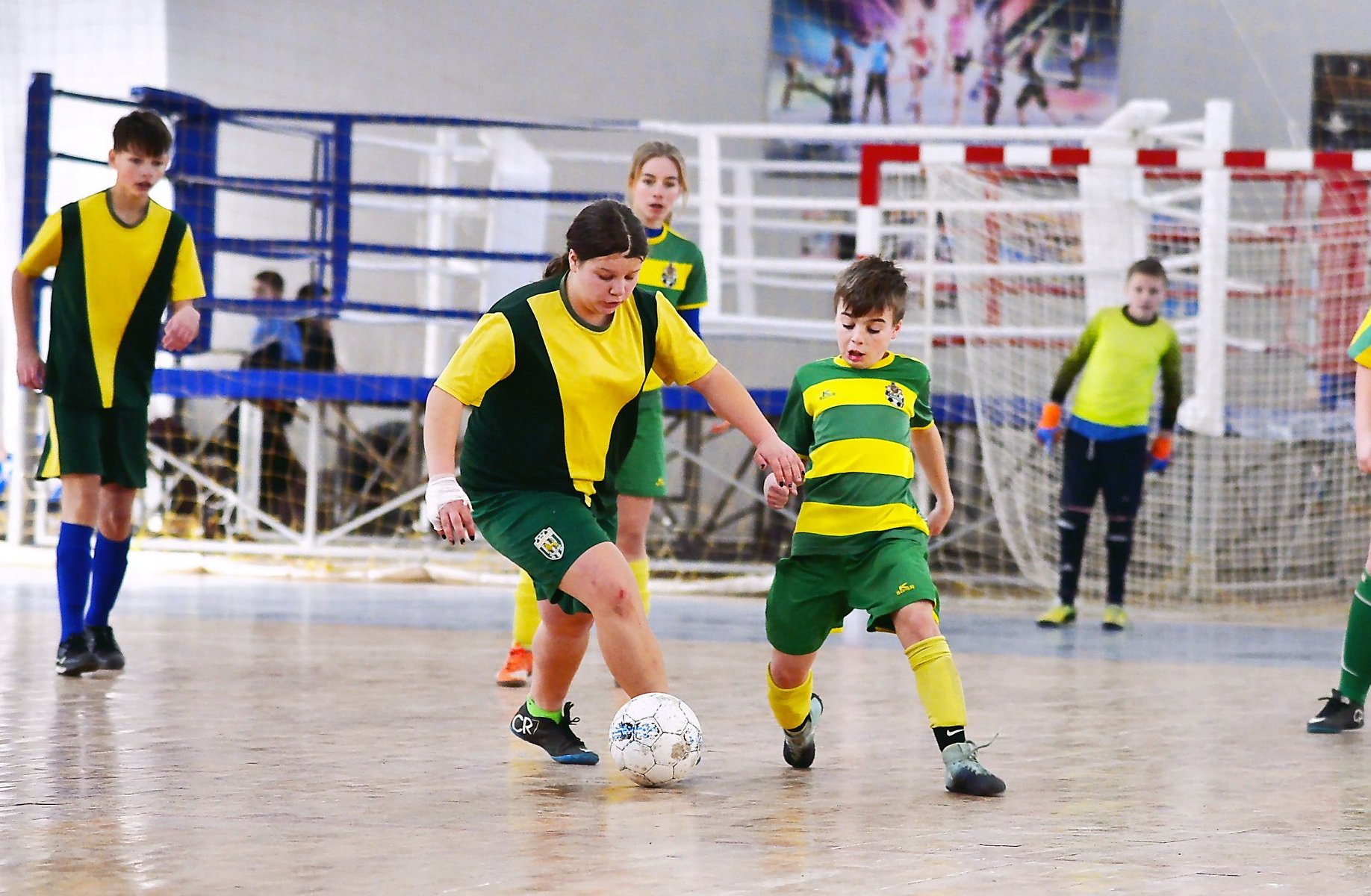
Partners Development of Football in Ukraine
Categories Access to Sport - Gender Equality - Personal development

Context

In 2019–2020, the charitable foundation Development of Football in Ukraine developed the Cup of Trust project in cooperation with the United Nations Children’s Fund (UNICEF) Ukraine, the National Police of Ukraine, the Ukrainian Association of Football and the Ministry of Education and Science. The crime prevention outreach project, funded through a grant from UNICEF, was designed to engage police officers in sport for development activities with children.

In 2020, the project was supported by a grant agreement with the United Nations Recovery and Peacebuilding Programme with the financial support of the governments of Denmark, Switzerland and Sweden. The project is continuing in 2021 in cooperation with the Luhansk Region National Police Headquarters, the Ukrainian Association of Football, and the Luhansk Region State Administration.

Project content

In 2021 and 2022, 100 police officers and 100 physical education teachers will take part in a sport for development workshop. They will be taught how to use sports, including football, to build trusting relationships, prevent teenagers from breaking the law, create healthy habits and introduce teenagers to ways to maintain a healthy lifestyle.

Sport for development is a global UNICEF initiative that aims to help children develop the values of team effort, trust, mutual respect, and participation over victory, so that they can fully realise their potential.

Objectives

  • Teach police officers and physical education teachers how to use sport as a child safeguarding tool
  • Promote friendly and trusting relationships between children and law enforcement officials
  • Encourage girls to play football
  • Create a safe environment in the community through public awareness lectures on:
    • leading a healthy lifestyle
    • street safety and traffic rules
    • preventing internet and phone fraud
    • preventing and counteracting domestic violence and child abuse
    • environmental awareness (recycling and reduced consumption)

Project activities

  • Increasing the educational capabilities of police officers and physical education teachers through five two-day workshops on the sport for development methodology and the UEFA online course on child safeguarding
  • Facilitating the creation and training of mixed teams of children by the police officers in collaboration with the physical education teachers
  • Organising public awareness activities for the participating children and other schoolchildren led by police officers
  • Organising regional matches and tournaments, a press conference, a final match and a final survey

Expected results

  • 100 police officers and 100 physical education teachers will complete the sport for development workshop and the online child safeguarding course
  • 202 sets of sports and football equipment will be distributed among the police officers, physical education teachers and workshop trainers
  • 100 mixed teams of children aged 13 to 14 will be created by the police officers in collaboration with the physical education teachers – a total of 1,200 children (600 girls and 600 boys) will be involved
  • The public awareness activities will reach 60,000 children
  • Each year, 50 teams will take part in regional competitions and the five best teams will take part in the finals

Partner

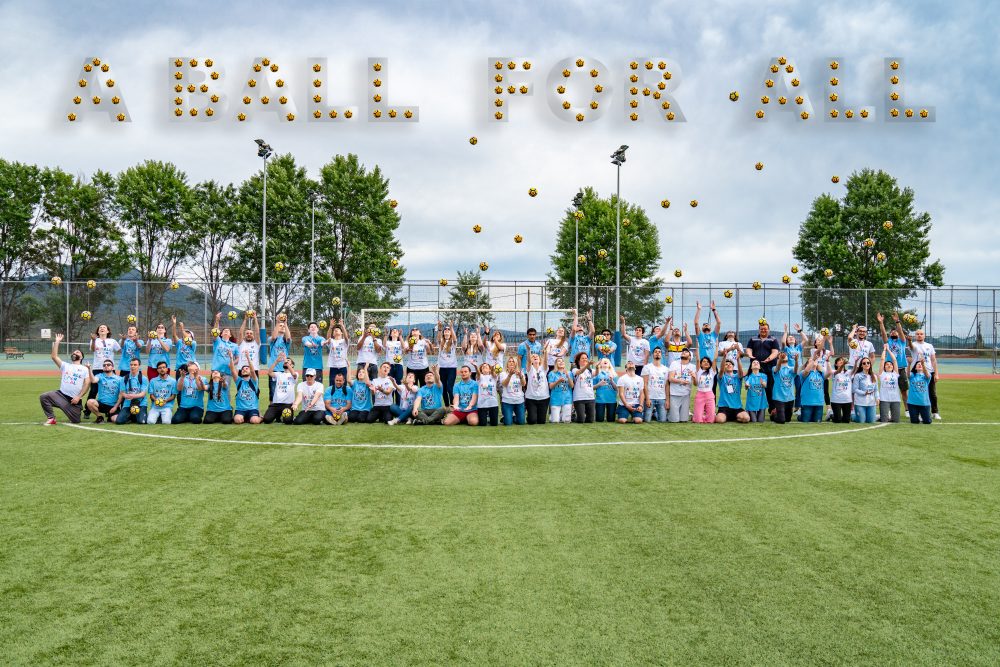
Adopt a Ball for All

Location and general information

Terminé
Location Greece and more than 170 countries across five continents
Start date 01/01/2021
End date 01/01/2021
Cost of the project €100,000
Foundation funding €95,000
Project identifier 20200573
Partners Youthorama
Categories Access to Sport - Children with disabilities - Personal development
Context

There is a challenge globally to include pupils with visual impairment in physical education (PE) in general primary schools. There is generally only one type of PE class for all pupils and there are limited inclusive sports tools. As a result, pupils with visual impairment do not participate in PE at the same level as their sighted classmates. This project meets this global need and provides a sustainable solution. It supports children’s right to education and their right to play as well as Sustainable Development Goals 4 (quality education) and 10 (reduced inequality).

Project content

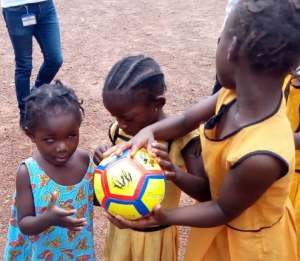
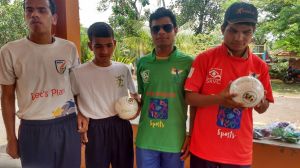
Youthorama’s founder invented an innovative lightweight sound ball. The unique mini ball for all children is not for sale – it is only donated. In Greece, an educational programme using the mini ball was approved by the ministry of education for all schools – both general and special – and all grades. This project aims to establish a network of schools across the world that will promote inclusive sports through this new educational package.


Sierra Leon                                                              India

Objectives

  • Produce and donate up to 2,000 mini blind footballs for children
  • Create a more inclusive society through the use of these balls as a non-formal learning tool
  • Educate mainstream nursery and primary schools, NGOs and public structures on inclusive sport
  • Create a manual of up to 40 good practices
  • Launch an Adopt a Ball pilot initiative for schools to raise awareness of sports for all
  • Establish an Inclusive Football Network across the world (currently spanning 172 countries)

Project activities

  • Donation of the innovative mini blind footballs – the only ones available on a global level and not for sale – to children in need and their schools across 5 continents
  • Designing an inclusive educational package
  • Delivering up to 200 sports workshops in general and special nursery and primary schools to promote personal development, empathy and inclusion
  • Evaluation of the project’s success in achieving its aims
  • Launching the Adopt a Ball campaign and promoting open four-a-side events

Expected results

  • 100 schools in disadvantaged areas across the network delivering the educational programme
  • 25,000 sighted and visually impaired pupils in mixed classes
  • 500 schools registered in the Adopt a Ball network
  • 2,500 questionnaires
  • 500 PE teachers and volunteers using the accessible e-learning platform
  • 3,000 participants in the open four-a-side events
  • 2,000 mini blind footballs donated
  • 1 social message documentary for TV

Our vision is for the ball to be heard in every visually impaired child’s home and school around the world!

Partner

Health Goals Liverpool

Location and general information

Closed
Location United Kingdom
Start date 11/06/2020
End date 11/06/2021
Cost of the project € 211,428
Foundation funding € 80,000
Project identifier 2019708
Partners Liverpool School of Tropical Medicine
Categories Access to Sport - Children with disabilities - Personal development
Context

Football is often used to promote sexual and reproductive health in low- and middle-income countries. In fact, the Liverpool Football Club Foundation (LFC Foundation) and the Liverpool School of Tropical Medicine (LSTM) are in the second year of their 2.5-year Health Goals Malawi project. The project’s initial goal was to reduce the incidence of HIV and other sexually transmitted infections (STI) among teenage boys and young men in Malawi.

They have decided to run a similar project in disadvantaged areas of Liverpool because the city has the second-highest rate of new STI diagnoses in northwest England. Rates of early pregnancy are also higher than the national average. There is a strong correlation between early pregnancy and socio‑economic deprivation. Teenage pregnancy can be both a cause and a consequence of health and education inequalities. High-quality relationship and sex education is therefore crucial to address such inequalities.

The main drivers of these inequalities are:

  • Persistent school absence before year 9 (pupils aged 13 and 14)
  • Relatively slow academic progress
  • Poverty

Football is used for three reasons:

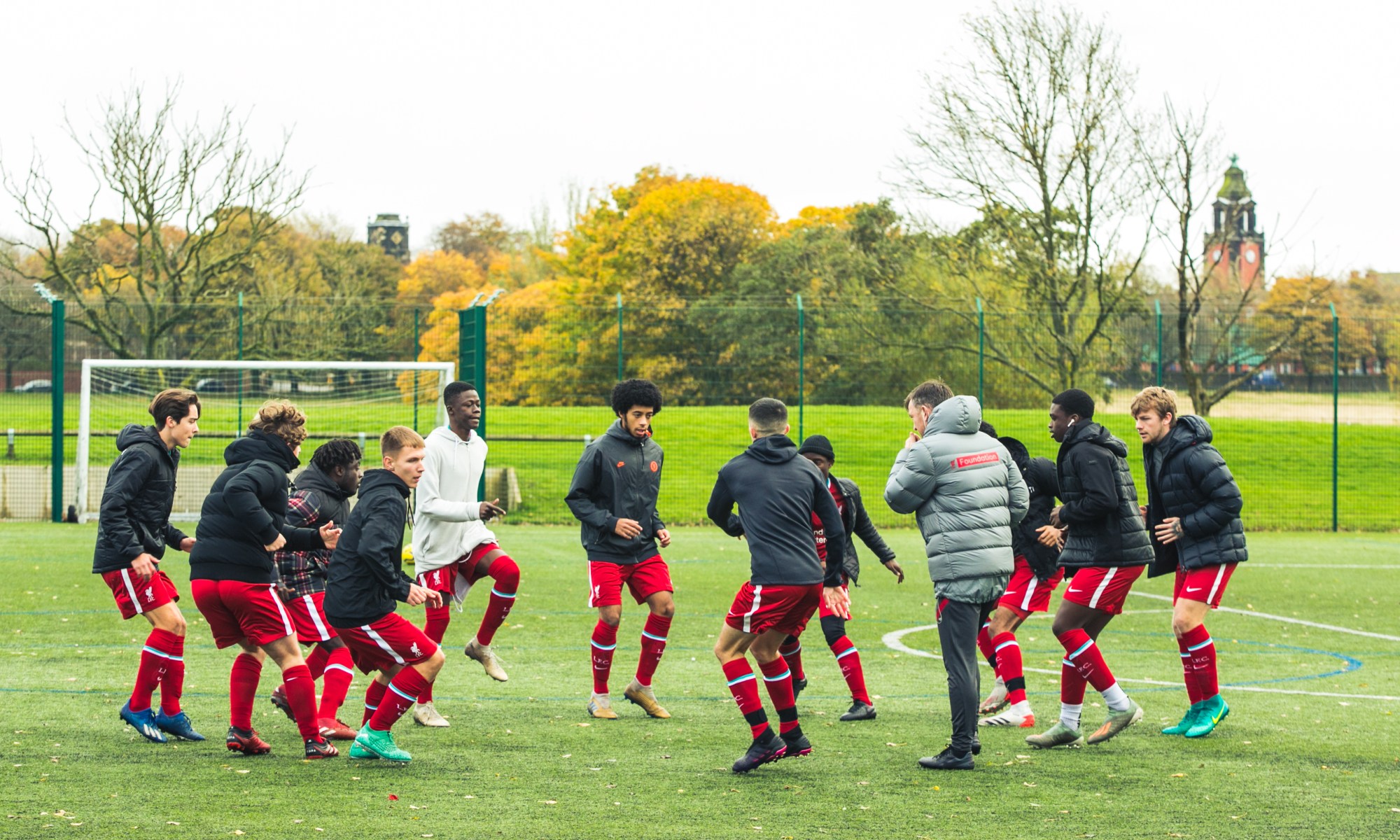
  • The strength of the Liverpool FC brand in the city engages these socially vulnerable children aged 11 to 16.
  • As football is the most popular sport in Liverpool, participants will be highly motivated to attend in order to develop their skills.
  • Football drills and games can lead to discussions about key topics.

Project content

The project will focus on:

  • relationship and sex education programmes in schools and colleges, with targeted prevention for at-risk youngsters of both sexes
  • training on relationships and sexual health for health and non-health professionals, e.g. sports coaches
  • using the influence of community sports coaches and the LFC Foundation brand to engage young people, emphasising the importance of positive male and female role models
  • developing an innovative method of delivering relationship and sex education, with a particular emphasis on overcoming health and educational inequalities by reaching out to the most at-risk young people

Objectives

A clear and comprehensive curriculum will be developed with coaching materials and resources. If this project is successful, the curriculum will be integrated into the day-to-day work of the LFC Foundation with schools throughout Liverpool.

If this approach proves to be effective, the teen pregnancy rate could be reduced.

Project activities

  • Six weeks of football training and coaching provided in different schools
  • Football tournaments
  • Project evaluation with the children and coaches involved
  • Annual survey of participants

Expected results

Some 300 children aged 11 to 16 years, 50% of whom are to be girls, are to take part in project activities. The participants will include children with disabilities and poor mental health.
Partner