Move the Ball, Change the World

Location and general information

Ongoing
Location Madrid and the Valencian Community, Spain
Start date 03/01/2026
End date 03/01/2027
Cost of the project €111,300
Foundation funding €57,500
Project identifier 2025000526
Partners Fundación Red Deporte y Cooperación
Categories Access to Sport - Employability - Environmental protection - Gender Equality - Healthy lifestyle - Personal development
Context

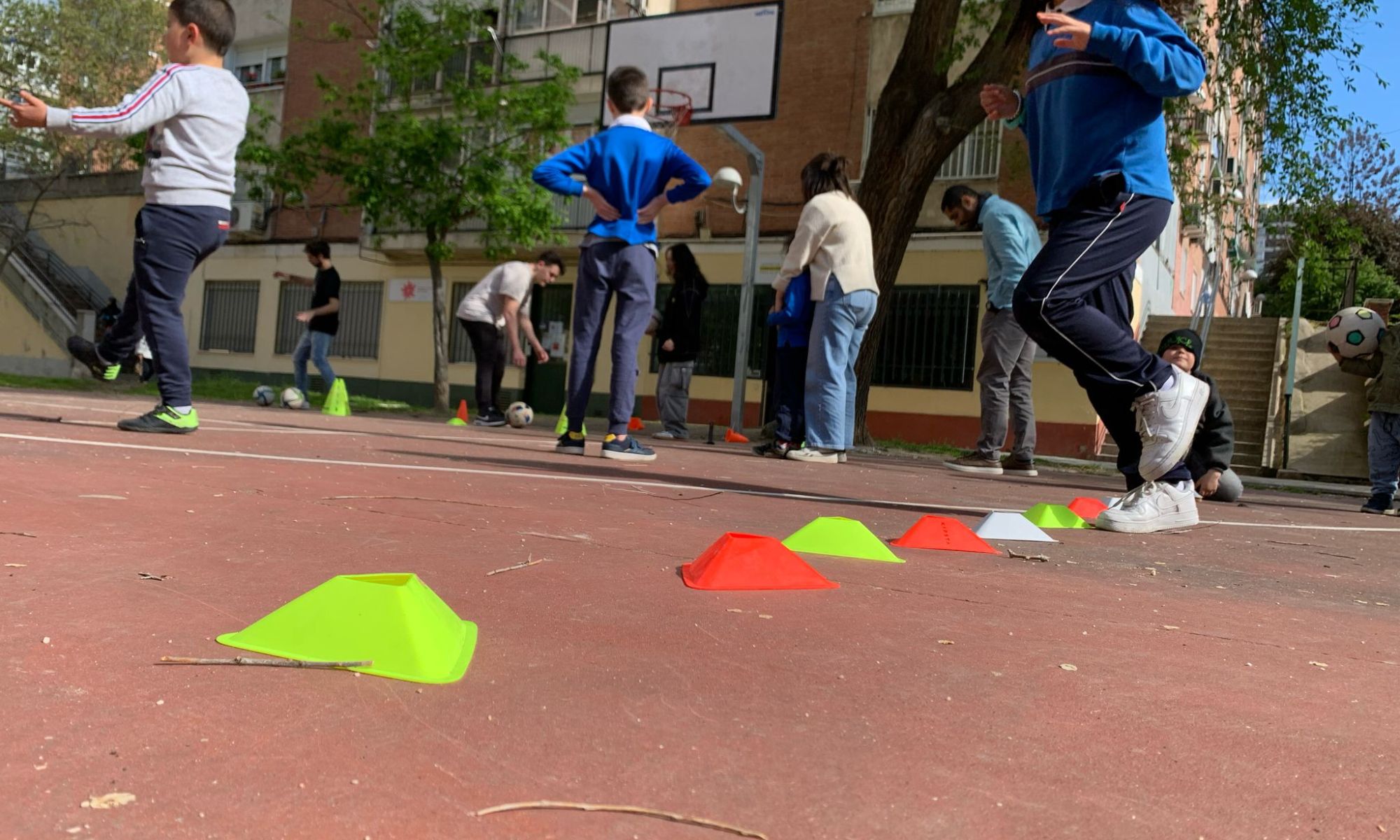
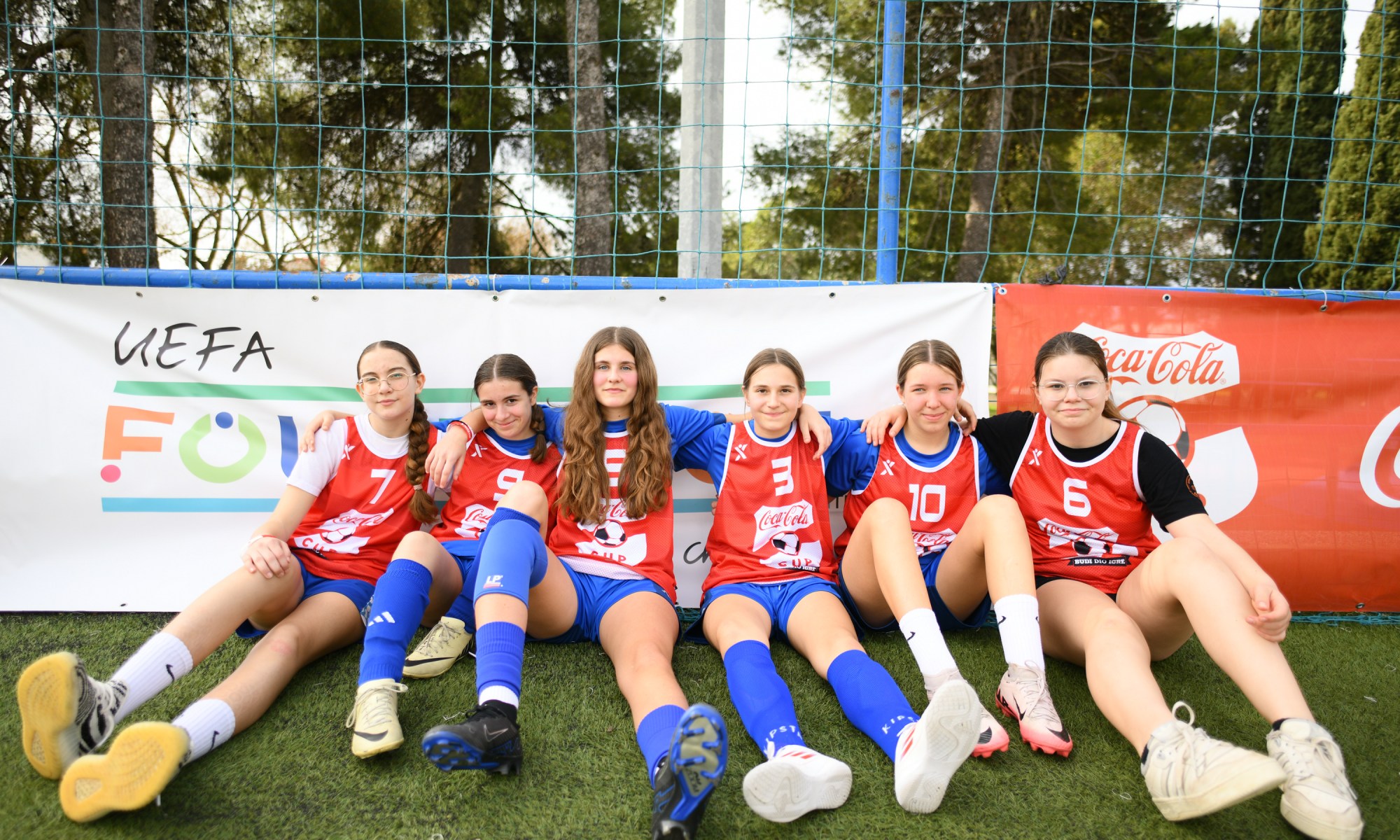
The Valencian Community experienced floods in 2024, and since then around 40% of young people in the areas affected report mental health problems and difficulty concentrating on their studies. Young people in the disadvantaged Fuencarral-El Pardo district of Madrid face similar issues.

Project goals

  • Increase 440 young people’s resilience and personal and social growth
  • Break down cultural and social barriers that often prevent girls and young women from participating in sport
  • Highlight the importance of positive masculinity and boys being allies in achieving gender equality
  • Train 30 coaches in mental health and gender equality through football

Project content

  • Running training sessions, workshops and other football-related activities
  • Training coaches in mental health and gender equality
  • Holding a one-day football festival in Madrid and two festivals in Valencia on gender equality and resilience
  • Holding a two-day tournament in Valencia for participants from both Madrid and Valencia to learn from each other through football and workshops
  • Sharing a manual on football, gender equality and empowerment in Spanish and English with at least 100 social organisations

Partner

Green Goals for All

Location and general information

Ongoing
Location Shkodër and Elbasan, Albania
Start date 02/01/2026
End date 02/01/2027
Cost of the project €115,000
Foundation funding €70,000
Project identifier 2025002471
Partners Qendra Marrëdhënie (The Relationship Center)
Categories Access to Sport - Children with disabilities - Environmental protection - Infrastructure and equipment

Context

Football is Albania’s most popular sport and a source of national pride and community. However, access to spaces for sport and play remains poor, with girls, Roma children and disabled children in particular often excluded from team sport.

Project goals

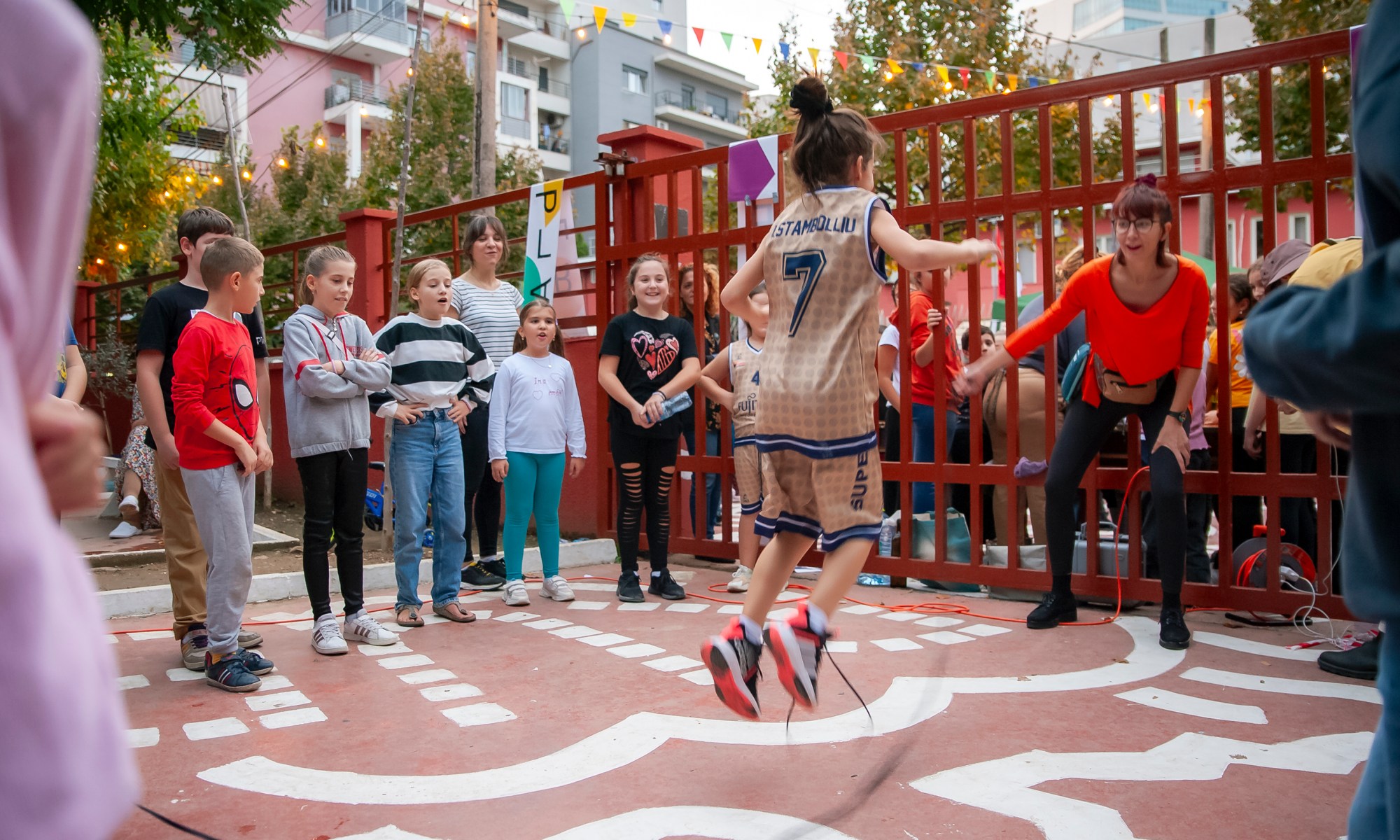
  • Transform school playgrounds in two Albanian cities with high Roma populations into green playgrounds: shaded and welcoming community-centred spaces that are inclusive and climate-responsive
  • Provide quality sports pitches and safe places for neighbourhood residents of all ages and backgrounds to exercise, play and learn
  • Offer equitable, low-barrier access to sport and nature, fostering health, confidence and community among marginalised young people

Project content

  • Organise school selection workshops and introductory sessions with each municipality to align objectives and expectations within the relevant city departments
  • Run training sessions and on-site exchanges with expert green playground designers and engagement professionals
  • Engage with the community through playground parties, neighbourhood meetings and baseline opinion surveys
  • Involve students – particularly girls, Roma children and disabled children – in the design process to ensure the spaces reflect their diverse needs
  • Lead the technical design process in close coordination with municipal departments, oversee the construction process and quality control during implementation
  • Use environmental measurements, observational surveys and perception surveys to assess outcomes such as reduced surface temperatures, increased shade coverage, increased use outside of school hours and improved inclusion
  • Provide hands-on training to municipal maintenance staff and sport and science teachers, who can potentially use the playgrounds for outdoor learning opportunities

Partner

Playing with Corals 2.0: Football as a gateway to climate action and marine awareness

Location and general information

Ongoing
Location Faafu Atoll, Maldives
Start date 03/01/2026
End date 02/29/2028
Cost of the project €205,000
Foundation funding €100,000
Project identifier 2025002042
Partners MaRHE Center of the University of Milano-Bicocca
Categories Access to Sport - Environmental protection - Personal development

Context

Located in the middle of the Indian Ocean, the Republic of the Maldives is composed of approximately 1,200 islands – of which only 187 are inhabited – scattered over roughly 90,000m2. Recognised by the UN as a Small Island Developing State, the Maldives are characterised by their limited land area, remoteness, limited and unevenly distributed resources, and heightened vulnerability to global environmental challenges, including the impacts of climate change, and potentially more frequent and intense natural disasters.

Plastic pollution is one of numerous threats to coral reefs. Despite nationwide bans on single-use plastics, washed-ashore debris results in almost 3 items of litter per square metre. Cigarettes and plastic food wrappers are the most commonly found items.

Project goals

Equip local trainers to lead marine conservation and socio-educational football activities that:

  • promote a culture of environmental care and responsible management of natural resources (SDGs 13 and 14);
  • develop children’s personalities through sport and football and encourage healthy lifestyles, good health and well-being (SDG 3);
  • foster early engagement in conservation to help children become environmental ambassadors and the new guardians of the reef, using a experiential, place-based education (SDG 4);
  • address plastic pollution by assigning each child a 25m2 portion of the beach – and later of the reef – that they are responsible for keeping clean.

Project content

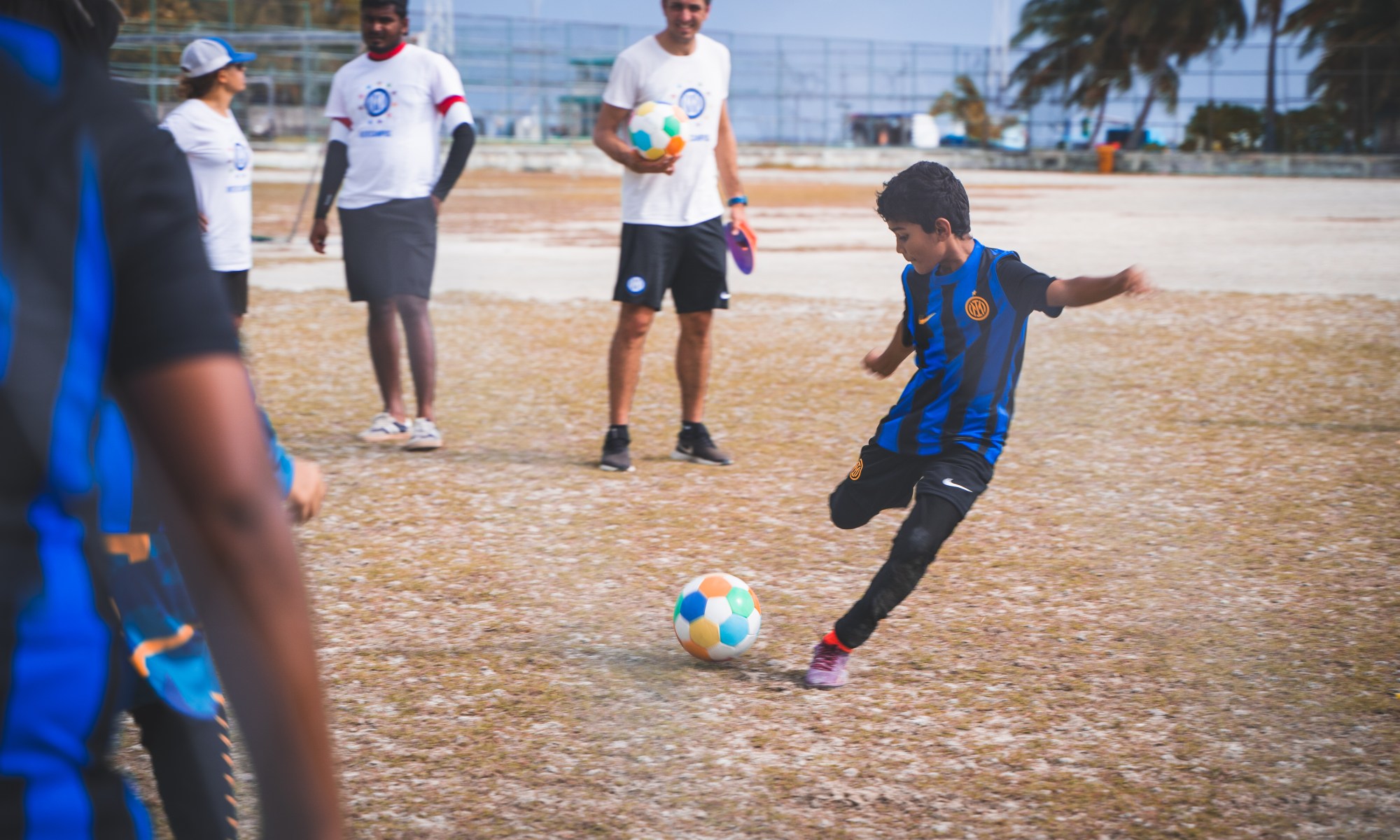
A team of researchers from the MaRHE Center of the University of Milano-Bicocca and professionals from Inter Campus, the social arm of FC Internazionale Milano, will organise two five-day clinics for selected trainers. The clinics – a combination of theoretical lectures and practical activities – will equip the trainers for their work with children throughout the year, in relation to both marine conservation (coral reef ecology and biodiversity, climate change, human impacts, threats, plastic pollution and citizen science) and football training (socio-educational approach to build and manage children’s resilience and life skills through sport).

Practical sessions will include training simulations and real sessions with the children, run by trainers and supervised by the organisers. These will include football and beach games and beach clean-ups, slowly moving towards the reef to increase children’s confidence in this marine environment and promote stewardship.

The project will be evaluated on a regular basis, using questionnaires to track effectiveness over time, in terms of the children’s development and their environmental awareness.

Partner

Mighty Members

Location and general information

Ongoing
Location Battambang, Cambodia
Start date 01/01/2026
End date 12/31/2026
Cost of the project €109,450
Foundation funding €15,000
Project identifier 2025000113
Partners SALT Academy
Categories Access to Sport - Conflict victims - Employability - Environmental protection - Gender Equality - Healthy lifestyle - Personal development - Strengthening partnerships

Context

The level of poverty in Cambodia traps generation after generation of young people in a vicious cycle of neglect, trafficking and abuse – a cycle that the Mighty Members programme seeks to break through education, football and mentorship.

Project goals

Main goal: Empower young people to be change makers through sport

Other objectives:

  • Empower and build self-efficacy
  • Instil good characters and moral values
  • Promote good health, nutrition and physical activity
  • Educate and ensure future job opportunities

Project content

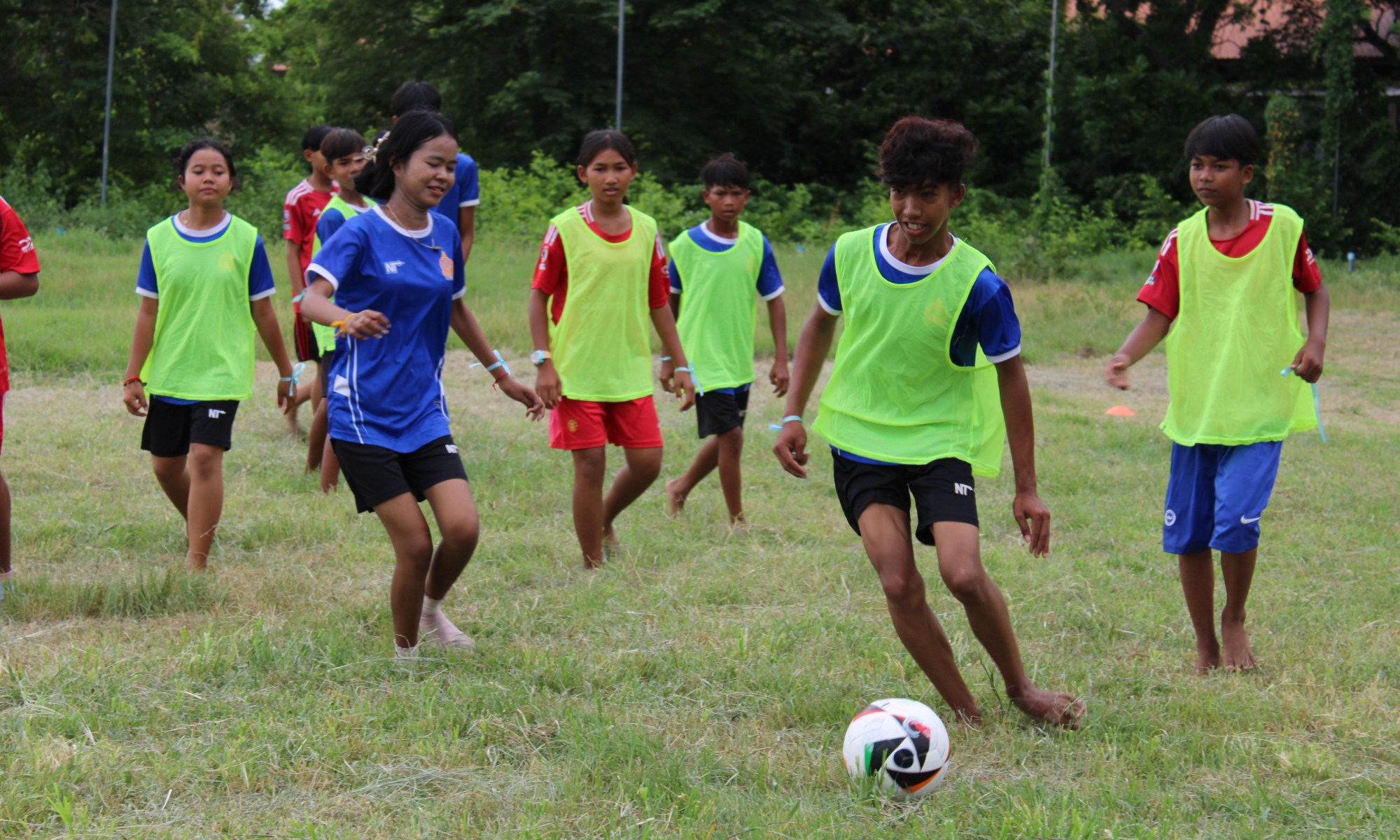
Mighty Members is an intensive full-time programme designed to empower young men and women in difficult situations as a result of poverty, domestic violence, abandonment, child labour or trafficking. A total of 60 carefully selected members – 30 male and 30 female Mighty Members aged 9 to 20 – are given a private education through to high-school graduation, including English classes, maths tutoring and computing, counselling, football matches (including international travel), meals and training in refereeing and coaching.

As the Mighty Members are raised up, they themselves take what they have learned out into their communities and multiply the effects through coaching, refereeing and teaching life skills to teams of their own.

Partner

Copy of Square_Logo_Outline_Color

Youth Sports Games 2026

Location and general information

Ongoing
Location Bosnia and Hercegovina, Croatia, Serbia and Slovenia
Start date 01/13/2026
End date 09/30/2026
Cost of the project €8,183,513
Foundation funding €150,000
Project identifier 2025000972
Partners Association for Sport, Recreation and Education – Youth Games
Categories Access to Sport - Environmental protection - Gender Equality - Healthy lifestyle

Context

The Youth Sports Games – the largest amateur youth sports event in Europe – use sport as a means to connect with children and teens (ages 6 to 18) and promote healthy lifestyles. More than 3.4 million children have competed in the 29 years since the first games were held.

Project goals

Aims of the association

  • Bring together children and teens to actively participate in sport and recreation
  • Educate and encourage children and teens in sport and friendship as an alternative to various forms of addiction and deviant behaviour
  • Provide and promote educational content through all activities, sending modern and up-to-date messages from young people to young people in support of health and social projects and to deter from addictive behaviours

Aims for 2026

  • Involve more than 389,000 participants across all countries
  • Expand our presence to more than 400 cities and 27,000 female football players
  • Gather 8,000 participants in all four national finals and 2,000 at the international finals, for which all accommodation, travel and competition expenses will be covered


Project content

Youth Sports Games tournaments will be held in over 400 cities in Bosnia and Herzegovina, Croatia, Serbia and Slovenia, for school-age children (primary and secondary) to compete in ten sports (football, street basketball, handball, volleyball, beach volleyball, tennis, table tennis, chess, dodgeball and athletics). The most successful individuals and teams will enter national finals, through which the best performing will qualify for international finals.

In addition to the Youth Sports Games, other free sports and recreational activities are organised regularly for children to promote health, sustainability, tolerance and ethical values. The association promotes a lifestyle based on understanding, friendship, solidarity and fair play.

A special focus is placed on the organisation of football tournaments for girls, which will gather around 27,000 female footballers across the four countries.

Partner

Football for All in Vietnam

Location and general information

Ongoing
Location Vietnam, Tuyên Quang province
Start date 01/01/2026
End date 12/31/2026
Cost of the project €116,661
Foundation funding €97,249
Project identifier 2025002081
Partners Football Association of Norway, Football for All in Vietnam
Categories Access to Sport - Environmental protection - Infrastructure and equipment - Personal development

Context

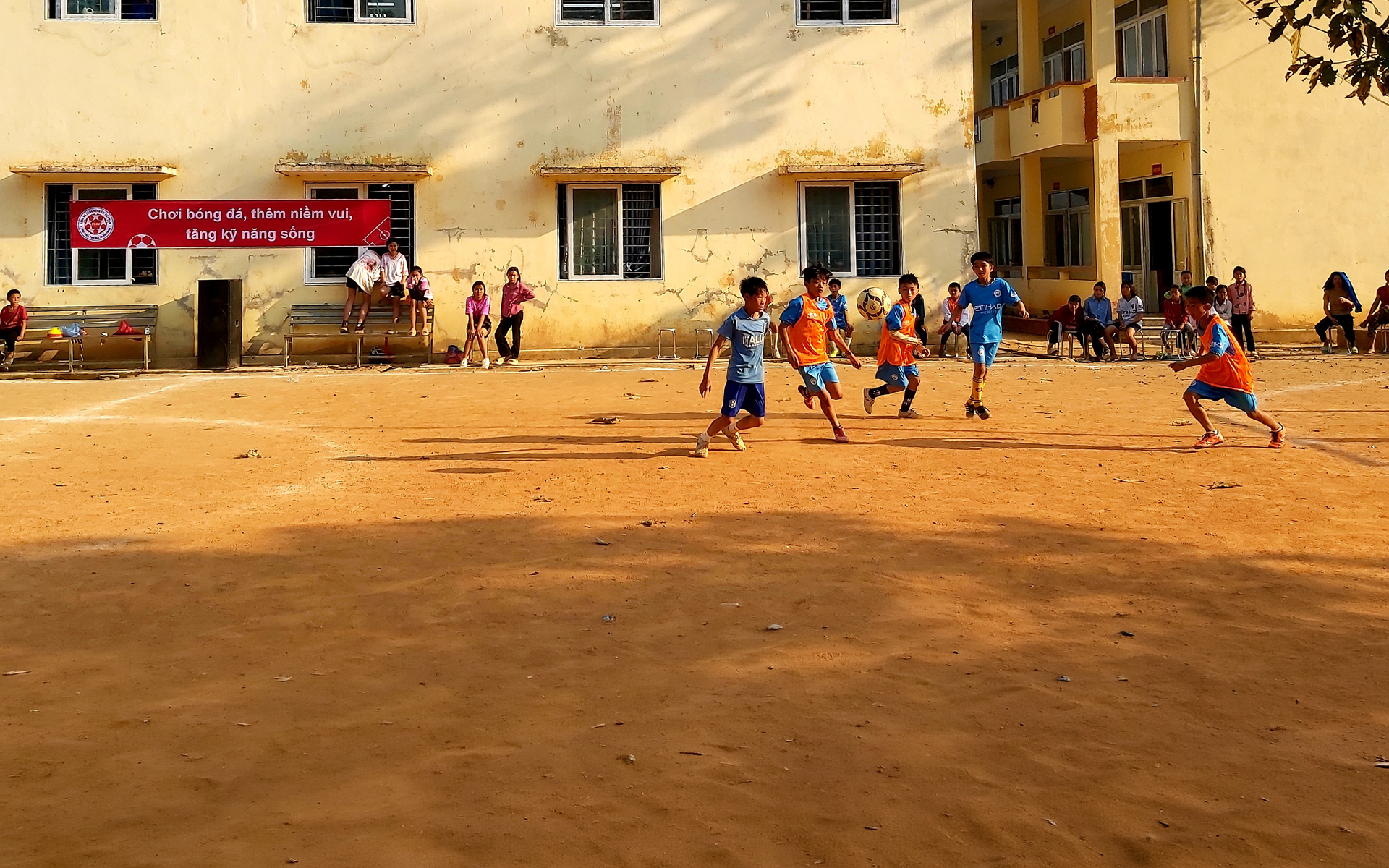
Tuyên Quang is a mountainous province in the far north of Vietnam, on the border with China. Few spaces are available here for recreation and sport. The area is also heavily affected by natural disasters such as landslides, monsoons and flash floods. As a result, many of the already limited pitches are either in poor condition or regularly washed out or damaged, making it even more difficult for children to access sports.

Project goals

  • Provide children with equal and sustainable access to football
  • Maximize the power of football to raise awareness of gender rights and foster equitable practices among ethnic minorities groups
  • Increase the participation of women and girls in football and life skills education programmes, empower and equip them with leadership skills based on the Football for All in Vietnam model

Project content

  • Construct three artificial turf football pitches in three schools
  • Organise regular football and life skills activities for children
  • Organise nine Fun Football Festivals focused on gender equity and climate change education
  • Educate teachers, children and local communities on climate change
  • Plant trees for environmental protection
  • Carry out feasibility studies and internal assessments, continue to monitor and evaluate results

Partner

Football4Wildlife Girls Club

Location and general information

Ongoing
Location Kenya, Maasai Mara, Lemek Conservancy
Start date 01/01/2026
End date 12/31/2026
Cost of the project €64,791
Foundation funding €51,832
Project identifier 2025000729
Partners Water4Wildlife Maasai Mara
Categories Access to Sport - Children with disabilities - Environmental protection - Gender Equality - Infrastructure and equipment - Personal development

Context

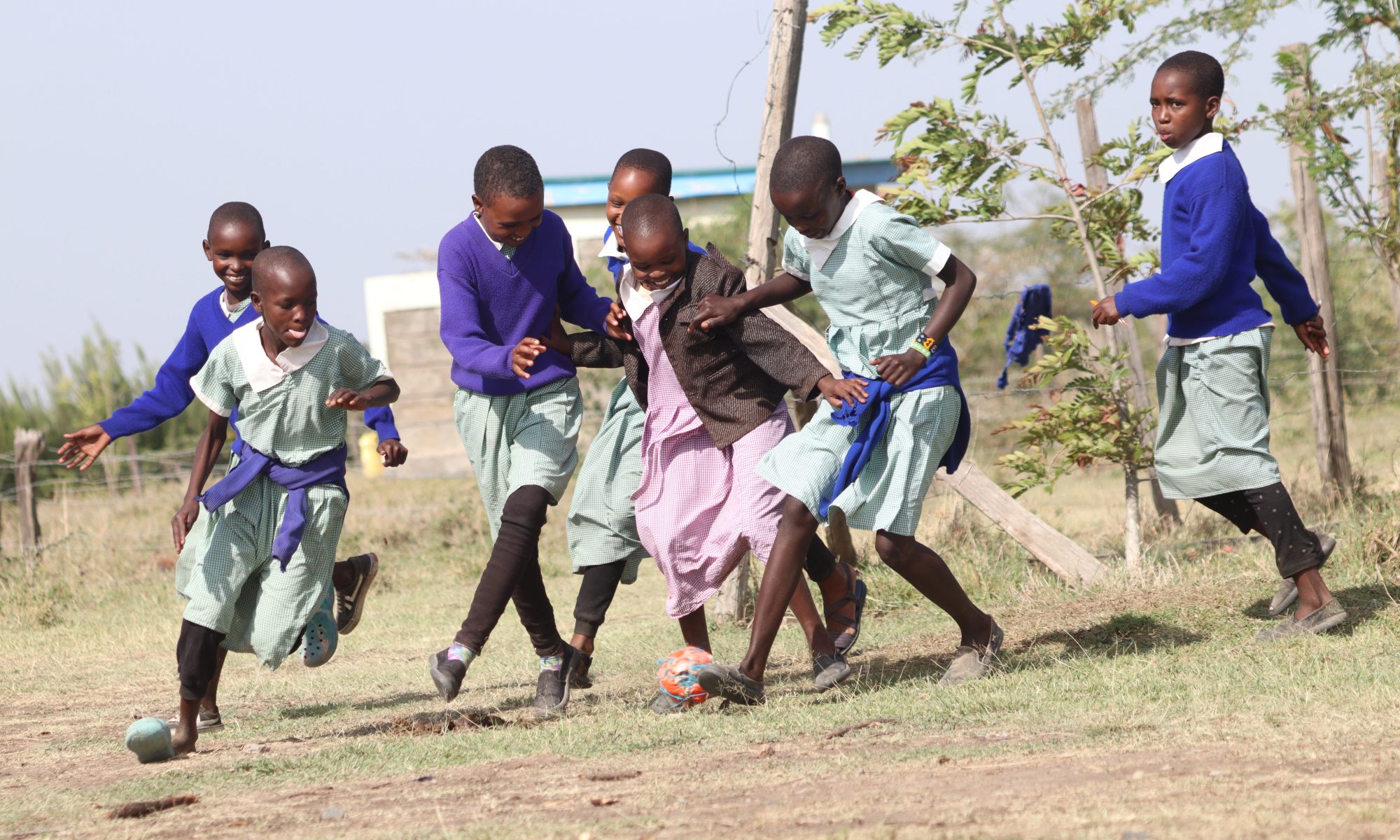
Girls in the rural Maasai Mara ecosystem face limited opportunities to participate in football due to a lack of infrastructure. Football4Wildlife Girls Club provides a safe and empowering space where girls can play football, build confidence, learn about wildlife conservation and take part in well-being activities. The club also offers mentorship from female conservation rangers, creating a unique environment for personal and community growth.

Project goals

  • Make the Girls Club a sustainable model of girl-led community transformation
  • Provide a safe, inclusive space where girls can play football and build their skills, teamwork and confidence
  • Promote wildlife conservation awareness
  • Strengthen community support for girls’ football and female participation in wildlife conservation
  • Empower girls, reinforce their leadership skills and personal development and inspire them to consider careers in conservation

Project content

Phase 2 of the project involves infrastructure components as well as football activities, teaching girls about wildlife conservation, career-focused female mentorship and community engagement.

  • Completion of essential facilities including a septic tank, drainage system, storage room and dugouts
  • Installation of a solar power system and water tank to support sustainable operations
  • Provision of football kits and a projector for use in training and educational sessions
  • Launch event attended by the football coach, female conservation rangers, club members and other members of the community
  • Regular training sessions and friendly matches for girls
  • Football-themed games and structured classes to teach girls about wildlife conservation
  • Interactive sessions delivered by professional female rangers during training and club activities
  • Career talks and mentoring sessions led by female rangers

Partner

Aktive Jen Yo (Activating young people

Location and general information

Ongoing
Location Rural Haiti, including Leogane, Destra, Carrefour Croix and Bossan
Start date 01/01/2026
End date 12/31/2026
Cost of the project €336,080
Foundation funding €55,657
Project identifier 2025000932
Partners Global Outreach And Love of Soccer (GOALS Haiti)
Categories Access to Sport - Employability - Environmental protection - Gender Equality - Healthy lifestyle - Personal development

Context

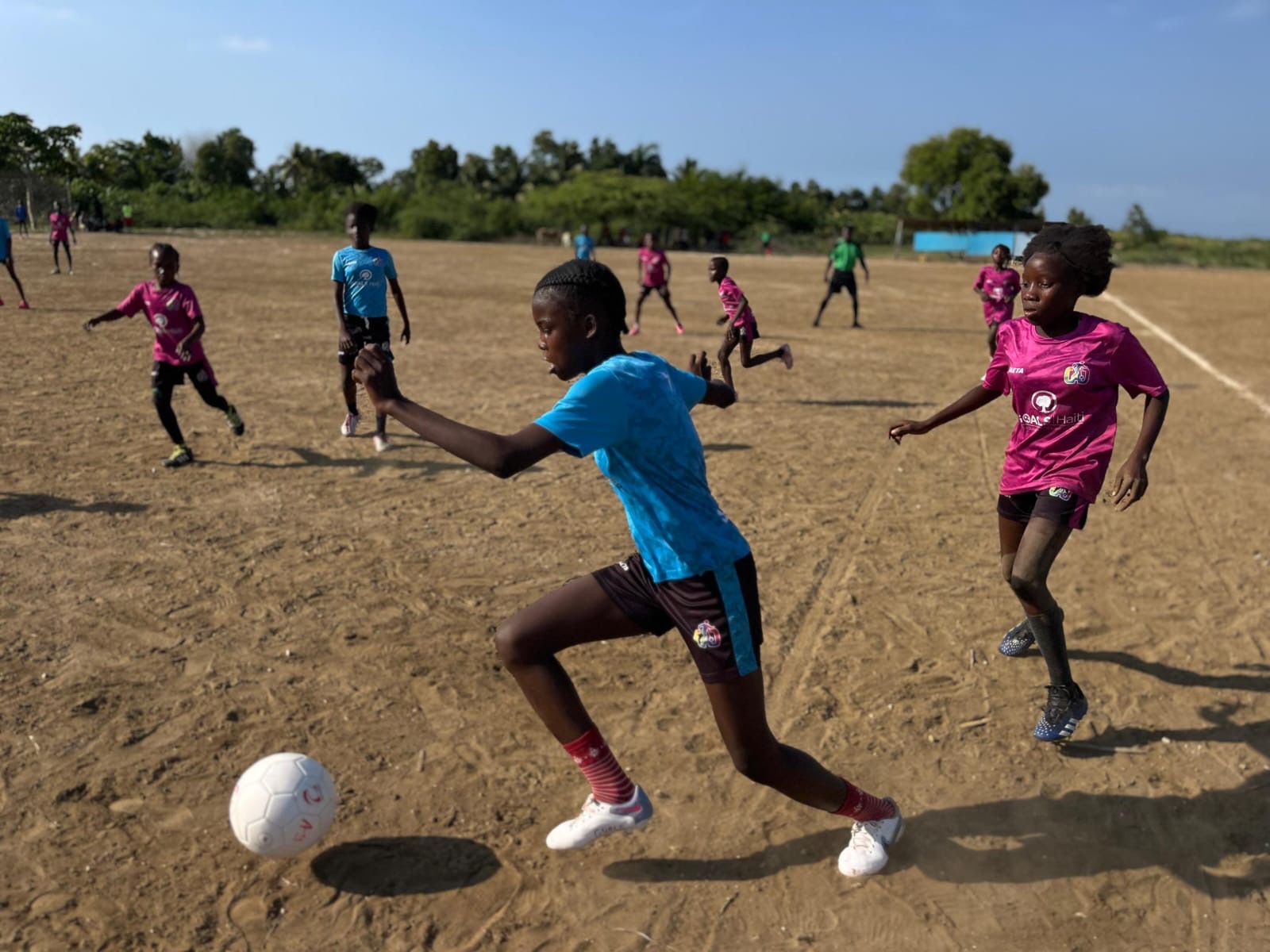
Haiti is facing a prolonged, multidimensional crisis marked by widespread insecurity, economic collapse, and the near absence of public services. Gang violence, political instability, inflation exceeding 40%, food insecurity, and recurring health emergencies (including cholera outbreaks) have deeply affected daily life, particularly for children and young adults. While international attention focuses on urban centres, rural communities are often overlooked. In the areas where GOALS Haiti operates, there are no other youth services, access to education and healthcare is limited, and children have very few safe spaces to gather, learn or play.

These conditions place children and adolescents at heightened risk of trauma, poor health, school dropout, gender-based violence, and social isolation. Without positive alternatives, young people are increasingly vulnerable to negative coping mechanisms or forced migration to unsafe urban areas.

Project goals

  • Improve the health and well-being of children and young adults in rural Haiti by ensuring regular access to safe sport, play, health education, and nutrition in communities where no other youth services exist
  • Expand access to education and learning opportunities for underserved young people by reducing barriers to schooling and strengthening literacy, academic skills and life skills through integrated sport-based programming
  • Help young people to develop confidence, leadership skills, and positive life pathways so that they can make informed decisions, contribute to their communities, and shape their own futures
  • Promote gender equality and inclusion through sport and education by ensuring girls and boys participate equally and by creating leadership opportunities for girls and young women
  • Strengthen community cohesion and youth civic engagement by engaging young people in community service and environmental action that improves local conditions, and fosters shared responsibility


Project content

Aktive Jen Yo is built around daily football and inclusive purposeful play sessions that provide children and adolescents with safe, consistent spaces where they regain a sense of normalcy and learn teamwork, discipline, communication and respect. The sessions are intentionally designed to include girls and boys equally and to model positive social norms through play.

Alongside sport, the project delivers integrated education and life-skills programming. Young people participate in literacy classes, tutoring and school support to strengthen reading, numeracy and critical thinking skills. Life-skills education – including leadership, problem-solving, conflict resolution, gender equality and decision-making – is embedded within both classroom sessions and on-field activities, reinforcing learning through practical experience.

Health education is a core component: trained staff and partners lead sessions on hygiene, disease prevention, sexual and reproductive health and gender-based violence awareness. Participants also receive a daily meal and access to clean drinking water during activities, supporting their physical health and concentration while reinforcing healthy habits.

The project places a strong emphasis on youth leadership, community service and environmental action. Young people take part in leadership workshops and lead community projects addressing local needs, such as tree planting, recycling initiatives and maintaining community gardens. These activities encourage civic responsibility, strengthen community ties and give the youngsters visible roles as contributors and leaders within their villages.

All activities are delivered by a locally led team of trained coaches, educators and community leaders, ensuring cultural relevance and responding to community needs. Regular monitoring, feedback from participants and community involvement guide ongoing adaptations and improvements to the activities provided.


Partner

Environmental Youth Ball Games and Community Competitions

Location and general information

Ongoing
Location Southeast Lowveld, Zimbabwe
Start date 01/01/2026
End date 12/31/2026
Cost of the project €20,957,01
Foundation funding €16,767
Project identifier 2025001441
Partners African Wildlife Conservation Fund
Categories Access to Sport - Environmental protection - Personal development

Context

Zimbabwe’s young people have borne the brunt of years of economic and political instability. Rural communities, in particular, are marginalised and deprived of educational and extra-curricular activities. This disadvantage is compounded by conflict between humans and the surrounding wildlife and a lack of appreciation for the value of the ecosystem.

These challenges make young people susceptible to environmentally detrimental behaviour such as poaching, deforestation, and overconsumption of natural resources.

Project goals

  1. Engage an at-risk, young demographic in environmentalism and inspire a change of attitude towards wildlife and the conservation sector
  2. Provide a rare opportunity for children and young adults to access sport and the arts
  3. Share proven human-wildlife coexistence strategies with rural communities to support the management of conflict
  4. Share important messaging on the sustainable use of natural resources and build rural resilience to climate challenges

Project content

The following activities will be delivered:

  1. Ten netball and football tournaments

Each tournament takes place over six to eight weeks. The four teams that make the final of each sport compete in front of a large crowd on the morning of the local Community Competition Day.

  1. Ten environmental community competitions

Teams from local schools compete in drama, poetry, model-making, and poster-making, presenting their messages to the community about locally relevant and urgent environmental, climat,e or wildlife needs.

Partner

Goals for children, equity and the environment

Location and general information

Closed
Location Nicoya Peninsula, Puntarenas, Costa Rica
Start date 09/14/2020
End date Ongoing
Cost of the project €210,000
Foundation funding €20,000
Project identifier 2024000308
Partners Fútbol por mi país
Categories Access to Sport - Employability - Environmental protection - Gender Equality - Personal development

Context

Costa Rica faces several economic, social and environmental challenges that are hindering its growth and development. Rural areas and marginalised communities, especially women and children, are disproportionately affected. 

Project goals

  • Empower and educate children through football, giving them the tools needed to make informed life choices so that they can build a better future for themselves and their community 
  • Expand our programme within the communities that we currently serve to increase overall participation, including at least 40% girls and women, and to ensure more consistent attendance from all participants 
  • Encourage more parents and guardians to take part in our monthly family workshops 
  • Extend our reach to neighbouring communities such as Las Delicias and Valle Azul 
  • Offer more environmental activities such as beach clean-ups and recycling drives in partnership with other organisations to encourage people to be more environmentally conscious and empower them to make a difference 
  • Organise a tournament on the Nicoya Peninsula to increase engagement and promote the benefits of our programme 

Project content

Fútbol X Mi País (FxP) is a free after-school programme that offers children a safe space to learn, socialise and exercise. We use an approach developed by Fútbol con Corazón Colombia that combines football with learning and skills development to achieve our goals. The programme is centred around four fundamental values: honesty, tolerance, respect and solidarity. FxP also encourages participants to be environmentally conscious and take care of community assets. 

Our coaches work with teachers to ensure that programme participants are enrolled in school and we encourage parents and local businesses to get involved.  

  • Learning through football 

Certified coaches run eight to ten monthly sessions that promote personal development and life skills training through football. After each 90-minute session, participants discuss and reflect on what they have learnt to deepen their understanding of the topic. Local businesses, parents and volunteers prepare snacks, fostering a sense of community. 

At the end of the year, participants take part in a life project that encourages them to imagine and build a better future for themselves and their communities. 

Each year we focus on the programme’s fundamental values of honesty, tolerance, respect and solidarity, while also teaching teamwork, non-violence and gender equality, healthy and responsible sexual relationships and drug and alcohol awareness.  

  • Inclusive football matches  

We organise two inclusive, non-traditional football matches a month. Participants decide on the match rules and then play in mixed teams without a referee. They are responsible for following and enforcing these rules to ensure a fair and respectful game. After the match, they evaluate and assess their behaviour, which helps them to embody these values and learn from the experience. 

  • Family workshops 

Once a month, our coaches meet with the participants’ families to discuss and review the work being done on the field and to help families gain a deeper understanding of the methodology behind our programme.  

During the sessions we address any concerns about the participants’ education and give the families tasks to complete at home, creating meaningful opportunities to apply and reinforce what the children have learned in their daily lives. We also use these sessions to encourage parents to volunteer and support our coaches. 

  • Environmental education sessions and sustainability activities  

We organise public clean-ups of football fields, parks, streets and beaches alongside football practice to benefit our community. We also run educational workshops on the importance of recycling and reducing our environmental impact. These activities encourage environmental awareness, empower participants and help to maintain the beauty of our public spaces. Some of the beaches we have cleaned have been awarded the prestigious Blue Flag status. This recognition strengthens community pride and fosters a sense of shared responsibility for the environment. 

  • Regional tournament   

We will organise a monthly regional tournament to engage new communities and football academies. This initiative will enable us to reach an additional 100+ children, fostering collaboration and participation among diverse groups, raising awareness of the benefits of our approach and ultimately contributing to children’s development in these communities. 

Partners

Sports for Resilience and Empowerment Project (SREP): Primary school construction

Location and general information

Terminé
Location Masindi district, Uganda
Start date 02/15/2025
End date 12/31/2025
Cost of the project €300,000
Foundation funding €170,000
Project identifier 2024000336
Partners Aliguma Foundation
Categories Access to Sport - Children with disabilities - Conflict victims - Employability - Environmental protection - Gender Equality - Healthy lifestyle - Infrastructure and equipment - Personal development - Strengthening partnerships

Context

The situation in Masindi district reflects the challenges faced by rural areas in Uganda, where access to quality education is severely limited. Many children attend overcrowded and under-resourced schools with high dropout rates and poor academic performance. In addition, the socio-economic conditions are such that children are often forced to prioritise labour over education, leaving many without the skills and knowledge they need for a better future. 

This project addresses the shortage of adequate infrastructure, trained teachers and teaching materials, breaking the cycle of poverty by investing in the future of the region's children. 

Project goals

  1. Build a modern primary school: establishing a well-equipped and safe teaching facility and an environment that is conducive to learning for children in rural Masindi
  1. Enhance access to quality education: ensuring that children in the region have access to quality education, reducing the barriers associated with inadequate infrastructure and resources
  1. Promote social inclusion: creating opportunities for all children, including those from disadvantaged backgrounds and with special needs, to get an education and participate fully in their communities
  1. Improve educational outcomes: improving schoolchildren’s academic performance and overall development by providing better learning conditions, teacher training and educational materials
  1. Empower the community: engaging the local community in the development and maintenance of the school, fostering a sense of ownership and responsibility 
  1. Support holistic development: integrating sport and extracurricular activities into the school curriculum to promote physical health, teamwork and life skills
  1. Reduce dropout rates: addressing contributing factors and creating a supportive and engaging school environment
  1. Strengthen teacher capacity: providing training and resources for teachers to improve the quality of instruction and support effective learning
  1. Promote gender equality: ensuring that girls have equal access to education and opportunities, contributing to gender equality and empowerment
  1. Foster sustainability: developing strategies to support the school’s long-term sustainability and lasting impact, including community involvement and partnerships

Project content

  • Planning and construction of a primary school in the Masindi district of Uganda
  • Teacher training and curriculum development
  • Provision of teaching materials and other resources
  • Community engagement and outreach

Partners

Sports development programme

Location and general information

Closed
Location South Africa
Start date 01/01/2025
End date 12/31/2025
Cost of the project €166,000
Foundation funding €30,000
Project identifier 2024001091
Partners Grootbos Foundation
Categories Access to Sport - Children with disabilities - Employability - Environmental protection - Gender Equality - Healthy lifestyle - Personal development

Context

Gansbaai, like other semi-rural areas in South Africa, struggles with youth unemployment, resulting in limited opportunities and a pervasive lack of hope among young people.

The situation is compounded by a number of challenges typical of disadvantaged communities: elevated school drop-out rates, poor public transport, gender-based violence, alcoholism, drug use, high levels of depression and other socio-economic pressures.

Project goals

  • Offer an engaging, fun sports programme during and after school to ensure that children and teenagers have a safe place to go, accompanied by trained adult coaches (target: 3,000 children)
  • Teach mental health and coping skills, menstrual health, gender-based violence awareness, HIV/AIDS awareness, wildlife conservation and nutritional health to support the local schools’ educational programmes, giving children hope and encouraging them to persevere with formal education
  • Deliver inclusive programmes to people of all ethnicities, ages, genders and abilities to ensure no one is left behind
  • Ensure awareness of nature and encourage conservation efforts
  • Help young people pursue careers and achieve financial stability to reduce dependence on state aid

Project content

  • In-school programme: physical education projects in 10 schools, and assistance with subject choice and career planning for teenagers
  • After-school multi-sport coaching: football, netball, hockey, girls' rugby, cross-country running, athletics, water safety, surfing, canoeing, gross motor skills for early childhood, adapted games for young people with special needs
  • Four holiday programmes a year
  • Tournaments and competitions
  • Mental health projects using surf therapy
  • Ocean and land conservation programmes
  • Awareness projects that use football to address gender-based violence and HIV/AIDS
  • Menstrual health/sanitary pad project
  • Rising stars project offering elite sporting opportunities
  • Training modules for coaching staff

Partners

Getting Opportunities and Learning in Social Studies (GOAL-S)

Location and general information

Ongoing
Location Nepal
Start date 03/01/2025
End date 02/28/2026
Cost of the project €25,250
Foundation funding €25,000
Project identifier 2024000997
Partners Childreach Nepal
Categories Access to Sport - Environmental protection - Gender Equality - Healthy lifestyle - Personal development

Context

The Chepang are among Nepal’s most disadvantaged indigenous groups, classified as 'highly marginalised' based on various socio-economic indicators including population size, literacy rate, housing conditions, land ownership, occupation and access to higher education. Nearly 90% of the Chepang population lives below the poverty line.

A recent study by the District Public Health Office revealed that 45 to 86% of Chepang girls in Makwanpur marry between the ages of 12 and 15 – despite child marriage being outlawed in Nepal since 1963. Poverty, lack of education and awareness, and limited availability of food and opportunities to generate income are considered major contributing factors.

Project goals

Main objectives

  • Empower children to recognise and assert their right to protection from abuse
  • Establish strong collaboration and a unified approach to safeguarding children among parents, schools and communities in Makwanpur District
  • Develop and implement innovative, play-based teaching methods that foster active, immersive learning

Additional objectives

  • Incorporate sport and play in education and ensure that all children have access to structured recreational activities in school to support learning and engagement
  • Design and implement a sports-based curriculum that addresses critical social issues such as child protection, equality and harmful traditions
  • Encourage children to challenge stereotypes and advocate for their rights, fostering a culture of openness and empowerment
  • Raise awareness among parents and communities about child protection using engaging, sports-driven outreach programmes
  • Provide training for teachers and community youth leaders to integrate immersive, play-based techniques into their teaching practices

The GOAL-S project has already achieved positive outcomes, including increased participation, especially among girls, and heightened community awareness of child protection issues.

Project content

  • Weekly sports sessions led by trained youth leaders for approximately 300 children aged 11 to 14
  • Social studies curriculum that delivers key messages on child protection, educates children about their rights and encourages them to discuss what they learn with their parents, caregivers and other family members
  • Tailored games and activities that promote behavioural change to help children assert and claim their rights
  • Active consultation and engagement of teachers to incorporate their expertise and understanding of their students' needs, including a process of co-creation and delivery through which teachers acquire new skills in play-based pedagogy that they can apply in various contexts
  • Capacity development workshops and mentorship for teachers and youth leaders
  • Child protection training for parents and community members, with a view to co-creating a child protection mechanism
  • An annual football festival involving children, parents and community members to raise awareness of children’s rights and abuse prevention

Partners

Empowering Zambian adolescents to conserve nature through sport

Location and general information

Ongoing
Location Basanga community, Musungwa chiefdom, Itezhi-Tezhi district, Southern Province, Zambia
Start date 03/31/2027
End date 03/31/2027
Cost of the project €125,250
Foundation funding €54,750
Project identifier 2024000945
Partners Game Rangers International
Categories Access to Sport - Children with disabilities - Employability - Environmental protection - Gender Equality - Healthy lifestyle - Personal development

Context

Over two-thirds of the estimated 12,000 people living in the remote Basanga community are under the age of 19. These children and adolescents face many challenges, including a lack of education, food insecurity and inadequate healthcare.

Basanga lies on the edge of Zambia’s largest and oldest protected area, Kafue National Park, a rich ecosystem home to 30% of the country’s total elephant population and countless large carnivore species. Desperate community members living in poverty are drawn to poaching as they face scare employment opportunities and may not see the value of natural resources. At the same time, the absence of law enforcement lowers their risk perception. Single unemployed women in Zambia are particularly vulnerable to being exploited by the illegal wildlife trade. Women are considerably less likely than men to report wildlife crime and are drawn to exchange information, sex and secure accommodation on the borders of the park for bushmeat or money. This dangerous cycle of transactional sex perpetuates the spread of HIV, gender-based violence and unwanted pregnancies.

Project goals

  • Reduce wildlife crime in and around Kafue National Park by raising awareness of conservation efforts and empowering young people through vocational training
  • Improve young people’s health, well-being, problem-solving, leadership and resilience
  • Prevent unplanned pregnancies, child marriage and sexual and spousal violence in Basanga by championing sexual health education and empowering girls

Project content

Game Rangers International (GRI) is building a multi-purpose community youth sports centre for the Basanga community. Over the next two years, with critical support from the UEFA Foundation for Children, GRI will engage, educate and empower children and adolescents at the centre, helping them to develop their skills and surrounding them with positive role models.

To this end, GRI will:

  • Recruit and train a groundsman responsible for security and maintenance
  • Recruit and train a community outreach ranger to schedule activities, develop content, coordinate partnerships and facilitate sessions
  • Furnish and equip the centre so it can serve as a classroom, exhibition space, sports centre and outreach office
  • Decorate the centre with conservation awareness posters and information
  • Encourage children and adolescents to visit through radio broadcasts, posters and school visits
  • Offer structured weekly football training and fitness sessions for children and adolescents
  • Establish a vocational skills station and invite local professionals to offer short vocational courses for young people
  • Offer children and adolescents training on environmental conservation, girls’ empowerment and life skills

Partners

Football for All

Location and general information

Ongoing
Location Vietnam: Cao Bang, Can Tho, Ha Giang and Quang Tri provinces, and an additional two provinces in the Mekong Delta (provinces tbc based on feasibility studies)
Start date 01/01/2025
End date 12/31/2026
Cost of the project €159,951
Foundation funding €101,733
Project identifier 2024001059
Partners Football Association of Norway (Football for All in Vietnam project)
Categories Access to Sport - Employability - Environmental protection - Gender Equality - Healthy lifestyle - Personal development - Strengthening partnerships

Context

In many ethnic minorities in Vietnam, boys enjoy more social and cultural opportunities than girls, who are expected to grow up to be wives and mothers. Girls therefore tend to be less educated, forced into early marriage and denied the chance to develop in other areas of life.

Project goals

  • Raise awareness of gender equality among ethnic minorities by fostering equal participation of women and girls in football and life skills education
  • Empower and equip girls and women in an additional two provinces by offering leadership training based on the Football for All in Vietnam model that has been funded by the UEFA Foundation for Children in Ha Giang province since 2022

Project content

The 138 football clubs in Ha Giang, Quang Tri, Cao Bang and Can Tho provinces that were funded by the UEFA Foundation for Children between 2022 and 2024 will be given additional football equipment and continued support, and new clubs created, with:

  • football coaching courses at 41 new football clubs in Quang Tri and Cao Bang provinces;
  • training courses for female life skills instructors at each new club;
  • climate change education at the clubs in Cao Bang and Ha Giang provinces in the far north of the country;
  • regular football and life skill activities at all 138 existing clubs; and
  • 118 ‘Fun Football Festivals’ at the existing clubs.

The project will also be extended to another two provinces, with:

  • a feasibility study in each province;
  • the creation of 30 new football clubs, with football coaching and life skills training courses at each club;
  • 30 ‘Fun Football Festivals’ (one per club);and
  • two provincial ‘Fun Football Festivals’ (one per province).

Partners

READY TO USE FFAV OFFICIAL Logo

Improvement of the protective environment and well-being of children at the Habbena recreation centre in N’Djamena

Location and general information

En cours
Location Chad, N'Djamena
Start date 03/01/2025
End date 02/28/2027
Cost of the project €159,592
Foundation funding €120,000
Project identifier 2024001047
Partners INTERSOS
Categories Access to Sport - Environmental protection - Gender Equality - Personal development

Context

There is a serious lack of sports infrastructure in N'Djamena, the capital of Chad. There are few existing facilities and many government-planned projects from 2008 remain incomplete or unusable. Access to sport is therefore limited, particularly for young people in working-class neighbourhoods. Despite recent progress, including the construction of a new sports complex and ongoing stadium renovations, current initiatives fail to meet the growing needs.

Project goals

Improve the lives of thousands of children in N’Djamena by expanding access to safe, inclusive sports spaces that foster physical, personal and social development, while promoting inclusion, respect and solidarity.

Project content

Development of sports infrastructure

The project will improve the sports facilities at Habbena recreation centre by installing a natural grass football field and a running track. Children and community leaders will actively plant and maintain the grass, promoting both environmental awareness and skills development. Additionally, drainage systems will be constructed to prevent flooding, ensuring year-round accessibility and reducing the health risks associated with stagnant water and waterborne diseases.

Environmental awareness and personal hygiene

Children will take part in educational sessions on hygiene and cleanliness to teach them the importance of a clean and safe environment. Waste management initiatives will be introduced, including the installation of bins, handwashing stations and toilets and a maintenance schedule for the common areas will be drawn up. Community leaders and youth club members will be trained to lead environmental awareness activities, encouraging long-term engagement. Special environmental days will be organised, with children taking part in activities that foster responsibility and sustainability.

Child protection and psychosocial support

The project will establish child-friendly spaces within the centre, offering recreational and life skills activities to support children’s well-being and social cohesion. These spaces will be run by trained members of the community and will be inclusive for people of all genders and any disabilities. A listening centre will provide psychosocial support, with skilled social workers identifying and referring cases of psychological distress. Around 150 children will receive psychosocial support through individual and group sessions. Service mapping will be conducted to ensure cases are properly referred to existing health and social services in N’Djamena.

School reintegration and gender-based violence referrals

The project encourages out-of-school children to resume their education by bringing them together with children attending school. A cohort of 60 children (60% girls) will receive support reintegrating into school over two years, with the project covering school fees and essential supplies. For those past school age, referral pathways will be established for informal education opportunities or vocational training. Additionally, children and adolescents identified as survivors of gender-based violence will be referred to specialised service providers, including the one-stop centres managed by the government and supported by several United Nations agencies and offices.

Partners