Play and Debate

Location and general information

Ongoing
Location Aley and Beirut (Achrafieh district), Lebanon
Start date 01/01/2026
End date 12/31/2026
Cost of the project €35,572
Foundation funding €15,240
Project identifier 2025001131
Partners Baroudeurs de l'Espoir
Categories Access to Sport - Children with disabilities - Conflict victims - Employability - Gender Equality - Healthy lifestyle - Personal development

Context

Lebanon is facing a serious multisectoral crisis, exacerbated by the current war and regional conflicts, which are having a profound effect on young people. Persistent instability, electricity and fuel shortages and the breakdown of essential services are restricting children’s access to education, healthcare and protection. War also increases the risk of domestic violence, child labour, family separation and psychosocial distress.

Project goals

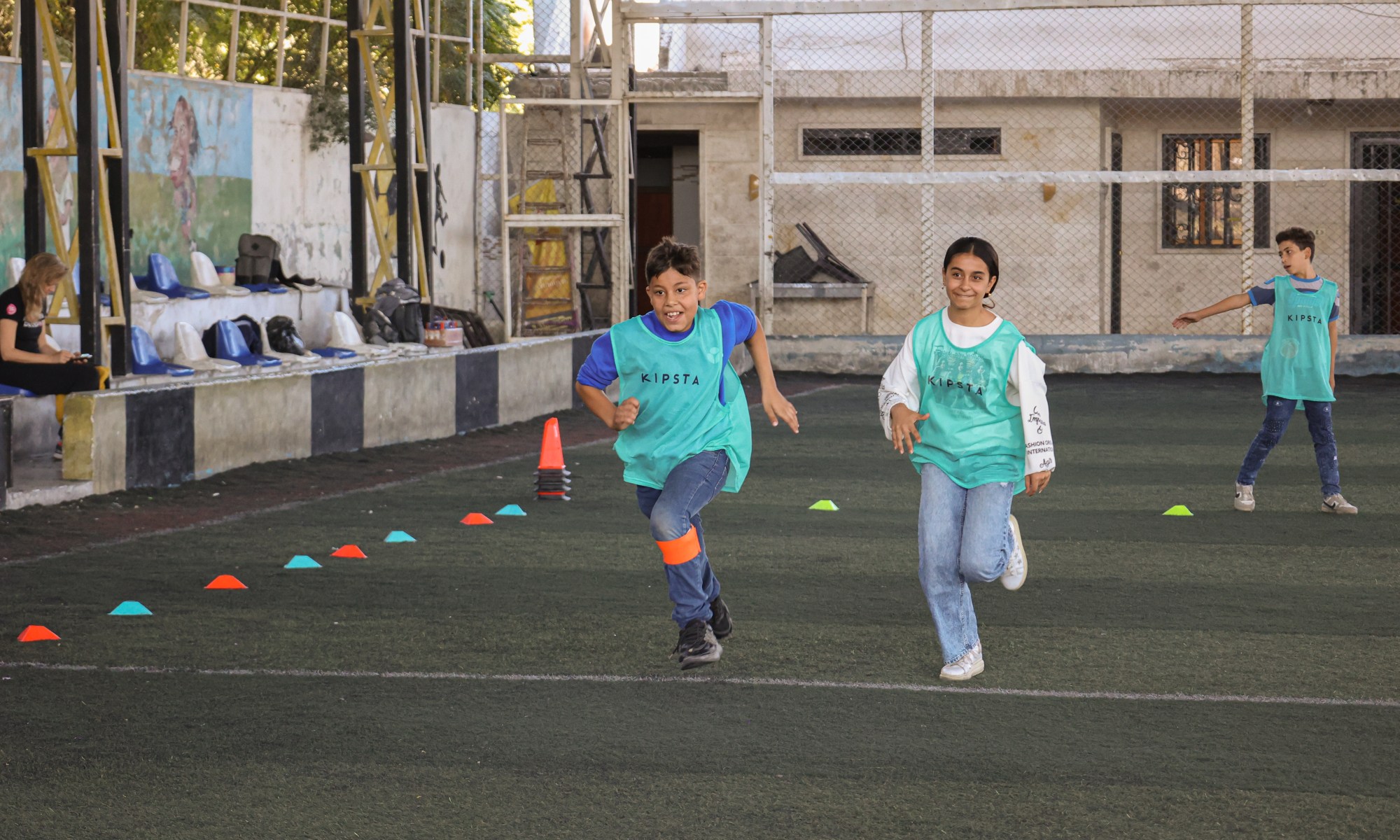
Use sport to support the psychosocial development of children and teenagers in Lebanon, offering them opportunities to relax in a safe environment, teaching them about peace and social harmony, and enabling them to grow, exercise, excel and develop team spirit.

Project content

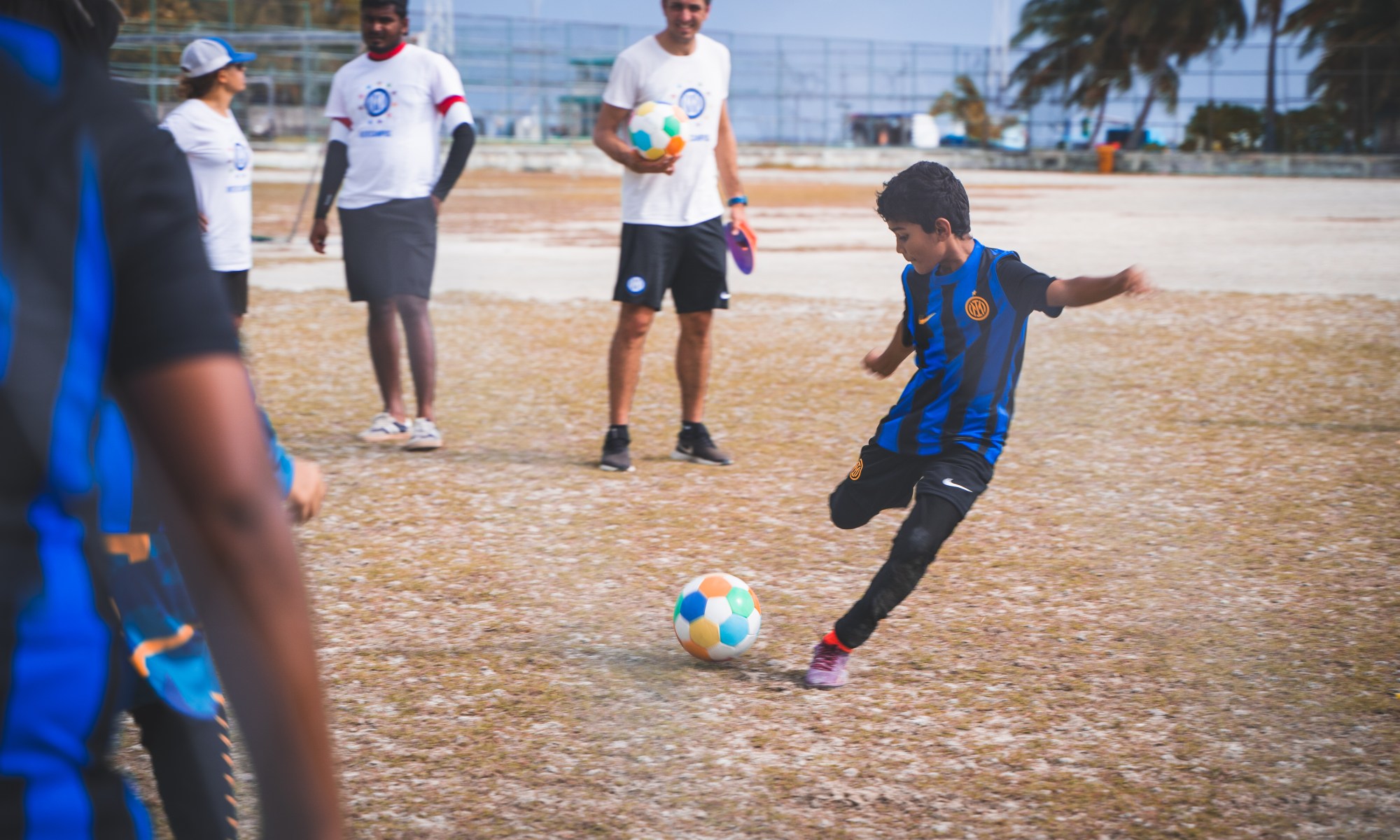
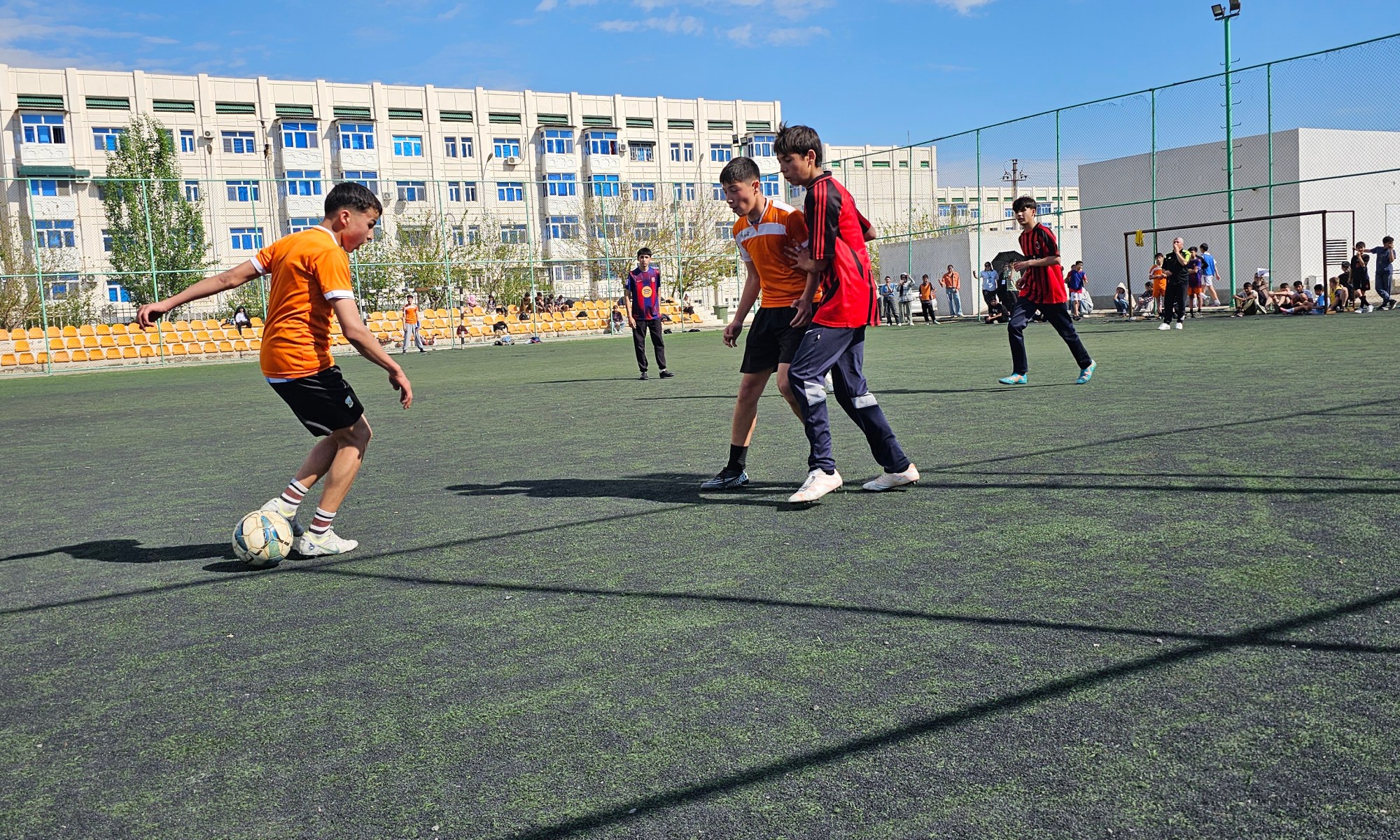
Two-hour socio-educational sports sessions, offering children and teenagers a precious opportunity to move, play, learn and develop a sense of teamwork.

The first hour is divided into three 20-minute sections in which the children learn a new game, receive a presentation on a particular topic (e.g. conflict management or peace) and then discuss the topic and how to apply it to their everyday lives. A nutritious snack is provided – a valuable support for families experiencing financial hardship – before the second half of the session, which comprises a mini sports tournament.


Partner

Play for Protection: Child-centred sport for safety and belonging

Location and general information

Ongoing
Location Cox’s Bazar, Bangladesh
Start date 01/01/2026
End date 12/31/2026
Cost of the project €140,232
Foundation funding €100,000
Project identifier 2025001001
Partners ActionAid Switzerland
Categories Access to Sport - Conflict victims - Gender Equality - Healthy lifestyle - Personal development

Context

Approximately 1,140,000 Rohingya live in overcrowded camps in Cox’s Bazar and on the island of Bhasan Char, half of them children and teenagers with limited protection and access to safe play. Girls and disabled children in particular are marginalised as a result of patriarchal norms, stigma and safety concerns. Inclusive, structured sports are needed to foster well-being, social inclusion and development – in a safe, dignified environment.

Project goals

  • Psychosocial well-being: Improve the mental health and resilience of 300 Rohingya aged 13 to 24
  • Child protection: Reduce children and teenagers’ vulnerability to exploitation and abuse by integrating sports clubs into existing community-based protection frameworks
  • Gender equality and inclusion: Challenge social stigma and patriarchal norms by ensuring equitable participation for girls (35% target) and disabled children (5% target) in all sports activities
  • Social cohesion: Build a sense of belonging and community by organising inclusive sports events that bring young people, their parents and community leaders together across the refugee camps
  • Youth empowerment and leadership: Train young refugees to be coaches and mentors, equipping them with life skills and vocational leadership experience

Project content

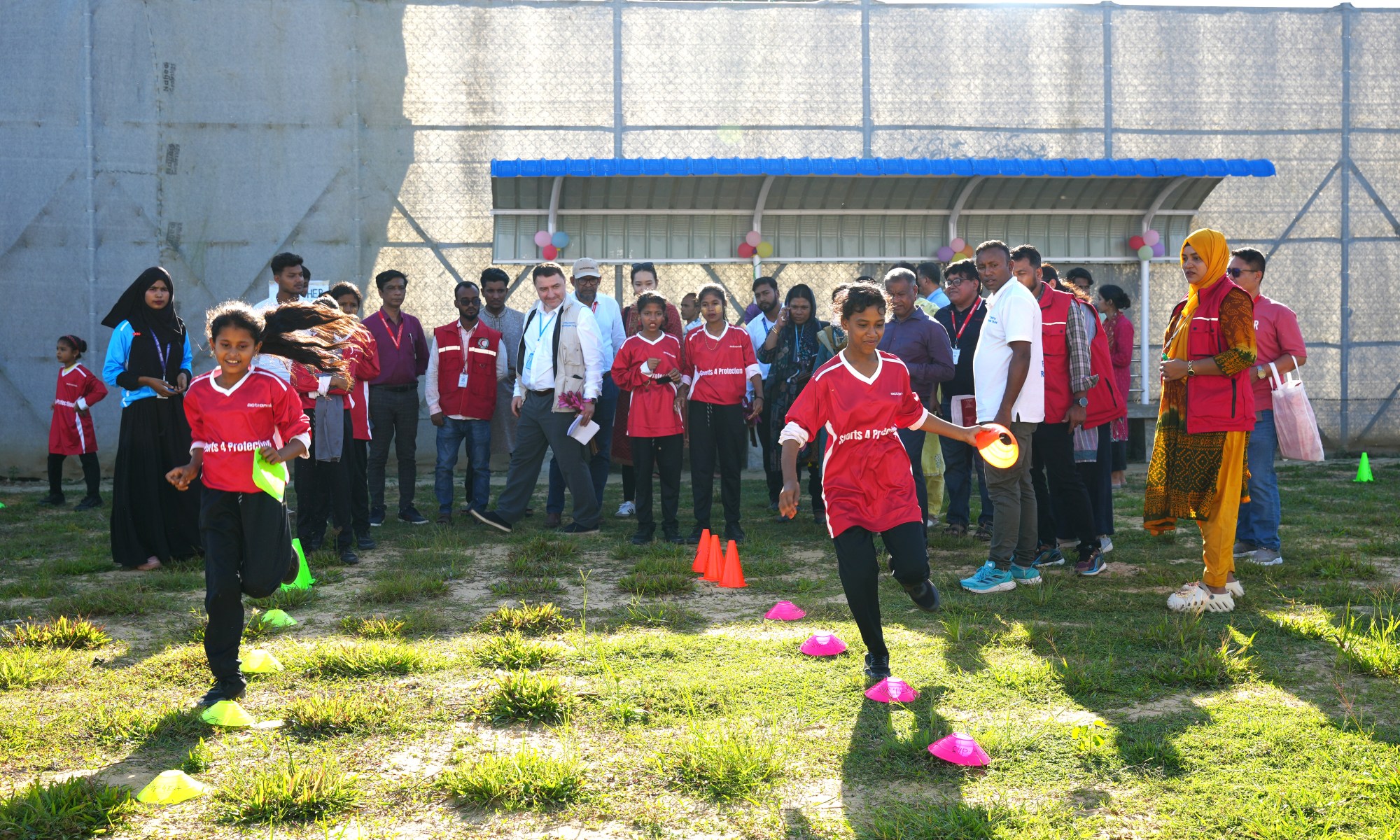
Regular access to inclusive, structured physical activity and safe recreational spaces in the Camp 4 Extension, Camp 26 and Nayapara refugee settlements, with a focus on girls, disabled children and at-risk adolescents, encouraging them to participate in sports activities while promoting social cohesion, life skills and protection.

  • Participant engagement and community consultation: engaging young people, their families and their communities to ensure inclusion and ownership of project activities
  • Structured sports and life-skills sessions: providing safe and inclusive opportunities for children and young adults to participate in sports activities and develop life skills
  • Inclusive sports clubs: establishing and supporting sports clubs that promote gender equality, inclusion and community participation
  • Capacity building for coaches: training young refugees and community members to deliver inclusive and safe sports activities
  • Facility management: ensuring sports facilities are accessible, safe and properly maintained
  • Psychosocial support: incorporation of play-based psychosocial support to strengthen participants’ well-being and resilience
  • Monitoring, evaluation and reporting: tracking project progress and documenting outcomes to ensure accountability and support learning

Partner

Healing through Football

Location and general information

Ongoing
Location Tulkarm Governorate, West Bank, Palestine
Start date 02/01/2026
End date 10/31/2026
Cost of the project €40,000
Foundation funding €40,000
Project identifier 2025001557
Partners Sports for Life
Categories Access to Sport - Conflict victims - Gender Equality - Healthy lifestyle - Personal development

Context

Ongoing violence and demolition of homes have left families in a state of constant fear and precarity and taken a huge psychological toll on children, who lack access to safe spaces, education and psychosocial support.

Project goals

  • Provide psychosocial support to displaced children and orphans through structured sports and educational activities
  • Promote emotional healing, resilience and well-being through football and play-based learning
  • Create safe spaces where children, especially girls, feel protected, empowered and heard
  • Provide educational kits and a football for displaced children
  • Enhance children's education, life skills, teamwork and self-confidence
  • Support community cohesion through inclusive engagement

Project content

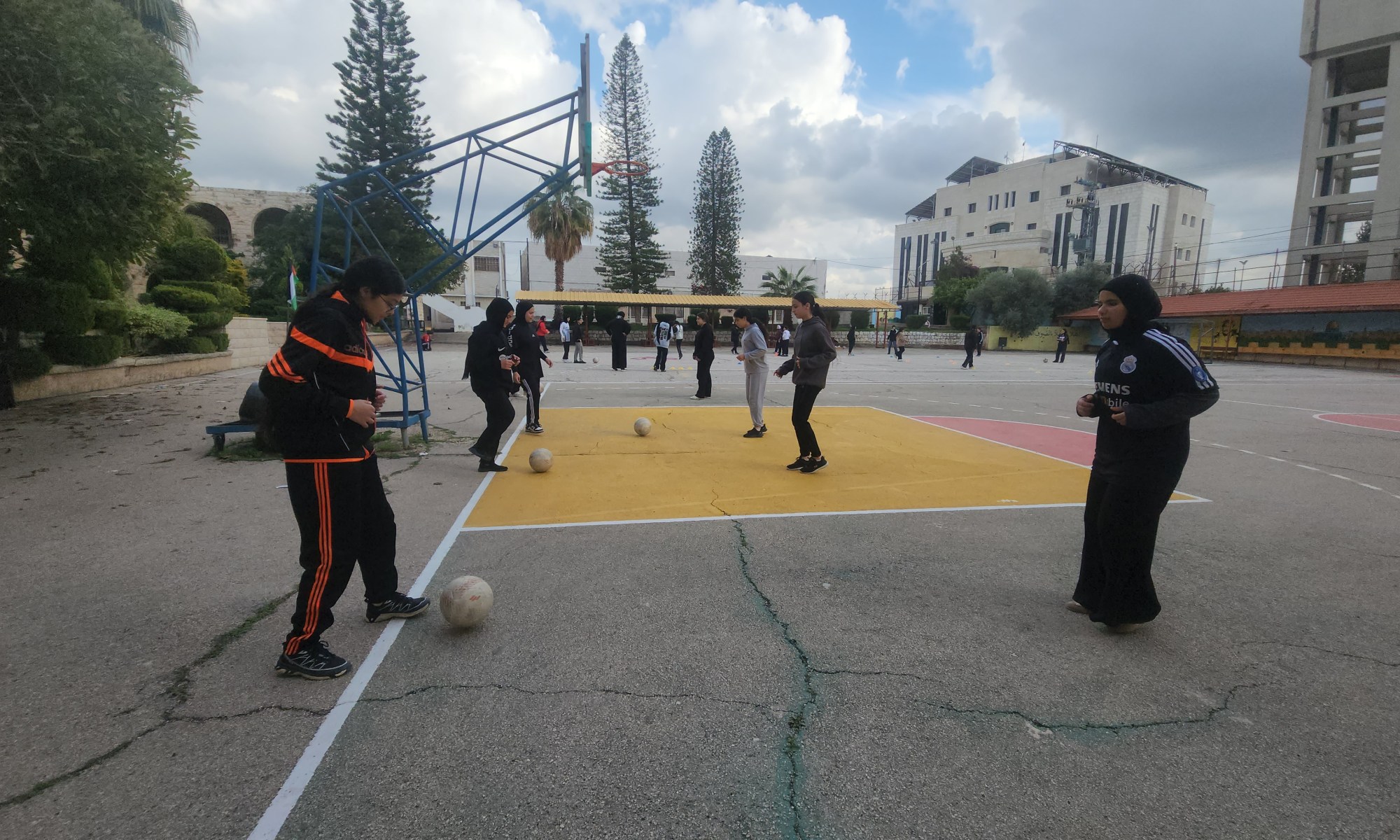
This project builds on a successful initiative to extend structured, inclusive activities to displaced children in the refugee camps of Tulkarm and Nur Shams in the northern part of the West Bank. Launched in April 2025, the initiative uses sport for development to educate and promote mental well-being, gender equality and empowerment, particularly for girls, giving them tools to develop their emotional expression, confidence and leadership skills.

Partner

Kick for Hope

Location and general information

Ongoing
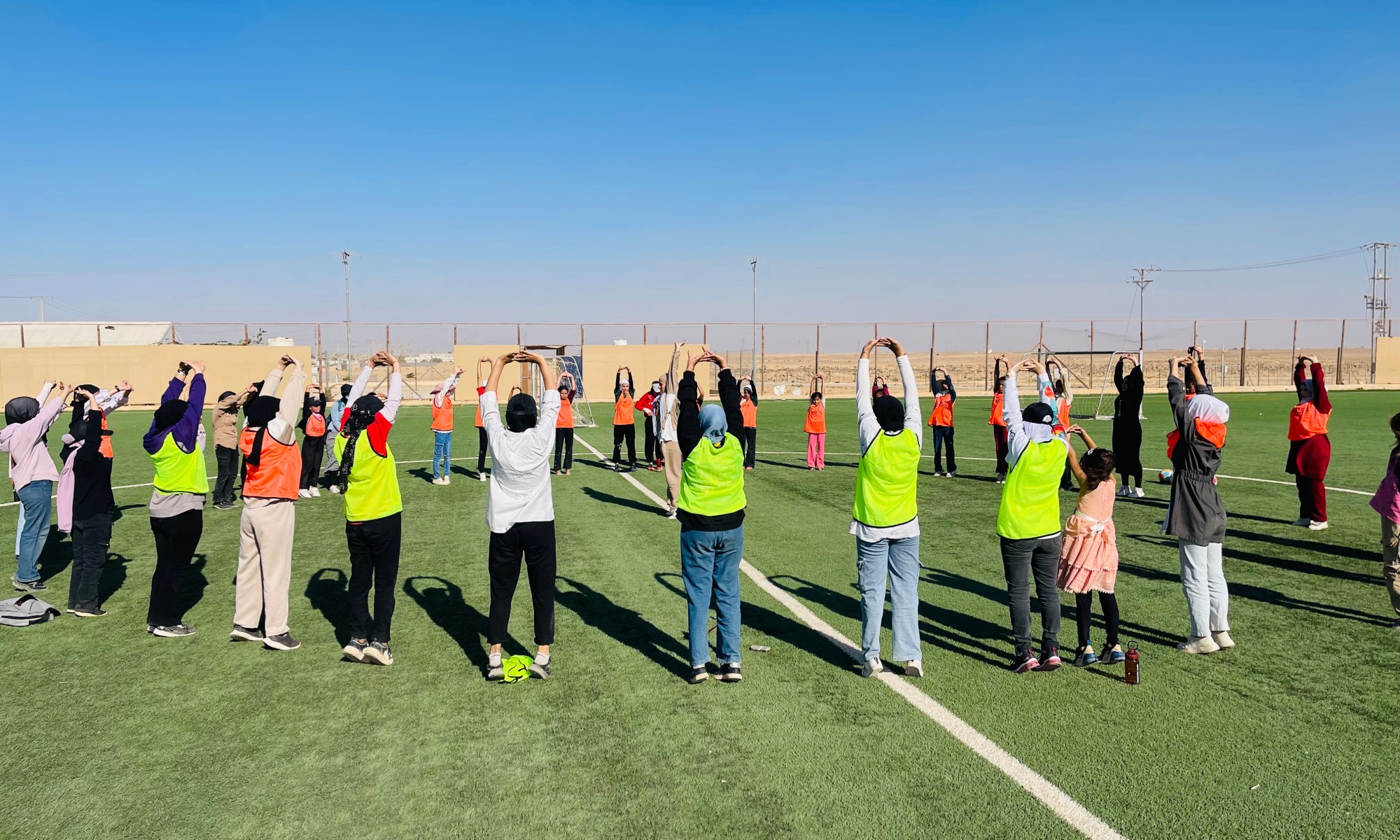
Location Zaatari and Azraq refugee camps, Jordan
Start date 01/01/2026
End date 12/31/2026
Cost of the project €400,000
Foundation funding €150,000
Project identifier 202500713
Partners Association Football Development Programme Global (AFDPG)
Categories Access to Sport - Conflict victims - Employability - Gender Equality - Healthy lifestyle - Infrastructure and equipment - Personal development - Strengthening partnerships

Context

Jordan hosts a large number of refugees relative to its total population. According to data from the United Nations High Commissioner for Refugees, approximately 445,000 registered asylum seekers and refugees were living in the country in November 2025, with Syrian nationals making up the vast majority at around 422,000.

While these figures reflect the numbered of registered refugees, the total Syrian refugee population in Jordan, including unregistered individuals, is substantially higher – some estimates place the figure in excess of 1.3 million.

Jordan has hosted large numbers of Syrian refugees in the Zaatari and Azraq refugee camps and in urban and peri-urban communities across the country since the start of the crisis in 2011. The protracted nature of displacement means that many Syrian refugee families have been living in Jordan for well over a decade.

Many young refugees live in overcrowded environments with limited access to safe, structured recreational and educational activities. The absence of regular, supportive activities and safe spaces for them to play, socialise and develop skills can lead to stress, boredom and behavioural challenges, which can in turn impact emotional well-being, social integration and long-term development.

Project goals

  • Build the capacity of Syrian coaches and create employment opportunities
  • Provide children and young adults with access to safe spaces to enjoy football and other sports activities
  • Promote life skills through sport
  • Create professional development and competitive opportunities for young refugees
  • Create football clubs in the camps

Project content

  • Select Syrian youth coaches and administrators
  • Deliver in-person training for coaches, coordinators and admin teams
  • Organise ongoing football, judo, table tennis and other sports activities for children and young adults
  • Organise football leagues for all age groups
  • Run Zumba classes for Syrian girls
  • Enter a team of Syrian refugees in the local U13 boys’ grassroots league
  • Enter a team in the Jordan Judo League

Partner

Equal Play, Equal Rights

Location and general information

Ongoing
Location India, Rural communities in Karnataka and Rajasthan
Start date 02/01/2026
End date 01/31/2028
Cost of the project €249,518
Foundation funding €95,000
Project identifier 2025002197
Partners OSCAR Foundation
Categories Access to Sport - Gender Equality - Personal development

Context

In rural villages in the Indian states of Karnataka and Rajasthan, girls face significant barriers to education due to entrenched gender norms. Child marriages, low school retention rates and stigma around girls’ participation in sports are common. Communities often lack safe and inclusive spaces where girls can play, learn and develop confidence.

At the same time, boys grow up in the same environment and learn to enforce these gender norms reinforcing inequality. Limited access to structured sport, life skills education and age-appropriate information on sex, gender and rights further restricts children’s holistic development.

Project goals

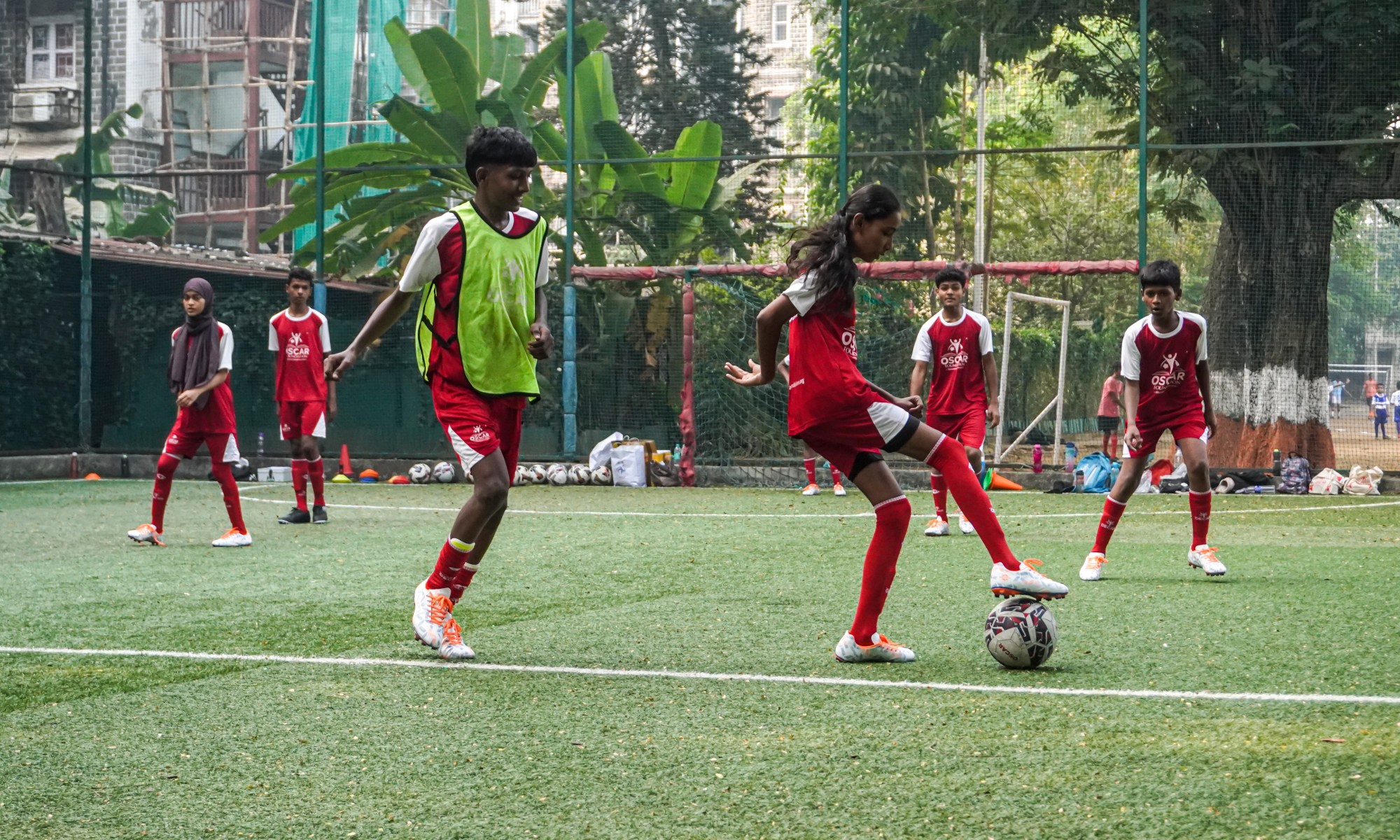
  • Increase access to football and life skills training for girls in underserved communities
  • Train young women as community leaders and mentors
  • Deliver age-appropriate education on sex and gender
  • Promote respectful, inclusive behaviour among boys and shift community attitudes through parental engagement and local advocacy

Project content

  • Engage boys as allies and conduct community awareness sessions to challenge stereotypes and promote gender-equitable mindsets
  • Promote gender equality and the holistic development of children in underserved rural communities through weekly football and life skills sessions conducted in safe, inclusive environments where girls and boys can participate equally
  • Deliver specially designed games and activities to build confidence, teamwork, resilience, leadership and decision-making skills while addressing social issues such as gender norms and encouraging mutual respect
  • Provide participants with sports kits and food to support their participation and overall well-being
  • Deliver age-appropriate education on sex and gender through six interactive modules, focusing on gender awareness, sexual and reproductive health and rights, and healthy relationships
  • Through the Kick Like a Girl leadership programme, train 60 young women aged 18 to 25 as community coaches and mentors to serve as role models and support younger participants
  • Facilitate long-term change by engaging with communities, organising home visits, parent meetings and community events to encourage support and help shift mindsets

Partner

Football for All in Vietnam

Location and general information

Ongoing
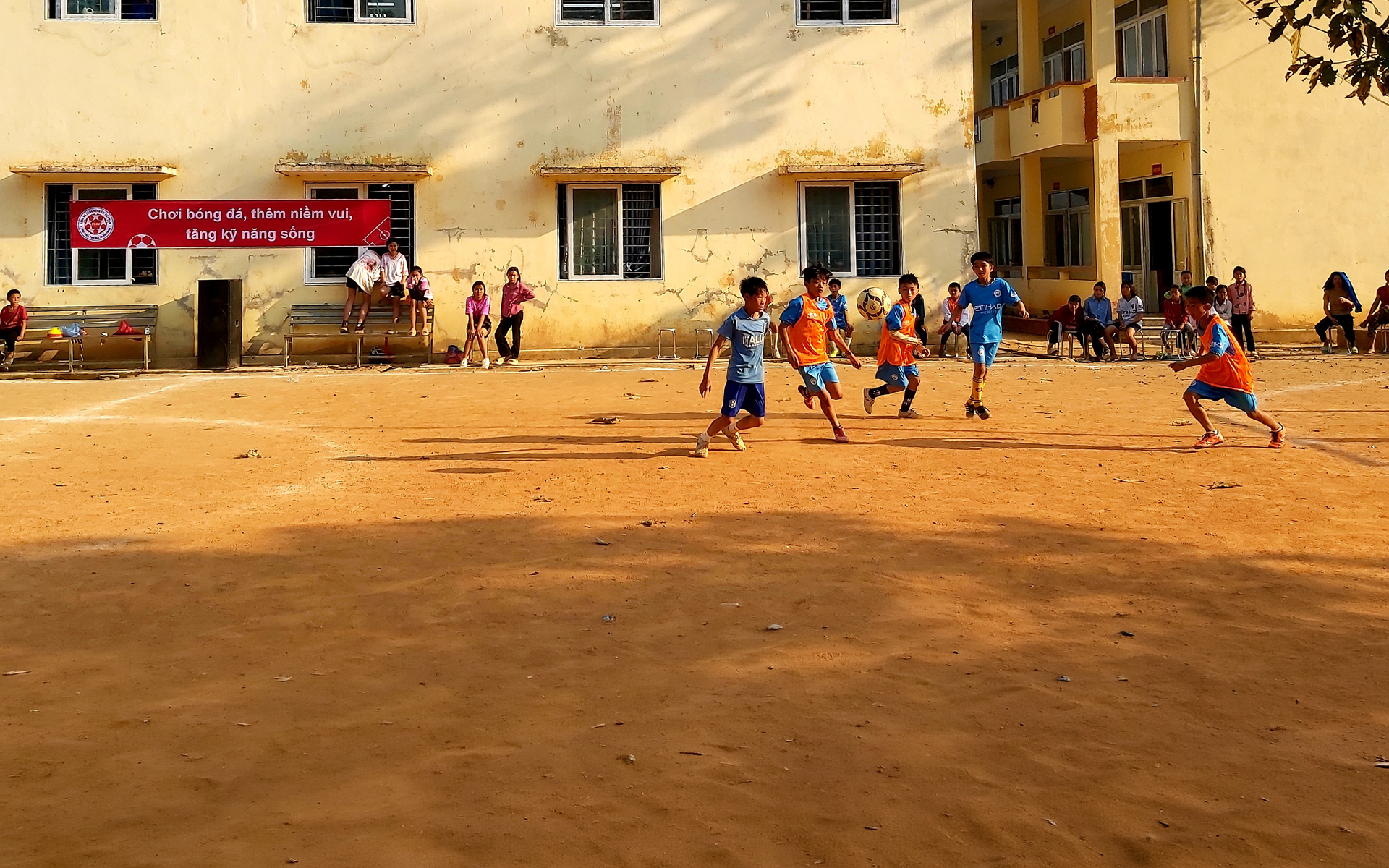
Location Vietnam, Tuyên Quang province
Start date 01/01/2026
End date 12/31/2026
Cost of the project €116,661
Foundation funding €97,249
Project identifier 2025002081
Partners Football Association of Norway, Football for All in Vietnam
Categories Access to Sport - Environmental protection - Infrastructure and equipment - Personal development

Context

Tuyên Quang is a mountainous province in the far north of Vietnam, on the border with China. Few spaces are available here for recreation and sport. The area is also heavily affected by natural disasters such as landslides, monsoons and flash floods. As a result, many of the already limited pitches are either in poor condition or regularly washed out or damaged, making it even more difficult for children to access sports.

Project goals

  • Provide children with equal and sustainable access to football
  • Maximize the power of football to raise awareness of gender rights and foster equitable practices among ethnic minorities groups
  • Increase the participation of women and girls in football and life skills education programmes, empower and equip them with leadership skills based on the Football for All in Vietnam model

Project content

  • Construct three artificial turf football pitches in three schools
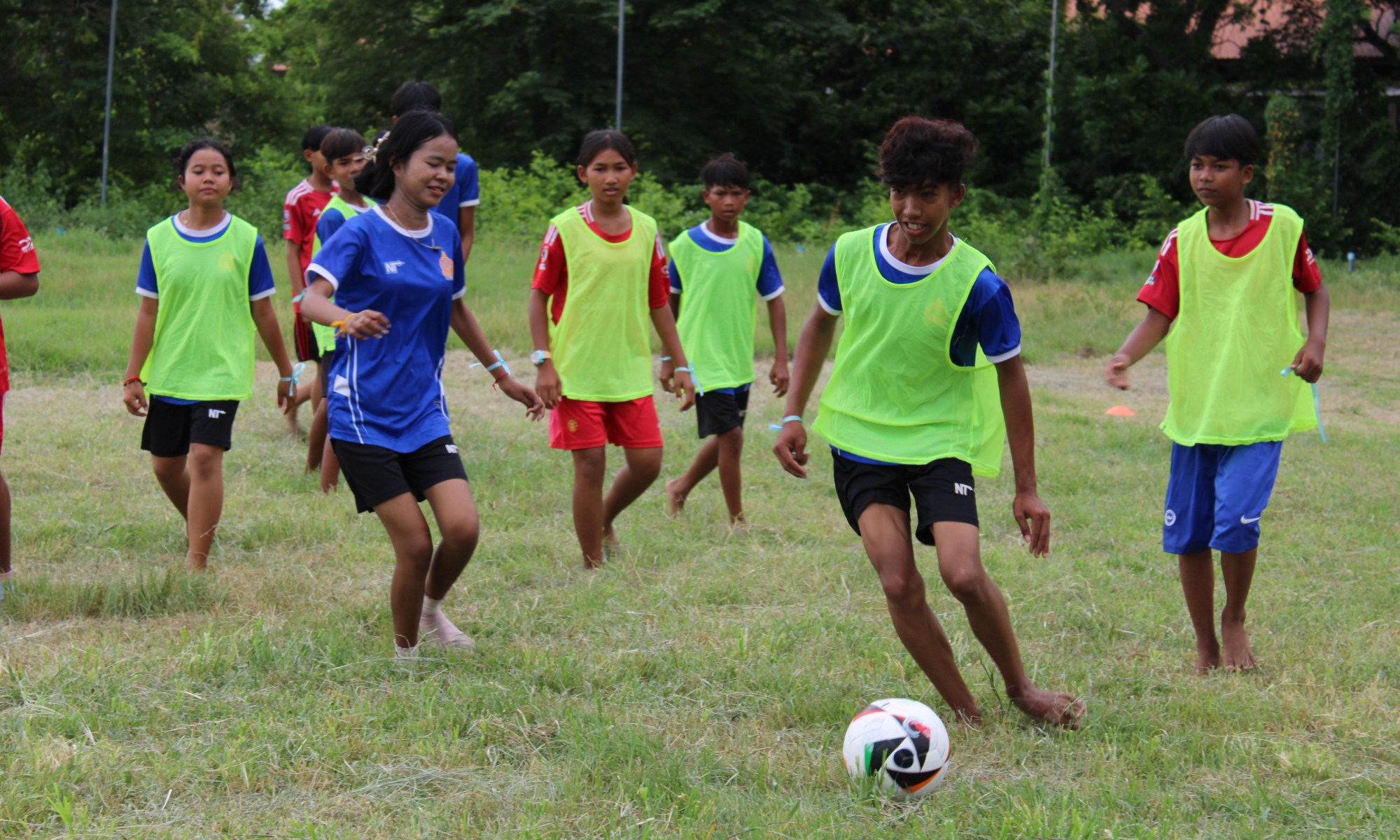
  • Organise regular football and life skills activities for children
  • Organise nine Fun Football Festivals focused on gender equity and climate change education
  • Educate teachers, children and local communities on climate change
  • Plant trees for environmental protection
  • Carry out feasibility studies and internal assessments, continue to monitor and evaluate results

Partner

Promoting inclusion and social development through football

Location and general information

Ongoing
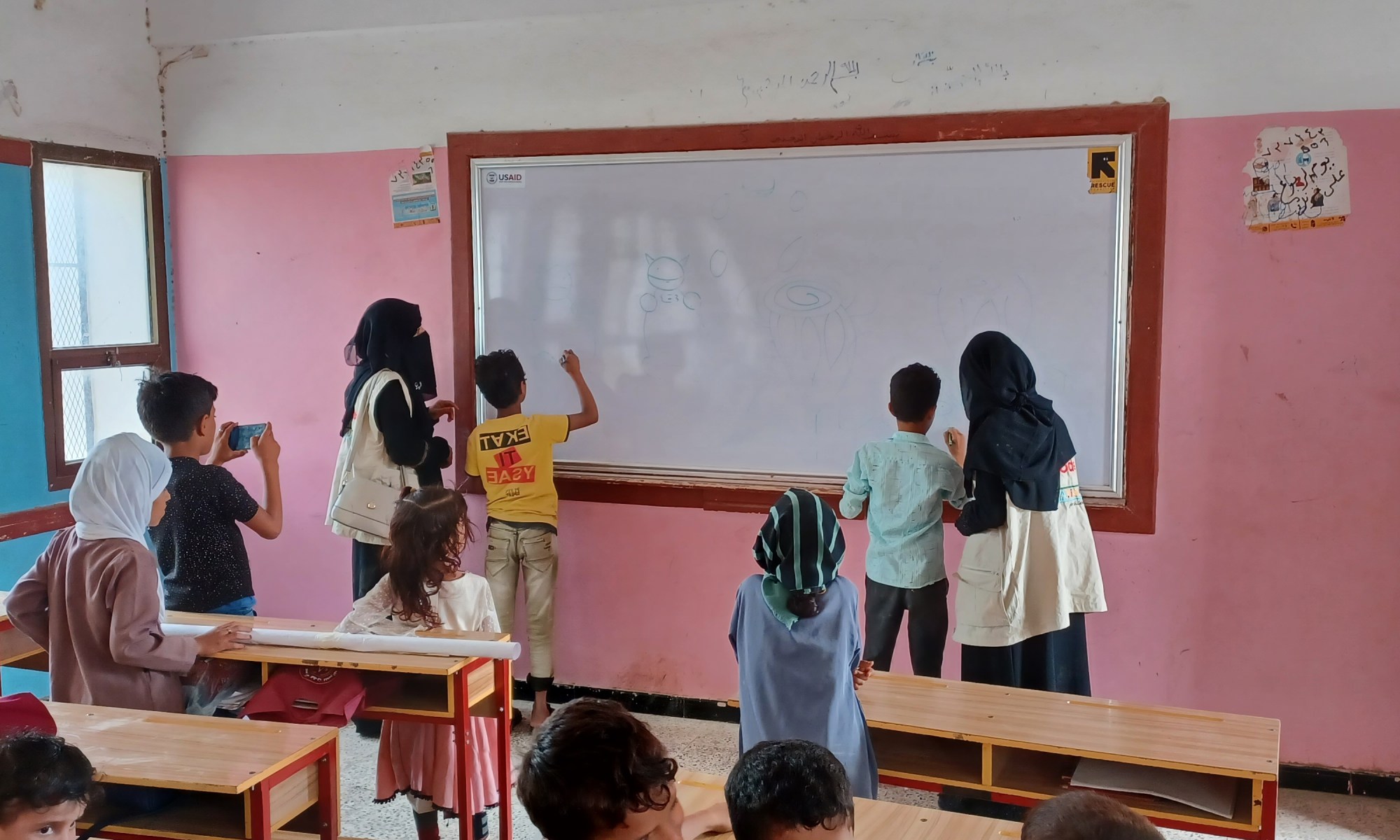
Location Aden, Lahj and Abyain governorates, Yemen
Start date 01/01/2026
End date 10/31/2026
Cost of the project €138,458
Foundation funding €77,634
Project identifier 2025001808
Partners Helpcode Italia ETS
Categories Access to Sport - Children with disabilities - Conflict victims - Gender Equality - Healthy lifestyle - Personal development

Context

According to the Yemen Humanitarian Needs and Response Plan 2025, an estimated 19.5 million people across Yemen (1.3 million more than in 2024) need humanitarian assistance and protection services amid ongoing armed conflict, displacement and health emergencies. This represents more than half of the country's population, and children comprise over 55% of those in need (5.3 million girls and 5.5 million boys or 10.8 million children in all).

Within the scope of the project are also over 2,500 members of the Muhamasheen (the Arabic term for marginalised), a Yemeni underclass that has endured centuries of discrimination, exploitation and poverty. Conflict and displacement have further exacerbated their challenges, exposing them to heightened risks of gender-based violence, child marriage, trafficking, child labour, sexual exploitation and abuse. These vulnerabilities are compounded by limited access to essential services, education, healthcare, shelter and livelihoods.

Recent Helpcode data from the target area identified significant gaps in access to essential services such as child protection, psychosocial support and structured sports programmes. Parents reported that many children experienced emotional distress due to insecurity, displacement and exposure to violence, and reported behavioural issues such as acts of violence (53%), bullying (30%) and anger (12%). Approximately 67% of households reported children engaging in hazardous work such as selling khat, collecting plastics and begging. This not only deprives children of their right to education but also exposes them to exploitation, abuse and health risks.

Sports interventions can address protection gaps, promote resilience and foster social cohesion among vulnerable children and adolescents. Schools would have the potential to support such activities, particularly at the primary level, if they had the necessary equipment, coaches and resources. Of the 12 schools in the target area, only two girls' primary schools offer (limited) sports activities. At the secondary level, there are no sports programmes for boys or girls. Furthermore, none of the schools have locally trained coaches or organise after-school community sports initiatives, leaving children and adolescents with no structured physical exercise or recreation, putting them at greater risk of recruitment into armed groups, child marriage, exploitative labour, trafficking and other dangerous activities.

Project goals

  • Improve the physical and psychosocial well-being of war-affected children and adolescents through structured sports programmes
  • Use sport to promote tolerance, inclusion, resilience and respect within displaced and host communities

Project content

  1. Start-up workshops and community awareness-raising

A start-up workshop will be organised in each of the three governorates to introduce the project, discuss the roles and responsibilities of the various stakeholders, and raise awareness in the community about the objectives, activities, and expected outcomes.

  1. Community football teams

A total of 12 ‘cub’ teams (ages 10–14) and 12 youth teams (ages 15–25) will be set up, with a focus on including displaced, vulnerable, and marginalised youngsters, including girls where culturally appropriate.

  1. Community-based sports events and leagues

Regular leagues, intercommunity matches, and friendly tournaments will be organised to foster interaction, reduce tensions, and encourage unity among young people from different backgrounds. Activities will be organised in clusters.

  1. Sports equipment and uniforms

Footballs, team kits (shirts and shorts), cones, goals, markers, and first-aid kits will be given to the local teams, which will continue to benefit from them after the project ends.

  1. Awareness sessions

A total of 450 short, interactive awareness sessions will be organised at the community-based sports events and other gatherings on topics such as peacebuilding, acceptance, anti-discrimination and conflict resolution, in coordination with local schools, the Ministry of Youth and Sports, and community-based protection networks.

Partner

Her Voice. Her Choice.

Location and general information

Ongoing
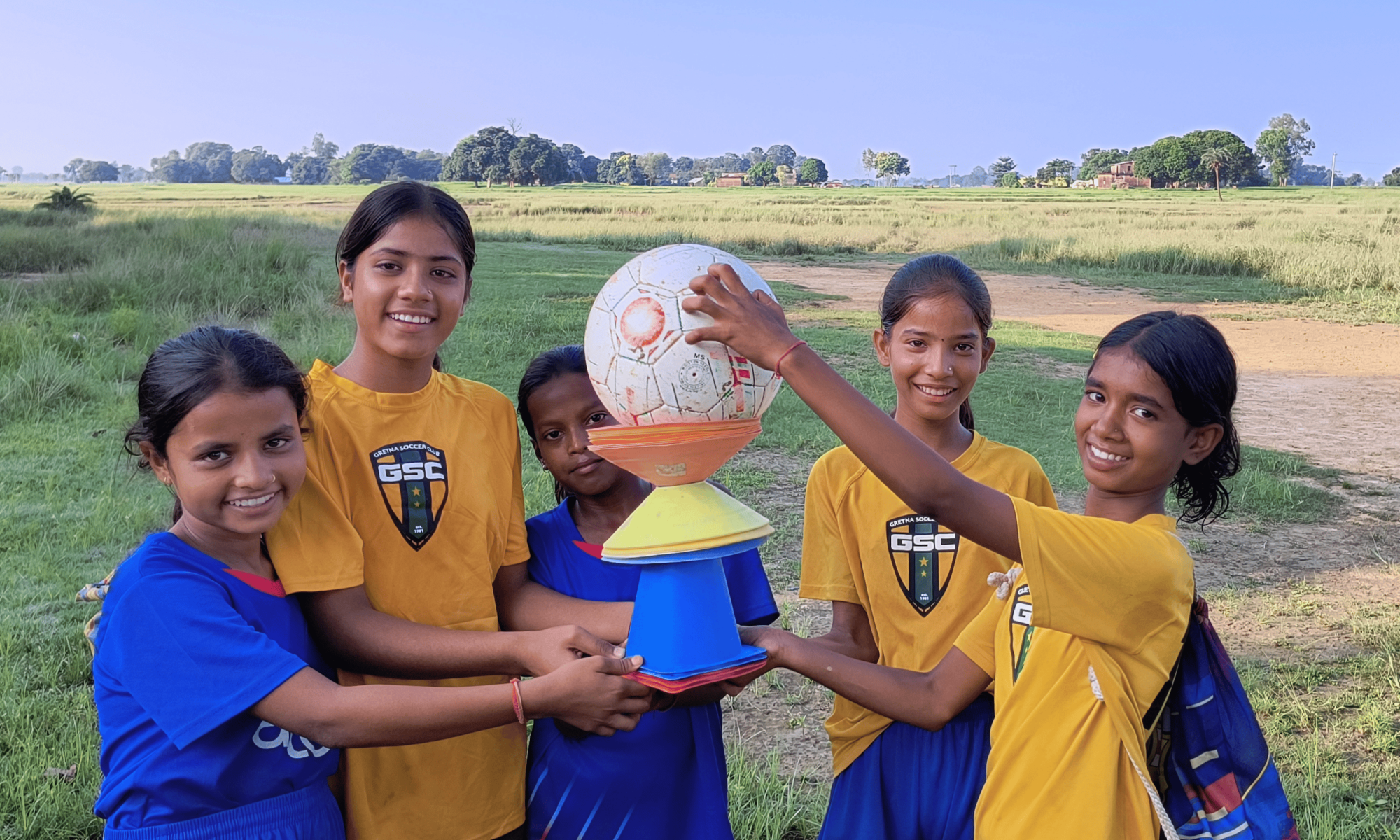
Location Suddhodhan rural municipality, Kapilvastu district, Lumbini province, Nepal
Start date 01/01/2026
End date 12/31/2026
Cost of the project €130,000
Foundation funding €45,000
Project identifier 2025000844
Partners Atoot
Categories Access to Sport - Children with disabilities - Gender Equality - Personal development

Context

Madheshi girls in the Kapilvastu district of southern Nepal, in the country’s deeply patriarchal rural belt, grow up in isolation – unseen and unheard. Girls here face pervasive intergenerational inequality and discrimination, intersectional marginalisation, and economic injustice. They are excluded from their communities, with no freedom or opportunities to develop: they are not allowed to play, study, or work, and they have no decision-making power. Girls and women have no voice and no choice.

The many systemic issues affecting girls in rural southern Nepal include high rates of child marriage (83.4% according to the 2021 census), high rates of gender discrimination and gender‑based violence, early school drop‑out (generally between grades four and five), and an illegal but deeply entrenched dowry system that means girls are seen as a financial burden to their families.

Project goals

Goals

Atoot was founded to offer marginalised Nepali girls in rural areas sporting and educational opportunities and provide them with safe, empowering spaces that foster inclusion and empowerment.

Specific goals:

  1. Empower girls to break free from the vicious cycles they are trapped in, enabling them to make their own life choices.
  2. Provide diverse platforms for girls to build confidence and nurture empowering, emboldening relationships.
  3. Establish safe spaces where girls can gather to play, learn, and build positive peer connections.


Project content

Atoot has been working in this marginalised Madheshi community for six years, providing structured football sessions, educational support, life-skills workshops, and community engagement grounded in the principles of sport for development through a grassroots and localised lens.

  1. One‑hour football sessions, five days a week
  2. One‑hour educational classes, five days a week
  3. One or two life‑skills workshops every week, each lasting an hour to an hour and a half
  4. Daily community engagement
  5. One to one and a half hours of training for assistant coaches and teaching assistants each week
  6. Annual football tournaments

Partner

Empowering disabled children and strengthening their skills

Location and general information

Ongoing
Location Khovd province, Mongolia
Start date 01/01/2026
End date 11/01/2026
Cost of the project €28,500
Foundation funding €20,000
Project identifier 2025000471
Partners Sain Tus Development Bridge
Categories Access to Sport - Children with disabilities - Gender Equality - Healthy lifestyle - Personal development

Context

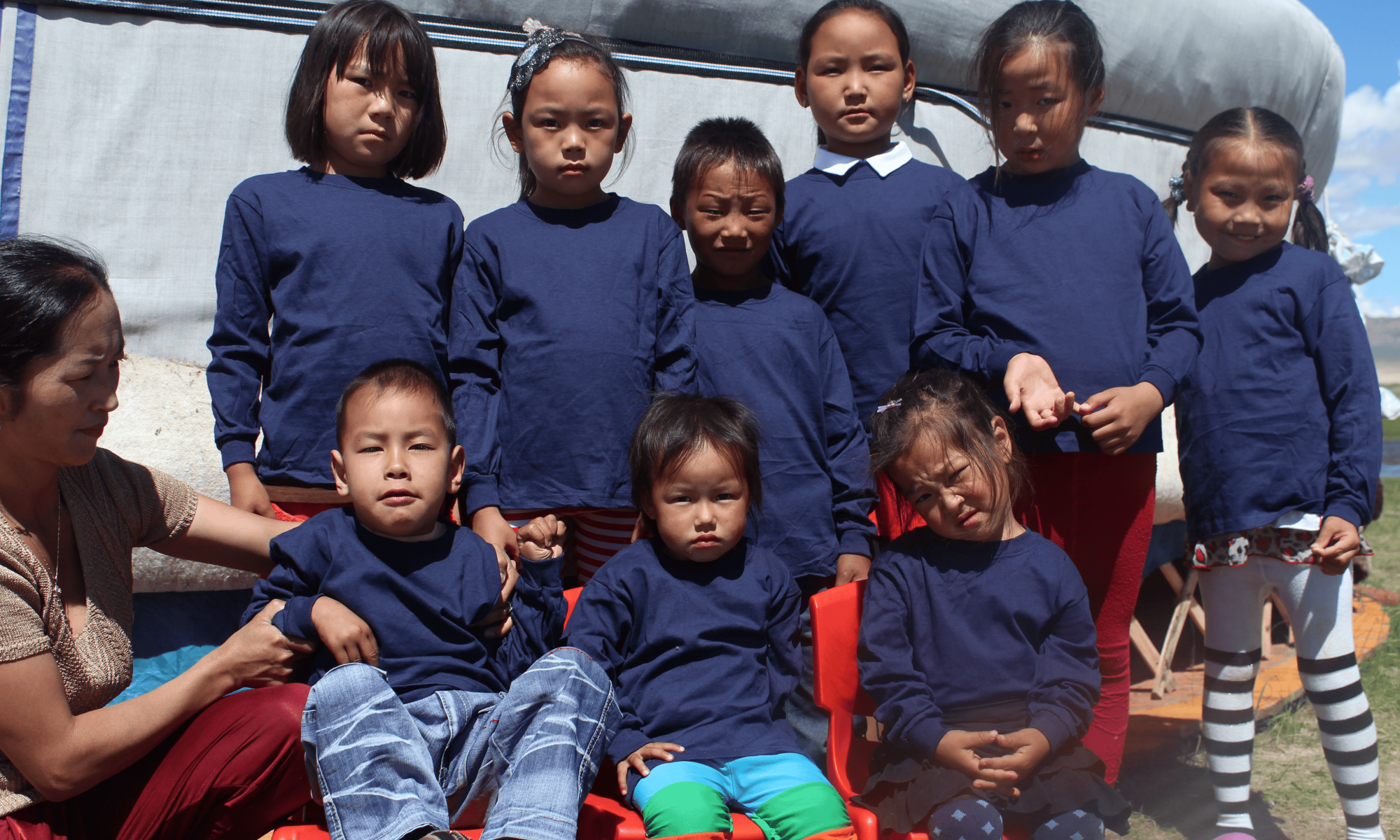
Most of the infrastructure and services in Khovd province, Mongolia, are inaccessible to disabled people. As a result, most disabled children have no means of transport and no access to education, even primary school. Khovd is home to many indigenous and minority populations, and the rate of gender‑based violence (GBV) is higher than the national average. Disabled children are at increased risk of GBV owing to their inability to defend themselves.

Project goals

  1. Protecting the rights of disabled children and empowering them by strengthening their skills
  2. Combating gender-based violence
  3. Preparing the beneficiaries for possible future participation in the Special Olympics World Games

Project content

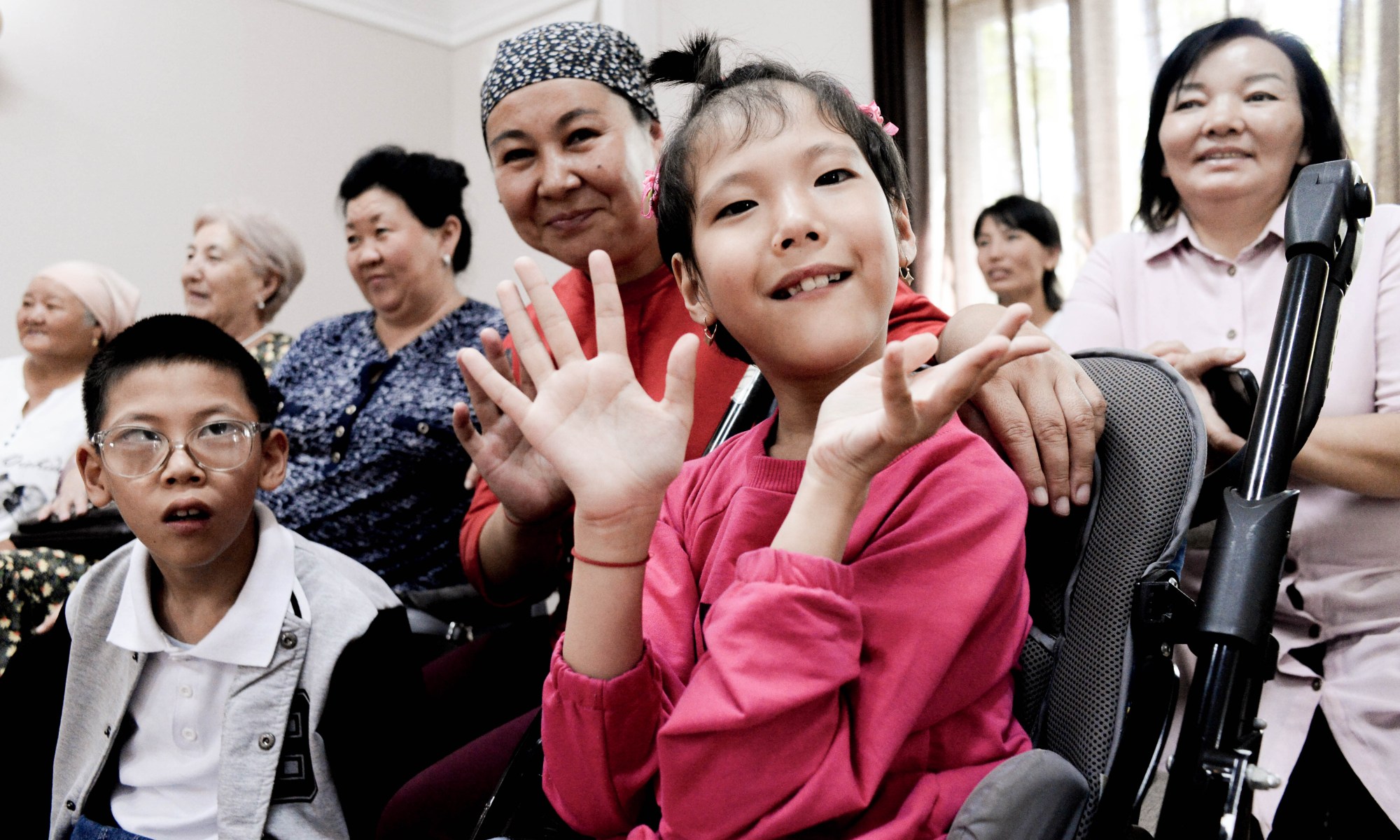
Taking a creative approach to capacity‑building and fighting GBV, this project uses the power of sport to help disabled children discover new strengths, abilities, and skills while addressing their unique psychosocial needs. It gives at least 450 disabled children the opportunity to train and compete in a variety of sports, and the aim is for 70% of the beneficiaries to be girls. The participants will also be offered leadership and educational programmes.

Partner

Education and sport for vulnerable children in Afghanistan

Location and general information

Closed
Location Kabul, Nangarhar and Parwan provinces, Afghanistan
Start date 01/01/2025
End date Ongoing
Cost of the project €316,230
Foundation funding €75,000
Project identifier 2024001460
Partners Action for Development (Switzerland)
Categories Access to Sport - Conflict victims - Employability - Gender Equality - Healthy lifestyle - Personal development - Strengthening partnerships

Context

Afghanistan has experienced over five decades of conflict, violence and systemic inequality, leading to significant loss of life, displacement, poverty and food insecurity.  

Since the Taliban's takeover in August 2021, the situation has deteriorated further, particularly for women and girls, who face severe restrictions on their rights to education, work and participation in public life. Afghanistan is the only country in the world where girls aged 13 and over are denied access to formal education.  

These developments have been accompanied by a rise in gender-based violence, including forced marriages, trafficking and child labour, leaving women and girls in a state of even greater vulnerability. 

School closures threaten to create a generation of illiterate women and girls and fuel cycles of poverty and social inequality.  

Education and physical activities such as sport are vital to address these challenges. They not only counteract the destructive effects of conflict but also foster resilience, self-confidence and hope among children, helping them overcome the mental and social scars of prolonged oppression. 

Project goals

Overall objective 

Reduce poverty and child labour by educating and improving the quality of life of children in Afghanistan and equipping them to support themselves as they enter adulthood 

Specific objectives 

  • Provide access to quality education and food to 750 children through centres for street-working children and home-based schooling 
  • Improve the life skills and resilience of children aged 13 and over with a focus on improving gender parity  
  • Provide vocational education and training to 50 students 

Project content

The project will focus on providing education and sports opportunities to two main groups in Kabul, Nangarhar and Parwan provinces: out-of-school street-working children aged 6 to 13 (boys and girls) and out-of-school girls aged 13 to 17, fostering resilience in the face of ongoing adversity, promoting mental well-being and equipping them with the tools needed to build a brighter future.  

AfD provides semi-formal education (basic literacy, numeracy, sport, computer literacy), food, psychosocial support, football training, health checks and vaccinations to the young street-working children, remote schooling from home for girls aged 13 and over, and various vocational training options. All education centres are designed to be within walking distance for the beneficiaries. 

AfD develops special training and online learning methodologies to ensure access to education and improve digital literacy skills and confidence with education technology. 

Teachers are given training, support with school supplies, internet access, a high-quality, flexible curriculum and a teaching platform for remote schooling.  

AfD will build relationships with universities to promote scholarships for vulnerable girls, and will continue to advocate for and provide English language classes to broaden Afghan students’ access to global educational platforms, many of which are available only in English. 

As well as English and computer classes, AfD teaches about children’s and human rights, the realities of child and human trafficking, coping mechanisms, mental stress and resilience. 

Partners

Ensuring continued access to education for Afghan girls

Location and general information

Ongoing
Location Afghanistan
Start date 02/01/2025
End date 01/31/2026
Cost of the project €235,079
Foundation funding €23,350
Project identifier 2024000956
Partners Right to Learn Afghanistan
Categories Conflict victims - Employability - Gender Equality - Healthy lifestyle - Personal development

Context

The circumstances remain dire for women and girls in Afghanistan following the Taliban’s takeover in 2021. According to estimates by UNICEF, 3.7 million children are out of school and tens of thousands of female educators have lost their jobs. According to the UN Development Programme, 85% of Afghans live below the poverty line.

Project goals

Overall objective

  • Ensure continued access to education, employment and essential supplies to students and their families

Specific objectives

  • Increase access to secondary education for Afghan girls
  • Improve the literacy and well-being of students and their families
  • Give Afghan children and their families access to free, high-quality resources in their own language to further their education and careers, and instil a love of reading and healthy lifestyles

Project content

To increase access to secondary education for girls who are denied access to formal education, the project will invite, assess and enrol new cohorts of Afghan girls into the Darakht-e Danesh (‘knowledge tree’) classroom programme.

The project will hire and train qualified Afghan teachers, with a priority on employing women. Additionally, students will receive internet data packages to ensure reliable access to online learning.

To enhance literacy and well-being among students and their families, the project will procure and distribute so-called ‘learning plus baskets’, which contain educational materials and food to support students’ academic performance and overall well-being.

Over a nine-month academic cycle, students will receive instruction in 11 subjects, with mid-term and final exams to track progress and ensure the desired learning outcomes are achieved. Grades will be given to reinforce a sense of achievement and accountability.

Right to Learn’s cherished Darakht-e Danesh library will continue to grow its collection of inclusive resources that promote active, healthy lifestyles, career development, lifelong learning and a love of reading.

Finally, a robust monitoring and evaluation framework will be used to assess the effectiveness of the programme, track student progress and refine activities to maximise impact.

Partners

Getting Opportunities and Learning in Social Studies (GOAL-S)

Location and general information

Ongoing
Location Nepal
Start date 03/01/2025
End date 02/28/2026
Cost of the project €25,250
Foundation funding €25,000
Project identifier 2024000997
Partners Childreach Nepal
Categories Access to Sport - Environmental protection - Gender Equality - Healthy lifestyle - Personal development

Context

The Chepang are among Nepal’s most disadvantaged indigenous groups, classified as 'highly marginalised' based on various socio-economic indicators including population size, literacy rate, housing conditions, land ownership, occupation and access to higher education. Nearly 90% of the Chepang population lives below the poverty line.

A recent study by the District Public Health Office revealed that 45 to 86% of Chepang girls in Makwanpur marry between the ages of 12 and 15 – despite child marriage being outlawed in Nepal since 1963. Poverty, lack of education and awareness, and limited availability of food and opportunities to generate income are considered major contributing factors.

Project goals

Main objectives

  • Empower children to recognise and assert their right to protection from abuse
  • Establish strong collaboration and a unified approach to safeguarding children among parents, schools and communities in Makwanpur District
  • Develop and implement innovative, play-based teaching methods that foster active, immersive learning

Additional objectives

  • Incorporate sport and play in education and ensure that all children have access to structured recreational activities in school to support learning and engagement
  • Design and implement a sports-based curriculum that addresses critical social issues such as child protection, equality and harmful traditions
  • Encourage children to challenge stereotypes and advocate for their rights, fostering a culture of openness and empowerment
  • Raise awareness among parents and communities about child protection using engaging, sports-driven outreach programmes
  • Provide training for teachers and community youth leaders to integrate immersive, play-based techniques into their teaching practices

The GOAL-S project has already achieved positive outcomes, including increased participation, especially among girls, and heightened community awareness of child protection issues.

Project content

  • Weekly sports sessions led by trained youth leaders for approximately 300 children aged 11 to 14
  • Social studies curriculum that delivers key messages on child protection, educates children about their rights and encourages them to discuss what they learn with their parents, caregivers and other family members
  • Tailored games and activities that promote behavioural change to help children assert and claim their rights
  • Active consultation and engagement of teachers to incorporate their expertise and understanding of their students' needs, including a process of co-creation and delivery through which teachers acquire new skills in play-based pedagogy that they can apply in various contexts
  • Capacity development workshops and mentorship for teachers and youth leaders
  • Child protection training for parents and community members, with a view to co-creating a child protection mechanism
  • An annual football festival involving children, parents and community members to raise awareness of children’s rights and abuse prevention

Partners

Kick for Hope

Location and general information

Closed
Location Jordan
Start date 01/01/2025
End date 12/31/2025
Cost of the project €400,000
Foundation funding €175,000
Project identifier 2024000682
Partners Association Football Development Programme (AFDP) Global
Categories Access to Sport - Conflict victims - Gender Equality - Healthy lifestyle - Infrastructure and equipment - Personal development - Strengthening partnerships

Context

Relative to population size, Jordan hosts the second highest number of refugees in the world, including 706,100 registered Syrian refugees (approximately 7% of the population). Unregistered numbers are much higher, estimated at more than 1.5 million or 20% of the population. Over half (51%) are children, and over 80% are surviving below the poverty line.

The Zaatari and Azraq refugee camps have been hosting Syrian refugees since 2011 who have never returned to their homeland. Overcrowding and a shortage of resources in the camps limit the recreational activities and safe spaces available for children to play and socialise. The absence of structured activities can result in boredom, frustration and behavioural issues, which further hinder children and young adults’ emotional and psychological well-being and development.

Project goals

  • Build the capacity of Syrian coaches and create opportunities for employment
  • Provide children with access to safe spaces to enjoy football and other sports activities
  • Promote life skills through sport
  • Create professional development and competitive opportunities for young refugees
  • Create football clubs in the camps
  • Enter Syrian refugee teams in the local U13 boys’ and U14 girls’ grassroots football leagues and the Jordan Judo League

Project content

  • Selection of Syrian youth coaches and administrators
  • In-person training for coaches, coordinators and admin teams
  • Ongoing football and other sports activities for children and young adults
  • Football leagues for all age groups
  • Judo and table tennis activities, and Zumba classes for girls

Partners

Football for All

Location and general information

Closed
Location Lebanon
Start date 01/01/2025
End date 12/31/2025
Cost of the project €95,000
Foundation funding €63,000
Project identifier 2024000427
Partners Tawazon
Categories Access to Sport - Gender Equality - Healthy lifestyle - Personal development

Context

The Football for All project helps Lebanese children by providing them with access to football training centres. Lebanese children have been adversely affected by a succession of economic, health, social and political crises that have impacted the country since October 2019. Their precarious situation was exacerbated by the huge explosion at a Beirut port in August 2020. This summer, they experienced the horrors of war.

Project goals

  • Create safe spaces where young people can play football
  • Give children from disadvantaged areas access to structured football coaching so that they can spend their free time on the pitch instead of falling victim to the dangers and vices that surround them
  • Teach children football skills and instil in them its core values (working together, team spirit, fair play, mutual aid and community) while shielding them from political, religious and sectarian conflicts
  • Promote the personal development and social integration of the country’s young people and help them to fill their after-school time

Project content

Football: getting started, progressing or perfecting their technique, depending on the participant's level.

Partners

Leadership through Sports

Location and general information

Closed
Location Peam Ek, Battambang province, Cambodia
Start date 01/01/2025
End date 12/31/2025
Cost of the project €136,139
Foundation funding €30,481
Project identifier 2024000996
Partners Children’s Future International
Categories Access to Sport - Gender Equality - Personal development

Context

Today’s continually shifting economies need a workforce that can think analytically to solve ever emerging global challenges. Students in rural Cambodia lack opportunities to develop vital leadership skills like creativity, critical thinking, collaboration and communication. Traditional schooling focuses on memorisation as opposed to analytical skills and it does not include any sport or physical activity, which we know to be essential for health and well-being.

Project goals

Overall goal

Use sport to support the personal growth and leadership skills of 1,000 vulnerable children and young adults by creating a safe space where they can play sport, practise life skills and become role models for their communities

Specific aims

  • Create a safe space for boys and girls to play sport at the learning centre run by Children’s Future International
  • Develop engaged community leaders with strong communication, teamwork and critical thinking skills, ethics and accountability, while also promoting gender equality
  • Engage the wider community through positive activities that bring together children, young adults, parents, schools, teachers and local authorities

Project content

  • Construction of a sports complex including two football fields (one 90m x 50m and the other 30m x 20m), 1 volleyball court (18m x 9m) and related facilities (parking, toilets, sports equipment)
  • Implementation of the existing Leadership through Sports curriculum with 1,000 children and young adults, including 52 sessions and 8 league events a year, to which key community stakeholders are invited to attend
  • Promotion of physical activities to the over 100 students who attend the Children’s Future International learning centre daily

Partners

Football for All

Location and general information

Ongoing
Location Vietnam: Cao Bang, Can Tho, Ha Giang and Quang Tri provinces, and an additional two provinces in the Mekong Delta (provinces tbc based on feasibility studies)
Start date 01/01/2025
End date 12/31/2026
Cost of the project €159,951
Foundation funding €101,733
Project identifier 2024001059
Partners Football Association of Norway (Football for All in Vietnam project)
Categories Access to Sport - Employability - Environmental protection - Gender Equality - Healthy lifestyle - Personal development - Strengthening partnerships

Context

In many ethnic minorities in Vietnam, boys enjoy more social and cultural opportunities than girls, who are expected to grow up to be wives and mothers. Girls therefore tend to be less educated, forced into early marriage and denied the chance to develop in other areas of life.

Project goals

  • Raise awareness of gender equality among ethnic minorities by fostering equal participation of women and girls in football and life skills education
  • Empower and equip girls and women in an additional two provinces by offering leadership training based on the Football for All in Vietnam model that has been funded by the UEFA Foundation for Children in Ha Giang province since 2022

Project content

The 138 football clubs in Ha Giang, Quang Tri, Cao Bang and Can Tho provinces that were funded by the UEFA Foundation for Children between 2022 and 2024 will be given additional football equipment and continued support, and new clubs created, with:

  • football coaching courses at 41 new football clubs in Quang Tri and Cao Bang provinces;
  • training courses for female life skills instructors at each new club;
  • climate change education at the clubs in Cao Bang and Ha Giang provinces in the far north of the country;
  • regular football and life skill activities at all 138 existing clubs; and
  • 118 ‘Fun Football Festivals’ at the existing clubs.

The project will also be extended to another two provinces, with:

  • a feasibility study in each province;
  • the creation of 30 new football clubs, with football coaching and life skills training courses at each club;
  • 30 ‘Fun Football Festivals’ (one per club);and
  • two provincial ‘Fun Football Festivals’ (one per province).

Partners

READY TO USE FFAV OFFICIAL Logo