Sport for Inclusion: Football Against Racism

Location and general information

Closed
Location Tunis, Sousse, Sfax and Zarzis, Tunisia
Start date 02/01/2023
End date Ongoing
Cost of the project €150,000
Foundation funding €150,000
Project identifier 20221075
Partners OIM Tunisia
Categories Access to Sport - Conflict victims - Gender Equality - Healthy lifestyle - Personal development - Strengthening partnerships

Context

Tunisia is facing economic and social challenges that have significant repercussions for its population, in particular children, young people and marginalised groups, including women and migrant communities. The COVID-19 pandemic further exacerbated socioeconomic conditions, contributing to rising frustration in the country and tensions between migrants and their host communities.

When the discrimination and exclusion experienced by migrant populations in Tunisia, particularly those from sub-Saharan Africa, are added to this situation, it can be seen that there is a need to promote social inclusion, tolerance and diversity within the migrant and host communities. Using sport as a vehicle for change, an activity that increases the participation of children and women, this project aims to encourage and facilitate social inclusion between migrant and host communities in five cities in Tunisia .

Building on the pilot project “Sport for Inclusion: Football Against Racism”, this project aims to extend its reach to marginalized communities to participate in sports activities and to develop coordination and collaboration with stakeholders. governmental and non-governmental to ensure safe and inclusive communities in Tunisia.

Project goals

Reinforce the social inclusion of migrant and local populations in Tunisia in accordance with international law and standards on migration and human rights.
Project content

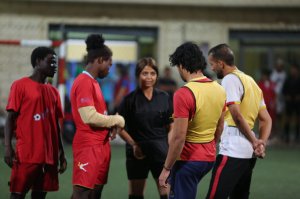
Building on the pilot project, Sport for Inclusion: Football against Racism, this project aims to extend the scope to marginalised communities so that they can participate in sports activities. It also seeks to further its coordination and collaboration with both governmental and non-governmental actors to promote safe, inclusive communities in Tunisia.

The overall objective of the project is to contribute to the improvement of social inclusion between migrant and host communities. This is especially the case for women and children, and is achieved by enabling local and national actors to provide educational services through sport and other recreational activities. This approach facilitates social integration, provides training and raises the awareness of tolerance, inclusion and the fight against discrimination among the broader community. The project will build on a pilot initiative in the cities of Sfax, Sousse, Tunis and Zarzis and will include gender considerations in all aspects of the programme’s design and implementation, evaluating the unique challenges and opportunities for women and children to participate in sport as a means of empowerment and to build self-esteem.

The project's approach is based on the theory of intergroup contact, adopted by IOM around the world, including IOM Tunisia, to promote social cohesion. Intergroup contact theory states that when people from different origins meet and mix in the appropriate circumstances, trust increases and prejudices decrease among the participants. This method, taken from the field of social psychology, was first put forward by Robin Williams in 1947 and has subsequently been supported and developed by other researchers. There is now an enormous amount of empirical evidence that, under the right conditions, positive contacts between individuals from different groups in society are likely to improve relations between those groups. The project is anchored in this approach and will also use a proven methodology to evaluate the initiative’s impact.

Partners
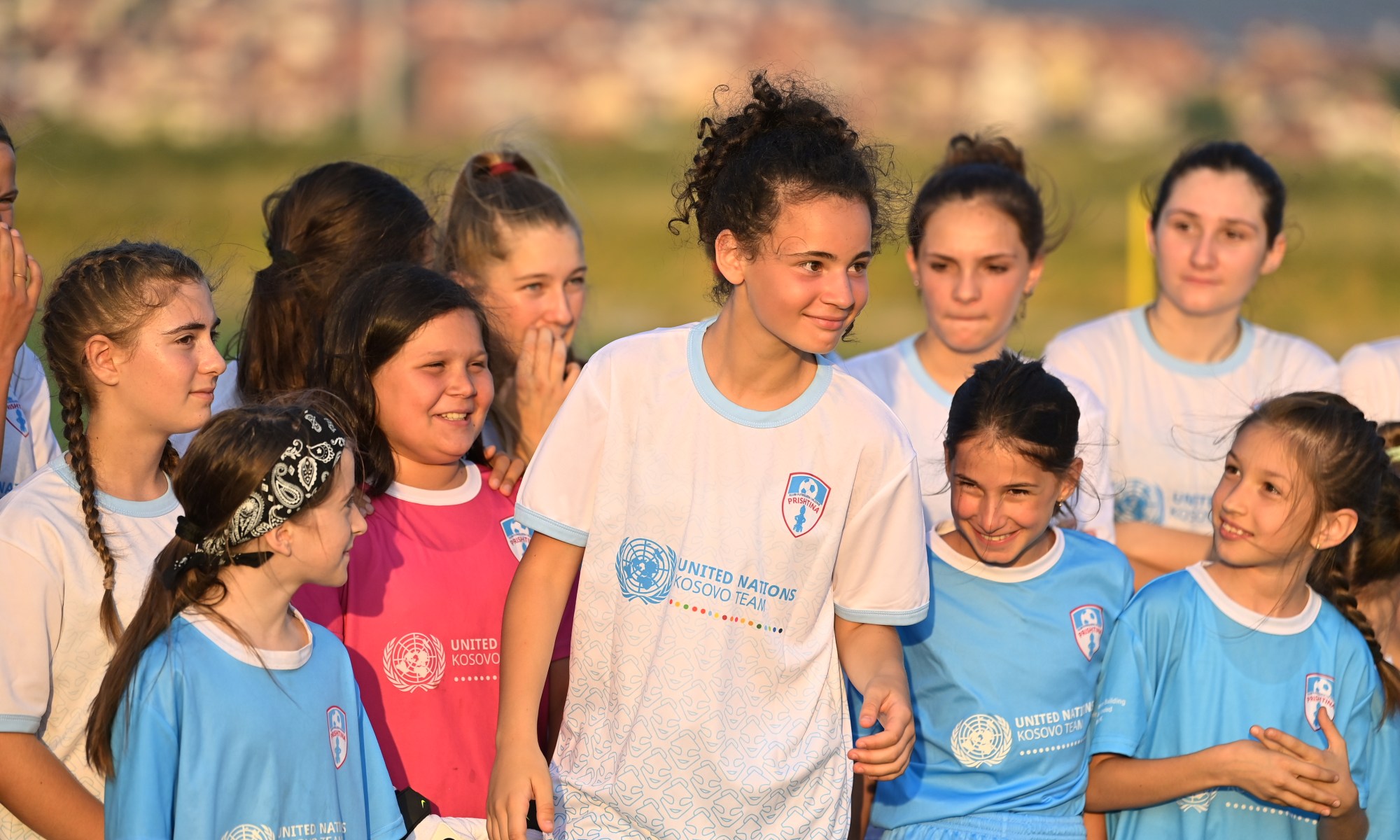
“Prishtina” Girls’ football team

Location and general information

Closed
Location Kosovo
Start date 01/01/2023
End date 12/31/2023
Cost of the project €55,350
Foundation funding €50,000
Project identifier 20221234
Partners KFV Prishtina
Categories Access to Sport - Conflict victims - Gender Equality - Healthy lifestyle - Personal development

Context

While there is no longer violent conflict in Kosovo, there is still mistrust among the many communities. These communities remain largely divided geographically, culturally and politically; the divides prevent many, and younger people in particular, from contemplating mutual efforts to build a shared social platform.

Women generally do sport in Kosovo, but few young women and girls play football. Those who do so face significant gender stereotyping, gender barriers and other issues including sexual harassment.

However, there is an opportunity to increase the number of young women and girls playing football in Kosovo. Sport is considered a driver of social change and community development and a tool for fostering peace and understanding. This project intends to demonstrate how football is a powerful instrument to strengthen social ties and promote peace, tolerance, solidarity and understanding, while increasing the number of women and girls actively involved in sport.

Project goals

  • Increase the number of women and girls playing football in Kosovo
  • Harness the power of football to promote sustainable, peaceful relations among girls in all communities in Kosovo
  • Establish girls’ football teams in schools in coordination with municipal sports and education departments
  • Design a local communication strategy to empower women and girls through football
  • Promote gender equality in football to break down barriers and stereotypes
  • Improve the leadership, communication and teamwork skills of the participating girls in different communities
  • Promote togetherness and the benefits of sport for mental health
  • Promote sustainable development goals through joint activities and mentoring sessions

Project content

The Prishtina Girls’ Football Team project provides a safe platform for girls to play football and promotes gender equality. The main focus of the project is to increase the number of women and girls playing football, thereby facilitating trust and tolerance between the various ethnic communities in Kosovo. This is achieved by organising matches and tournaments, with women and girls from all communities playing in mixed teams, including those with disabilities and those from rural areas and living in SOS Kindergartens, together with players already registered with the team.

Training on the UEFA Child Safeguarding Policy will be given to physical education teachers and the project’s community coordinators.

Awareness-raising activities

  • Screening videos on a variety of subjects, including preventing bullying and gender stereotyping in football, promoting children’s rights and the role of sport in diversity, development and constructing peace
  • Marking international advocacy days such as Children’s Day and the International Day for Development and Peace with joint tournaments
  • Promoting a football tournament in Brezovica to bring various ethnic communities together to play and communicate through the language of football

The next step after setting up girls’ teams is to establish a primary school league in Prishtina in conjunction with the municipality department of sports.

Partner

Educafoot

Location and general information

Closed
Location Bassam, Diabo and Adiaké, Côte d’Ivoire
Start date 12/16/2022
End date 12/31/2023
Cost of the project €60,000
Foundation funding €30,000
Project identifier 20220061
Partners Association Kenskoazell Afrika (AKA)
Categories Access to Sport - Environmental protection - Gender Equality - Healthy lifestyle - Infrastructure and equipment - Personal development

National/regional context

The lack of sports facilities in schools in Bassam, Diabo and Adiaké prevents children, especially girls, from regularly practising sport.

Project goals

The Educafoot project uses sport, and football in particular, to help children flourish and become well-rounded members of society. It relies on a toolkit to achieve various objectives. It seeks to address issues such as gender equality and access to sport. It also aims to teach children about the environment and instil in them sporting values such as perseverance, pushing oneself, the importance of community, and respect for the rules and for their opponents. The idea is to enhance the children’s mental and physical well-being. The main thrust of the project is to equip 15 schools a year for four years and enable thousands of children to join Educafoot.


Project content / details

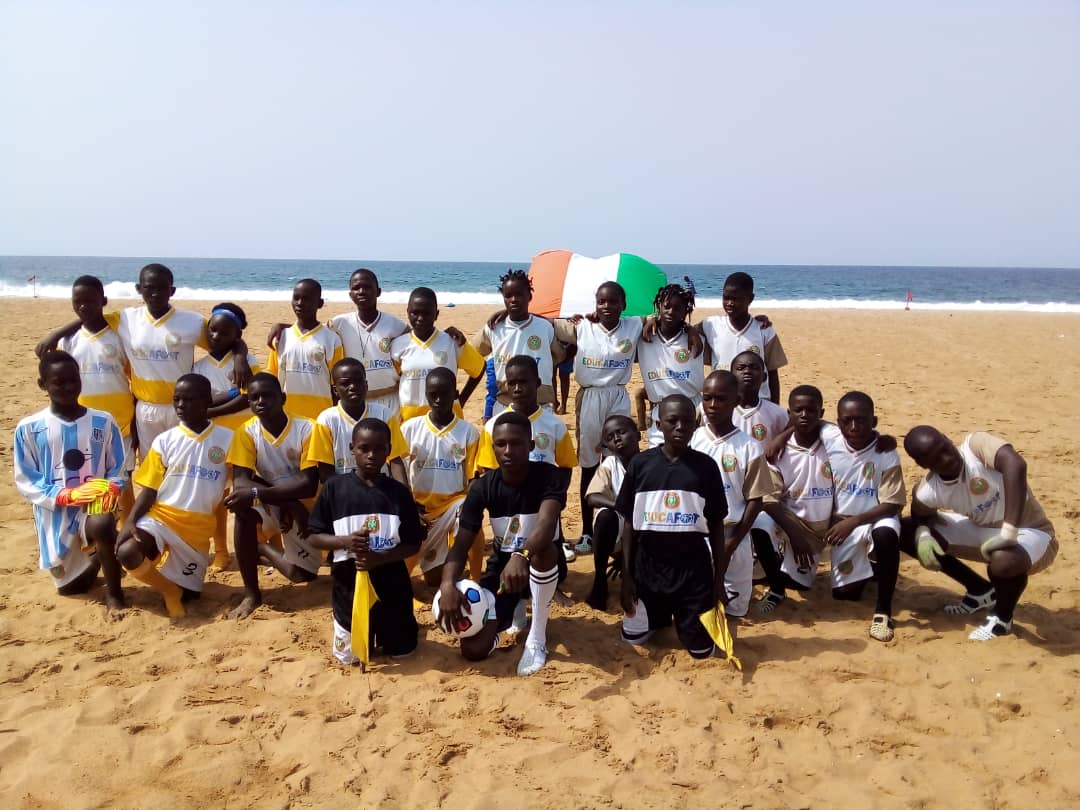
The programme is centred around a year-long inter-school tournament, featuring challenges in three subjects: maths, French (dictation) and physical education (PE), with a focus on football. Up to three points are available in each event, and the team that gets the most points overall is the winner. All of the teams are mixed and refereeing is done by both girls and boys. The tournament concludes with a grand final.

The tournament is an opportunity to teach children about:

  • diversity;
  • teamwork;
  • refereeing, which involves leadership and decision-making;
  • the environment, through a film screening and discussion, an activity involving making a net out of plastic waste, and cleaning the school before each game;
  • the captain’s role.

Partner

Good Health and Climate Action through Football

Location and general information

Closed
Location Lesotho
Start date 01/01/2021
End date 12/31/2022
Cost of the project €245,000
Foundation funding €122,600
Project identifier 20201058
Partners Kick4Life
Categories Access to Sport - Children with disabilities - Employability - Gender Equality - Healthy lifestyle

Context

Young people in Lesotho face many severe and overlapping health challenges that negatively impact their well-being and prospects, including:

  • The world’s second highest prevalence of HIV and a lack of access to HIV testing and counselling.
  • High levels of gender-based violence.
  • A lack of access to sanitation facilities and poor standards of hygiene, contributing to the spread of preventable diseases such as TB.
  • An accelerating COVID-19 infection rate.
  • Drug and alcohol abuse.
  • Extremely high levels of poverty and food insecurity.
  • An urgent need for mental health support, exacerbated by the COVID-19 pandemic.
  • A reduction in vital resources due to climate change.

The young people engaged in the programme come from a range of underprivileged and vulnerable backgrounds, including:

  • Children living on the street.
  • HIV-positive youth.
  • Orphans.
  • Teenage mothers.
  • Children living in poverty.
  • At-risk children and vulnerable girls.
  • Children engaged in child labour.

Project content

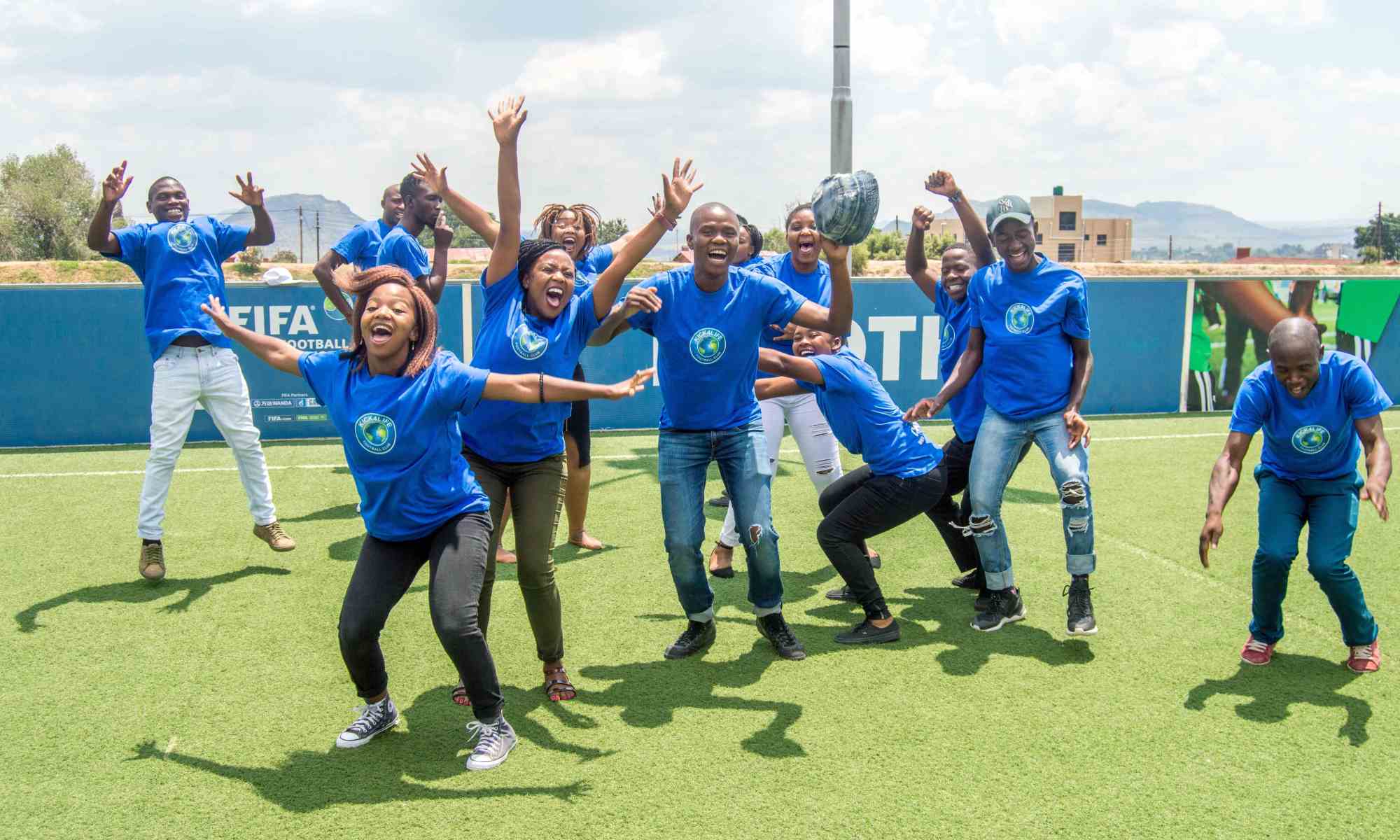
The project focuses on improving the health and long-term prospects of Lesotho’s youth, with an enhanced emphasis on gender equality and reducing gender-based violence. It tackles issues such as HIV prevention, hygiene, nutrition and urgent COVID-19 health education, as well as facilitating referrals to specialist healthcare providers. The project also develops key life skills, empowering participants to protect the health of people and the planet. Participants are also encouraged to take part in other Kick4Life activities such as employability programmes and training and employment opportunities within its hospitality social enterprises.

The expanded project also aims to reduce the health impact of climate change, with new sessions on water conservation, biodiversity and preventing land degradation. A Youth Climate Action Group will be set up to drive climate action by young people across Lesotho.

Objectives

The project aims to increase the health-related knowledge of 5,000 young people through a football-based curriculum in order to improve their physical and mental health, well-being and nutrition and reduce their vulnerability to HIV and COVID‑19. The project’s outcomes are aligned with Sustainable Development Goals 3 (good health and well-being), 5 (gender equality), and 13 (climate action).

Project activities

  • Delivery of an 18-session football-based curriculum to 5,000 young people, in 200 intakes of 25 participants, with an even gender balance
  • Creation of four new climate education sessions and a Youth Climate Action Group
  • Development of a COVID-19 adaptation plan for alternative delivery if regular programming is interrupted
  • Two training courses for 20 coaches, including updated COVID-19 safeguarding
  • 500 referrals to health and protection services
  • Monitoring and evaluation including 125 pre- and post-tests and eight focus groups

Expected results

5,000 young people will have:

  • Increased health-related knowledge, including on HIV prevention and sexual health, hygiene and sanitation and nutrition
  • Improved attitudes to gender equality
  • Improved access to healthcare, including HIV testing and mental health services
  • Better understanding of climate change and motivation to take climate action
  • Greater confidence in maintaining their health and achieving their potential

Partner