Finding My Potential

Location and general information

Closed
Location England, Liverpool
Start date 03/01/2021
End date 07/31/2022
Cost of the project €62,618
Foundation funding €49,440
Project identifier 20201366
Partners Liverpool School Sports Partnership (LSSP) Foundation
Categories Access to Sport - Employability - Personal development

Context

Liverpool is the fourth most deprived area in England and has unfortunately remained stubbornly so for some time. The unemployment rate for young people is 10.8% and only 51.4% of young people achieve five C grades and above in their secondary education. This is coupled with the fact that young people seem to be shouldering the brunt of the impact of COVID-19 on the job market, with those who struggle academically likely to fall further behind.  Young people in Liverpool need to be given every opportunity to succeed.

Project content

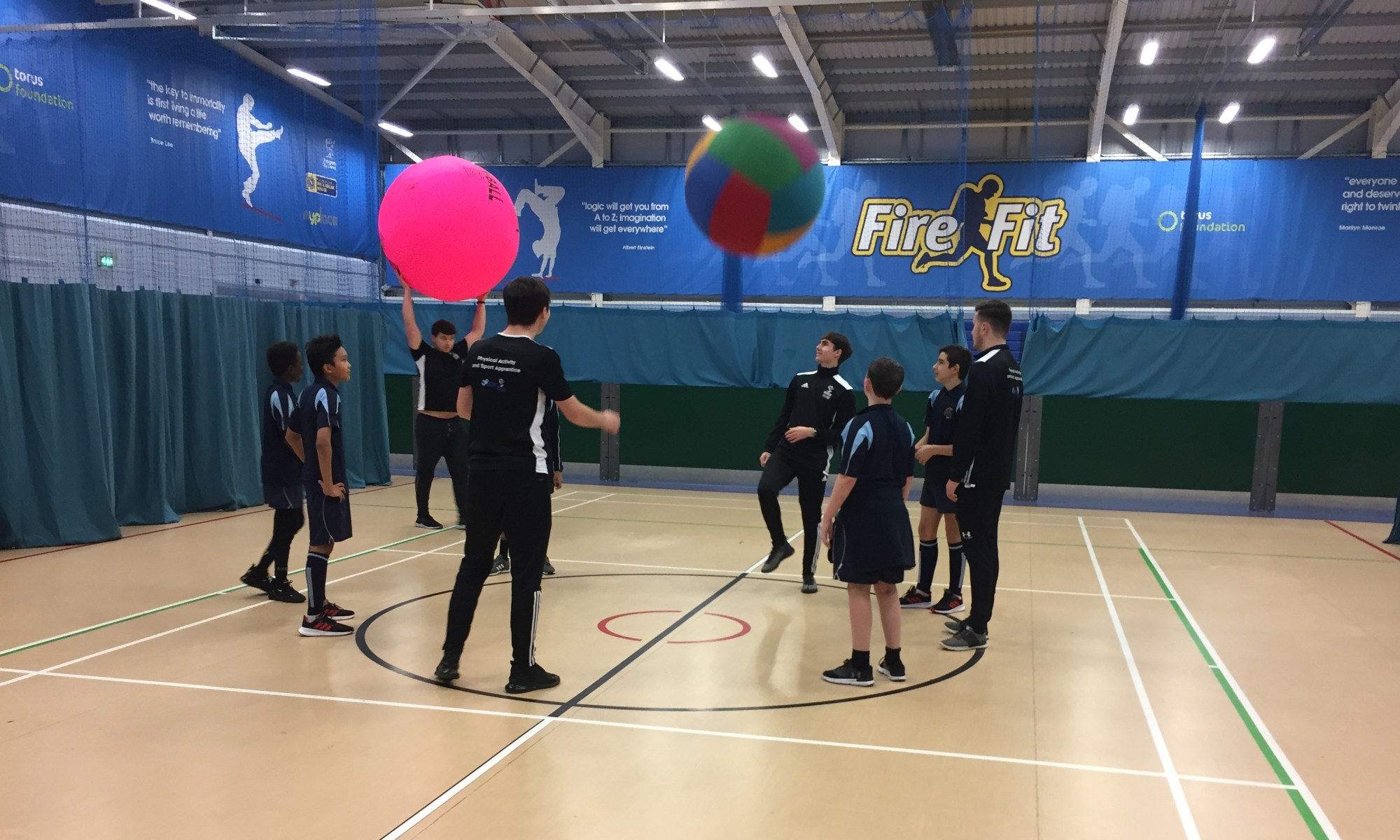
Sport has the power to fully engage young people. Through engagement in this project, they will gain both specific knowledge, skills and qualifications and soft skills such as integrity, responsibility, planning and leadership to help them thrive in adulthood. By achieving a coaching and officiating qualification, followed by valuable work experience in a supportive environment, they will not only develop their confidence but also gain access to employment opportunities in their local community. The project will provide equality of opportunity regardless of circumstances.

Objectives

  • Increase the confidence and self-efficacy of 160 young people aged 14–21 years and develop their employability and leadership skills by providing training and accredited qualifications to enable them to coach and lead sport and physical activity sessions in the local community.
  • Provide a mentor/LSSP coordinator to support the young people in coordinating, planning and delivering a six-week community sports programme (‘nurture clubs’).
  • Ensure a minimum of 96 nurture clubs are delivered to 500 inactive young people aged 8–12 years to help them become more active and improve their health and wellbeing.

Project activities

  • Team building: This will focus on developing an understanding of different forms of communication; what makes a good team; conflict resolution; and working together.
  • Youth Sport Trust Active in Mind training course: This will be delivered by an athlete mentor and the young people will gain an understanding of the CARE (creativity, aspiration, resilience and empathy) model of leadership.
  • National Governing Body (NGB) qualifications: The young people will select a suitable NGB award to achieve.
  • Nurture clubs: The nurture groups, composed of pupils who are struggling to integrate in school, will receive a minimum of six sessions and be rewarded with a certificate for full attendance.
  • First aid and safeguarding.

Expected results

  • 160 young people trained.
  • 500 nurture club attendees.
  • A minimum of 96 community sessions delivered.

Partner
Youth in Action

Location and general information

Terminé
Location Northern Ireland and Republic of Ireland
Start date 12/12/2020
End date 12/01/2021
Cost of the project €100,000
Foundation funding €50,000
Project identifier 20200593
Partners Rio Ferdinand Foundation
Categories Access to Sport - Conflict victims - Employability - Personal development

Context

Black, Asian and minority communities across the island of Ireland (both Northern Ireland and the Republic of Ireland) face racism, prejudice and inequality. Young people from minority communities are more likely to live in poverty than their peers, often in insecure housing (including reception centres), and face added language barriers. Families and communities are housed across borders (Britain, Northern Ireland, Republic of Ireland), and face increasing racism – in Northern Ireland alone, 40% of reported hate crime was race related.

Project content

The project’s mission is to tackle racism in Ireland and promote community cohesion and the integration of ethnic minority and migrant communities through sports and education.


Objectives

The programme aims to promote inclusion and friendship and tackle racism and prejudice on the island of Ireland, by working with young people, ethnic minority representative groups and refugees and asylum seekers housed in local communities. Young people will be given the opportunity to share experiences, cultural values and interests. Education programmes will use football and football culture as a pathway to explore the themes of race and racism.

Project activities

  • Delivering sports and educational activities that give people shared experiences and engage them in dialogue on solutions to racism, xenophobia and prejudice.
  • Delivering inclusive sports activities that create community cohesion.
  • Delivering education programmes that explore the themes of race, racism and prejudice
  • Training community role models and actors to deliver social action projects
  • Capacity building of ethnic minority and refugee groups to deliver services and engage with government agencies and civic society
  • Building a network of local community actors and organisations that will embed the approach in communities
  • Sharing best practices and building an ongoing support network across Ireland and the UK.

Expected results

  • Improved awareness of racism and racist behaviour.
  • Improved cohesion and integration of ethnic minority and refugee groups into communities.
  • Trained actors from across the community delivering social action projects and a shared methodology throughout the island of Ireland.
  • Greater skills in ethnic minority led organisations to deliver services and engage with civic society.
  • A support network across Ireland to advocate and lead on this agenda on a local and regional scale.

Partner

Football for Employability

Location and general information

Terminé
Location Romania, Hungary, Ireland, UK
Start date 02/01/2019
End date 05/31/2021
Cost of the project €193,600
Foundation funding € 105,757
Project identifier EUR-0149
Partners FedEx, streetfootballworld, Sport 4 Life UK, Policy Center for Roma and Minorities, Oltalom, Sport Against Racism Ireland
Categories Employability - Personal development - Sponsors

Context

Football provides an opportunity to address young adults struggling to enter the job market and help them through education, activities to improve job-seeking skills, vocational training and personal development programmes. This project aligns with the Football for Unity concept that the UEFA Foundation for Children and streetfootballworld will implement together during the UEFA EURO 2020 competition. For the first time ever, the tournament will be played in 12 European cities and will see the activation of local initiatives using football to promote social development. The programme will be delivered in four locations (Bucharest, Budapest, Dublin, Birmingham) aiming deliver demonstrable results by bringing youngsters closer to education, employment and training (EET).

This project is being run in close collaboration with streetfootballworld and FedEx.

Project content

The target group and activities in the four locations are broken down as follows:

Birmingham, UK - Sport 4 Life (S4L UK)

S4L UK provides the opportunity for disadvantaged young people aged 12–29 to prepare for and move into sustained education, employment or training by improving their employability and key life skills, through sports-themed personal development programmes. The two main pillars of its work are the TEENS programme (personal development programme for socially excluded 12–16 year-olds) and the NEETS (Not in Education, Employment, or Training) programme (employability and personal development programme for 16–29 year-olds). This project will allow S4L UK to strengthen its actions by scaling the methodologies and approaches of the ‘Team up! toolkit’, resulting in extended reach and higher overall impact numbers.

Bucharest, Romania - Policy Center for Roma and Minorities (PCRM)

The organisation enables youngsters aged 7–18 to play an active role in society and promotes inclusion through sustainable educational and football-based programmes. A small-scale employability programme called the ‘Alternative Education Club’, provides workshops and non-formal education through arts and sports. This project will allow the PCRM to consolidate its activities and offer this programme to greater numbers of marginalised young people.

Budapest Hungary - Oltalom Sport Association (OSA)

Oltalom has developed football-based and educational programmes to help young people aged 16–30 integrate into society. In addition to English lessons, a social support and counselling programme helps these young people to draft CVs and cover letters and provides mock job interviews to improve their interview techniques. This project will enable the organisation to consolidate its employability programme.

Dublin, lreland - Sport Against Racism lreland (SARI)

SARI was founded as an NGO in 1997 to support cultural integration and social inclusion in lreland by using sport, particularly football, as a medium to combat racism, sectarianism, homophobia and other forms of discrimination. As the organisation has grown, SARI has developed a youth leadership programme that provides young leaders with the necessary skills to reach their full potential. This project will enable SARI to strengthen its employability programmes within the youth leadership programme and enable more young people to transition to employment, education and training.


Objectives

  • The project will utilise the TeamUp! toolkit, which was the outcome of a pan-European project supported by Erasmus+ and delivered within the framework of the European Commission's Strategic Partnerships for Youth.The toolkit:
    • delivers an innovative approach to one of Europe's most pressing social challenges: youth unemployment;
    • identifies and disseminates best practices and impact-proven methodologies to key players in the sectors of sports, youth employability and non-formal education;
    • arms organisations with a comprehensive understanding of how to develop and run football-based employability programmes;
    • targets young adults not in education, employment or training and equips them with the skills they need to build new paths towards a sustainable livelihood.
  • This initiative brings youth in the four different European countries closer to employment and further education by providing capacity building opportunities for local community organisations and supporting local football for employability programmes. Football serves as a low threshold engagement tool for the local, disadvantaged youth that are difficult to reach through other methods of communication, and as methodology to foster soft skills for increased employability of the participants. This is supplemented by specific hard skill and job skill training sessions, e.g. CV writing workshops, language classes, etc. After the first project phase in 19/20, the further need has been identified by the project consortium for further capacity development modules and specific training programmes on how to successfully implement specific employability activities. The 20/21 project will address this need.

Project activities

FOOTBALL AND EMPLOYABILITY PROGRAMMES:

The partner organisations implement football and employability programmes in disadvantaged communities. Employability activities are structured around three skill areas:

  • Soft skills for employability– personal attributes needed to operate successfully in society
  • Job seeking skills – practical skills for finding and applying for a job
  • Hard skills – qualifications needed to perform a specific job

CAPACITY BUILDING AND ORGANISATIONAL DEVELOPMENT:

The participating organisations will, guided by streetfootballworld and the expert organisation Sport4Life UK, develop organisational action plans to implement and extent their employability programmes.

Expected results

A three-stage impact measurement process represents the three main milestones in the participant’s journey

  • Engagement: number of young people engaged in the programme
  • Increased employability: number of young people who successfully gain skills and motivation
  • Progression: number of young people moved from ‘not in education, employment or training’ to ‘in education, employment or training’.

Partner