Football for All in Vietnam

Location and General Information

Context

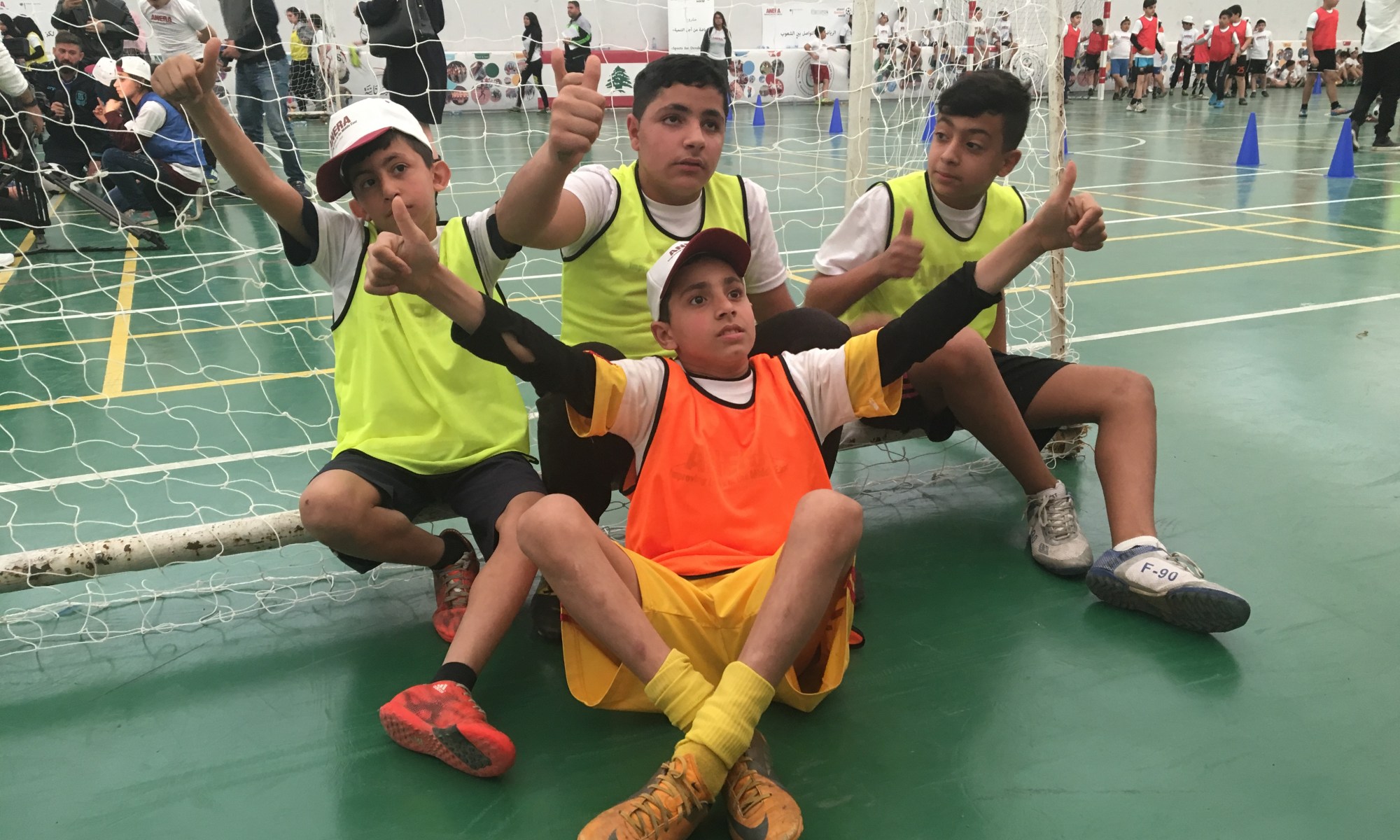
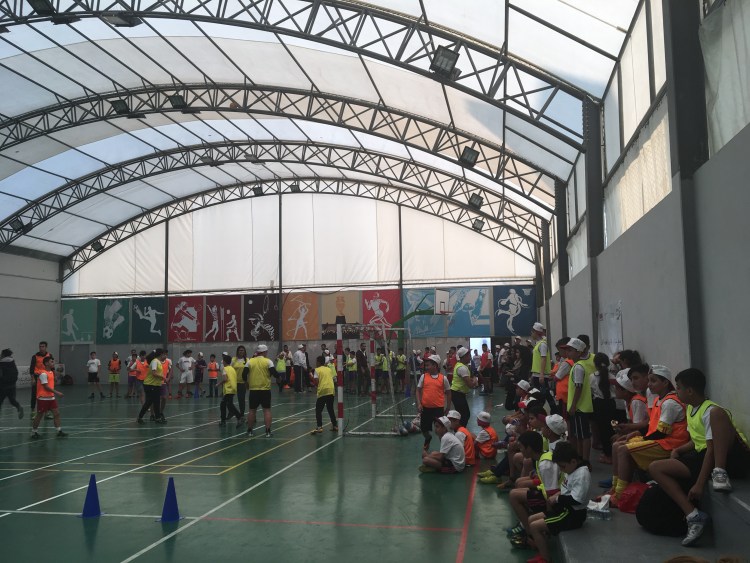
The Football for All in Vietnam (FFAV) project was initiated in 1997 and formally established in 2001 by means of a partnership between the Football Association of Norway (NFF) and the Vietnam Football Federation (VFF). FFAV uses football activities to teach life skills and promote cultural values to young children and adolescents. FFAV currently supports 1,541 teams at 183 clubs, with more than 17,000 children participating in these activities.

However, with certain children facing specific problems when it comes to integrating into their communities, this programme is set to be expanded in order to cover three specific groups:

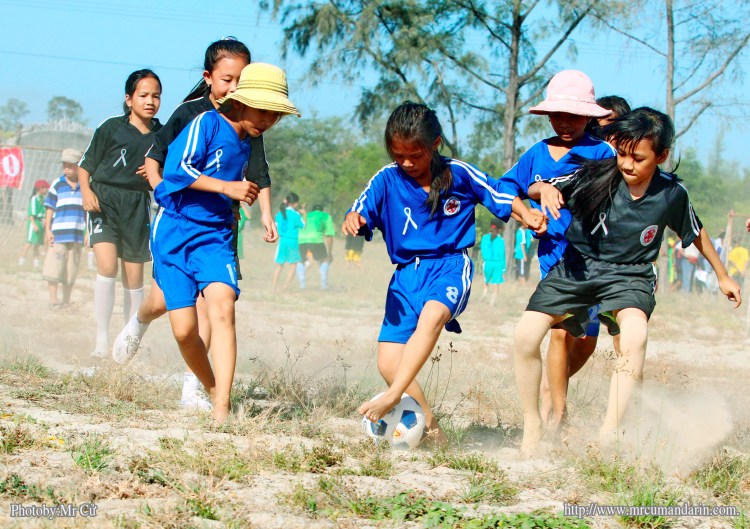
  • Young girls – particularly girls from ethnic minorities – are often expected to conform to gender roles set out by society and their families, as well as facing issues associated with a lack of education and early marriage.
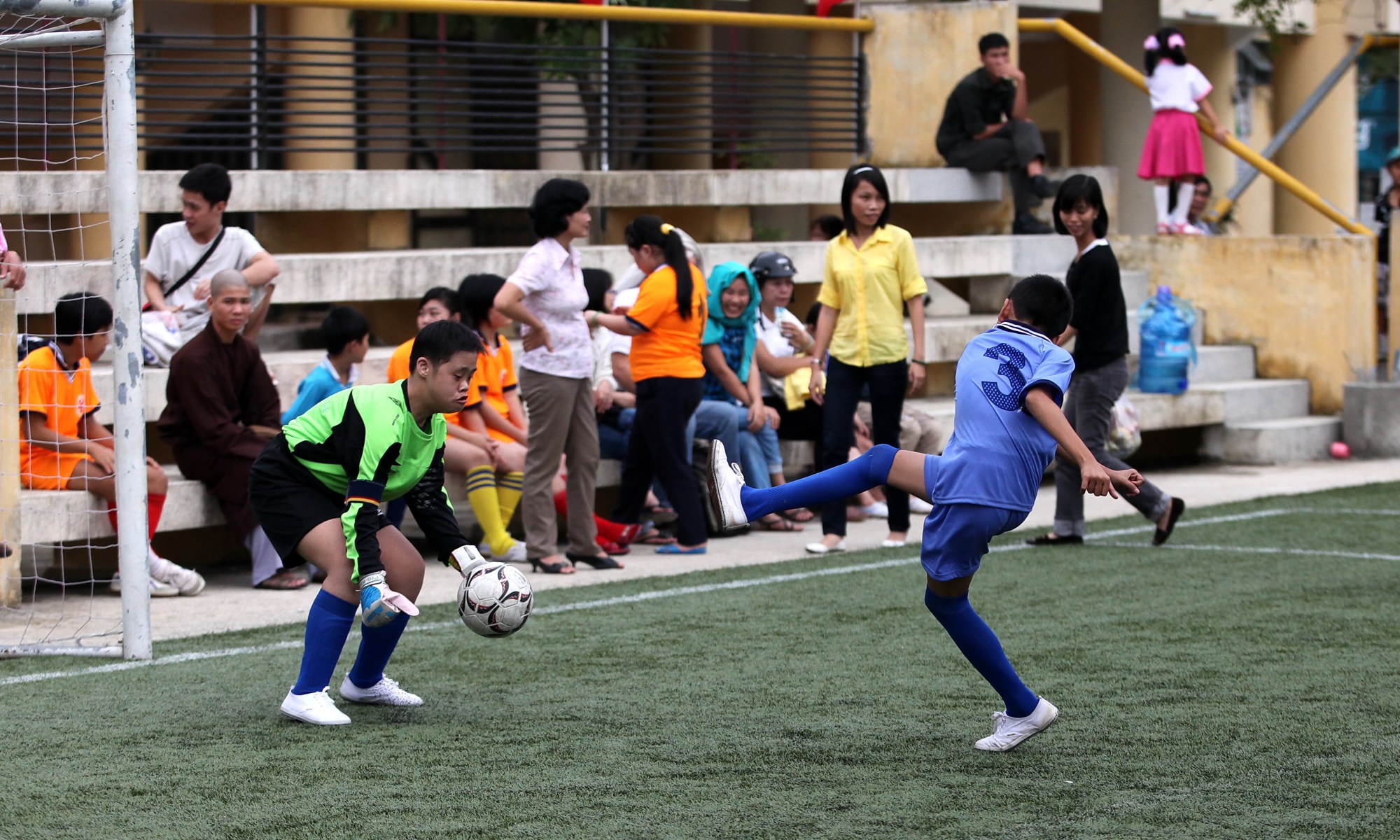
  • Children with disabilities are often treated as outsiders and seen as unable to fully participate in society because of their differences.
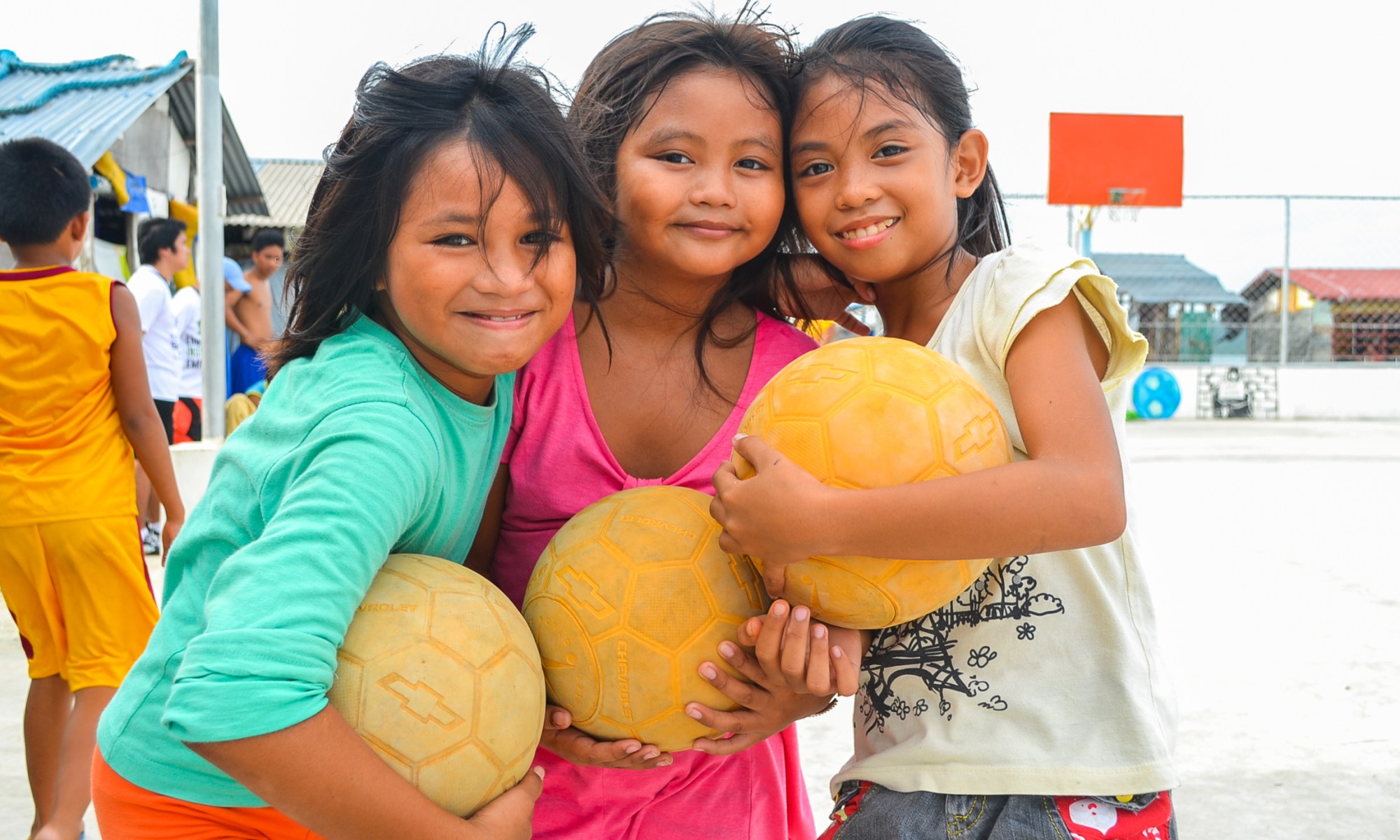
  • Children living on boats in resettlement areas face a plethora of societal issues as a consequence of being seen as different and inferior by local residents. This results in them being discriminated against, not wanting to go to school and not having many friends.

Objectives

This project will extend the FFAV model to cover these children, specifically allocating resources to these groups in order to help them address the issues they face through participation in football and life skills activities. Alongside funding from UEFA, additional programmes and resources will be deployed in order to meet the following objectives:

  • fostering social inclusion – especially among parents and children – by giving girls, children with disabilities and children from resettlement areas greater access to football activities;
  • helping and supporting local partners, enabling them to facilitate grassroots football and life skills activities on the ground;
  • helping to improve soft skills (including communication, self-confidence and teamwork) and raise social awareness of the target groups through football activities/events incorporating life skills;
  • promoting volunteerism and the development of leadership skills among young people in the community.

Project Content

Activities will be concentrated in specific areas of Thua Thien Hue Province: A Luoi District and Nam Dong District, resettlement areas and social centres. They will include the following:

Football training for coaches and referees at new clubs, plus life skills courses

  • Youth leadership programme
  • Volunteer training for members of local communities, including parents
  • Three ‘fun football festivals’ with a focus on integrating young girls from ethnic minorities, children from resettlement areas and children with disabilities
  • Study tour monitoring the needs and results of the project

Expected Results

Grassroots football will be introduced in seven new resettlement areas and maintained in four others. We expect the creation of football clubs to encourage children to stay in school, improving their level of education. Making friends in the community will lead to further social inclusion, while increased self-confidence will result in better communication skills. Children will learn life skills through club activities, which will reduce addiction and early pregnancies.
At least 2,000 disadvantaged children – including ethnic minority girls in two mountainous districts, orphans and children with disabilities in 14 social centres, and children in resettlement areas – will be included in FFAV’s football and life skills project as a matter of priority.
All children participating in the project will be taught about gender equality, social inclusion, children’s rights and other social problems associated with their community.

At least 500 adolescent girls – especially those from ethnic minorities – will be taught about reproductive health, financial management, health and hygiene, and communication.

We expect that participation in football activities at the various new clubs will result in more young girls becoming physically active. We hope to have equal numbers of girls and boys playing, which should help to gradually break down gender norms.

In addition, 13 existing football clubs in social centres and resettlement areas are to receive assistance, being given both operational and financial support.

Allowing children with disabilities to participate in football activities will help to improve social inclusion by fostering interaction with a wide range of different people. We want to increase awareness and understanding of the issues faced by children with disabilities, enable them to play and interact with other children, increase their self-confidence, improve their communication skills and encourage other children to play with them. Overall, this project aims to break down negative prejudices about children with disabilities, using football to show the contribution that they can make to society.

Partners


Football for Life Champions Academy

Location and General Information

Context

On 8 November 2013, Typhoon Haiyan tore through the Philippines, leaving a trail of destruction in its wake. The islands of Leyte and Samar were hit particularly hard, including Leyte’s provincial capital, Tacloban, which suffered widespread devastation and numerous fatalities. After this natural disaster, there was no play, no joy and no opportunity for children just to be children.

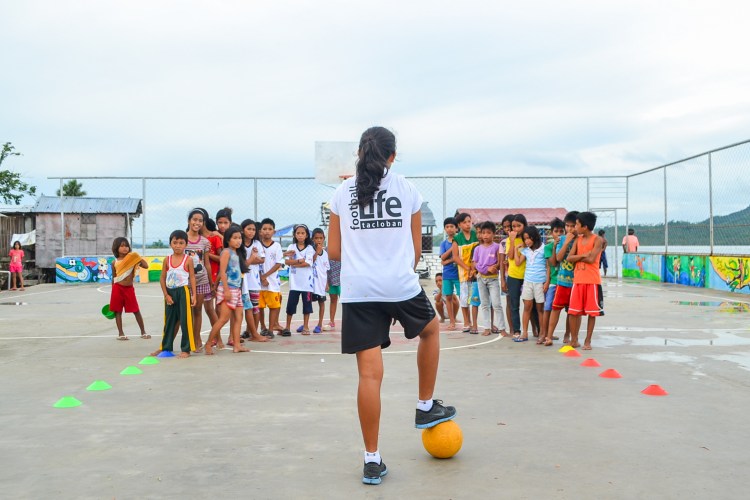
Football has since restored childhood to children in Tacloban. The Football for Life (F4L) Champions Academy project uses football to engage with children and adolescents from severely marginalised communities, who are trapped in a cycle of intergenerational poverty. Most often these children and young people do not have access to education – or if they do, they are not particularly successful in their studies, as they lack the necessary life skills and the confidence to succeed. This is exactly the void that the project fills.

Project content

The UEFA Foundation for Children is supporting the Football for Life Champions Academy, which helps severely disadvantaged children to complete their education by helping them into higher education, training or skilled employment. The youngsters are connected with local champions (youth football coaches), who act as mentors, motivating the children to stay in school and thrive there. They encourage and provide positive reinforcement for children who often lack encouragement to continue and succeed in education.

Objectives

  • To restore childhood where it has ceased to exist by providing football-based play therapy
  • To help children to pursue their dreams, regardless of their social status and gender
  • To promote football as a possible career path for the coaches
  • To promote football among children and young people and identify and nurture football talent
  • To bring dignity to the local communities and restore their sense of identity

Concrete actions:

  • Delivering the Champions Academy curriculum through football sessions
  • Organising the annual Sama Sama Games (the first-ever football tournament to promote equality
  • Participating in local, regional, national and international football tournaments and events
  • Developing football coaches further
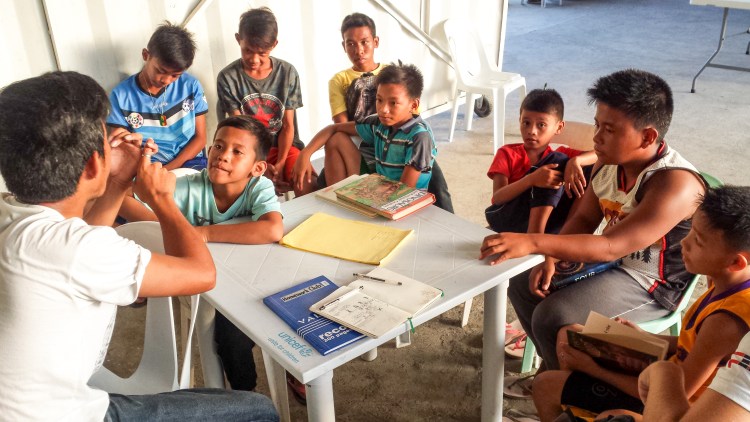
  • Developing non-football life skills and giving support with homework

Expected results

  • Improved academic performance and a bigger commitment from children to their studies: we expect 95% of children to become more focused on their studies and improve their academic performance as a result of being involved in the project.
  • Meaningful relationships and deep trust between coaches and children: we expect up to 97% of children to confirm that the football coaches are their life role models, which will place further importance on developing the coaches and making them champions for the children.
  • Improved culture of medium/long-term commitment: we expect 100% of the children’s families to encourage their children to continue the programme, thus further cultivating long-term commitment.
  • Access to employment: by working with local business partners, the programme will connect the beneficiaries with real-life opportunities. An example of this already exists through an understanding with AirAsia that children and young people who complete the programme can be selected to enter the pilot cadet training centre and ultimately have the opportunity to become an airline pilot.

Figures: forcast for the next 36 months

  • 3,600 football sessions delivered to 2,000 children and adolescents in Tacloban
  • 10,000 children and young people reached indirectly through project activities
  • 2,400 hours of homework support given to the project participants in disciplines such as English, maths and environment
  • Training of 20 coaches from Tacloban in technical expertise and the delivery of football life skills sessions
  • At least 100 children exposed to national and international travel for football tournaments, who will later share their stories with peers back in their home communities
  • Football for Life Champions Academy curriculum completed, ready to be used to replicate the project elsewhere, and potentially be adopted by the national department of education
  • 50 young people enrolled on leadership workshops and matched with real-life job opportunities.

Partners

Spirit of Soccer

Location and general information

OUR AIM

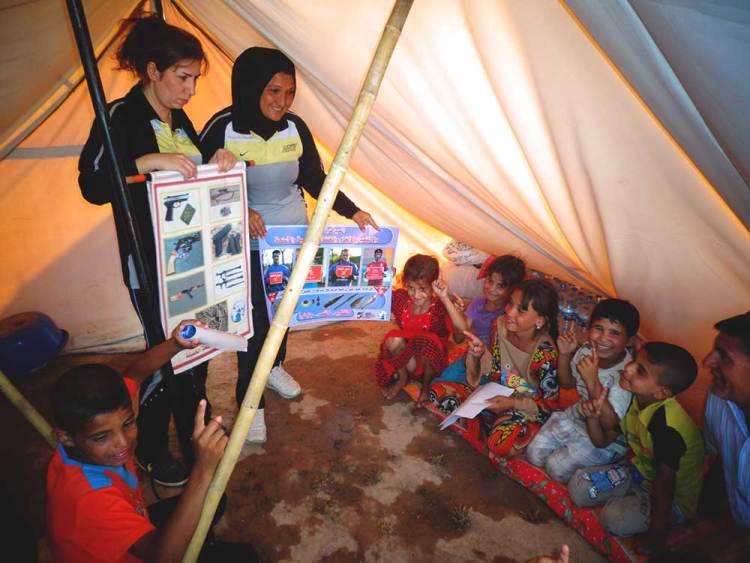
The UEFA Foundation for Children is supporting the Spirit of Soccer project in Iraq, the main aim of which is to use the power of football to educate children about the dangers of landmines and explosive remnants of war. The project includes mine risk education, using educational activities to reduce the risk of injury from mines and unexploded ordnance by raising awareness and promoting behavioural change.

PROJECT CONTENT

Sport as a vehicle for learning

Sport plays a healing role for children forced to live in camps without formal education or social structures.

The humanitarian consequences of violence in Iraq and Syria have been catastrophic, leaving some 5.2 million people in urgent need of assistance in Iraq. Since December 2014 more than 2.2 million Iraqis have been internally displaced, and half of them are children under the age of 18, forced to live in camps without any formal education or social structures. In such environments children are at increasingly at risk from drugs, crime and recruitment by extremist groups. They will also have to one day return to homes now polluted by the legacy of conflict, where landmines, unexploded ordnance and improvised explosive devices will be a constant and deadly threat.

150 local Iraqi and Syrian coaches to reach our objectives

Training will involve a mixture of interactive classroom learning and hands-on field-based activities.

Project objectives :

  • Teach 150 Iraqi and Syrian football coaches (30% women) the fundamentals of trauma and mine safety:a. KEEP AWAY from dangerous areas
    b. DON’T TOUCH mines or explosive remnants of war
    c. REPORT mines or explosive remnants of war to someone in authority
    d. COMMUNICATE the above to friends and family
  • Deliver mine risk education through football to 25,000 Iraqi and Syrian children
  • Recruit 5,000 high-risk, fighting -age men into a ‘anti-extremism football league’
  • Deliver mine risk education messages indirectly to 75,000 Iraqi and Syrian refugees and internally displaced people
  • Increase access to football in under-served communities

Objectifs et résultats attendus

  • 150 new football coaches qualified according to professional standards
  • Min. 90% of coaches report increased skills in football coaching and mine risk education
  • 25,000 children participate in mine risk education through football activities
  • Min. 80% of participants report increased mine safety knowledge. Reduction in the risk of accidents involving mines and unexploded munitions for children in vulnerable communities
  • Participation of 5,000 teenage men in ‘anti- extremism football league’
  • Development of sporting and recreational activities for displaced people
Khanaquin_tent

LIENS

Spirit of soccer http://spiritofsoccer.org/

US Department of State : www.state.gov/t/pm/wra/

Iraqi Football Association www.the-afc.com/member-association/iraqi-football-association

LOGO

SOS-Logo

PMWRA---US-Department-of-State-Bureau-of-Weapons-Removal-and-Abatement    IKMAA---Iraqi-Kurdistan-Mine-Action-Agency    DMA---Iraqi-Directorate-of-Mine-Action   

Play for Positive Change

Location and general information

Context

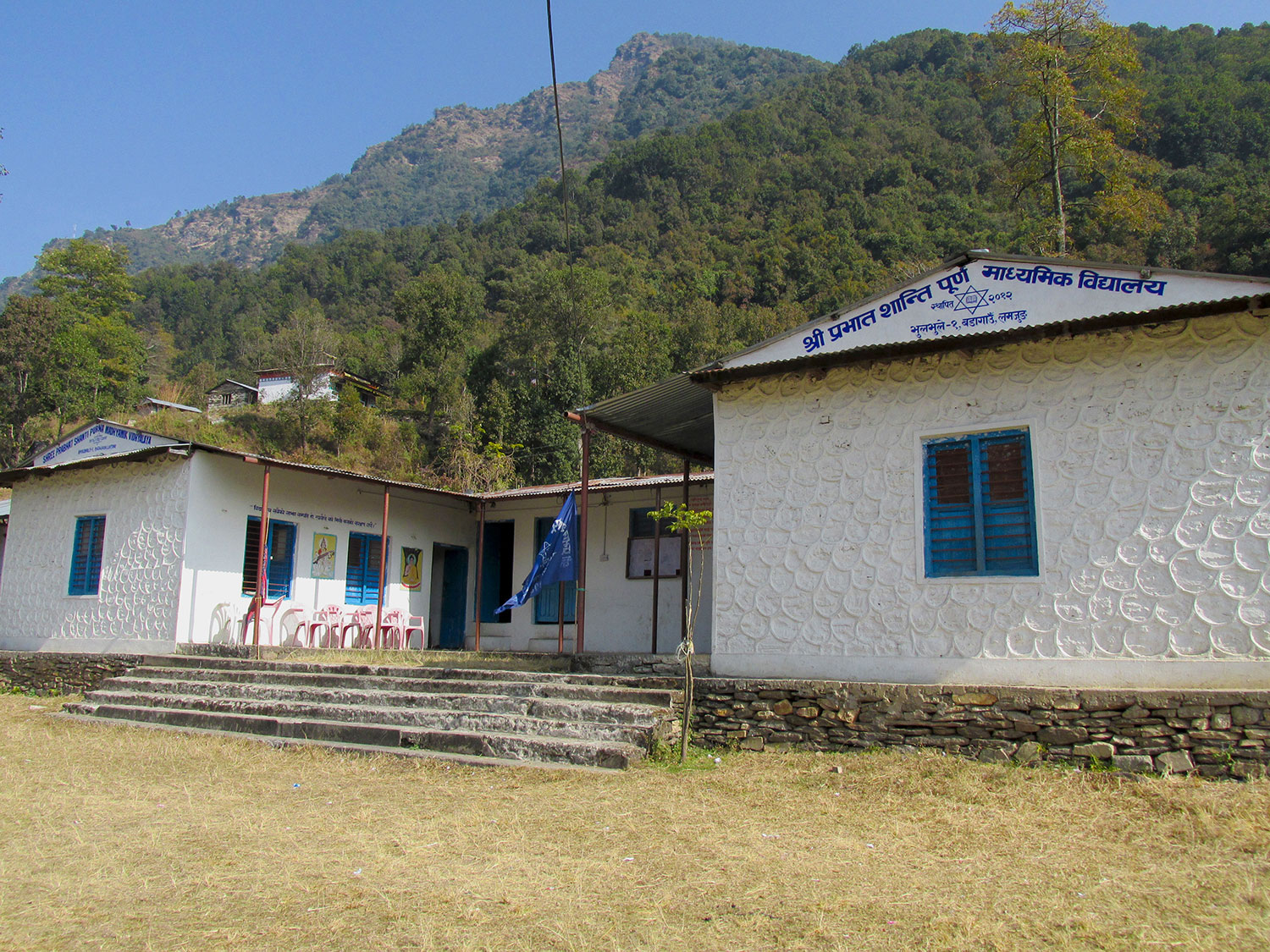
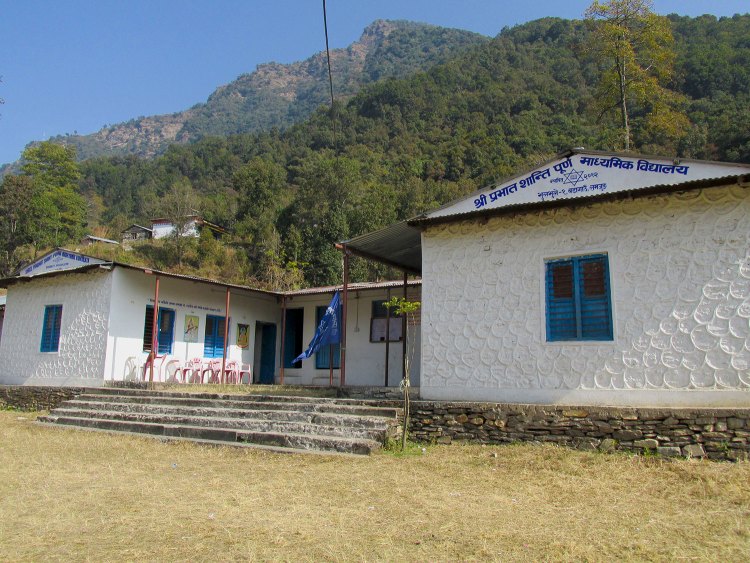
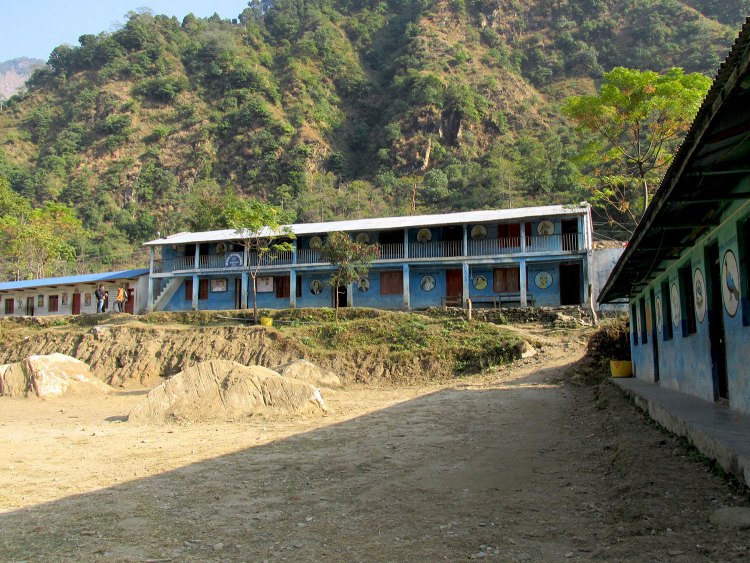
Prabhat Shanti Secondary School

There are four main problems connected to access to sport in school in Nepal, which result in decreased participation, namely: lack of facilities, lack of knowledge, lack of equipment and lack of structure.

The Play for Change (PFC) and Global Action Nepal (GAN) are jointly working and implementing a programme called “Khelaun Khelaun” meaning play for positive change in nepalese.

The programme is providing opportunties to access sport activities and coaching training for some of the country’s most disadvantaged young people, especially women and girls. This will then enable the community to coordinate and run the programme on a long term basis. There will also be a mentoring scheme offered to the children and young people which will help develop their soft skills, with an emphasis placed upon encouraging female participation. 40 schools will participate in the programme benefitting 3000 children.
Futhermore, this programme is a valuable addition and a way of helping children to deal with mental health issues following the two recent devastating earthquakes.

Play for positive change

Khelaun Khelaun

In the first stage of development in 2016, we aim to create a culture of inclusive sports education for the children, to provide sporting equipment for all participating schools and provide coaching qualifications for up to 35 local young people, female and male.

In addition, a PFC league is being organised across the Lamjung district, with the finals being scheduled for May/June 2016.

The PFC and GAN share the same passion for football and believe that this project will offer a great platform for providing life-changing opportunities to disadvantaged children and their communities. This project will encourage members of the local communities to be directly involved. Project leaders, coaches and teachers will be recruited locally. Disadvantaged sectors of the community will be encouraged to apply for these roles.

Aims and expected results

The main aims of Khelaun Khelaun is to:

  • increase the participation of disadvantaged children in sports, especially girls;
  • establish sporting activities and local leagues for 40 schools in the district of Besisahar;
  • economic empowerment of the local communities, who will run and continue the programme;
  • develop training for coaches and teachers in local communities;
  • improve health and wellbeing, by promoting better physical and mental health through sport
  • brighter future perspectives for children, thanks to the learning of new skills.

Expected results of the project:

  • healthier and happier children who have regular access to recreational activiti, and to sport in particular.
  • more girls involved in sports activities
  • brighter future prospects for children, thanks to the learning of new skills
  • economic empowerment of the local communities who will run and maintain the community centres

Links

http://playforchange.org/
http://www.nepalaction.global/


final_logo_web logo GAN

Football in the Za’atari refugee camp

Location and general information

Refugee camp

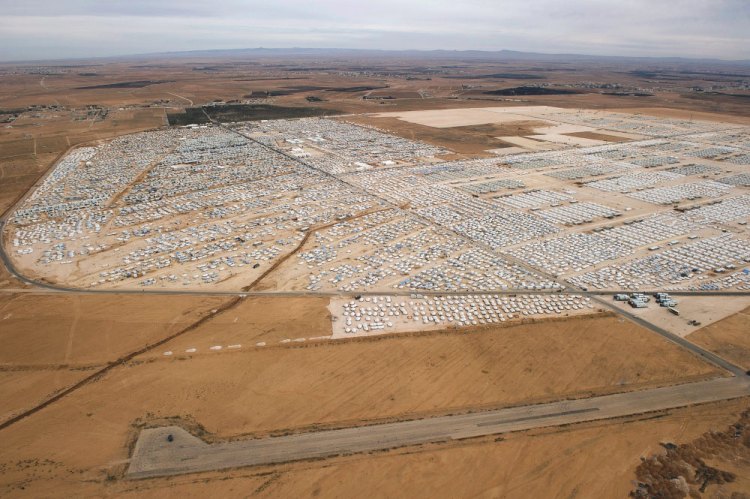
The structure of the Za’atari camp and how it is run.

Context

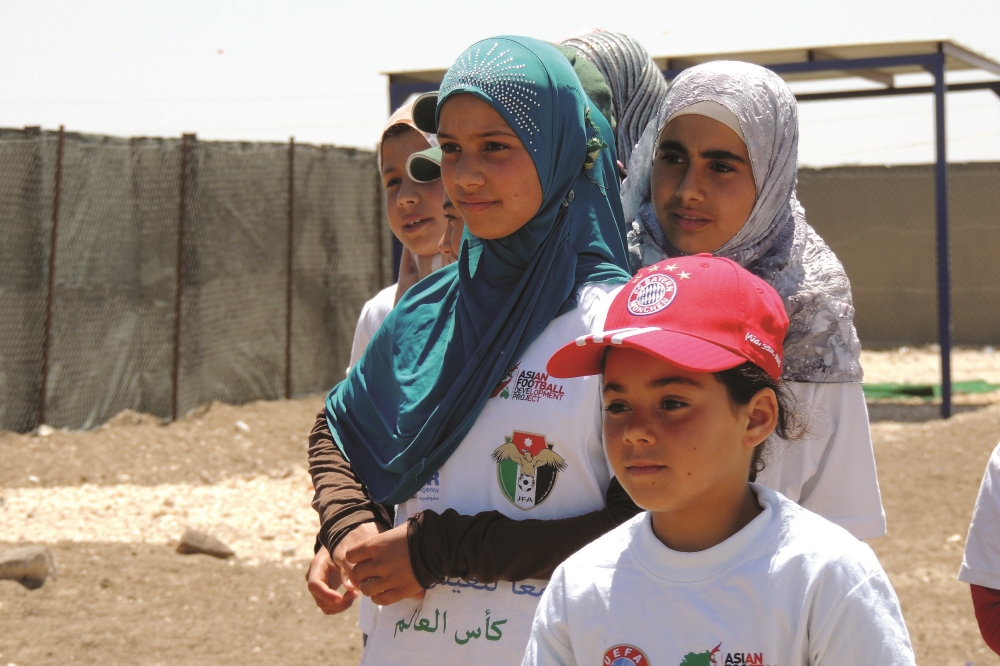
The Asian Football Development Project (AFDP) and the UEFA Foundation for Children are helping people displaced by the conflict in Syria, particularly children and young people living in the Zaatari refugee camp.

Project content

Organising tournaments

tournaments-1000x628

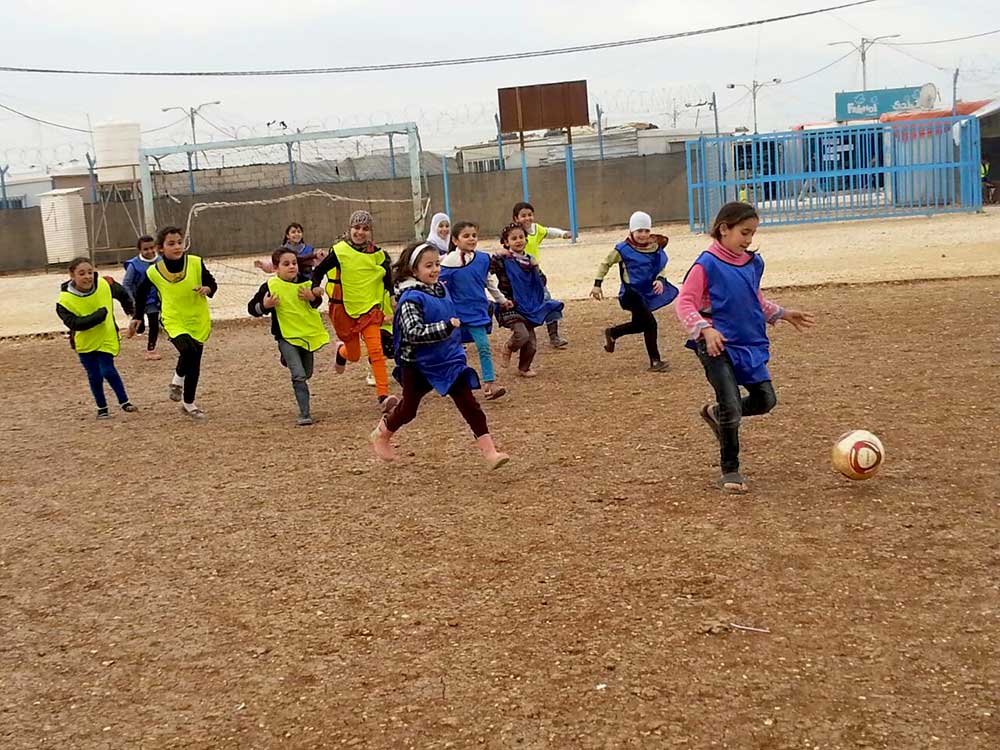
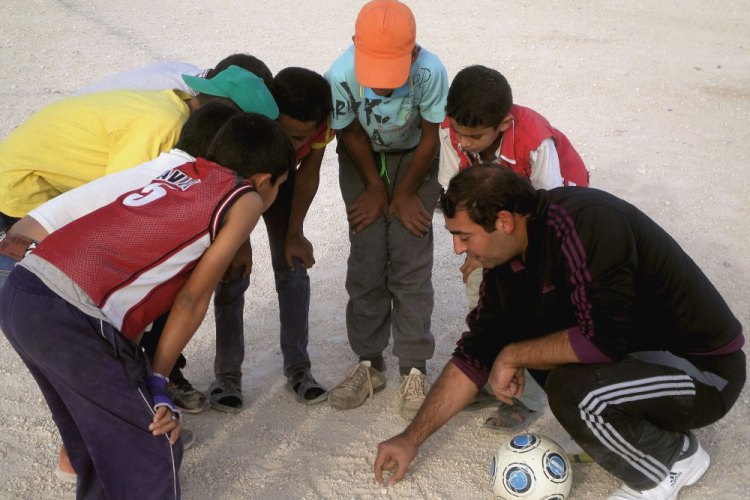
The UEFA Foundation for Children organises football tournaments and other sports events. In particular, it has set up a football league inside the camp. To do so, it set up teams organised into ‘clubs’ and offers them regular training sessions. The camp’s trained coaches oversee all these activities. In addition to playing and spending time together, the youngsters also learn football skills and assimilate fundamental values of sport such as respect, fair play, team spirit and solidarity.

Training local coaches

training

The UEFA Foundation for Children trains and certifies local coaches – Syrians and Jordanians between 20 and 40 years of age. Most of them already work for other organisations inside the camp and are already involved in sporting, educational or recreational activities. Offering them specific training allows them to develop their skills and will improve their employability, not only inside the camps but also once the Syrian crisis is over, thereby ensuring the continuity of the project. It also ensures proper supervision of the children taking part in the programme and provides them with role models.

Providing equipment and infrastructure

infrastructure

The UEFA Foundation for Children supports organisations that are already active inside the camp by providing equipment for sports activities and training. That equipment is mostly balls, kit and shoes, as well as whistles, stopwatches, cones and technical manuals for the coaches. During tournaments, all the young participants receive water, snacks and a souvenir.

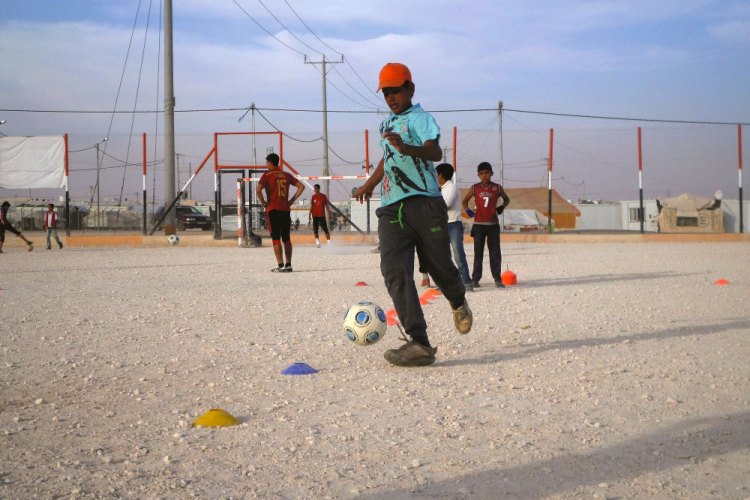
Good infrastructure is also needed so that sport can be played in a suitable and safe environment. The foundation is doing up all the existing facilities. Zaatari already had a dozen football pitches for the children to play on, but they were not always in a fit state and the activities they were used for were badly organised and rarely included girls.

Integrating through sport

integrating

The UEFA Foundation for Children has created a specific programme for the refugees based on their needs. The programme is tailored to the Zaatari context and aims to do more for the young people than just giving them the opportunity to play sport. To that end, the coaches receive specific training that allows them to use the benefits of sport to support the young people in everyday life. This training uses a fun and educational approach to address social issues and to focus, in particular, on conflict resolution and raising awareness of early marriages, birth control, the importance of school, health, hygiene and well-being.

Objectives

  • Engage children and young Syrians (girls and boys) by organising football and other sports activities in an appropriate, safe and supervised environment where they can remain children and have some fun. In addition to playing and spending time together, the youngsters also learn football skills and assimilate fundamental values of sport such as respect, fair play, team spirit and solidarity, and are also educated on specific social issues.
  • Train Syrian football coaches and referees, teaching them how to run football coaching sessions but give them also the skills to organise a league and run football clubs. Specific classes focus on refereeing.
  • Integrate a specific life-skills curriculum based on the context and needs. The coaches learn how to best use the values of sport to encourage the children’s personal development and raise their awareness of certain social issues. The curriculum uses a fun and educational approach to address social issues and to focus, in particular, on conflict resolution and raising awareness of early marriages, birth control, the importance of school, health, hygiene and well-being.
  • Establish football clubs and a league in the camp. Once implemented, the trained Syrian coaches and referees will be able to run the clubs and the league by themselves.
  • Provide equipment and infrastructure. Building of a sports centre inside the camp and upgrading of the football pitch into artificial turf providing a reliable infrastructure and safe zone for the children to play. The UEFA Foundation for Children also supports agencies that are already active inside the camp by providing equipment for sports activities and training.


Infrastructure and training material

The UEFA Foundation for Children, in cooperation with the AFDP, has contributed to the construction of a sports centre. Known as the House of Sport, it is a place for social activities, a safe environment where children and young people can have fun and make friends, and somewhere for those who are interested in football.

  • Since the beginning of the project, 20,000 footballs, 10,000 T-shirts, caps and backpacks, 5,000 shoes and 1,000 training kits (cones, plates, bibs, stopwatches, whistles, etc.) have been distributed for the sports activities.
  • At each tournament 1,000 snacks and 2,000 bottles of water are distributed.
  • The coaches have also been fully equipped.
  • The two main pitches used for tournaments have been fully equipped for football matches.
  • Ten containers of various material (sportswear, balls, etc.) have been provided by the UEFA foundation.

Football pitch

Pursuing the aim of providing a safe environment for the beneficiaries of the project, the UEFA Foundation for Children, in cooperation with the AFDP and the Jordanian Football Association, has contributed to the conversion of a full-size football pitch to artificial turf with the support of the donor LAY’S.

  • The work on-site to upgrade the pitch took two months.
  • Two containers filled with artificial turf, construction material such as geotextile, adhesive, tape, maintenance equipment (including a tractor), and pitch equipment such as goals and corner flags were sent from the Netherlands.
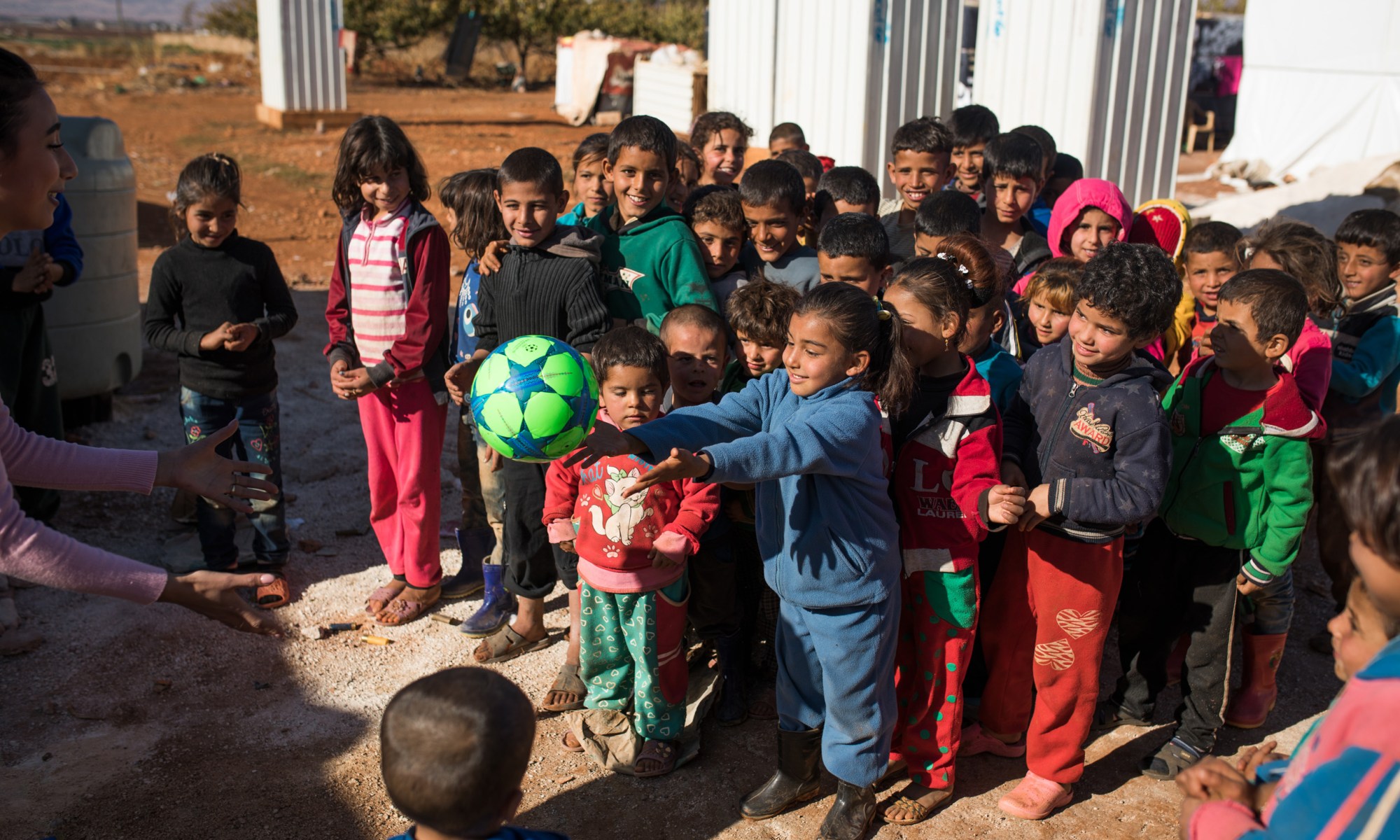
  • An unofficial opening ceremony took place on 29 May 2017, giving the youngsters the opportunity to start using the pitch.

Figures (July 2017)

  • 250 adult refugees – including 87 women and 163 men – had already benefitted from the coach education offered by the foundation, giving them the necessary skills to become good coaches and therefore to supervise and organise sport and football activities – weekly training, tournaments and other events; 46 are currently working for the project and the others for the other NGOs that are active in the camp.

  • Experts enlisted by the UEFA Foundation for Children and the AFDP ran workshops on refereeing, trauma recovery, sport as a tool for social cohesion, early marriages and conflict resolution. 54 referees were trained, including 21 women.
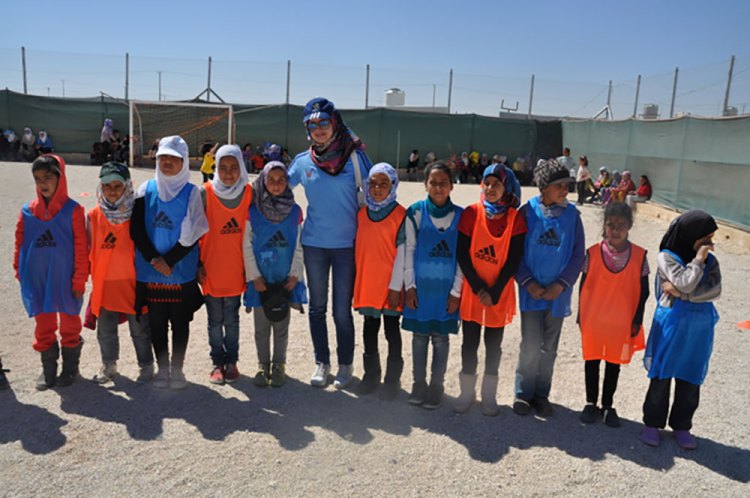
  • Currently, 4,480 children and young people – 3,185 boys and 1,295 girls aged between 8 and 20 – regularly take part in the weekly sports activities and monthly football tournaments supervised by the qualified educators, both male and female.
  • Monthly football tournaments are organised in the camp. In all, 30 girls’ teams (U13, U15 and U20) and 60 boys’ teams (U13, U15 and U24) have been created – with an average of 20 players per team.
  • Since the project began, 40 tournaments have organised, amounting to 3,400 football matches.
  • An average of 1,000 children and young people from 8 to 20 years of age, including 300 girls, take part in the monthly tournaments.
  • Apart from football, other sports and activities are organised. 450 boys regularly do judo and 300 girls take Zumba classes.

Expected results

  • An average of 5,000 children and young people – boys and girls aged between 8 and 20 – regularly take part in the weekly sports activities and monthly football tournaments supervised by the qualified educators, both male and female.
  • Monthly football tournaments are continually organised in the camp, with an average of 1,000 children and young people aged between 8 to 20, including 300 girls, participating.

today


Testimonials

Ayah, 14 years old


Our partners

AFDP-logo UNHCR-01UEFA_logo_small