Extra Time – Tackling the ‘Dead Zone’

Location and general information

Context

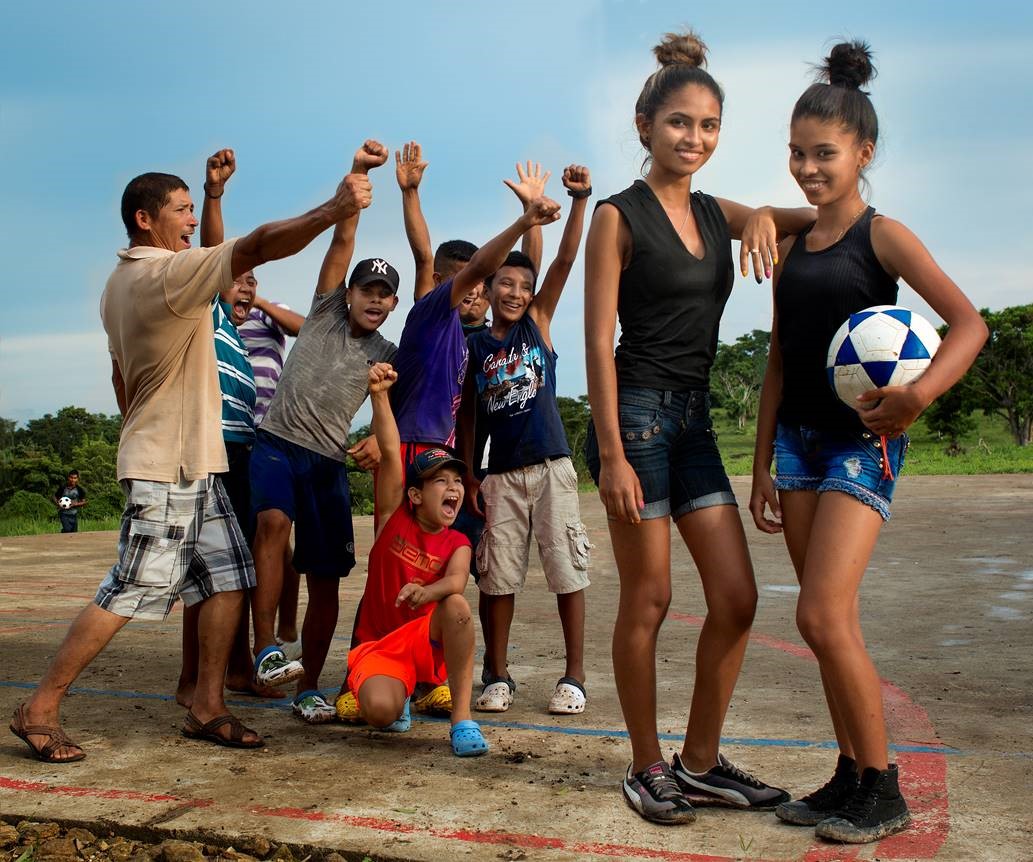
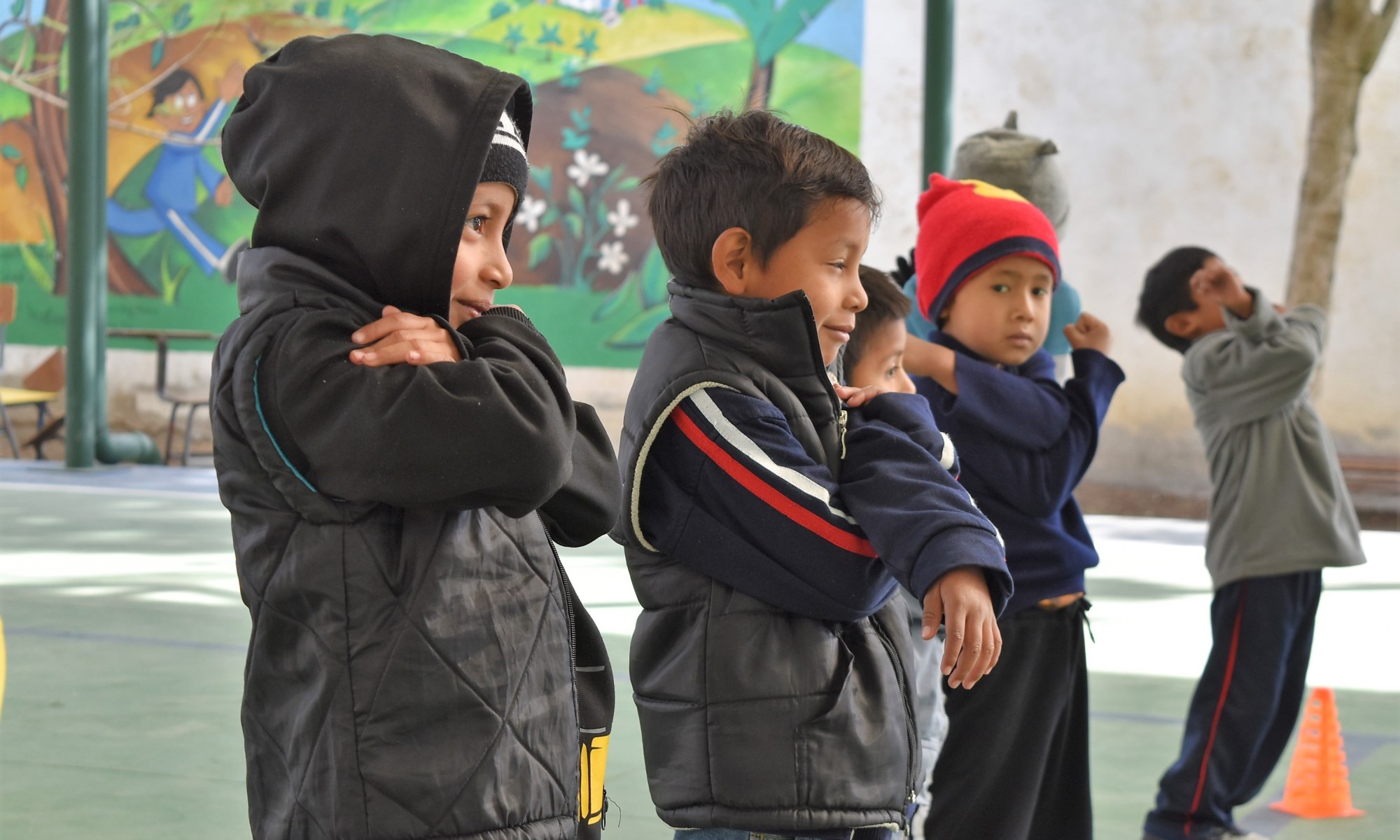
Jocotenango is an area of Guatemala that suffers from grinding poverty, gang crime, drug/alcohol abuse and domestic/sexual violence. Education for the Children (EFTC) runs a School of Hope in the area which is attended by more than 650 children. It also operates a successful four-point integrated plan helping people to escape poverty, which combines education, nutrition, health care and social support.

EFTC’s Extra Time project aims to tackle the issue of the ‘dead zone’ – the period between school ending and parents returning from work (which is often late in the evening). EFTC plans to use sport as a solution to this problem, seeking to combat the lifelong implications of children falling into gang crime, substance abuse and anti-social behaviour at a young age. In view of the fact that Guatemala has a three-month rainy season, EFTC will build an all-weather pitch with a roof and a drainage system to allow children to use the site all year round. This new facility will also be used for various community projects, such as workshops for children and parents, medical check‑ups and an empowerment project for local girls. For the School of Hope, sport is much more than just a game – it is a game changer.

Project content

Sport as a solution to the ‘dead zone’

The Extra Time project will use access to sport as a solution to the problem of the ‘dead zone’. The organisation of after-school sports clubs and community workshops will provide significant opportunities for personal development and the protection of children’s rights.

Access to life skills through sport

Football clubs – and sports clubs in general – will not only serve as an alternative activity; they will also play a pivotal role in children’s development.

Bridging gaps

The Extra Time project will also organise tournaments with a view to bridging gaps between local communities.

A school of football fans

At present, the School of Hope is full of football fans with no real way of enjoying the game. EFTC aims to harness their passion for football and use it to tackle the issue of the ‘dead zone’, helping them to achieve long-term success by escaping poverty.

Objectives

  • To tackle the ‘dead zone’ and give children living in poverty an alternative to hanging around on the streets after school
  • To offer positive alternative activities, steering children away from crime, alcohol/drug abuse and unprotected/underage sex
  • To increase participation in sport among children with no current access to facilities, coaching or equipment
  • To empower girls through sport, self-defence classes and workshops
  • To provide the local community with a safe venue for workshops
  • To bridge gaps between communities through inter-school football tournaments

Expected results

    • 3,000 local people with access to sport and community workshops that are not currently available to them
    • Safer, healthier and more academically engaged children
    • Children with less time and inclination to engage in gang crime, alcohol/drug abuse or unprotected sex after school
    • Children who are well educated on the subjects of sex, sexually transmitted diseases and sexual abuse
    • A reduction in the number of children at the School of Hope who are involved in gang crime
    • Better future prospects for children as a result of essential life skills taught through sporting activities
    • A reduction in the number of cases of substance abuse at the School of Hope
    • A reduction in the number of teenage pregnancies at the School of Hope (expected to fall from ten to five by the end of the first year)
    • More confident girls who are actively engaged in higher education and making positive choices regarding their future
    • Greater engagement in the local community through community workshops
    • Better networking with schools in surrounding communities through tournament events

    Partners
La League: Champions of Change

Location and general information

Context

Girls and young women in developing countries often face two severe obstacles when growing up: child marriage and teenage pregnancy. Although it is often perceived to be a girl’s destiny, becoming a wife and a mother at such a young age has major consequences. In Latin America, where machismo prevails, girls believe that early marriage and pregnancy are the only way to escape poverty and violence at home. However, this often turns out to be a continuation of an already negative cycle of events, as marriage and motherhood tend to limit girls’ development even more.

Teenage pregnancy and child marriage pose serious health risks, with unsafe abortions and complications relating to pregnancy and childbirth being some of the leading causes of death among girls aged 15 to 19. This not only affects the individual in question; it trickles straight down to the next generation, with families, communities and even entire nations remaining trapped in a cycle of poverty and gender inequality. Teenage pregnancies are more likely in poor, uneducated and rural communities – exactly the kinds of community that Plan works in.

La League project aims to empower adolescent girls and their male peers in Nicaragua with a view to preventing teenage pregnancies and delaying marriage. One of the methods used consists of involving fathers and boys in efforts to achieve equal rights and freedoms for girls. This makes football the ideal vehicle for this project, as a male-dominated arena is exactly what is needed. Football can have a powerful impact in terms of changing gender roles and raising awareness regarding the negative impact of teenage pregnancies and child marriages.

Project content

Plan has, in cooperation with the Johan Cruyff Foundation and Women Win, established an effective model empowering adolescent girls and young women between the ages of 12 and 20 to decide for themselves whether, when and whom to marry, and whether, when and with whom to have children. At the heart of this project lies football, with the organisers encouraging girls to play the game and turn talented players into professional football heroes, and at the same time encouraging fathers and male role models to support their girls – not only when it comes to football, but also in other more important life choices. Thus, football is used to transform gender norms and raise awareness regarding sexual and reproductive health and rights (SRHR).

With the support of the UEFA Foundation for Children, this project will now be rolled out in Nicaragua, which has the highest teen pregnancy rate in Latin America.

Girls’ football lies at the very heart of Plan’s methodology. Football is used to empower girls and make them more visible to fathers and boys, who then get involved in efforts to achieve equal rights and freedoms for girls, helping to prevent teenage pregnancies and child marriages. This method consists of three different pathways:

    • Social empowerment of girls through football

The goal is to motivate girls to play football and experience teamwork, helping them to increase their self-confidence and boosting their knowledge of sexual and reproductive rights.

    • Involvement of fathers and other male role models

In order to transform gender norms and raise awareness, boys and fathers will be encouraged to support their girls – not only when it comes to football, but also in other more important life choices.

    • Economic empowerment of girls through the creation of job opportunities in football

This project seeks to create jobs and other income-producing opportunities in the world of football or related domains, so that girls can, for example, become coaches or gain access to scholarships in order to pursue playing careers.

Plan of action:

  • Conduct a baseline study looking at the incidence of teenage pregnancy and child marriage.
  • Develop didactic material and train trainers.
  • Engage with local government in order to turn municipal sports courts into safe spaces for girls.
  • Conduct two media training sessions for 20 youth reporters.
  • Help girls and boys (of the same age) to organise events raising awareness of the harmful effects of child marriage and teenage pregnancy.
  • Involve 150 fathers, brothers and other male figures in girls’ football activities.
  • Teach 40 girls leadership and entrepreneurial skills.
  • Produce a video documentary on the impact of girls’ football in Nicaragua.

Expected results

Awareness regarding the negative effects of teenage pregnancy and child marriage will increase significantly. Girls and boys will both learn about how they can prevent early pregnancy and marriage.

  • 300 girls will attend Champions of Change football training.
  • 20 girls’ football teams will be established in 10 different communities.
  • 150 boys will be trained as Champions of Change.
  • 10 girls and 10 boys will become youth reporters and cover the La League project.
  • 4,500 peers will be in contact with Champions of Change through peer-to-peer events.
  • 150 fathers/male role models will be actively involved in their girls’ football activities, supporting them in their SRHR decisions.
  • 300 members of the community will be committed to improving gender equality in their daily lives.
  • 40 girls will learn leadership/entrepreneurial skills and have access to football-related jobs (such as coaching).
  • 4 talented girls will have access to sports scholarships.

Partners


Beyond the Green Pitch

Location and general information

Context

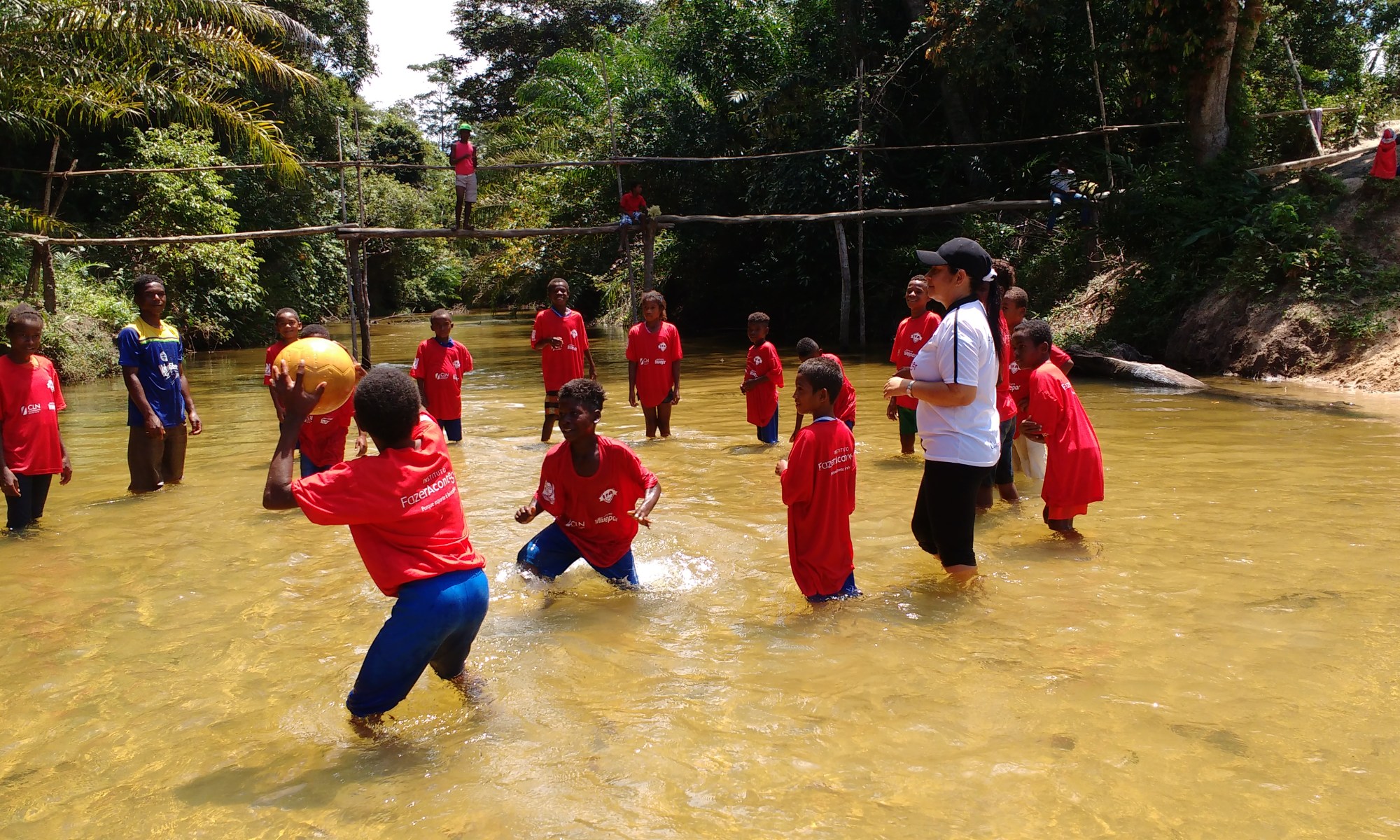
Founded in 2003, the Instituto Fazer Acontecer, based in Salvador de Bahia, promotes sports activities and training in human rights to young people living in disadvantaged areas. The main idea is to use football to educate through play and fun, providing opportunities for social inclusion and development of personal skills to the young participants in the programme. Football3 methodology is already used in 16 municipalities and reaches young adults in the rural areas where most of the challenges lie. Combining sport with environmental awareness activities works as a tool for effective social change in the target communities and provides education in human rights, establishing a relationship of respect and a feeling of being respected and of belonging in the community.

The Instituto Fazer Acontecer plans to extend its action to reach an additional 15 municipalities with the financial support of the UEFA Foundation for Children.

Project content

The UEFA Foundation for Children will support the Beyond the Green Pitch project, which aims to:

  • train 300 instructors in football3 methodology and in combining football with environmental awareness activities;
  • involve 900 young people (boys and girls) aged between 11 and 17 from 15 municipalities in the programme.

Objectives

  • Create a new sporting and environmental culture in the municipalities taking part in the project;
  • Raise the self-esteem of the participants (instructors and young people);
  • Promote environmental awareness in the region;
  • Specific goals:

1) to train 300 instructors in football3 methodology environmental awareness activities,
2) to promote capacity-building in sport and the environment among the 300 instructors,
3) to involve 900 young people aged between 11 and 17 from the municipalities taking part in the project in weekly activities (sport and environmental awareness),
4) to establish sustainable projects in at least half of the participating municipalities.

EXPECTED IMPACT AND RESULTS
• Reach 1,200 individuals (300 instructors and 900 young people)
• Impact public policies of the 15 municipalities by introducing the football3 methodology in schools
• Impact indirectly 5,000 people (families, institutions and communities)

Partners