

Location and general information
 Access to Sport -
  Conflict victims -
  Employability -
  Gender Equality -
  Healthy lifestyle -
  Personal development -
  Strengthening partnerships
Context
After decades of conflict and political instability, Afghanistan is experiencing extreme poverty, food insecurity and deep social fragmentation. Since the Taliban took control in August 2021, over 70 decrees restricting the rights of women and girls have further exacerbated the crisis.
The economic fallout has been devastating. With women excluded from most employment, many families have lost crucial income sources, leading boys to enter the workforce. Many of them work long hours on the streets in unsafe and exploitative conditions, while girls face heightened risks of early and forced marriage.
Afghanistan remains the only country in the world that bans girls above 13 from secondary school, creating an unprecedented educational emergency with long-lasting consequences. Girls being refused education leads to social isolation, reduced intellectual development and the loss of future opportunities. At the same time, concerns are mounting about the quality and content of the education available to boys, including the risk of exposure to radical ideologies.
Project goals
By the end of 2026, Action for Development aims to support 1,330 direct beneficiaries – including children working on the streets, adolescent girls and female staff – through quality, tailored education that improves short-term well-being and long-term resilience. An estimated 9,930 indirect beneficiaries will include family members, teachers and other staff. The project aims to:
- provide access to flexible, quality education, sport and food for 500 children who work on the streets;
- expand home‑based education for 630 adolescent girls;
- strengthen life skills and resilience for children over 13, including vocational training for 200 beneficiaries.
Project content
The project combines education, nutrition, health, sport, digital learning and vocational training. This holistic model responds to the realities of the beneficiaries, offering both immediate protection and long-term opportunities.
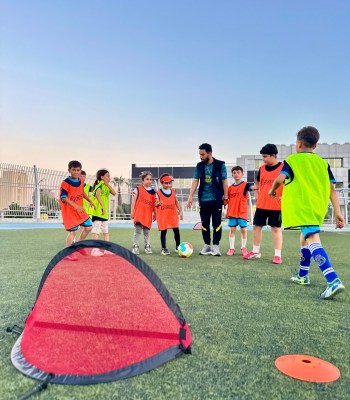
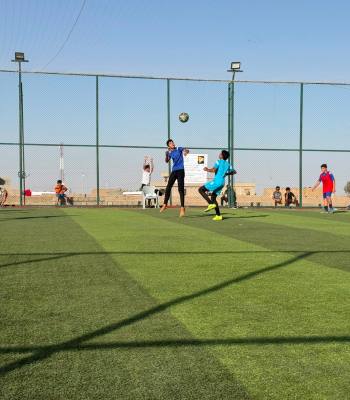
Community-based education centres located within walking distance of the beneficiaries’ homes promote safe, regular attendance. The centres offer flexible literacy and numeracy classes, daily nutritious meals, health check-ups and vaccinations, and sports activities, including football and physical education for girls and boys. This approach supports children academically, physically and emotionally.
To ensure continued learning for adolescent girls despite the restrictions, the programme operates small home‑based classes led by female teachers who receive ongoing training. Key features include providing school supplies and digital learning tools.
To expand the beneficiaries’ opportunities, the programme includes digital literacy classes, English language courses and partnerships with universities to create scholarship pathways for vulnerable girls.
Psychosocial support is also provided, along with training in life skills that builds resilience, critical thinking and self-confidence. All programmes include awareness of child protection and human rights issues, education on mental health and coping with stress, and prevention of human trafficking.
In addition, for adolescents over 13, vocational training improves their employability and economic resilience. Courses include mobile, TV and bicycle repair and solar system installation and maintenance, and support is provided for girls to develop small online businesses.