

Location and general information
 Access to Sport -
  Children with disabilities -
  Personal development
Context
In Indonesia, disabled children continue to face significant marginalisation and systemic barriers that limit their opportunities to thrive. Social stigma, physical inaccessibility and a lack of inclusive practices in schools and communities contribute to their exclusion from education, play and broader social life.
Many of them are isolated, lack peer interaction and have limited access to recreational activities that support their physical and emotional development. They are entitled by law to have access to essential services, but 50 to 75% of them still face significant barriers to such services, particularly when it comes to education. Furthermore, disabled girls face compounded discrimination due to both gender and disability, which further restricts their participation and visibility in public life. These challenges are intensified by limited physical infrastructure, undertrained educators and prevailing negative perceptions of disability.
Project goals
Promote inclusion and equal opportunities for all children through sport, by increasing awareness, enabling disabled children to participate, empowering teachers and parents to support inclusive and adaptive sporting practices, and engaging the wider community through high-visibility events.
Project content
- Run for Equality: An inclusive running event that unites children and adults – disabled or not – on the same track and serves as a major campaign to amplify the message of equality and encourage broad public participation and awareness.
- Learning through sport: Capacity-building for educators and caregivers, equipping them with the tools and techniques to facilitate inclusive, child-friendly sports activities and enable access to sport for disabled children, including those who are isolated from formal education, e.g. home-schooled children.
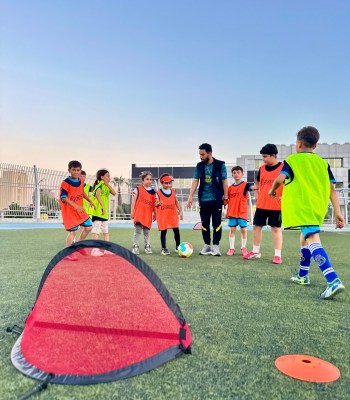
- Fun sports day: A celebratory, small-scale event where children of diverse backgrounds play together without barriers, applying inclusive practices learned during training, with the aim of creating meaningful stories and raising awareness among parents, caregivers and the general public of what it means to bring all children together regardless of their abilities.