

African Wildlife Conservation Fund: Building a brighter future for Zimbabwe’s children and wildlife through football
In Zimbabwe, the African Wildlife Conservation Fund is using football and the arts to introduce children to environmentalism, supporting a future for wildlife and the children.
In October 2025, on a busy highway in southeast Zimbabwe’s Savé Valley Conservancy, local conservationists are met with a heartbreaking sight: six African wild dog puppies killed in a road traffic accident.
Sadly, African wild dogs face multiple human-related threats, including habitat loss, disease (particularly rabies) and human activity. Zimbabwe, however, is one of the species’ last remaining refuge.
A community project organised by UEFA Foundation partner African Wildlife Conservation Fund (AWCF) is using football and other team sports to create a brighter future by teaching children the importance of wildlife protection.
“It changes attitudes and behaviour towards wildlife, promoting coexistence instead of conflict,” says Godknows Nyuwani, Community Education Officer at AWCF, of the Environmental Youth Ball Games project. “I have seen first-hand how knowledge and information is then shared with parents and communities.”
Inspiring young environmentalists
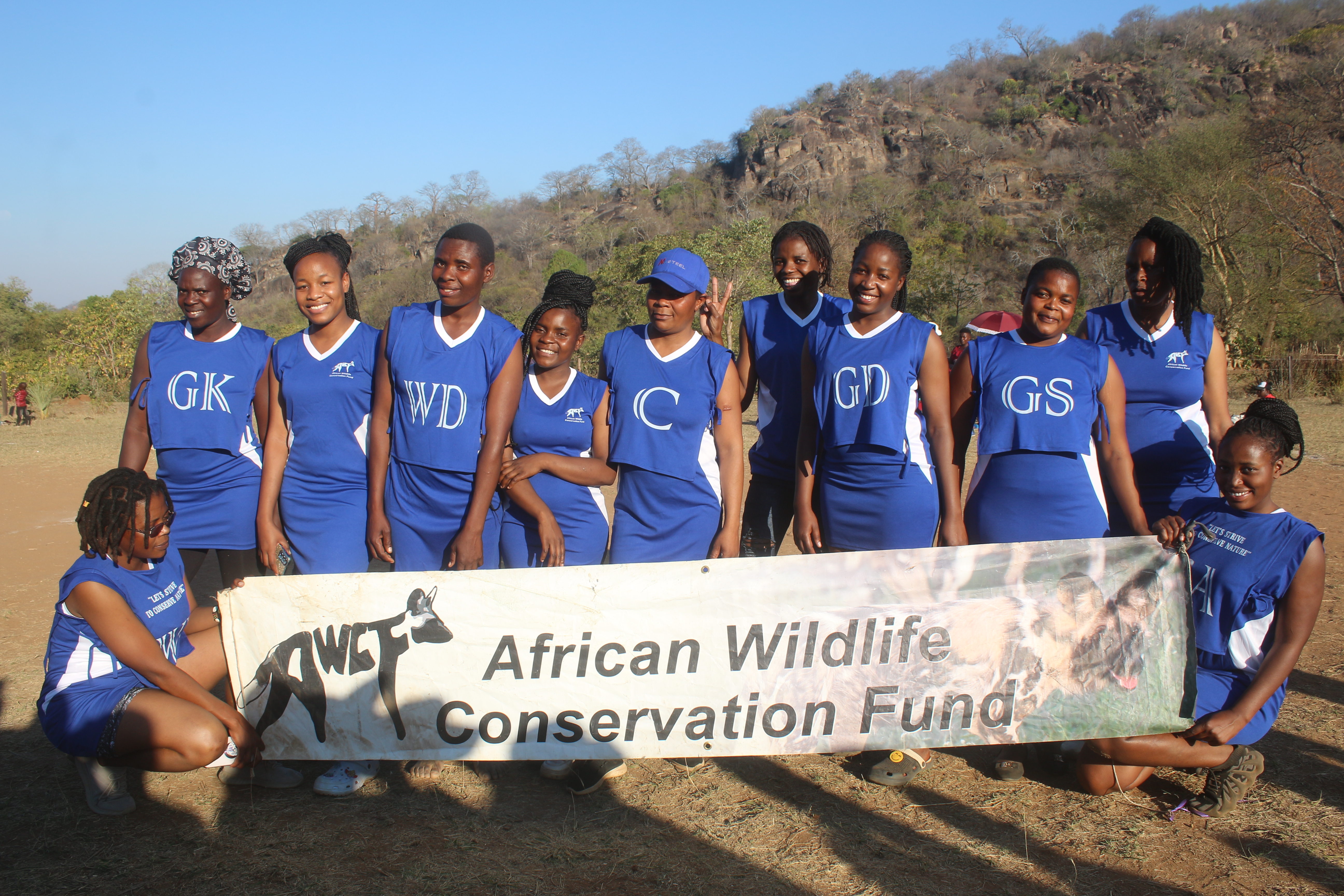
The Environmental Youth Ball Games and Community Competitions project sees young people take part in football and netball tournaments which last six to eight weeks. The finalists then have the chance to compete in front of a large crowd during the local Community Competitions Day, bringing together teams from local schools who use poetry, poster-design, model-making, and public presentations to share environmental messages.
These events, which so far this year have reached 330 students from 33 primary schools, are underpinned by principles of environmentalism and designed to inspire and educate children on the importance of wildlife conservation.
In turn they become environmental advocates, educating their communities about wildlife stewardship. The most recent events were attended by more than 1,000 people, including community leaders, government representatives and family members.
Promoting a generational reset
The change in attitudes sparked by the project holds promise not just for wildlife but for generations of young people in the region.
Rural communities in south-east Zimbabwe face limited educational and economic opportunities, and those living alongside wildlife face challenges from human-wildlife conflict.
Increasing climate pressures threaten both biodiversity and the livelihoods of communities living in these areas, creating greater dependence on natural resources. Conservation education helps young people understand the threats to wildlife and the role communities can play in protecting it.

Creating pathways into conservation
By giving young people the opportunity to access sport and the arts, while building their confidence through competitions and public speaking, Environmental Youth Ball Games and Community Competitions Day break that cycle.
Victor Chibaya, Chief Education Officer at AWCF, is already seeing the transformation. “A parent recently told me that he has noticed a remarkable change in his child’s attitude towards wildlife and conservation,” he said.
A new generation of young Zimbabweans – some perhaps with conservation careers ahead of them – are developing the knowledge, confidence, and connection to wildlife to help create a brighter future for their country’s biodiversity and, crucially, themselves.