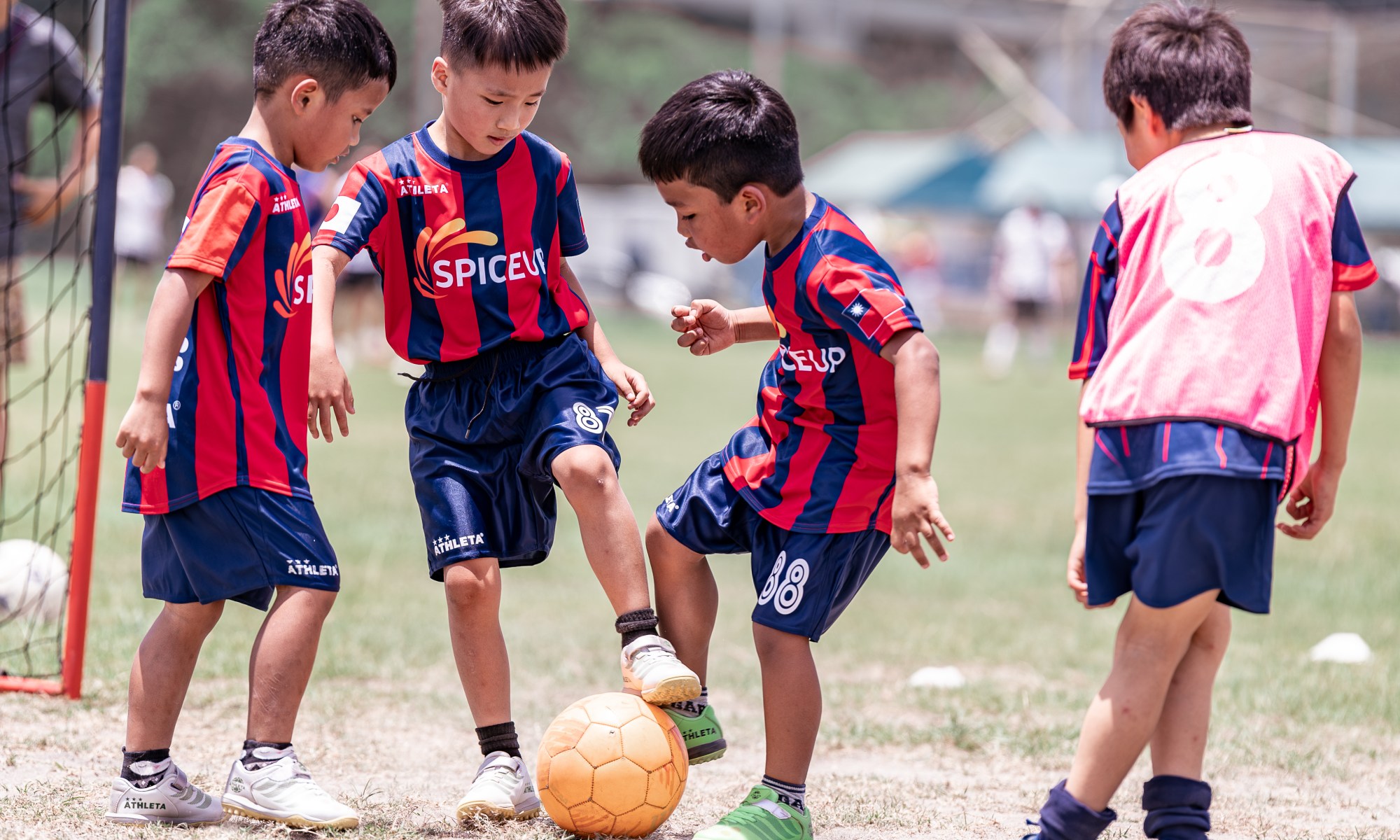
Sehat & Soul – Transforming children’s well-being through sport in Pakistan

Location and general information

Ongoing
Location Karachi, Pakistan
Start date 02/01/2026
End date 01/31/2027
Cost of the project €96,360
Foundation funding €65,000
Project identifier 2025000883
Partners British Asian Trust
Categories Access to Sport - Gender Equality - Healthy lifestyle - Infrastructure and equipment - Personal development

Context

In Pakistan, millions of girls, disabled children and children from underserved communities face barriers to participating in sport. The country is also experiencing a severe mental health crisis. Around 50 million people are facing mental health challenges, yet there is only one psychiatrist for every 550,000 people, meaning that 90% of those needing treatment are unable to access support. There are no specialist child psychologists, and almost no community-based care.

Project goals

Over the course of the project, Sehat & Soul aims to help underserved children in Karachi access sport and mental health support, promoting their physical health and development inside and outside the classroom and allowing them to thrive.

Sehat & Soul recognises that children and young people are increasingly open to conversations around mental health. This represents an opportunity to nurture the next generation of leaders, emphasise the importance of mental health and build healthier school environments.

The specific project objectives are:

  • to raise awareness of psycho-social well-being among teachers and improve their knowledge in this area;
  • to improve access to high-quality well-being services for children;
  • to deliver sustainable, systemic improvements in the education sector that will secure long-term access to children’s well-being services.

Project content

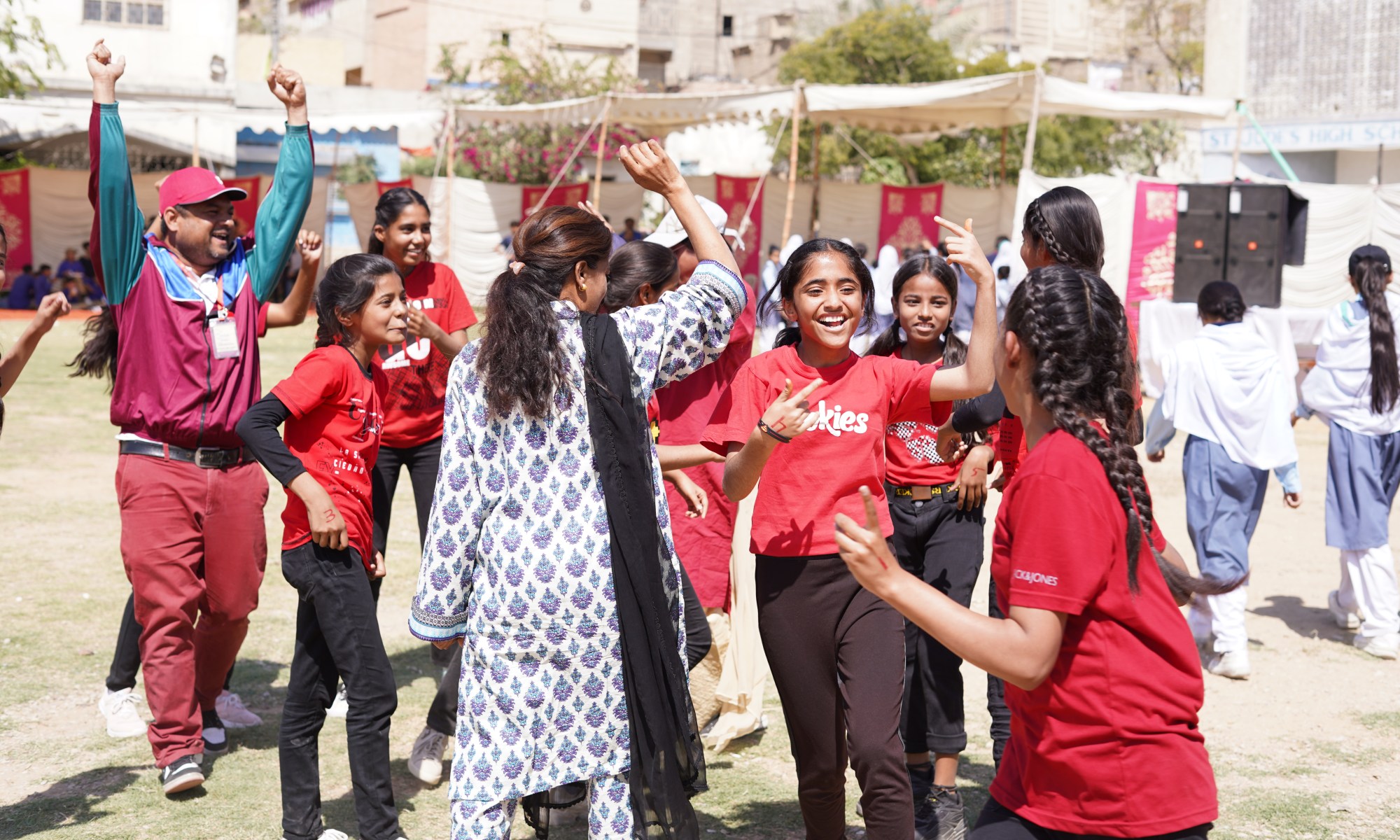
Sehat & Soul will deliver school-based sports activities in cricket, futsal, rounders and athletics to 39,750 children in 265 schools. Each school will receive bespoke kitbags, enabling all pupils to take part by removing a cost barrier. As well as running inclusive competitions, the project will identify talented athletes and help them to progress, including by offering coaching and mentoring beyond the project.

As well as training 530 educators in sports coaching and how to develop a curriculum, the project will work with senior school staff to embed sport into school timetables and promote healthier lifestyles. As part of this effort, educators will be trained to use the WHO-5 Well-Being Index. This will highlight the concrete benefits of sport for pupils’ mental health, generating data that will encourage staff engagement and strengthen the case to scale the model.

Finally, in 20 pilot schools, the project will train 60 Mental Health Champions to lead mental health awareness sessions, conduct initial screening, and set up a pathway to refer children to mental health services, creating a continuum of care.

Partners

Equal Play

Location and general information

Ongoing
Location Jakarta, Indonesia
Start date 03/01/2026
End date 08/31/2026
Cost of the project €126,088
Foundation funding €58,048
Project identifier 2025002161
Partners Yayasan Plan International Indonesia
Categories Access to Sport - Children with disabilities - Personal development

Context

In Indonesia, disabled children continue to face significant marginalisation and systemic barriers that limit their opportunities to thrive. Social stigma, physical inaccessibility and a lack of inclusive practices in schools and communities contribute to their exclusion from education, play and broader social life.

Many of them are isolated, lack peer interaction and have limited access to recreational activities that support their physical and emotional development. They are entitled by law to have access to essential services, but 50 to 75% of them still face significant barriers to such services, particularly when it comes to education. Furthermore, disabled girls face compounded discrimination due to both gender and disability, which further restricts their participation and visibility in public life. These challenges are intensified by limited physical infrastructure, undertrained educators and prevailing negative perceptions of disability.

Project goals

Promote inclusion and equal opportunities for all children through sport, by increasing awareness, enabling disabled children to participate, empowering teachers and parents to support inclusive and adaptive sporting practices, and engaging the wider community through high-visibility events.

Project content

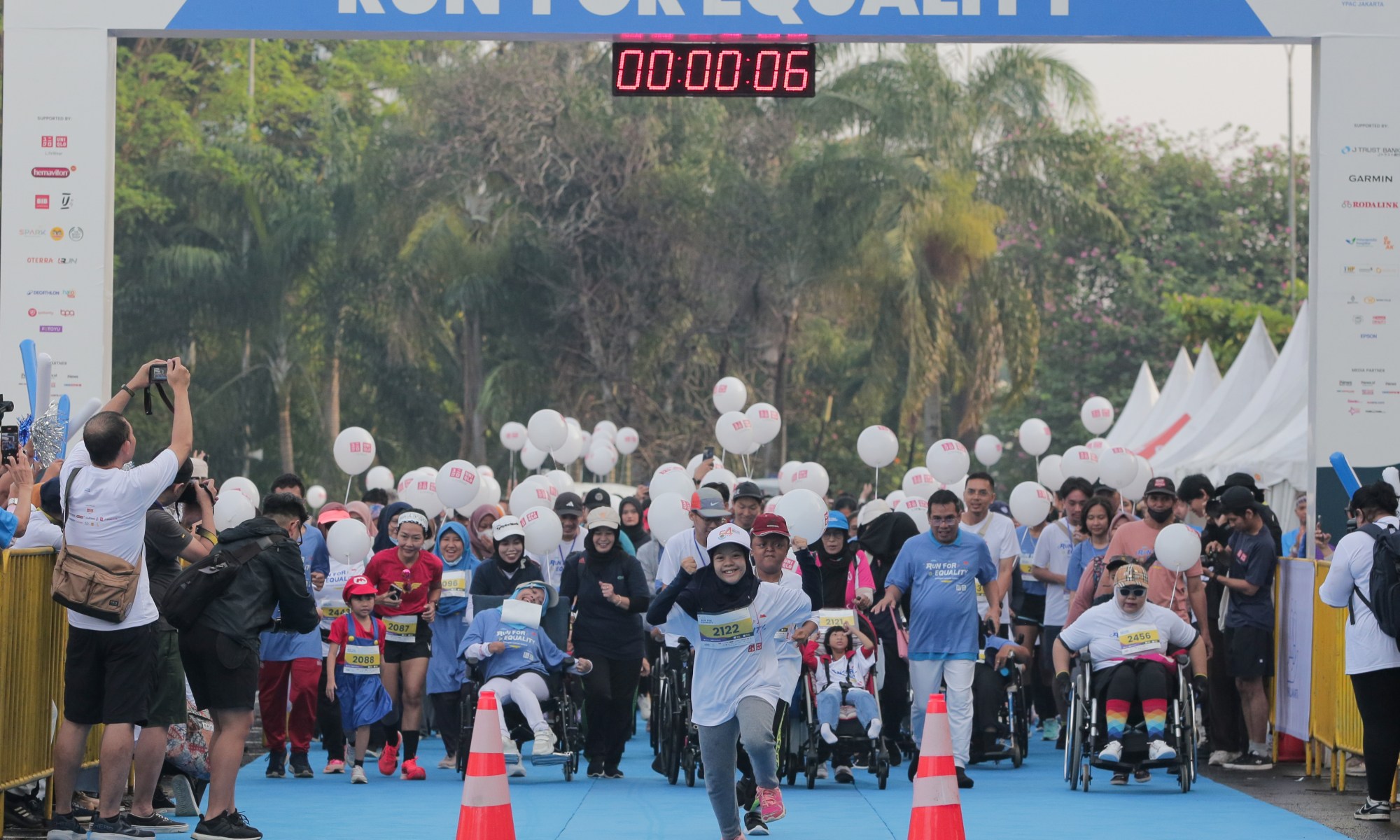
  • Run for Equality: An inclusive running event that unites children and adults – disabled or not – on the same track and serves as a major campaign to amplify the message of equality and encourage broad public participation and awareness.
  • Learning through sport: Capacity-building for educators and caregivers, equipping them with the tools and techniques to facilitate inclusive, child-friendly sports activities and enable access to sport for disabled children, including those who are isolated from formal education, e.g. home-schooled children.
  • Fun sports day: A celebratory, small-scale event where children of diverse backgrounds play together without barriers, applying inclusive practices learned during training, with the aim of creating meaningful stories and raising awareness among parents, caregivers and the general public of what it means to bring all children together regardless of their abilities.

Partners

She Scores: Closing the Football Gender Gap in Hong Kong

Location and general information

Ongoing
Location Hong Kong
Start date 03/01/2026
End date 05/31/2027
Cost of the project €31,588
Foundation funding €21,035
Project identifier 2025000671
Partners Women in Sports Empowered (WISE) Hong Kong Limited
Categories Access to Sport - Gender Equality - Healthy lifestyle - Personal development

Context

Football in Hong Kong is perceived as a boys’ sport, and far fewer girls play than boys. For example, only 37 girls’ teams took part in the 2024/25 Inter-School Football Tournament, compared with 140 boys’ teams. This gender gap in participation is underscored by broader trends. More than 94% of Hong Kong pupils are not getting the World Health Organization (WHO)’s recommended 60 minutes of daily moderate-to-vigorous physical activity, and girls are even less likely to meet this target than boys. Similarly, studies in other countries have found that drop-out rates can be up to twice as high among girls than boys.

The barriers girls face are both structural and social. Over 70% of women and girls surveyed by WISE in 2018 said that they encountered more challenges when playing sport than men and boys, giving examples such as stereotypes, negative self-perception and a lack of opportunities, resources and female role models. Studies around the world have also shown that a majority of girls avoid physical activity during their period, and this has been observed by teachers in Hong Kong.

The well-being implications of these trends are significant, and the 2024 Secondary School Students’ Well-Being Survey found poorer well-being among girls than boys. Sport can help to address this problem: evidence suggests that playing sport is associated with lower rates of mental health disorders among girls, and a greater sense of meaning, purpose and confidence.

Project goals

WISE aims to increase the number of girls playing football in Hong Kong. It will focus primarily on girls between the ages of 11 and 17 studying at local secondary schools.

The specific objectives of the project are to:

  • provide a safe, positive, inclusive and supportive space where girls can play sport, learn new skills and expand their social networks;
  • challenge stereotypes by getting more girls involved in football;
  • use football to advocate for gender equality;
  • narrow the gender gap in secondary school football in Hong Kong;
  • nurture girls’ long-term interest in football;
  • develop girls’ leadership skills through sport.


Project content

As part of this pilot programme, we aim to:

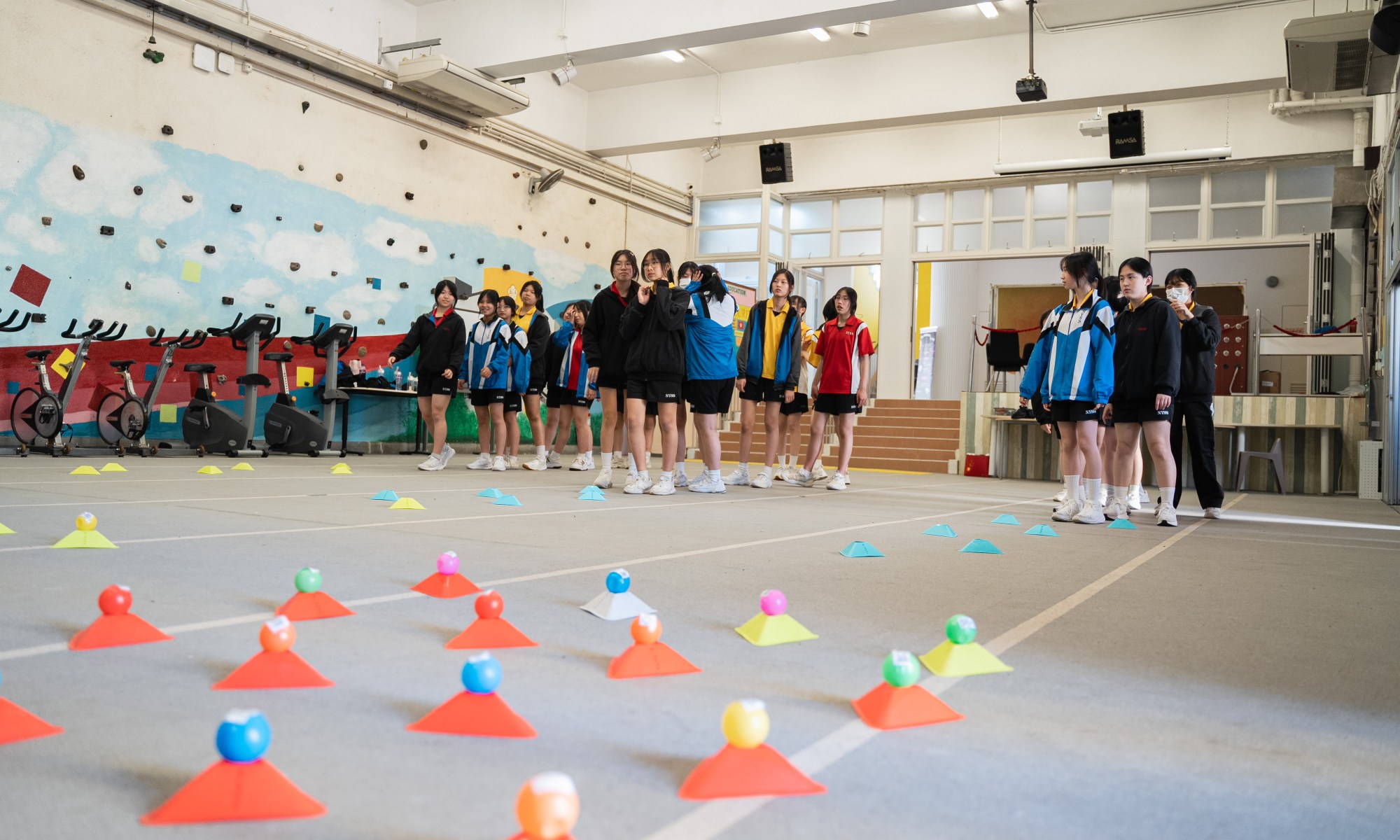
  • establish four girls’ football teams, each at different schools.
  • recruit approximately 15 pupils from each school to take part in training.
  • deliver 72 coaching sessions during the semester and another 28 in preparation for matches. These matches might include round-robin tournaments involving all the participating schools and, potentially, competing in the Inter-School Football competition; and
  • encourage discussion of issues relating to gender equality, body image, menstruation and other relevant topics.

Partners

Kicking Forward

Location and general information

Ongoing
Location Baghlan, Kabul, Parwan and Takhar, Afghanistan
Start date 01/01/2026
End date 12/31/2026
Cost of the project €227,630
Foundation funding €80,000
Project identifier 2025002445
Partners Action for Development
Categories Access to Sport - Conflict victims - Employability - Gender Equality - Healthy lifestyle - Personal development - Strengthening partnerships
Context

After decades of conflict and political instability, Afghanistan is experiencing extreme poverty, food insecurity and deep social fragmentation. Since the Taliban took control in August 2021, over 70 decrees restricting the rights of women and girls have further exacerbated the crisis.

The economic fallout has been devastating. With women excluded from most employment, many families have lost crucial income sources, leading boys to enter the workforce. Many of them work long hours on the streets in unsafe and exploitative conditions, while girls face heightened risks of early and forced marriage.

Afghanistan remains the only country in the world that bans girls above 13 from secondary school, creating an unprecedented educational emergency with long-lasting consequences. Girls being refused education leads to social isolation, reduced intellectual development and the loss of future opportunities. At the same time, concerns are mounting about the quality and content of the education available to boys, including the risk of exposure to radical ideologies.

Project goals

By the end of 2026, Action for Development aims to support 1,330 direct beneficiaries – including children working on the streets, adolescent girls and female staff – through quality, tailored education that improves short-term well-being and long-term resilience. An estimated 9,930 indirect beneficiaries will include family members, teachers and other staff. The project aims to:

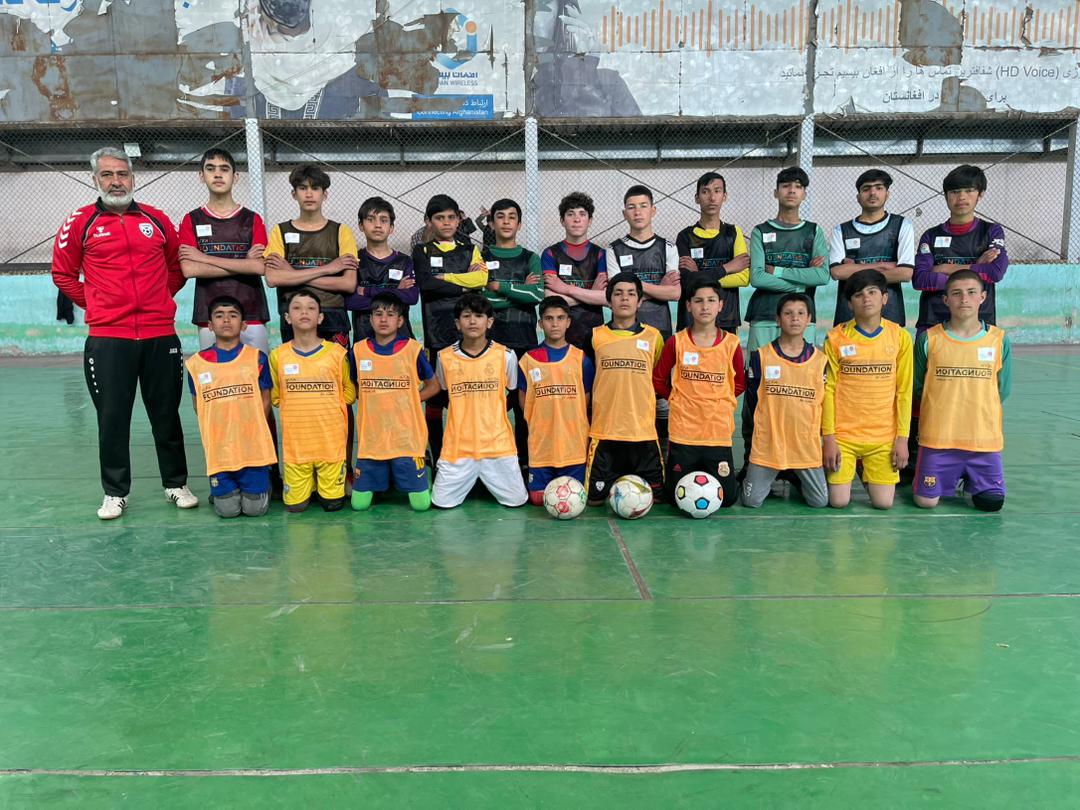
  • provide access to flexible, quality education, sport and food for 500 children who work on the streets;
  • expand home‑based education for 630 adolescent girls;
  • strengthen life skills and resilience for children over 13, including vocational training for 200 beneficiaries.

Project content

The project combines education, nutrition, health, sport, digital learning and vocational training. This holistic model responds to the realities of the beneficiaries, offering both immediate protection and long-term opportunities.

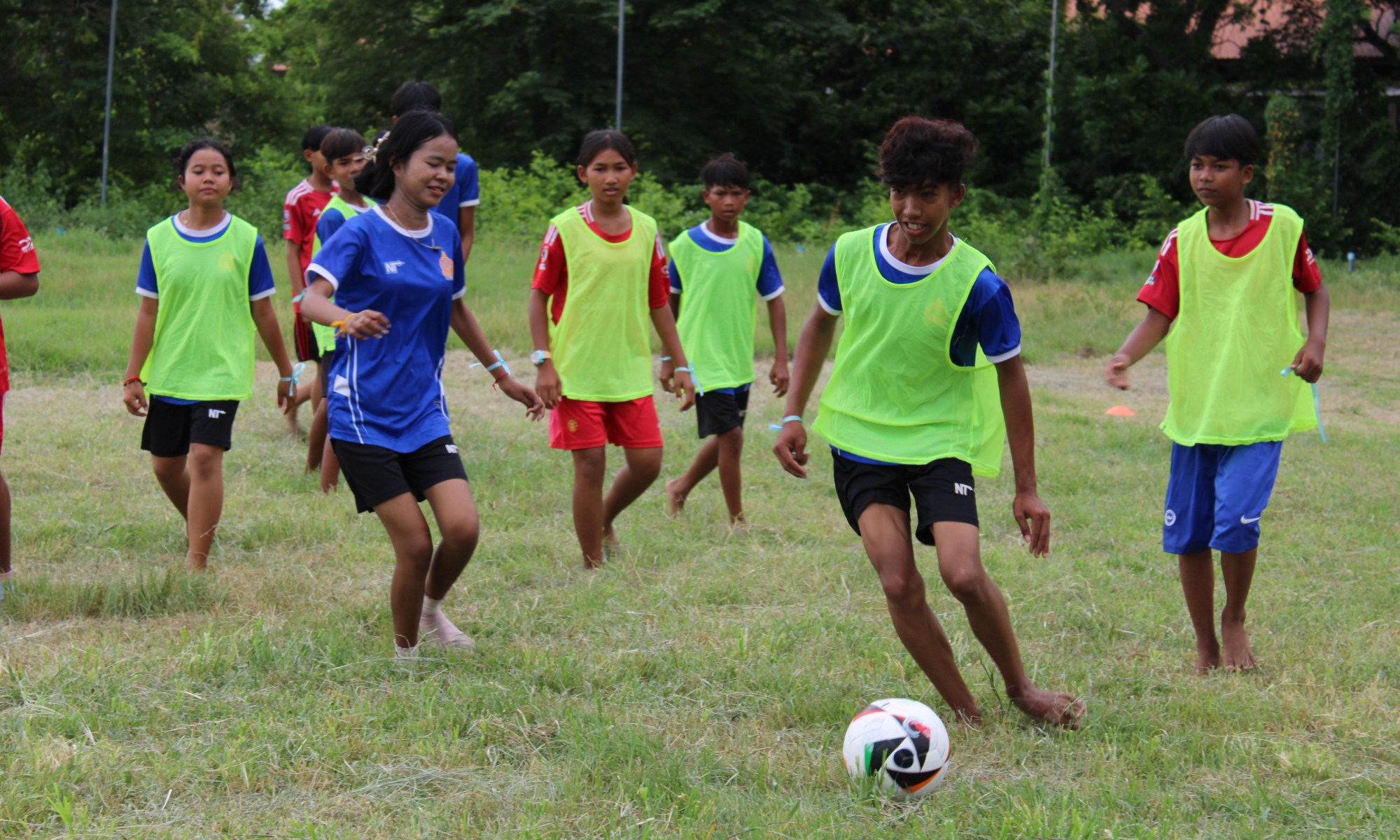
Community-based education centres located within walking distance of the beneficiaries’ homes promote safe, regular attendance. The centres offer flexible literacy and numeracy classes, daily nutritious meals, health check-ups and vaccinations, and sports activities, including football and physical education for girls and boys. This approach supports children academically, physically and emotionally.

 To ensure continued learning for adolescent girls despite the restrictions, the programme operates small home‑based classes led by female teachers who receive ongoing training. Key features include providing school supplies and digital learning tools.

To expand the beneficiaries’ opportunities, the programme includes digital literacy classes, English language courses and partnerships with universities to create scholarship pathways for vulnerable girls.

Psychosocial support is also provided, along with training in life skills that builds resilience, critical thinking and self-confidence. All programmes include awareness of child protection and human rights issues, education on mental health and coping with stress, and prevention of human trafficking.

In addition, for adolescents over 13, vocational training improves their employability and economic resilience. Courses include mobile, TV and bicycle repair and solar system installation and maintenance, and support is provided for girls to develop small online businesses.

Partners

Smart Ball

Location and general information

Ongoing
Location Türkmenabat city, Lebap region, Turkmenistan
Start date 01/05/2026
End date 12/18/2026
Cost of the project €69,020
Foundation funding €32,000
Project identifier 2025001508
Partners Taze Zaman NGO
Categories Access to Sport - Children with disabilities - Gender Equality - Healthy lifestyle - Personal development

Context

Young people in Türkmenabat have limited access to quality extracurricular activities, particularly in sport and civic education. Around 60% of schools lack adequate sports facilities, and girls’ participation in organised football remains very low (about 15%), reflecting persistent gender stereotypes and unequal access. Youth unemployment and rural-urban disparities further restrict opportunities for personal development and social inclusion. Although football is popular, public pitches are scarce, underfunded and often unsafe, especially for girls. These challenges create an urgent need for integrated initiatives that combine access to sport with life skills, gender equality and civic education – making the Smart Ball project both timely and highly relevant to the local context.

Project goals

  • Increase youth participation in safe and structured sport, with a strong focus on girls
  • Promote gender equality by challenging stereotypes and increasing girls’ participation in football
  • Enhance young people’s life skills and employability through education in leadership, teamwork and civic engagement
  • Improve access to quality sports infrastructure by renovating public football pitches for long-term community use

Project content

The 12-month football and education project comprises a variety of complementary activities:

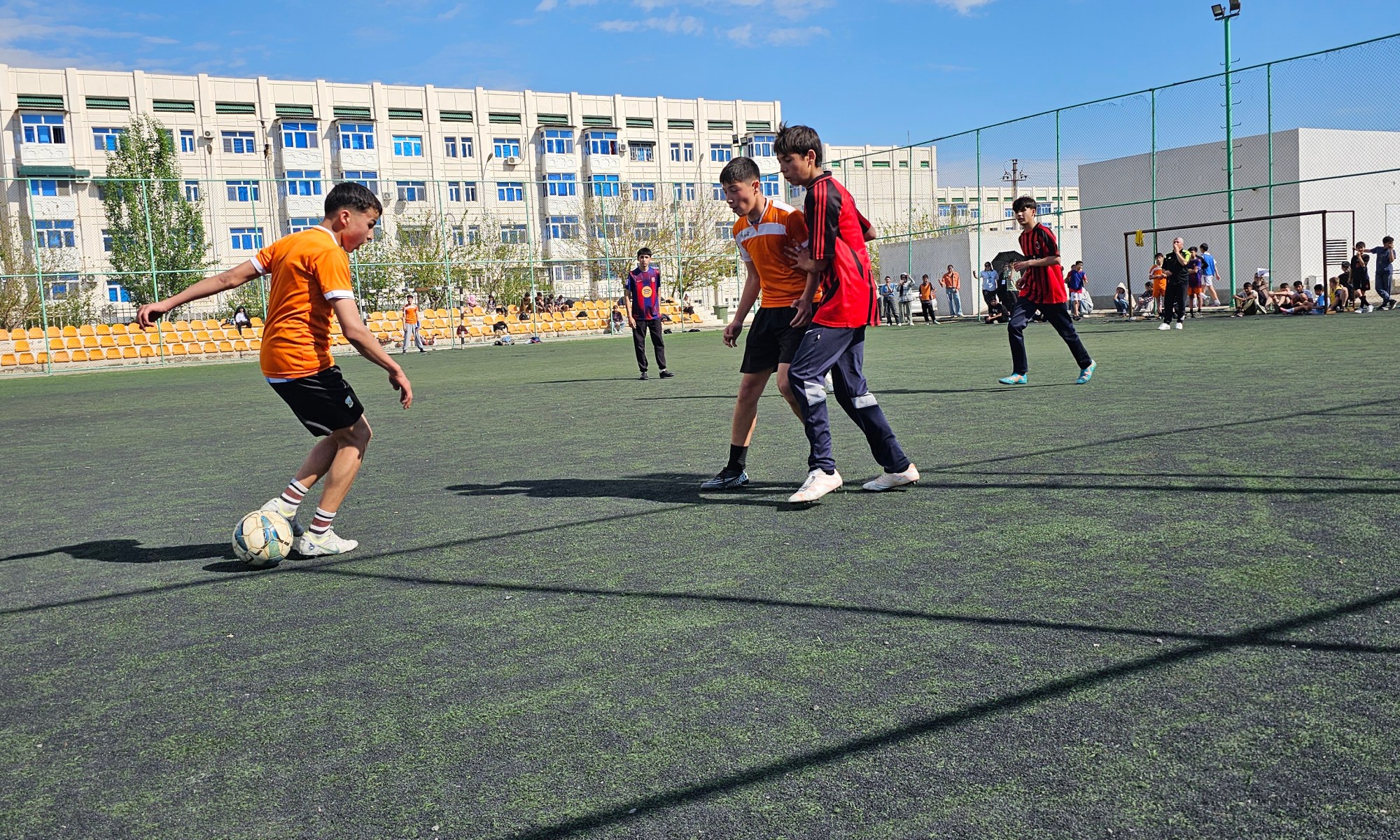
  • Regular football training sessions delivered three times a week by certified local coaches, in structured groups and safe, inclusive training environments
  • Weekly educational workshops that use interactive methods to engage participants in topics such as teamwork, leadership, gender equality and active citizenship
  • Renovation of two public football pitches, equipped to ensure safe and consistent access for training and community use
  • Inclusive community tournaments and thematic events, including activities specifically encouraging girls’ participation, bringing together young people, their families and local partners and strengthening community engagement around the programme

Partner

Logo Smart Ball

Sports4Good

Location and general information

Ongoing
Location Chiang Mai, Thailand
Start date 01/01/2026
End date 12/31/2026
Cost of the project €71,000
Foundation funding €42,500
Project identifier 2025002170
Partners Baan Dek Foundation
Categories Access to Sport - Gender Equality - Infrastructure and equipment - Personal development

Context

An estimated 60,000 children and young people in Chiang Mai live in temporary camps with their parents, who have come to the area to work on local construction sites. The children face challenging circumstances, such as poor living conditions, lack of social integration, and difficulties in accessing public healthcare, education, and protection services. This greatly reduces their chances of integrating into and developing in wider society, depriving them of the chance to break the cycle of poverty and realise their full potential in life.

Project goals

  • Increase children’s access to sport
  • Encourage active engagement in physical activities
  • Support children’s holistic development and overall well-being
  • Foster social inclusion and integration into the Thai education system and wider society
  • Strengthen children’s sense of belonging
  • Promote gender equality

Project content

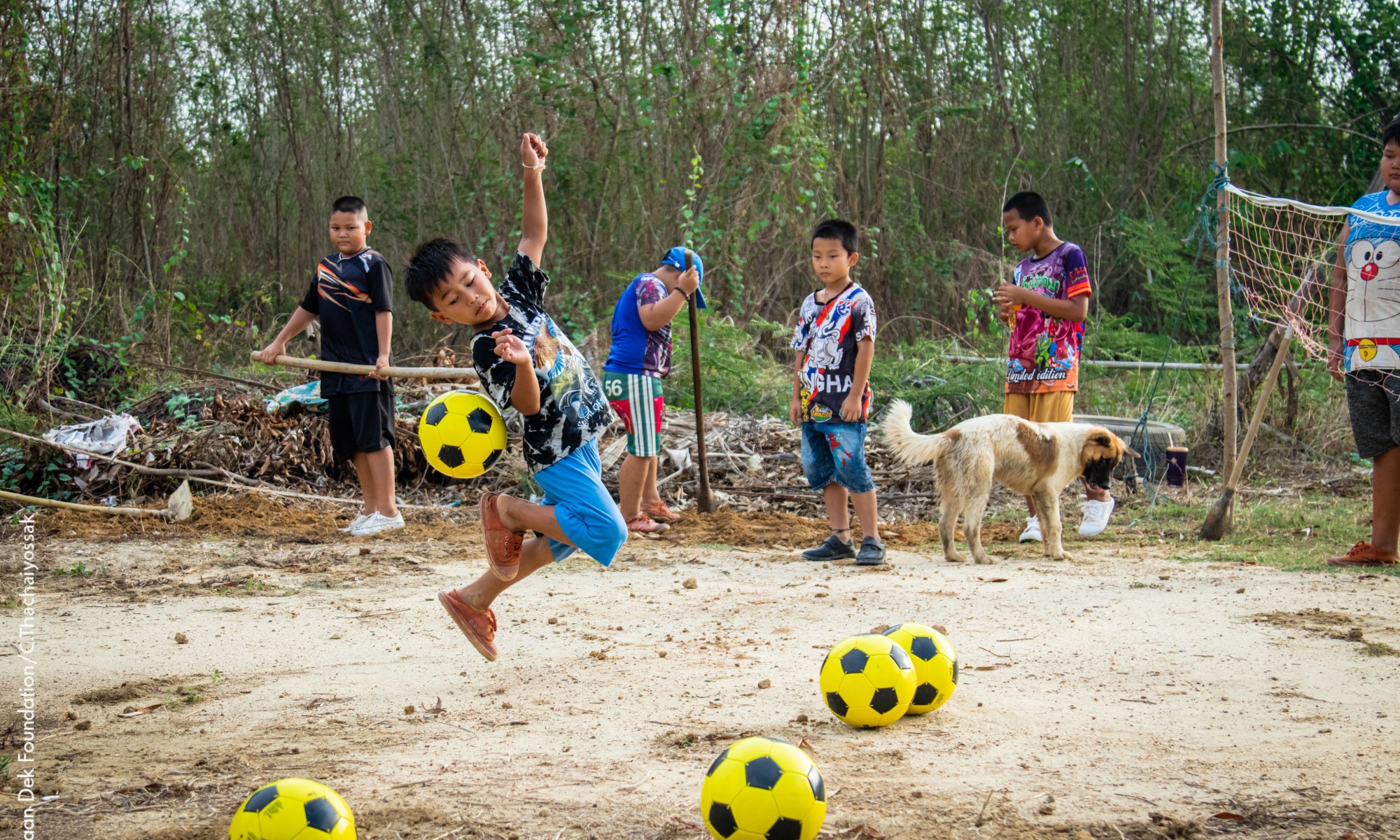
The project provides migrant children and young people living in construction site camps with equal opportunities to participate in sports sessions and competitions, including ensuring that they have the necessary sports equipment. It encourages and supports girls to participate equally in all sports activities, and also empowers young people by training them to become peer educators and positive role models within their communities.

Partner

Bringing Communities Together and Empowering Children in Border Areas through Football in Tajikistan

Location and general information

Ongoing
Location Gorno-Badakhshan Region and Sughd Province, Tajikistan
Start date 04/01/2026
End date 03/31/2028
Cost of the project €191,000
Foundation funding €100,000
Project identifier 2025001936
Partners The International Organization for Migration (IOM) country office in Tajikistan / Tajikistan Football Federation
Categories Access to Sport - Conflict victims - Gender Equality - Infrastructure and equipment - Personal development - Strengthening partnerships

Context

Children and young people in Tajikistan’s border regions are exposed to the effects of geographic isolation, economic hardship, and limited access to safe, inclusive spaces. They are also vulnerable to criminal activity and political risks, including cross-border trafficking, drug smuggling and the presence of extremist groups. These problems cause social instability, disrupt community life, deepen inter-ethnic divisions and reduce opportunities for personal and economic development. Access to quality education, structured activities and positive role models is also limited, increasing the risk of exclusion and disengagement. In addition, girls face particular cultural and security barriers that restrict their participation in community life and recreational activities, exacerbating gender inequality and social isolation.

Project goals

  • Improve access to safe infrastructure for sport (including football)
  • Provide more opportunities for recreation, social interaction and developing skills
  • Empower vulnerable children in Tajikistan’s border regions
  • Bring children from both sides of the Tajik-Kyrgyz and Tajik-Afghan borders together
  • Foster resilience and inclusion in border communities affected by conflict
  • Provide female role models to encourage girls’ participation
  • Encourage community ownership of inclusive sports initiatives
  • Raise public awareness of these initiatives and make them sustainable
  • Foster cross-community interaction, understanding and peace

Project content

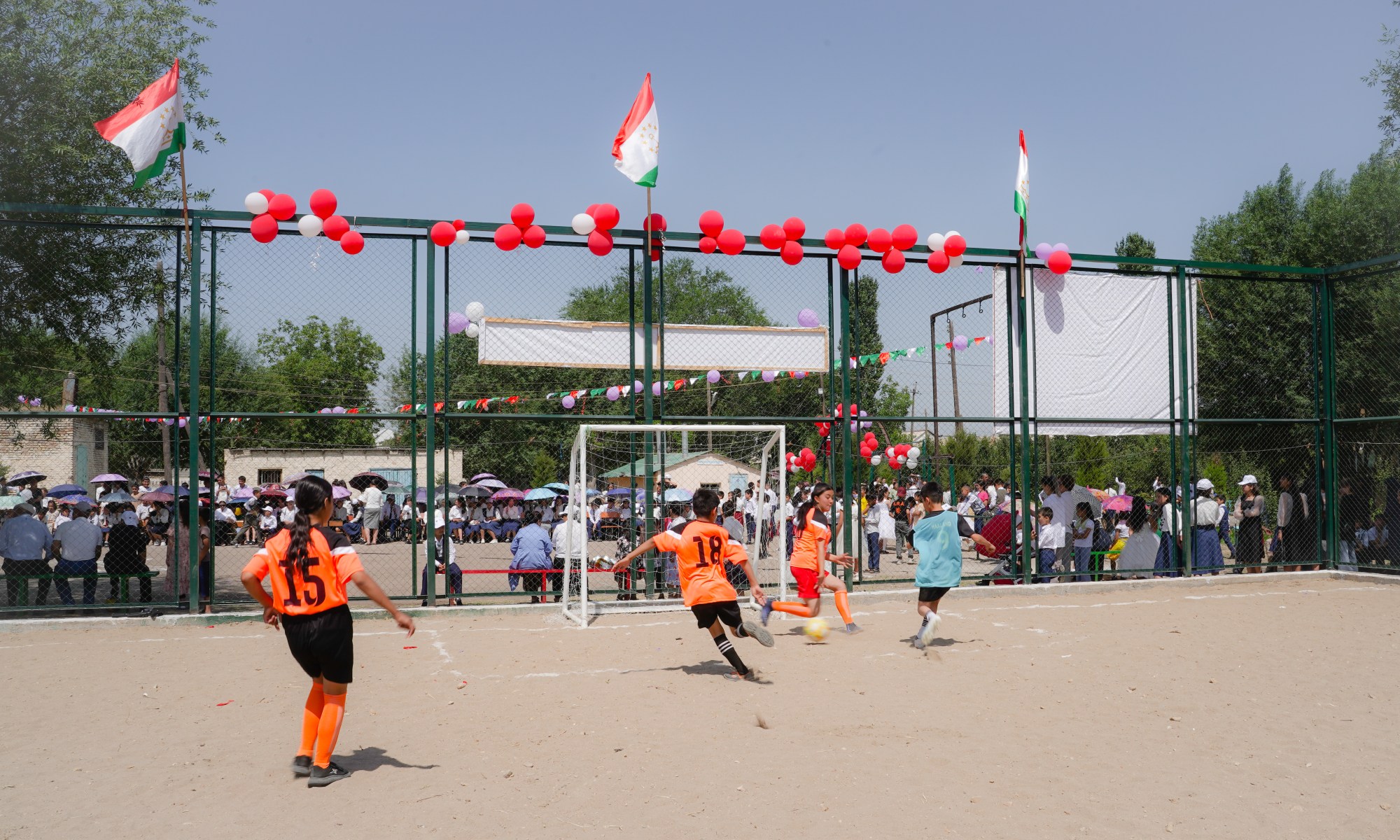
The IOM and the Tajikistan Football Federation will jointly identify target locations in the Tajik-Kyrgyz and Tajik-Afghan border areas to construct or refurbish football pitches. The project will run regular football events, including cross-border tournaments and festivals, to strengthen social cohesion and reduce tensions between ethnic groups. These activities will be complemented by training in life skills and leadership. The project will also provide mental health and psychosocial support for children, especially girls.

In order to foster community ownership, increase public awareness and promote the sustainability of these initiatives, the project will work with local people to draw up and implement community action plans, organise tournaments and deliver national publicity campaigns. Local people will also be involved in maintaining the facilities.

Partner

Playing with Corals 2.0: Football as a gateway to climate action and marine awareness

Location and general information

Ongoing
Location Faafu Atoll, Maldives
Start date 03/01/2026
End date 02/29/2028
Cost of the project €205,000
Foundation funding €100,000
Project identifier 2025002042
Partners MaRHE Center of the University of Milano-Bicocca
Categories Access to Sport - Environmental protection - Personal development

Context

Located in the middle of the Indian Ocean, the Republic of the Maldives is composed of approximately 1,200 islands – of which only 187 are inhabited – scattered over roughly 90,000m2. Recognised by the UN as a Small Island Developing State, the Maldives are characterised by their limited land area, remoteness, limited and unevenly distributed resources, and heightened vulnerability to global environmental challenges, including the impacts of climate change, and potentially more frequent and intense natural disasters.

Plastic pollution is one of numerous threats to coral reefs. Despite nationwide bans on single-use plastics, washed-ashore debris results in almost 3 items of litter per square metre. Cigarettes and plastic food wrappers are the most commonly found items.

Project goals

Equip local trainers to lead marine conservation and socio-educational football activities that:

  • promote a culture of environmental care and responsible management of natural resources (SDGs 13 and 14);
  • develop children’s personalities through sport and football and encourage healthy lifestyles, good health and well-being (SDG 3);
  • foster early engagement in conservation to help children become environmental ambassadors and the new guardians of the reef, using a experiential, place-based education (SDG 4);
  • address plastic pollution by assigning each child a 25m2 portion of the beach – and later of the reef – that they are responsible for keeping clean.

Project content

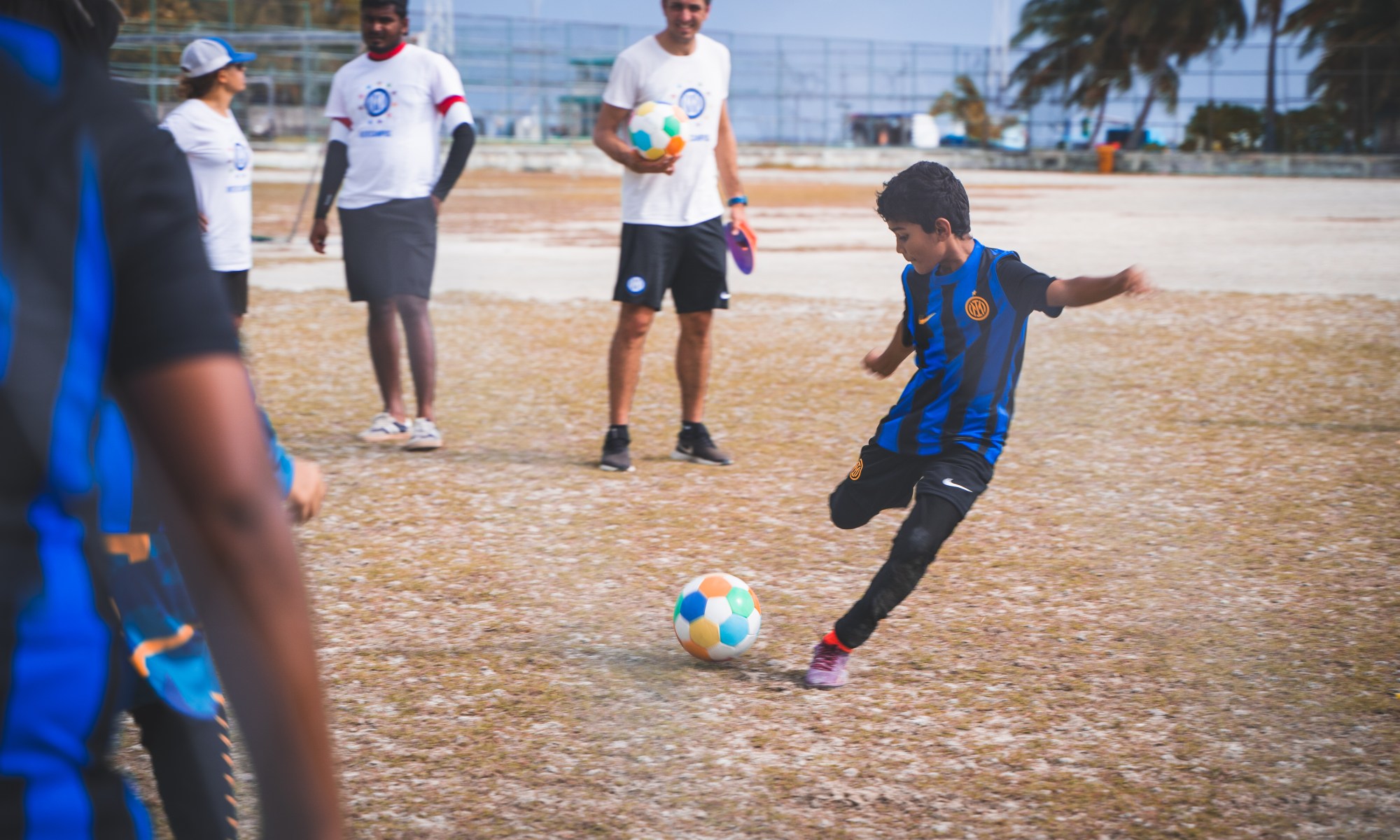
A team of researchers from the MaRHE Center of the University of Milano-Bicocca and professionals from Inter Campus, the social arm of FC Internazionale Milano, will organise two five-day clinics for selected trainers. The clinics – a combination of theoretical lectures and practical activities – will equip the trainers for their work with children throughout the year, in relation to both marine conservation (coral reef ecology and biodiversity, climate change, human impacts, threats, plastic pollution and citizen science) and football training (socio-educational approach to build and manage children’s resilience and life skills through sport).

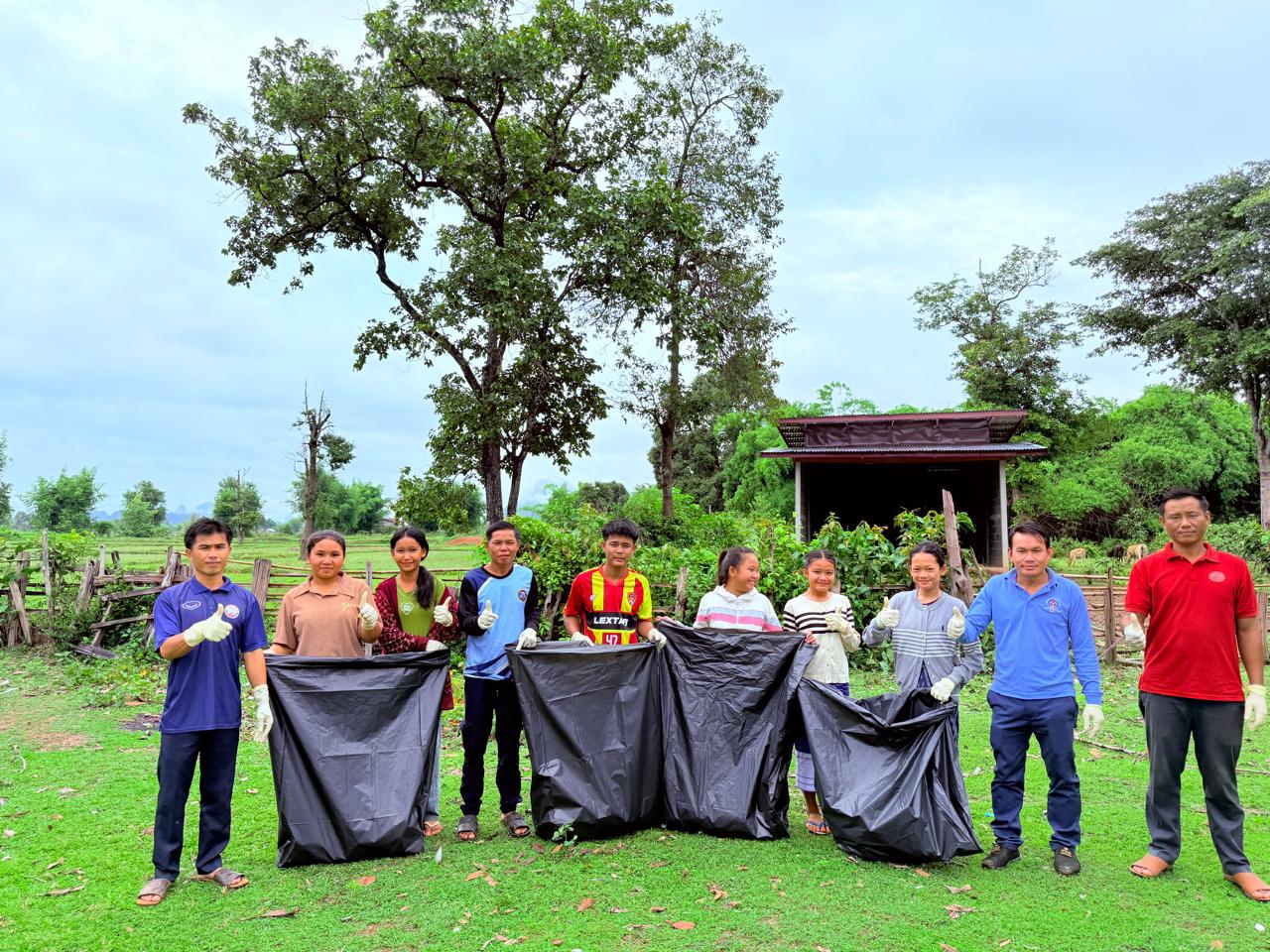
Practical sessions will include training simulations and real sessions with the children, run by trainers and supervised by the organisers. These will include football and beach games and beach clean-ups, slowly moving towards the reef to increase children’s confidence in this marine environment and promote stewardship.

The project will be evaluated on a regular basis, using questionnaires to track effectiveness over time, in terms of the children’s development and their environmental awareness.

Partner

Inclusive Sport for All

Location and general information

Ongoing
Location Tokmok, Chuy region, Kyrgyzstan
Start date 03/01/2026
End date 02/28/2027
Cost of the project €33,810
Foundation funding €26,610
Project identifier 2025000796
Partners UPLIFT PF
Categories Access to Sport - Children with disabilities - Healthy lifestyle - Strengthening partnerships

Context

Children with disabilities in rural Kyrgyzstan have very limited access to inclusive forms of sport and physical activity. Their non-disabled siblings also often lack opportunities for healthy development and social interaction, especially if their families are living on a low income. This leads to isolation and reduced mobility, and places children and families under emotional strain.

Project goals

To provide inclusive, community-based opportunities for children with disabilities in Kyrgyzstan (and their families) to take part in sport, thus promoting good health, inclusion and equality of opportunity.

Project content

  • Weekly inclusive sport sessions held at Uplift Centre
  • Weekly sessions with local partners (NGOs, schools and clubs)
  • Group movement/exercise activities for the participants’ parents
  • Inclusive family sports days and tournaments
  • Volunteer-led training on how to make sport more inclusive
  • Free access to local clubs for participants’ siblings

Partner

Mighty Members

Location and general information

Ongoing
Location Battambang, Cambodia
Start date 01/01/2026
End date 12/31/2026
Cost of the project €109,450
Foundation funding €15,000
Project identifier 2025000113
Partners SALT Academy
Categories Access to Sport - Conflict victims - Employability - Environmental protection - Gender Equality - Healthy lifestyle - Personal development - Strengthening partnerships

Context

The level of poverty in Cambodia traps generation after generation of young people in a vicious cycle of neglect, trafficking and abuse – a cycle that the Mighty Members programme seeks to break through education, football and mentorship.

Project goals

Main goal: Empower young people to be change makers through sport

Other objectives:

  • Empower and build self-efficacy
  • Instil good characters and moral values
  • Promote good health, nutrition and physical activity
  • Educate and ensure future job opportunities

Project content

Mighty Members is an intensive full-time programme designed to empower young men and women in difficult situations as a result of poverty, domestic violence, abandonment, child labour or trafficking. A total of 60 carefully selected members – 30 male and 30 female Mighty Members aged 9 to 20 – are given a private education through to high-school graduation, including English classes, maths tutoring and computing, counselling, football matches (including international travel), meals and training in refereeing and coaching.

As the Mighty Members are raised up, they themselves take what they have learned out into their communities and multiply the effects through coaching, refereeing and teaching life skills to teams of their own.

Partner

Copy of Square_Logo_Outline_Color

Play and Debate

Location and general information

Ongoing
Location Aley and Beirut (Achrafieh district), Lebanon
Start date 01/01/2026
End date 12/31/2026
Cost of the project €35,572
Foundation funding €15,240
Project identifier 2025001131
Partners Baroudeurs de l'Espoir
Categories Access to Sport - Children with disabilities - Conflict victims - Employability - Gender Equality - Healthy lifestyle - Personal development
Context

Lebanon is facing a serious multisectoral crisis, exacerbated by the current war and regional conflicts, which are having a profound effect on young people. Persistent instability, electricity and fuel shortages and the breakdown of essential services are restricting children’s access to education, healthcare and protection. War also increases the risk of domestic violence, child labour, family separation and psychosocial distress.

Project goals

Use sport to support the psychosocial development of children and teenagers in Lebanon, offering them opportunities to relax in a safe environment, teaching them about peace and social harmony, and enabling them to grow, exercise, excel and develop team spirit.

Project content

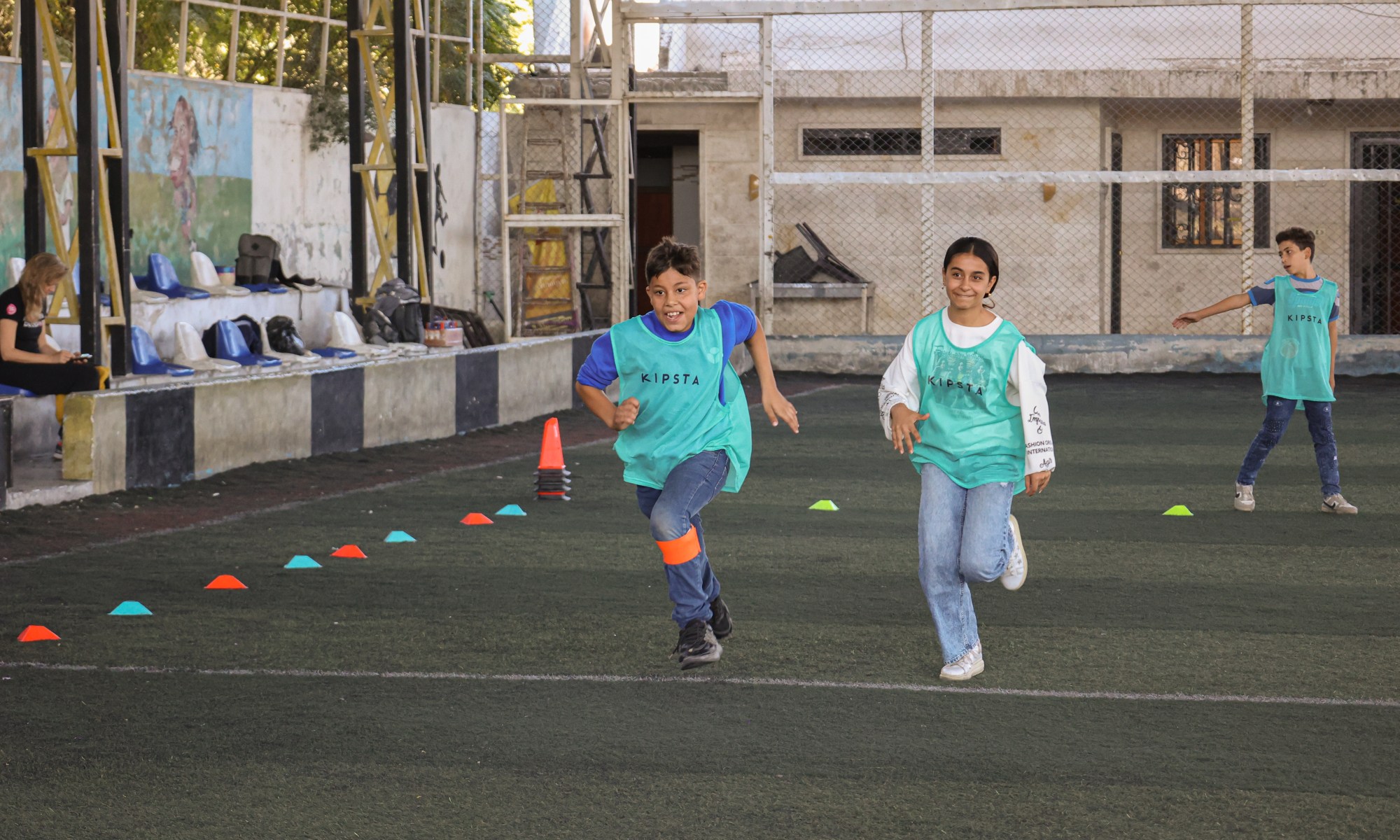
Two-hour socio-educational sports sessions, offering children and teenagers a precious opportunity to move, play, learn and develop a sense of teamwork.

The first hour is divided into three 20-minute sections in which the children learn a new game, receive a presentation on a particular topic (e.g. conflict management or peace) and then discuss the topic and how to apply it to their everyday lives. A nutritious snack is provided – a valuable support for families experiencing financial hardship – before the second half of the session, which comprises a mini sports tournament.


Partner

Play for Protection: Child-centred sport for safety and belonging

Location and general information

Ongoing
Location Cox’s Bazar, Bangladesh
Start date 01/01/2026
End date 12/31/2026
Cost of the project €140,232
Foundation funding €100,000
Project identifier 2025001001
Partners ActionAid Switzerland
Categories Access to Sport - Conflict victims - Gender Equality - Healthy lifestyle - Personal development

Context

Approximately 1,140,000 Rohingya live in overcrowded camps in Cox’s Bazar and on the island of Bhasan Char, half of them children and teenagers with limited protection and access to safe play. Girls and disabled children in particular are marginalised as a result of patriarchal norms, stigma and safety concerns. Inclusive, structured sports are needed to foster well-being, social inclusion and development – in a safe, dignified environment.

Project goals

  • Psychosocial well-being: Improve the mental health and resilience of 300 Rohingya aged 13 to 24
  • Child protection: Reduce children and teenagers’ vulnerability to exploitation and abuse by integrating sports clubs into existing community-based protection frameworks
  • Gender equality and inclusion: Challenge social stigma and patriarchal norms by ensuring equitable participation for girls (35% target) and disabled children (5% target) in all sports activities
  • Social cohesion: Build a sense of belonging and community by organising inclusive sports events that bring young people, their parents and community leaders together across the refugee camps
  • Youth empowerment and leadership: Train young refugees to be coaches and mentors, equipping them with life skills and vocational leadership experience

Project content

Regular access to inclusive, structured physical activity and safe recreational spaces in the Camp 4 Extension, Camp 26 and Nayapara refugee settlements, with a focus on girls, disabled children and at-risk adolescents, encouraging them to participate in sports activities while promoting social cohesion, life skills and protection.

  • Participant engagement and community consultation: engaging young people, their families and their communities to ensure inclusion and ownership of project activities
  • Structured sports and life-skills sessions: providing safe and inclusive opportunities for children and young adults to participate in sports activities and develop life skills
  • Inclusive sports clubs: establishing and supporting sports clubs that promote gender equality, inclusion and community participation
  • Capacity building for coaches: training young refugees and community members to deliver inclusive and safe sports activities
  • Facility management: ensuring sports facilities are accessible, safe and properly maintained
  • Psychosocial support: incorporation of play-based psychosocial support to strengthen participants’ well-being and resilience
  • Monitoring, evaluation and reporting: tracking project progress and documenting outcomes to ensure accountability and support learning

Partner

Healing through Football

Location and general information

Ongoing
Location Tulkarm Governorate, West Bank, Palestine
Start date 02/01/2026
End date 10/31/2026
Cost of the project €40,000
Foundation funding €40,000
Project identifier 2025001557
Partners Sports for Life
Categories Access to Sport - Conflict victims - Gender Equality - Healthy lifestyle - Personal development

Context

Ongoing violence and demolition of homes have left families in a state of constant fear and precarity and taken a huge psychological toll on children, who lack access to safe spaces, education and psychosocial support.

Project goals

  • Provide psychosocial support to displaced children and orphans through structured sports and educational activities
  • Promote emotional healing, resilience and well-being through football and play-based learning
  • Create safe spaces where children, especially girls, feel protected, empowered and heard
  • Provide educational kits and a football for displaced children
  • Enhance children's education, life skills, teamwork and self-confidence
  • Support community cohesion through inclusive engagement

Project content

This project builds on a successful initiative to extend structured, inclusive activities to displaced children in the refugee camps of Tulkarm and Nur Shams in the northern part of the West Bank. Launched in April 2025, the initiative uses sport for development to educate and promote mental well-being, gender equality and empowerment, particularly for girls, giving them tools to develop their emotional expression, confidence and leadership skills.

Partner

Kick for Hope

Location and general information

Ongoing
Location Zaatari and Azraq refugee camps, Jordan
Start date 01/01/2026
End date 12/31/2026
Cost of the project €400,000
Foundation funding €150,000
Project identifier 2025000713
Partners Association Football Development Programme Global (AFDPG)
Categories Access to Sport - Conflict victims - Employability - Gender Equality - Healthy lifestyle - Infrastructure and equipment - Personal development - Strengthening partnerships

Context

Jordan hosts a large number of refugees relative to its total population. According to data from the United Nations High Commissioner for Refugees, approximately 445,000 registered asylum seekers and refugees were living in the country in November 2025, with Syrian nationals making up the vast majority at around 422,000.

While these figures reflect the numbered of registered refugees, the total Syrian refugee population in Jordan, including unregistered individuals, is substantially higher – some estimates place the figure in excess of 1.3 million.

Jordan has hosted large numbers of Syrian refugees in the Zaatari and Azraq refugee camps and in urban and peri-urban communities across the country since the start of the crisis in 2011. The protracted nature of displacement means that many Syrian refugee families have been living in Jordan for well over a decade.

Many young refugees live in overcrowded environments with limited access to safe, structured recreational and educational activities. The absence of regular, supportive activities and safe spaces for them to play, socialise and develop skills can lead to stress, boredom and behavioural challenges, which can in turn impact emotional well-being, social integration and long-term development.

Project goals

  • Build the capacity of Syrian coaches and create employment opportunities
  • Provide children and young adults with access to safe spaces to enjoy football and other sports activities
  • Promote life skills through sport
  • Create professional development and competitive opportunities for young refugees
  • Create football clubs in the camps

Project content

  • Select Syrian youth coaches and administrators
  • Deliver in-person training for coaches, coordinators and admin teams
  • Organise ongoing football, judo, table tennis and other sports activities for children and young adults
  • Organise football leagues for all age groups
  • Run Zumba classes for Syrian girls
  • Enter a team of Syrian refugees in the local U13 boys’ grassroots league
  • Enter a team in the Jordan Judo League

Partner

Equal Play, Equal Rights

Location and general information

Ongoing
Location India, Rural communities in Karnataka and Rajasthan
Start date 02/01/2026
End date 01/31/2028
Cost of the project €249,518
Foundation funding €95,000
Project identifier 2025002197
Partners OSCAR Foundation
Categories Access to Sport - Gender Equality - Personal development

Context

In rural villages in the Indian states of Karnataka and Rajasthan, girls face significant barriers to education due to entrenched gender norms. Child marriages, low school retention rates and stigma around girls’ participation in sports are common. Communities often lack safe and inclusive spaces where girls can play, learn and develop confidence.

At the same time, boys grow up in the same environment and learn to enforce these gender norms reinforcing inequality. Limited access to structured sport, life skills education and age-appropriate information on sex, gender and rights further restricts children’s holistic development.

Project goals

  • Increase access to football and life skills training for girls in underserved communities
  • Train young women as community leaders and mentors
  • Deliver age-appropriate education on sex and gender
  • Promote respectful, inclusive behaviour among boys and shift community attitudes through parental engagement and local advocacy

Project content

  • Engage boys as allies and conduct community awareness sessions to challenge stereotypes and promote gender-equitable mindsets
  • Promote gender equality and the holistic development of children in underserved rural communities through weekly football and life skills sessions conducted in safe, inclusive environments where girls and boys can participate equally
  • Deliver specially designed games and activities to build confidence, teamwork, resilience, leadership and decision-making skills while addressing social issues such as gender norms and encouraging mutual respect
  • Provide participants with sports kits and food to support their participation and overall well-being
  • Deliver age-appropriate education on sex and gender through six interactive modules, focusing on gender awareness, sexual and reproductive health and rights, and healthy relationships
  • Through the Kick Like a Girl leadership programme, train 60 young women aged 18 to 25 as community coaches and mentors to serve as role models and support younger participants
  • Facilitate long-term change by engaging with communities, organising home visits, parent meetings and community events to encourage support and help shift mindsets

Partner

Football for All in Vietnam

Location and general information

Ongoing
Location Vietnam, Tuyên Quang province
Start date 01/01/2026
End date 12/31/2026
Cost of the project €116,661
Foundation funding €97,249
Project identifier 2025002081
Partners Football Association of Norway, Football for All in Vietnam
Categories Access to Sport - Environmental protection - Infrastructure and equipment - Personal development

Context

Tuyên Quang is a mountainous province in the far north of Vietnam, on the border with China. Few spaces are available here for recreation and sport. The area is also heavily affected by natural disasters such as landslides, monsoons and flash floods. As a result, many of the already limited pitches are either in poor condition or regularly washed out or damaged, making it even more difficult for children to access sports.

Project goals

  • Provide children with equal and sustainable access to football
  • Maximize the power of football to raise awareness of gender rights and foster equitable practices among ethnic minorities groups
  • Increase the participation of women and girls in football and life skills education programmes, empower and equip them with leadership skills based on the Football for All in Vietnam model

Project content

  • Construct three artificial turf football pitches in three schools
  • Organise regular football and life skills activities for children
  • Organise nine Fun Football Festivals focused on gender equity and climate change education
  • Educate teachers, children and local communities on climate change
  • Plant trees for environmental protection
  • Carry out feasibility studies and internal assessments, continue to monitor and evaluate results

Partner