

Location and general information
 Access to Sport -
  Conflict victims -
  Environmental protection -
  Gender Equality -
  Healthy lifestyle -
  Personal development -
  Strengthening partnerships
Context
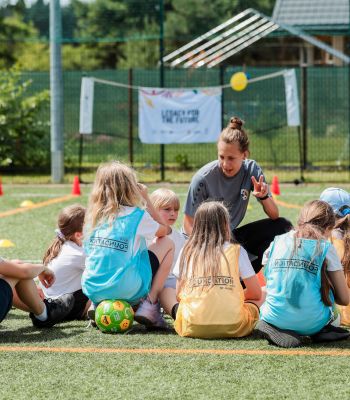
In Greece, many unaccompanied minors and refugee children are growing up under conditions of displacement, uncertainty and isolation. In Athens in particular, several young people living in shelters have experienced conflict, loss and repeated disruption, while still having limited access to safe, structured opportunities for sport, learning, self-expression and meaningful contact with the wider community. Girls often face additional barriers to participation and visibility. Roots and Routes: Sporting Futures responds to this reality by using sport as an entry point to improve well-being, strengthen resilience, build practical life skills and create pathways for inclusion, protection and belonging.
Project goals
- Improve the physical, mental and emotional well-being of unaccompanied minors through regular, inclusive sport activities.
- Strengthen life skills through health literacy, soft-skills development and environmental education.
- Foster social inclusion and a stronger sense of belonging through shared activities involving refugee children and local youth.
- Prevent harmful and disruptive behaviors by applying a structured, trauma-informed sport methodology that promotes self-regulation, confidence and respect.
- Equip frontline professionals with practical tools to support children’s resilience, psychosocial development and integration in everyday settings.
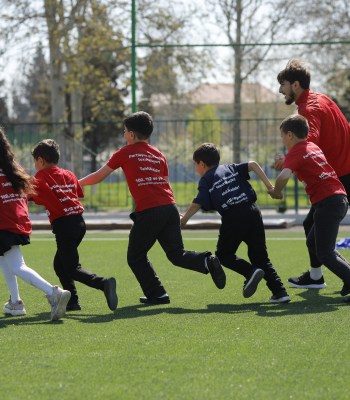
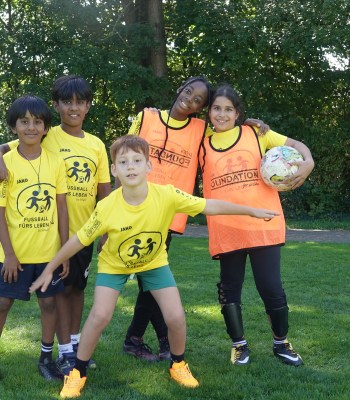
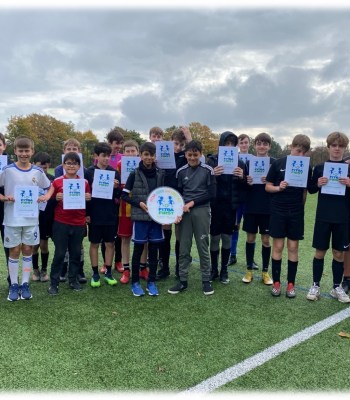
Roots and Routes: Sporting Futures is an 18-month program built around regular sport sessions, mainly football-based, delivered in a safe, inclusive and non-competitive framework. Sport is used not only to improve physical health, but also to help children develop teamwork, discipline, emotional regulation and trust. Alongside these sessions, the project provides health literacy workshops on topics such as hygiene, nutrition, mental health and substance-abuse prevention, as well as environmental education activities that build awareness and practical green skills through hands-on learning. Soft-skills sessions further support communication, resilience, leadership and cooperation.
A core part of the program is capacity building: professionals working with children will take part in a certified train-the-trainers course led by the National and Kapodistrian University of Athens, enabling them to use inclusive, trauma-informed, gender-sensitive sport methods in their daily practice. The project also includes dedicated workshops on gender equality and the prevention of gender-based violence, as well as community events that bring together refugee children and local youth through sport, culture and shared experiences. Monitoring, participatory feedback and evaluation run throughout the project, helping the consortium improve delivery and document results for wider learning and future scale-up.
Partners