

Location and general information
 Access to Sport -
  Gender Equality -
  Healthy lifestyle -
  Personal development
Context
Women in El Salvador are brought up in a heavily patriarchal culture. Domestic and sexual violence disproportionately affects under-18s, who are socialised in contexts of female subordination and competition among women, with very limited access to sport, safe spaces and public expression.
The country has high rates of teenage pregnancy and early unions, factors that reduce girls' time spent in educational and recreational settings. In 2024, El Salvador registered a total of 7,900 pregnancies among girls aged 10 to 18, representing an average of 21 cases per day, according to data from the ministry of health. More than 72% of these girls were in a formal union before becoming pregnant.
These conditions reinforce cycles of exclusion and restrict access to sport as a right and a tool for well-being. Football continues to be dominated by men, and the media continues to overlook girls and depict them primarily as victims. There is a fundamental lack of access to leisure activities and all public playgrounds have been closed since the COVID-19 pandemic.
Project goals
- Adolescent girls and young women gain self-confidence, empowerment and recognition by doing sport in safe and inclusive spaces
- At least 80% of project participants continue to play for their football team after the project ends
- A regional women’s football network is established and gains recognition
- The feminist digital publication La Brújula and other supportive media outlets promote feminist narratives and representations of children, adolescents and their rights
Project content
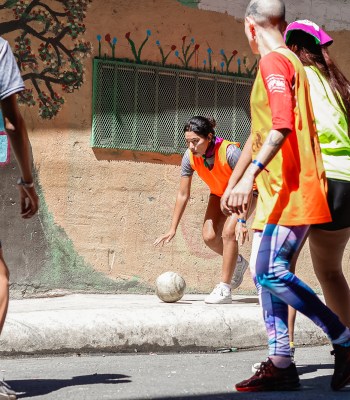
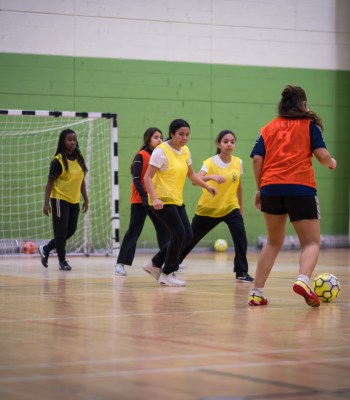
- Implementation of the Somos Campeonas! (We Are Champions!) programme through the Ixchel women’s association’s Football for All School. A sports and sociocultural initiative aimed at promoting rights, gender equality and the empowerment of girls, adolescents and young women, the programme has been developed with a gender and intersectional perspective, incorporating popular education methodologies and community participation.
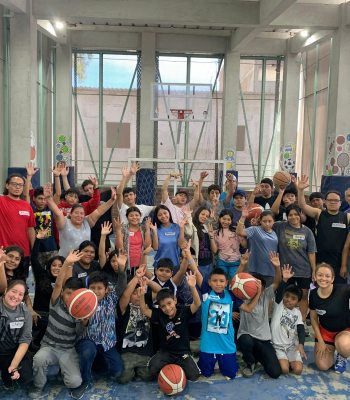
- Weekly training sessions and workshops for 80 teenage girls (aged 13 to 17), encouraging them to make their own decisions and take responsibility.
- Hiring of a specialised coach and creation of a safe and secure space for women to play sport, fostering holistic development, active participation and long-term involvement.
- Creation of spaces for reflection and training, focused on female empowerment and leadership skills.
- Training for journalists, including a manual and feminist narratives for digital media
- Awareness-raising and intergenerational dialogue involving feminists and the women's football ecosystem
- Coordinated action with mentors, families and local groups to strengthen local networks, promote cross-cutting human rights and ensure social sustainability.