

Location and general information
 Access to Sport -
  Healthy lifestyle -
  Personal development
Context
During Guatemala’s civil war (1960–96), an estimated 200,000 people were killed or forcibly disappeared, and more than 1.5 million were displaced amid widespread human rights violations, most notably against indigenous populations.
Over 10,000 people live in Zone 3 of Guatemala City, many of whom were displaced during the conflict. The zone is also home to the city’s garbage dump; residents build homes on its periphery and sustain their families by collecting and selling recyclable materials.
Although the armed conflict officially ended in 1996, its consequences persist. Violence, poverty, inequality, discrimination and weak public institutions continue to define daily life, and youth gangs have expanded rapidly in marginalised urban areas like Zone 3.
Children and teenagers growing up in Zone 3 are continuously exposed to community violence and extreme poverty, and lack access to safe public spaces. Families are under constant strain from economic insecurity, while schools, social services and mental healthcare remain severely under-resourced. Together, these conditions lead to chronic stress, anxiety and trauma, placing children’s development, safety and future opportunities at risk.
Project goals
- Offer a football training programme to improve players' football skills, teamwork and fair play, while fostering friendship and discipline
- Provide at-risk children and teenagers with a path away from violence by engaging them in healthy recreation through sport and support their education
- Boost academic success, reinforce the importance of education and provide children and teenagers with spaces and opportunities to nurture the skills they need to succeed
- Offer opportunities to practise sport through football, basketball and volleyball groups
- Ensure that participants have access to additional services, including psychosocial support, and provide their caregivers with parental assistance
Project content
Intensive football training
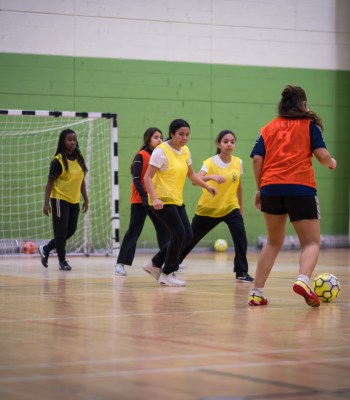
Structured, high-quality football training for children and teenagers, combining physical conditioning, technical skill development, teamwork and discipline. Practices are led by trained coaches who promote values such as respect, perseverance and non-violent conflict resolution.
Tutoring
Individual and small-group academic assistance to address learning gaps and support participants’ academic performance, encouraging them to stay in school. Tutoring focuses on core subjects such as reading, writing and mathematics, while also reinforcing study habits, goal setting and self-confidence.
Scholarships are available for a small number of participants to support them in school.
Psychosocial support groups
Psychosocial support groups are held twice a month, providing safe, facilitated spaces where children and teenagers can explore psychological topics to strengthen emotional regulation, communication skills and healthy coping strategies. The programme promotes social-emotional well-being and helps participants reduce anxiety, improve relationships and develop a stronger sense of self-worth.
Sports groups
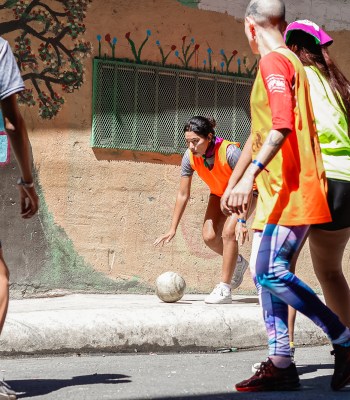
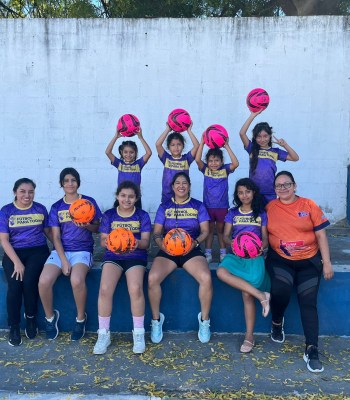
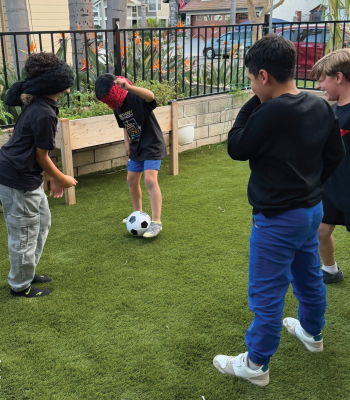
Recreational basketball, volleyball and football groups offer inclusive, structured activities that promote physical health, teamwork and positive social interaction. Sessions take place weekly, and participants can explore different sports, helping them to develop cooperation skills and positive peer relationships. The groups also serve as safe spaces that keep children and teenagers engaged during high-risk hours, reinforcing healthy routines and community connection.
In addition to the sports groups, the athletic court at the community centre remains open throughout the week for unstructured play.
Motivated women programme
Group sessions focused on emotional well-being, personal development and life skills to support mothers and women. The programme strengthens self-esteem, stress management, communication and peer support networks, while also addressing challenges related to caregiving, economic pressure and community violence. By supporting women and mothers, the programme reinforces family stability and enhances positive outcomes for children and teenagers.