Sports for Resilience and Empowerment Project (SREP): Primary school construction

Location and general information

Ongoing
Location Masindi district, Uganda
Start date 02/15/2025
End date Ongoing
Cost of the project €300,000
Foundation funding €170,000
Project identifier 2024000336
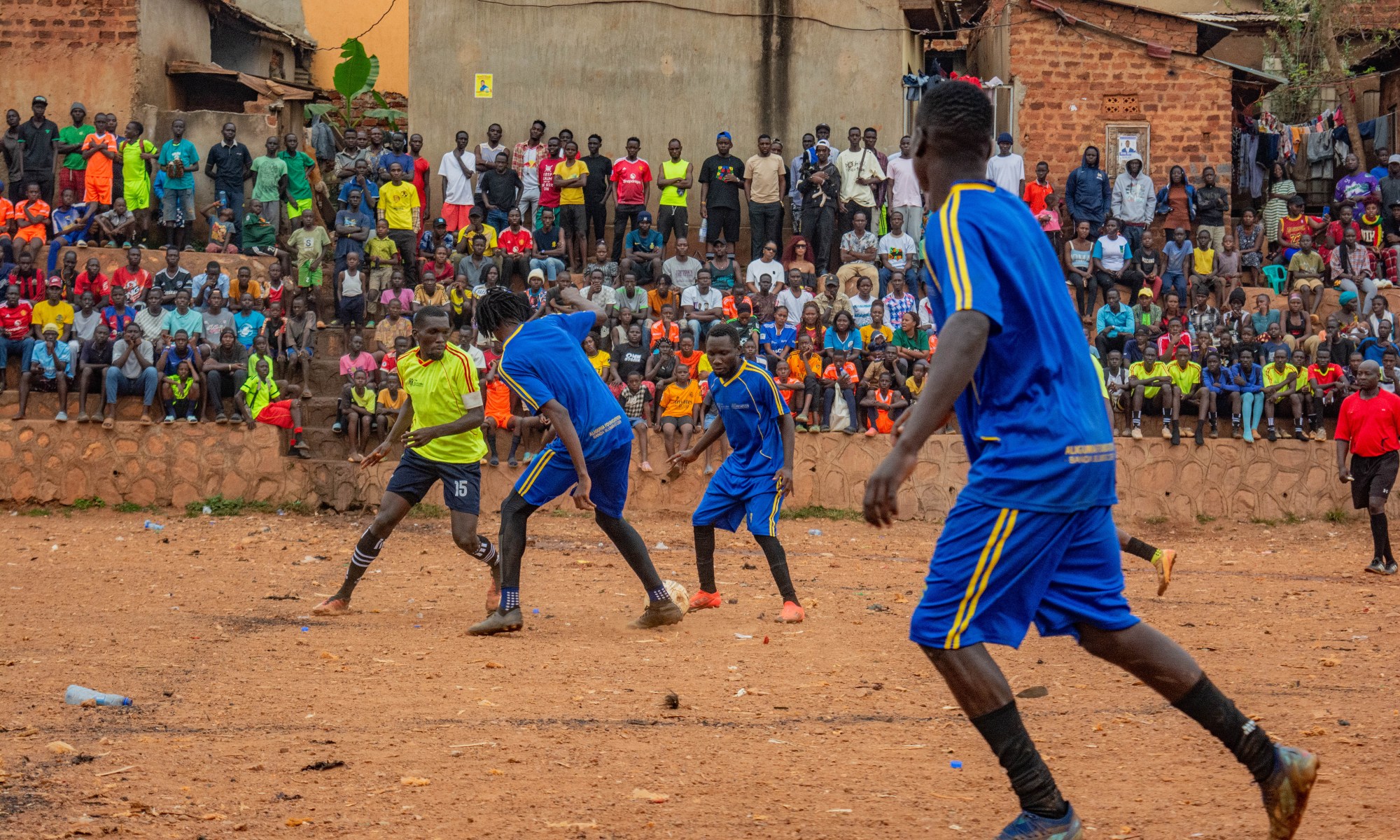
Partners Aliguma Foundation
Categories Access to Sport - Children with disabilities - Conflict victims - Employability - Environmental protection - Gender Equality - Healthy lifestyle - Infrastructure and equipment - Personal development - Strengthening partnerships

Context

The situation in Masindi district reflects the challenges faced by rural areas in Uganda, where access to quality education is severely limited. Many children attend overcrowded and under-resourced schools with high dropout rates and poor academic performance. In addition, the socio-economic conditions are such that children are often forced to prioritise labour over education, leaving many without the skills and knowledge they need for a better future. 

This project addresses the shortage of adequate infrastructure, trained teachers and teaching materials, breaking the cycle of poverty by investing in the future of the region's children. 

Project goals

  1. Build a modern primary school: establishing a well-equipped and safe teaching facility and an environment that is conducive to learning for children in rural Masindi
  1. Enhance access to quality education: ensuring that children in the region have access to quality education, reducing the barriers associated with inadequate infrastructure and resources
  1. Promote social inclusion: creating opportunities for all children, including those from disadvantaged backgrounds and with special needs, to get an education and participate fully in their communities
  1. Improve educational outcomes: improving schoolchildren’s academic performance and overall development by providing better learning conditions, teacher training and educational materials
  1. Empower the community: engaging the local community in the development and maintenance of the school, fostering a sense of ownership and responsibility 
  1. Support holistic development: integrating sport and extracurricular activities into the school curriculum to promote physical health, teamwork and life skills
  1. Reduce dropout rates: addressing contributing factors and creating a supportive and engaging school environment
  1. Strengthen teacher capacity: providing training and resources for teachers to improve the quality of instruction and support effective learning
  1. Promote gender equality: ensuring that girls have equal access to education and opportunities, contributing to gender equality and empowerment
  1. Foster sustainability: developing strategies to support the school’s long-term sustainability and lasting impact, including community involvement and partnerships

Project content

  • Planning and construction of a primary school in the Masindi district of Uganda
  • Teacher training and curriculum development
  • Provision of teaching materials and other resources
  • Community engagement and outreach

Partners
She Should Play

Location and general information

Ongoing
Location Bangui, Central African Republic
Start date 02/01/2025
End date Ongoing
Cost of the project €14,733
Foundation funding €14,733
Project identifier 2024001462
Partners iACT
Categories Access to Sport - Conflict victims - Gender Equality - Infrastructure and equipment - Personal development - Strengthening partnerships

Context

Nearly one third of the Central African Republic’s population has been displaced by violence, and even those not displaced have been affected by the ongoing conflict. Women and girls continue to face gender inequity and disempowerment, including in sport. For example, they have very few opportunities to play football, because it is still considered a male sport. The impact of this exclusion reverberates through girls’ lives, affecting how they see themselves in the world. 

Project goals

  • Increase the number of girls playing organised football in Bangui 
  • Break down barriers that block girls’ access to football 
  • Change perceptions around girls in football 

Project content

  • Football camp run by the Refugees United Football Academy for girls aged 8 to 17  
  • Workshops with parents and teachers 
  • Hiring female coaches 
  • Providing equipment and hygiene products for participants 
  • Closing exhibition match and community celebration 

Partners

ADEC – promoting children’s education and personal development through sport

Location and general information

Ongoing
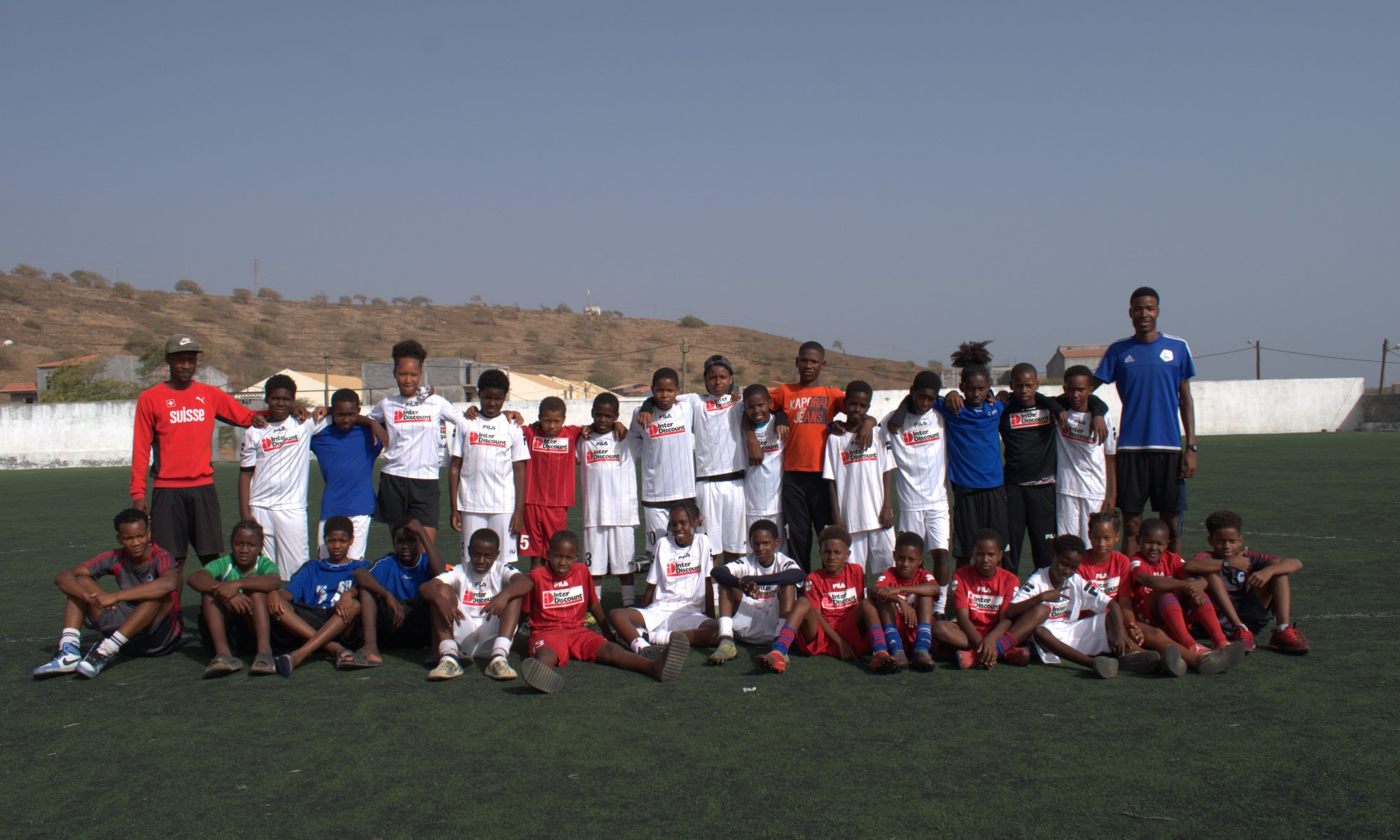
Location Calheta, Santiago (Cape Verde)
Start date 05/05/2020
End date Ongoing
Cost of the project €108,510
Foundation funding €30,000
Project identifier 2024000879
Partners Cabo Verde Stiftung für Bildung (Foundation for Education)
Categories Access to Sport - Employability - Gender Equality - Personal development - Strengthening partnerships

Context

In Cape Verde, in particular the Calheta region on the island of Santiago, young people face high levels of poverty and limited opportunities.  Many children live in precarious conditions without access to adequate education or academic support. Families lack resources, which limits their children’s access to academic support, sport and leisure activities. These inequalities hinder the personal and professional development of young people, who have no chance of a sustainable future. This affects girls and young women in particular. 

The ADEC project (Academía do Desporto, Educação e Cultura – the Academy of Sports, Education and Culture) aims to reduce these inequalities by meeting the educational and social needs of a community that has too often been marginalised, and by offering girls in particular support so as to promote equal opportunities. 

Project goals

The Cabo Verde Foundation for Education supports several educational projects so as to improve the future prospects of children and young people in Cape Verde. It also aims to empower girls and promote equal opportunities.  

ADEC combines education and sport to break the cycle of poverty and to offer new opportunities to children from disadvantaged backgrounds, particularly girls and young women.  

Together, these projects support young people in Cape Verde with their personal and professional development in order to achieve the following goals:
 

  • improve access to education through quality academic support programmes and tutoring for disadvantaged children 
  • encourage girls to participate in sport, particularly football, to promote gender equality 
  • improve youth employability through training and academic support 
  • create a structured framework that promotes personal development through sport and education 

Project content

  • Educational support and tutoring
    Pupils receive daily academic support, notably IT lessons to develop their digital skills and tutoring to improve their school grades. ADEC complements rather than replaces school. These academic support sessions are compulsory for any child or young people wishing to participate in the project’s other activities. 
  • Sport, personal development and inclusion
    Football is used as an educational and social tool to teach discipline, teamwork and perseverance. Girls, often marginalised in sporting activities, are actively encouraged to participate. They form teams and enter local, regional and national competitions, thereby boosting motivation and engagement among the members. 
  • Nutrition
    Every child receives one healthy meal a day, which ensures that their nutritional intake is sufficient for their well-being and concentration. 
  • Raising awareness and workshops
    Topical workshops tackle key issues such as preventing drug abuse or sexually transmitted diseases, all while encouraging gender equality and environmental awareness. ADEC also believes that it is very important to instil values and promote healthy social interactions. 
  • Transport
    A transport service has been set up to allow children, especially the very young, to access sporting and educational facilities. 


These initiatives combine to give children the necessary tools to build a better future, all while enhancing social cohesion within their community. 

Partners

Girls4Football

Location and general information

Ongoing
Location France, Germany, Italy, Spain, the United Kingdom and Switzerland
Start date 05/24/2024
End date 05/24/2025
Cost of the project €450,000
Foundation funding €-
Project identifier 20240001
Partners Mastercard and local implementing organisations
Categories Access to Sport - Children with disabilities - Gender Equality - Healthy lifestyle - Infrastructure and equipment - Personal development - Sponsors - Strengthening partnerships

Context

Girls4Football is a social impact initiative launched by Mastercard in partnership with the UEFA Foundation for Children. Rooted in the long-standing collaboration between Mastercard and the UEFA Champions League, the programme addresses the need for inclusive, empowering opportunities for young girls in Europe. It responds to the growing recognition that sports, particularly football, can be a powerful vehicle for personal development, social inclusion, and gender equality.

The initiative was officially launched on March 18, 2025, and is being rolled out in France, Germany, Italy, Spain, and the United Kingdom. It aims to reach over 1,000 girls aged 8 to 16 in its first year. This marks the beginning of a three-year project, with this being the first phase of the initiative.

Project goals

The primary goals of the Girls4Football programme are to:

  • Empower young girls through access to free football training and socio-educational activities.
  • Promote physical and emotional well-being through regular sports and leisure engagement.
  • Foster life skills such as teamwork, discipline, and resilience.
  • Enhance financial literacy by teaching participants how to manage money, budgets, and investments.
  • Encourage career aspirations in and around football, including roles off the pitch.

Project content

The programme includes a variety of components designed to support holistic development:

  • Football Training: Free, inclusive sessions focused on skill-building, teamwork, and fun, with a strong emphasis on encouraging girls to participate in sports.
  • Financial Literacy Course: Workshops and interactive sessions that teach essential money management skills, helping girls build a healthy relationship with finances from a young age.

Special Events:

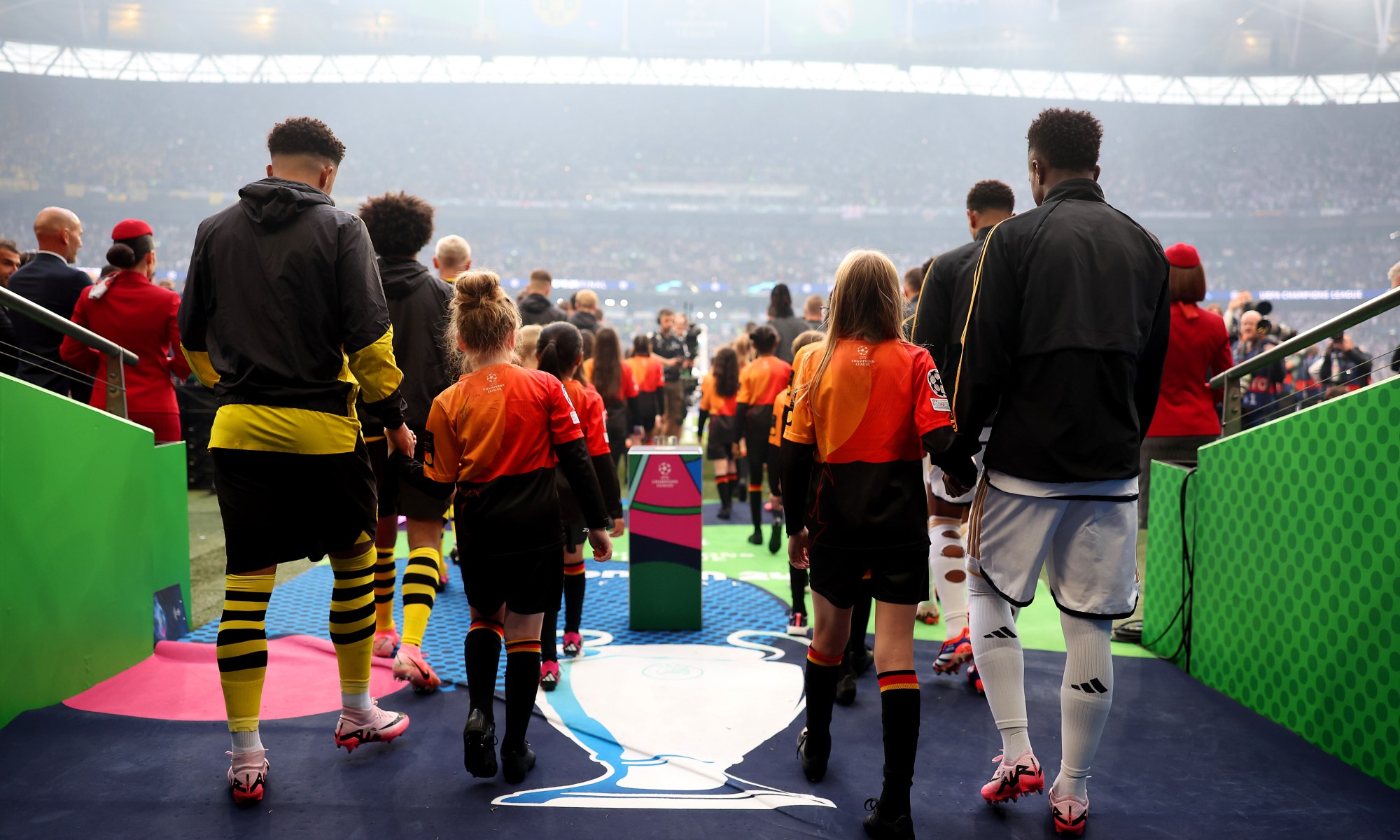
  • Opportunities to serve as Mastercard Player Mascots at UEFA Champions League matches in cities like Paris, Munich, Milan, Madrid, and London.
  • Meet-and-greets with female football ambassadors who serve as role models.
  • Workshops with professionals such as nutritionists, physiotherapists, and referees to expose girls to diverse career paths in sports.

Local partners: To bring this initiative to life, Mastercard and the UEFA Foundation for Children have partnered with NGOs from the five countries:

Partner

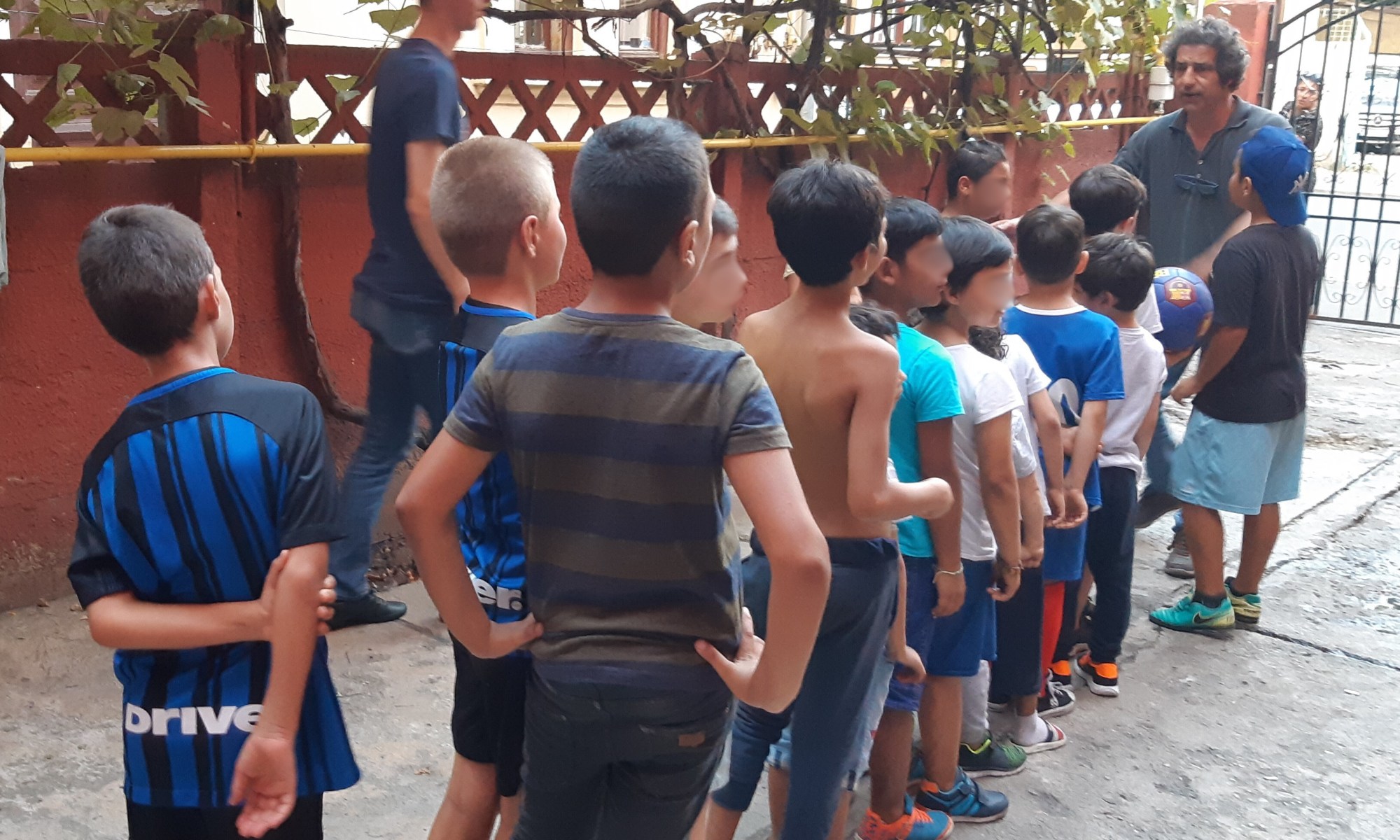
Social reintegration of vulnerable children through sport

Location and general information

Ongoing
Location Romania
Start date 01/01/2025
End date 12/31/2026
Cost of the project €513,744
Foundation funding €100,000
Project identifier 2024000806
Partners Samusocial International
Categories Access to Sport - Personal development

Context

While child protection in Romania has improved considerably over the past two decades, many children in Bucharest remain socially excluded. These include children from discriminated minorities, those living with their families in informal settlements, youngsters on the streets who have often fallen into addiction, and children living in institutions with limited opportunities for integration.

Project goals

  • Foster the social and educational integration of children and young people living in institutions, on the streets or in squalid conditions through participation in sport
  • Provide children and young people with opportunities to increase their self-confidence, meet other young people, prevent violence, learn how to live together and develop their potential

Project content

  • Street work providing direct care and emergency aid to families and children living in informal settlements or on the streets in Bucharest
  • Collaboration with public and private reception centres to reach children living in institutions in at least two Bucharest districts
  • Sports training and competitions designed to motivate young people and help them develop life skills as well as respect for rules and other people

Partners

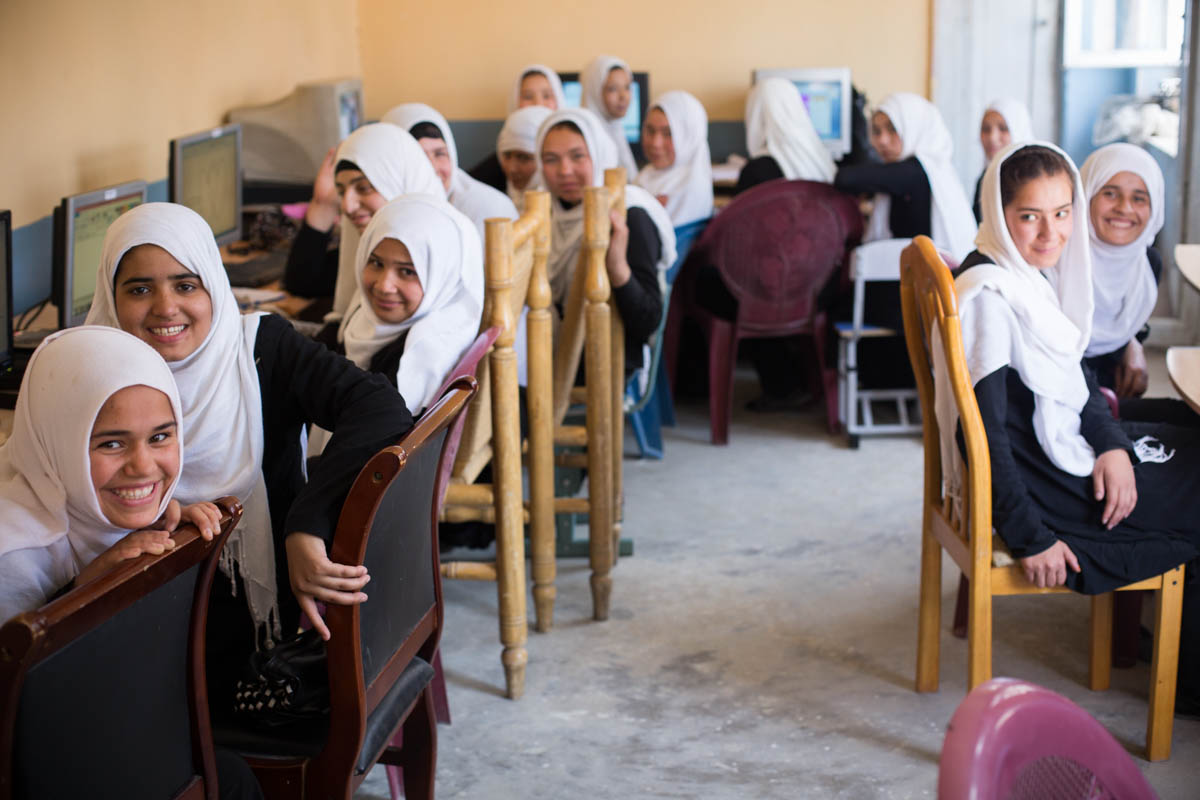
Ensuring continued access to education for Afghan girls

Location and general information

Ongoing
Location Afghanistan
Start date 02/01/2025
End date 01/31/2026
Cost of the project €235,079
Foundation funding €23,350
Project identifier 2024000956
Partners Right to Learn Afghanistan
Categories Conflict victims - Employability - Gender Equality - Healthy lifestyle - Personal development

Context

The circumstances remain dire for women and girls in Afghanistan following the Taliban’s takeover in 2021. According to estimates by UNICEF, 3.7 million children are out of school and tens of thousands of female educators have lost their jobs. According to the UN Development Programme, 85% of Afghans live below the poverty line.

Project goals

Overall objective

  • Ensure continued access to education, employment and essential supplies to students and their families

Specific objectives

  • Increase access to secondary education for Afghan girls
  • Improve the literacy and well-being of students and their families
  • Give Afghan children and their families access to free, high-quality resources in their own language to further their education and careers, and instil a love of reading and healthy lifestyles

Project content

To increase access to secondary education for girls who are denied access to formal education, the project will invite, assess and enrol new cohorts of Afghan girls into the Darakht-e Danesh (‘knowledge tree’) classroom programme.

The project will hire and train qualified Afghan teachers, with a priority on employing women. Additionally, students will receive internet data packages to ensure reliable access to online learning.

To enhance literacy and well-being among students and their families, the project will procure and distribute so-called ‘learning plus baskets’, which contain educational materials and food to support students’ academic performance and overall well-being.

Over a nine-month academic cycle, students will receive instruction in 11 subjects, with mid-term and final exams to track progress and ensure the desired learning outcomes are achieved. Grades will be given to reinforce a sense of achievement and accountability.

Right to Learn’s cherished Darakht-e Danesh library will continue to grow its collection of inclusive resources that promote active, healthy lifestyles, career development, lifelong learning and a love of reading.

Finally, a robust monitoring and evaluation framework will be used to assess the effectiveness of the programme, track student progress and refine activities to maximise impact.

Partners

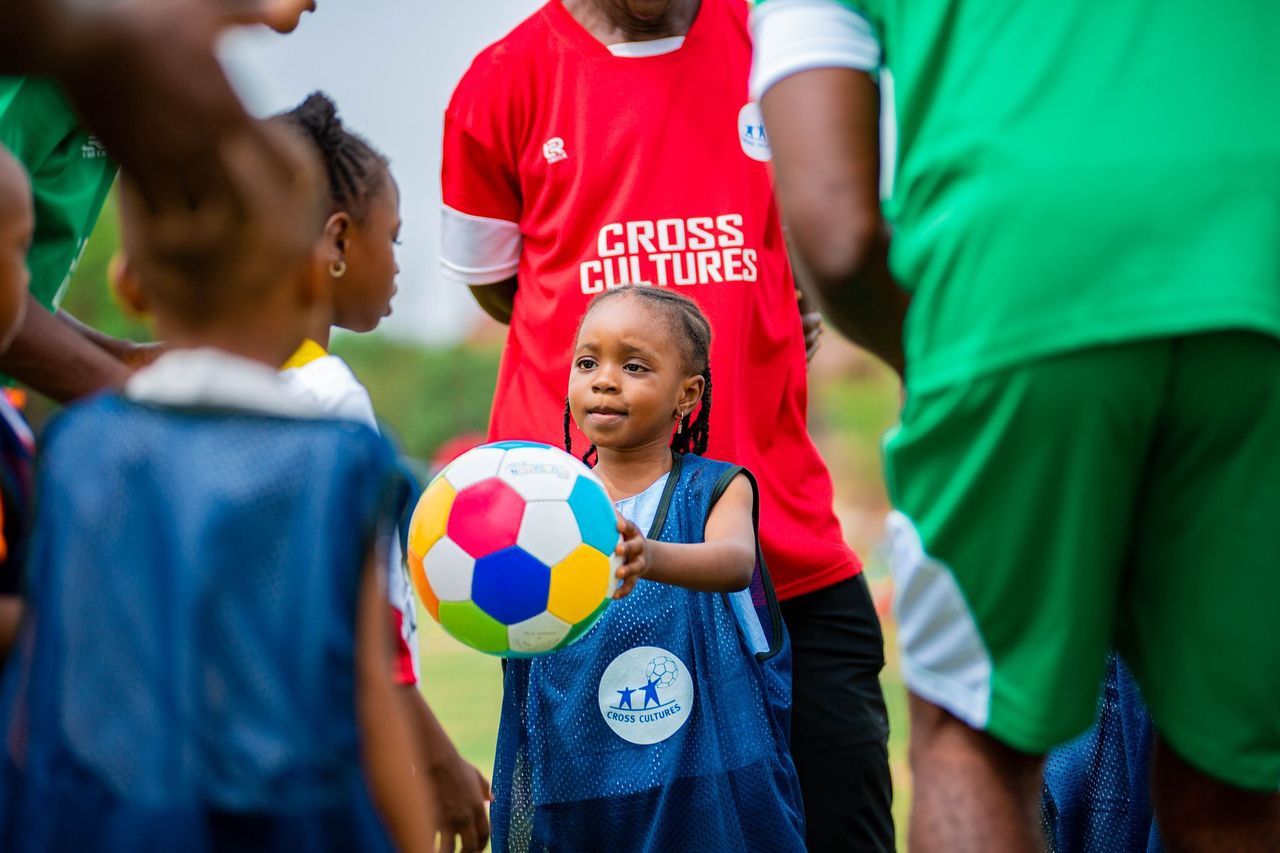
Fun Football in Nigeria

Location and general information

Ongoing
Location Nigeria
Start date 01/01/2025
End date 12/31/2025
Cost of the project €200,000
Foundation funding €100,000
Project identifier 2024000573
Partners Cross Cultures Project Association
Categories Access to Sport - Conflict victims - Employability - Personal development

Context

Nigeria is simultaneously Africa’s most populous country and one of the youngest, with 63% of its 224 million people aged 24 or younger. Despite being the largest economy on the continent, Nigeria faces extreme economic inequality – 40% of the population live in absolute poverty and 53% experience multidimensional poverty.

Since gaining independence in 1960, Nigeria has also faced persistent interreligious and ethnic conflicts, particularly between its two major religious groups, Muslims and Christians. The conflicts have led to millions of deaths throughout the years and caused significant social, economic and infrastructural damage. Nigeria is currently plagued by violence, particularly in the northeast, where Boko Haram and other extremist terrorist groups have been active since the early 2000s.

According to UNICEF, six in ten children in Nigeria experience violence in their daily lives and around 20 million do not go to school. The situation is particular dire for girls, who are more likely than boys to miss out on education, especially in the northern regions, where only 44% of girls receive a primary education and 48% marry before the age of 15. Out-of-school children are particularly vulnerable to violence, crime, child labour and recruitment by militia, making them less likely to break the cycle of poverty and conflict.

Young adults are another vulnerable group in Nigeria – nearly 40% of 25 to 34-year-olds are unemployed, while unemployment among 15 to 24-year-olds reached a soaring 53.4% in 2021. The resultant uncertainty and discouragement have damaging effects on individuals, communities, economies and society at large. Unemployed and underemployed young adults are less able to contribute to national development, have fewer opportunities to exercise their rights and often have limited capacity to bring about change in their lives and communities.

Project goals

Overall objective

Promote peaceful coexistence, improve the well-being of vulnerable children and empower young adults in Nigeria

Specific goals

  • Offer safe and child-friendly spaces to engage 4,000 children aged 6 to 14 in monthly youth-led sports and cultural activities that foster cooperation and positive relationships across societal divides
  • Promote peace, trust and cohesion among divided communities in target areas
  • Empower 100 young leaders and coaches who are not in education, employment or training, and provide them with networks, training, tools and hands-on experience to enable them to become active community participants and role models
  • Set up volunteer associations to enhance the soft skills and abilities of these young leaders

Project content

Fun Football

The Fun Football project involves community-based and child-centred activities that foster communication and cooperation between adversarial groups, increasing trust and promoting positive relations. The project brings people together in safe and inclusive social environments through play and common interests – namely children’s well-being. Trained volunteer youth leaders and coaches organise Fun Football activities and festivals, which comply with the following fundamental principles:

  • Games must be fun and non-competitive; children play in mixed teams with, never against, each other.
  • The activities must bring children, coaches, football clubs and communities together across societal divides.
  • The activities must promote an inclusive environment and ethnic and social diversity. At least 30% of the children participating must be disabled, refugees, orphans or vulnerable children not normally involved in organised sport.
  • The activities must promote girls' football; 40–60% of participants should be girls and women.
  • The activities must be organised by trained volunteer coaches.

Youth Leadership Education

There are two levels to the Youth Leadership Education project: basic and advanced. The basic level took place in 2024 and consisted of a three-day interregional seminar, five days of practical sessions with children and individual feedback from experienced instructors. Participants were trained as volunteer coaches, enabling them to organise Fun Football events for children and engage different communities across social divides. This allowed the young leaders to enhance their communication, organisational and problem-solving skills, while expanding their social networks.

The second level will provide advanced training to volunteer leaders and coaches, with a focus on local sustainability. To ensure that this project continues to run in the medium to long-term, young coaches will be encouraged to integrate these activities into existing football clubs or set up their own grassroots clubs. They will learn how to start, manage and develop democratic volunteer associations in collaboration with regional football associations. Running Fun Football activities alongside local associations will not only enhance sustainability and promote local ownership, it will also provide the coaches with a platform to develop and implement their own sports-based community initiatives, strengthening their sense of agency and entrepreneurial skills and broadening their networks.

Partners

Youth Transformation

Location and general information

Ongoing
Location Kenya
Start date 02/01/2025
End date 12/31/2025
Cost of the project €126,000
Foundation funding €100,000
Project identifier 2024001568
Partners Mathare Youth Sport Association
Categories Access to Sport - Employability - Gender Equality - Healthy lifestyle - Personal development - Strengthening partnerships

Context

Young people in the Mathare district of Nairobi face a myriad of challenges ranging from unemployment and poverty to social exclusion and violence.

Crime and violence are commonplace in the slum communities of Kenya, and children and young people are highly vulnerable to such acts. According to various studies, young people are both frequent victims and perpetrators of crime.

This highlights the urgent need for initiatives that harness the power of sport to address the multifaceted challenges facing young people today.

Project goals

  • Empower young people by developing their essential life skills and leadership qualities and providing opportunities for personal growth and social inclusion
  • Foster social cohesion and harmony by bringing together diverse communities through shared sports experiences and collaborative initiatives
  • Integrate sports and education to enhance learning outcomes, promote healthy lifestyles and advocate for gender equity while equipping young people with the knowledge and skills they need to be successful
  • Raise public awareness of the negative effects of risky behaviours and work with the community to combat such behaviours
  • Educate communities about harmful stereotypes and promote respect for diversity

Project content

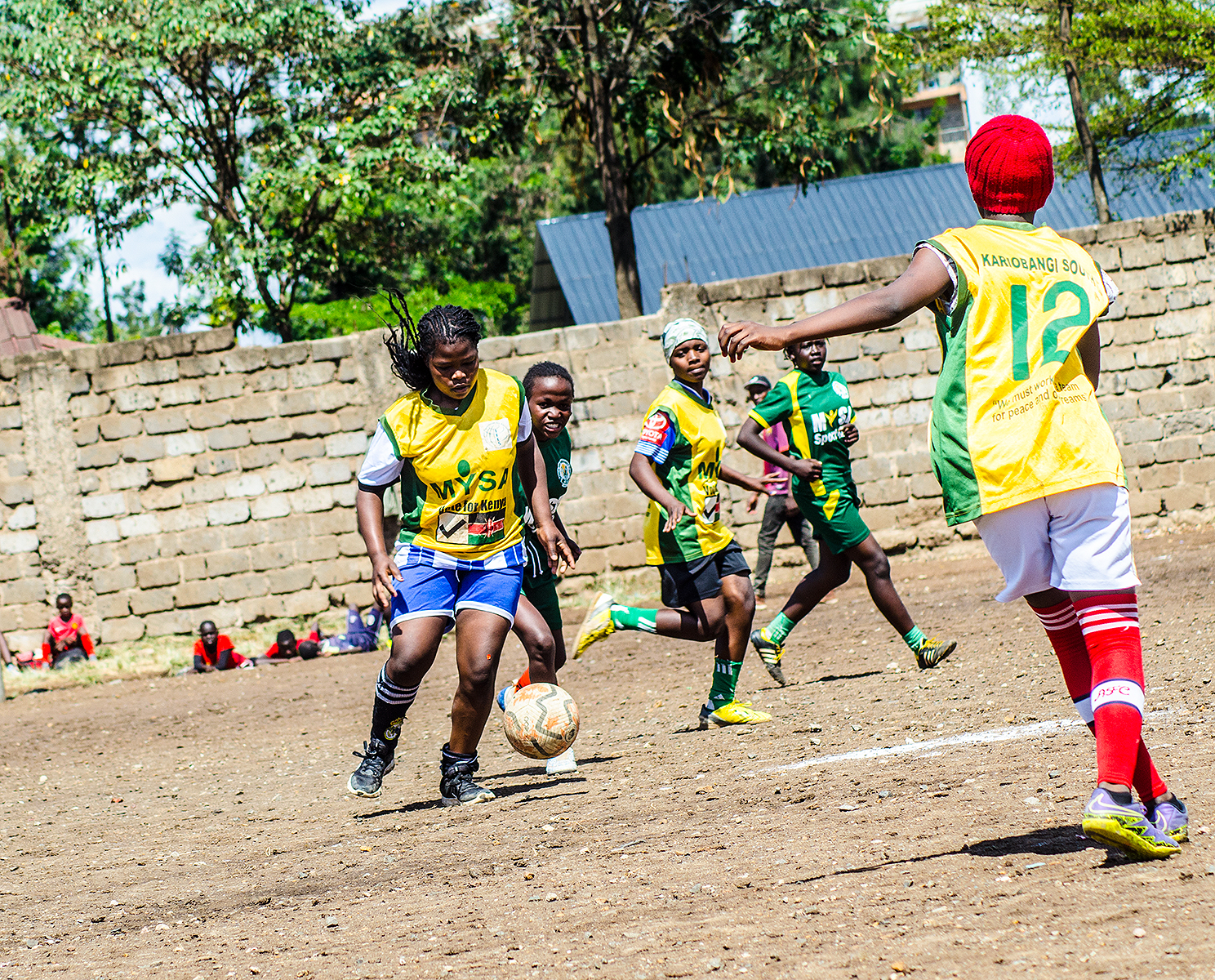
Mathare Youth Sports Association encourages sport as an alternative to risky and anti-social behaviour, offering sufficient structure, discipline and incentive to steer children and young people away from drugs, violence and crime. It runs boys' and girls' football leagues in a safe, inclusive environment and with an emphasis on life skills and values. These leagues serve as an intervention tool to address problems facing the community.

The project's activities include:

  • Football for all league
  • Sports training programmes
  • Life skills workshops
  • Mentorship programmes
  • Community engagement initiatives
  • School outreach campaigns
  • Coach education sessions
  • Gender initiative campaigns
  • Monitoring and evaluation

Partners

Sports development programme

Location and general information

Ongoing
Location South Africa
Start date 01/01/2025
End date 12/31/2025
Cost of the project €166,000
Foundation funding €30,000
Project identifier 2024001091
Partners Grootbos Foundation
Categories Access to Sport - Children with disabilities - Employability - Environmental protection - Gender Equality - Healthy lifestyle - Personal development

Context

Gansbaai, like other semi-rural areas in South Africa, struggles with youth unemployment, resulting in limited opportunities and a pervasive lack of hope among young people.

The situation is compounded by a number of challenges typical of disadvantaged communities: elevated school drop-out rates, poor public transport, gender-based violence, alcoholism, drug use, high levels of depression and other socio-economic pressures.

Project goals

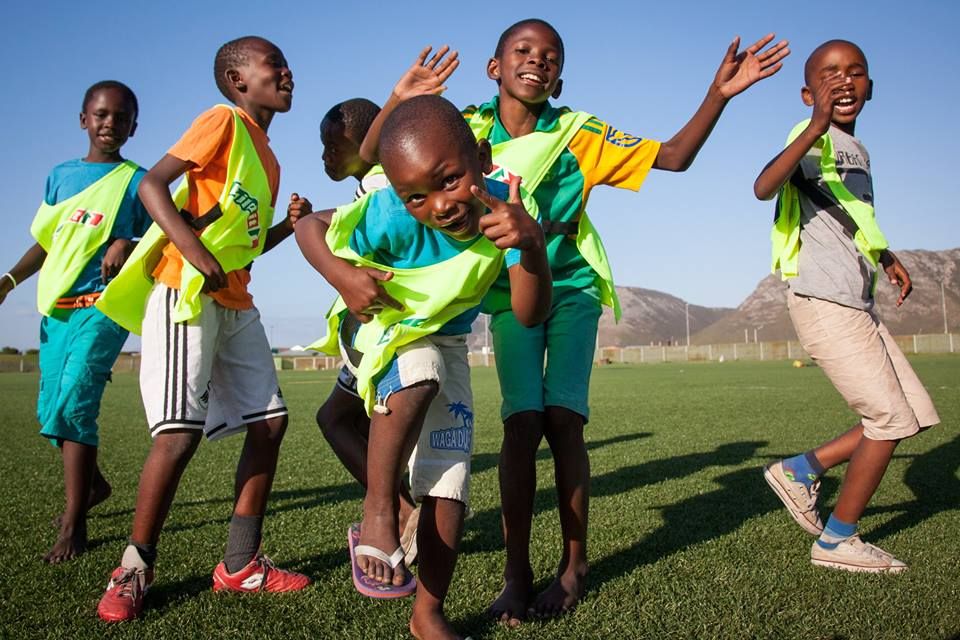
  • Offer an engaging, fun sports programme during and after school to ensure that children and teenagers have a safe place to go, accompanied by trained adult coaches (target: 3,000 children)
  • Teach mental health and coping skills, menstrual health, gender-based violence awareness, HIV/AIDS awareness, wildlife conservation and nutritional health to support the local schools’ educational programmes, giving children hope and encouraging them to persevere with formal education
  • Deliver inclusive programmes to people of all ethnicities, ages, genders and abilities to ensure no one is left behind
  • Ensure awareness of nature and encourage conservation efforts
  • Help young people pursue careers and achieve financial stability to reduce dependence on state aid

Project content

  • In-school programme: physical education projects in 10 schools, and assistance with subject choice and career planning for teenagers
  • After-school multi-sport coaching: football, netball, hockey, girls' rugby, cross-country running, athletics, water safety, surfing, canoeing, gross motor skills for early childhood, adapted games for young people with special needs
  • Four holiday programmes a year
  • Tournaments and competitions
  • Mental health projects using surf therapy
  • Ocean and land conservation programmes
  • Awareness projects that use football to address gender-based violence and HIV/AIDS
  • Menstrual health/sanitary pad project
  • Rising stars project offering elite sporting opportunities
  • Training modules for coaching staff

Partners

Open activities

Location and general information

Ongoing
Location Sweden
Start date 01/01/2025
End date 12/31/2025
Cost of the project €64,942
Foundation funding €13,916
Project identifier 2024000664
Partners En Frisk Generation
Categories Access to Sport - Healthy lifestyle - Personal development

Context

In Sweden, children living in under-resourced urban areas of Stockholm, Gothenburg and Malmö face challenges such as social isolation, physical inactivity and limited access to sport. These issues contribute to health disparities, social exclusion and a lack of community cohesion.

Project goals

En Frisk Generation provides free, inclusive outdoor activities in order to:

  • promote physical health and well-being
  • foster social inclusion and community engagement
  • enhance children’s personal development and teamwork
  • ensure that all children have access to equitable and inclusive sports opportunities
  • build stronger, more connected communities through sport

Project content

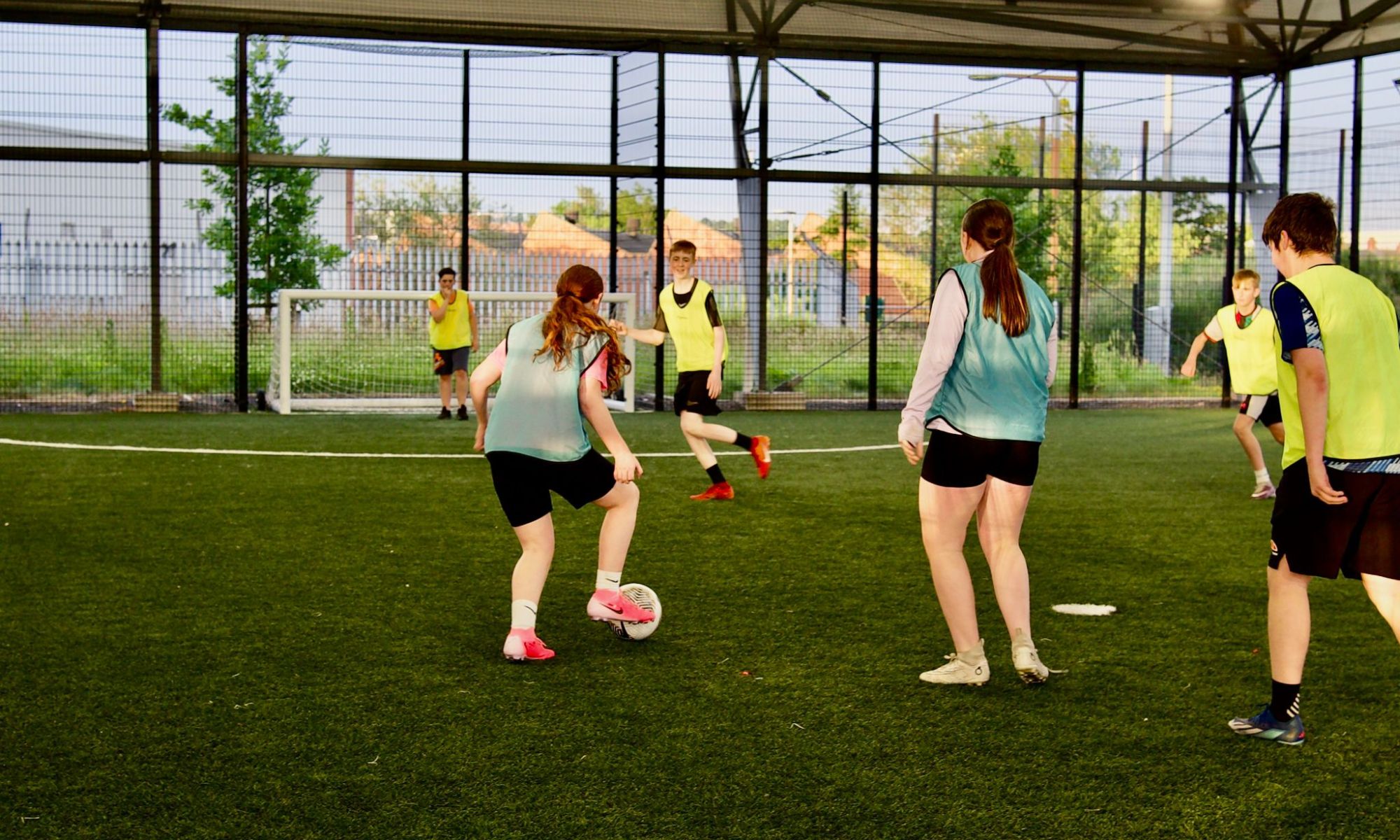
Sessions aimed at children aged 4 to 12 years old are offered on a regular basis in local parks and sports facilities. The sessions include activities such as football and other ball sports, with an emphasis on teamwork and physical fitness, as well as education about healthy lifestyles and nutrition. En Frisk Generation works with numerous local clubs and hopes to engage the community by holding the sessions in public places to encourage spontaneous participation.

Partners

Powering Potential

Location and general information

Closed
Location United Kingdom and Ireland
Start date 01/01/2025
End date 12/19/2025
Cost of the project €182,464
Foundation funding €93,964
Project identifier 2024000177
Partners Rio Ferdinand Foundation
Categories Access to Sport - Employability - Personal development

Context

In the UK and Ireland, many young adults from minority ethnic groups and working-class communities are at a disadvantage in the world of work, despite recent progress among some communities. A collaborative approach aimed at increasing social inclusion and upskilling marginalised young people to enhance their employability is the only way to drive genuine social change.

Project goals

  • Build the transferable skills, confidence, employability and social capital of socially excluded young adults through a football-based programme
  • Provide role models from different communities and backgrounds to inspire and motivate young adults
  • Build a network of brands, employers and community organisations offering upstream opportunities, such as professional mentoring, careers events and pathways
  • Develop a best practice model to attract sustainable mainstream funding for long-term transitional change across target communities

Project content

  • Year-round community-based football activities aimed at building relationships
  • Personal development workshops and soft-skills training
  • Accredited leadership courses, training courses on equality, diversity and inclusion, self-confidence, coaching and digital media
  • Opportunities to connect young adults with relatable role models, mentors and industry insiders
  • Careers events, opportunities and pathways that engage various industries, including cultural and creative sectors, football-specific advertising, media, tech, music and fashion

Partners

Girls Community League: Life Skills Plus

Location and general information

Ongoing
Location Philippines
Start date 02/01/2025
End date 01/31/2026
Cost of the project €127,150
Foundation funding €33,700
Project identifier 2024001198
Partners FundLife International Inc.
Categories Access to Sport - Employability - Gender Equality - Personal development

Context

Nearly 5 million children in the Philippines drop out of school every year, most as a result of poverty, which affects almost 48% of the population in Leyte province. The COVID-19 pandemic exacerbated matters: public schools closed for over 700 days, leaving many students without access to learning resources or support. In 2021, Typhoon Rai further disrupted education by displacing families and destroying schools. As a result, vulnerable young people face significant barriers to completing their education, girls especially. Without targeted support and remedial programmes, many risk being trapped in a cycle of generational poverty and limited opportunities.

Project goals

  • Provide a safe space for girls to play futsal, guided by inspiring female role models. Key: nurturing environment, consistency, regularity
  • Educate girls about how to navigate common challenges such as teenage pregnancies, reproductive health, mental health and online safety. Key: empowerment, mental and emotional well-being
  • Provide practical, hands-on training and guidance to help girls identify opportunities and make informed career choices. Key: employability, confidence

Project content

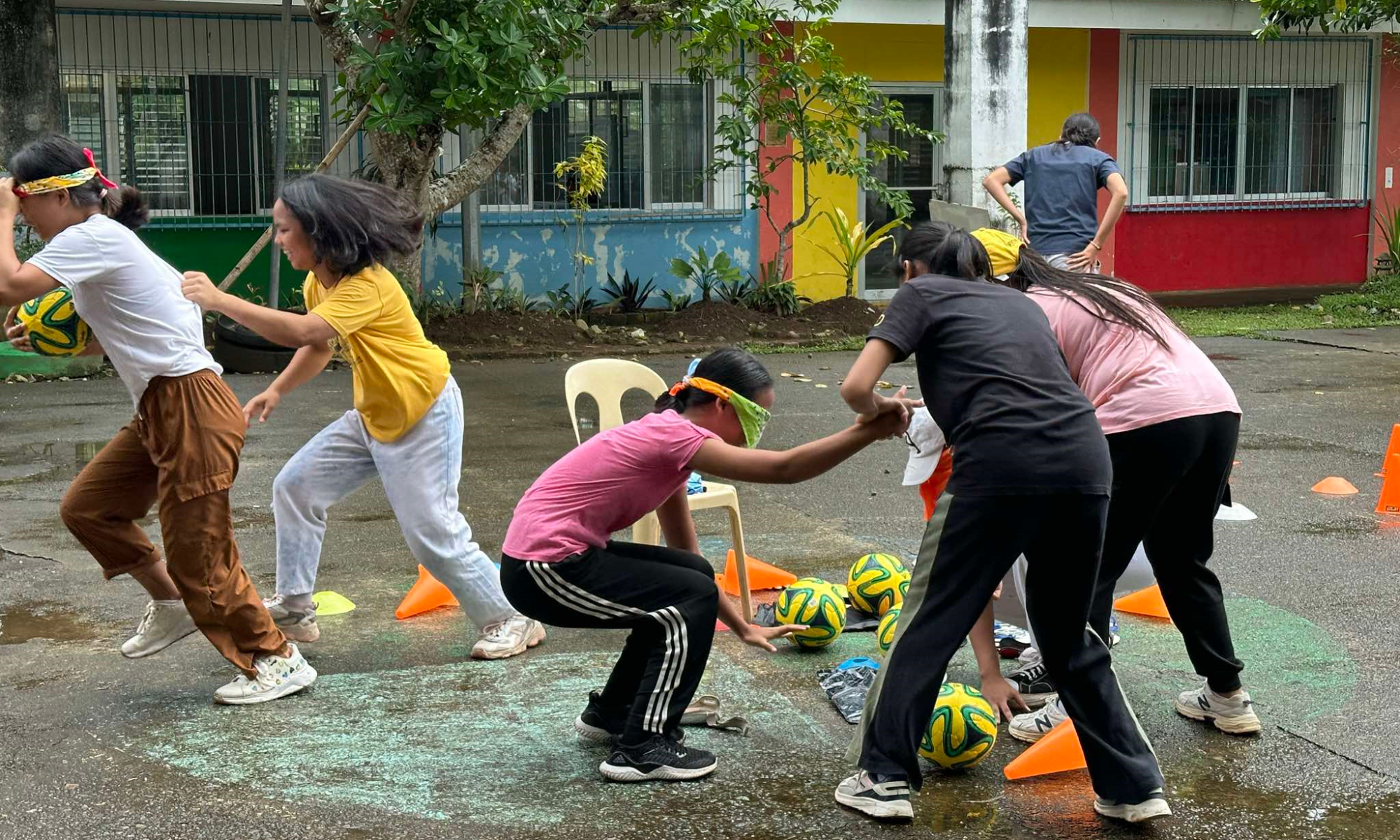
  • Football for development sessions: Fun training sessions for girls Mthat also teach about environmental protection, water, sanitation and hygiene
  • Champion sessions: Interactive discussions with young mentors who inspire girls with stories of accomplished athletes and others
  • Mentorship: Engaging with the girls to develop their critical thinking, creativity and confidence
  • Capacity-building: Training and workshops for local teachers and youth leaders so that they too can deliver sustainable education and support programmes for girls
  • Local league games: Weekly futsal matches that enable girls to develop their technical skills, build networks with peers and practise overcoming psychological and emotional challenges
  • ‘Life skills plus’ sessions: Training in technology, digital skills, business and getting a job

Partners

Getting Opportunities and Learning in Social Studies (GOAL-S)

Location and general information

Ongoing
Location Nepal
Start date 03/01/2025
End date 02/28/2026
Cost of the project €25,250
Foundation funding €25,000
Project identifier 2024000997
Partners Childreach Nepal
Categories Access to Sport - Environmental protection - Gender Equality - Healthy lifestyle - Personal development

Context

The Chepang are among Nepal’s most disadvantaged indigenous groups, classified as 'highly marginalised' based on various socio-economic indicators including population size, literacy rate, housing conditions, land ownership, occupation and access to higher education. Nearly 90% of the Chepang population lives below the poverty line.

A recent study by the District Public Health Office revealed that 45 to 86% of Chepang girls in Makwanpur marry between the ages of 12 and 15 – despite child marriage being outlawed in Nepal since 1963. Poverty, lack of education and awareness, and limited availability of food and opportunities to generate income are considered major contributing factors.

Project goals

Main objectives

  • Empower children to recognise and assert their right to protection from abuse
  • Establish strong collaboration and a unified approach to safeguarding children among parents, schools and communities in Makwanpur District
  • Develop and implement innovative, play-based teaching methods that foster active, immersive learning

Additional objectives

  • Incorporate sport and play in education and ensure that all children have access to structured recreational activities in school to support learning and engagement
  • Design and implement a sports-based curriculum that addresses critical social issues such as child protection, equality and harmful traditions
  • Encourage children to challenge stereotypes and advocate for their rights, fostering a culture of openness and empowerment
  • Raise awareness among parents and communities about child protection using engaging, sports-driven outreach programmes
  • Provide training for teachers and community youth leaders to integrate immersive, play-based techniques into their teaching practices

The GOAL-S project has already achieved positive outcomes, including increased participation, especially among girls, and heightened community awareness of child protection issues.

Project content

  • Weekly sports sessions led by trained youth leaders for approximately 300 children aged 11 to 14
  • Social studies curriculum that delivers key messages on child protection, educates children about their rights and encourages them to discuss what they learn with their parents, caregivers and other family members
  • Tailored games and activities that promote behavioural change to help children assert and claim their rights
  • Active consultation and engagement of teachers to incorporate their expertise and understanding of their students' needs, including a process of co-creation and delivery through which teachers acquire new skills in play-based pedagogy that they can apply in various contexts
  • Capacity development workshops and mentorship for teachers and youth leaders
  • Child protection training for parents and community members, with a view to co-creating a child protection mechanism
  • An annual football festival involving children, parents and community members to raise awareness of children’s rights and abuse prevention

Partners

Kick for Hope

Location and general information

Ongoing
Location Jordan
Start date 01/01/2025
End date 12/31/2025
Cost of the project €400,000
Foundation funding €175,000
Project identifier 2024000682
Partners Association Football Development Programme (AFDP) Global
Categories Access to Sport - Conflict victims - Gender Equality - Healthy lifestyle - Infrastructure and equipment - Personal development - Strengthening partnerships

Context

Relative to population size, Jordan hosts the second highest number of refugees in the world, including 706,100 registered Syrian refugees (approximately 7% of the population). Unregistered numbers are much higher, estimated at more than 1.5 million or 20% of the population. Over half (51%) are children, and over 80% are surviving below the poverty line.

The Zaatari and Azraq refugee camps have been hosting Syrian refugees since 2011 who have never returned to their homeland. Overcrowding and a shortage of resources in the camps limit the recreational activities and safe spaces available for children to play and socialise. The absence of structured activities can result in boredom, frustration and behavioural issues, which further hinder children and young adults’ emotional and psychological well-being and development.

Project goals

  • Build the capacity of Syrian coaches and create opportunities for employment
  • Provide children with access to safe spaces to enjoy football and other sports activities
  • Promote life skills through sport
  • Create professional development and competitive opportunities for young refugees
  • Create football clubs in the camps
  • Enter Syrian refugee teams in the local U13 boys’ and U14 girls’ grassroots football leagues and the Jordan Judo League

Project content

  • Selection of Syrian youth coaches and administrators
  • In-person training for coaches, coordinators and admin teams
  • Ongoing football and other sports activities for children and young adults
  • Football leagues for all age groups
  • Judo and table tennis activities, and Zumba classes for girls

Partners

Football for All

Location and general information

Ongoing
Location Lebanon
Start date 01/01/2025
End date 12/31/2025
Cost of the project €95,000
Foundation funding €63,000
Project identifier 2024000427
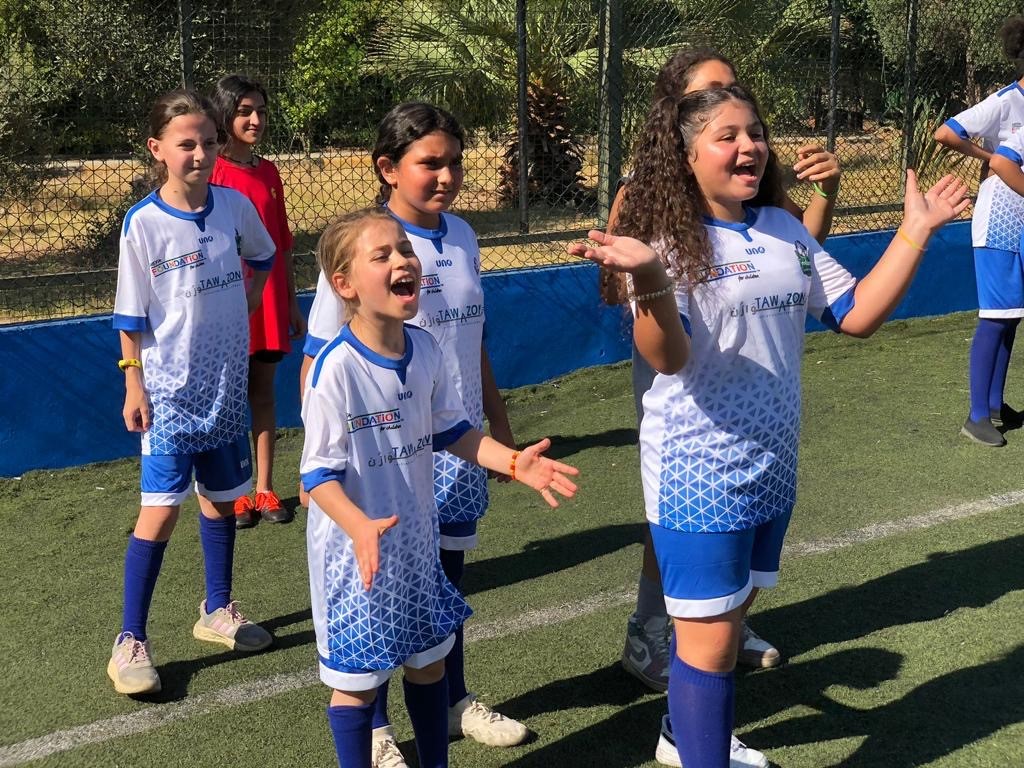
Partners Tawazon
Categories Access to Sport - Gender Equality - Healthy lifestyle - Personal development

Context

The Football for All project helps Lebanese children by providing them with access to football training centres. Lebanese children have been adversely affected by a succession of economic, health, social and political crises that have impacted the country since October 2019. Their precarious situation was exacerbated by the huge explosion at a Beirut port in August 2020. This summer, they experienced the horrors of war.

Project goals

  • Create safe spaces where young people can play football
  • Give children from disadvantaged areas access to structured football coaching so that they can spend their free time on the pitch instead of falling victim to the dangers and vices that surround them
  • Teach children football skills and instil in them its core values (working together, team spirit, fair play, mutual aid and community) while shielding them from political, religious and sectarian conflicts
  • Promote the personal development and social integration of the country’s young people and help them to fill their after-school time

Project content

Football: getting started, progressing or perfecting their technique, depending on the participant's level.

Partners

Génération Sportive

Location and general information

Ongoing
Location Morocco, Tunisia and Libya
Start date 01/02/2025
End date 12/31/2025
Cost of the project €260,247
Foundation funding €150,000
Project identifier 2024000931
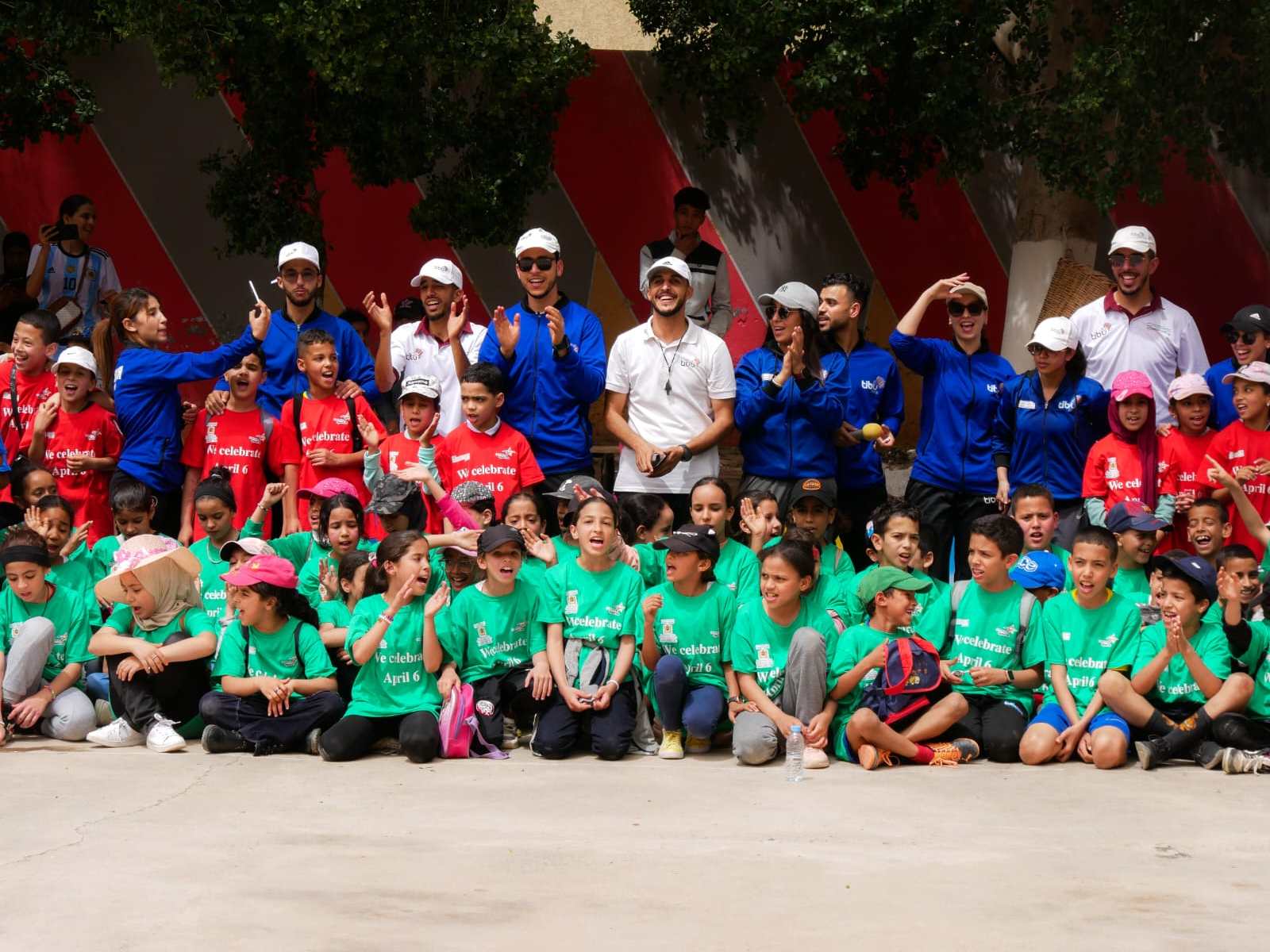
Partners Tibu Morocco
Categories Access to Sport - Gender Equality - Healthy lifestyle - Personal development - Strengthening partnerships

Context

For children in Morocco, Tunisia and Libya, access to physical education is limited, the school dropout rate is high and the economic situation is far from easy. Moreover, in Libya and Tunisia, their lives are made even harder by war and instability.

Lack of access to sport and physical education is detrimental to children’s physical and mental health, and it limits their personal development. This can lead to young people taking risks, including illegal migration.

Project goals

  • Improve children’s physical and mental health by integrating sport and physical exercise into the school syllabus of 20 primary schools, encouraging 12,000 children to exercise regularly
  • Create jobs for young adults to foster their social and economic inclusion
  • Promote gender equality
  • Reduce the school dropout rate by creating a more stimulating and inclusive school environment
  • Offer an alternative to illegal migration by creating jobs for local people and opportunities for economic inclusion

Project content

  • Supervised sports sessions in primary schools featuring activities designed to improve children’s motor skills, coordination and self-esteem
  • Health and well-being workshops teaching young people about nutrition, hygiene and healthy lifestyles
  • Promoting gender equality through the equal participation of boys and girls
  • Training and employing 20 young adults as sports activity leaders
  • Annual national tours delivering sports and educational activities in schools across each country, including in rural areas, with the participation of 9,200 children as well as their parents and teachers
  • Engaging parents, teachers and the local community to ensure the programme’s sustainability

Partners