

Location and general information
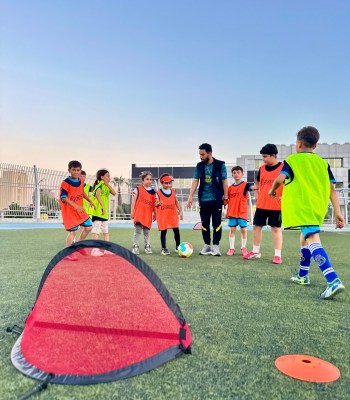
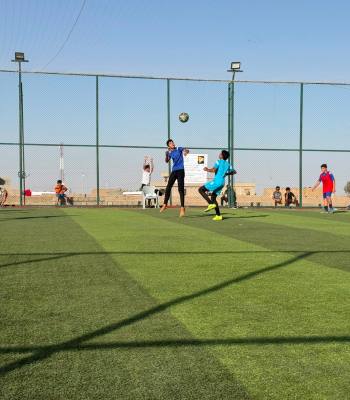
 Access to Sport -
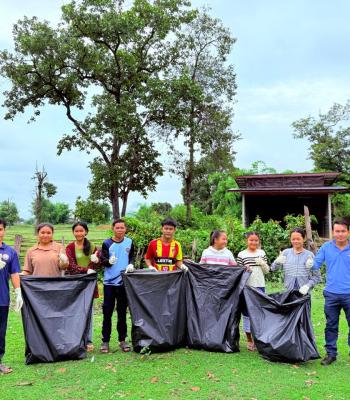
  Environmental protection -
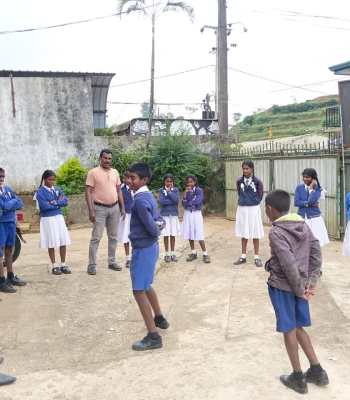
  Personal development
Context
Located in the middle of the Indian Ocean, the Republic of the Maldives is composed of approximately 1,200 islands – of which only 187 are inhabited – scattered over roughly 90,000m2. Recognised by the UN as a Small Island Developing State, the Maldives are characterised by their limited land area, remoteness, limited and unevenly distributed resources, and heightened vulnerability to global environmental challenges, including the impacts of climate change, and potentially more frequent and intense natural disasters.
Plastic pollution is one of numerous threats to coral reefs. Despite nationwide bans on single-use plastics, washed-ashore debris results in almost 3 items of litter per square metre. Cigarettes and plastic food wrappers are the most commonly found items.
Project goals
Equip local trainers to lead marine conservation and socio-educational football activities that:
- promote a culture of environmental care and responsible management of natural resources (SDGs 13 and 14);
- develop children’s personalities through sport and football and encourage healthy lifestyles, good health and well-being (SDG 3);
- foster early engagement in conservation to help children become environmental ambassadors and the new guardians of the reef, using a experiential, place-based education (SDG 4);
- address plastic pollution by assigning each child a 25m2 portion of the beach – and later of the reef – that they are responsible for keeping clean.
Project content
A team of researchers from the MaRHE Center of the University of Milano-Bicocca and professionals from Inter Campus, the social arm of FC Internazionale Milano, will organise two five-day clinics for selected trainers. The clinics – a combination of theoretical lectures and practical activities – will equip the trainers for their work with children throughout the year, in relation to both marine conservation (coral reef ecology and biodiversity, climate change, human impacts, threats, plastic pollution and citizen science) and football training (socio-educational approach to build and manage children’s resilience and life skills through sport).
Practical sessions will include training simulations and real sessions with the children, run by trainers and supervised by the organisers. These will include football and beach games and beach clean-ups, slowly moving towards the reef to increase children’s confidence in this marine environment and promote stewardship.
The project will be evaluated on a regular basis, using questionnaires to track effectiveness over time, in terms of the children’s development and their environmental awareness.
Partner