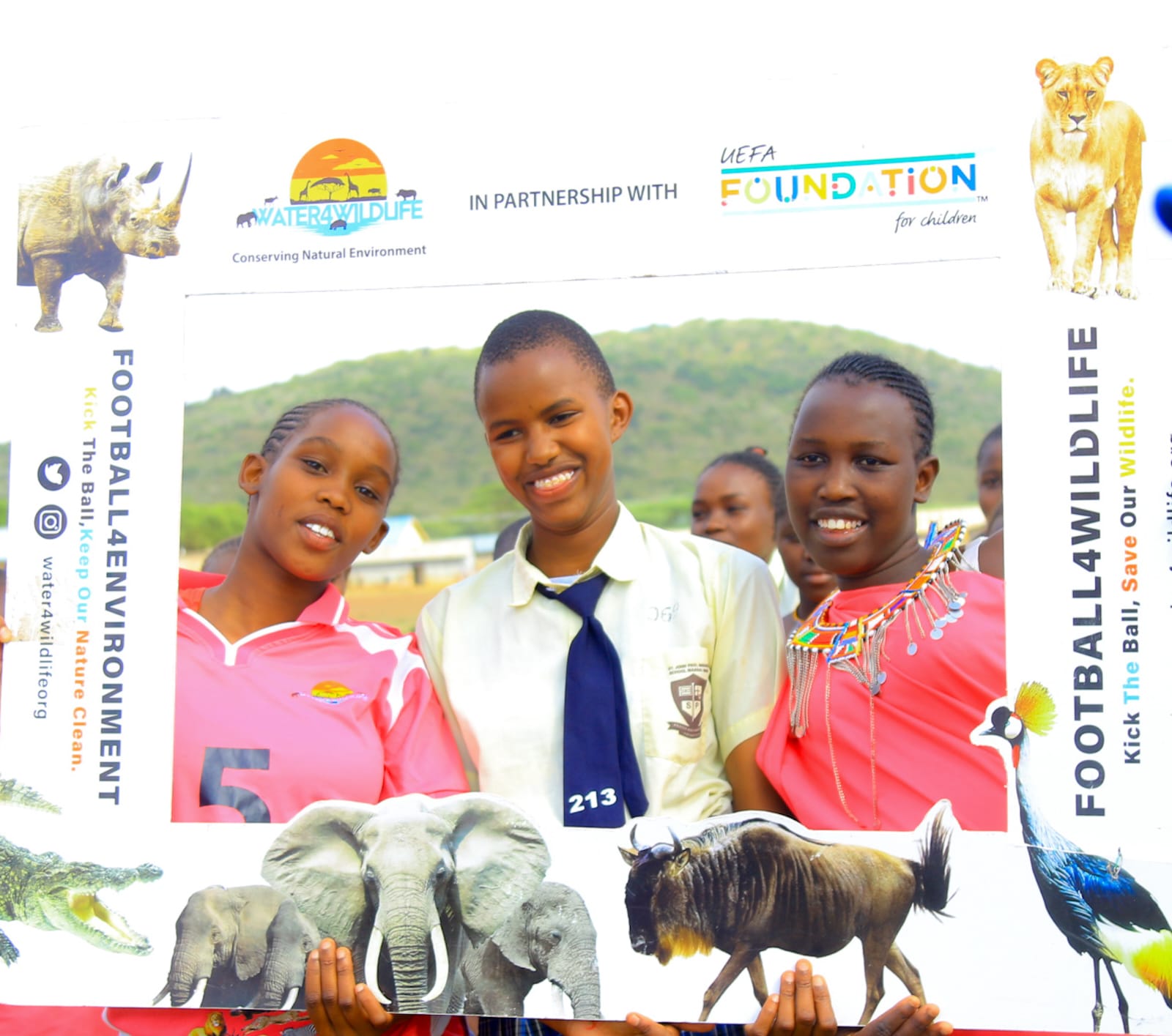


Water4Wildlife in the Maasai Mara Reserve
A foundation rooted in conservation and community
The Maasai Mara National Reserve in Kenya, about 250km from Nairobi, is home to the Water4Wildlife Foundation, registered in 2019 by Christine Cherop de Harder, a Kenyan woman deeply committed to protecting ecosystems, wildlife and the natural environment.
The organisation’s mission is clear: to protect wildlife and their habitats while inspiring children and young people – through football – to become future wildlife conservationists.
Water4Wildlife combines two powerful pillars:
- Ecosystem conservation – protecting wildlife and the environment, creating separate waterpoints for humans and wild animals
- Football – using the most loved and followed sport in the region to educate children at an early age to cherish and protect their environment and support conservation efforts.
For the past five years, Water4Wildlife has proudly partnered with the UEFA Foundation for Children, working together on:
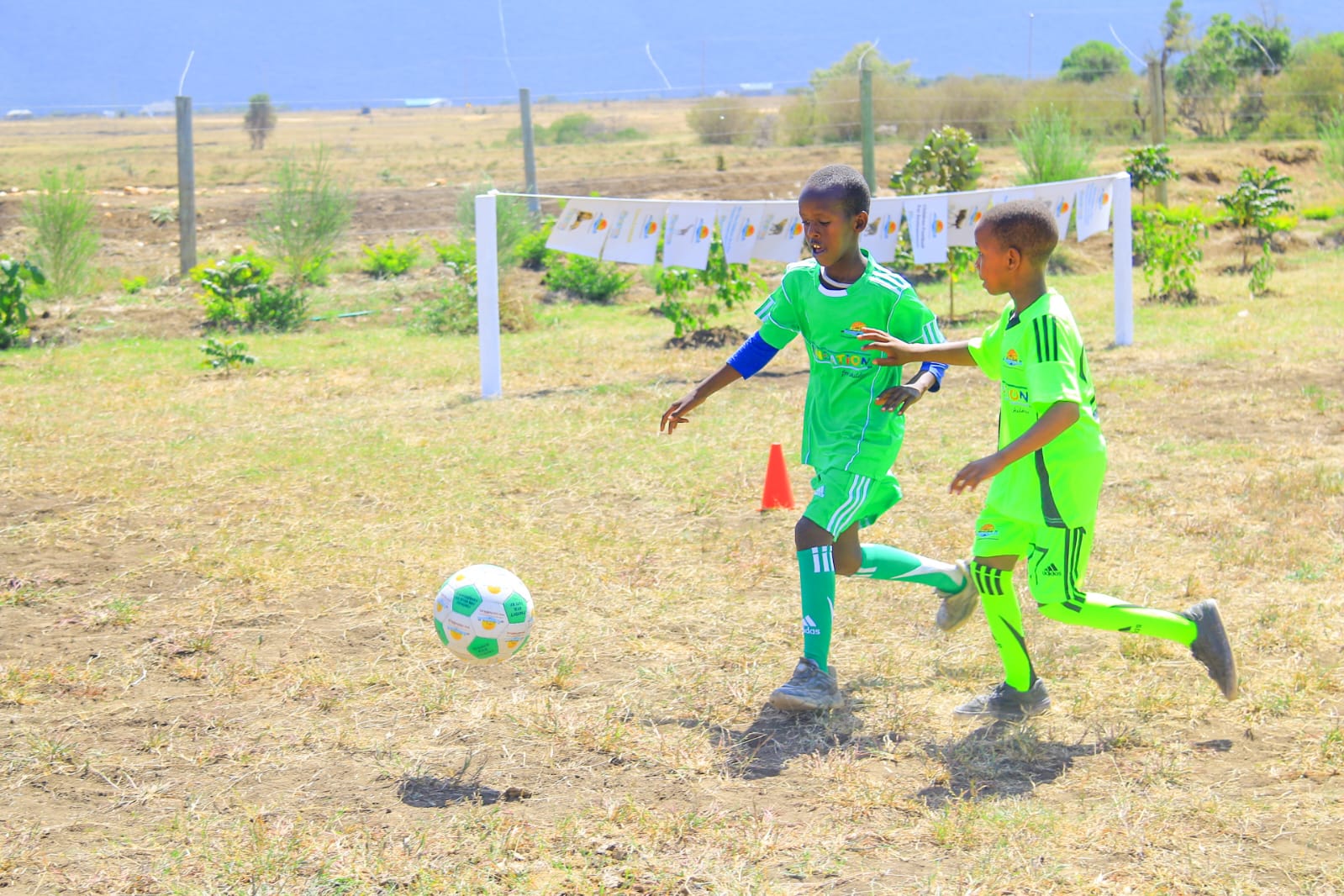
- Distribution of football kits
- Construction of football pitches at Ilkimatare and Ngosuani primary schools
- Construction of a fully equipped girls’ club
Safe access to clean water
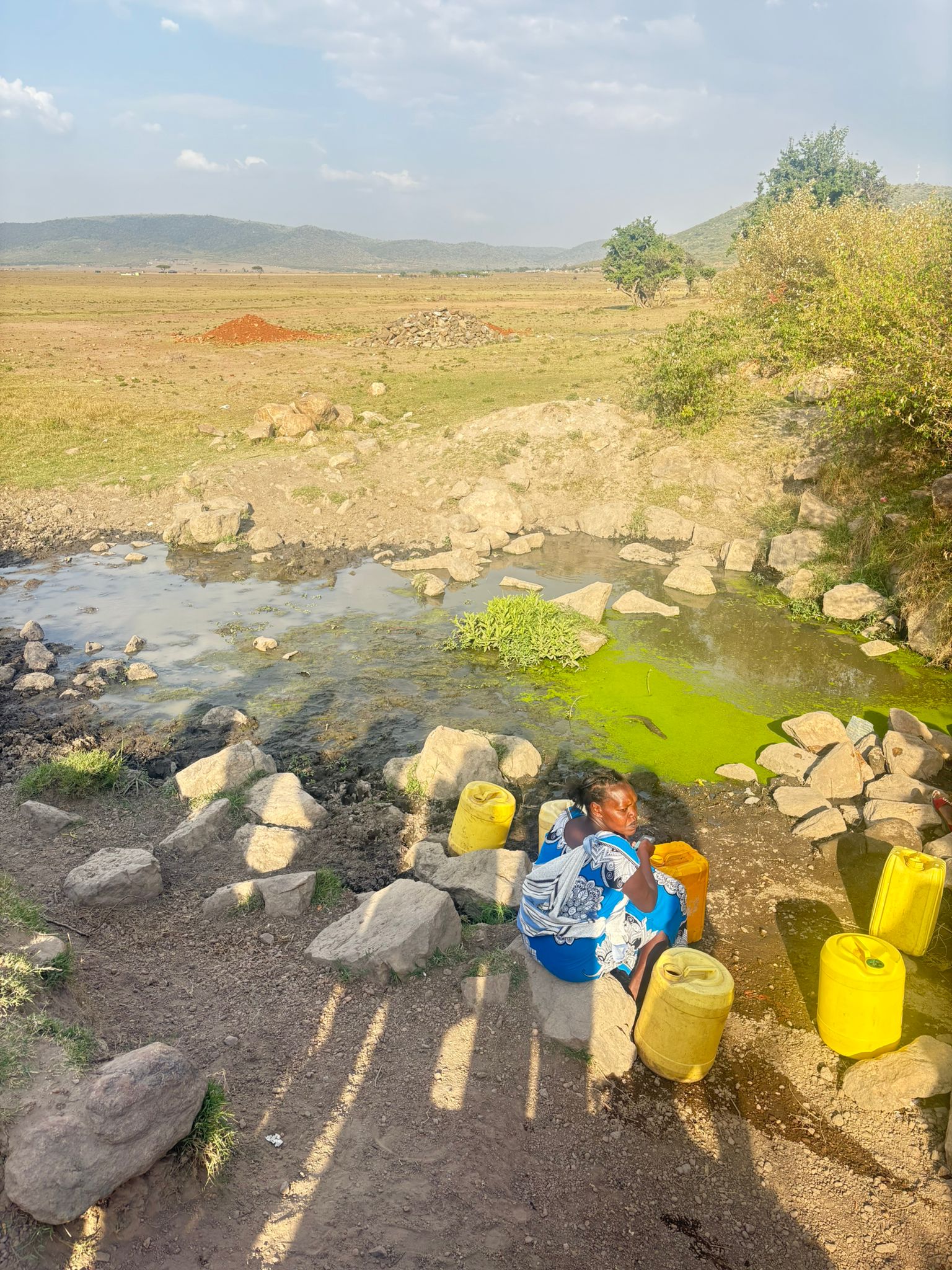
Near the Water4Wildlife campus lies a small Maasai settlement of manyattas where ancestral traditions remain strong. Women here play a central role. They build the manyattas (traditional Maasai homes), fetch water for drinking, cooking and washing, prepare fire using wood and flint and ensure the well-being of their families.
Stephan Parmuat, the elder of the community, explains the transformation the community has experienced:
“Before the sun rose each morning, our journey began. Women walked long distances to reach the only water source we knew. The path was long, and when we finally arrived, they often found wild animals – zebras, buffaloes, even elephants – were drinking from the same place. The water was dirty, full of germs. That caused our children to catch diseases such as typhoid and cholera. But it was the only water we had.
Then everything changed.
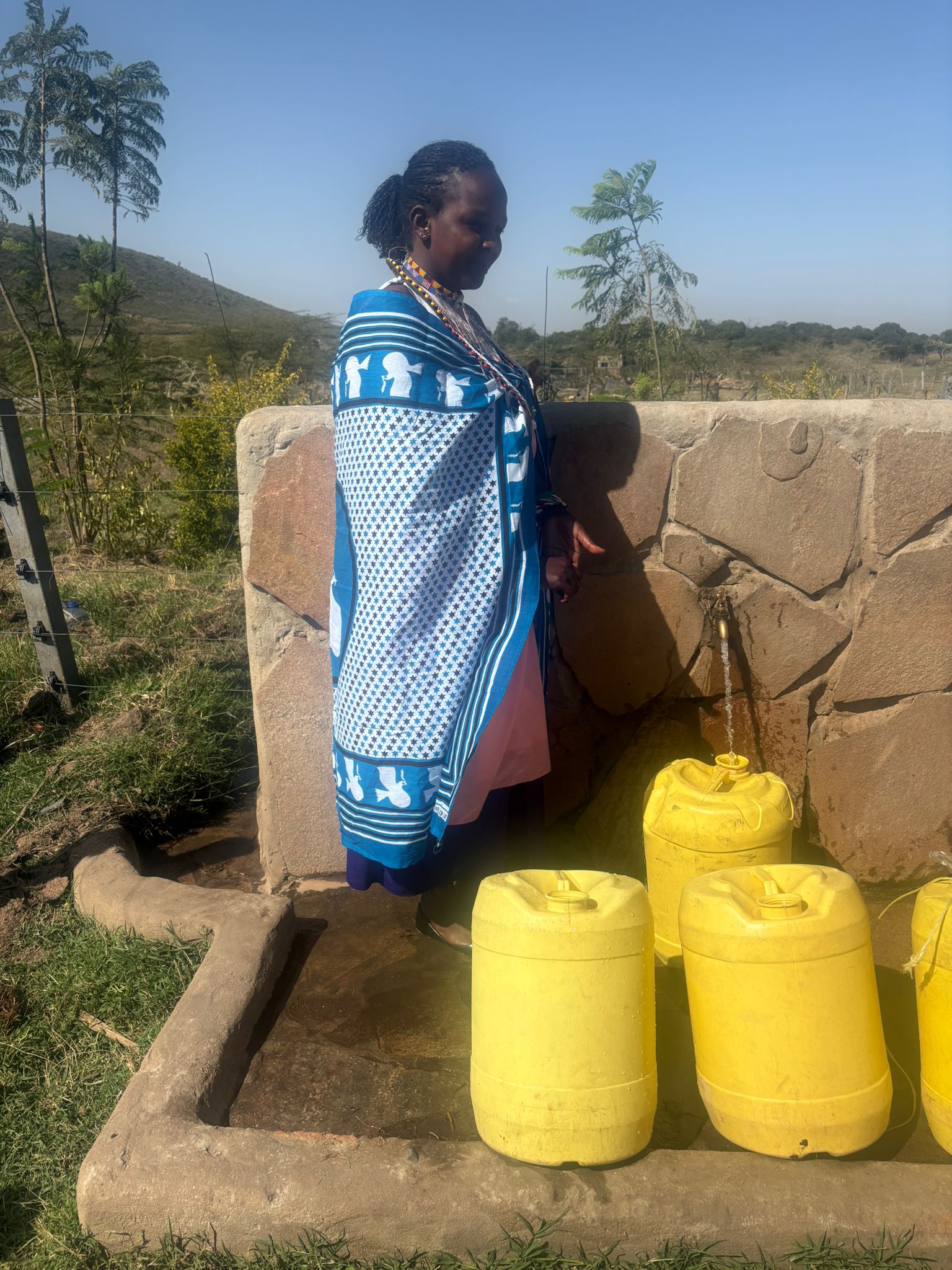
Water4Wildlife brought hope to the community. After identifying a clean water source next to the mountain, the foundation built a system to pump safe water next to the village. The water was clear, fresh, safe and easy to reach. For the community, it was life‑changing.”
Christine Cherop de Harder added:
“The Maasai Mara is vast and dry. Humans and wildlife often share the same water sources, leading to conflicts. Water4Wildlife’s goal is to create as many separate water points as possible so that communities have safe access to water, wildlife can drink without coming into dangerous contact with people, children can spend more time learning and playing than fetching water, and women, who benefit perhaps the most, save hours each day and avoid dangerous encounters with wild animals.”
Rangers: Protectors of wildlife
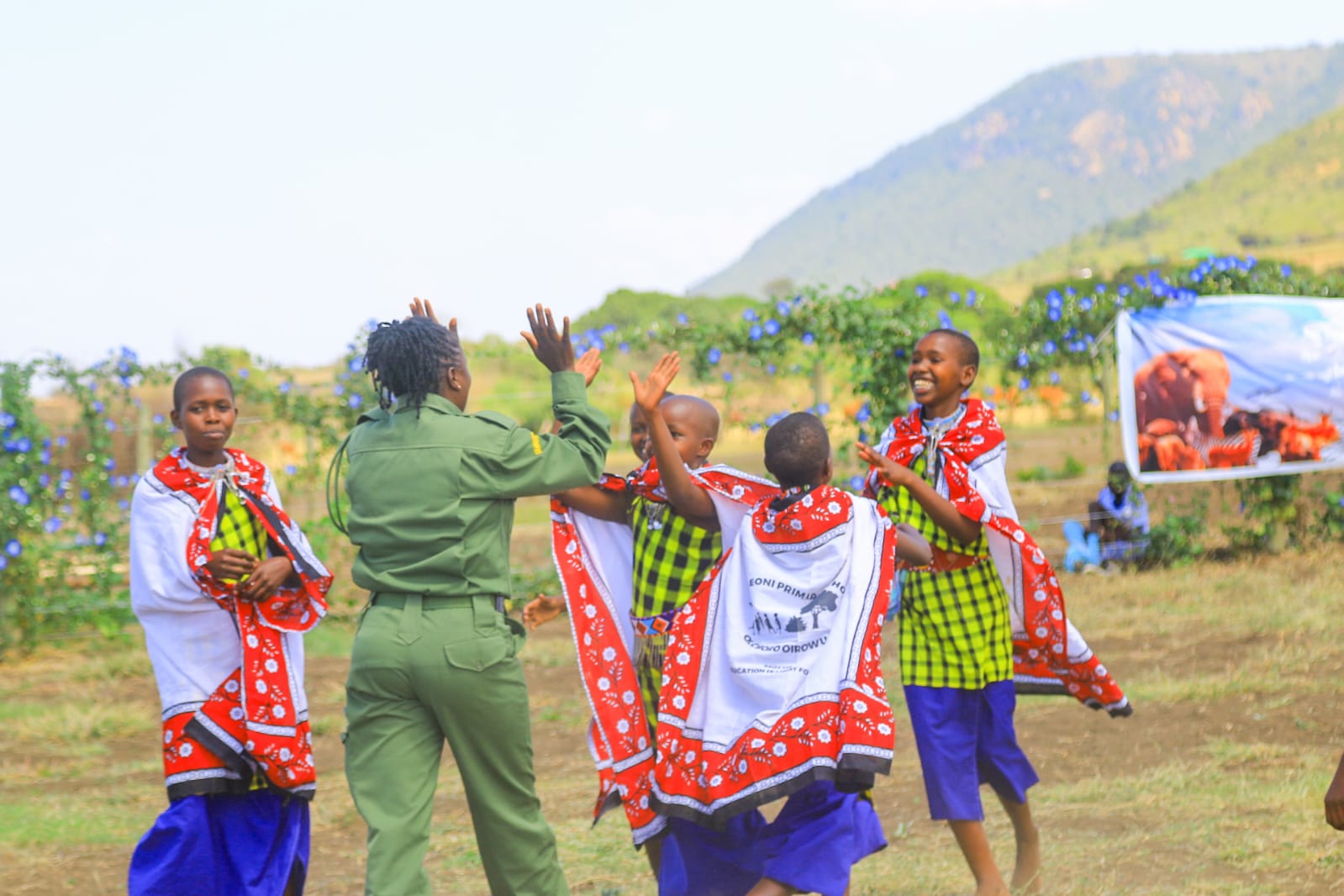
On our visit, we met children from three different local schools benefiting from the football kit donated by the UEFA Foundation. Some rangers joined too, to play football with the pupils and teach them about wildlife conservation and how to behave in the presence of wild animals, so they can better understand and protect them.
Local wildlife rangers play a vital role in educating children about conservation. Every day, they ensure the safety of animals in the conservancy.
“If an animal is sick, we give first aid,” one ranger explains. “We also monitor for unusual movements or signs of poachers.”
Suzanne, a ranger and conservation advocate, adds:
“It is important to transfer our knowledge to the younger generations. This ensures the continuity of wildlife conservation in our reserve. We take care of a pair of rhinos – Kofi Annan and Queen Elizabeth – who are the pride of our reserve.”
From water to football: A vision for education
The initial focus was on water for wildlife, but Christine soon realised the community was suffering too, so she expanded the project to include water points for people and educational activities for children.
Football quickly became a powerful tool.
“It is the most popular and loved sport here,” Christine says. “Boys and girls play equally. So, I gave them a ball, and after playing, we began to talk about wildlife conservation.”
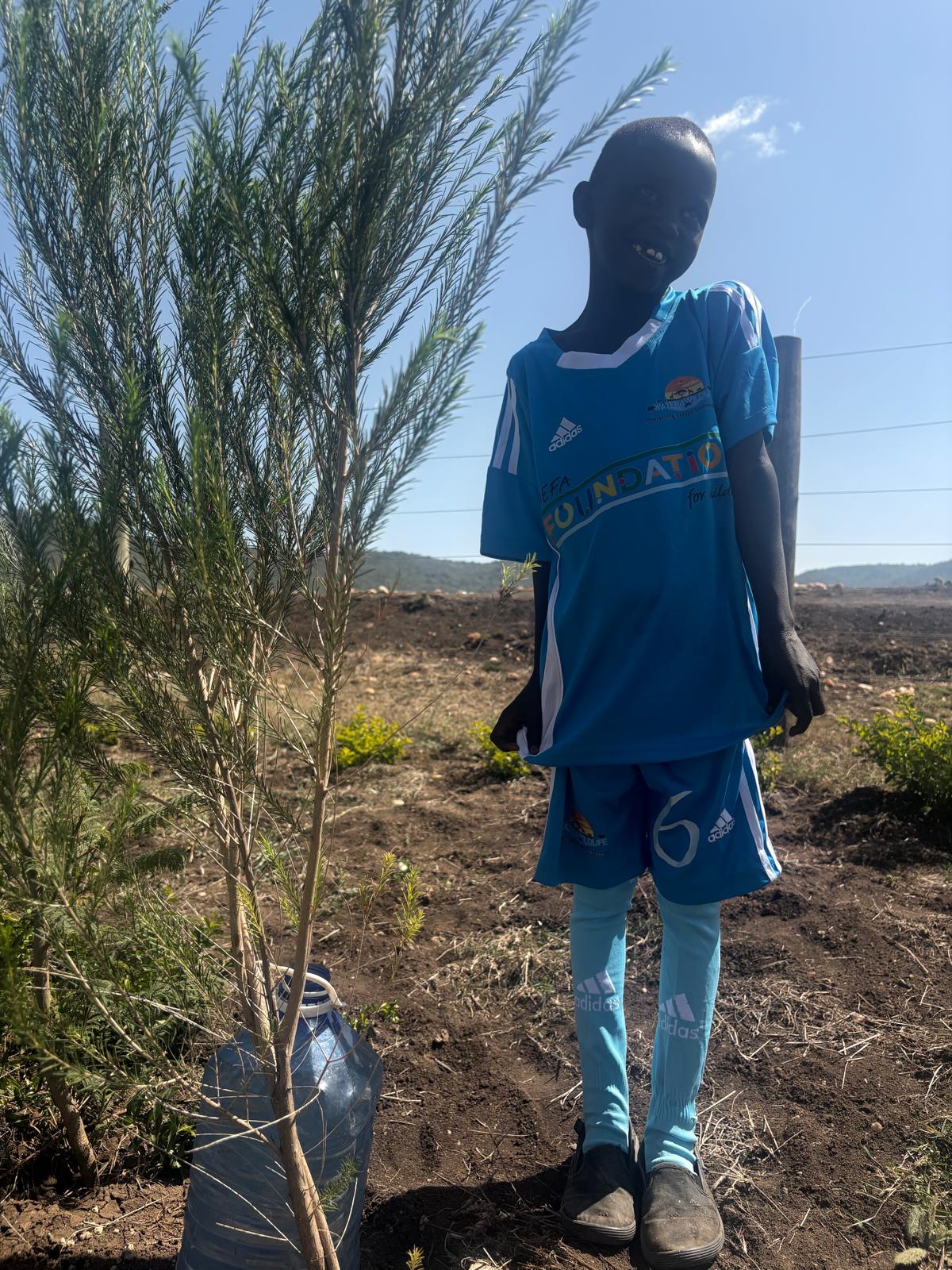
This is how programmes like Football4Wildlife, Football4Trees and Football4Environment were born.
They began in schools, but the dream soon grew. Christine wanted a safe space where children, especially girls, could gather. This led to the creation of the girls’ club: a place where Maasai parents know their daughters are safe, supported and inspired.

Thinking about the future, Christine hopes the girls’ club will empower girls to take on leading positions in the field, where more women are needed as vets, drivers, rangers and conservationists.
Girls have little life outside school and domestic work. This club will give them freedom, confidence and a future.”
St John Paul II Mission Boarding Primary School
We received a warm welcome from the teachers and the 700 students, from first to eighth grades. We also connected with their girls’ football team, who thanked the UEFA Foundation for helping them defend their rights through football.
The girls’ club plays an essential role: it gives girls the opportunity to meet mentors to discuss their rights, to develop their skills and talents, to preserve their cultural heritage through recycling waste, nature protection, and to enjoy regular football practice.