Spirit of Football: Creating community, building confidence

Spirit of Football: Creating community, building confidence

UEFA Foundation partner harnesses power of football to promote inclusion, create life-changing opportunities and bring joy to disadvantaged people across the world.

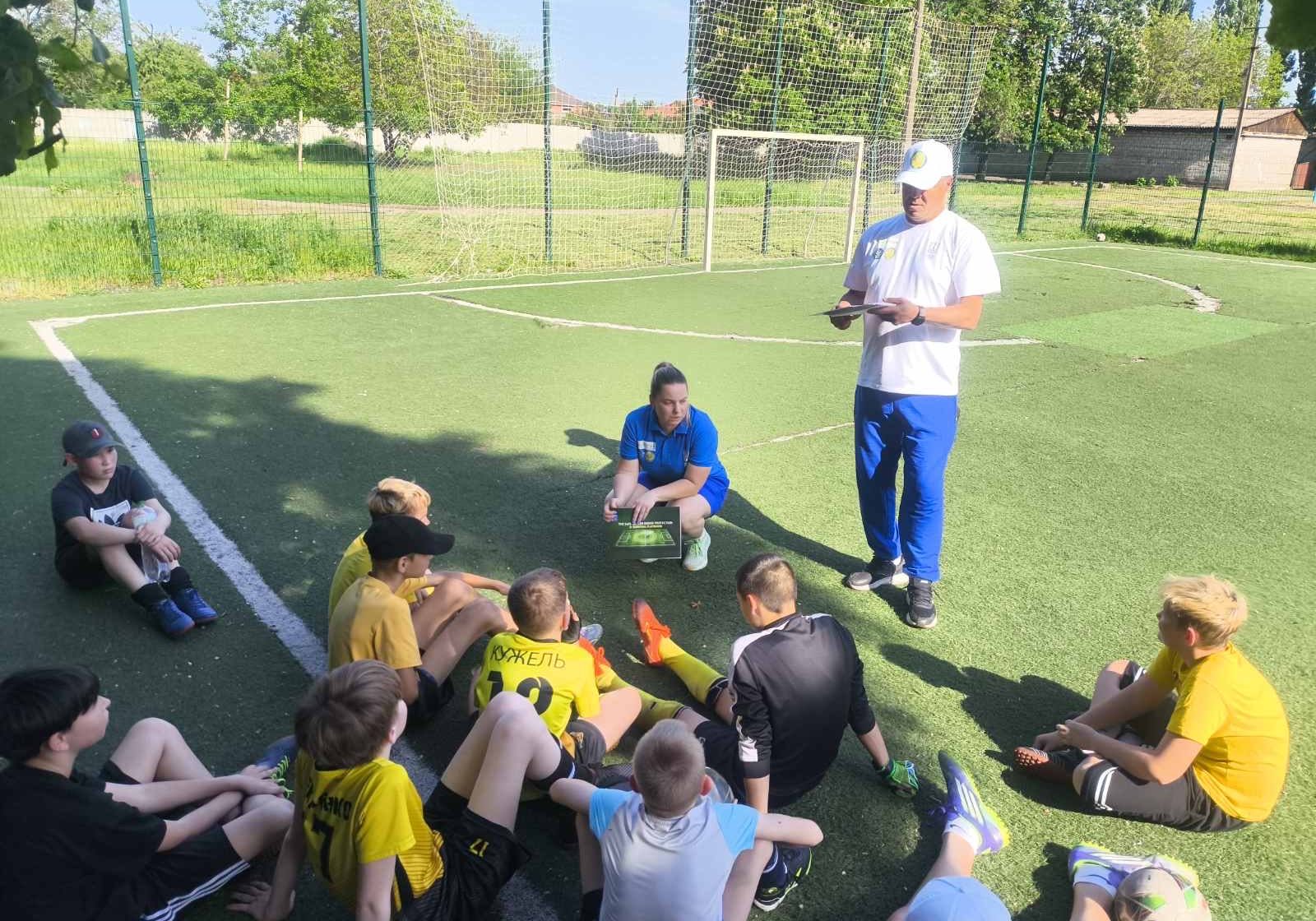
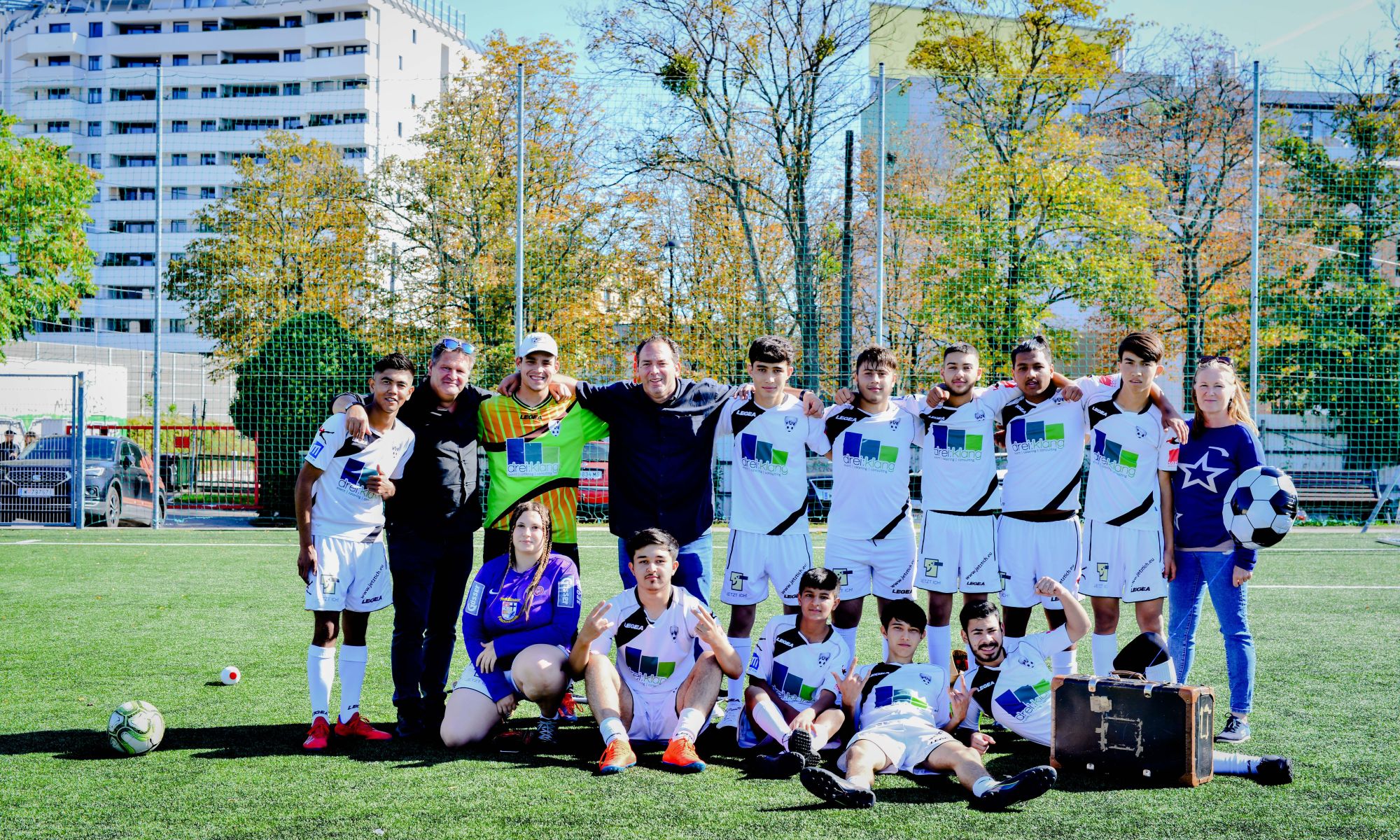
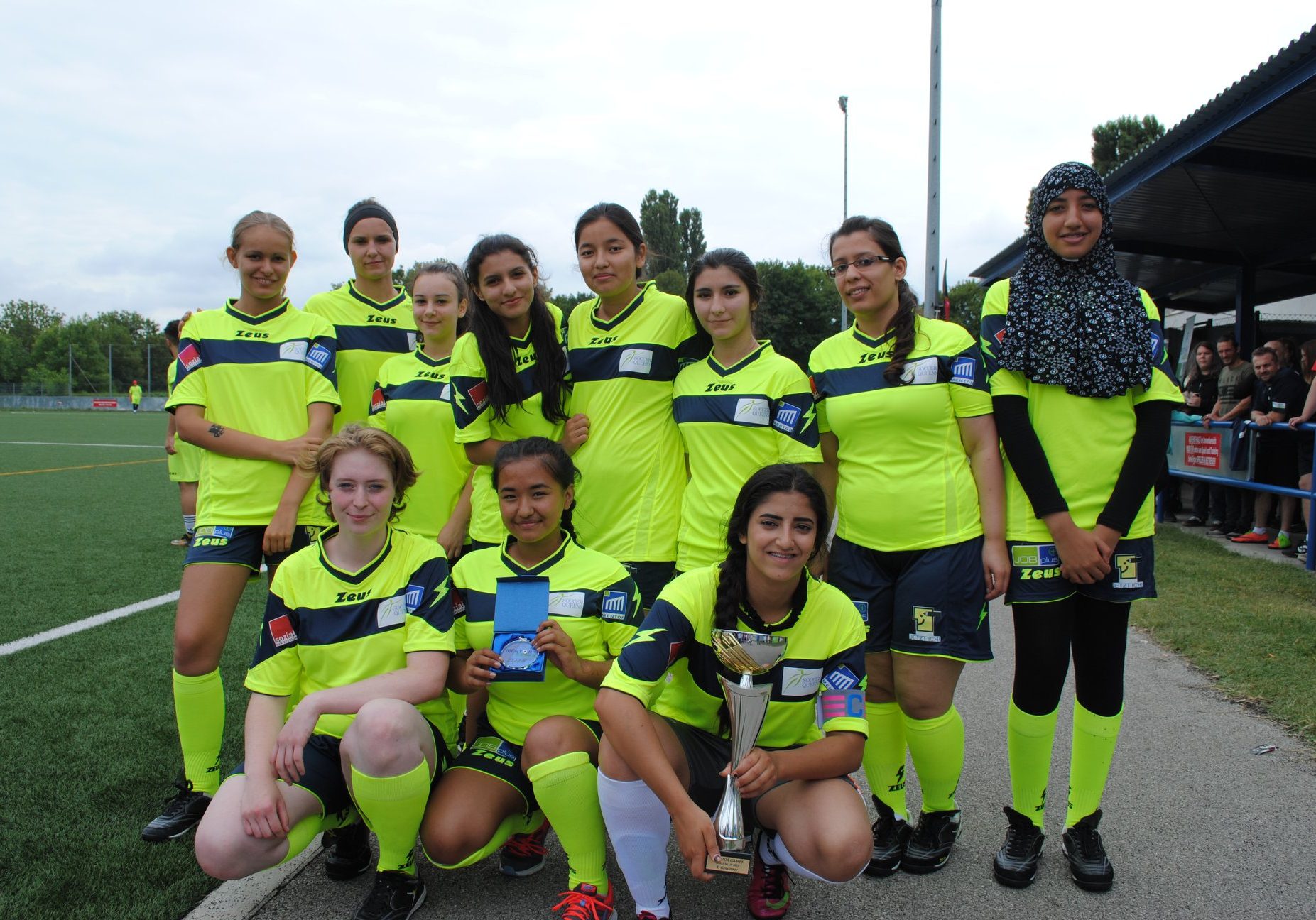
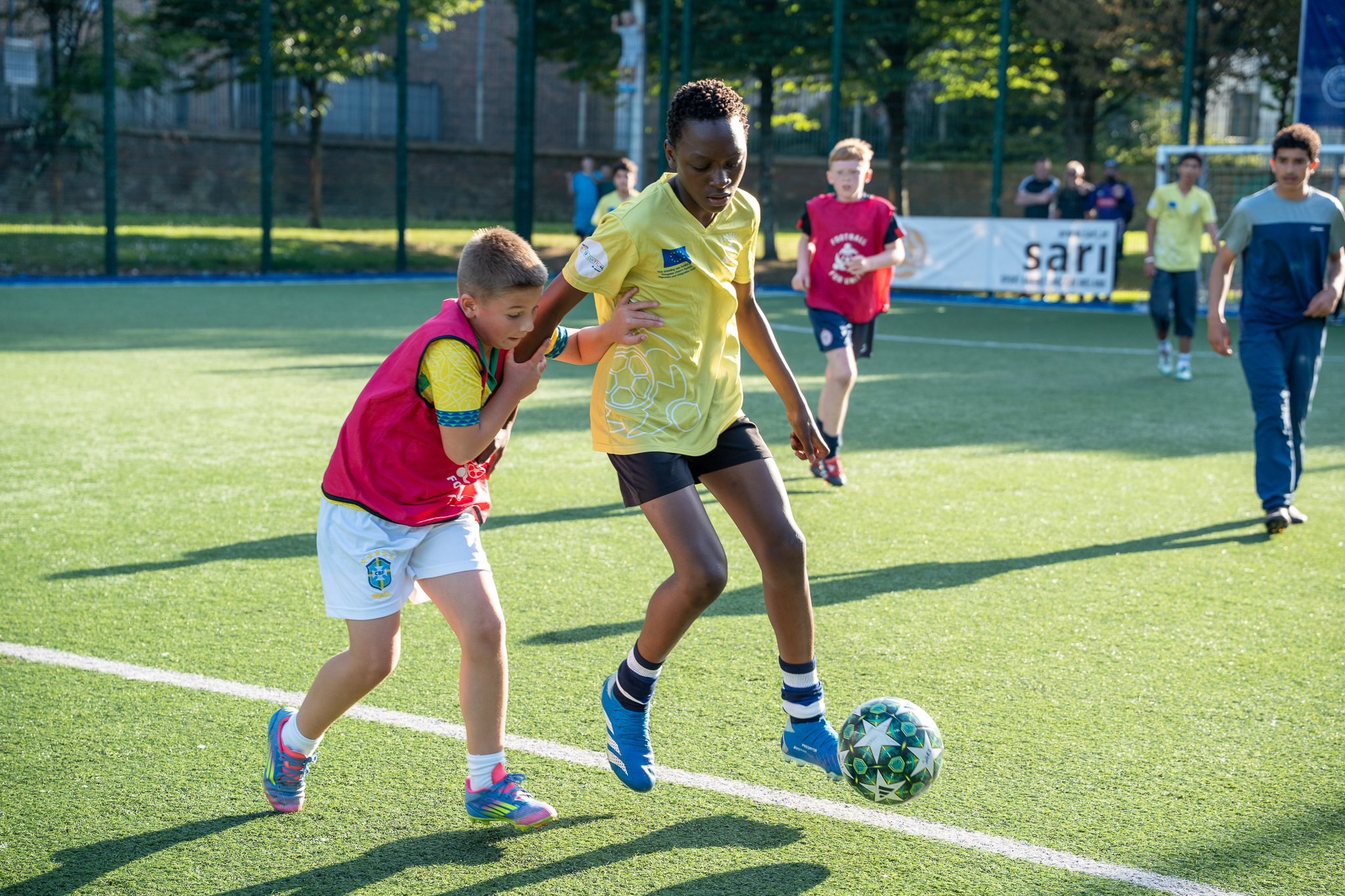
One Ball, One World. That’s the philosophy behind non-profit organisation Spirit of Football, which uses the power of the global game to foster diversity, respect and teamwork across Germany, England and Brazil.

By organising football and cultural activities for migrants and refugees, disabled people and people from disadvantaged backgrounds, Spirit of Football works to combat prejudice and provide a community for those who need it.

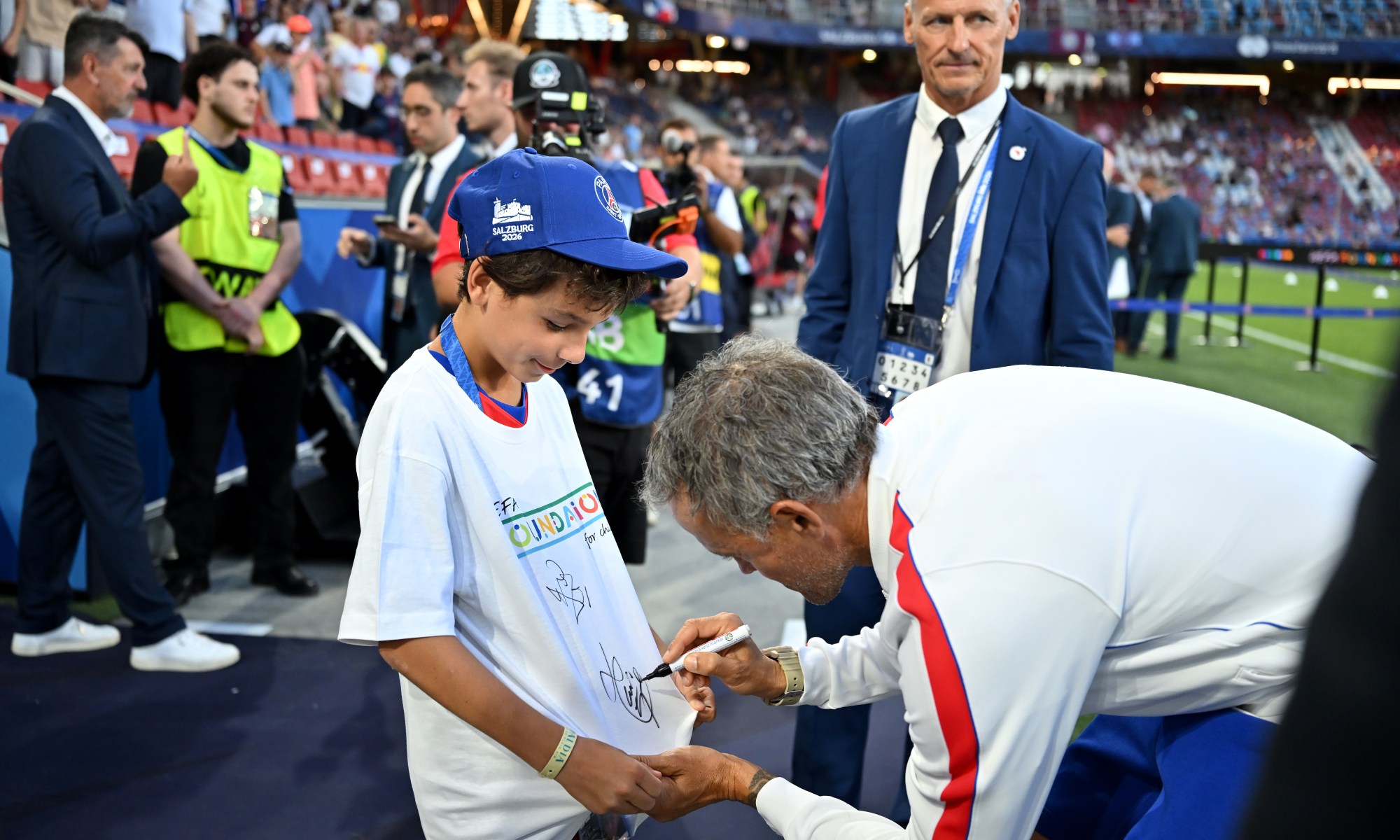
“Every trip, every excursion is not only a growth in terms of football – they love seeing football – but in terms of learning to spend time with other people,” project coordinator Joaquin Ñáñez explained ahead of the UEFA Conference League final in Leipzig, Germany, where the UEFA Foundation gave 50 children supported by Spirit of Football the chance to watch Crystal Palace’s 1-0 victory over Rayo Vallecano.

2026-Unified Conference League Final-Kai_Eisentraut.002
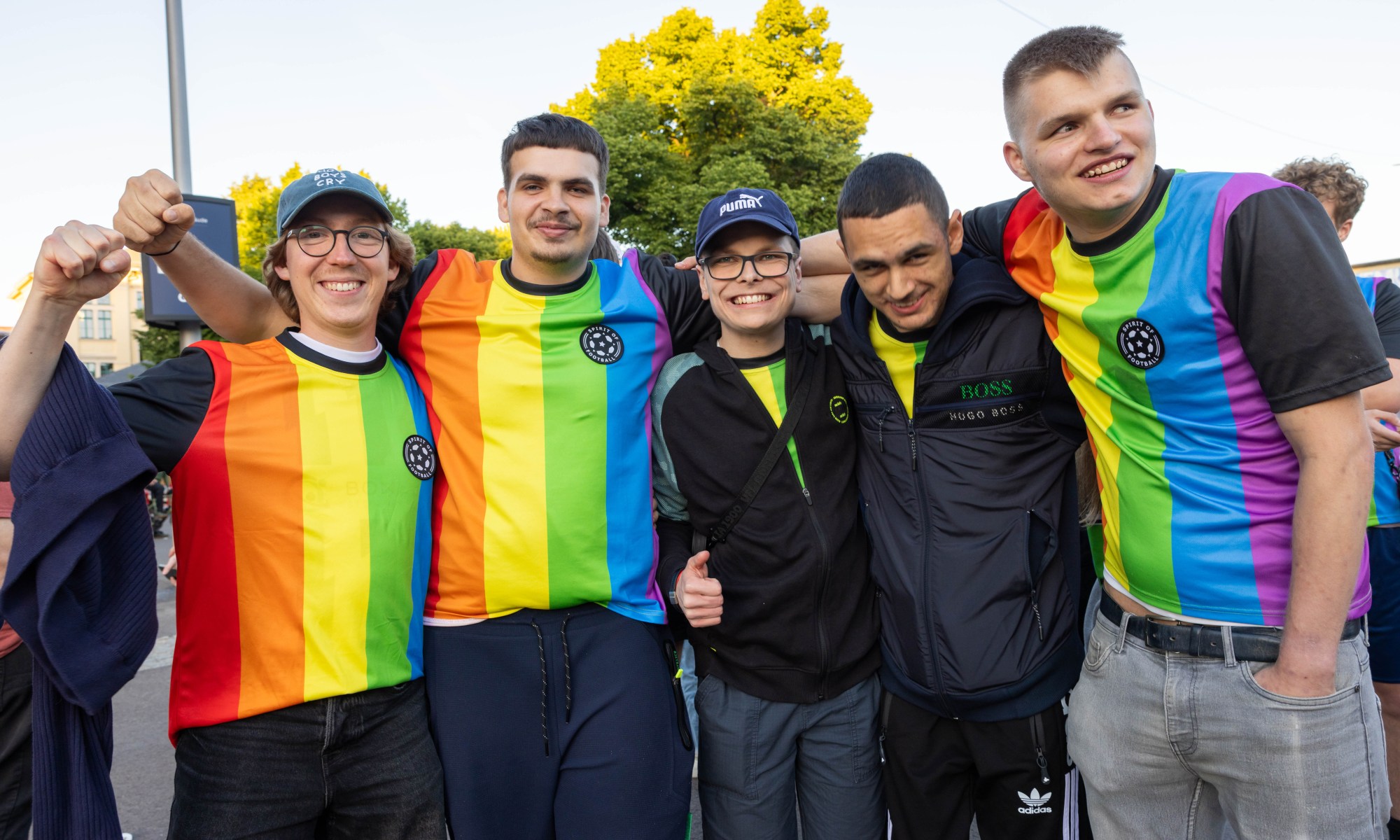
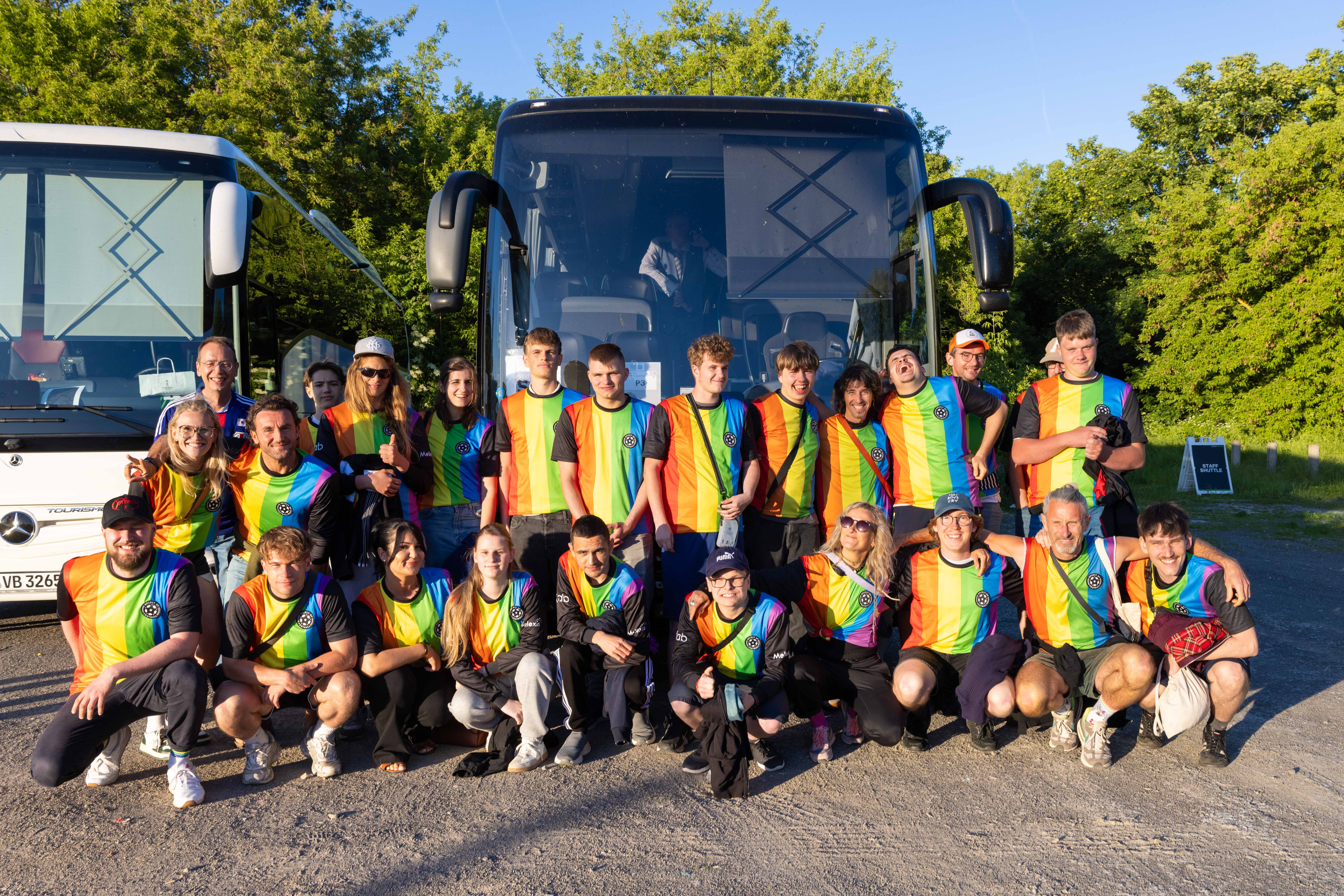
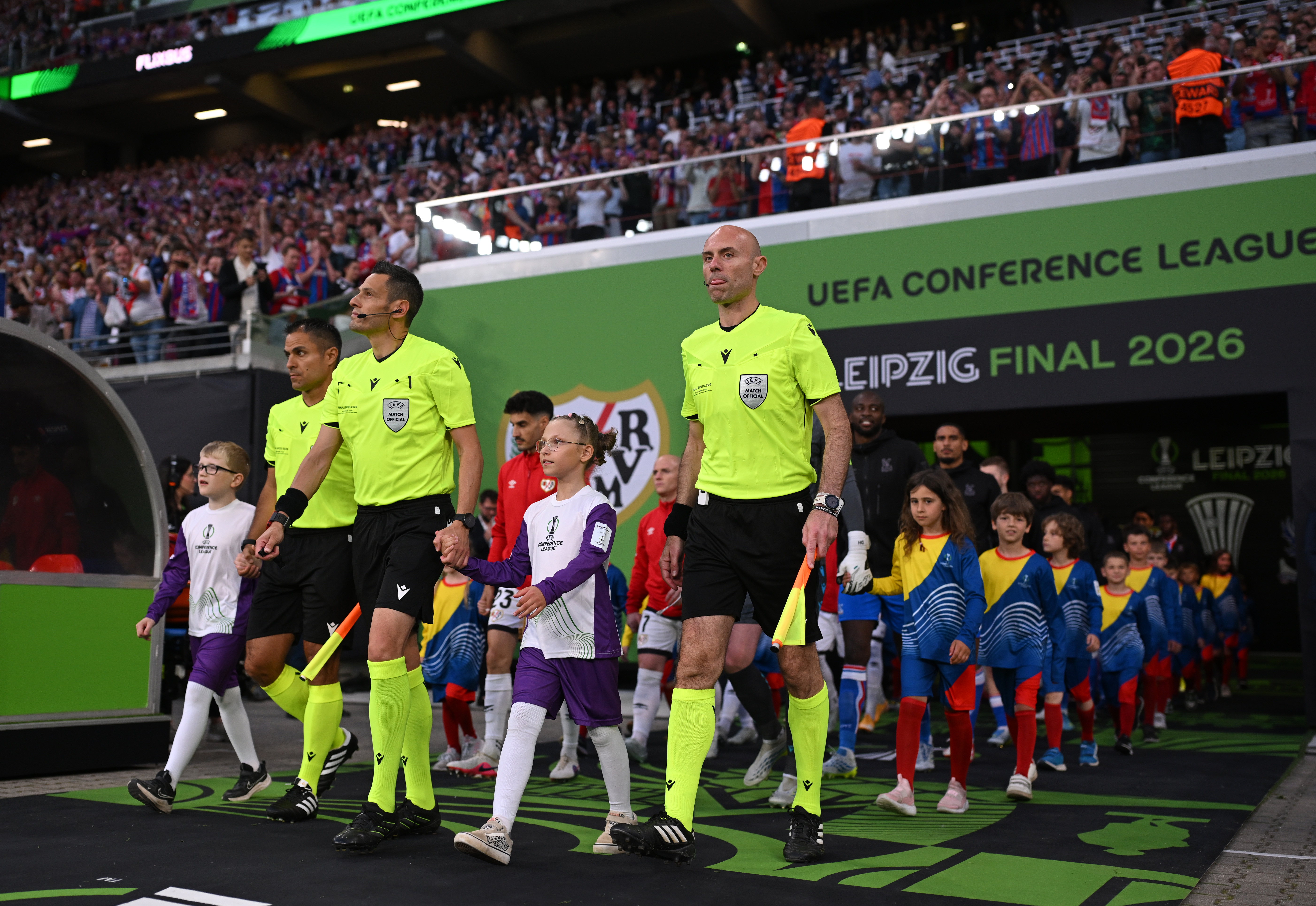
Children from Spirit of Football arriving for the UEFA Conference League final in Leipzig

“We were really excited to come with them and see their reaction to this full stadium, with the floodlights, with a lot of expectation and with different people from all around the world.”

Touching on his work with disabled children, Ñáñez explained how people with learning disabilities are relatively well-placed in German society compared with other countries: “Through football, they get a community and a sense of belonging.” Nonetheless, integration into the world of work remains a challenge.


“Through football, they get a community and a sense of belonging.”

- Joaquin Ñáñez, Spirit of Football

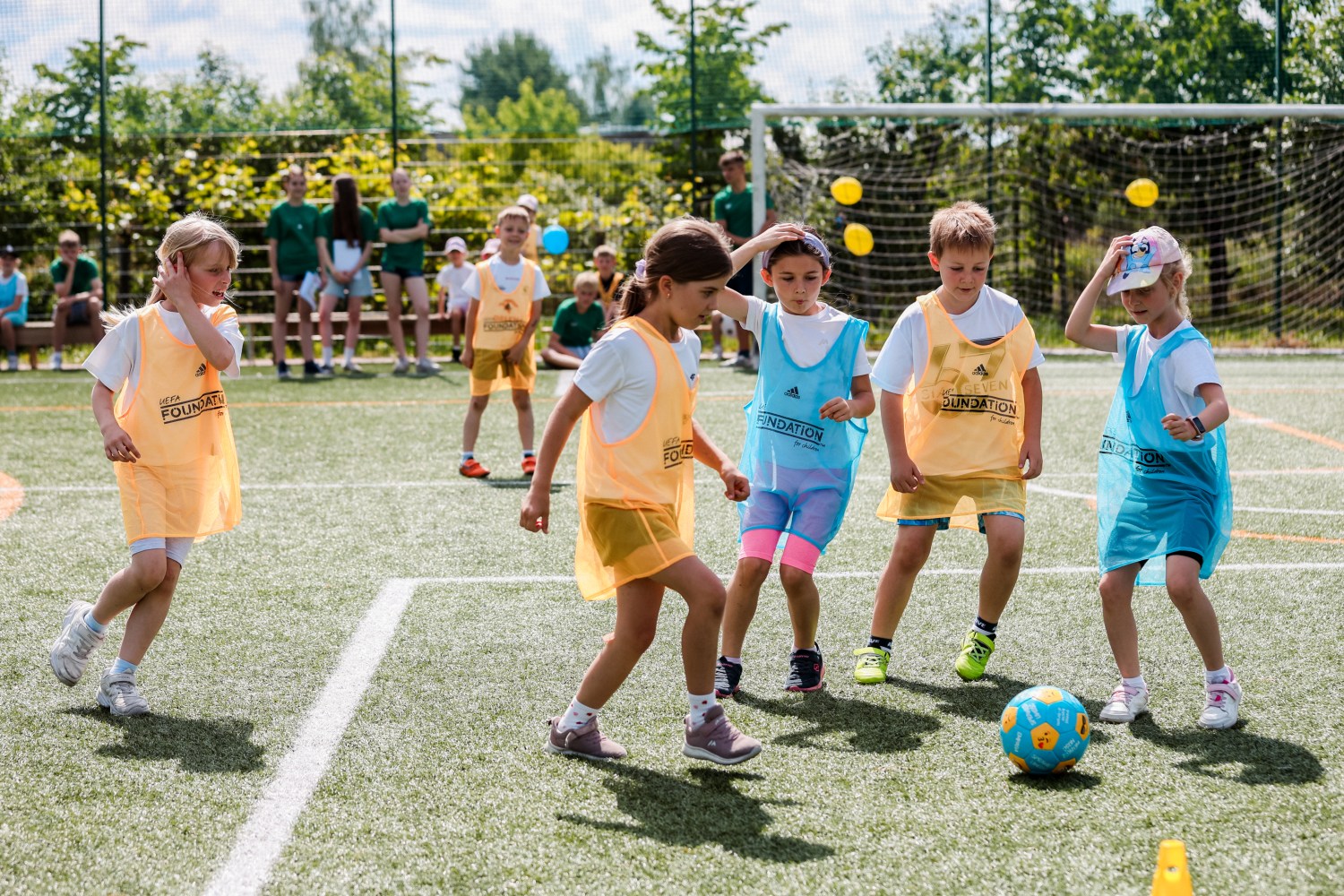
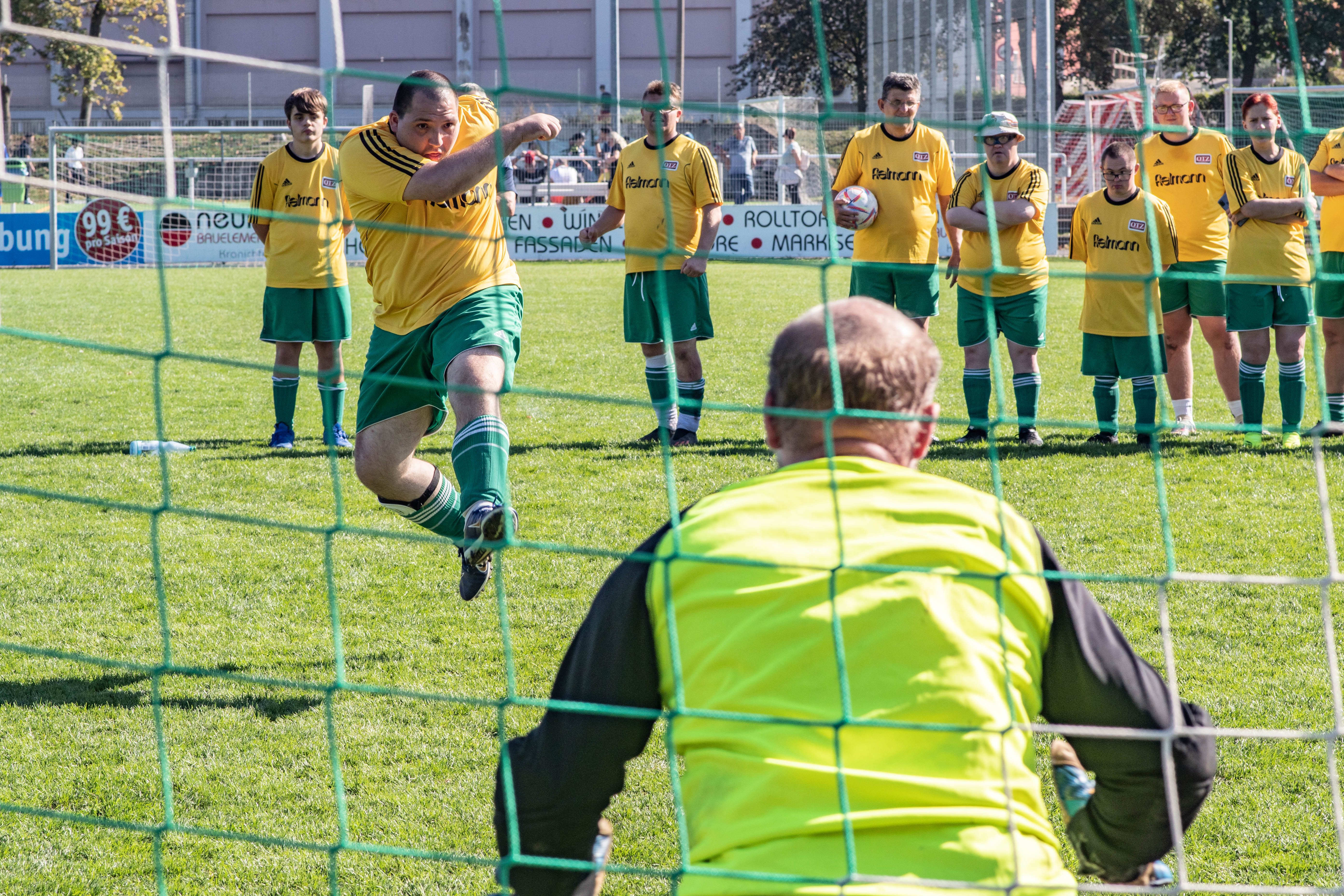
Kalender_Turnier__ZweiKampf 7___ORIG__mk_SoF_Unifed_Turnier_Spiel_FußballAction_131
The UEFA Foundation support a number of Spirit of Football projects

Creating opportunities for growth

Spirit of Football organises various trips throughout the year, with each excursion providing a learning opportunity and a memory for life.

On a recent trip to the Gothia Cup in Sweden, the largest youth football tournament in the world, they even came away with a trophy, but for Ñáñez, that wasn’t the main accomplishment.

“Some of them travelled abroad on a plane for the first time in their lives and managed to speak in English with other people,” he says. “For us, those are the success stories because they show that they can go beyond the borders that sometimes we, as society, set them.

“Football can bring people together. That sounds like a cliché, but it is a fact. That's what we need in the world of today, more than ever – to open up to other people and new things.”

From hardship to hope: giving children a chance to live the Champions League dream

From hardship to hope: giving children a chance to live the Champions League dream

For a group of children selected by the Second Chance Sports Association, a partner of the UEFA Foundation, this weekend's Champions League final in Budapest is about much more than football.

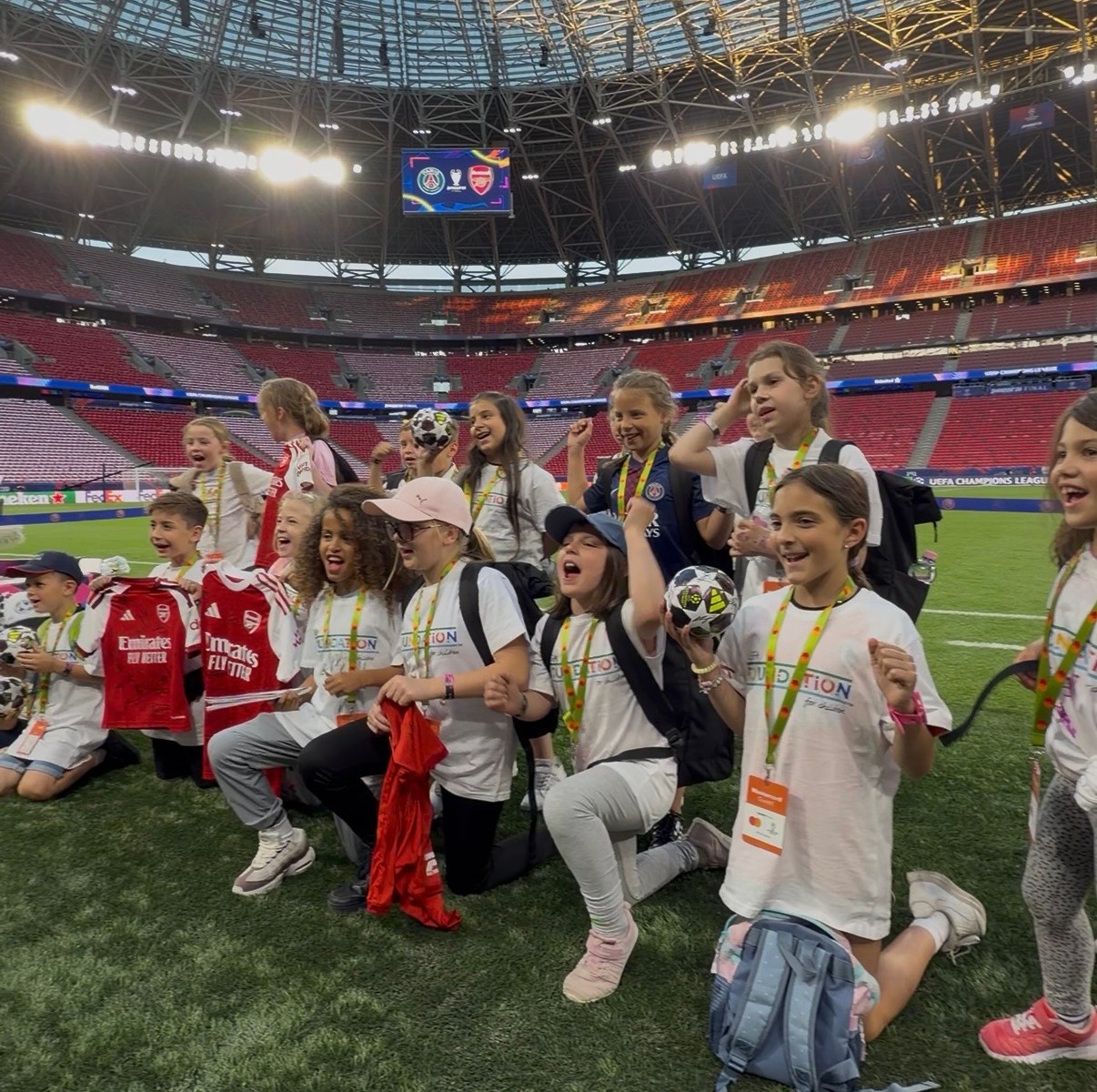
Before a ball has even been kicked in the Puskás Aréna, 30 Hungarian children will have already lived a moment many could scarcely have imagined: meeting players from Paris Saint-Germain and Arsenal on the eve of the biggest match in club football.

For each, it is far more than a special day out. All have grown up facing hardship, instability or exclusion.

"These opportunities are huge. When everything comes together, then all of them will remember a great experience for the rest of their lives,” says Dora Gottgeisl, a social worker and programme coordinator with the Second Chance Sports Association, a UEFA Foundation for Children partner, that invited the children to attend the Champions League Final.

Founded in 2005, Second Chance has spent more than two decades nurturing a sense of belonging, confidence and hope among children and young people from underserved communities, in particular low-income families.

Among the group attending the final are three girls from Second Chance’s rural partnership programmes in the north of Hungary, who will serve as referee mascots on the big night. Others come from Second Chance programmes located across Budapest, including training sessions in child protection institutions and on pitches that are easy for local children to access.

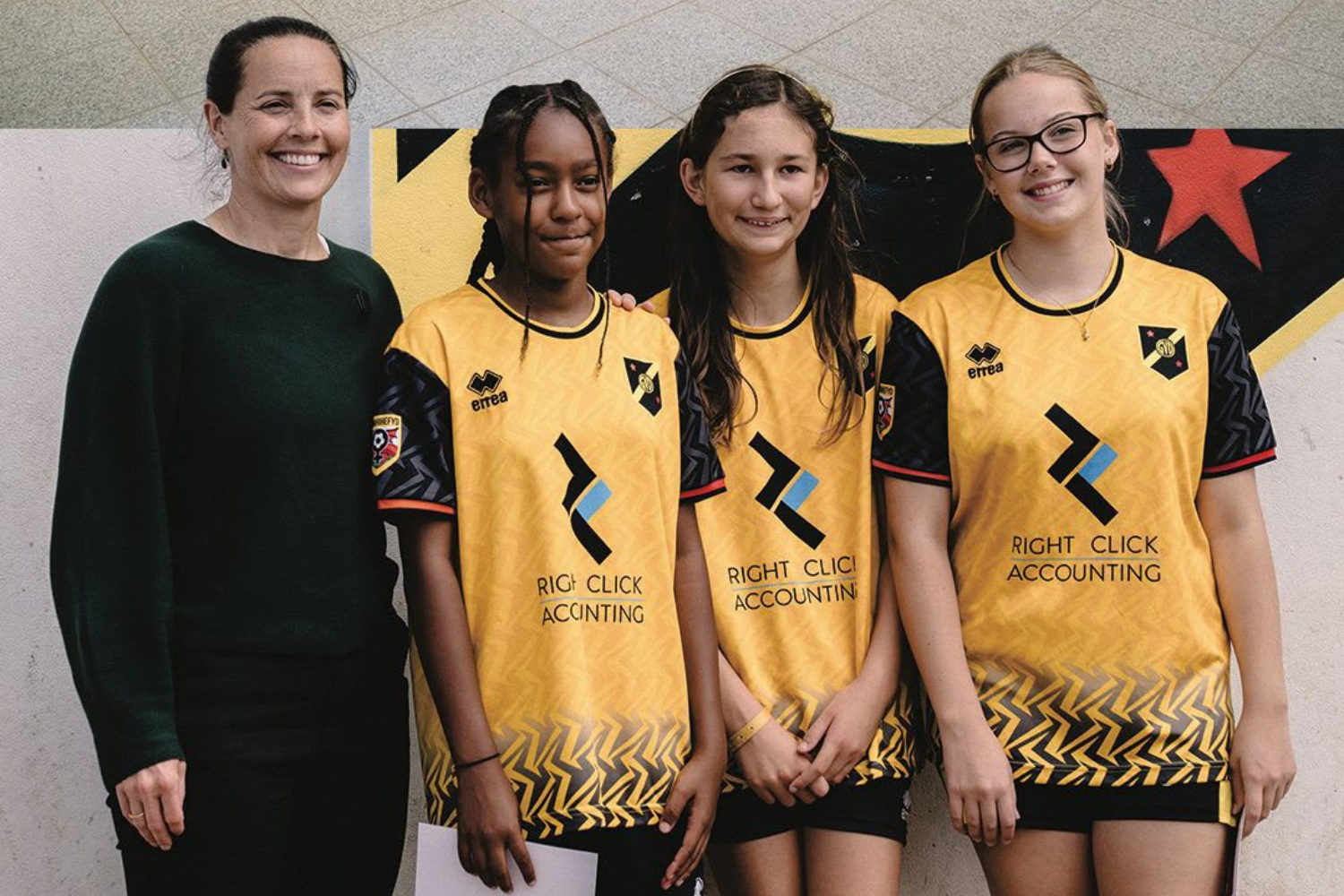
Use IMG_2189
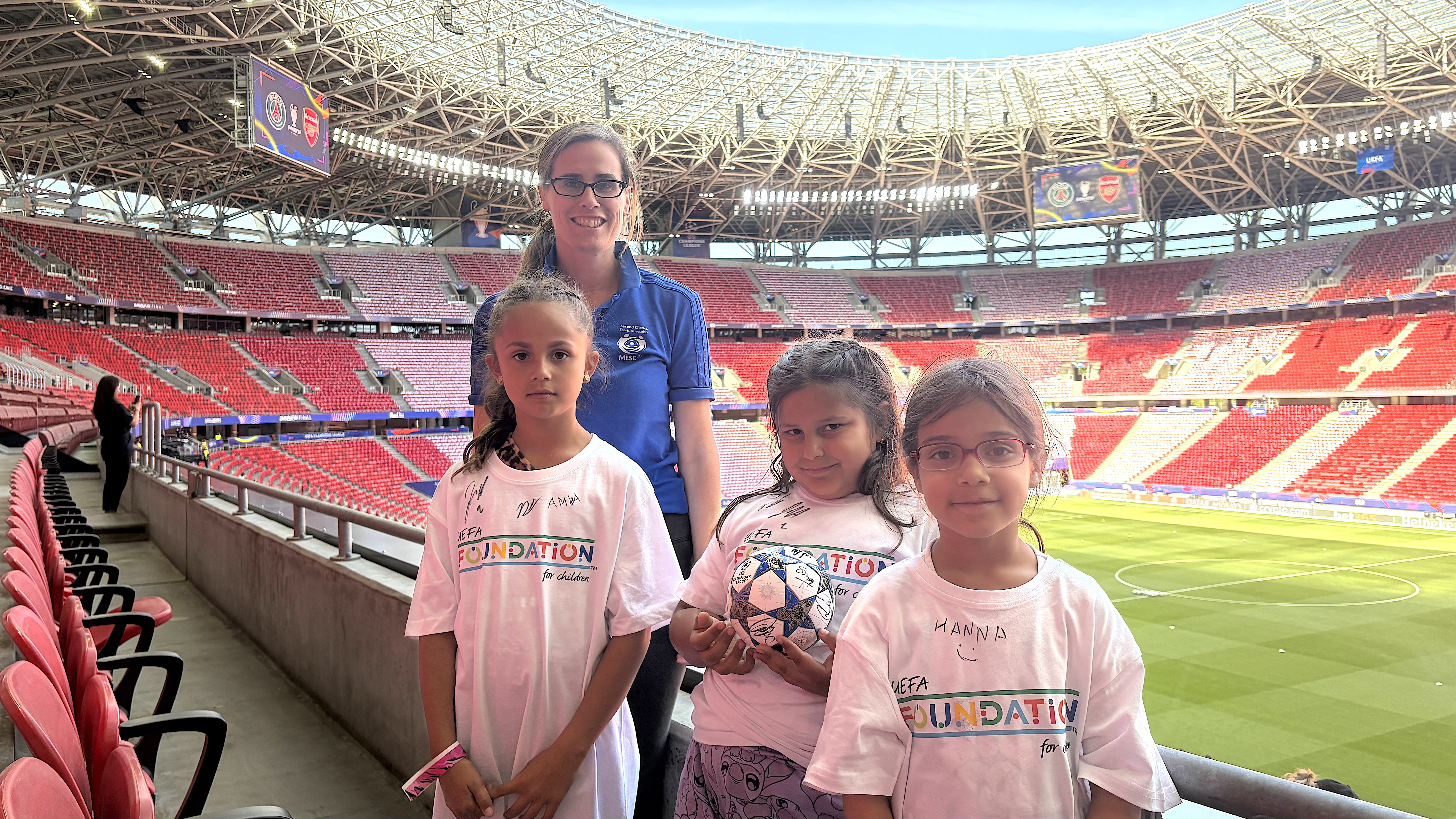
Dora Gottgeisl with the three girls who will accompany the referees onto the pitch at the UEFA Champions League final

Beyond the pitch

Second Chance’s work stretches far beyond the pitch: case management, family support, academic tutoring, summer camps and community-building all form part of the programme.

"We don't only focus on the football but also try to offer a community for those who have experienced social problems or challenges,” Dora explains. “We work on the children's physical well-being, but also their mental well-being.”

Sense of community

Providing a sense of community is crucial because, for many of the children, life away from football can feel challenging. Many have not had consistent opportunities to grow up in encouraging environments that support learning, play, and development.

“In general, they often arrive with very low self-esteem,” says Dora. “They have issues with anger management and controlling their emotions. Often, they don’t really have role models in the family or from society."

Second Chance represents a source of much-needed stability for these kids. "We try to provide them with a safe place where they know there is a place for mistakes,” she says, "and even when you make a mistake, you can come back the next time and still be a part of our community.”

Arsenal FC Training Session And Press Conference - UEFA Champions League Final 2026 (3)
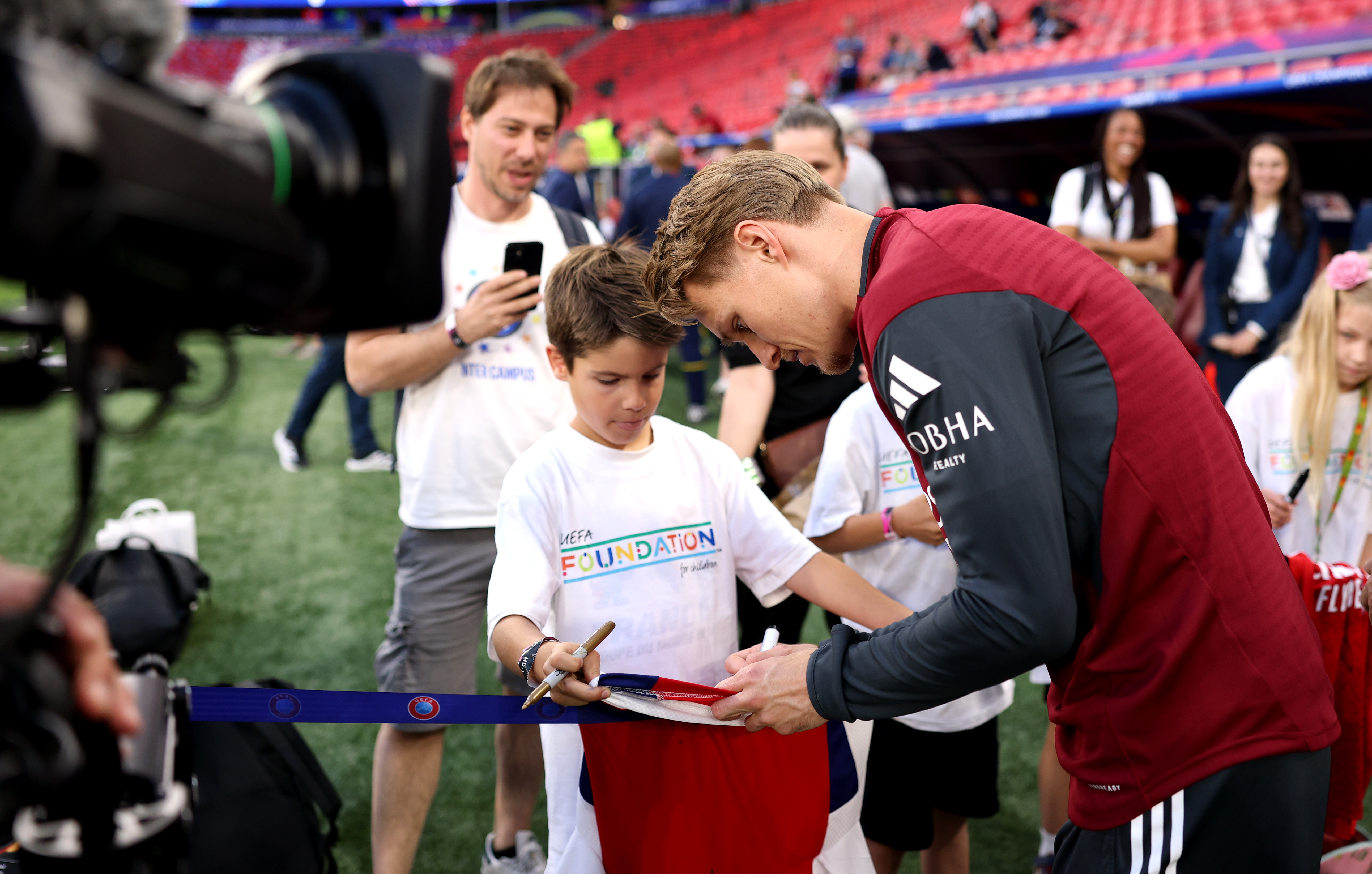
Arsenal's Martin Ødegaard meets one young fan in Budapest

Ease of access

Where equipment, facilities, or organised activities are limited, football’s simplicity matters: it gives children an easy way to play, connect, and take part.

“Football is one such a popular game, and it’s very easy to play,” Dora says. “You just need a ball, any kind of ball is enough, and you can create a goal using a wall, jumpers, or event stones. Anybody can play this game and it teaches so much more than physical skills.”

“We believe that almost all the situations on the pitch can be transferred into an everyday situation off the pitch,” she explains.

Living out a positive experience

This week’s dream trip to the Champions League final is not separate from the programme’s mission but an extension of it, where children from worlds often defined by limitation will live out a positive experience that will stay with them forever.

Individually, they represent different places and stories, but they share the same extraordinary opportunity: to feel seen, welcomed and inspired at the highest level of the game, rubbing shoulders with some of the biggest stars on the planet.

Paris Saint-Germain Training Session And Press Conference - UEFA Champions League Final 2026 (1)
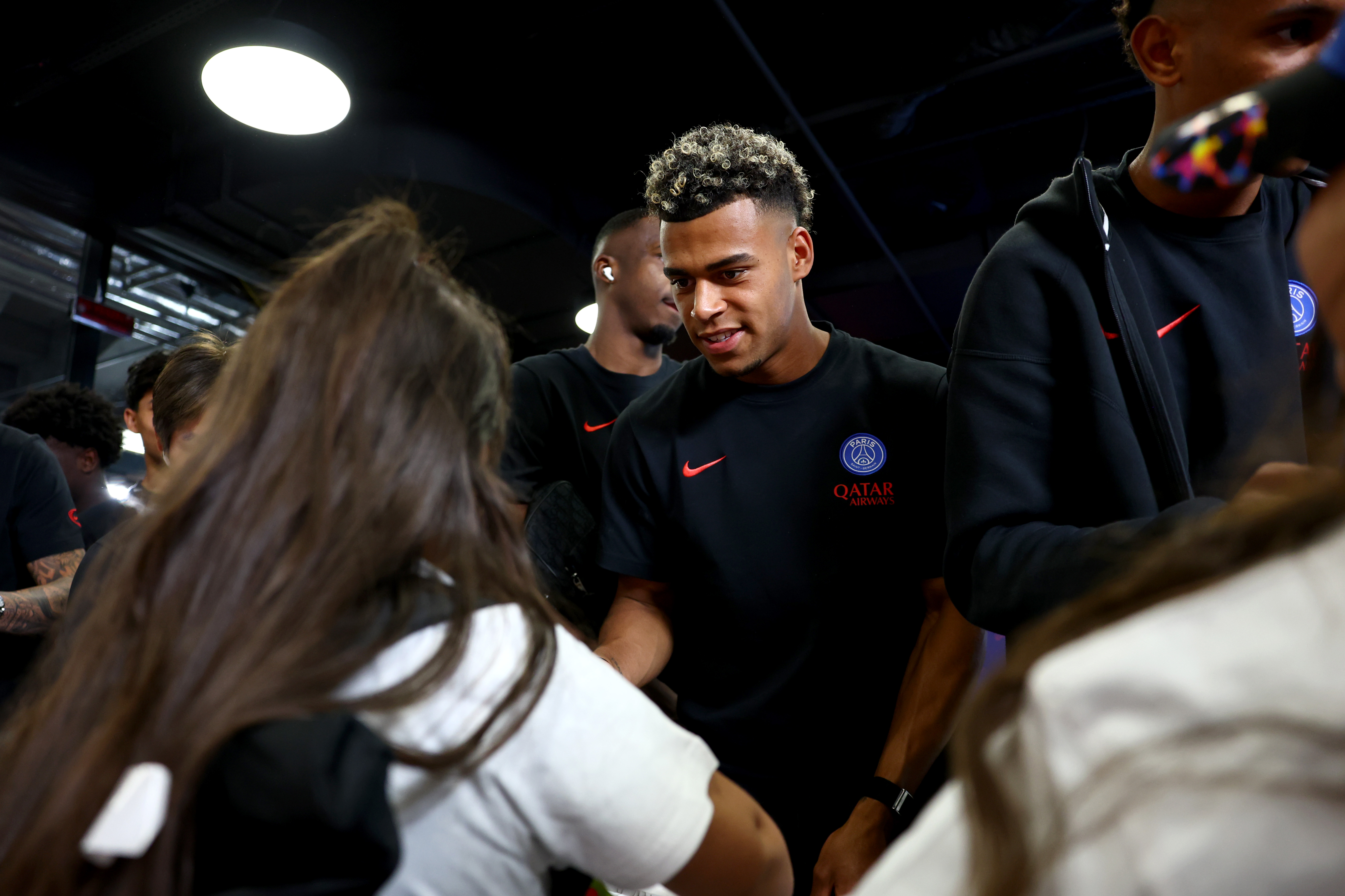
Paris star Désiré Doué meets young fans

Lasting change

Of course, it takes more than one magical moment to create a lasting change. “Maybe people will think that the kids come to our programme, or this final, and a miracle will happen, that they will suddenly transform,” say Dora, “but we have to understand that positive impact truly comes in the long- and medium-term.”

“Our hope is that in five or six years, even if they are not part of the programme anymore, they will remember some things that they learned from Second Chance and it continues to have an impact on their lives.”

That long view is what makes this final-weekend experience so special. The memories made at the Puskás Aréna can stay with these children long after the final whistle - reminding them of joy, belonging, and the possibilities that exist beyond their everyday challenges.

Circle keeps turning

Perhaps the most beautiful part of Second Chance’s work is that the circle keeps turning.

Dora speaks proudly about young leaders who have spent six or seven years with the organisation and now return to help with tournaments and summer camps, becoming role models for the next generation. Those children who once needed a safe place to grow up are now creating them for others.

In time, the 30 young fans living their football dream in Budapest might just do the same for the next generation, and tell them about the time they came face to face with the UEFA Champions League winners.


Budapest welcomes new Lay’s RePlay pitch ahead of Champions League final

Budapest welcomes new Lay’s RePlay pitch ahead of Champions League final

The UEFA Foundation for Children and Lay’s have partnered again to open a RePlay facility in the Hungarian capital, providing a new space to play, connect and develop through football.

"Dream big, work hard, and never doubt that your path can take you further than you ever imagined."

With a brand-new football pitch on their doorstep, aspiring young players in Budapest now have a new place to put that message from Hungary captain Dominik Szoboszlai into practice.

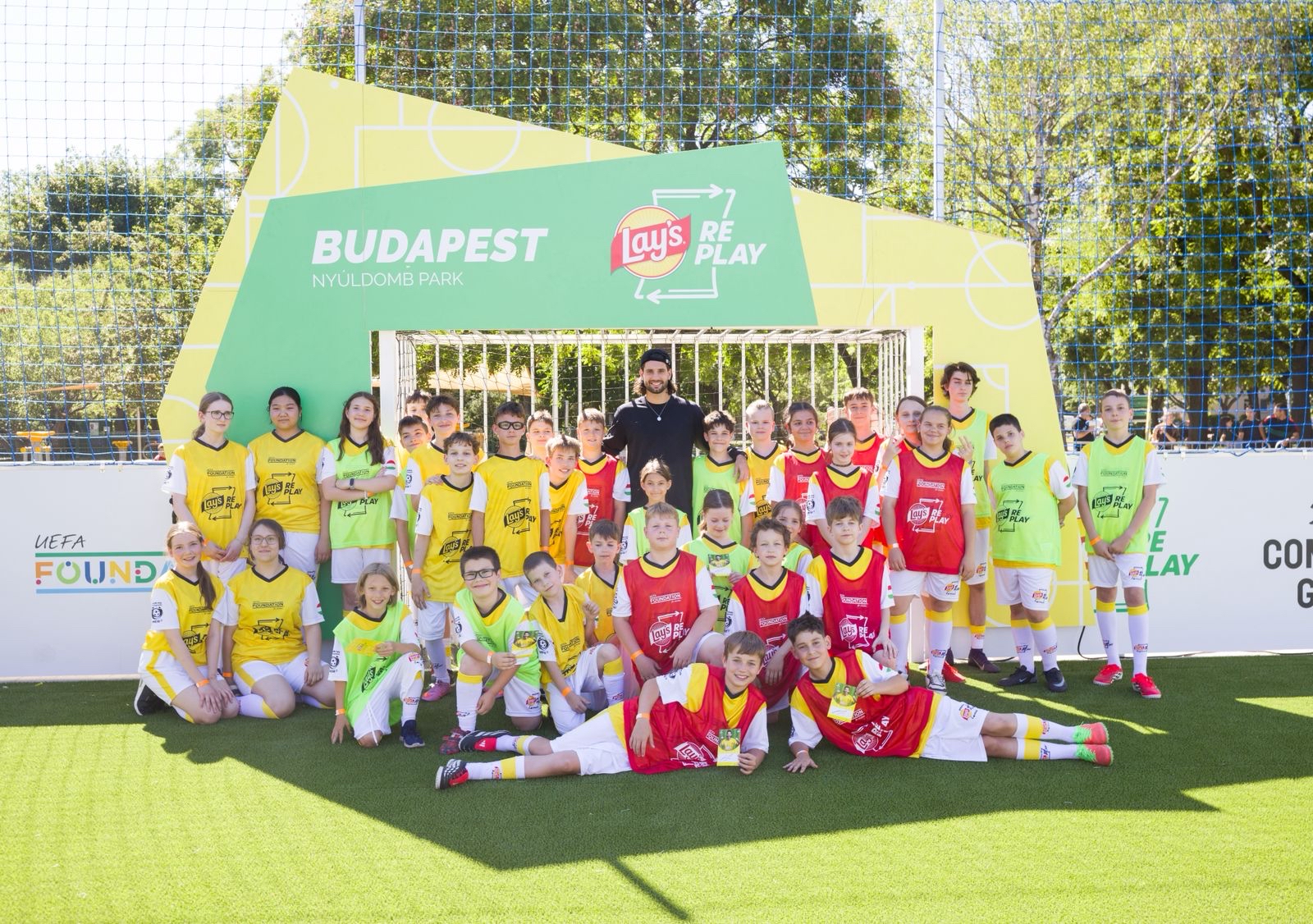
Located in Nyúldomb in the city's Ferencváros district, the pitch was officially opened ahead of the 2026 UEFA Champions League final as part of Lay’s RePlay – a global initiative launched by Lay’s and the UEFA Foundation for Children in 2021 that repurposes crisp packets to help build football pitches.
Szoboszlai, a Lay’s ambassador, attended the launch alongside Újpest FC’s Orsolya Dencz, joining local youngsters in football challenges and activities during the opening celebration.

"I still remember what it felt like to be a kid with big dreams and a ball at my feet," said Szoboszlai. "I have the chance to give something back and support young people who are at the beginning of their journey – something I truly value."

Hosted by Hungarian sports journalist and TV presenter Zoltán Szujó, the event also welcomed representatives from PepsiCo, Common Goal, the UEFA Foundation and local partner Second Chance Sports Association (MESE).


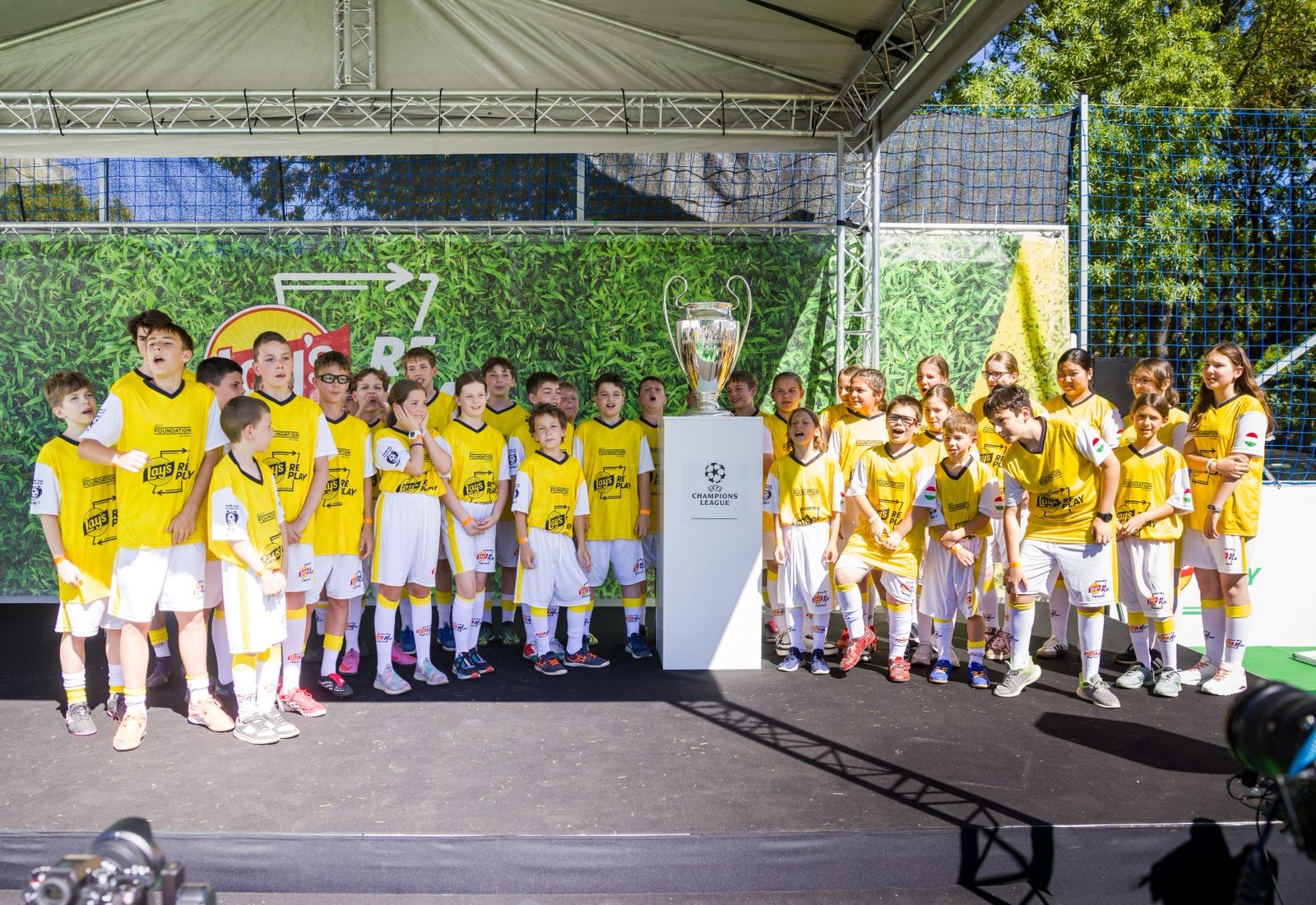
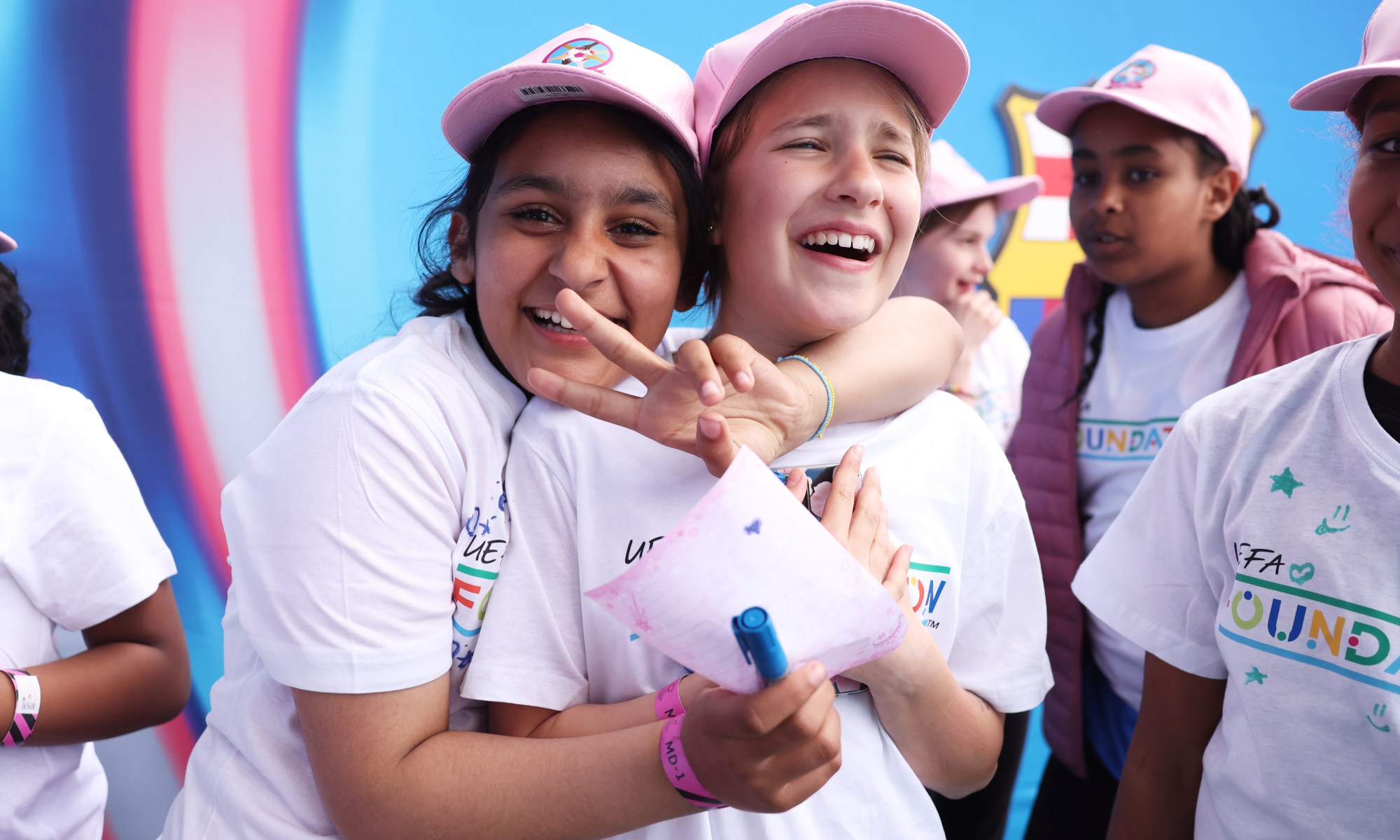
Image (5)
Young players with the UEFA Champions League trophy

A space at the heart of the community

The Nyúldomb pitch provides a new space for a community in which football already plays a defining role. Open to the wider community, it will also host structured programmes and football-based activities designed to support young people through inclusion, teamwork and personal development.

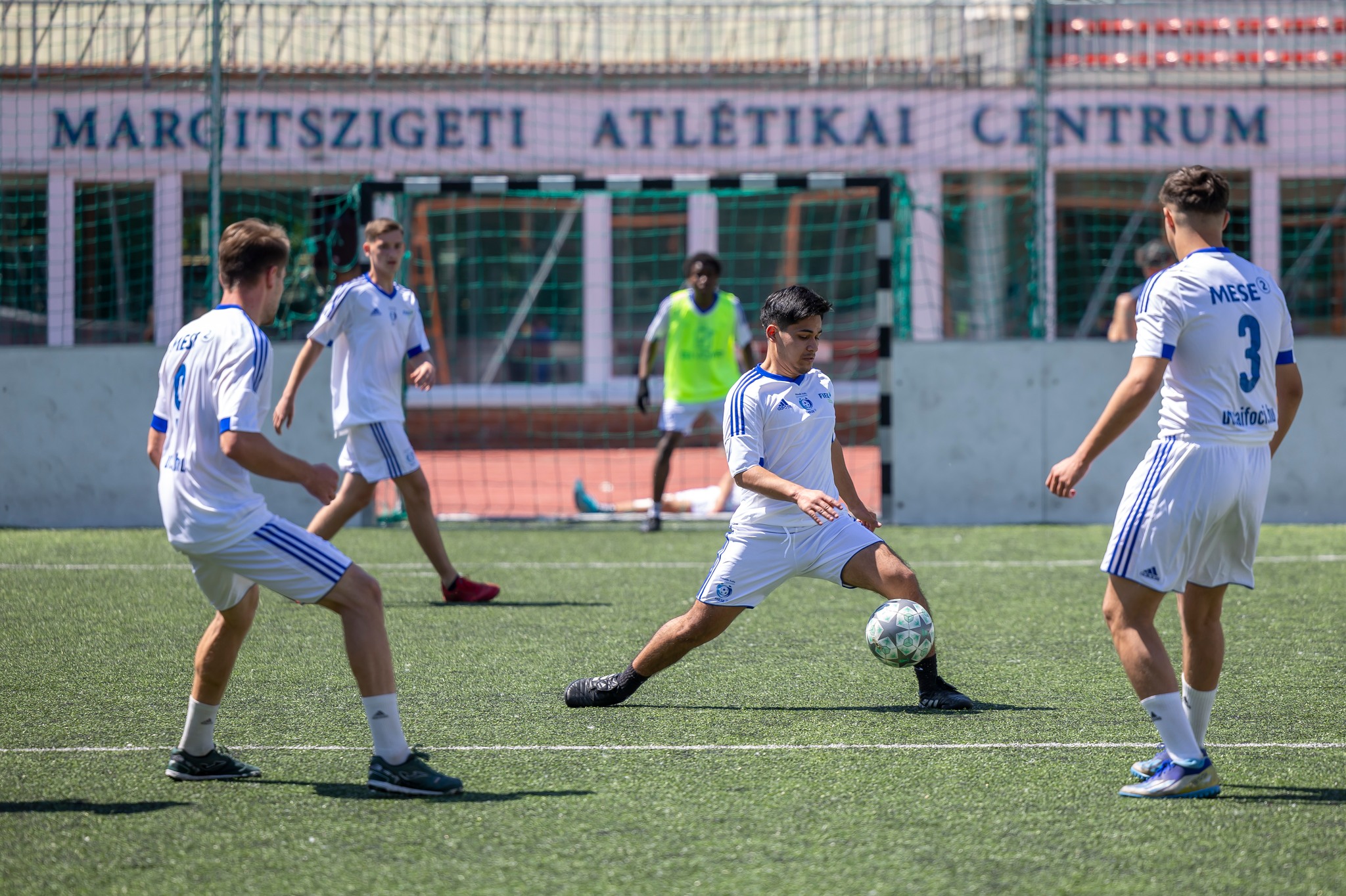
The new facility was developed in partnership with MESE, a local organisation with a track record of using football to promote inclusion, equal opportunity and personal growth among young people in Ferencváros.

In line with the broader Lay's RePlay concept, the pitch is intended to stand as more than a piece of infrastructure, but as a welcoming, inclusive space where young people can explore their potential and connect with football in a positive way.
In Budapest, football is deeply rooted in community life. With Lay’s RePlay, we are proud to create a space where young people can play, connect and feel a sense of belonging.

- Konstantin Merkviladze, general manager of PepsiCo Southeast Europe and Baltics

What is Lay's RePlay?

Launched in 2021 by Lay's and the UEFA Foundation for Children, Lay’s RePlay transforms empty crisp packets into sustainable community football pitches.

Through the initiative, pitches have been built in 13 cities across 12 countries: from South Africa, the United Kingdom, Brazil, Italy, Mexico and the United States to Egypt, Türkiye, Colombia, Spain, Portugal and now Hungary. Between them, Lay’s RePlay pitches have been used on more than 1.1 million occasions.


UEFA Foundation creates special memories at Champions League final in Budapest

UEFA Foundation creates special memories at Champions League final in Budapest

At the 2026 UEFA Champions League final between Arsenal and Paris Saint-Germain, the UEFA Foundation gave children from disadvantaged backgrounds the chance to meet the players and accompany them onto the pitch during the opening ceremony.

The 2025/26 UEFA Champions League final in Budapest, contested by Arsenal and Paris Saint-Germain, once again demonstrated football's unique ability to unite, inspire and create lasting social impact.

The UEFA Foundation was proud to welcome three inspiring local partners to the final – Second Chance Sports Association, Amigos for Children Foundation and Inter Campus.

Second Chance uses football to support disadvantaged young people in Budapest, helping them build confidence and motivation, while Amigos for Children brings joy and learning opportunities to children undergoing long-term medical treatment.

Inter Campus promotes inclusion across Europe through football, combating discrimination, encouraging intercultural dialogue and supporting minority communities. Its initiatives in Hungary include regular football sessions at an orphanage in Budapest.


Amigos for Children Foundation (3)
Amigos for Children provides support for young people undergoing long-term medical care

Unforgettable moments on football's biggest stage

With the support of our partners FedEx, Mastercard and Qatar Airways, children from our partner organisations enjoyed a once‑in‑a‑lifetime Champions League final experience in Budapest.

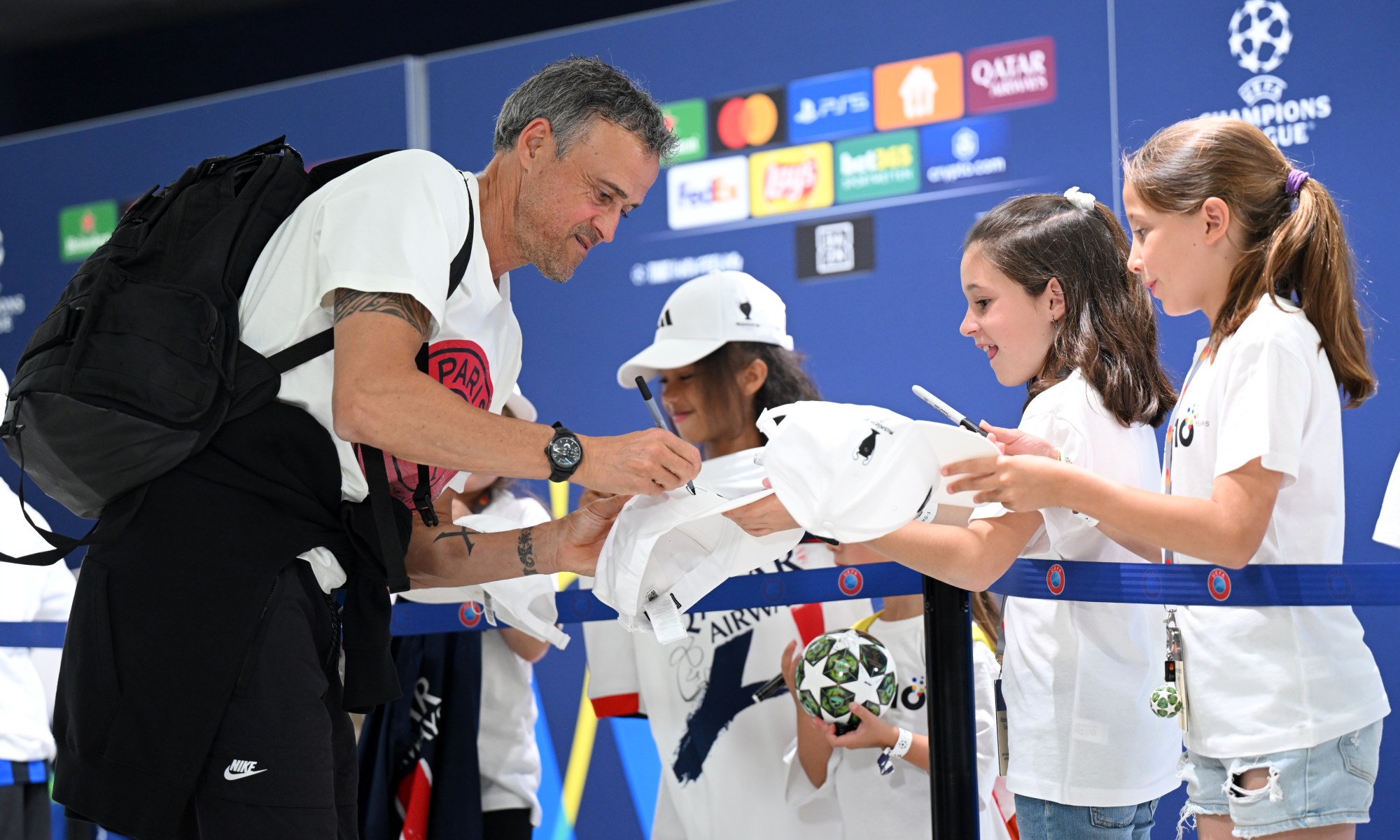
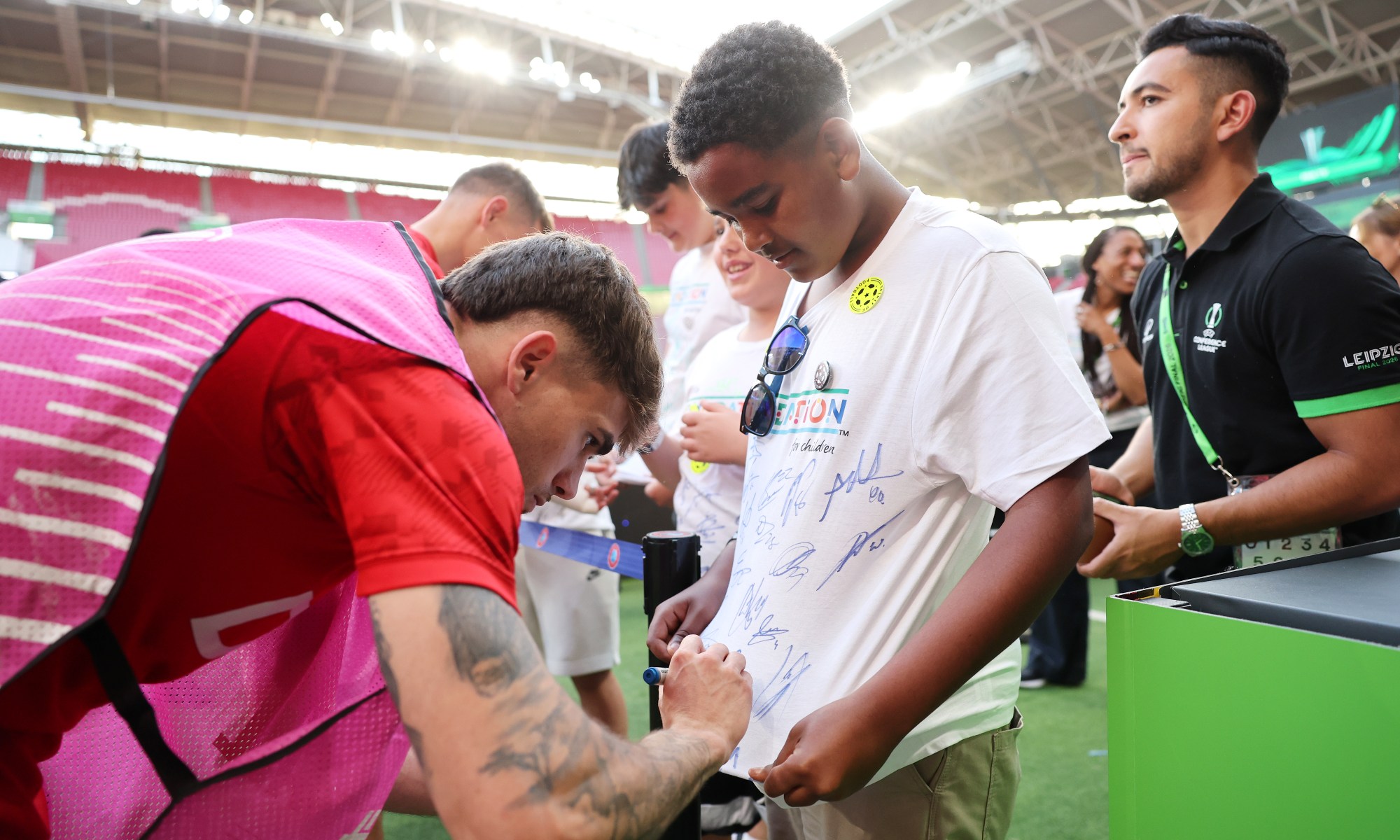
Throughout the week, they attended the finalists’ official training sessions, giving them the chance to watch Europe’s biggest stars prepare for the match. They also met players, collected autographs and created unforgettable memories at one of world football’s most iconic events.

On matchday, some of the children took centre stage as they stepped onto the pitch during the opening and closing ceremonies, experiencing the atmosphere from the heart of the action.

Zsombi - closing ceremony participant

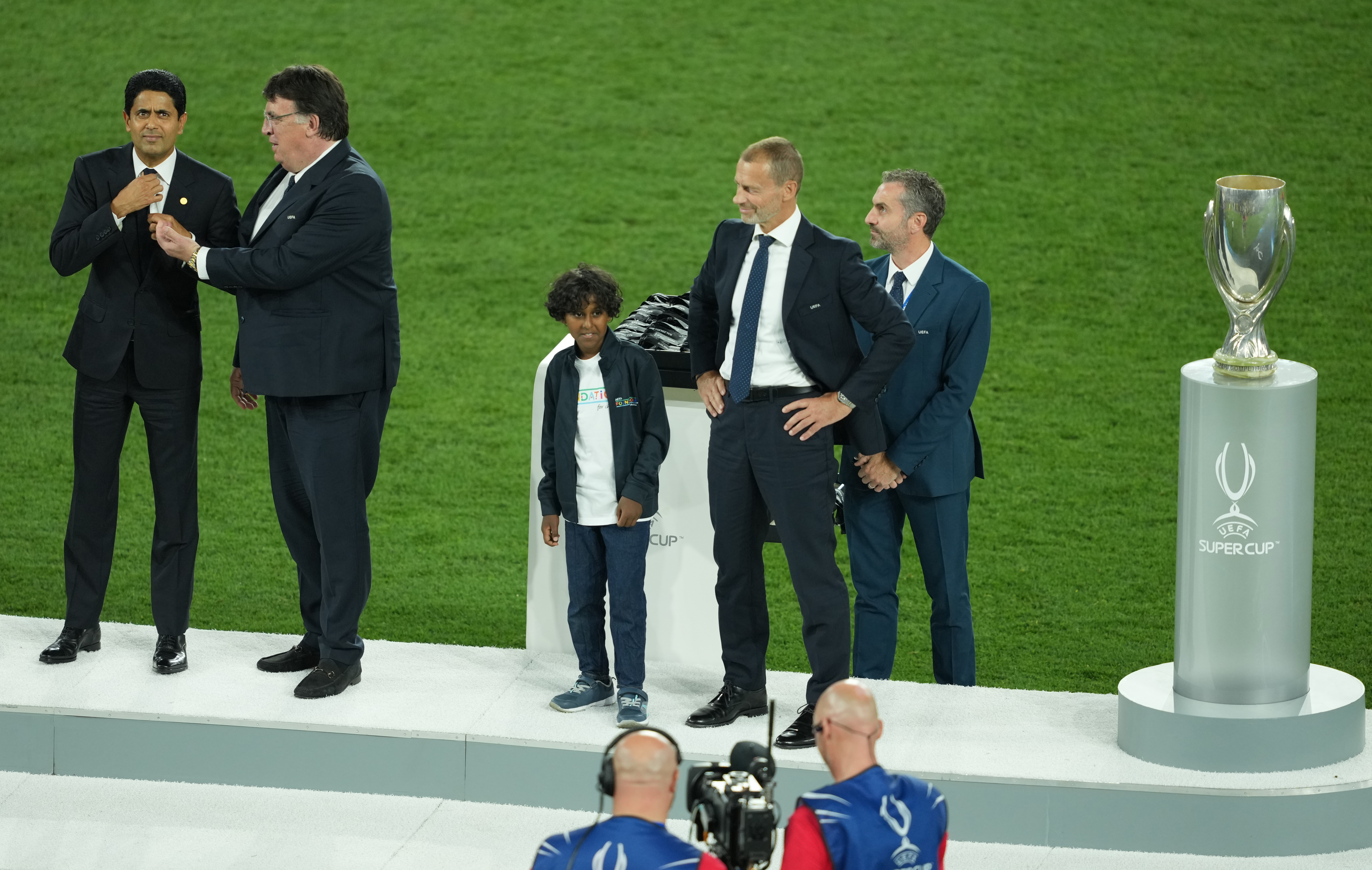
After the final whistle, nine‑year‑old Zsombi stepped onto the big stage and accompanied UEFA President Aleksander Čeferin to present the players’ medals during the trophy ceremony.

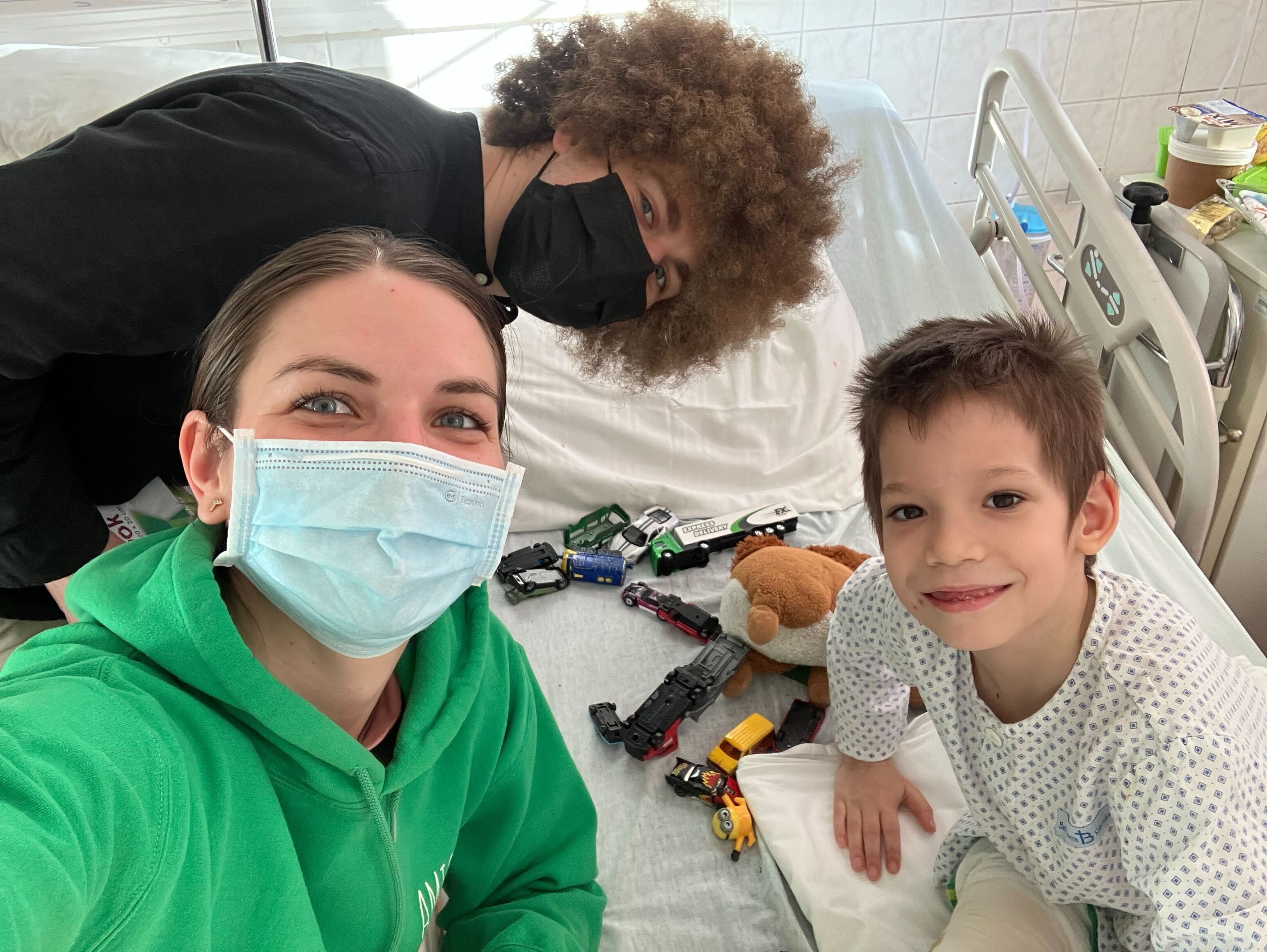
Zsombi is both a passionate football fan and a dedicated violin player. He first met Amigos volunteers after undergoing surgery at Bethesda Children’s Hospital. His role in the closing ceremony reflects the programme’s wider mission: creating meaningful experiences that help children reconnect with their interests, their confidence, and their communities.


Zsombi - kid accompanying the president_Amigos Foundation
Nine‑year‑old Zsombi will walk onto the pitch alongside the UEFA President during the trophy ceremony.

A lasting legacy in Budapest

As part of the celebrations in Budapest, our partner PepsiCo and Lay’s inaugurated the latest Lay's RePlay pitch in the city.

Accompanied by a dedicated social impact programme involving Second Chance Sports Association, the new pitch will provide a safe and inclusive space where local young people can access sport and community activities throughout the year.
This will be the 13th RePlay pitch delivered by the UEFA Foundation and Lay’s since 2021. The others are in South Africa, Brazil, the UK, the US, Italy Mexico, Egypt, Türkiye, Spain, Colombia and Portugal.


SCSA9_MoveForwrd
Second Chance uses football to support disadvantaged young people in Budapest

Eleven years of impact – with more to come

Since 2015, the UEFA Foundation for Children has worked to turn football into a tool for social impact. In its first decade, it supported 765 projects in 156 countries, improving the lives of over 4.9 million children. Today, 166 initiatives continue to use the power of sport to promote education, health, inclusion and personal development.

As the UEFA Foundation enters its next decade, its mission remains clear: to ensure that every child, regardless of circumstance, can dream, grow and find their place through football.


UEFA Foundation honours partners helping children thrive through football
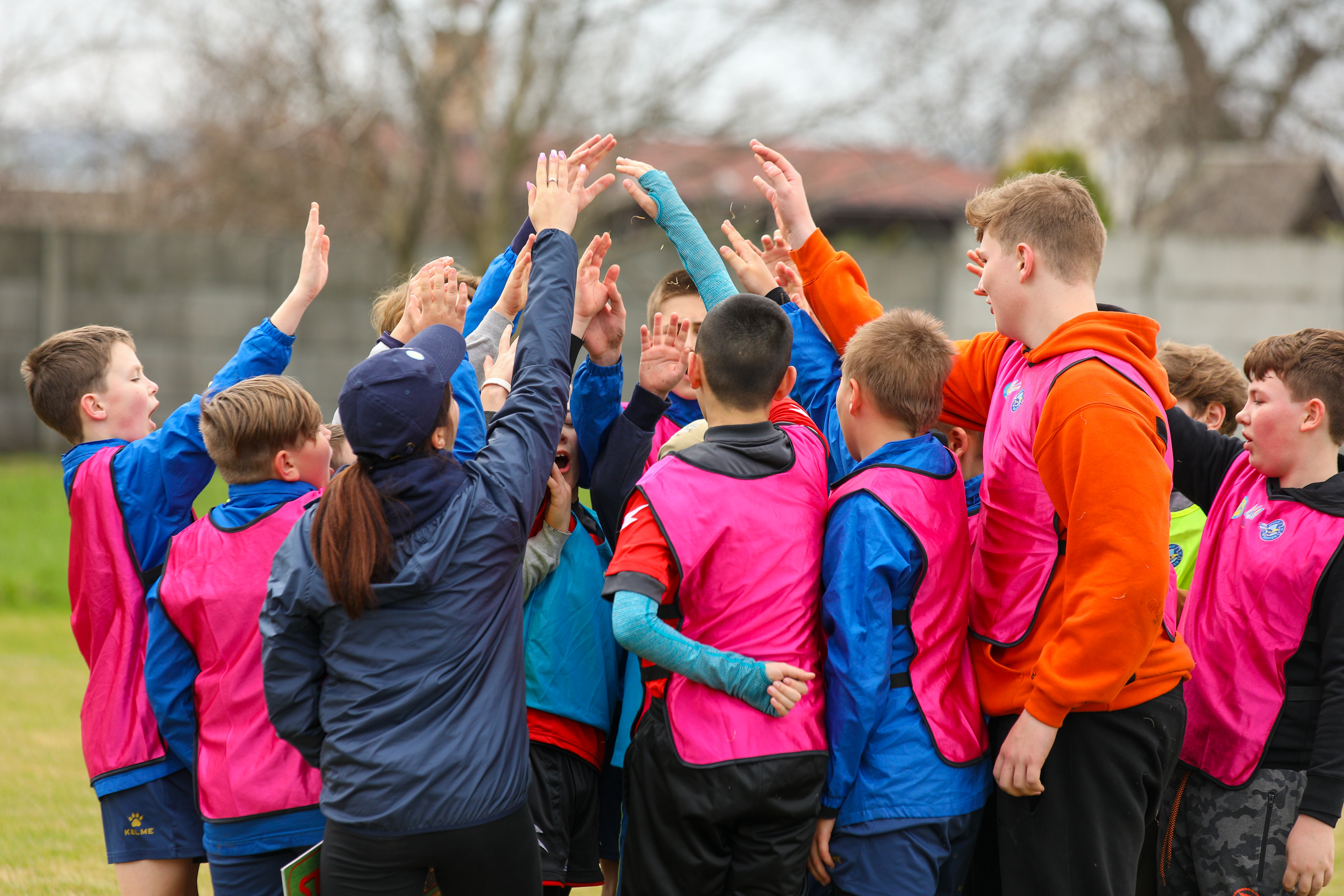
UEFA Foundation honours partners helping children thrive through football
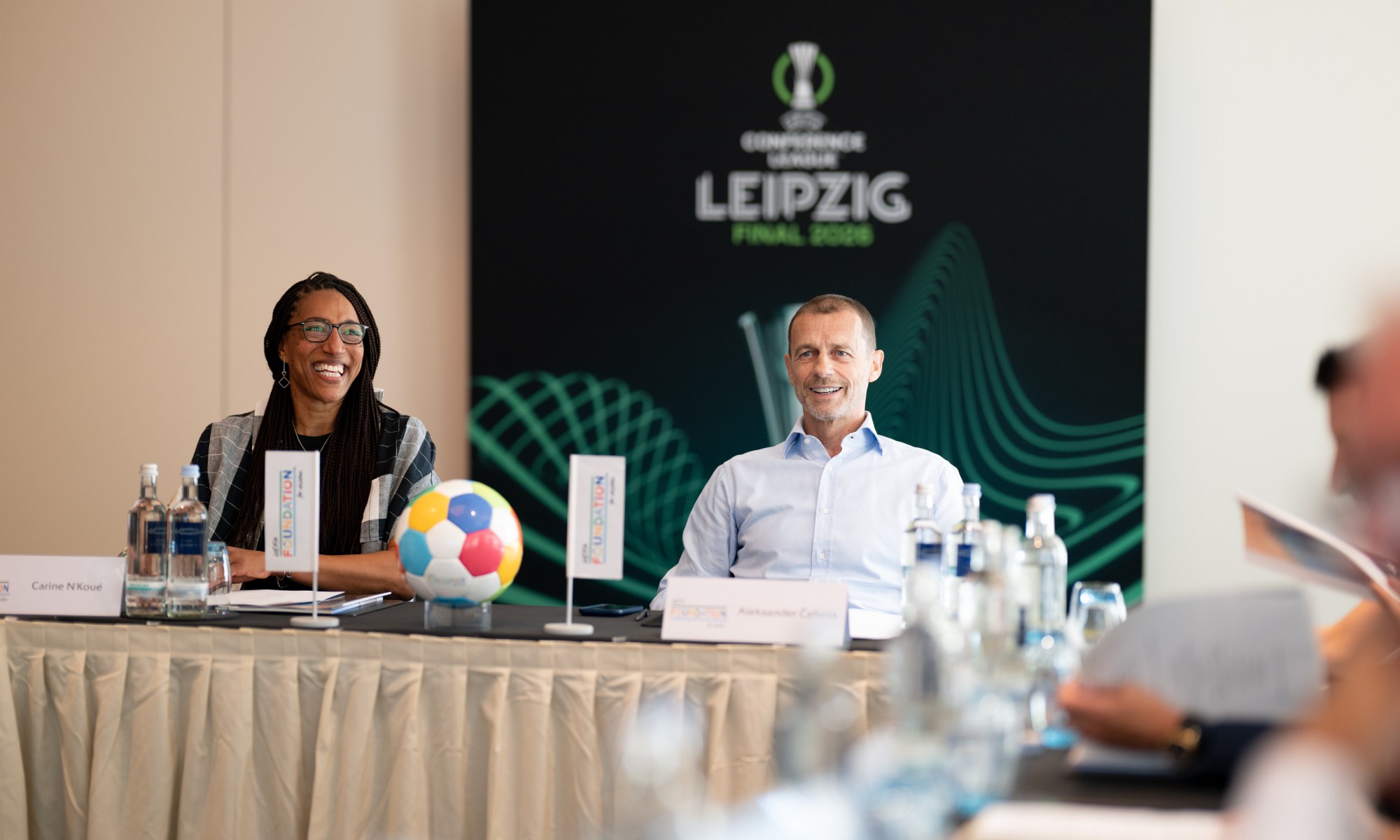
The Award recognised 29 NGOs' outstanding work during the Board of Trustees meeting in Leipzig

The Board of Trustees of the UEFA Foundation for Children has selected 29 organisations from across Europe as winners of the 2026 UEFA Foundation for Children Award, recognising their outstanding work using football to improve the lives of vulnerable children.

The decision was taken at a board meeting held in Leipzig, ahead of the UEFA Conference League final, following recommendations from UEFA member associations. These organisations were selected for their innovative and impactful use of football to address social challenges in areas such as health, inclusion, education, and child protection.

"For many children, a football pitch is more than a place to play. It is the place where they feel safe, accepted, accomplished and part of something bigger than themselves. The organisations we recognised here today understand that very well, and through their dedication, football becomes a language of care, trust and possibility - helping children not only to dream, but to believe that those dreams may come true", said UEFA President Aleksander Čeferin, who chaired the meeting.

The total available funding of €1 million will be divided equally among the winners, with each receiving a grant of €34,482.75.

List of winners by country:

  • Andorra – Andorran Red Cross
  • Azerbaijan – Regional Development Public Union
  • Bulgaria – Bulgari Foundation
  • Croatia – Society of People with Physical Disabilities of Southern Istria
  • Czechia– Mongaguá team
  • Denmark – BROEN Danmark
  • England – Football Beyond Borders
  • Estonia – MTÜ SPIN
  • Finland – Walter ry
  • France – Bien Jouer
  • Germany – Nordstadtliga Dortmund
  • Hungary – Debreceni Sportcentrum
  • Ireland – Jigsaw
  • Italy – Kodokan Napoli APS
  • Kosovo – Shoqata Sportive Futsall Tournament Prishtina / Turneu i Futsallit Prishtina
  • Lithuania – Lithuanian grassroots football association
  • Luxembourg – Kanner Stëmm
  • Netherlands – Together Advancing Common Trust
  • North Macedonia – Karposhovo 1689 BB Football Club
  • Northern Ireland – Irish FA Foundation
  • Norway – Advisory foundation in support of Football for the Goals
  • Poland – Trenuj Bycie Dobrym
  • Portugal – Social Innovation Sports
  • Romania – Neuroatypical Foundation
  • Scotland – Scottish Professional Football League Trust
  • Slovakia –Slovak Football Association Foundation
  • Spain –Albihar Fundación
  • Sweden – The Swedish Childhood Cancer Fund
  • Switzerland - Kinderschutz Schweiz

Next call for projects

The UEFA Foundation for Children will continue expanding its global reach through partnerships that harness football as a catalyst for positive change. Its annual call for projects will take place from 29 June to 3 August 2026. Applicants from all over the world are invited to submit their projects on our website, where all the necessary information and the selection criteria will be published. The board of trustees will decide on projects and announce its decision following its next meeting in November.

Sillman joins Board of Trustees

The UEFA Foundation for Children is pleased to announce the appointment of Daniel Sillman to its Board of Trustees.

Sillman is the Executive Director of Relevent Sports Group, a sports media and events company active in international football. Relevent has worked with major football organisations and competitions, including UEFA and La Liga, across media rights and event delivery. Through his work in sport, Sillman has also supported initiatives that reflect the foundation’s broader interest in football’s positive social impact.

To follow us:

UEFA Foundation for Children website: https://uefafoundation.org/

Social media channels: Facebook, Instagram, LinkedIn, TikTok, YouTube, X


Contact address for media inquiries: media@uefa.ch

UEFA Foundation gives local children unforgettable Conference League final experience

UEFA Foundation gives local children unforgettable Conference League final experience

Young people supported by community organisations took centre stage in Leipzig thanks to the UEFA Foundation for Children.

Alongside the Crystal Palace and Rayo Vallecano fans who gathered in Leipzig for the UEFA Conference League final, a group of local children were looking forward to the showpiece with the same sense of anticipation.

The UEFA Foundation for Children arranged for 50 young people engaged with local charity Spirit of Football and RB Leipzig’s community partners KMV Sachsen gGmbH and Kick Fair to attend the match, while 15 got to see stars of the final up close during a special meet-and-greet session ahead of the match.

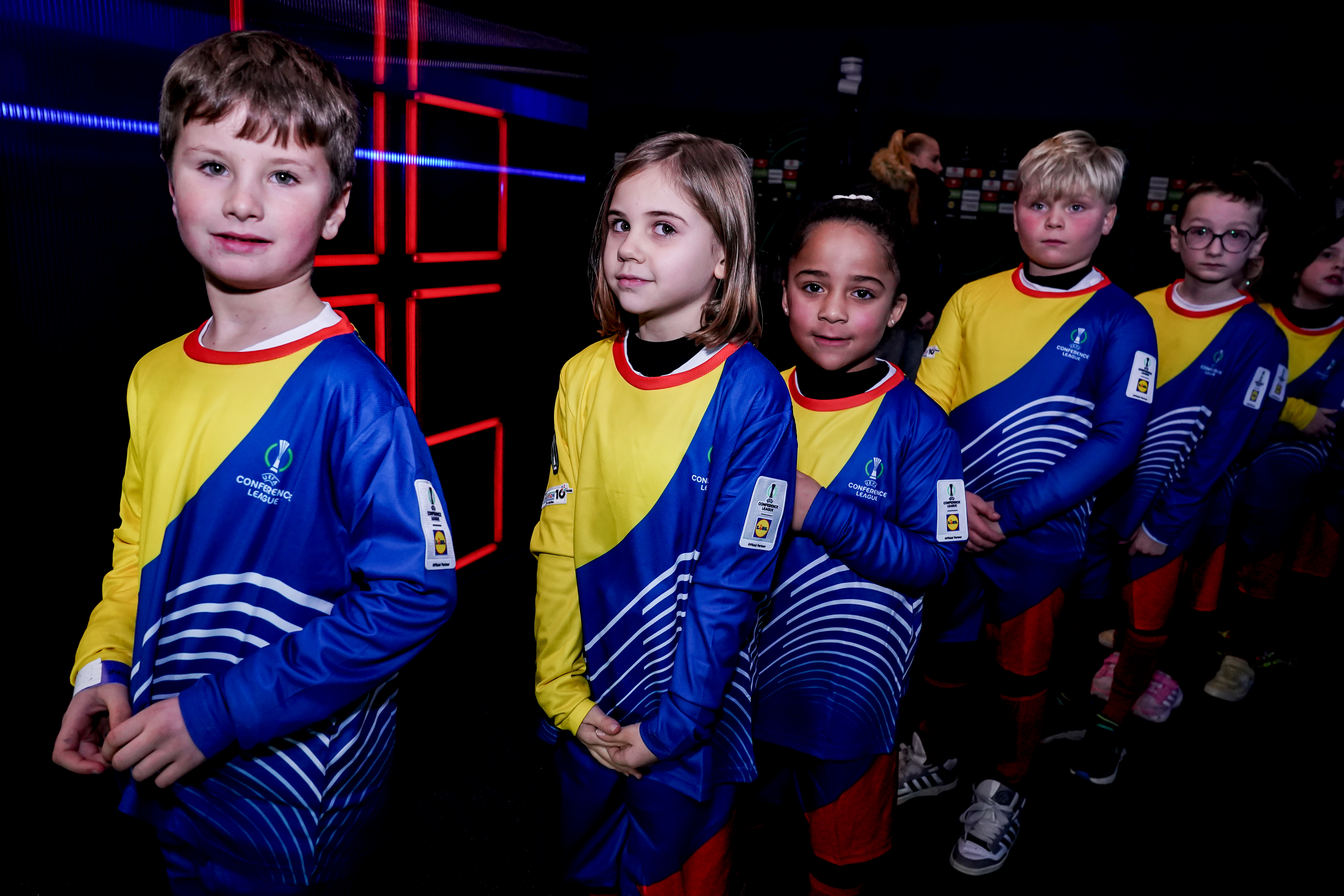
On matchday, three children walked out onto the pitch with the finalists as referee mascots organised by competition partner Hankook, giving them the chance to experience one of European football’s biggest occasions from the heart of the action.

And after the final whistle, lucky youngster Niko accompanied UEFA president Aleksander Čeferin onto the pitch and helped him hand out the medals during the closing ceremony.


LEIPZIG, GERMANY - MAY 27: Referee, Maurizio Mariani and Assistant Referees, Daniele Bindoni and Alberto Tegoni, lead the teams out prior to the UEFA Conference League Final 2026 match between Crystal Palace FC and Rayo Vallecano de Madrid at Football Arena Leipzig on May 27, 2026 in Leipzig, Germany. (Photo by Thomas Eisenhuth - UEFA/UEFA via Getty Images)
Foundation mascots walked out with referee Maurizio Mariani and his team

Supporting the local community

As well as hosting this year’s Conference League final, RB Leipzig are playing an important role away from the pitch through a range of community and charitable initiatives, including with KMV Sachsen gGmbH and Kick Fair.

Working across the state of Saxony, KMV Sachsen gGmbH provides inpatient and outpatient care for children and adolescents along with residential support for families, helping beneficiaries overcome various social and personal challenges.

Kick Fair, meanwhile, works across Germany to implement their unique education concept that uses motor, cognitive, and emotional learning to help children develop holistically and find their place in society.

RB Leipzig also has long-standing partnerships with multiple local homelessness charities, offers free match tickets through community festivals and stages an annual Glühwürmchenumzug – a lantern parade at the Leipzig Stadium, all the proceeds of which are donated to local hospitals and healthcare charities.

That community spirit is visible on matchdays, when supporters can donate their reusable cup deposits to social projects across the region.

Embodying the Spirit of Football

Non-profit organisation Spirit of Football uses the sport and community projects to promote diversity, respect and teamwork across Germany.

It delivers workshops combining football and cultural activities designed to combat racism and prejudice, working in particular with refugees, migrants, girls and women, disabled people and disadvantaged youngsters.

In the run-up to every FIFA World Cup, Spirit of Football organises for a special ball to make a symbolic journey from the site of the first football match organised under modern rules in London to the opening ceremony – spreading a message of unity and fair play along the way through community events and workshops.


2025002425_Spirit of Football_Germany (7)
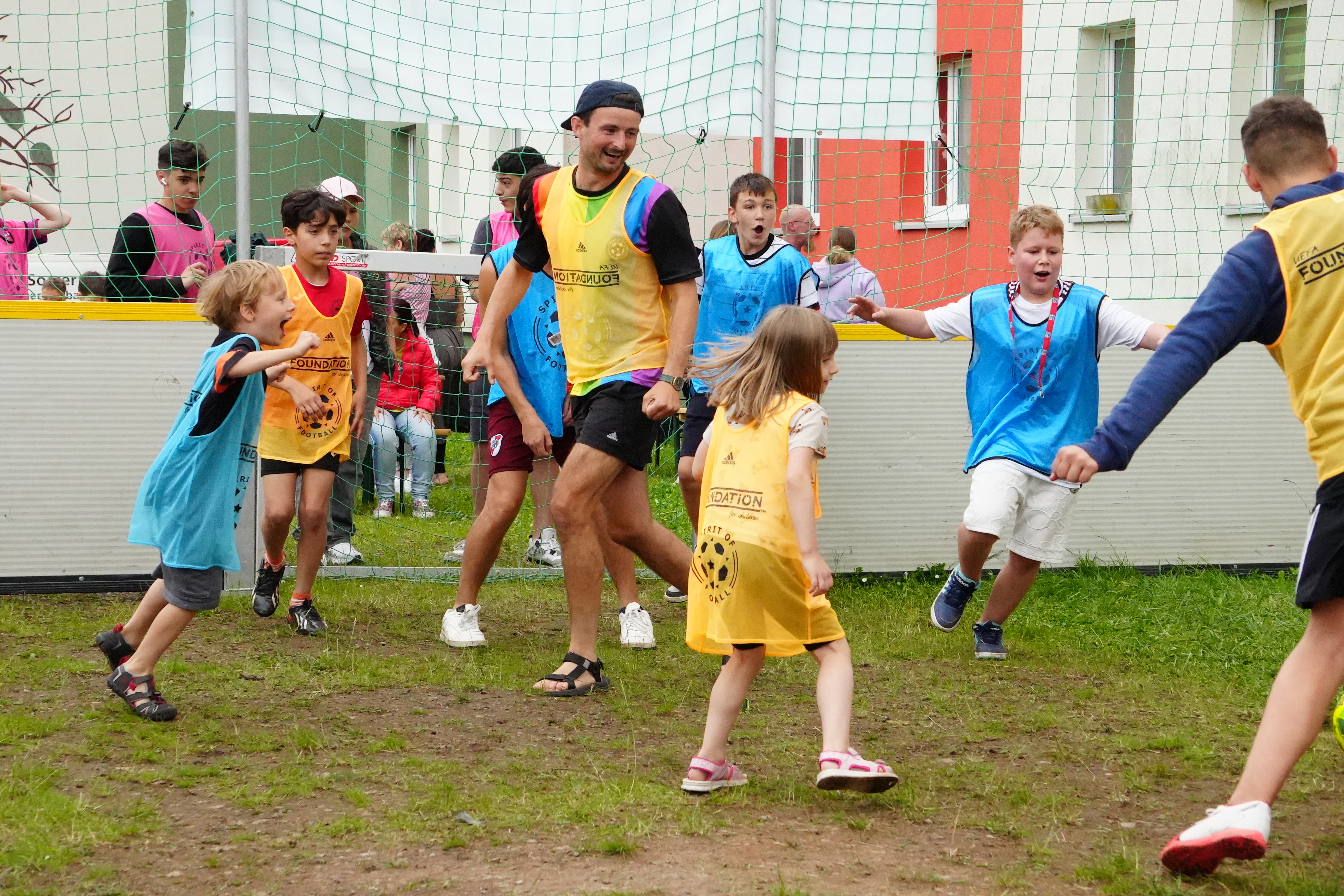
Spirit of Football works with refugees, girls and women, disadvantaged young people and people with disabilities

Eleven years of impact – with more to come

Since 2015, the UEFA Foundation for Children has worked to turn football into a tool for social impact. In its first decade, it supported 765 projects in 156 countries, improving the lives of more than 4.9 million children. Today, 166 initiatives continue to use the power of sport to promote education, health, inclusion and personal development.

As the UEFA Foundation enters its second decade, its mission remains clear: to ensure that every child, regardless of circumstance, can dream, grow and find their place through football.


UEFA Foundation brings children closer to Women’s Champions League final

UEFA Foundation brings children closer to Women's Champions League final

The UEFA Foundation for Children gave girls from local charity Rosa Sko the opportunity to be at the heart of the action when Barcelona faced OL Lyonnes in the UEFA Women's Champions League final in Oslo.

Across all four UEFA club competition finals for the 2025/26 season, the UEFA Foundation is once again giving young people from vulnerable and underprivileged backgrounds the chance to attend the matches and create lasting memories.

For this year's Women's Champions League final, the UEFA Foundation arranged for 50 youngsters from the Rosa Sko Foundation, a Norwegian organisation dedicated to increasing girls' participation in sport, to attend the match.

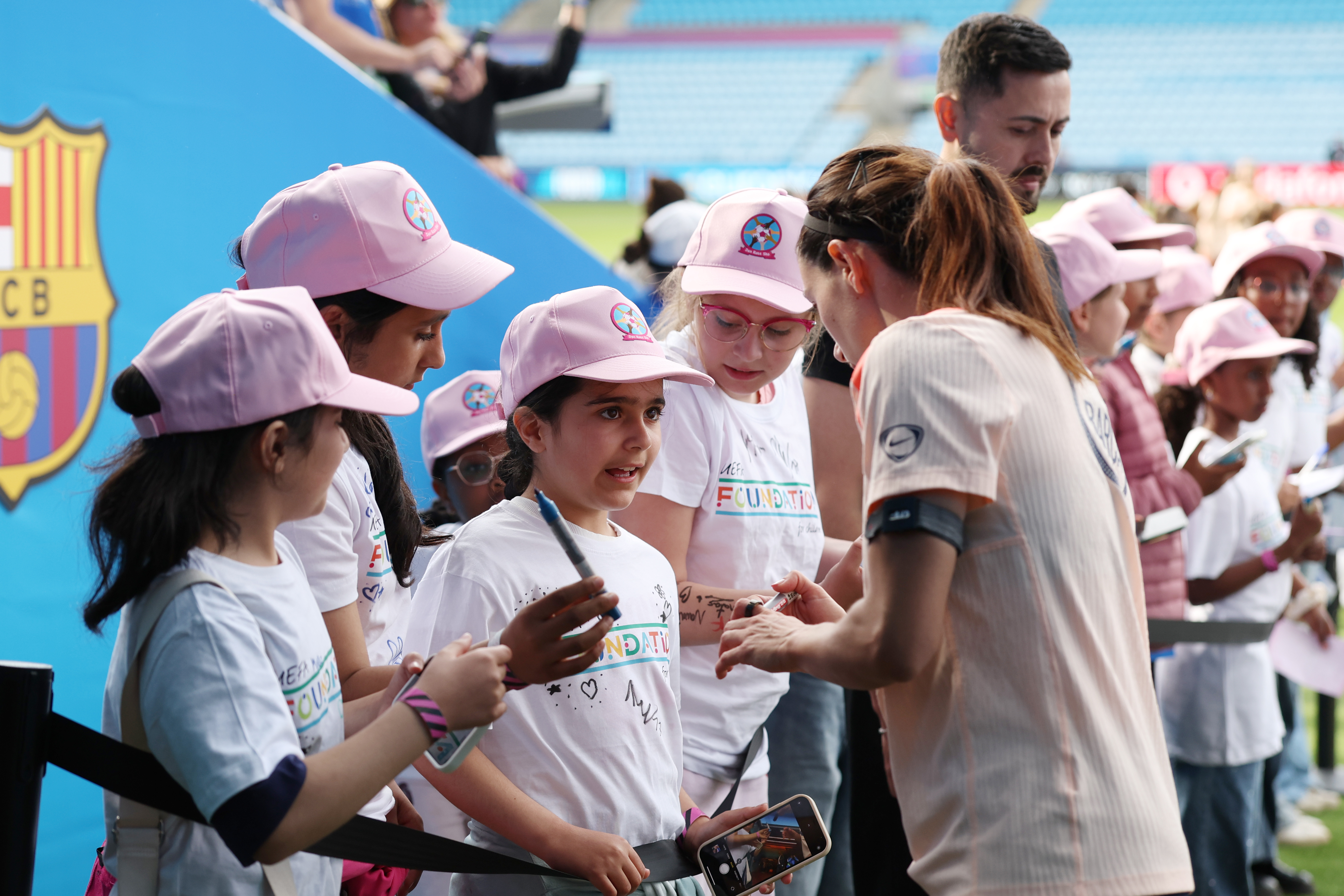
The children not only watched Barcelona vs OL Lyonnes at Ullevaal Stadion, but also attended the teams' official training sessions and enjoyed a meet-and-greet with the players.

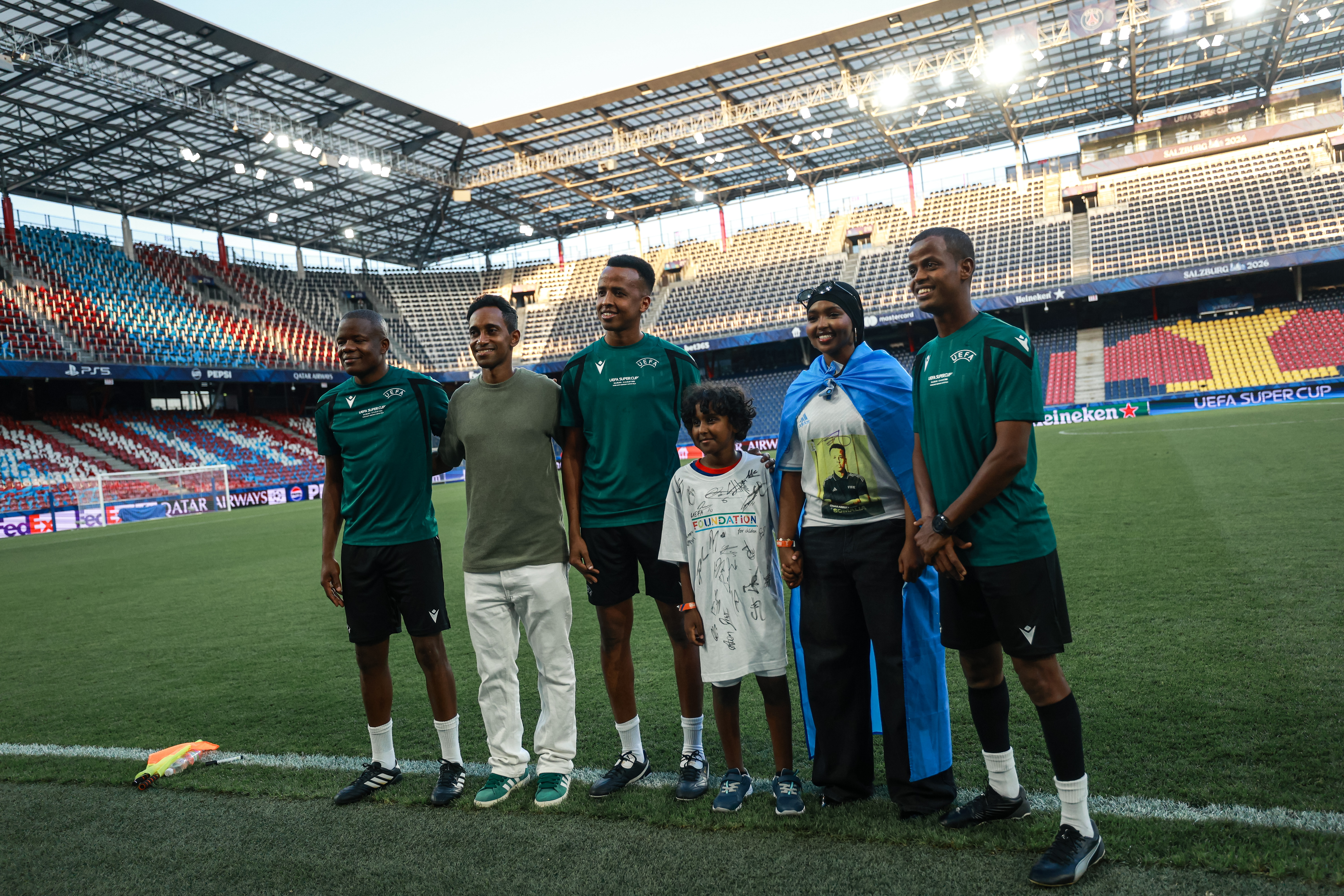
One lucky participant – 10-year-old Hadiya – helped hand out the medals alongside UEFA president Aleksander Čeferin during the closing ceremony.

Living in Groruddalen in the east of Oslo, Hadiya is a keen footballer and has been a regular at Rosa Sko's sessions over the past two years. Already a passionate supporter of women's football, she has now experienced its biggest club occasion from the heart of the action.


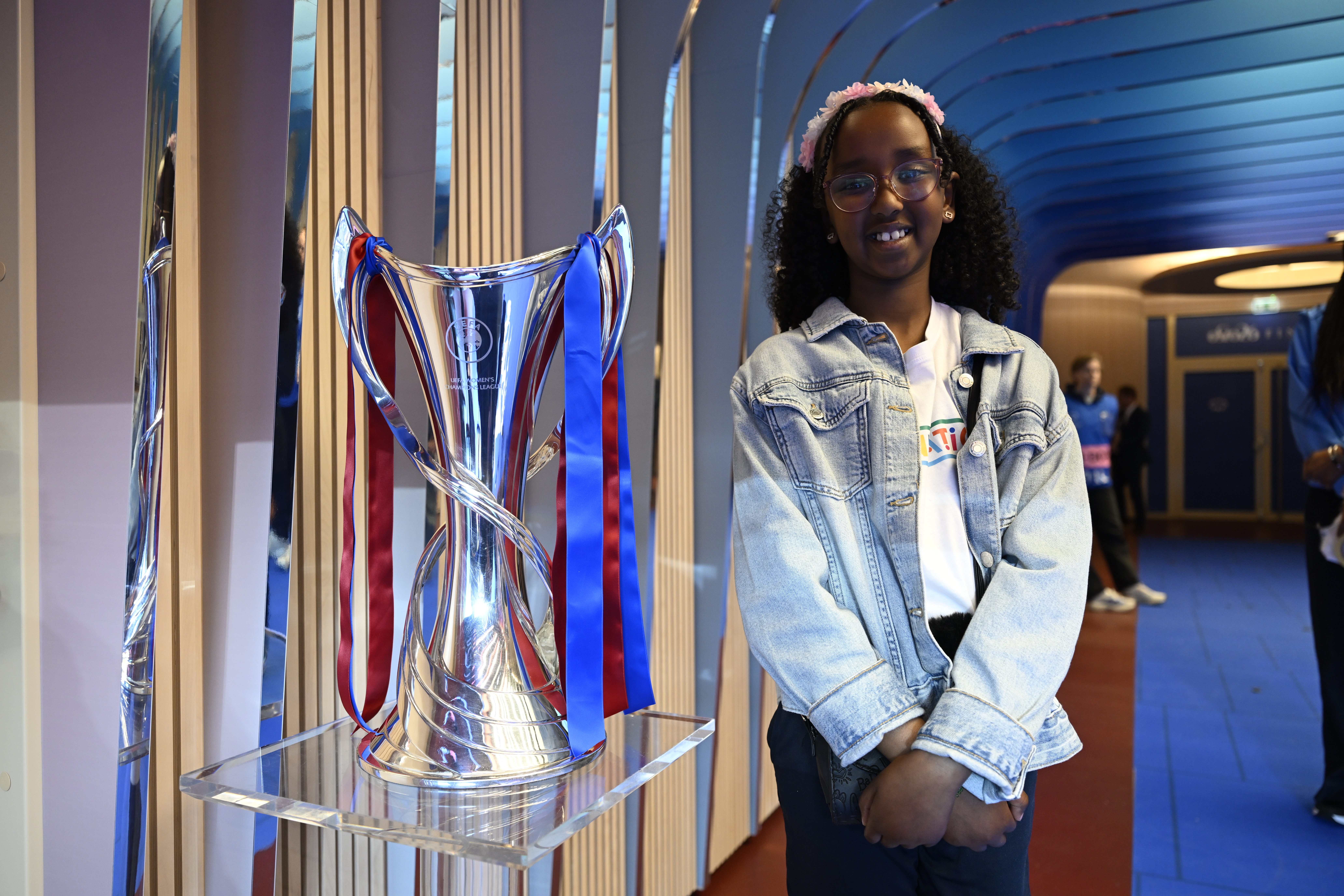
FC Barcelona v OL Lyonnes - UEFA Women's Champions League Final 2026
Hadiya helped the UEFA president hand out the medals after the final

Giving girls access to sport

Rosa Sko works to give girls in Oslo – particularly those from minority backgrounds – greater access to organised sport, while also creating pathways for young female coaches.

The organisation provides free school-based football activities for girls in a safe and supportive environment, following a 'girls coaching girls' approach designed to encourage participation.

Alongside the school activities, 'transition academies' have been established to help participants continue their journey into local club football. The academies are free of charge, open to all girls and focused on confidence-building, wellbeing and participation rather than performance.

Alongside its involvement with the Women's Champions League final, Rosa Sko was previously selected as Norway's grassroots initiative to champion during and after UEFA Women's EURO 2025. This was part of the Legacy for the Future programme, developed by the UEFA Foundation for Children and the adidas Foundation.


OSLO, NORWAY - MAY 22: Aitana Bonmati of FC Barcelona signs autographs for fans during a training session ahead of the UEFA Women's Champions League Final 2026 match between FC Barcelona and Olympique Lyonnais at Ullevaal Stadion on May 22, 2026 in Oslo, Norway. (Photo by Florencia Tan Jun - UEFA/UEFA via Getty Images)
The children attended official training sessions and a meet-and-greet with the players

11 years of impact

Since 2015, the UEFA Foundation for Children has worked to turn football into a tool for social impact. In its first decade, it supported 765 projects in 156 countries, improving the lives of over 4.9 million children. Today, 166 initiatives continue to use the power of sport to promote education, health, inclusion and personal development.

As the UEFA Foundation enters its second decade, its mission remains clear: to ensure every child, regardless of circumstance, can dream, grow and find their place through football.


UEFA Foundation for Children and Lidl Bring Purpose to the UEFA Europa League Final in Istanbul

UEFA Foundation for Children and Lidl Bring Purpose to the UEFA Europa League Final in Istanbul

Istanbul, 20 May 2026 – At the UEFA Europa League Final in Istanbul, the UEFA Foundation for Children and Lidl are using the power of football to create meaningful social impact.

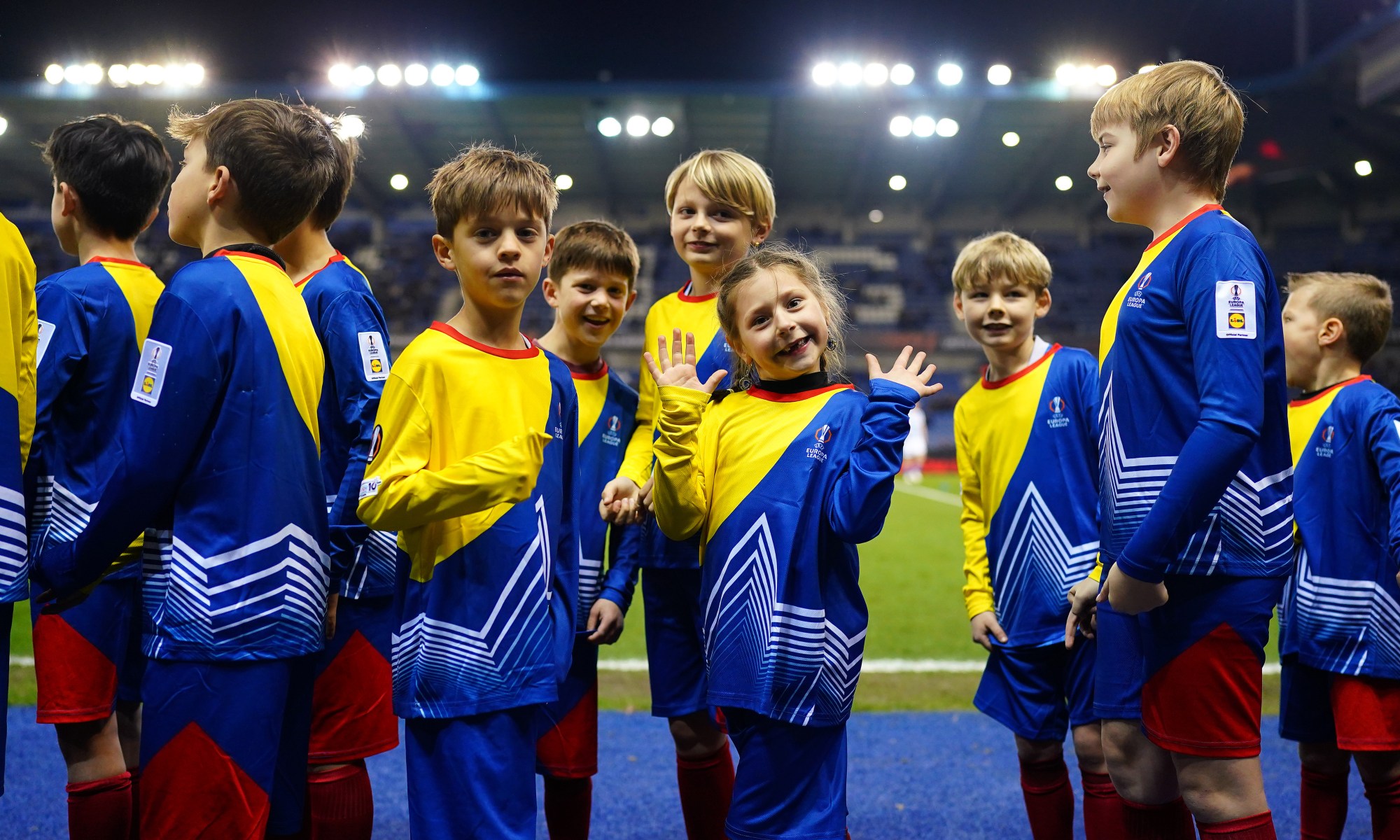
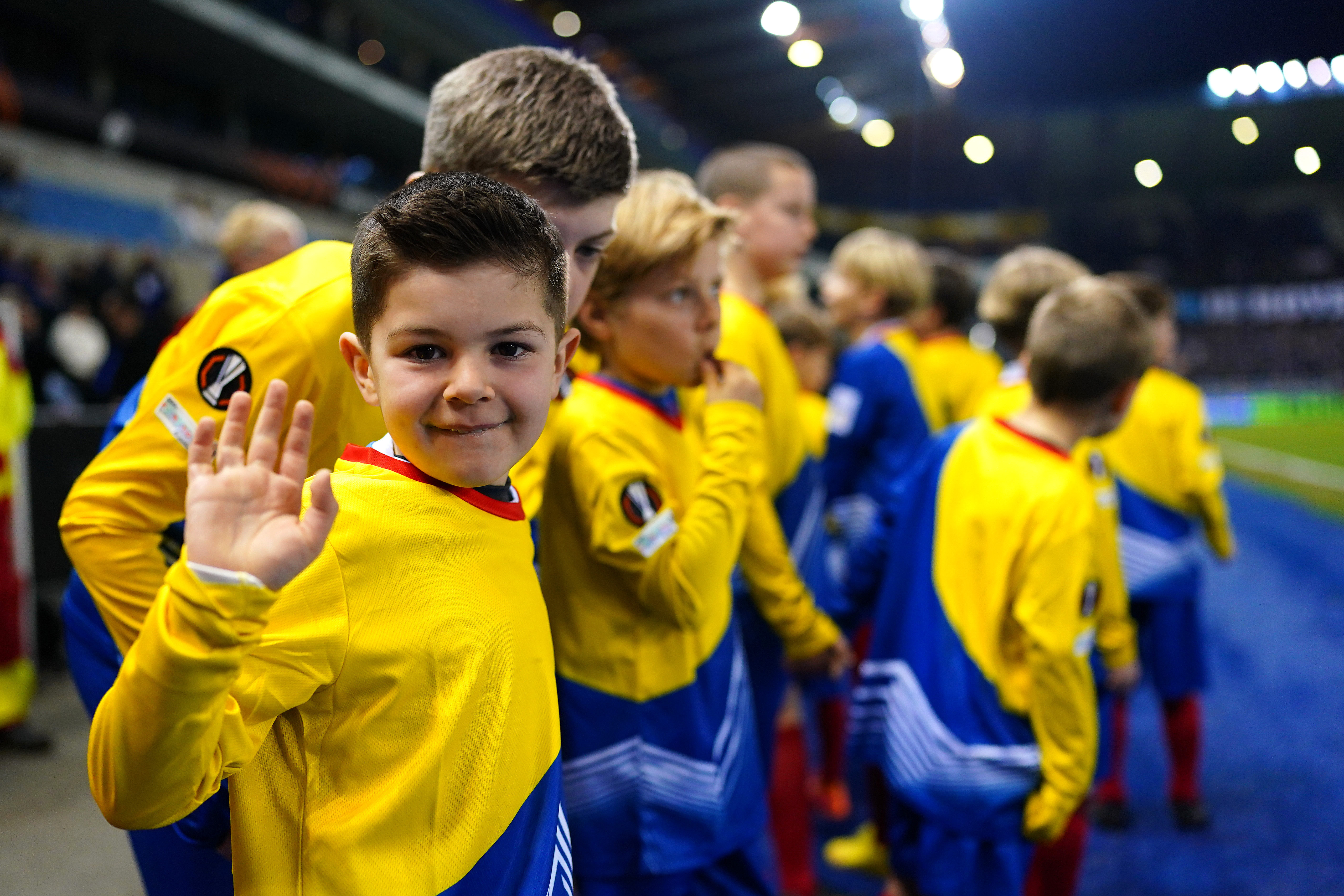
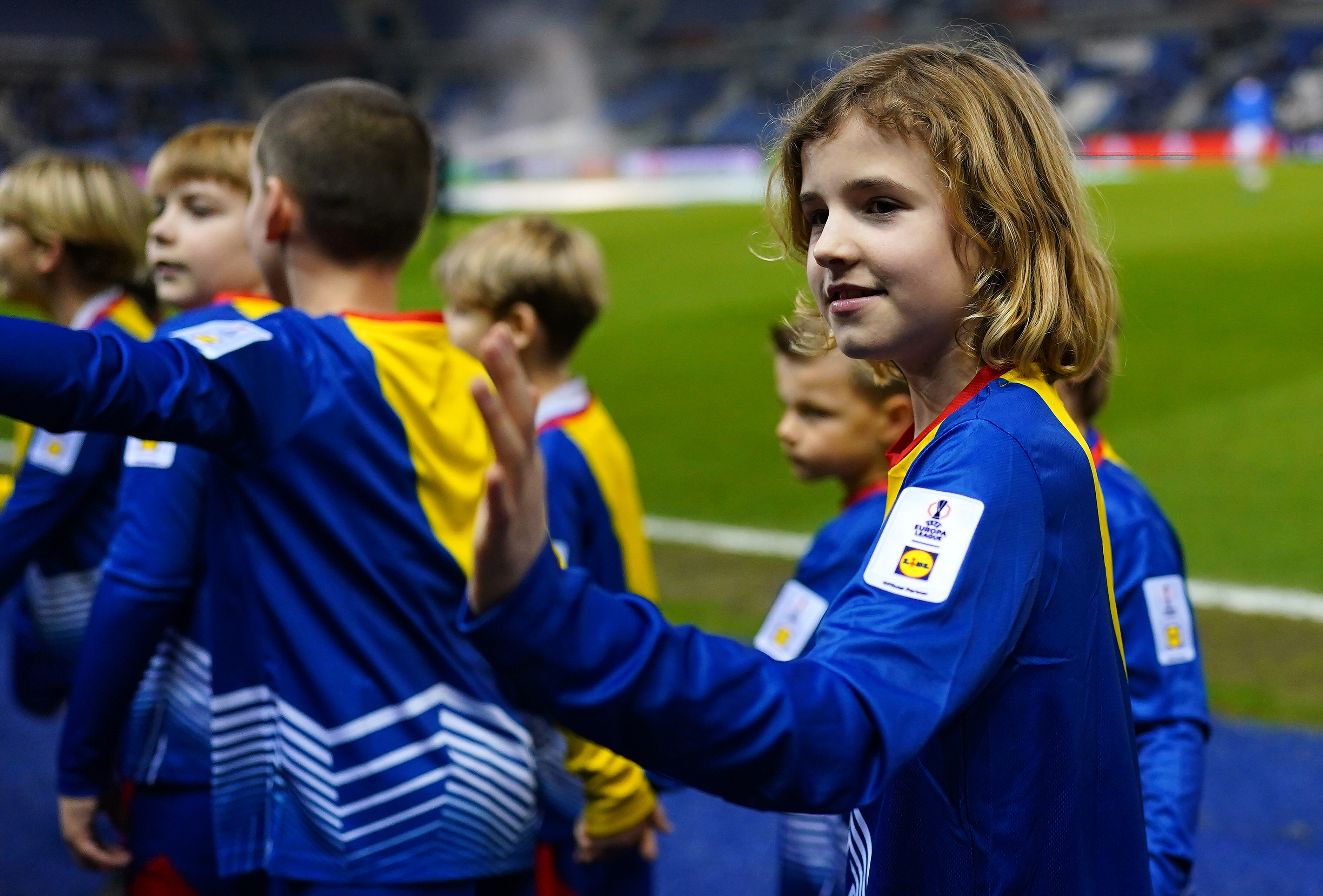
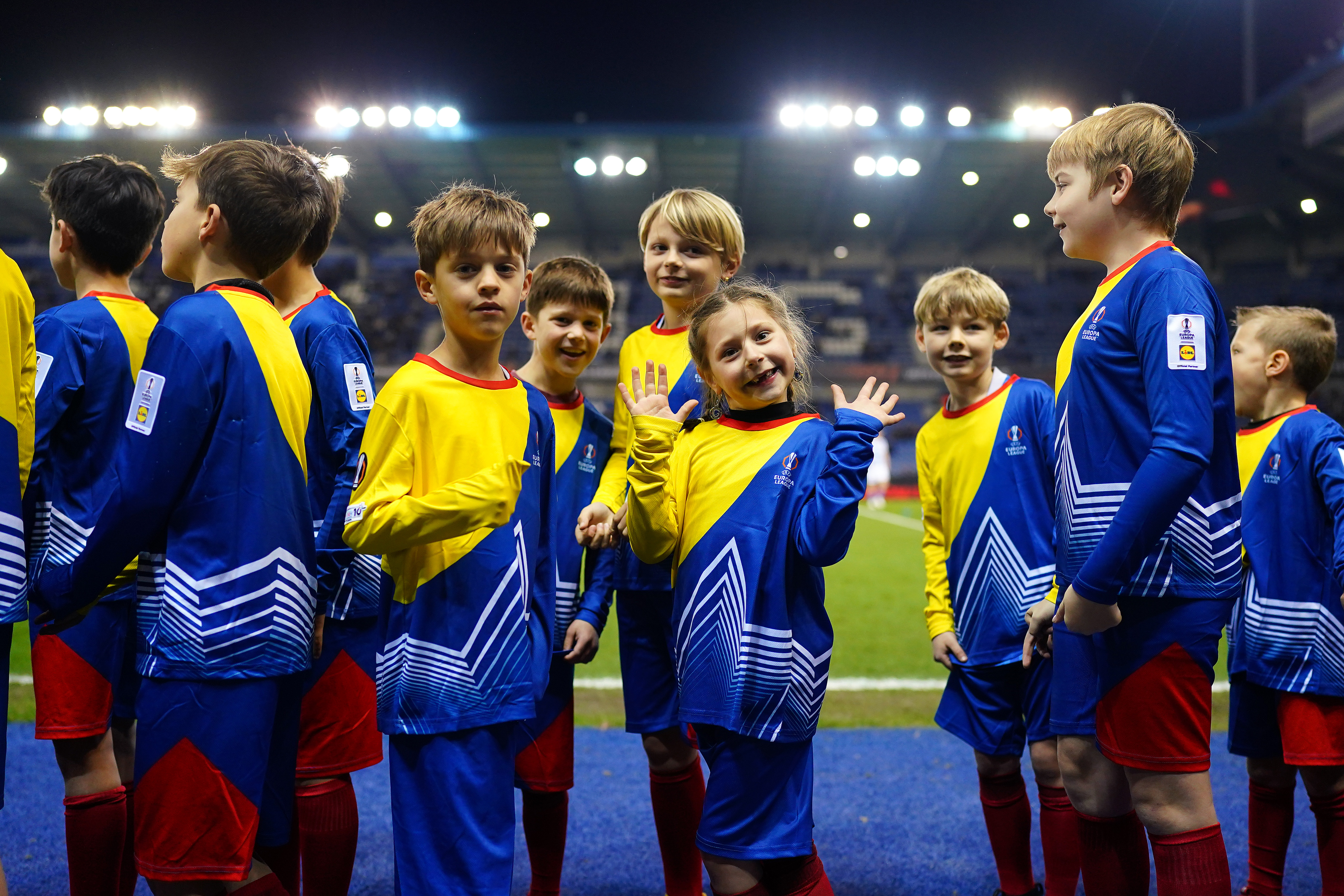
Through the Lidl Kids Team initiative, children from local partner organisations, Bonyan Organization and Kızlar Sahada, will step onto the pitch alongside the players, promoting inclusion, social cohesion, and gender equality on one of football’s biggest stages.


The initiative reflects a shared commitment to providing opportunities for children from diverse and disadvantaged backgrounds. By placing them at the heart of the final, the UEFA Foundation for Children and Lidl aim to inspire confidence, ambition, and a sense of belonging —demonstrating that football can be a powerful driver for positive change.

“Football has a unique ability to unite people and create lasting impact beyond the pitch. Through initiatives like the Lidl Kids Team, we are proud to give children from all backgrounds the opportunity to be part of unforgettable moments, while promoting inclusion, respect, and personal development,” said Carine NKoue, General Secretary of the UEFA Foundation for Children.

As UEFA Europa League’s Official Fresh Food Partner, Lidl also supports the promotion of active lifestyles and conscious nutrition among young people. The Lidl Kids Team initiative highlights the importance of combining physical activity with healthy habits, encouraging families across Europe to adopt balanced lifestyles that support long-term wellbeing.

“At Lidl, we believe that healthy habits start early. By connecting children to the excitement of football while promoting conscious nutrition and active lifestyles, we aim to inspire a new generation to take care of their wellbeing both on and off the pitch,” said a Lidl spokesperson.

Spanning the entire UEFA Europa League season, the Lidl Kids Team initiative has brought children closer to the game from the group stages through to the final. With the support of host clubs and community organisations, it has created unforgettable experiences while placing young people at the centre of the action.

At the final in Istanbul, 22 children will accompany the players from SC Freiburg and Aston Villa, representing organisations that are making a difference through sport. Among them are Bonyan Organization, which supports refugee and vulnerable youth, and Türkiye’s Kızlar Sahada, a pioneer in advancing gender equality through football and life skills development.

The collaboration between the UEFA Foundation for Children and Lidl demonstrates how football can drive meaningful social impact. By leveraging the global reach of UEFA competitions, the partnership creates opportunities for young people, increases access to sport, and promotes the importance of an active lifestyle supported by conscious nutrition.


Since its creation in 2015, the UEFA Foundation for Children has supported 765 projects in 156 countries, reaching more than 4.9 million children worldwide. Together with partners like Lidl, it continues to harness football’s unique ability to promote education, inclusion, health, and personal development.

As the Foundation enters its next decade, its mission remains clear: to ensure that every child—regardless of their background—can dream, grow, and find their place through football.

Moments of magic in Istanbul: the UEFA Foundation brings children from local charities to the Europa League final

Moments of magic in Istanbul: the UEFA Foundation brings children from local charities to the Europa League final

The UEFA Foundation for Children offers youngsters from the Bonyan Organization and Kızlar Sahada an exclusive look inside the UEFA Europa League final.

Each year, the UEFA Foundation for Children invites young people from vulnerable and underprivileged backgrounds to experience UEFA’s biggest occasions from the heart of the action – meeting players, attending the match and, for some, stepping onto the pitch as mascots before kick-off.

At this week’s UEFA Europa League final in Istanbul, 50 children from UEFA Foundation partner organisations Bonyan and Kızlar Sahada will be watching the match from the stands, with many of them having attended a special meet‑and‑greet session with players of Aston Villa and Freiburg beforehand.

Also getting a chance to see the stars of the final up close will be the 22 children walking out as player mascots at Beşiktaş Park, thanks to the UEFA Foundation and Europa League partner Lidl.

Taking centre stage

One youngster will get to experience the final from closer than most supporters could ever imagine.

Ten-year-old Şerif, one of the many children the Bonyan Organization works with, will step onto the pitch after the final whistle to help UEFA president Aleksander Čeferin hand out the players’ medals.

Şerif lives in Akçakale, a district on the Turkish border with Syria that has been deeply affected by conflict and displacement in the region. Growing up alongside Syrian refugee children, he has developed a strong sense of empathy and community from an early age.

He has become a positive role model among his peers – making his role on one of European football’s biggest stages all the more special.

Bonyan Organization

The Bonyan Organization is a non‑governmental, non‑profit organisation dedicated to supporting war‑affected communities across the Middle East.

It runs multiple sport-for-development projects in Türkiye, which is host to millions of Syrian refugees. The initiatives focus on providing long-term access to sport to both host and refugee communities, encouraging inclusion and gender equality.

Through inclusive football activities, life‑skills training, and environmental initiatives, Bonyan empowers young people to learn, connect, and grow in safer and more supportive environments.

Kızlar Sahada

Translating to ‘Girls on the Field’, Kızlar Sahada is a sport‑for‑development initiative that uses football to challenge gender stereotypes and expand opportunities for girls and women across Türkiye.

The UEFA Foundation provides funding for Kızlar Sahada’s RePlay Project, which for the past two years has organised free football activities for young boys and girls in Şanlıurfa, southern Türkiye. Regular matchplay and specialised training sessions are designed to provide safe and welcoming environments, and to develop social and emotional skills.

Across the country, Kızlar Sahada also works closely with families, schools, and local government to help overcome restrictive gender norms and create a more supportive environment for girls to participate in football.


Khalida Popal delivers coaching clinics for refugees with Dutch FA and UEFA Foundation

Khalida Popal delivers coaching clinics for refugees with Dutch FA and UEFA Foundation


Khalida Popal, former captain of the Afghanistan national women’s football team, last week led two coaching clinics at the biggest refugee centre in the Netherlands.

The clinics mainly focused on women, girls and refugee children, using sport as a tool for integration and empowerment, and were delivered in collaboration with the Royal Netherlands Football Association’s (KNVB) WorldCoaches programme.

Popal visited the initiative in the Dutch town of Ter Apel, helping to train residents of the local asylum seeker centre to become sports coaches and community leaders, enabling them to organise regular football activities for local children. Her own experiences in creating the Afghanistan women's team before seeking asylum in Denmark is an inspirational example for them to follow.

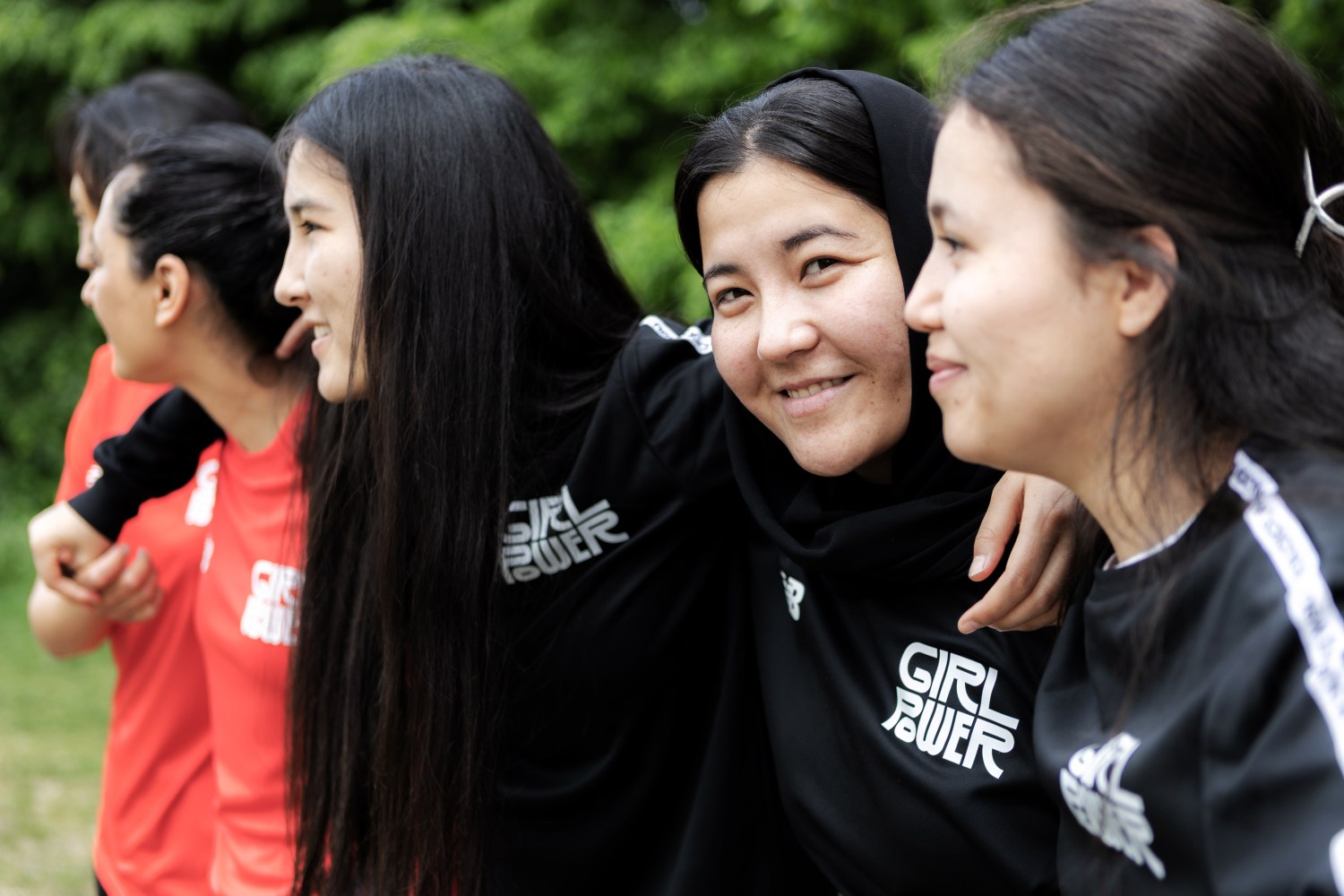
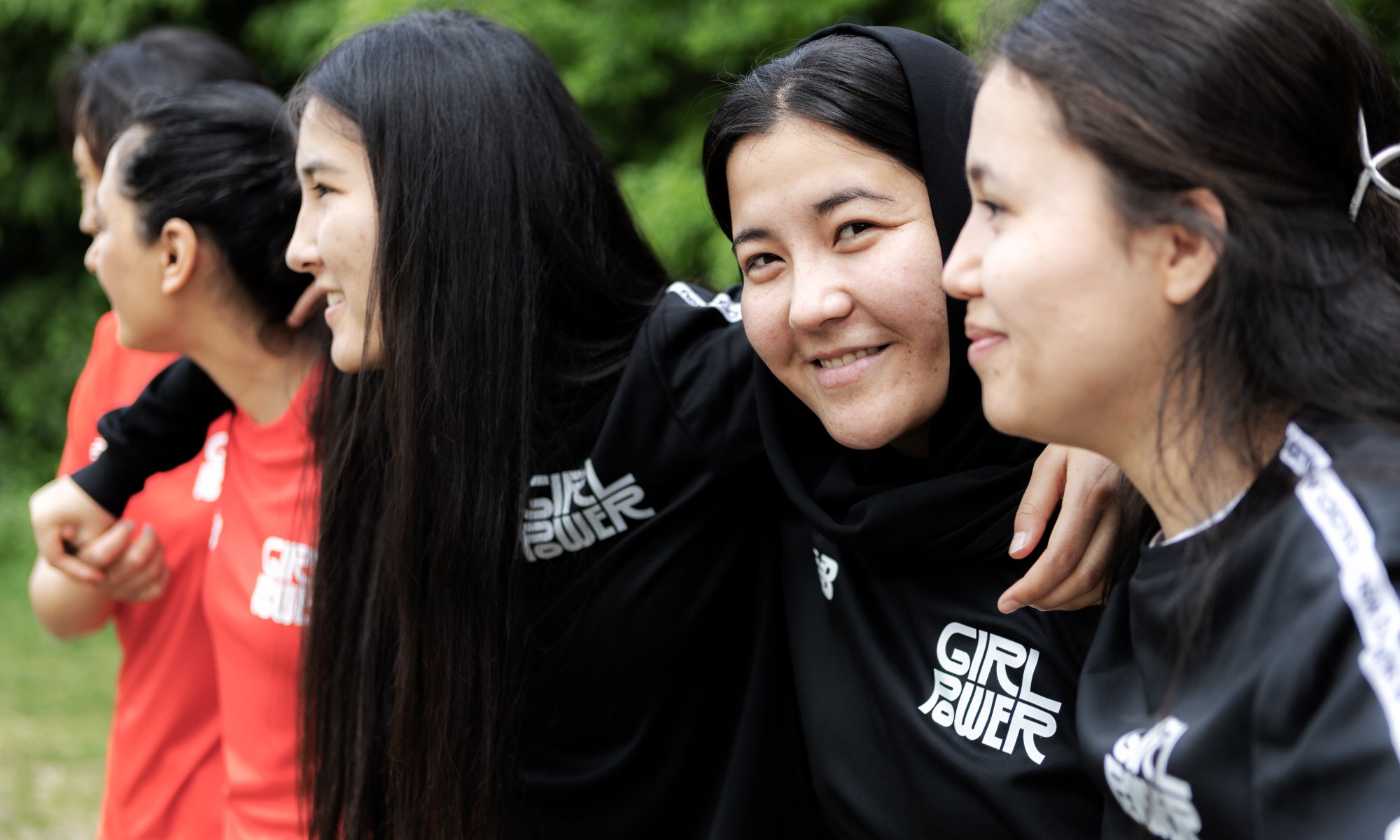
"As someone who has lived the refugee experience myself and used football as a lifeline, it was a true pleasure to work with refugees in this programme," said Popal, now a bestselling author who leads Girl Power, an NGO that helps refugee women rediscover their strength through sport.

"After everything they have been through, seeing their strength, courage, and commitment to creating positive change in their new communities through football and life skills was incredibly inspiring. I hope they become community leaders and role models for the next generation. It reminded me why I started this journey in the first place: to use the power of the game to give others the opportunities and hope that once saved me."

In October, Popal was also in the Netherlands for the fourth edition of the UEFA Unity EURO Cup, a tournament for refugee footballers and members of their host communities, supported by UNHCR, which brought together 18 teams in a powerful celebration of football’s unifying spirit. There, during a high-level forum hosted by the KNVB at its headquarters in Zeist, she spoke about her own experiences of the power of football in the integration of refugees, and how football helped her after she fled Afghanistan.


As someone who has lived the refugee experience myself and used football as a lifeline, it was a true pleasure to work with refugees in this programme,

- Khalida Popal

Creating a Legacy for the Future with the Italian Women’s National Team

Creating a Legacy for the Future with the Italian Women’s National Team

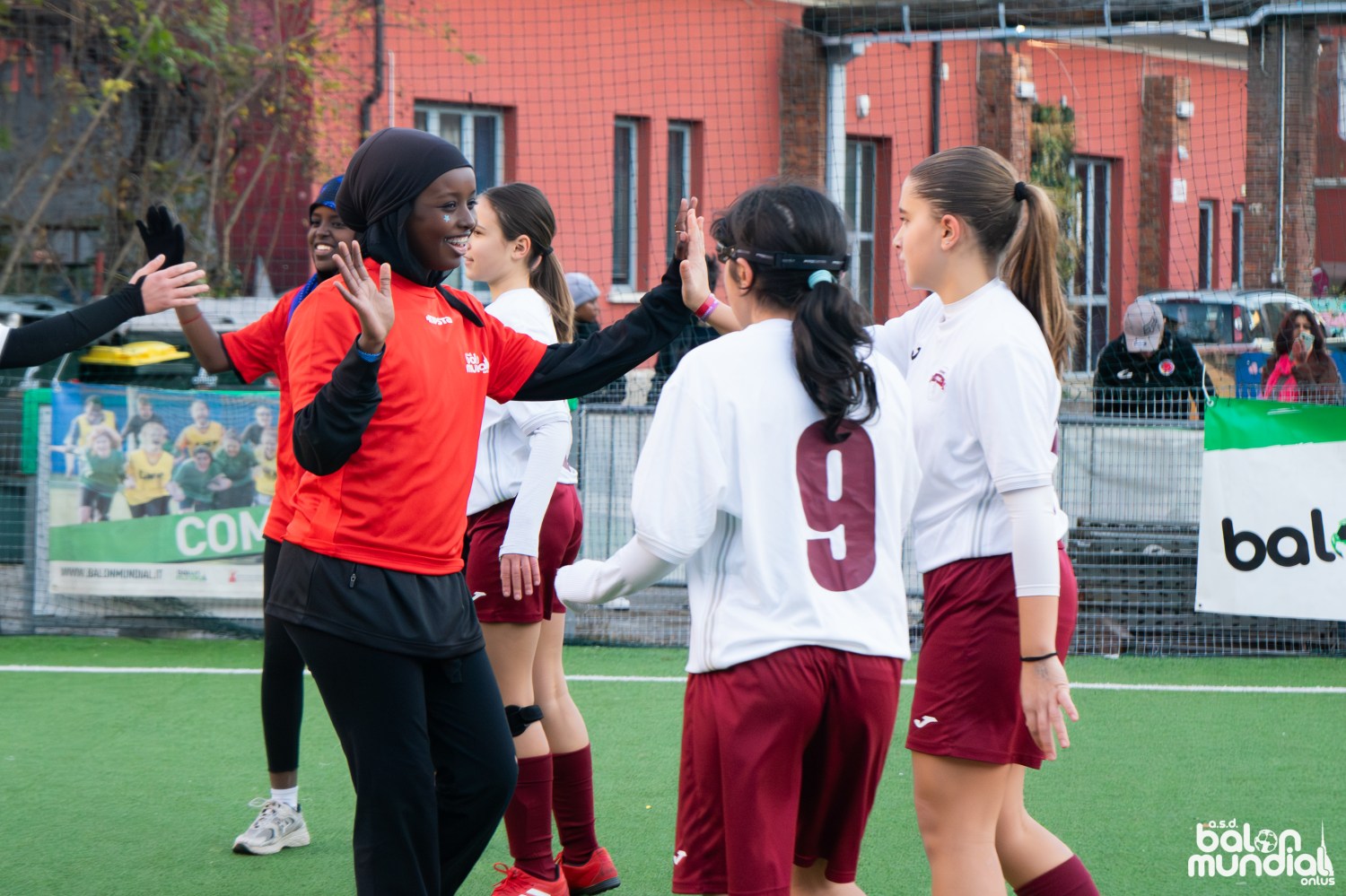
A group of young footballers from ASD Balon Mundial Onlus experienced an unforgettable day alongside the Italy women’s national team, as part of Legacy for the Future, a UEFA Foundation for Children.

Hosted at the Italian Football Federation’s historic headquarters in Coverciano, the visit gave the young participants a unique opportunity to watch the Azzurre train, interact with players and technical staff, and experience elite football up close. Beyond the pitch, the day was about inspiration, confidence, and showing what is possible through dedication, teamwork, and belief.

Empowering Girls and Women Beyond Football

Legacy for the Future was launched in 2025 to ensure that Women’s EURO 2025 delivers a long-term social impact. The programme supports initiatives that empower girls and women not only in football, but also in:

  • Education and lifelong learning
  • Employment and leadership
  • Social inclusion and community life

As part of the initiative, each national association participating in Women’s EURO 2025 selected one organisation in its country working to advance gender equality. These organisations receive:

  • Financial support
  • Increased visibility and networking opportunities
  • Capacity-building support to strengthen their long-term impact

Italy selected Balon Mundial, a Turin-based non-profit organisation founded in 2012 that uses football as a tool to promote inclusion and challenge discrimination.

A Shared Moment of Values and Inspiration

Speaking after the visit, experienced Italy defender Elena Linari highlighted the importance of these exchanges:

“We were able to host a group of extraordinary young women who share truly unique values with us. It was genuinely very special to welcome them here in Coverciano.”

For the players, the presence of young people who see football as a means of inclusion and empowerment brought renewed meaning to their daily work.


Bringing Football Back to a Human Scale

For Balon Mundial’s project manager Beatrice Serasso, the day represented something deeply meaningful:

“This experience allows our girls and our women’s team to connect with a reality that is often only seen on screens. Moments like this remind us that football can still feel human and accessible.”

Her colleague Elena Fatta described the invitation as recognition of the organisation’s mission:

“Being here today is a sign that we are succeeding. It motivates us to continue expanding our work and breaking down barriers through sport.”


Legacy for the Future: additional information


About ASD Balon Mundial

ASD Balon Mundial ONLUS is an amateur sports association founded in Turin in 2012. Through football and inclusive empowerment programs, it promotes social inclusion, education, and active citizenship. Working within national and international networks, the association develops innovative non-formal education methods focused on fair play, respect, and conflict resolution. Each year, its projects engage over 7,000 people of all ages and backgrounds, using sport as a catalyst for equality and community empowerment.

UEFA Foundation for Children visits MYSA, Nairobi

UEFA Foundation for Children visits MYSA, Nairobi

Opening the door to possibility

The Mathare Youth Sports Association (MYSA) is a youth-led organisation founded in 1987 by Canadian Bob Munro to harness the power of sport for community change. In 1994, Mathare United FC was founded, a professional club that grew out of the MYSA youth programme and went on to win Kenya’s top league in 2008 – proof that local talent, when nurtured, can reach the very top.


The UEFA Foundation for Children has supported MYSA for years, funding programmes that blend football with education, health awareness, employability and inclusion. The foundation’s grants to MYSA – awarded in 2019, 2024, 2025 and 2026 – total €309,886.

This collaboration reflects the foundation’s broader mission to protect children’s rights and create opportunities worldwide through sport.


The MYSA Centre, a place of hope

MYSA’s mission is to provide opportunities for boys and girls from informal settlements to realise their potential, both on and off the pitch.

Edwin Wasonga, who accompanied us throughout our visit last January, started at MYSA as a young football player and is today the Executive Director. He took us on a tour of the MYSA Centre and its buildings and activities, during which we met staff members responsible for running different programmes, all former beneficiaries of the association. “When there is a job opportunity at MYSA, we give priority to the people who benefited from and participated in life at MYSA,” said Edwin. “It is a way of giving our people a chance if they have the competencies needed for the job.”

  • Health and rights: Knowledge that protects

Since 1994, MYSA’s Slum Health and Rights Programme has offered HIV testing, medication and counselling, sexual and reproductive health education, peer‑education training, safeguarding support and referrals – practical, youth‑friendly services that meet young people where they are. This programme empowers beneficiaries to make the right decisions related to their well-being.

  • Libraries: Quiet places of discovery

MYSA has four libraries, one of which is a digital library. These locations are regularly used by school groups of all ages because many local schools lack resources to cultivate a reading culture and provide safe spaces for learning. The young people love coming to the library – it offers them a moment of freedom and the chance to discover new subjects and interests that inspire them.

  • Sporting spaces where confidence grows

The largest area of the MYSA Centre is dedicated to sport. It includes a fitness room, a multipurpose hall equipped for badminton and table tennis, an artificial football pitch donated by FIFA before the World Cup in South Africa and a large football pitch.

The youth transformation projects funded by UEFA use the sport for development model, supporting the personal and social development of young people through sport and recreational activities at the grassroots level.

  • How MYSA leagues build skills on and off the pitch

MYSA has established football leagues for children aged 4 to 17. In 2025, there were 1,745 teams: 1,018 boys' teams, 402 girls' teams and 325 mixed teams.

In league matches, scoring goals is not the only factor that counts. Teams and players can earn extra points for fair play and participating in community activities, while yellow and red cards result in point deductions. This system promotes respect, teamwork and social responsibility both on and off the field.

By participating in these activities, young people acquire skills that help them avoid engaging in risky or antisocial behaviour, such as substance abuse, violence or crime. The project uses sport to raise awareness about health, safeguarding and physical and emotional well-being.


Mathare, a slum located in the heart of Nairobi

As the association’s name suggests, MYSA started in Mathare.

Home to approximately 200,000 people, Mathare is one of Africa’s largest informal settlements – a place where daily life is a struggle for survival. Here, families live in fragile homes clustered along narrow pathways, and most residents are single mothers raising their children alone. Many have been abandoned by their partners, who have avoided their responsibilities and left young mothers to shoulder the entire weight of parenthood alone, often with several children in their care. Most MYSA beneficiaries are children raised by single mothers.

With no access to training and no steady income, these mothers take on small tasks, like washing clothes for neighbours or selling small items on the street, accepting any job that appears. And when hardship becomes unbearable, some are driven to desperate, high‑risk choices simply to make sure their children have something to eat.

Life in Mathare is difficult. Water must be purchased. Electricity is unreliable or nonexistent. Toilets are a luxury. Every day demands resilience.

For many children, childhood ends far too early. To support their mothers, they leave school – where fees are required – and begin working, long before they should. By adolescence, some are drawn into gangs, not out of choice, but out of a lack of alternatives. And so, the cycle of poverty tightens its grip, generation after generation.


MYSA offers a lifeline. Through its community football programmes, children discover a safe space where they can simply be children – play, laugh and breathe away from the pressures of life. The sports field becomes their refuge and their source of hope.

Some of the players from Kenya’s national football teams come from the MYSA programme, proof that they have been able to change their living conditions and those of their families by becoming professional football players

For those who demonstrate dedication and leadership, MYSA goes even further by providing scholarships, helping prevent children from dropping out of school. By covering school fees, MYSA opens the door for these children to an education they could never have afforded on their own. For many, this support is truly transformative, as good education can change lives and break the cycle of poverty.

The healthcare and rights programme also plays a crucial role, as the community faces challenges related to disease, violence and substance abuse. Through this programme, MYSA provides information, guidance and support to empower young people to make informed decisions and become drivers of positive change within their community.

Edwin Wasonga:

“We believe deeply in the potential of young people growing up in the slums, because they represent the change we want to see. Our goal is to help them take ownership of their future and their environment. That is why we focus on working hand in hand with the community’s young leaders, strengthening their capacity to lead, inspire and build lasting transformation.”


Library – Through the pages

Across the road from the settlement, the Mathare North community library, managed by Charles Ajoe, welcomes countless children and young adults who come here to read, draw, discuss, dance and study in a safe and inspiring environment. He organises engaging opportunities such as book awards to encourage children to read selected titles and video conferences with authors to give young readers a chance to engage directly with the stories they love. He also promotes exchanges with youngsters in other countries, creating meaningful conversations around themes explored in the books. Through these experiences, children are motivated to read more and discover new worlds beyond their own – through the pages.


He remembered when children from Scotland and children from Mathare shared their thoughts about the same book. In the story, a monkey enters a classroom. The Scottish children’s reaction was to take care of the monkey and feed it bananas, while the Kenyan children’s response was to chase the monkey away and keep the bananas for their lunch break.

The MYSA programme – and especially the library – plays a vital role in supporting the education of young pupils. Many of these children live in the slums of Kenya and have no access to learning facilities, so they look forward to visiting the library, listening to stories and exploring picture books.


Victorious King Education Centre

We had the privilege of meeting Martha Mwangi, director of the Victorious King Education Centre, who opened the doors of her school so we could meet the pupils, from the very youngest to teens. They spoke candidly about their dreams, and the teachers described the changes they’ve seen since joining MYSA’s activities.

Martha Mwangi, director of the Victorious King Education Centre:

“Since our school joined the MYSA programme, we have seen remarkable positive changes in our children. Previously, many of them struggled with low self‑esteem and lacked confidence in themselves and in life. Through participating in MYSA activities and learning new skills, these children have become more active, more engaged and more emotionally stable – both in and out of school. The library has opened a new world to them: they read together, their writing and English have improved, and books have become a powerful source of growth and encouragement.”


League day in Korogocho: Coaches who came back to give back

Accompanied by Robert Menya, the league match coordinator, we visited the MYSA sports field in Korogocho to watch some league matches. What impressed us most was not only the talent on the pitch, but the spirit and determination driving it.

These young players are guided by coaches who once stood exactly where they stand today – children shaped by MYSA’s grassroots football programme. Having grown up on the same fields, faced the same challenges and shared the same dreams, they now return as mentors, committed to giving the next generation the opportunities they once received.

Thanks to specialised training provided through MYSA by the Football Kenya Federation, these coaches have strengthened their skills, gained new confidence and are now empowering their teams to aim higher, play better and truly believe in themselves.

Mohammed Ismael, coach, Under-15 girls’ team:

“It isn’t easy to coach teenage girls here. Families struggle to afford even basic equipment, and social pressures can keep girls at home. MYSA helps them grow their talent and confidence – on and off the pitch. As a coach, I try to instil determination, consistency and focus in everything they do.”

Catherine Monthe, coach, Under-12 and Under-13 girls’ teams

“The first challenge is simply finding girls, because not all parents support their daughters playing football. Menstruation can complicate participation, too. But once they join, they make friends, learn life skills and keep coming back. Sometimes a little practical support – like soap or slippers – helps us keep them in the game.”


Asher’s story and transformation

Asher is a 13‑year‑old girl who lives in Korogocho. Orphaned at a young age, she now lives with her grandmother, Rosemary. Her older brother is currently in prison, leaving Asher and her grandmother to navigate life on their own, a life with many struggles, which brought the young girl close to dropping out of school.

Asher joined the MYSA programme five years ago, after MYSA representatives visited her school in search of new participants. From the very first day, she discovered a genuine passion for football – one that quickly grew into an extraordinary talent.

Her dedication and active participation in the programme earned her a MYSA education sponsorship, allowing her to stay in school. Although Asher understands the importance of education, football has become her main source of joy, confidence and purpose.

Today, she is determined to be among the few young athletes selected to travel to Norway to participate in the Norway Cup 2026, the world’s largest youth football tournaments. For Asher, this is more than a competition – it is the chance of a lifetime.

Asher has already participated in two championships with MYSA, during which she received medals and a MYSA jersey. In 2024, she was named player of the match.

Her grandmother is very proud and supportive of her and is grateful every day for the opportunity that MYSA has given to Asher: to have a better life.

Rosemary, the grandmother

“I am so proud of my granddaughter, and my heart is full of gratitude for the coach who cares for her and all the other girls. They lift each other up, growing together in ways they could never do alone. She goes to school, and I no longer ask her to do the heavy housework – I want her to have the childhood and opportunities I never had. The coach’s commitment has been a blessing to our family.”

Asking Asher about her dream, she replied:

“My dream is to play football and help my family and other children who have no shelter and nothing to eat.”


IMPACT OF MYSA

30,000+ registered members

1,745 teams in 2025 (1,018 boys’ teams, 402 girls’ teams and 325 mixed teams)

10,000+ young people informed about health and their rights

6,000+ scholarships

3,000+ grassroots coaches

1,300+ library users

In 2008, 80% of the Kenyan national football team, as well as the technical team, came from the MYSA programme.


Water4Wildlife in the Maasai Mara Reserve

Water4Wildlife in the Maasai Mara Reserve

A foundation rooted in conservation and community

The Maasai Mara National Reserve in Kenya, about 250km from Nairobi, is home to the Water4Wildlife Foundation, registered in 2019 by Christine Cherop de Harder, a Kenyan woman deeply committed to protecting ecosystems, wildlife and the natural environment.

The organisation’s mission is clear: to protect wildlife and their habitats while inspiring children and young people – through football – to become future wildlife conservationists.

Water4Wildlife combines two powerful pillars:

  • Ecosystem conservation – protecting wildlife and the environment, creating separate waterpoints for humans and wild animals
  • Football – using the most loved and followed sport in the region to educate children at an early age to cherish and protect their environment and support conservation efforts.

For the past five years, Water4Wildlife has proudly partnered with the UEFA Foundation for Children, working together on:

  • Distribution of football kits
  • Construction of football pitches at Ilkimatare and Ngosuani primary schools
  • Construction of a fully equipped girls’ club


Safe access to clean water

Near the Water4Wildlife campus lies a small Maasai settlement of manyattas where ancestral traditions remain strong. Women here play a central role. They build the manyattas (traditional Maasai homes), fetch water for drinking, cooking and washing, prepare fire using wood and flint and ensure the well-being of their families.

Stephan Parmuat, the elder of the community, explains the transformation the community has experienced:

“Before the sun rose each morning, our journey began. Women walked long distances to reach the only water source we knew. The path was long, and when we finally arrived, they often found wild animals – zebras, buffaloes, even elephants – were drinking from the same place. The water was dirty, full of germs. That caused our children to catch diseases such as typhoid and cholera. But it was the only water we had.

Then everything changed.

Water4Wildlife brought hope to the community. After identifying a clean water source next to the mountain, the foundation built a system to pump safe water next to the village. The water was clear, fresh, safe and easy to reach. For the community, it was life‑changing.”

Christine Cherop de Harder added:

“The Maasai Mara is vast and dry. Humans and wildlife often share the same water sources, leading to conflicts. Water4Wildlife’s goal is to create as many separate water points as possible so that communities have safe access to water, wildlife can drink without coming into dangerous contact with people, children can spend more time learning and playing than fetching water, and women, who benefit perhaps the most, save hours each day and avoid dangerous encounters with wild animals.”


Rangers: Protectors of wildlife

On our visit, we met children from three different local schools benefiting from the football kit donated by the UEFA Foundation. Some rangers joined too, to play football with the pupils and teach them about wildlife conservation and how to behave in the presence of wild animals, so they can better understand and protect them.

Local wildlife rangers play a vital role in educating children about conservation. Every day, they ensure the safety of animals in the conservancy.

“If an animal is sick, we give first aid,” one ranger explains. “We also monitor for unusual movements or signs of poachers.”

Suzanne, a ranger and conservation advocate, adds:

“It is important to transfer our knowledge to the younger generations. This ensures the continuity of wildlife conservation in our reserve. We take care of a pair of rhinos – Kofi Annan and Queen Elizabeth – who are the pride of our reserve.”


From water to football: A vision for education

The initial focus was on water for wildlife, but Christine soon realised the community was suffering too, so she expanded the project to include water points for people and educational activities for children.

Football quickly became a powerful tool.

“It is the most popular and loved sport here,” Christine says. “Boys and girls play equally. So, I gave them a ball, and after playing, we began to talk about wildlife conservation.”

This is how programmes like Football4Wildlife, Football4Trees and Football4Environment were born.

They began in schools, but the dream soon grew. Christine wanted a safe space where children, especially girls, could gather. This led to the creation of the girls’ club: a place where Maasai parents know their daughters are safe, supported and inspired.


Thinking about the future, Christine hopes the girls’ club will empower girls to take on leading positions in the field, where more women are needed as vets, drivers, rangers and conservationists.

Girls have little life outside school and domestic work. This club will give them freedom, confidence and a future.”


St John Paul II Mission Boarding Primary School

We received a warm welcome from the teachers and the 700 students, from first to eighth grades. We also connected with their girls’ football team, who thanked the UEFA Foundation for helping them defend their rights through football.

The girls’ club plays an essential role: it gives girls the opportunity to meet mentors to discuss their rights, to develop their skills and talents, to preserve their cultural heritage through recycling waste, nature protection, and to enjoy regular football practice.


UEFA Foundation for Children brings hope and inclusion to Nisida young offenders through football

UEFA Foundation for Children brings hope and inclusion to Nisida young offenders through football

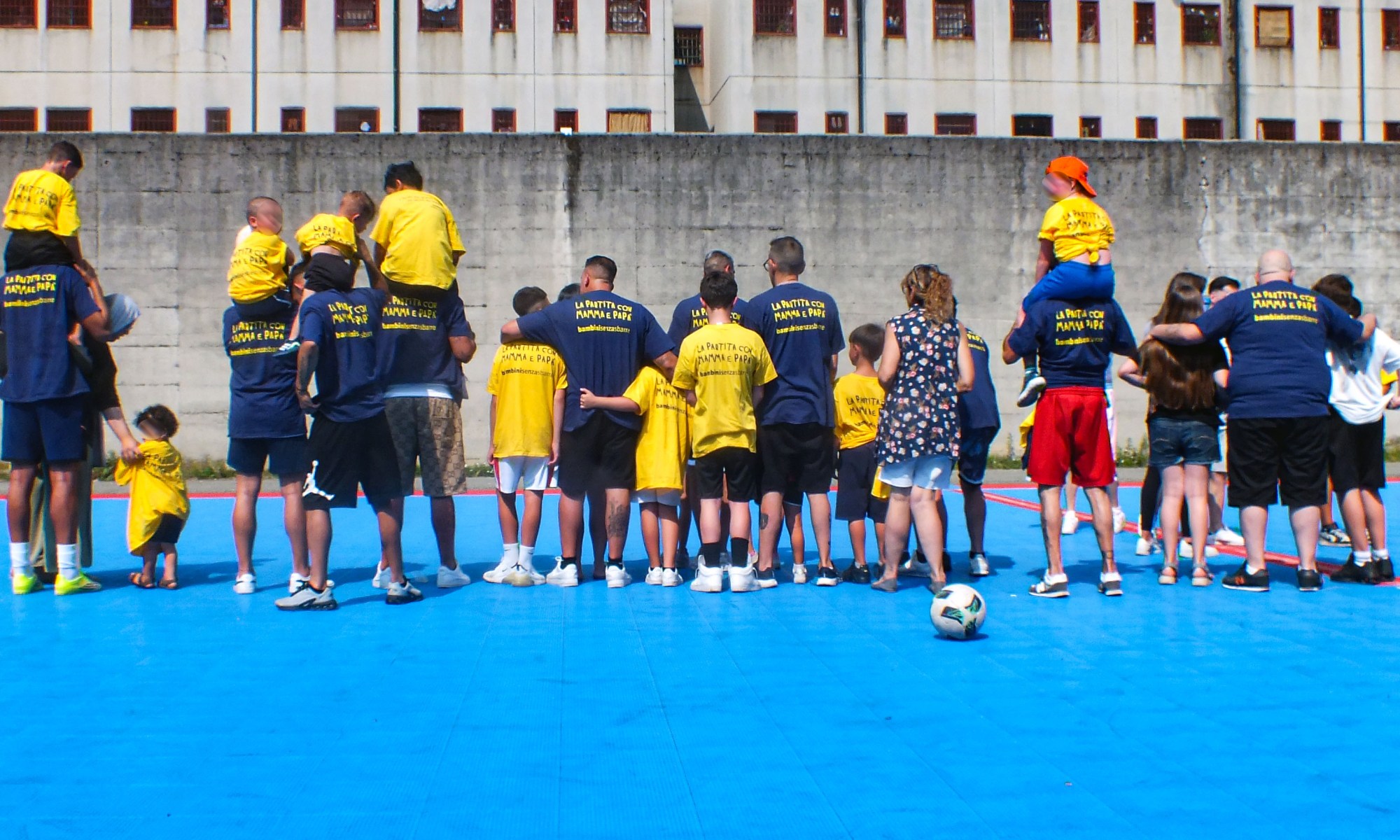
On 27 November, the UEFA Foundation for Children joined the Italian Football Federation (FIGC) and Scholas Occurrentes at the Nisida institute for young offenders in Naples to celebrate a key milestone in the Zona Luce project. The initiative, launched in 2024 and recipient of the UEFA Foundation for Children Award, uses football as a powerful tool for education, inclusion and social reintegration.

A ceremony was held to mark the conclusion of months of training and value-based education for young detainees, who received their Grassroots Level E – Social Football certificates in an event that celebrated hope and transformation. The course, which was supervised by the FIGC’s youth and school department, introduced participants to the fundamentals of grassroots football while promoting values such as respect, courage, identity and resilience. Weekly sessions combined technical learning with discussions on inclusion and personal growth, preparing the boys for life beyond the prison walls.

The event was attended by key figures, including Gianluca Guida, director of the institute, Vito Tisci, president of the FIGC’s youth and school department, María Paz Jurado, president of Scholas Occurrentes Italia, Håkan Sjöstrand, senior strategic advisor for UEFA and the UEFA Foundation for Children, the President of EAV, Umberto de Gregorio, and the Councillor for Sports of the City of Naples, Emanuela Ferrante. Their presence underscored the shared commitment to offering second chances through sport.

Zona Luce is a powerful reminder of how football can open doors to hope and new beginnings,” said Håkan Sjöstrand. “Meeting these young people reaffirmed the game’s ability to transform lives. This project embodies true partnership and a deep belief in second chances – giving these boys the opportunity to rewrite their story.

The project also aims to create a bridge between the institute and the outside world, offering opportunities for social reintegration through internships, cultural activities and creative workshops. By combining football with education and art, Zona Luce provides young people with tools to rebuild their lives and rediscover hope.

Beyond football, Zona Luce integrates art and culture into its rehabilitation pathway. On the same day, the institute unveiled its own ‘Sistine Chapel of the Young’, a stunning mural created by detainees in collaboration with the Naples Academy of Fine Arts. The artwork symbolises resilience and hope, featuring powerful images such as a couple facing a stormy sea and a floor opening to reveal clocks – reminders that a new day is always possible.

Supported by UEFA Foundation for Children, the project will continue to expand, offering new workshops, internships and creative initiatives. As the foundation celebrates its tenth anniversary, Zona Luce stands as a beacon of hope, showing how football can illuminate paths of redemption and build bridges toward a brighter future.

Zona Luce is a powerful reminder of how football can open doors to hope and new beginnings. Meeting these young people reaffirmed the game’s ability to transform lives. This project embodies true partnership and a deep belief in second chances – giving these boys the opportunity to rewrite their story.”

- Håkan Sjöstrand, senior strategic advisor for UEFA and the UEFA Foundation for Children

Driving inclusion through football

Driving inclusion through football

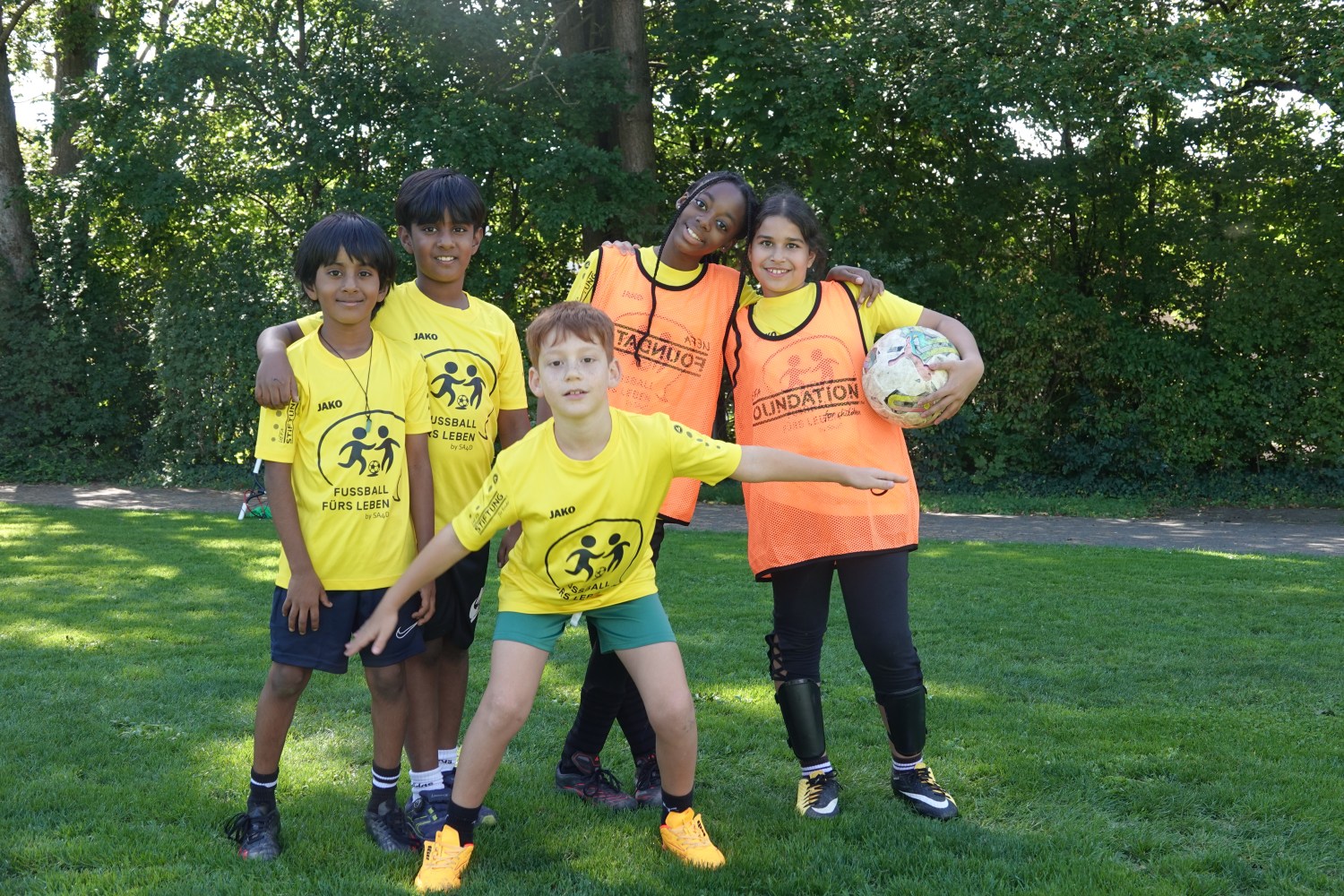
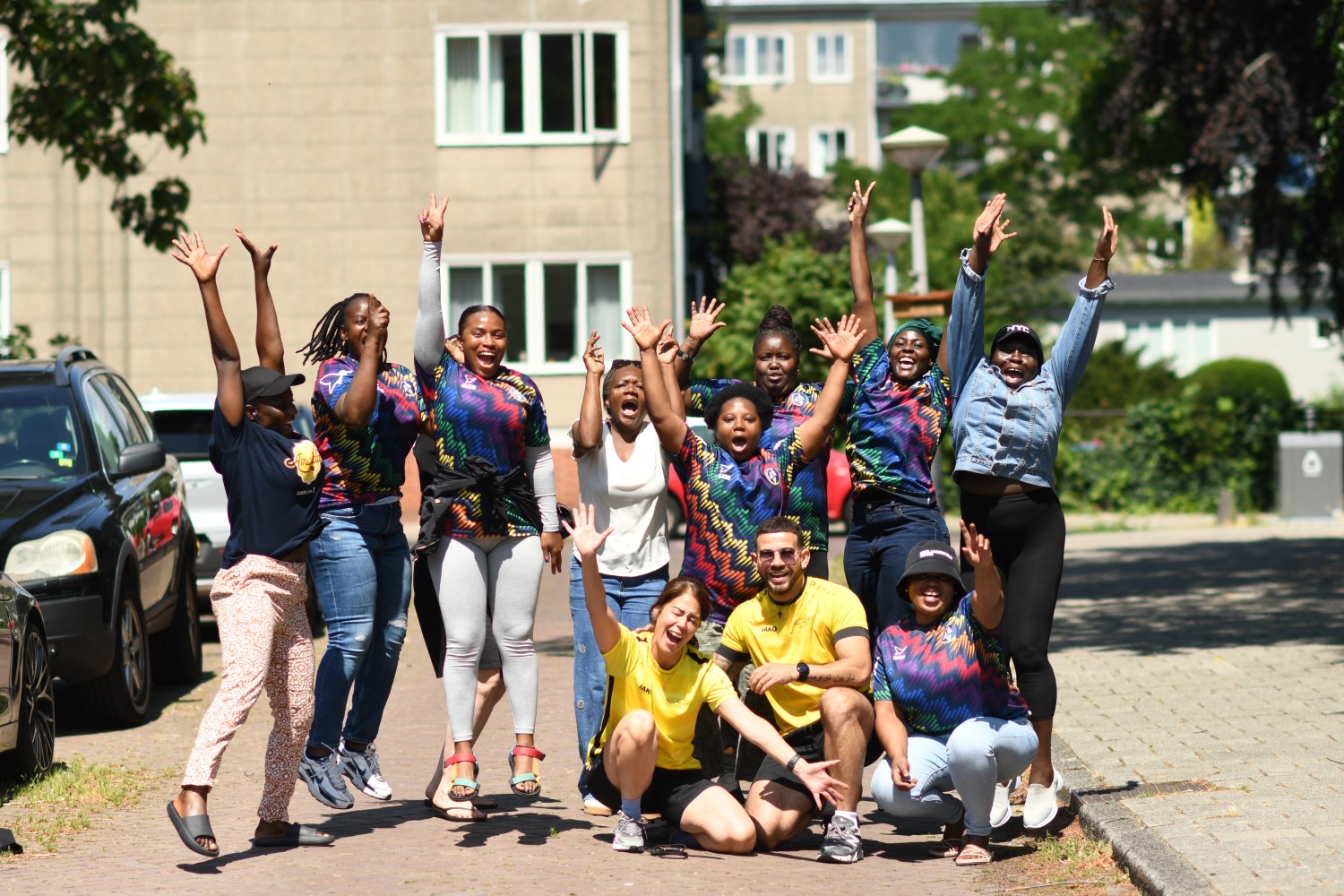
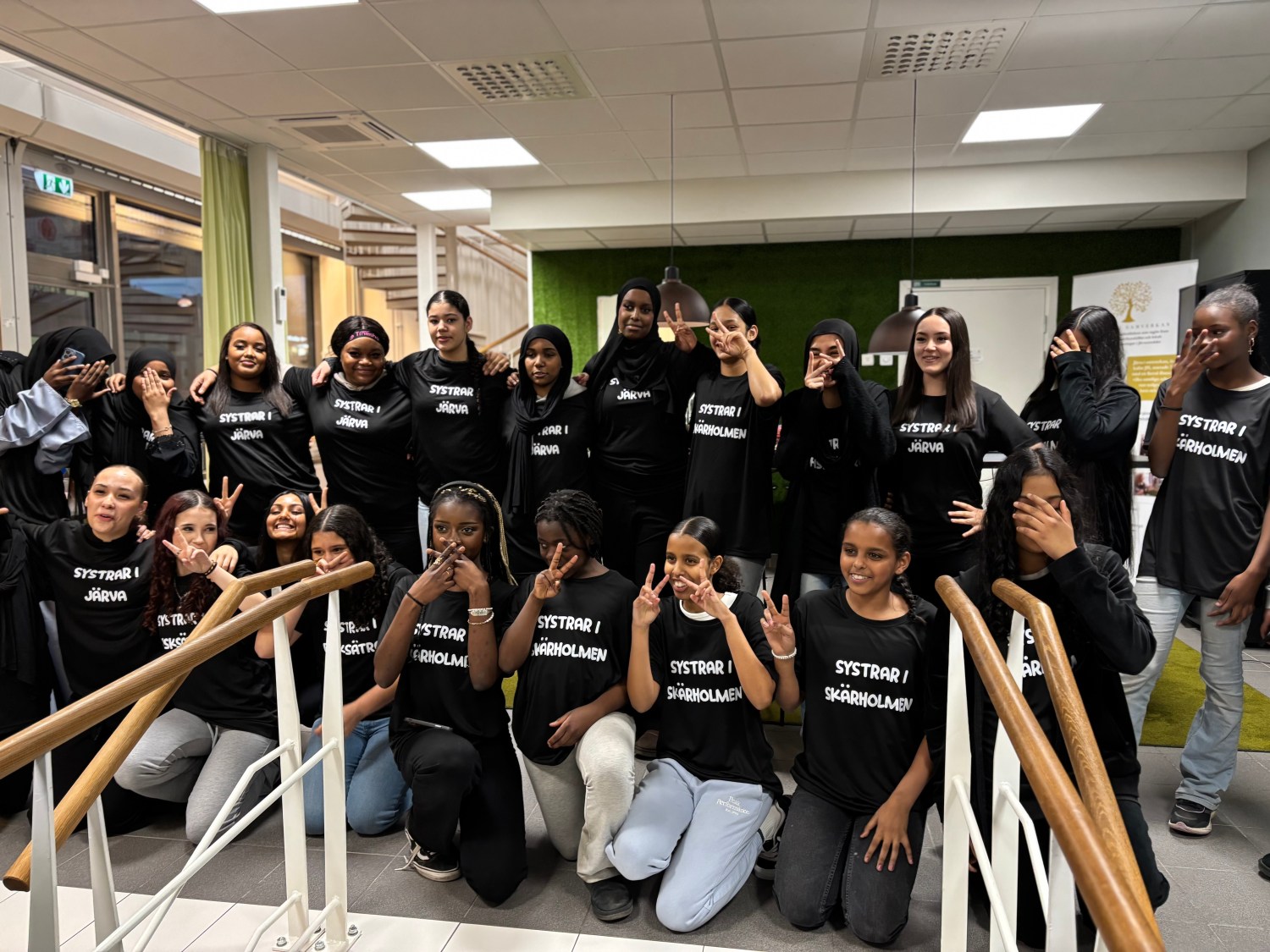
Football for Unity 2.0 is a Europe-wide initiative co-funded by the European Union and led by Common Goal in partnership with the UEFA Foundation for Children. Building on the success of Unity 1.0, which ran during UEFA EURO 2020, this programme harnesses the power of football to promote social inclusion, combat racism and strengthen solidarity across Europe.

A consortium of 14 project partners across 11 EU member states – Austria, Czechia, Germany, Greece, Hungary, Italy, Latvia, the Netherlands, Poland, Romania and Spain – is working together to develop expertise and a shared approach to integration, anti-racism and the tackling of discrimination through sport. By creating safe spaces and inclusive environments, Football for Unity 2.0 aims to ensure that football remains a unifying force for communities everywhere.

Running from September 2023 to February 2026, Unity 2.0 focuses on creating safe spaces, providing inclusive coaching and supporting the community-led integration of young people from refugee, migrant and host communities. The programme is structured around two key pillars:

  • Switch the Pitch: An anti-racism and inclusive coaching initiative targeting coaches, youth teams and fan groups. Activities include fan engagement at UEFA EURO 2024, volunteer workshops and the development of an anti-racism toolkit for clubs.
  • Team Up for Solidarity: It’s an active collaboration between local organisations and football associations across Europe, offering young migrants and refugees opportunities to learn, grow and integrate through sport.

Highlights so far:

  • Successful fan zone activations and volunteer training during UEFA EURO 2024
  • Launch of an anti-racism curriculum in Germany, followed by localised versions in Latvia, Italy and Spain
  • Over 1,000 inclusive football sessions delivered across partner countries, empowering young people and promoting cultural understanding
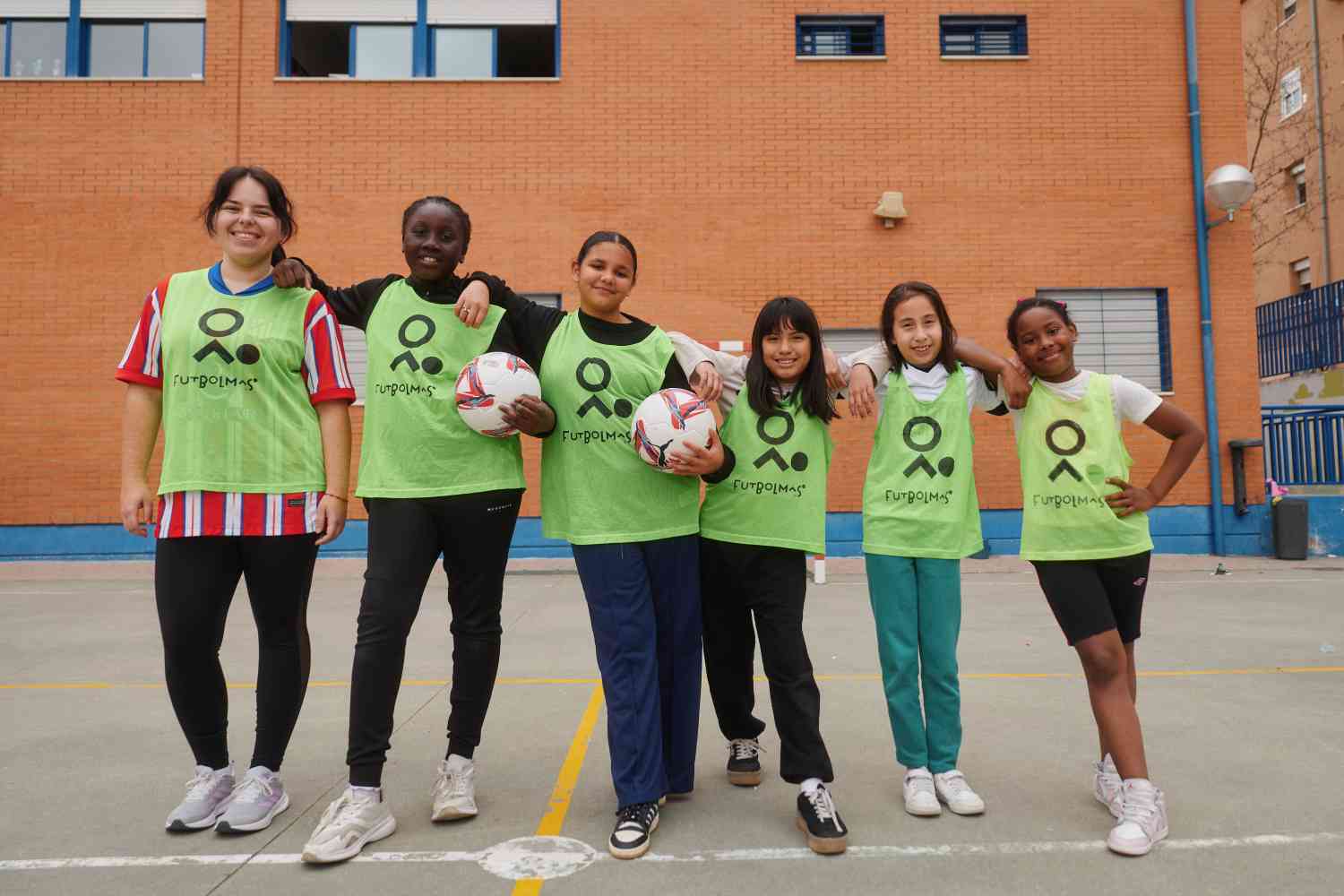
  • Strong community impact through initiatives like Austria’s Kicken ohne Grenzen, Spain’s Fútbol Más and Romania’s refugee inclusion programmes

Football for Unity is about more than a game – it’s about building bridges, creating opportunities and shaping a future in which diversity is celebrated. As we move into the next phase, our focus remains on empowering communities, strengthening partnerships and ensuring that football continues to be a force for good.

Update on the project: Link to Newsletter

About the European Union

Project partner

Asylum, Migration and Integration Fund (2021-2027)

About Common Goal

Project Partner

Common Goal is united by the joy of football and the absolute belief in the game’s ability to change the world.


Luís Figo, Ivan Rakitić and Gabriella Csányi join the UEFA Foundation for Children board as 100 new projects are approved

UEFA Foundation for Children Board Meeting 2025

Luís Figo, Ivan Rakitić and Gabriella Csányi join the UEFA Foundation for Children board as 100 new projects are approved

Foundation selects global initiatives following its 2025 call for projects, reinforcing worldwide commitment to children's rights and well-being

The UEFA Foundation for Children board of trustees has approved a new portfolio of 100 projects designed to promote the fundamental rights of vulnerable children across the globe. These initiatives were selected at its meeting, chaired by UEFA president  Aleksander Čeferin, on Monday 3 November, following the foundation’s annual call for projects, which invites organisations that share thttps://uefafoundation.org/wp-content/uploads/2025/11/cp-103_-list-of-projects-en-69203a0924960.pdfhe foundation's values to propose practical measures to support children in need.

Marking its tenth anniversary, the UEFA Foundation for Children board also welcomes Luís Figo, Ivan Rakitić and Gabriella Csányi as its newest members, bringing fresh perspectives and renewed energy to its mission.

Several long-serving board members will continue their involvement with the foundation in new capacities. Clarence Seedorf will serve as advisor to the president for social affairs, while Andrea Radrizzani will take on the role of advisor to the foundation. Fiona May becomes a UEFA foundation ambassador, and Margarita Louis-Dreyfus will become a friend of the foundation.

Aleksander Čeferin, President of UEFA and Chair of the UEFA Foundation for Children, stated: “I am proud to welcome our new board members to the UEFA Foundation for Children. Their deep understanding of the game and their experience working with children will bring valuable perspective and passion to our mission.  I would also like to express my gratitude to long-standing members transitioning into new roles. Together, we will continue to harness the power of football to inspire hope, joy and opportunity where it’s needed most."

Luís Figo, UEFA Foundation for Children Board Member: “I’m looking forward to supporting and promoting all the foundation’s projects around the world. Every child is a champion, and I’m proud to be part of a team that believes in their potential.”

Ivan Rakitić, UEFA Foundation for Children Board Member: "It’s an honour to join the board after many fulfilling years as an ambassador. Children are at the heart of everything we do; they are our future, our inspiration. I’m committed to doing all I can to bring them joy, hope and opportunity through the power of football."

Gabriella Csányi, UEFA Foundation for Children Board Member: “It’s a great honour to join the UEFA Foundation for Children board. Having spent my career working with disadvantaged yet talented children, this feels like a meaningful recognition of that journey. I truly believe in equal opportunities, and when we empower children with the right resources, they can achieve anything.”

€6.8m allocated to 100 projects

The UEFA Foundation for Children works to uphold and advance the rights of vulnerable children worldwide, welcoming applications from organisations that align with its values of and propose impactful actions in the following areas: access to sport, personal development, disabled children, health, conflict victims, gender equality, environmental protection, employability, infrastructure and equipment and strengthening partnerships.

A budget of €6,855,000 was allocated to this year's call for projects, representing a €2m increase on 2024's figure.

The UEFA Foundation for Children administration examined and evaluated every project submitted, with final decisions made at this week's meeting in accordance with its statutes and ethical code.

Foundation board member Dominique Blanc, who participated in the selection process: “The projects selected represent a bold step forward in our strategic vision. Each initiative was chosen not only for its potential impact, but also for the strength of its partnerships and alignment with our core values. We are confident these efforts will deliver meaningful results on the ground.”

The board extends its appreciation to all partners and stakeholders who contributed to the development and proposal of these projects. The full list of 104 new projects across all continents is available here.

The next call for projects is scheduled for June/July 2026.

I am proud to welcome our new board members to the UEFA Foundation for Children. Their deep understanding of the game and their experience working with children will bring valuable perspective and passion to our mission.  I would also like to express my gratitude to long-standing members transitioning into new roles. Together, we will continue to harness the power of football to inspire hope, joy and opportunity where it’s needed most.”

- Aleksander Čeferin, President of UEFA and Chair of the UEFA Foundation for Children