Sport and support – Equal goals!

Location and general information

Ongoing
Location Berane, Nikšić, Podgorica and Zeta (Montenegro)
Start date 01/15/2026
End date 06/15/2026
Cost of the project €92,636
Foundation funding €73,162
Project identifier 2025000548
Partners Parents NGO
Categories Access to Sport - Children with disabilities - Conflict victims - Gender Equality - Personal development
Context

UNICEF has reported that more than 30% of children in Montenegro are at risk of poverty, and more than 40% of children under five years old in low and middle-income countries such as Montenegro are at risk of not reaching their full developmental potential. Early childhood poverty increases the risk of developmental delays, lower academic achievement, mental and physical health issues, and future unemployment. The COVID-19 pandemic, inflation and political instability have further worsened conditions for children and families. At the same time, growing inequality between rich and poor is deepening disparities among children.

Project goals

  • Reduce inequalities among children by providing equal opportunities.
  • Reduce dropout rates in primary and secondary education.
  • Increase the children’s self-confidence, with a special focus on girls.
  • Increase opportunities for socialisation and peer connections.
  • Improve the children’s self-esteem and ability to direct their own learning.

In collaboration with coaches and school staff, the project aims to send a clear message: the children are valued, strong and supported, and together, we can overcome anything!

Project content

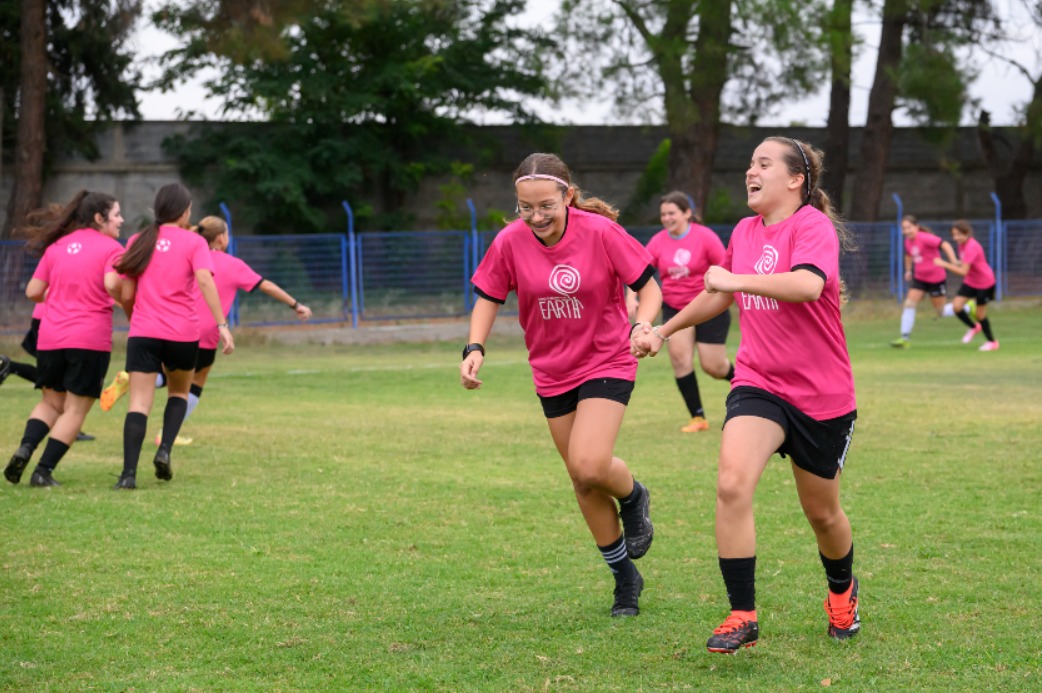
The project runs sports and psychological workshops in ten schools across Montenegro, with a focus on Roma children and those from low-income families, helping them to become champions of equality. It provides free football programmes for 720 children, 76% of whom are taking part in sport for the first time, as well as psychological empowerment sessions for 150 girls and continuous psychological support for 150 girls.

Partner

Football for Unity

Location and general information

Ongoing
Location Dublin, Ireland
Start date 01/01/2026
End date 10/31/2026
Cost of the project €65,860
Foundation funding €30,000
Project identifier 2025002117
Partners Sport Against Racism Ireland (SARI)
Categories Access to Sport - Employability - Gender Equality - Healthy lifestyle - Personal development - Strengthening partnerships

Context

The northeastern inner city of Dublin suffers from high levels of deprivation and poverty, with high concentrations of lone parents (up to 80% in some areas), unemployment (approximately 50% of men and 40% of women, against a national average of 4%), low educational attainment (50% of people aged 15 and over have primary education only, against a national average of 9%) and high levels of crime and substance abuse. It is also the area in Ireland with the highest percentage of ethnic minorities.

Project goals

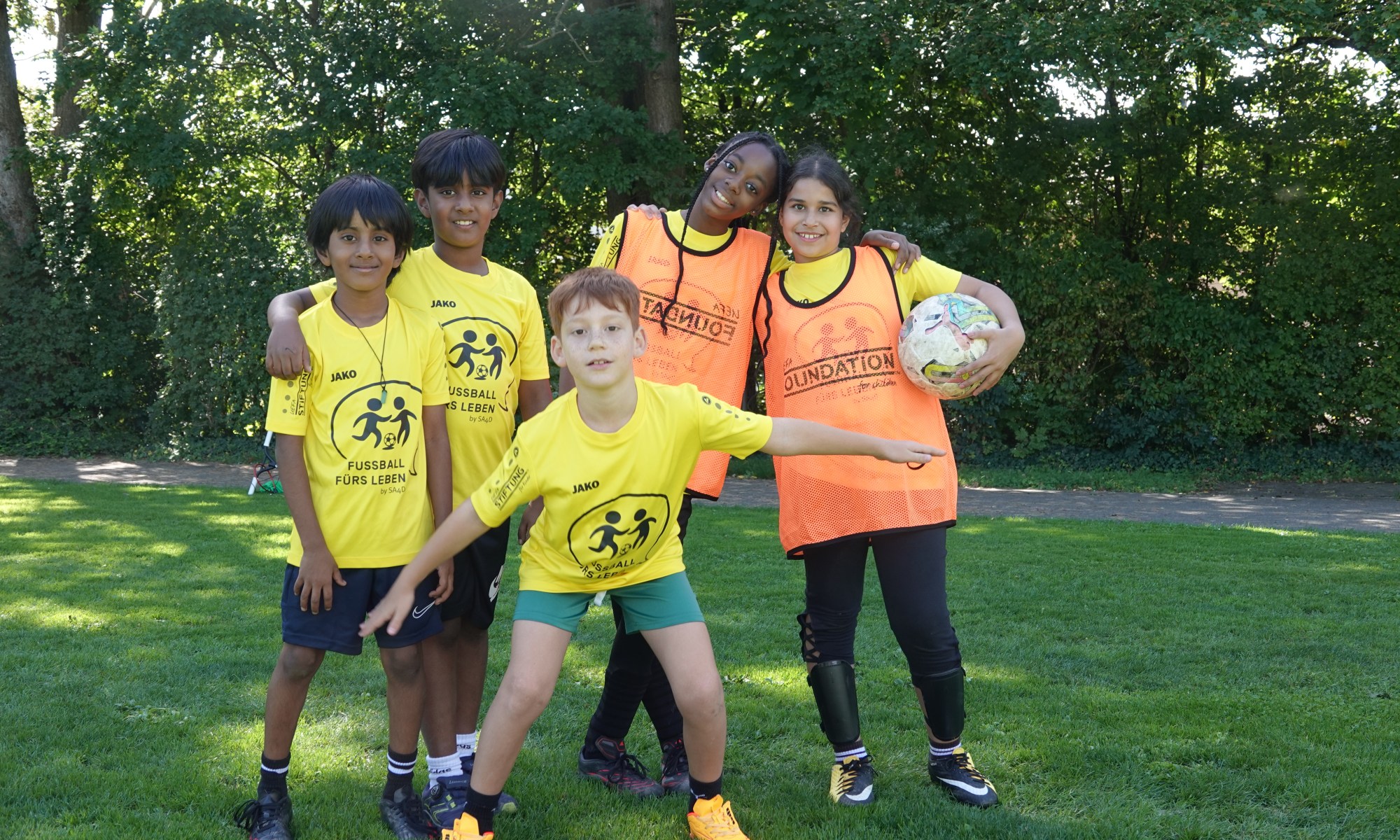
  • Increase mutual understanding between children and young people with different backgrounds and improve the integration of migrants and third-country nationals
  • Create safe spaces for children and young people to play football
  • Promote migrants’ involvement in sport and volunteering
  • Foster youth empowerment through football
  • Create more cohesion between young people, community groups, police and local authorities
  • Educate participants in diversity and inclusion, and against racism and xenophobia

Project content

Three months of football training nights and diversity and inclusion education leading up to a series of seven-a-side football tournaments in various age categories across the northeastern inner city of Dublin in June and July.

Partner

Developing therapeutic physical activity programmes in hospitals for children affected by cancer

Location and general information

Ongoing
Location Paris and Toulouse, France
Start date 01/01/2026
End date 08/31/2026
Cost of the project €187,529
Foundation funding €20,000
Project identifier 2025000849
Partners CAMI Sport & Cancer
Categories Access to Sport - Healthy lifestyle

Context

Cancer affects an average of 2,500 children for the first time each year in France. It is the second leading cause of death in children and adolescents. During treatment, children with cancer are often confined to tiny, sterile bedrooms. Being stuck in a hospital bed has many consequences, physical and psychological, including loss of muscle mass, physical deconditioning, loss of flexibility, reduced independence, sleep disturbance, fatigue, anxiety, stress, isolation and pain. Scientific studies carried out over many years have shown that regular sports participation can improve all these parameters.

Project goals

Support 180 to 190 children each year to:

  • Reduce the side effects of cancer treatment
  • Prevent the loss of muscle mass that results from being bed-ridden
  • Improve quality of life
  • Relieve the stress of being stuck in a traditional hospital environment
  • Combat social withdrawal and isolation through inclusion
  • Improve confidence and self-esteem

Project content

The project offers fun activities such as ball games, scooters and physical play for children in hospital. For teenagers and young adults, it provides physical activities adapted to the patient’s level of fatigue (gentle muscle strengthening, flexibility training). Practitioners visit the hospital departments for children, teenagers and young adults, offering one-to-one sessions lasting 45 minutes to an hour to any patients who would like them.

Partner

Bridging Footsteps

Location and general information

Ongoing
Location Sofia (Bulgaria), Prizren (Kosovo), Odobesti (Romania)
Start date 05/01/2026
End date 07/31/2027
Cost of the project €100,000
Foundation funding €100,000
Project identifier 2025001536
Partners CONCORDIA Bulgaria Foundation
Categories Access to Sport - Gender Equality - Strengthening partnerships

Context

According to Eurochild, 33.9% of children in Bulgaria and 41.5% of children in Romania live in poverty or are at risk of social exclusion – those figures equate to around 400,000 and 1.5 million children respectively. The figures are equally alarming in Kosovo, which has the youngest population in Europe: UNICEF found that 23% of children there grow up in poverty and 7% live in extreme poverty. These circumstances not only affect their day-to-day quality of life but also reduce their chances of getting a good education and therefore their career prospects and likelihood of a healthy adult life. Marginalised communities suffer education inequality and high school-dropout rates, limited access to public services and leisure activities, health challenges owing to poor nutrition, hygiene and a lack of exercise as well as stereotypes and systemic discrimination, which perpetuate poverty.

Project goals

  • Provide equal access to sports opportunities for marginalised children from Roma, poverty-stricken and rural communities
  • Help participants to develop soft skills such as teamwork, discipline and communication to prepare them for further education or training and improve their long-term employability
  • Enhance local capacities, combat gender and cultural stereotypes and build knowledge and strategies to increase girls’ participation in sport
  • Encourage consistent and continued school attendance among project participants
  • Promote proper nutrition, hygiene and fitness and facilitate access to regular nursing and psychological care

Project content

  • Visit to youth football projects and a professional football academy in Vienna for seven social practitioners from CONCORDIA Bulgaria, Romania and Kosovo, enabling them to gain expertise in age-specific and gender-inclusive coaching
  • A half-day training course for those practitioners on inclusive football practices for disadvantaged children and youth and the project’s experience in Bulgaria
  • Weekly football training for 30 children in Romania, 30 in Kosovo and 50 in Bulgaria, in cooperation with local schools to promote regular school attendance
  • Construction of a football fence near CONCORDIA’s Tranzit Centre in Prizren, Kosovo, serving the local community
  • Community sports festivals and other outreach activities to overcome stereotypes and other concerns that might prevent children, especially girls, to play football
  • Team-building activities led by social workers, trainers or volunteers
  • An International Summer Sports Camp in Bulgaria, bringing together 45 young people from Kosovo, Romania and Bulgaria for several days of team sports and other inclusive games, fostering intercultural exchange, healthy competition and the joy of physical activity

Partner

One Team, Many Stories – Building Bridges Through Sport

Location and general information

Ongoing
Location Dorolt, Satu Mare County, Romania
Start date 03/01/2026
End date 09/01/2027
Cost of the project €97,000
Foundation funding €88,000
Project identifier 2025000200
Partners Maurer Foundation
Categories Access to Sport - Gender Equality - Healthy lifestyle - Personal development

Context

Satu Mare County is an ethnically diverse area that is home to Roma, Romanian, Hungarian and German communities. Across the region, Children from disadvantaged backgrounds (and especially Roma) face a variety of challenges. In particular, children from different ethnic communities rarely interact outside of school, and prejudice and discrimination are persistent issues. Opportunities to promote children’s personal development, encourage physical activity and provide informal education are also scarce, making it more likely that they will experience social isolation, drop out of school or engage in unhealthy behaviours. These problems are exacerbated by a lack of suitable sports facilities where children can meet, play together and develop social skills.

Project goals

  • Promote social inclusion and bring children from the different ethnic groups together in a safe and structured environment.
  • Ensure equal access to sport in safe, suitable facilities, especially for children from vulnerable backgrounds.
  • Counter discrimination by fostering values of teamwork and mutual respect.
  • Support children’s physical, emotional and social well-being and development.
  • Encourage gender equality and promote girls’ participation in sport and community activities.
  • Strengthen community cohesion, engage local stakeholders and encourage them to take ownership of the project over the long term.
  • Future-proof infrastructure and activities to ensure continued access to inclusive sports opportunities even after UEFA Foundation funding comes to an end.

Project content

The project organises a range of activities for children between 6 and 18 years of age, regardless of ethnic origin. Its work falls into seven overarching areas:

  1. Sports infrastructure
    • A safe, fully equipped football pitch is being constructed in Dorolț.
    • Hygienic and accessible changing rooms equipped with a shower and toilet will also be provided.
  2. Weekly training sessions
    • Volunteer coaches lead ethnically mixed football training sessions.
    • Each session focuses on a different theme, such as teamwork, fair play, personal development, healthy lifestyles, discrimination or addiction.
  3. Monthly sport and inclusion events
    • Children from all backgrounds can play sport together at these large-scale events.
    • They feature integrated workshops designed to promote social cohesion, respect and intercultural understanding.
  4. Informal education
    • Workshops cover a range of topics, including healthy habits, personal growth, emotional regulation, teamwork and how to avoid risky behaviours.
    • The sessions are led by a social worker and a nurse, both of whom specialise in addiction prevention and children’s well-being.
  5. Engaging with parents and the community
    • Parents and local volunteers are actively involved in organising and supporting activities.
    • Community leaders are consulted on the project’s work, which helps to strengthen local ownership and increase the chances of long-term sustainability.
  6. Promoting gender equality
    • Particular focus is placed on encouraging girls to participate in all sports and workshops.
    • Each individual activity is designed to ensure inclusion and provide equal opportunities for girls and boys.
  7. Monitoring, evaluation, and visibility:
    • Attendance figures, broken down by ethnicity and gender, are tracked and outcomes continuously monitored.
    • Photos, videos and social media updates are released regularly to communicate progress, raise awareness and highlight impact.

Partner

Move Forward

Location and general information

Ongoing
Location Budapest, Hungary
Start date 01/01/2026
End date 12/31/2026
Cost of the project €72,840
Foundation funding €50,000
Project identifier 2025001801
Partners Second Chance Sports Association
Categories Access to Sport - Children with disabilities - Conflict victims - Employability - Gender Equality - Healthy lifestyle - Personal development
Context

In Hungary, disadvantaged children and refugees face serious challenges such as poverty, social exclusion and restricted access to education and support services. Organisations working with them operate under significant pressure and cannot rely on stable domestic funding. These conditions make targeted projects essential to maintain support for marginalised communities and respond to their needs.

Project goals

  • Strengthen social cohesion and a sense of belonging among disadvantaged children and refugees
  • Develop participants’ personal and social skills, including teamwork, communication, self-confidence and problem-solving, in order to support successful social integration
  • Raise awareness of key values, including equality, women's empowerment and fairness
  • Foster intercultural exchange and skill development
  • Support participants' well-being
  • Strengthen the capacity of staff and volunteers delivering sports-based educational programmes and adapt innovative methodologies to different community needs

Project content

  • Organise regular football and basketball training sessions that create an inclusive environment, develop essential personal and social competencies and promote teamwork and mutual respect among participants
  • Provide individualised support through mentoring, social work, job-seeking assistance and other tailored services
  • Run fair play football roadshows that combine sport with awareness-raising, promoting values such as equality, non-discrimination and active citizenship
  • Hold workshops on topics such as anti-racism, digital literacy, employability, women's empowerment, adolescent pregnancy prevention and financial skills
  • Through our Social Coach training, we build the capacity of staff and volunteers to work more effectively with marginalized groups using sport-based methodologies.
  • In addition, we aim to pilot and further develop a football-based educational and skill-building methodology.

Partner

Powering Potential

Location and general information

Ongoing
Location UK and Ireland
Start date 11/15/2025
End date 12/15/2026
Cost of the project €179,777
Foundation funding €90,177
Project identifier 2025000299
Partners Rio Ferdinand Foundation
Categories Employability - Personal development

Context

In 2025, the Child Poverty Action Group reported that 31% of young people in the UK live in relative poverty, a figure that rises to 49% among black communities and 61% in some Asian communities.

Social mobility and employability in meaningful careers is a major issue in the UK, with young people from minority or working-class backgrounds, refugees, asylum seekers, women and those living in poverty most affected.

Education, skills development and connection to opportunities are key to addressing these issues.

Project goals

  • Give young people the inspiration, confidence and aspiration to harness their potential.
  • Increase their knowledge of the breadth of careers and roles available to them.
  • Create relatable training and work experience pathways to help young people to gain skills and experience.
  • Challenge limiting beliefs and provide best practice for creating social mobility pathways.
  • Deliver education and employability projects that lift young people out of poverty.
  • Build a network of employers to support the pathways.

Project content

Powering Potential uses football and youth culture in online and in-person training relating to the following areas:

  • personal development to enhance confidence and aspirations;
  • developing life skills and transferable skills;
  • vocational training and accreditation to enhance employability;
  • providing connections to careers and employers to enhance knowledge and networks;
  • work placement opportunities to build experience;
  • building relationships with contacts;
  • pathways to education, training and employment.

Partner

Twinning Goals

Location and general information

Ongoing
Location Maseru District, Lesotho and North Wales
Start date 02/01/2026
End date 01/31/2028
Cost of the project €411,700
Foundation funding €100,000
Project identifier 202500774
Partners Kick4Life and Wrexham AFC
Categories Access to Sport - Employability - Gender Equality - Healthy lifestyle - Personal development

Context

Lesotho and Wales have been twinned since 1985. They face similar health challenges that impact children and young people, including challenges relating to mental health, nutrition, healthy living, substance misuse, and sexual and reproductive health.

Project goals

  • Use football to equip 2,350 children and young people across Lesotho and Wales with knowledge and transferable skills so they can protect and promote their health and well-being.
  • Provide eight coaches (four from Kick4Life and four from Wrexham AFC) with opportunities for personal development and cultural exchange, thereby developing values of global citizenship and strengthening ties within the global football community.
  • Achieve a 50:50 gender balance among both participants and coaches.
  • Improve the two organisations’ safeguarding, gender, and monitoring and evaluation practices.

Project content

  • Training coaches to deliver training sessions in their respective countries.
  • Delivering a health education, gender equality and life skills curriculum to young people.
  • Referring young people to external health and protection services when required.
  • Two in-person learning and cultural exchanges (one in each country).
  • An series of online learning exchanges on topics including safeguarding, gender, and monitoring and evaluation.

Partners

Bullying prevention through football

Location and general information

Ongoing
Location Úlfarsárdalur and Grafarholt, two neighborhoods in capital Reykjaavík(Iceland)
Start date 02/02/2024
End date 12/31/2026
Cost of the project €157,800
Foundation funding €100,000
Project identifier 20230880
Partners The Icelandic Youth Association (UMFÍ)
Categories Access to Sport - Personal development

Context

Bullying poses a significant problem, and extensive research has shed light on its psychological, physiological, and social ramifications. It has detrimental effects on the victims’ overall health, well-being, and quality of life, particularly among disadvantaged children. Approximately 16% of children in Iceland report that they have been bullied.

Project goals

Football can serve as a highly effective tool in preventing bullying and creating a secure, inclusive, and respectful environment. The programme's objective is to combat exclusion and instead foster inclusivity and a sense of belonging while also addressing inequalities and promoting social integration.

Project content

Changing the culture and social norms to achieve behavioural change among children requires the active involvement and cooperation of all stakeholders. This programme aims to educate parents and professionals working with children in school and football settings – namely, teachers and coaches. It involves establishing clear collaboration processes among these parties and providing education and training for the children through dialogue, organised projects and games. It also offers children leadership training, encourages democratic participation and fosters a sense of positive competition based on empathy and solidarity. This kind of competition can be a source of motivation as opposed to frustration upon losing. Once the pilot project is complete, the intention is to expand its implementation to clubs across Iceland and, potentially, Europe

Partner

RePlay Project

Location and general information

Ongoing
Location Şanlıurfa, Türkiye
Start date 11/05/2025
End date 11/05/2026
Cost of the project €59,220
Foundation funding €35,220
Project identifier 2025001225
Partners Kızlar Sahada
Categories Access to Sport - Employability - Gender Equality - Healthy lifestyle - Personal development - Strengthening partnerships

Context

Türkiye was ranked 135th out of 148 countries in the World Economic Forum’s 2025 Global Gender Gap Report. Only 1% of licensed football players are women, reflecting deep gender inequality in sport. Şanlıurfa, a region facing significant sociocultural and socio-economic challenges, has some of the highest rates of child marriage and school dropout, and girls in the area face significant barriers to participating in both sport and society.

Project goals

The RePlay Project organises free and accessible football activities and community events to promote fair play, build life skills, foster inclusion and empower girls and boys and is now entering its third year in Şanlıurfa.

  • Use football to strengthen social and emotional skills, helping individuals to face personal and community challenges
  • Foster belonging and collaboration by engaging families, coaches, and local stakeholders in community activities
  • Create a safe, inclusive environment that is welcoming to everyone, especially marginalised groups, ensuring free access to sport
  • Promote gender equality by empowering girls through regular training and events

Project content

  • Conduct regular football activities, including football3 sessions, technical training, and matches, to develop social and emotional skills
  • Organise five events to engage the community and raise awareness of the project
  • Consult with schools, NGOs, local governments, and clubs to ensure free, inclusive, and safe access to football
  • Deliver workshops, presentations, and games focused on gender equity

Partner

Safe Soccer Development Programme

Location and general information

Ongoing
Location Ukraine, Chernihiv, Dnipro and Kharkiv
Start date 01/01/2026
End date 12/31/2026
Cost of the project €500,000
Foundation funding €150,000
Project identifier 2025000863
Partners Spirit of Soccer
Categories Access to Sport - Conflict victims - Employability - Gender Equality - Healthy lifestyle - Personal development

Context

Ukraine’s children face unprecedented dangers amid the ongoing conflict. More than 340 educational facilities were damaged or destroyed in 2025 alone, bringing the total to over 2,800 since the start of the war. Nearly 4.6 million children have had their education disrupted. In addition, 23–30% of the country’s territory is contaminated with landmines and unexploded ordnance ­– one of the most severe consequences of the war. Since the war began in February 2022, hundreds of children have been killed or injured by explosive remnants, with boys aged 14 to 17 particularly at risk from exploring contaminated areas.

Project goals

To enhance civilian security and foster resilient communities by training football coaches in explosive ordnance risk education so they can provide essential education to at-risk young people.

Project content

  • Delivering 360 professionally run explosive ordnance risk education training sessions (known as Safe Soccer training sessions) in schools in areas affected by explosive remnants of war, reaching 7,000 at-risk young people.
  • Reaching 21,000 indirect beneficiaries via education and coaching workshops, word of mouth, local community tournaments, multimedia campaigns and the distribution of outreach materials.
  • Distributing 500 footballs and 10,050 Safe Soccer notebooks.
  • Holding one Safe Soccer festival per month in each of the three areas, delivering trauma‑informed football training to a group consisting of 40% girls, to deliver trauma-informed football training.
  • Organising six Safe Soccer tournaments throughout the year.

Partner

Familjeprogrammet Funkis

Location and general information

Ongoing
Location Sweden, Gothenburg, Malmö and Stockholm
Start date 01/01/2026
End date 12/31/2026
Cost of the project €26,500
Foundation funding €20,500
Project identifier 2025001561
Partners En Frisk Generation
Categories Access to Sport - Children with disabilities - Healthy lifestyle - Personal development

Context

The Public Health Agency of Sweden has found that intellectually disabled children report lower life satisfaction and poorer self-rated health than their peers. Currently, very few participate in organised sport due to structural barriers, limited support and a lack of inclusive opportunities. Early health-promoting efforts are crucial to reduce these health disparities and enable healthy choices later in life.

Project goals

  • Promote physical health and well-being through regular sports activities
  • Foster social inclusion and community engagement
  • Enhance intellectually disabled children’s personal development and social skills
  • Provide accessible and inclusive sports opportunities for intellectually disabled children
  • Raise awareness of the structural barriers that intellectually disabled children face in society

Project content

The project centres on Funkis, a programme offering weekly football and sports activities designed specifically for intellectually disabled children and their families. Beyond physical activity, sessions include education on health, nutrition and well-being. The project also organises inclusive community events such as races and family activity days to support integration and raise awareness. Collaboration with local sports clubs and schools ensures long-term engagement and reduced barriers to participation.

Partner

Youth Sports Games 2026

Location and general information

Ongoing
Location Bosnia and Hercegovina, Croatia, Serbia and Slovenia
Start date 01/13/2026
End date 09/30/2026
Cost of the project €8,183,513
Foundation funding €150,000
Project identifier 2025000972
Partners Association for Sport, Recreation and Education – Youth Games
Categories Access to Sport - Environmental protection - Gender Equality - Healthy lifestyle

Context

The Youth Sports Games – the largest amateur youth sports event in Europe – use sport as a means to connect with children and teens (ages 6 to 18) and promote healthy lifestyles. More than 3.4 million children have competed in the 29 years since the first games were held.

Project goals

Aims of the association

  • Bring together children and teens to actively participate in sport and recreation
  • Educate and encourage children and teens in sport and friendship as an alternative to various forms of addiction and deviant behaviour
  • Provide and promote educational content through all activities, sending modern and up-to-date messages from young people to young people in support of health and social projects and to deter from addictive behaviours

Aims for 2026

  • Involve more than 389,000 participants across all countries
  • Expand our presence to more than 400 cities and 27,000 female football players
  • Gather 8,000 participants in all four national finals and 2,000 at the international finals, for which all accommodation, travel and competition expenses will be covered


Project content

Youth Sports Games tournaments will be held in over 400 cities in Bosnia and Herzegovina, Croatia, Serbia and Slovenia, for school-age children (primary and secondary) to compete in ten sports (football, street basketball, handball, volleyball, beach volleyball, tennis, table tennis, chess, dodgeball and athletics). The most successful individuals and teams will enter national finals, through which the best performing will qualify for international finals.

In addition to the Youth Sports Games, other free sports and recreational activities are organised regularly for children to promote health, sustainability, tolerance and ethical values. The association promotes a lifestyle based on understanding, friendship, solidarity and fair play.

A special focus is placed on the organisation of football tournaments for girls, which will gather around 27,000 female footballers across the four countries.

Partner

Football for All – Unified Football in Thuringia

Location and general information

Ongoing
Location Arnstadt, Bad Langensalza, Erfurt, Gera, Jena, Suhl and Weimar, Germany
Start date 01/01/2026
End date 06/30/2027
Cost of the project €152,828
Foundation funding €47,828
Project identifier 2025002425
Partners Spirit of Football e.V.
Categories Access to Sport - Children with disabilities - Conflict victims - Gender Equality - Healthy lifestyle - Personal development

Context

Intellectually disabled children in Thuringia often face exclusion from mainstream schools, football clubs and social life. Many love football but lack access due to stigma, financial barriers or lack of support. Girls are especially affected. Unified Football breaks down these barriers through inclusive school and club activities, role models from pro clubs and life-changing events like the Unified Football tournaments – promoting visibility, health, friendships and confidence for all.

Project goals

  • Promote inclusion in schools, clubs and communities, creating shared experiences that break down stigma and build empathy
  • Improve the physical and mental health of intellectually disabled children and young adults while also teaching non-disabled people tolerance, compassion and teamwork
  • Raise visibility and inspire replication, especially in rural Thuringia, through collaborations with (professional) clubs

Project content

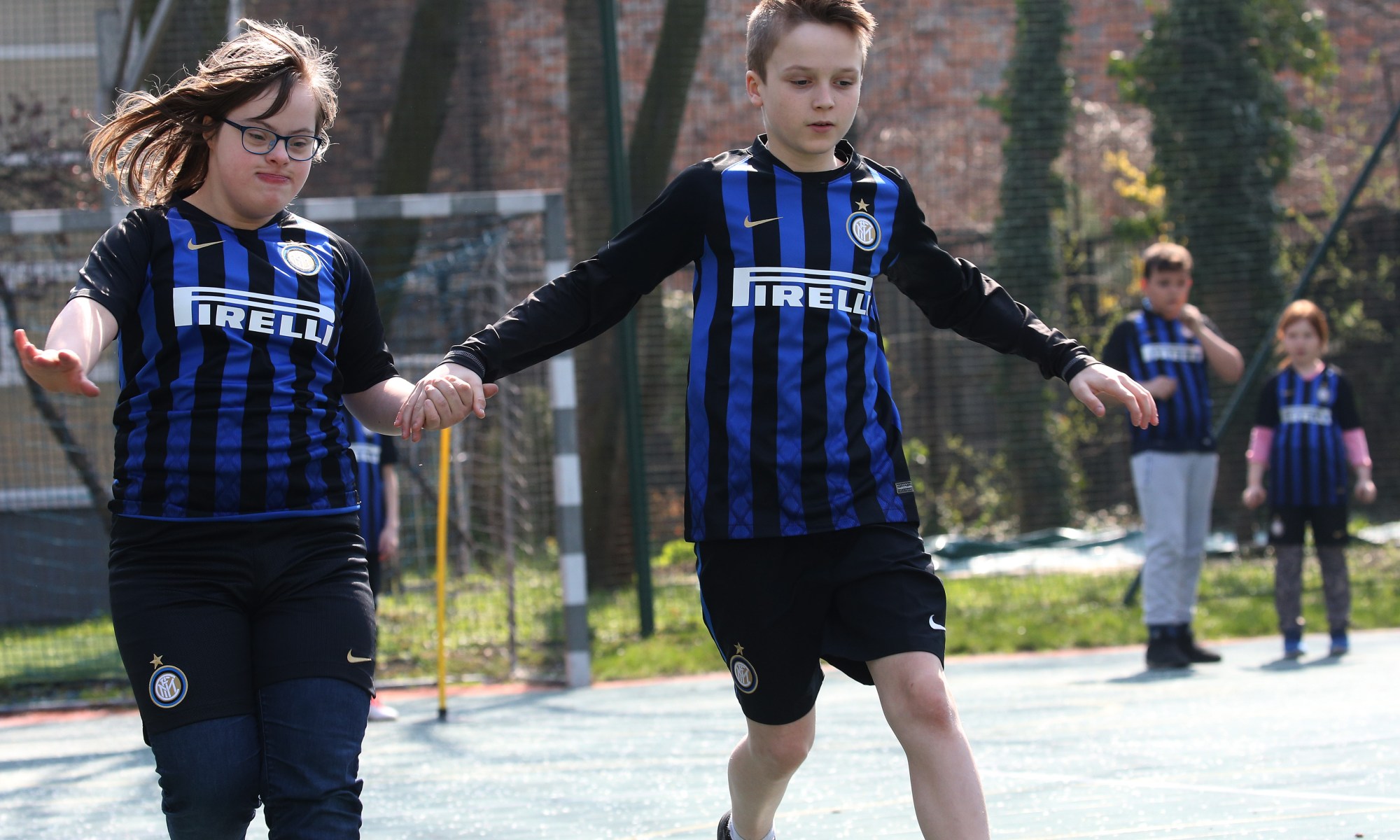
Unified Football brings together intellectually disabled and non-disabled children through weekly inclusive football sessions in schools and clubs, awareness-raising workshops, unified community events and inclusive tournaments. The programme fosters empathy, mutual respect, well-being and teamwork. It helps create lasting friendships, reduces stigma and breaks down barriers. Unified Football proves that football is for everyone, regardless of ability, on and off the pitch, locally and internationally.

Partner

Girl Power, Leadership Academy & Refugee World Cup

Location and general information

Ongoing
Location Copenhagen, Denmark
Start date 02/02/2026
End date 02/01/2027
Cost of the project €250,000
Foundation funding €51,000
Project identifier 2025001066
Partners Girl Power Organisation
Categories Access to Sport - Conflict victims - Employability - Gender Equality - Healthy lifestyle - Personal development

Context

Girls and young women in Europe face numerous challenges that impact their mental health, and studies show that these challenges are even more prevalent among refugees, who are likely to suffer higher rates of depression, PTSD, and anxiety disorders. Another concern linked to mental health pressures is the rate at which girls from all walks of life drop out of sport during adolescence.

Research shows that approximately 49% of girls stop participating in sports activities in their teenage years. Self-doubt and lack of confidence are among the main reasons. Other factors are societal pressures, body image concerns, and inadequate access to programmes specifically for women and girls. Marginalised girls and young women, like migrants, refugees, and stateless women, face additional difficulties in accessing education and life-skills training due to the systemic structures in place and economic and language barriers.

Societal expectations around the role of women remain an issue, as do the financial constraints and lack of role models that deter girls from playing sport recreationally or professionally. There is a direct connection between sport and mental health: a lack of sufficient physical activity can lead to heightened levels of anxiety and depression, and conversely, engagement in organised sport contributes to better self-esteem, social support, and a sense of belonging. And yet 85% of adolescent girls in Europe don’t meet the levels of activity recommended by the World Health Organization.

Project goals

Girl Power Leadership Academy

  • Provide refugee and marginalised young women with access to coaching qualifications, including international exposure and mentorship
  • Support young leaders in finding real-life applications for the things they have learned during the programme
  • Provide young leaders with practical opportunities to make a difference in their communities, ensuring that the skills and knowledge acquired during the programme are effectively translated into tangible, positive outcomes for the benefit of the community and its younger generations in particular, reinforcing the importance of community leadership and the transformative power of sport
  • Create a geographically and socially diverse network of female sports leaders who understand and promote the importance of girls and women in sport and in local communities, and the impact they can have, and who work to give back to the community


Girl Power Refugee World Cup

  • Provide a space for young women in Europe to share their experiences and foster inclusion and integration through sport
  • Create a place where young women can put their skills into practice, as players, coaches, speakers, panellists, communicators, representatives, etc.
  • Showcase how football is driving positive change in communities

Project content

Our project introduces a groundbreaking, holistic model that merges five key pillars – physical activity, leadership education, mentorship, motivational storytelling and public speaking – into transformative activities.

We are launching a year-long, two-part youth leadership and coaching programme for 45 young refugee women in Denmark and other European countries where Girl Power is active. Future leaders will be aged 16 to 25 and selected based on their passion for sport and social change.

  1. Learning and development(six months)
    This phase includes residential, in-person training over five days, supported by expert sessions on safe coaching pathways in girls’ football. Focusing on how to create inclusive, secure and empowering environments where girls feel safe to join and stay in the game, participants will explore issues such as safeguarding, inclusive leadership and coaching methodologies tailored to marginalised communities.
  2. Practical football delivery(six months)
    During this phase, each young leader will form a local girls’ football team that includes refugees and marginalised girls from their community. With the support of Girl Power mentors, they will lead weekly training sessions while being guided in their coaching journeys.

In Denmark, we will continue our weekly football sessions in two refugee and asylum centres, supporting children aged 10 to 13 and 13 to 16-year-old girls’ teams. Additionally, we will collaborate with local schools to deliver storytelling workshops and cultural festivals at which girls from our leadership programme will co-lead activities, promoting community leadership, hands-on learning and the exchange of narratives to foster friendship and connection between refugee and host communities.

We will also organise a refugee football World Cup in Denmark – a unique seven-a-side tournament for teams featuring at least three refugee players and at least three host country citizens. There will be two teams from Denmark and one team from each of the other European countries in which Girl Power is currently active: Germany, Greece, Portugal and the UK. The tournament will feature not only competitive matches but also a podium and panel series, giving space for players and coaches to share their personal stories and show how football is driving positive change in their communities.

All activities throughout the year will be documented and shared on our media channels to amplify their impact and inspire broader action. We will also feature some role models and influential young people to amplify the programme's positive stories and overall impact.

Partner

Invisible Champions

Location and general information

Ongoing
Location Serbia, Vranje, Bujanovac and Preševo, Pčinja district
Start date 03/01/2026
End date 11/01/2026
Cost of the project €56,112
Foundation funding €56,112
Project identifier 2025002437
Partners Vranje centre for activism
Categories Access to Sport - Children with disabilities - Conflict victims - Gender Equality - Personal development

Context

The Pčinja district in southern Serbia is among the country’s least developed and most socially diverse regions. Many children and young adults – particularly girls, Roma children, migrants, refugees and disabled children – face poverty, social exclusion and limited access to safe and organised sports activities.

Much of the district’s sports infrastructure is outdated or neglected, and opportunities for children from different backgrounds to meet and interact through positive, structured activities remain limited. Cooperation between schools, sports clubs and local institutions is also often insufficient, limiting the potential of sport to promote inclusion and healthy development and prevent violence.

Project goals

  • Increase access to safe, inclusive sports activities for marginalised children and young adults, particularly girls, Roma children, migrants, refugees and disabled children
  • Use sport as a tool to promote social inclusion, tolerance and mutual respect among children from different ethnic and social backgrounds
  • Reduce gender, social and cultural barriers through activities that mix sport with learning
  • Improve access to safe and functional sports infrastructure in local communities
  • Promote healthy lifestyles, non-violence, teamwork and fair play among children and young adults
  • Strengthen cooperation between schools, sports clubs, civil society organisations and local authorities to ensure long-term impact and sustainability
  • Empower children and young adults by providing safe spaces where they can participate, develop and interact with their peers

Project content

We run a comprehensive set of sports, educational and community-based activities targeting children from marginalised backgrounds that offer safe access to sport and contribute to improving local sports facilities and strengthening partnerships at community level. By creating spaces where children can play, learn and grow together, Invisible Champions fosters tolerance, equality and social cohesion, contributing to the well-being of children and the long-term resilience of local communities.

All activities are implemented in close cooperation with schools, sports clubs, civil society organisations and local authorities, and are continuously monitored and documented to ensure quality, transparency and sustainability.

  • Sports clubs are established in partner primary schools, and trained coaches and teachers lead weekly basketball, football and volleyball training sessions, adapted to ensure that marginalised children can participate
  • Young volunteers work alongside local communities and partners to renovate and revitalise neglected sports fields by cleaning, painting, repairing and installing basic sports equipment and creating safer, more accessible spaces for children’s activities
  • Under the Sport programme, educational workshops complement sports activities by addressing topics such as tolerance, gender equality, non-violence, child safeguarding and discrimination prevention, while encouraging dialogue, teamwork and respect
  • Inclusive sports tournaments bring together mixed teams of children from different communities and engage parents, schools and local communities, fostering cooperation and fair play and strengthening social cohesion
  • The digital platform My Sport, My Voice provides information on local sports opportunities, training schedules and renovated facilities, while also giving children a space to share experiences and stories

Partner