

Location and general information
 Access to Sport -
  Children with disabilities -
  Gender Equality -
  Healthy lifestyle -
  Personal development -
  Strengthening partnerships
Context
Saint Lucia, like many developing small island states in the Caribbean, is experiencing a steady decline in physical activity among children. This trend is particularly evident in underserved communities, where schools experience limited resources, reduced access to trained physical education teachers, and competing academic priorities that often result in physical education being deprioritised. At the same time, children’s lifestyles are becoming increasingly sedentary due to screen use, a reduction in the number of safe play spaces, and fewer structured opportunities for movement.
When foundational movement skills, coordination, confidence, and positive attitudes towards physical activity are not developed early, children are more likely to disengage from sport altogether, which increases their long-term risk of obesity, non-communicable diseases such as diabetes, and poor mental health. Saint Lucia already faces a high burden of lifestyle-related diseases in adults, including obesity and diabetes, underscoring the urgent need for early preventive action.
Project goals
- Increase access to safe, structured, and inclusive physical activity for children aged six to ten in underserved communities in Saint Lucia.
- Improve fundamental movement skills, agility, balance, and coordination, as well as overall physical literacy, among participating children.
- Encourage positive attitudes towards physical activity and lifelong active lifestyles from an early age.
- Support children’s mental and emotional well-being by building confidence, resilience, teamwork, and social skills through sport.
- Promote equal participation opportunities for girls and boys.
- Strengthen school and community capacity to deliver sustainable physical activity and education programmes even after the project ends.
Project content 
Ti Mouvman Fun-Da-Mentals will deliver a structured, school-based physical education programme across 16 primary schools in underserved communities.
Key activities will include:
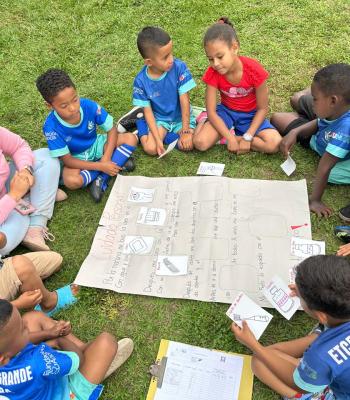
- Regular structured physical activity sessions that are age-appropriate, inclusive and aligned with the children’s developmental needs.
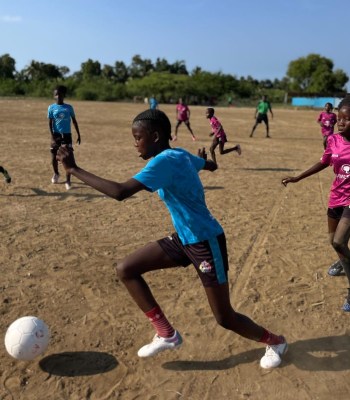
- Fundamental movement and motor skills activities, including jumping, hopping, skipping, balancing, running, throwing, catching, kicking, dancing, obstacle courses and active games. These activities build physical literacy and confidence in movement.
- An introduction to football through play, using small-sided games and basic skills exercises to promote teamwork, communication and enjoyment rather than competition.
- Inclusive programming, with strategies such as mixed-gender activities, girl-friendly coaching approaches and targeted encouragement to ensure that 50% of girls participate.
- Providing training and simple activity guides for mentors, coaches, teachers and community stakeholders, enabling schools to sustain quality physical education beyond the life of the project.
- Community engagement activities, including parent and guardian movement days and physical activity events, to strengthen local support for active lifestyles.
- Monitoring and simple progress tracking, including attendance records, participation levels and basic motor skills assessments, to ensure quality delivery and continuous improvement.
Together, these activities will ensure that children not only move more, but move better, and that they build confidence and experience sport as a positive and integral part of their everyday lives.
Partner