

Location and general information
 Access to Sport -
  Conflict victims -
  Gender Equality -
  Healthy lifestyle -
  Personal development
Context
Approximately 1,140,000 Rohingya live in overcrowded camps in Cox’s Bazar and on the island of Bhasan Char, half of them children and teenagers with limited protection and access to safe play. Girls and disabled children in particular are marginalised as a result of patriarchal norms, stigma and safety concerns. Inclusive, structured sports are needed to foster well-being, social inclusion and development – in a safe, dignified environment.
Project goals
- Psychosocial well-being: Improve the mental health and resilience of 300 Rohingya aged 13 to 24
- Child protection: Reduce children and teenagers’ vulnerability to exploitation and abuse by integrating sports clubs into existing community-based protection frameworks
- Gender equality and inclusion: Challenge social stigma and patriarchal norms by ensuring equitable participation for girls (35% target) and disabled children (5% target) in all sports activities
- Social cohesion: Build a sense of belonging and community by organising inclusive sports events that bring young people, their parents and community leaders together across the refugee camps
- Youth empowerment and leadership: Train young refugees to be coaches and mentors, equipping them with life skills and vocational leadership experience
Project content
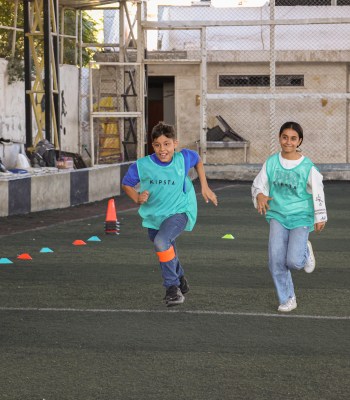
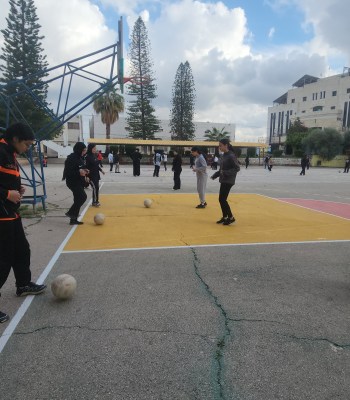
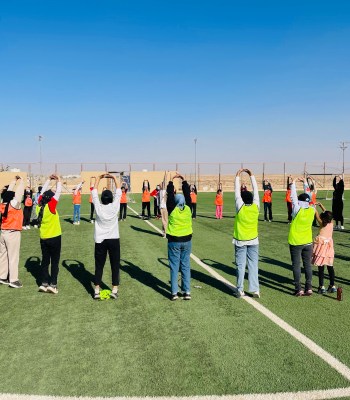
Regular access to inclusive, structured physical activity and safe recreational spaces in the Camp 4 Extension, Camp 26 and Nayapara refugee settlements, with a focus on girls, disabled children and at-risk adolescents, encouraging them to participate in sports activities while promoting social cohesion, life skills and protection.
- Participant engagement and community consultation: engaging young people, their families and their communities to ensure inclusion and ownership of project activities
- Structured sports and life-skills sessions: providing safe and inclusive opportunities for children and young adults to participate in sports activities and develop life skills
- Inclusive sports clubs: establishing and supporting sports clubs that promote gender equality, inclusion and community participation
- Capacity building for coaches: training young refugees and community members to deliver inclusive and safe sports activities
- Facility management: ensuring sports facilities are accessible, safe and properly maintained
- Psychosocial support: incorporation of play-based psychosocial support to strengthen participants’ well-being and resilience
- Monitoring, evaluation and reporting: tracking project progress and documenting outcomes to ensure accountability and support learning
Partner