

Location and general information
 Access to Sport -
  Gender Equality -
  Healthy lifestyle -
  Personal development -
  Strengthening partnerships
Context
South Africa continues to face alarming levels of gender-based violence and homicide. Girls in rural areas are particularly vulnerable to abuse, exploitation and crime. Many are marginalised, lack information about their rights, have little exposure to positive role models and are rarely given safe spaces to express themselves, build confidence or seek support. Girls with disabilities face an additional layer of exclusion, as infrastructure, programmes and attitudes often ignore their needs.
Limpopo is one of the country’s poorest and most rural provinces. Deeply rooted gender norms mean that sport, especially football, is still treated as the preserve of men, while girls are expected to prioritise domestic work and caregiving, missing out on the physical, emotional and social benefits of playing sport.
Project goals
- Provide regular, structured football activities in rural areas for at least 600 girls aged 11–18, including a minimum of 30% disabled girls
- Use football as a platform to challenge harmful gender norms and promote gender equality, respect and non-violence in families, schools and communities
- Reduce girls’ vulnerability to crime and gender-based violence
- Strengthen leadership, communication, teamwork and resilience among girls
- Build supportive environments for girls
- Lay the foundations for the integration of football for girls into existing community structures
Project content
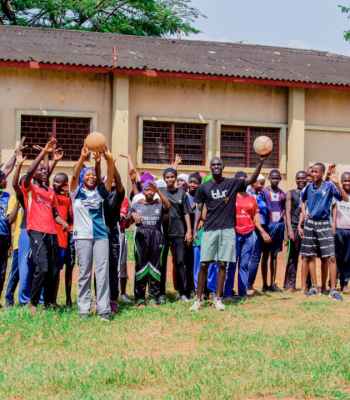
- Regular mobile football clinics in rural communities, bringing structured football sessions directly to villages with little or no sports infrastructure. Sessions will focus on basic football skills, physical fitness, teamwork and enjoyment. Coaches will ensure that girls of different abilities, including those with disabilities, can participate safely and meaningfully.
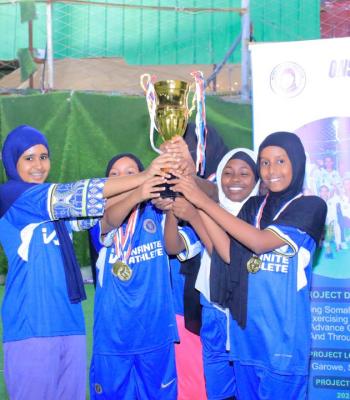
- Local and inter-community football tournaments and events to reinforce commitment, build pride and strengthen social networks among girls from different villages.
- Gender equality and rights workshops that will deliver age-appropriate information on gender equality, girls’ rights, respect and non-discrimination, using football-based examples and discussions.
- Anti-crime, safety and self-defence workshops, covering personal safety, basic self-defence techniques, how to recognise risky situations, and where to seek help in cases of violence or abuse. These sessions will be linked to football activities to reinforce messages about standing strong, supporting team-mates and reporting incidents.
- Leadership development through sport: Football drills and small-sided games will incorporate leadership roles. Girls will practise communication, decision-making and problem-solving on the pitch, and then reflect on how to apply these skills in school, at home and in the community.
- Inclusion of girls with disabilities: The project will intentionally recruit disabled girls and adapt activities where necessary so that they can participate fully. Coaches will receive basic training in inclusive coaching approaches, and awareness will be raised to reduce stigma and promote acceptance.
- Community mobilisation and partnerships: The project team will collaborate with schools, local clubs, community-based organisations and the authorities to support recruitment, access to facilities and joint events. Regular meetings and feedback sessions will encourage local buy-in.
Partner