

Location and general information
 Access to Sport -
  Children with disabilities -
  Gender Equality -
  Personal development
Context
Madheshi girls in the Kapilvastu district of southern Nepal, in the country’s deeply patriarchal rural belt, grow up in isolation – unseen and unheard. Girls here face pervasive intergenerational inequality and discrimination, intersectional marginalisation, and economic injustice. They are excluded from their communities, with no freedom or opportunities to develop: they are not allowed to play, study, or work, and they have no decision-making power. Girls and women have no voice and no choice.
The many systemic issues affecting girls in rural southern Nepal include high rates of child marriage (83.4% according to the 2021 census), high rates of gender discrimination and gender‑based violence, early school drop‑out (generally between grades four and five), and an illegal but deeply entrenched dowry system that means girls are seen as a financial burden to their families.
Project goals
Goals
Atoot was founded to offer marginalised Nepali girls in rural areas sporting and educational opportunities and provide them with safe, empowering spaces that foster inclusion and empowerment.
Specific goals:
- Empower girls to break free from the vicious cycles they are trapped in, enabling them to make their own life choices.
- Provide diverse platforms for girls to build confidence and nurture empowering, emboldening relationships.
- Establish safe spaces where girls can gather to play, learn, and build positive peer connections.
Project content
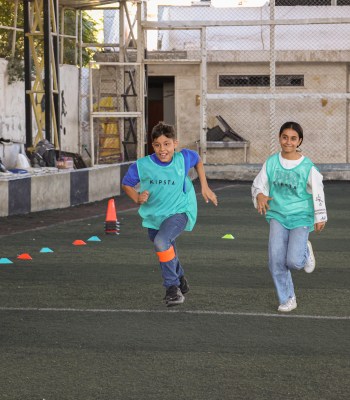
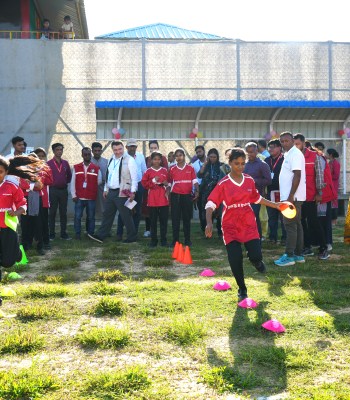
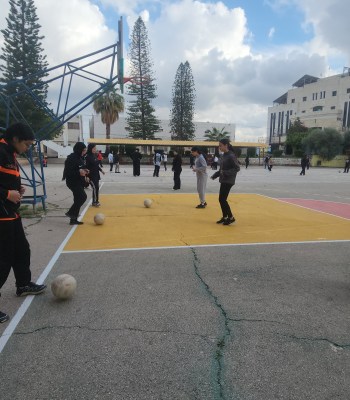
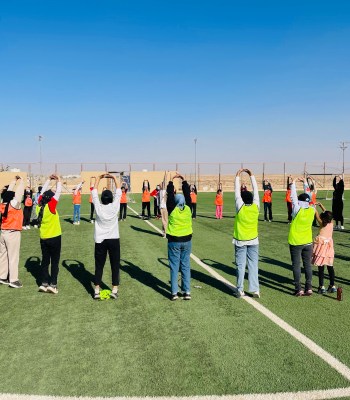
Atoot has been working in this marginalised Madheshi community for six years, providing structured football sessions, educational support, life-skills workshops, and community engagement grounded in the principles of sport for development through a grassroots and localised lens.
- One‑hour football sessions, five days a week
- One‑hour educational classes, five days a week
- One or two life‑skills workshops every week, each lasting an hour to an hour and a half
- Daily community engagement
- One to one and a half hours of training for assistant coaches and teaching assistants each week
- Annual football tournaments
Partner