Championing an Inclusive Future through Football 2.0

Location and general information

Ongoing
Location Germany, Hongary, Spain
Start date 01/01/2025
End date 12/31/2027
Cost of the project €260,544
Foundation funding €260,544
Project identifier 20245000
Partners FedEx
Categories Access to Sport - Children with disabilities - Conflict victims - Employability - Gender Equality - Healthy lifestyle - Infrastructure and equipment

Context

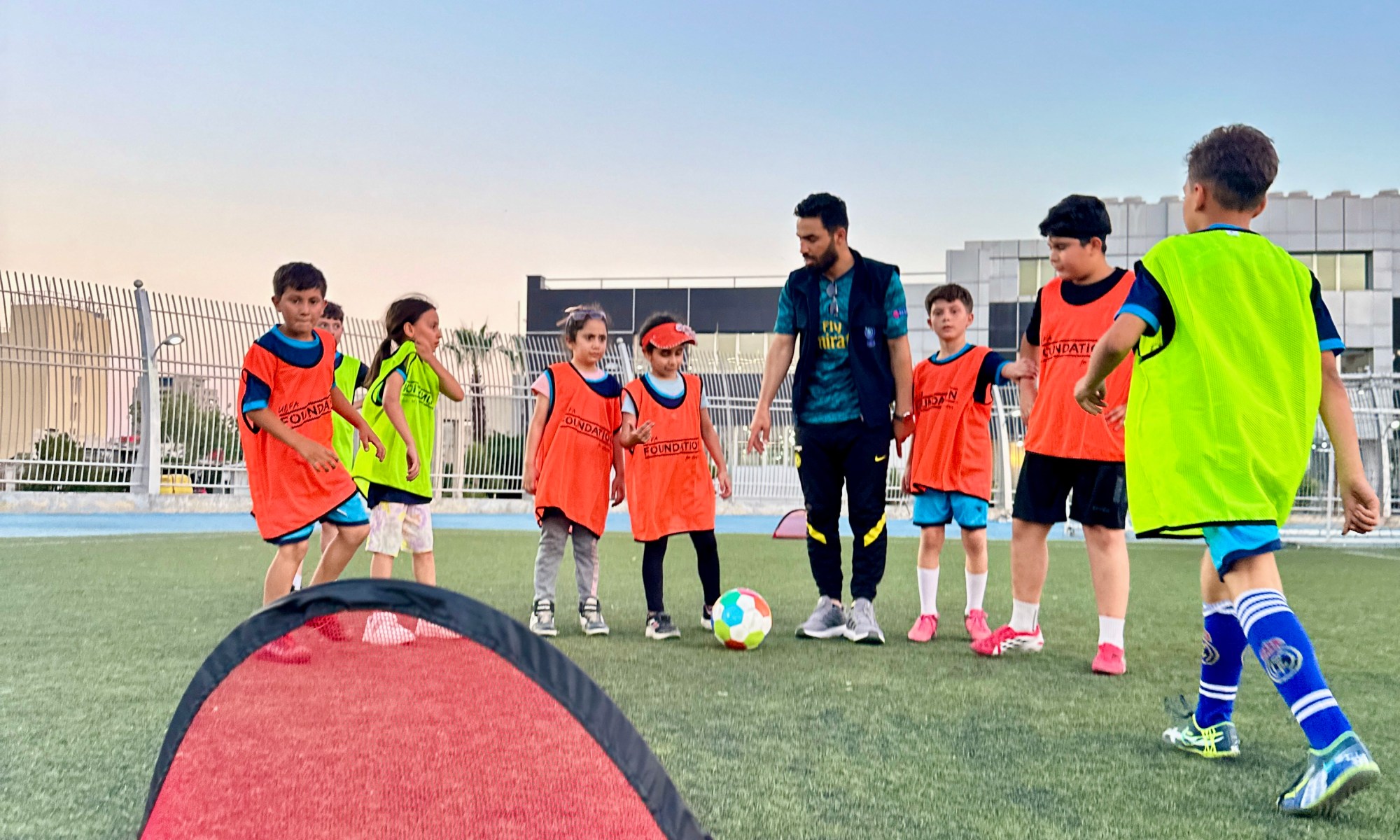
As an official sponsor of the UEFA Champions League during the 2021–2024 cycle, FedEx extended its commitment beyond commercial sponsorship to include a robust social responsibility programme. This initiative spotlighted key social issues in the host cities of the UEFA Champions League finals: Paris in 2022, Istanbul in 2023, and London in 2024. Through the Championing an Inclusive Future through Football programme, FedEx provided financial support to non-profit organisations that use football as a platform to promote inclusivity and social cohesion within local communities.

Building on this success, FedEx will continue its engagement for the 2025–2027 cycle, supporting projects in the UEFA Champions League final host cities: Munich in 2025, Budapest in 2026, and Madrid in 2027. This renewed commitment underscores FedEx’s dedication to creating lasting social impact through sport.

2025

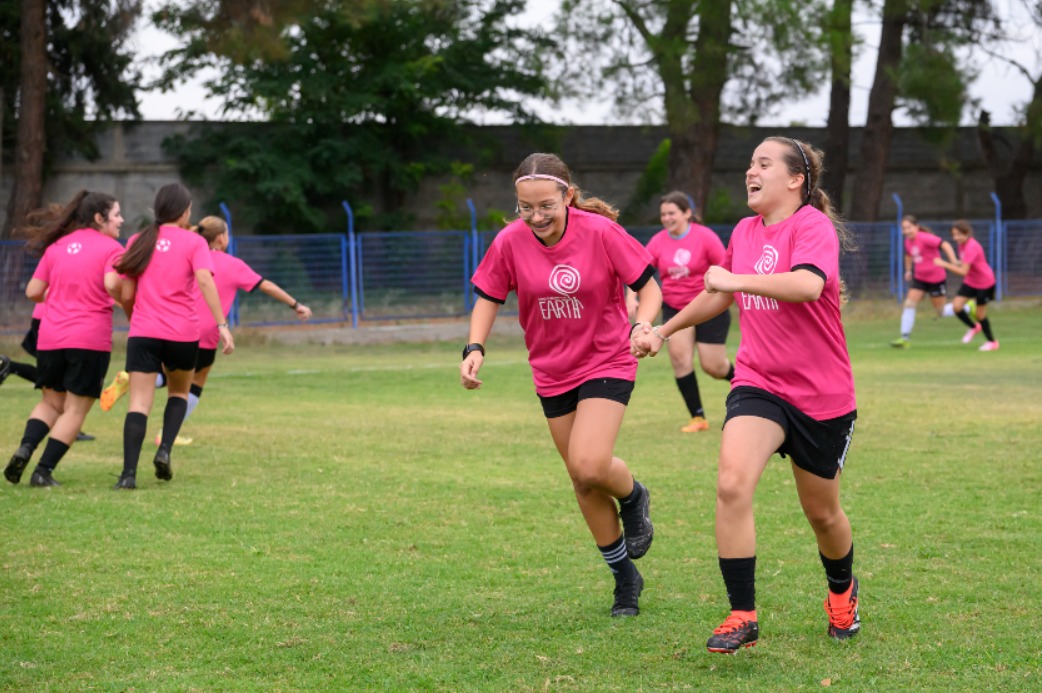
SCORING GIRLS* was founded in 2016 by former professional footballer Tugba Tekkal with the mission to empower girls* through football. While the work begins on the pitch, it goes far beyond sport, rooted in a strong pedagogical concept. The approach integrates five key competence areas—Teamwork, Self-efficacy, Resilience, Body Positivity, and Social Participation—into football training and educational activities.

Through this, participants not only enhance their athletic skills but also strengthen confidence, resilience, and personal development.

The target group includes girls* aged 8–18, with and without refugee or migration backgrounds, most coming from marginalised communities. SCORING GIRLS* currently operates at three sites in Cologne and four in Berlin, and in 2025 expanded to Munich in partnership with FC Bayern München.

2026


Project goals

2025

SCORING GIRLS*

  • Promote social participation and equal opportunities for girls
  • Build a strong, inclusive community and give visibility to strong role models
  • Empower girls* through competence development and mentoring for personal growth and responsibility.


Project content

2025

SCORING GIRLS*

Weekly Football Training

Core activity: weekly football sessions led by coaches and pedagogical staff. Training blends fun, education, and football to build confidence, resilience, responsibility, and teamwork. Feedback follows each session. Experienced girls (17 and older) act as peer mentors, fostering collaboration and role modelling.

Educational Activities

Beyond training, we offer vacation programs with matches, excursions, and workshops, as well as year-round tournaments and dialogues with inspiring figures from politics, media, culture, and sports.

Mentoring Programme

Launching in 2025: SCORING GIRLS* mentoring initiative with support from high-profile ambassadors (e.g., Nikeata Thompson, Fabian Reese, Lena Oberdorf) to enhance visibility and provide strong role models.

Public Relations & Networking

We actively promote SCORING GIRLS* to raise awareness and engage participants in advocacy, leveraging high-reach partners for stronger community impact.

Use of the FedEx/UEFA Foundation Grant

  • Infrastructure for the new Munich location
  • Staff and trainers
  • Transport costs
  • Events and workshops

Partners

FedEx_UEFA Champions_Lockup_Hor Pos RGB

Sports for Behaviour Change

Location and general information

Ongoing
Location Newham, London, United Kingdom
Start date 01/01/2026
End date 12/31/2026
Cost of the project €53,795
Foundation funding €39,731
Project identifier 2024001521
Partners Fight for Peace International
Categories Access to Sport - Employability - Healthy lifestyle - Personal development - Strengthening partnerships

Context

Newham’s young people face significant challenges, including high levels of poverty, exposure to violence and poor physical and mental health. Activity levels among children are low, childhood obesity is rising, and support services are overstretched. Statutory funding for youth organisations has stopped, while underemployment and low qualification levels among young people persist. The need for safe spaces, trusted mentors and positive opportunities has never been more urgent.

Project goals

Using sport as a catalyst for personal development and growth, the project motivates young people to improve their relationships, their self-image and perception of others and their vision for the future. Fight for Peace International will help participants to feel fitter, safer, less lonely and more confident. Coaches act as trusted mentors, and young people are encouraged to make better choices, try harder at school, set and achieve personal goals and interact with people from diverse backgrounds.

Project content

  • Fitness: inclusive boxing and martial art sessions for all abilities, including sessions for children aged 7 to 14, women and disabled and neurodivergent young people
  • Education: homework club and intervention programmes for at-risk young people
  • Employability: training, guidance and qualification support to build skills and encourage career progression
  • Youth leadership: weekly youth council meetings shaping the organisation’s work and decisions
  • Support services: one-to-one and group mentoring, including gender-specific support groups

Partner

Legacy for the Future: Changing the game for girls and women

Location and general information

Ongoing
Location Europe
Start date 07/01/2025
End date 07/01/2026
Cost of the project €800000
Foundation funding €400000
Project identifier 2025007
Partners adidas Foundation
Categories Access to Sport - Gender Equality - Healthy lifestyle - Personal development - Sponsors

Context

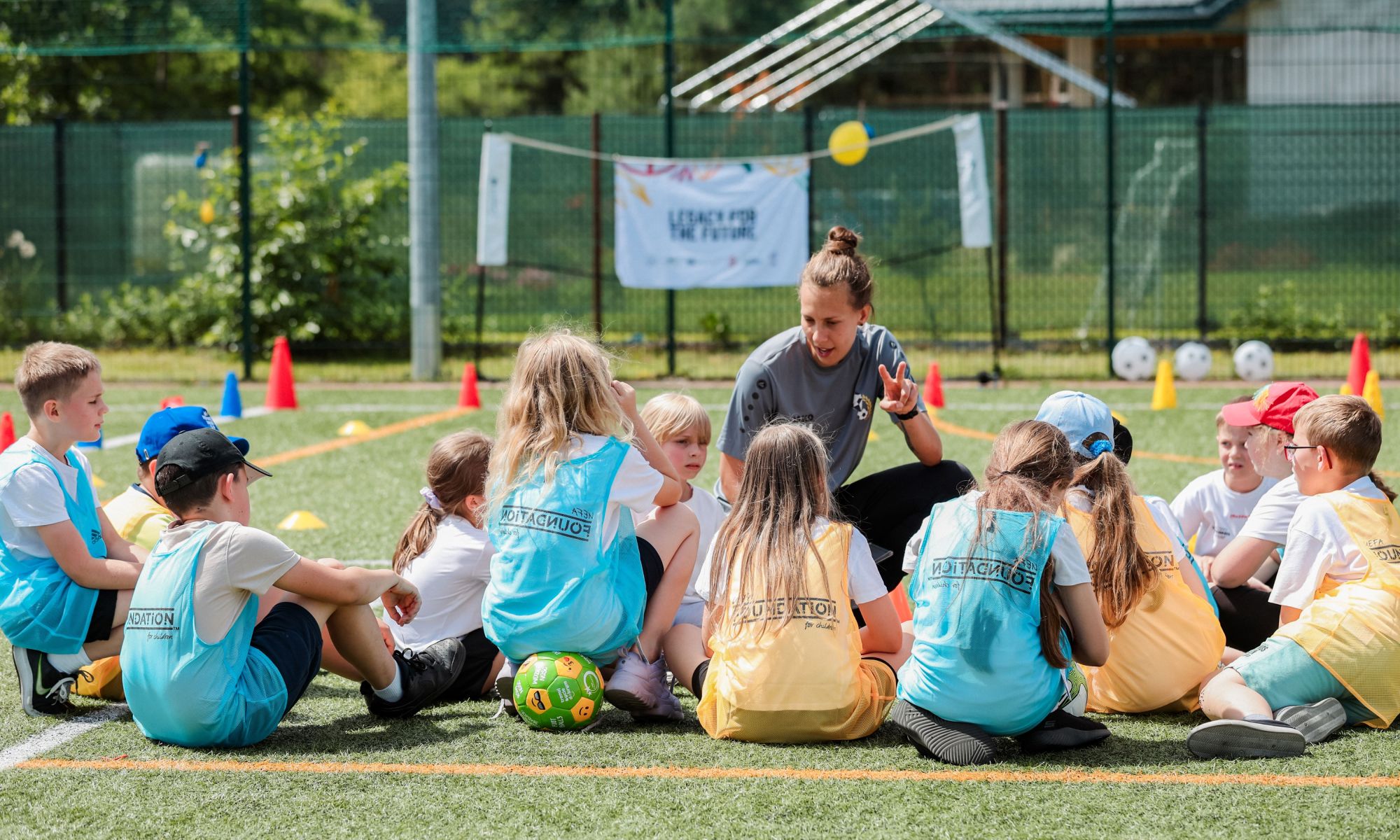
Legacy for the Future is a collaborative project initiated and funded by the UEFA Foundation for Children and the adidas Foundation, involving national football associations and local organizations. After a thorough RFP process, each of the 16 teams competing in the UEFA Women’s EURO 2025 was invited to select a gender equity project led by a local organization to champion in their home country. The Legacy for the Future program ensures financial support but also visibility, inspiration, networking, and capacity building. Legacy for the Future harnesses the power of women’s football to dismantle barriers and open doors for girls and women across Europe.

Project goals

The aim is to create a legacy that supports girls and women in claiming space, leadership, and recognition – not only in football but across all areas of life. Aligned with UEFA Women’s EURO 2025, Legacy for the Future is grounded in the belief that sport can be a powerful catalyst for social change, inclusion, and equity.

Project content

These are the gender equity projects led by local organizations that Legacy for the Future is partnering with.

  • Belgium: BX Brussels works with many girls from migrant and Muslim backgrounds, focusing on creating equal opportunities for women on and off the pitch and challenging stereotypes.
  • Denmark: Girl Power partners with young women refugees, immigrants, and marginalized communities in Denmark and across Europe to enable them to play football and take on leadership roles.
  • England: Rio Ferdinand Foundation supports young people from marginalized communities in the UK and Ireland, with a focus on increasing girls’ participation in sport.
  • Finland: Louhento Foundation develops a shared, nationallevel playbook and pilots inclusive football pathways for girls from ethnically diverse backgrounds.
  • France: Kabubu uses sport to support migrants’ social and professional growth through sport-based integration, childcare-inclusive activities, and creating safer spaces.
  • Germany: Safe Hub advocates for gender equity in sport, creates safer spaces for collaboration, and supports young girls from marginalized communities in Berlin’s Wedding district to play football.
  • Iceland: Bergið headspace offers mental health education and support to young players, promoting positive communication and well-being in sport.
  • Italy: ASD Balon Mundial helps young women and nonbinary people develop soft, social, emotional, and leadership skills through sport.
  • Netherlands: Klabu Foundation connects refugees and locals in Amsterdam through sport, removing barriers for girls and women to move, play, and thrive.
  • Norway: Rosa Sko creates safer, peer-led football spaces for girls from marginalized communities and builds pathways for young female coaches.
  • Poland: Trenuj Bycie Dobrym collaborates with schools across Poland to connect girls with women football role models and helps women’s clubs recruit girls for training and feel supported by students and teachers.
  • Portugal: Integrated Dreams promotes the inclusion of professionals living with disabilities, especially women, in the football industry by developing personal and professional skills.
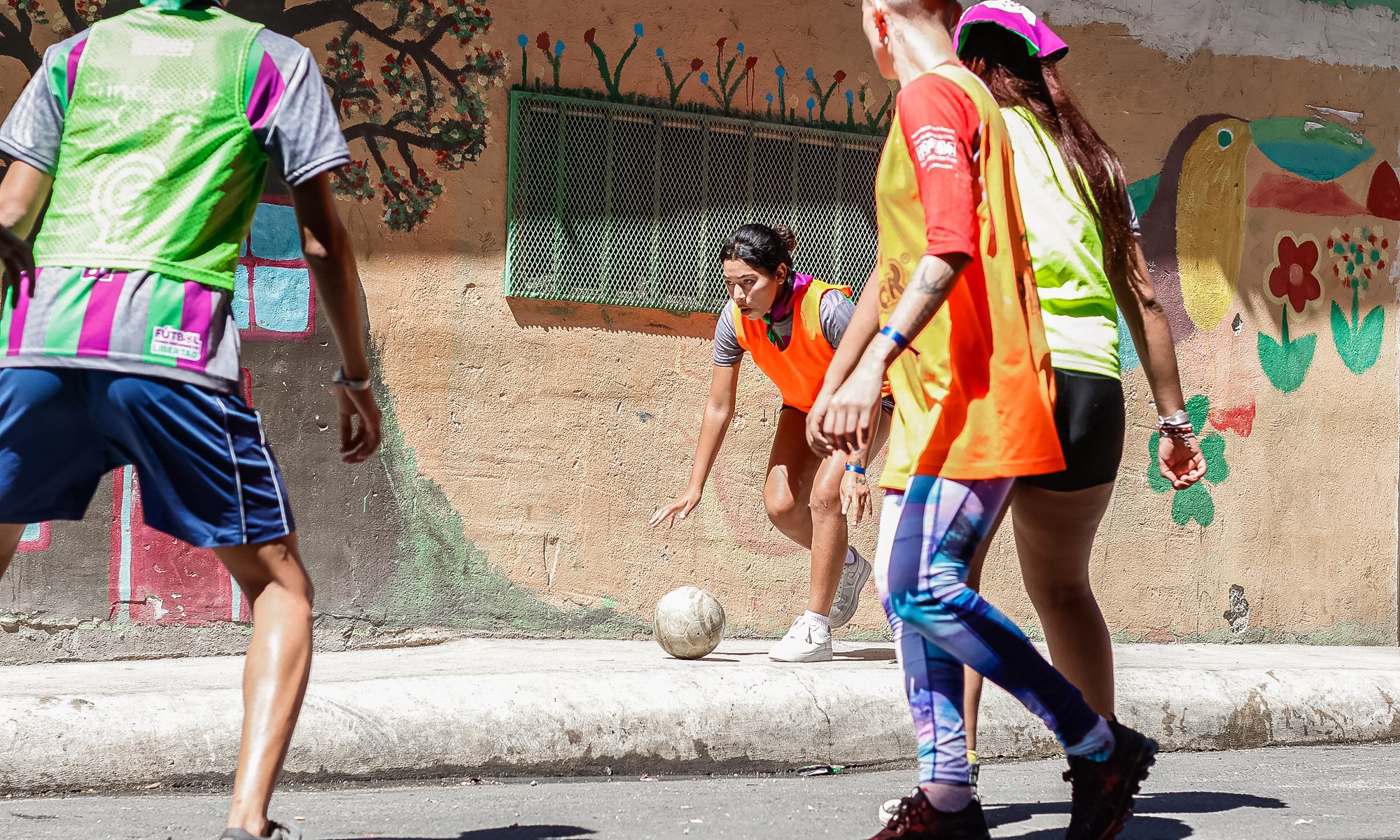
  • Spain: Fútbol Más uses football to help girls in Madrid and Seville, who are facing social and economic exclusion grow as players and people.
  • Sweden: En Frisk Generation aims to get girls traditionally excluded from sport to play, feel seen and heard, and learn leadership skills.
  • Switzerland: The Swiss Academy for Development uses football in a dedicated project to strengthen learning, inclusion, and well-being among children who face systemic barriers to education and sports.
  • Wales: Cymru Football Foundation improves off-field facilities for women and girls across Wales, helping create a safe, welcoming, and inspiring space for grassroots players to thrive.

Partners

Rouge et Bleu school at Necker children’s hospital

Location and general information

to be started
Location Paris, France
Start date 10/01/2025
End date Ongoing
Cost of the project €950,000
Foundation funding €100,000
Project identifier 2024000405 
Partners PSG for Communities
Categories Access to Sport - Children with disabilities - Gender Equality - Infrastructure and equipment

Context

PSG for Communities takes advantage of Paris Saint-Germain’s huge popularity among young people to promote their inclusion and foster their healthy social development. It has created the Rouge et Bleu school – an innovative educational tool based around education, sport for health, and culture – in order to provide hospitalised children with a solid foundation for well-being and success. 

Project goals

  • Organise various fun, educational daytime or after-school sports activities adapted to the children’s medical needs and limitations  
  • Bring hospitalised and non-hospitalised children together so that they can understand and learn from each other 
  • Inspire a love of learning among children and teach them values of tolerance and openness 

Project content

The Rouge et Bleu school welcomes two groups of 16 children at a time, with activities adapted to individual needs. The programme is designed to: 

- Give children in hospital a chance to take part in cultural and sports activities 

- Provide opportunities to take part in individual and team sports 

- Offer activities that the parents of hospitalised children can take part in as well as supervised activities with care staff on hand 

Partners

Education and sport for vulnerable children in Afghanistan

Location and general information

Ongoing
Location Kabul, Nangarhar and Parwan provinces, Afghanistan
Start date 01/01/2025
End date Ongoing
Cost of the project €316,230
Foundation funding €75,000
Project identifier 2024001460
Partners Action for Development (Switzerland)
Categories Access to Sport - Conflict victims - Employability - Gender Equality - Healthy lifestyle - Personal development - Strengthening partnerships

Context

Afghanistan has experienced over five decades of conflict, violence and systemic inequality, leading to significant loss of life, displacement, poverty and food insecurity.  

Since the Taliban's takeover in August 2021, the situation has deteriorated further, particularly for women and girls, who face severe restrictions on their rights to education, work and participation in public life. Afghanistan is the only country in the world where girls aged 13 and over are denied access to formal education.  

These developments have been accompanied by a rise in gender-based violence, including forced marriages, trafficking and child labour, leaving women and girls in a state of even greater vulnerability. 

School closures threaten to create a generation of illiterate women and girls and fuel cycles of poverty and social inequality.  

Education and physical activities such as sport are vital to address these challenges. They not only counteract the destructive effects of conflict but also foster resilience, self-confidence and hope among children, helping them overcome the mental and social scars of prolonged oppression. 

Project goals

Overall objective 

Reduce poverty and child labour by educating and improving the quality of life of children in Afghanistan and equipping them to support themselves as they enter adulthood 

Specific objectives 

  • Provide access to quality education and food to 750 children through centres for street-working children and home-based schooling 
  • Improve the life skills and resilience of children aged 13 and over with a focus on improving gender parity  
  • Provide vocational education and training to 50 students 

Project content

The project will focus on providing education and sports opportunities to two main groups in Kabul, Nangarhar and Parwan provinces: out-of-school street-working children aged 6 to 13 (boys and girls) and out-of-school girls aged 13 to 17, fostering resilience in the face of ongoing adversity, promoting mental well-being and equipping them with the tools needed to build a brighter future.  

AfD provides semi-formal education (basic literacy, numeracy, sport, computer literacy), food, psychosocial support, football training, health checks and vaccinations to the young street-working children, remote schooling from home for girls aged 13 and over, and various vocational training options. All education centres are designed to be within walking distance for the beneficiaries. 

AfD develops special training and online learning methodologies to ensure access to education and improve digital literacy skills and confidence with education technology. 

Teachers are given training, support with school supplies, internet access, a high-quality, flexible curriculum and a teaching platform for remote schooling.  

AfD will build relationships with universities to promote scholarships for vulnerable girls, and will continue to advocate for and provide English language classes to broaden Afghan students’ access to global educational platforms, many of which are available only in English. 

As well as English and computer classes, AfD teaches about children’s and human rights, the realities of child and human trafficking, coping mechanisms, mental stress and resilience. 

Partners

The Green Side – football against crime in Medellin 

Location and general information

Ongoing
Location El Pinar and El Limonar, Medellin, Colombia
Start date 01/16/2025
End date Ongoing
Cost of the project €109,128
Foundation funding €85,049
Project identifier 2024000488 
Partners Ankla Foundation
Categories Access to Sport - Conflict victims - Gender Equality - Healthy lifestyle - Personal development

Context

Gang-related crime is a growing problem across the world. Known as the capital of violence and cocaine use, the Colombian city of Medellin is home to over 100 gangs that recruit teenage children to carry out criminal activities (murder, drug dealing, armed robbery, prostitution, etc.). Football has been found to be highly effective in protecting young people in vulnerable neighbourhoods against recruitment by armed gangs.   

Project goals

  • Prevent children being recruited by criminal gangs  
  • Promote social transformation and peaceful coexistence in vulnerable neighbourhoods
  • Improve children’s physical and mental health  
  • Promote children’s rights and psychosocial care  
  • Empower children and foster their personal development  

Project content

The project will reach 320 children (30% of them girls) in two vulnerable neighbourhoods in the outskirts of Medellin, with the following activities run in each one by football coaches, psychologists and social workers:  

  • Five weekly football training sessions
  • Participation in different leagues 
  • Eight psychosocial workshops a month for children and/or families, promoting psychological well-being, social cohesion and non-violent conflict resolution 
  • Individual psychosocial support when required, for example for victims of domestic abuse and children who are struggling academically 

Partners

Goals for children, equity and the environment

Location and general information

Ongoing
Location Nicoya Peninsula, Puntarenas, Costa Rica
Start date 09/14/2020
End date Ongoing
Cost of the project €210,000
Foundation funding €20,000
Project identifier 2024000308
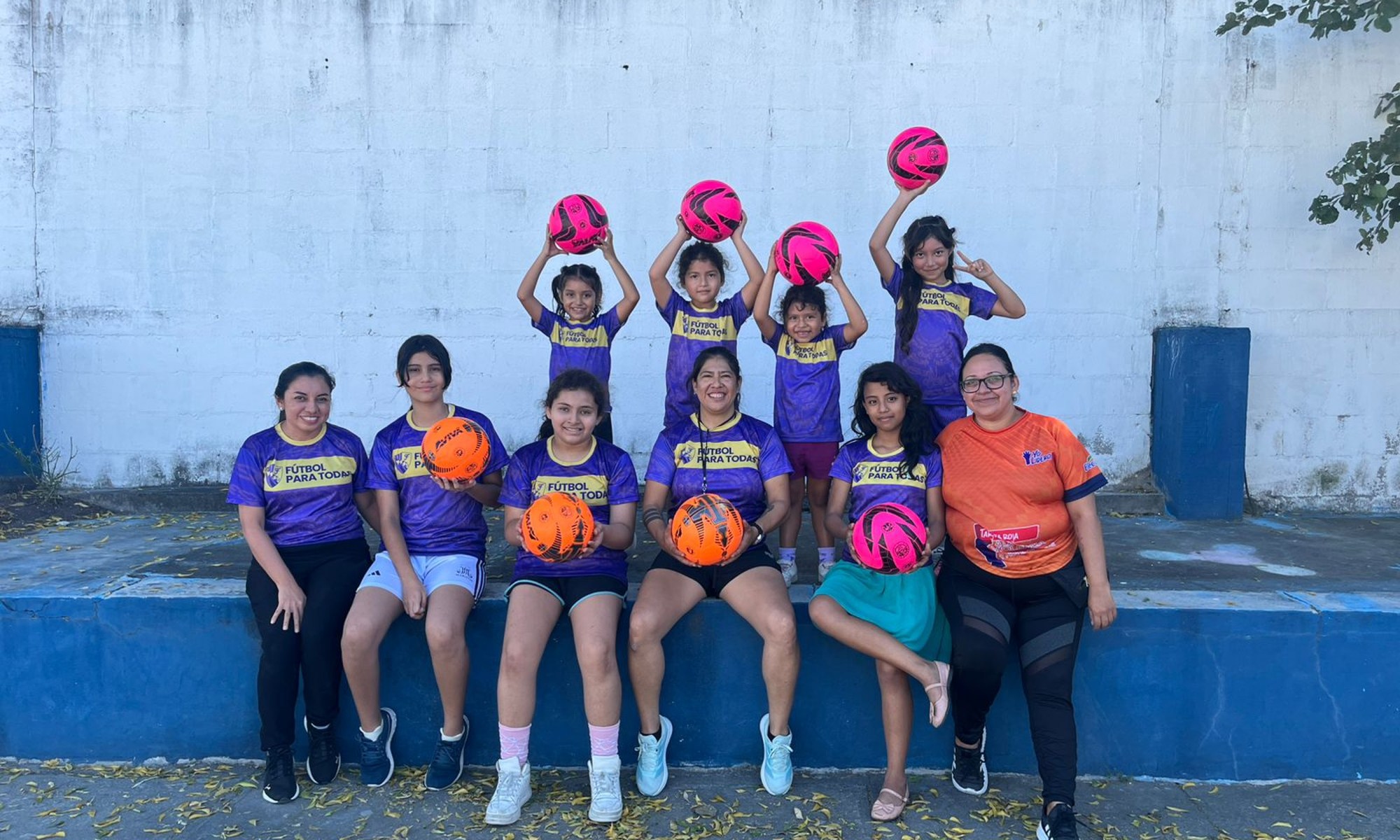
Partners Fútbol por mi país
Categories Access to Sport - Employability - Environmental protection - Gender Equality - Personal development

Context

Costa Rica faces several economic, social and environmental challenges that are hindering its growth and development. Rural areas and marginalised communities, especially women and children, are disproportionately affected. 

Project goals

  • Empower and educate children through football, giving them the tools needed to make informed life choices so that they can build a better future for themselves and their community 
  • Expand our programme within the communities that we currently serve to increase overall participation, including at least 40% girls and women, and to ensure more consistent attendance from all participants 
  • Encourage more parents and guardians to take part in our monthly family workshops 
  • Extend our reach to neighbouring communities such as Las Delicias and Valle Azul 
  • Offer more environmental activities such as beach clean-ups and recycling drives in partnership with other organisations to encourage people to be more environmentally conscious and empower them to make a difference 
  • Organise a tournament on the Nicoya Peninsula to increase engagement and promote the benefits of our programme 

Project content

Fútbol X Mi País (FxP) is a free after-school programme that offers children a safe space to learn, socialise and exercise. We use an approach developed by Fútbol con Corazón Colombia that combines football with learning and skills development to achieve our goals. The programme is centred around four fundamental values: honesty, tolerance, respect and solidarity. FxP also encourages participants to be environmentally conscious and take care of community assets. 

Our coaches work with teachers to ensure that programme participants are enrolled in school and we encourage parents and local businesses to get involved.  

  • Learning through football 

Certified coaches run eight to ten monthly sessions that promote personal development and life skills training through football. After each 90-minute session, participants discuss and reflect on what they have learnt to deepen their understanding of the topic. Local businesses, parents and volunteers prepare snacks, fostering a sense of community. 

At the end of the year, participants take part in a life project that encourages them to imagine and build a better future for themselves and their communities. 

Each year we focus on the programme’s fundamental values of honesty, tolerance, respect and solidarity, while also teaching teamwork, non-violence and gender equality, healthy and responsible sexual relationships and drug and alcohol awareness.  

  • Inclusive football matches  

We organise two inclusive, non-traditional football matches a month. Participants decide on the match rules and then play in mixed teams without a referee. They are responsible for following and enforcing these rules to ensure a fair and respectful game. After the match, they evaluate and assess their behaviour, which helps them to embody these values and learn from the experience. 

  • Family workshops 

Once a month, our coaches meet with the participants’ families to discuss and review the work being done on the field and to help families gain a deeper understanding of the methodology behind our programme.  

During the sessions we address any concerns about the participants’ education and give the families tasks to complete at home, creating meaningful opportunities to apply and reinforce what the children have learned in their daily lives. We also use these sessions to encourage parents to volunteer and support our coaches. 

  • Environmental education sessions and sustainability activities  

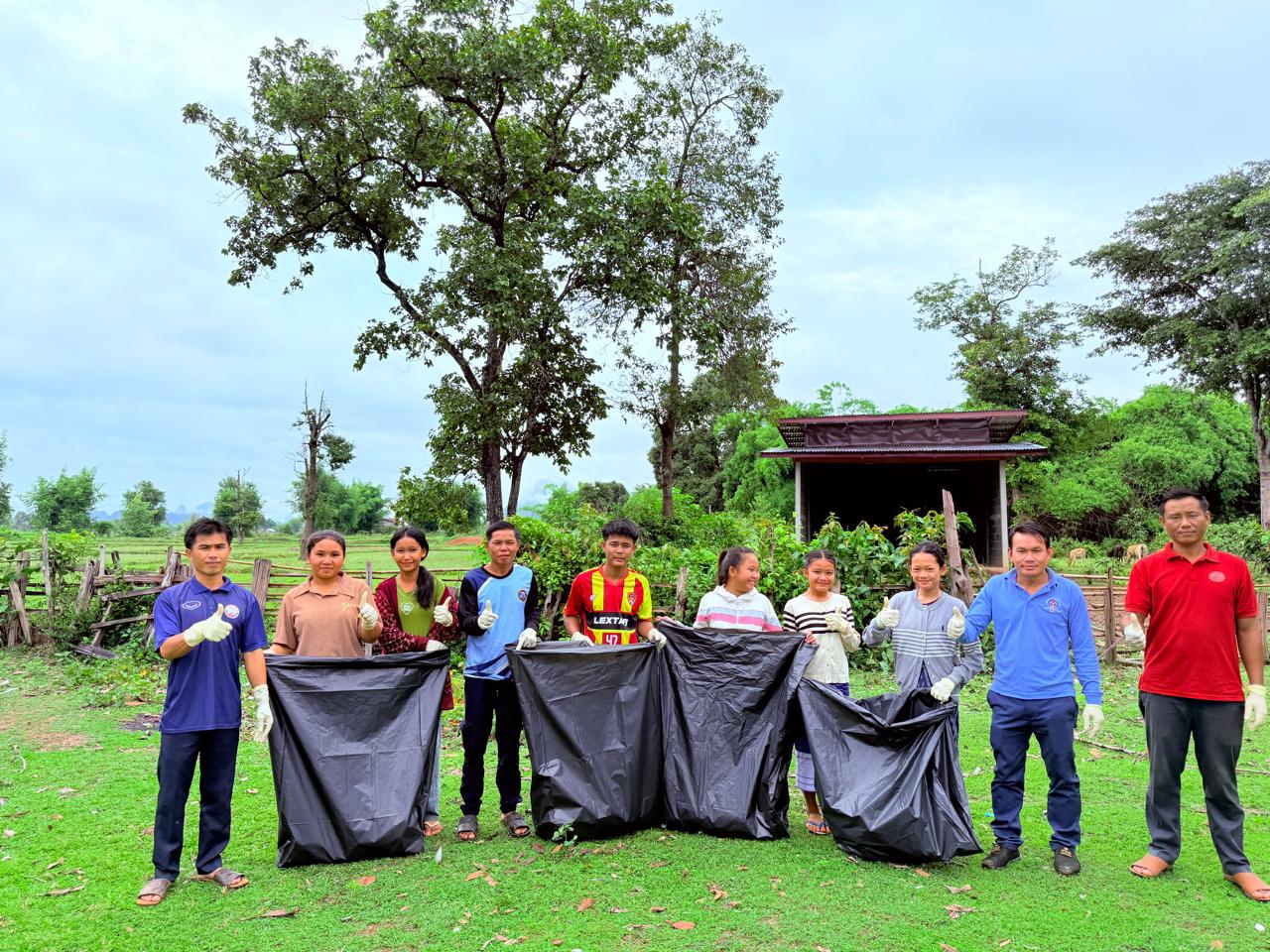
We organise public clean-ups of football fields, parks, streets and beaches alongside football practice to benefit our community. We also run educational workshops on the importance of recycling and reducing our environmental impact. These activities encourage environmental awareness, empower participants and help to maintain the beauty of our public spaces. Some of the beaches we have cleaned have been awarded the prestigious Blue Flag status. This recognition strengthens community pride and fosters a sense of shared responsibility for the environment. 

  • Regional tournament   

We will organise a monthly regional tournament to engage new communities and football academies. This initiative will enable us to reach an additional 100+ children, fostering collaboration and participation among diverse groups, raising awareness of the benefits of our approach and ultimately contributing to children’s development in these communities. 

Partners

Bloomsbury Communities

Location and general information

Ongoing
Location London, UK
Start date 09/09/2024
End date Ongoing
Cost of the project €456,373
Foundation funding €47,505
Project identifier 2024000446 
Partners Bloomsbury Football Foundation
Categories Access to Sport - Children with disabilities - Conflict victims - Gender Equality - Healthy lifestyle - Personal development - Strengthening partnerships

Context

Only 44% of young people (and 41.9% of girls) from low-income households in the UK currently meet the government’s physical activity guidelines. Physical and mental health is therefore being put at risk, while systemic health and social inequalities are being exacerbated. Many young people simply cannot afford to play football, with girls, child refugees and asylum-seekers, and children with disabilities facing additional barriers.   

Project goals

  • Improve mental and physical health, social mobility and life opportunities for children in London’s most disadvantaged and deprived areas.  
  • Enable participants to form positive relationships with young people from other national, ethnic or socio-economic backgrounds   
  • Help participants feel more integrated into their communities   
  • Improve participants’ ability to understand and control their emotions   

Project content

The project will provide opportunities for young people, including refugee and disabled children, to take part in football programmes in housing estates, schools and community centres in deprived areas of London, creating hyper-localised ‘football communities’. The charity’s financial assistance and the accessible nature of activities will ensure that no child is turned away. 

Partners

This Is How We Football Oceania

Location and general information

Ongoing
Location Fiji, New Caledonia, Papua New Guinea, Samoa, Solomon Islands, Tahiti, Tonga, Vanuatu
Start date 01/10/2024
End date Ongoing
Cost of the project €260,000
Foundation funding €150,000
Project identifier 2024000633
Partners Oceania Football Confederation
Categories Access to Sport - Gender Equality - Healthy lifestyle - Personal development

Context

The Oceania Football Confederation (OFC) has been proactively using the power of football to support the well-being of individuals and communities across Oceania for nearly 20 years. Pillars of this work have been growing the game for girls, promoting gender equality and ending gender-based violence. Girls in the Pacific region experience barriers to football participation, inequalities in education and restricted access to health services and decision-making processes. Research shows that 64% of ever-partnered women aged 15 to 49 have experienced physical or sexual violence inflicted by an intimate partner in their lifetime. Furthermore, over 50% of community stakeholders – whether male or female – would not take action in public to support women and girls in playing sport. 

Project goals

OFC’s This Is How We Football (TIHWF) programme is strategically designed to address these social challenges through football by creating opportunities to join safe football environments, build capacities and open pathways for lifelong engagement with supportive communities. TIHWF focuses on creating sustainable change at individual, organisational and community levels through regional and national communications, policy and strategy development, training and education and high-quality programme delivery.  

The TIHWF project aims to build safe, inclusive football environments that engage youth participation and decrease gender inequalities and gender-based violence throughout communities. This is achieved through: 

  • increasing the number of girls playing football by creating safe spaces where they can experience the game; 
  • training adults involved in football, thus increasing knowledge on how to implement best safeguarding practices, advocate for gender equality and access gender-based violence prevention services; 
  • supporting emerging leaders in all areas of football to advocate for social change;  
  • amplifying key messages through local and regional advocacy campaigns. 

Project content

TIHWF provides weekly female-only sessions in schools and communities over a period of eight weeks. The sessions promote respect, leadership, health, safety and how to respond to violence. The programme is delivered in eight countries across Oceania. 

The OFC also facilitates a regional ‘training for trainers’ for TIWHF coaches and coordinators. These trainers then deliver courses for coaches in their countries to ensure that programme personnel are able to implement safeguarding practices and programme activities and communicate key messages.  

TIHWF serves as a platform to amplify, through media campaigns, the key messages of gender equality and ending violence against women and girls, while building partnerships and increasing the visibility of women in football.  

Partners

Sports for Resilience and Empowerment Project (SREP): Primary school construction

Location and general information

Ongoing
Location Masindi district, Uganda
Start date 02/15/2025
End date Ongoing
Cost of the project €300,000
Foundation funding €170,000
Project identifier 2024000336
Partners Aliguma Foundation
Categories Access to Sport - Children with disabilities - Conflict victims - Employability - Environmental protection - Gender Equality - Healthy lifestyle - Infrastructure and equipment - Personal development - Strengthening partnerships
Context

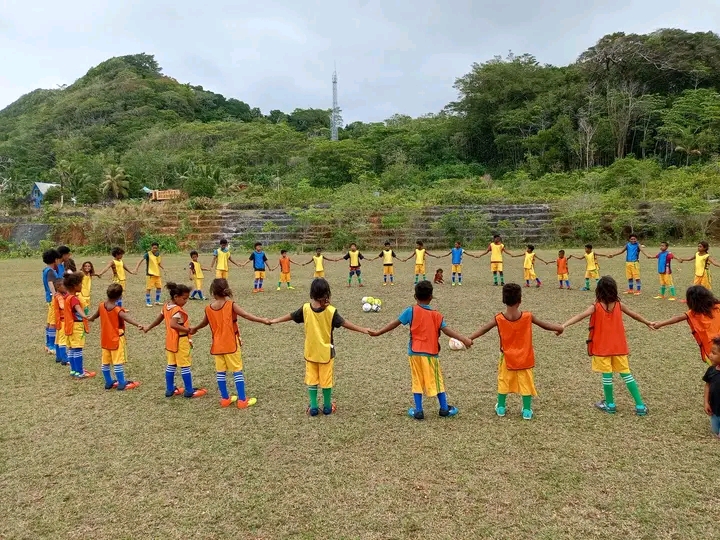
The situation in Masindi district reflects the challenges faced by rural areas in Uganda, where access to quality education is severely limited. Many children attend overcrowded and under-resourced schools with high dropout rates and poor academic performance. In addition, the socio-economic conditions are such that children are often forced to prioritise labour over education, leaving many without the skills and knowledge they need for a better future. 

This project addresses the shortage of adequate infrastructure, trained teachers and teaching materials, breaking the cycle of poverty by investing in the future of the region's children. 

Project goals

  1. Build a modern primary school: establishing a well-equipped and safe teaching facility and an environment that is conducive to learning for children in rural Masindi
  1. Enhance access to quality education: ensuring that children in the region have access to quality education, reducing the barriers associated with inadequate infrastructure and resources
  1. Promote social inclusion: creating opportunities for all children, including those from disadvantaged backgrounds and with special needs, to get an education and participate fully in their communities
  1. Improve educational outcomes: improving schoolchildren’s academic performance and overall development by providing better learning conditions, teacher training and educational materials
  1. Empower the community: engaging the local community in the development and maintenance of the school, fostering a sense of ownership and responsibility 
  1. Support holistic development: integrating sport and extracurricular activities into the school curriculum to promote physical health, teamwork and life skills
  1. Reduce dropout rates: addressing contributing factors and creating a supportive and engaging school environment
  1. Strengthen teacher capacity: providing training and resources for teachers to improve the quality of instruction and support effective learning
  1. Promote gender equality: ensuring that girls have equal access to education and opportunities, contributing to gender equality and empowerment
  1. Foster sustainability: developing strategies to support the school’s long-term sustainability and lasting impact, including community involvement and partnerships

Project content

  • Planning and construction of a primary school in the Masindi district of Uganda
  • Teacher training and curriculum development
  • Provision of teaching materials and other resources
  • Community engagement and outreach

Partners

She Should Play

Location and general information

Ongoing
Location Bangui, Central African Republic
Start date 02/01/2025
End date Ongoing
Cost of the project €14,733
Foundation funding €14,733
Project identifier 2024001462
Partners iACT
Categories Access to Sport - Conflict victims - Gender Equality - Infrastructure and equipment - Personal development - Strengthening partnerships
Context

Nearly one third of the Central African Republic’s population has been displaced by violence, and even those not displaced have been affected by the ongoing conflict. Women and girls continue to face gender inequity and disempowerment, including in sport. For example, they have very few opportunities to play football, because it is still considered a male sport. The impact of this exclusion reverberates through girls’ lives, affecting how they see themselves in the world. 

Project goals

  • Increase the number of girls playing organised football in Bangui 
  • Break down barriers that block girls’ access to football 
  • Change perceptions around girls in football 

Project content

  • Football camp run by the Refugees United Football Academy for girls aged 8 to 17  
  • Workshops with parents and teachers 
  • Hiring female coaches 
  • Providing equipment and hygiene products for participants 
  • Closing exhibition match and community celebration 

Partners

ADEC – promoting children’s education and personal development through sport

Location and general information

Ongoing
Location Calheta, Santiago (Cape Verde)
Start date 05/05/2020
End date Ongoing
Cost of the project €108,510
Foundation funding €30,000
Project identifier 2024000879
Partners Cabo Verde Stiftung für Bildung (Foundation for Education)
Categories Access to Sport - Employability - Gender Equality - Personal development - Strengthening partnerships

Context

In Cape Verde, in particular the Calheta region on the island of Santiago, young people face high levels of poverty and limited opportunities.  Many children live in precarious conditions without access to adequate education or academic support. Families lack resources, which limits their children’s access to academic support, sport and leisure activities. These inequalities hinder the personal and professional development of young people, who have no chance of a sustainable future. This affects girls and young women in particular. 

The ADEC project (Academía do Desporto, Educação e Cultura – the Academy of Sports, Education and Culture) aims to reduce these inequalities by meeting the educational and social needs of a community that has too often been marginalised, and by offering girls in particular support so as to promote equal opportunities. 

Project goals

The Cabo Verde Foundation for Education supports several educational projects so as to improve the future prospects of children and young people in Cape Verde. It also aims to empower girls and promote equal opportunities.  

ADEC combines education and sport to break the cycle of poverty and to offer new opportunities to children from disadvantaged backgrounds, particularly girls and young women.  

Together, these projects support young people in Cape Verde with their personal and professional development in order to achieve the following goals:
 

  • improve access to education through quality academic support programmes and tutoring for disadvantaged children 
  • encourage girls to participate in sport, particularly football, to promote gender equality 
  • improve youth employability through training and academic support 
  • create a structured framework that promotes personal development through sport and education 

Project content

  • Educational support and tutoring
    Pupils receive daily academic support, notably IT lessons to develop their digital skills and tutoring to improve their school grades. ADEC complements rather than replaces school. These academic support sessions are compulsory for any child or young people wishing to participate in the project’s other activities. 
  • Sport, personal development and inclusion
    Football is used as an educational and social tool to teach discipline, teamwork and perseverance. Girls, often marginalised in sporting activities, are actively encouraged to participate. They form teams and enter local, regional and national competitions, thereby boosting motivation and engagement among the members. 
  • Nutrition
    Every child receives one healthy meal a day, which ensures that their nutritional intake is sufficient for their well-being and concentration. 
  • Raising awareness and workshops
    Topical workshops tackle key issues such as preventing drug abuse or sexually transmitted diseases, all while encouraging gender equality and environmental awareness. ADEC also believes that it is very important to instil values and promote healthy social interactions. 
  • Transport
    A transport service has been set up to allow children, especially the very young, to access sporting and educational facilities. 


These initiatives combine to give children the necessary tools to build a better future, all while enhancing social cohesion within their community. 

Partners

Girls4Football

Location and general information

Ongoing
Location France, Germany, Italy, Spain, the United Kingdom and Switzerland
Start date 05/24/2024
End date 05/24/2025
Cost of the project €450,000
Foundation funding €-
Project identifier 20240001
Partners Mastercard and local implementing organisations
Categories Access to Sport - Children with disabilities - Gender Equality - Healthy lifestyle - Infrastructure and equipment - Personal development - Sponsors - Strengthening partnerships
Context

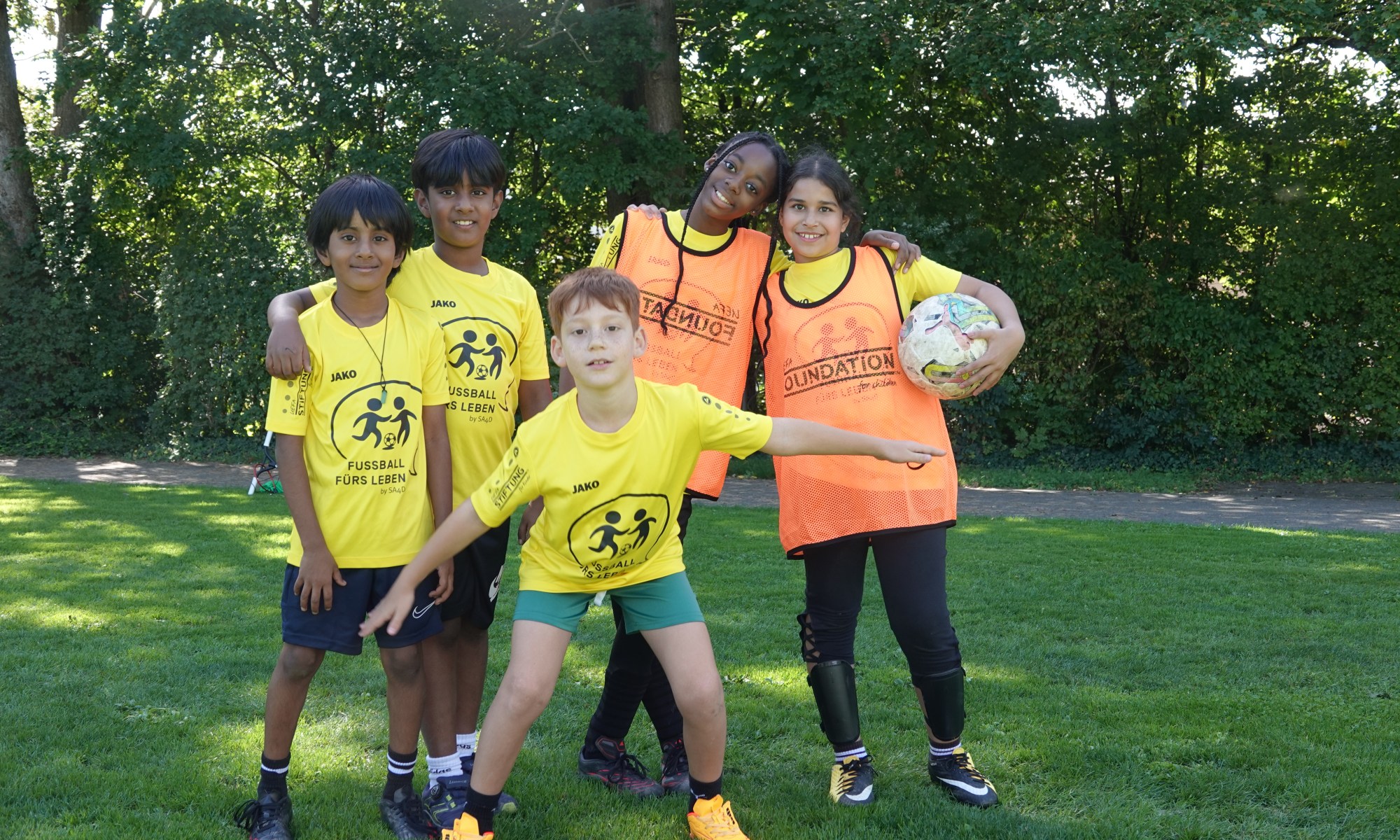
Girls4Football is a social impact initiative launched by Mastercard in partnership with the UEFA Foundation for Children. Rooted in the long-standing collaboration between Mastercard and the UEFA Champions League, the programme addresses the need for inclusive, empowering opportunities for young girls in Europe. It responds to the growing recognition that sports, particularly football, can be a powerful vehicle for personal development, social inclusion, and gender equality.

The initiative was officially launched on March 18, 2025, and is being rolled out in France, Germany, Italy, Spain, and the United Kingdom. It aims to reach over 1,000 girls aged 8 to 16 in its first year. This marks the beginning of a three-year project, with this being the first phase of the initiative.

Project goals

The primary goals of the Girls4Football programme are to:

  • Empower young girls through access to free football training and socio-educational activities.
  • Promote physical and emotional well-being through regular sports and leisure engagement.
  • Foster life skills such as teamwork, discipline, and resilience.
  • Enhance financial literacy by teaching participants how to manage money, budgets, and investments.
  • Encourage career aspirations in and around football, including roles off the pitch.

Project content

The programme includes a variety of components designed to support holistic development:

  • Football Training: Free, inclusive sessions focused on skill-building, teamwork, and fun, with a strong emphasis on encouraging girls to participate in sports.
  • Financial Literacy Course: Workshops and interactive sessions that teach essential money management skills, helping girls build a healthy relationship with finances from a young age.

Special Events:

  • Opportunities to serve as Mastercard Player Mascots at UEFA Champions League matches in cities like Paris, Munich, Milan, Madrid, and London.
  • Meet-and-greets with female football ambassadors who serve as role models.
  • Workshops with professionals such as nutritionists, physiotherapists, and referees to expose girls to diverse career paths in sports.

Local partners: To bring this initiative to life, Mastercard and the UEFA Foundation for Children have partnered with NGOs from the five countries:

Partner

Social reintegration of vulnerable children through sport

Location and general information

Ongoing
Location Romania
Start date 01/01/2025
End date 12/31/2026
Cost of the project €513,744
Foundation funding €100,000
Project identifier 2024000806
Partners Samusocial International
Categories Access to Sport - Personal development

Context

While child protection in Romania has improved considerably over the past two decades, many children in Bucharest remain socially excluded. These include children from discriminated minorities, those living with their families in informal settlements, youngsters on the streets who have often fallen into addiction, and children living in institutions with limited opportunities for integration.

Project goals

  • Foster the social and educational integration of children and young people living in institutions, on the streets or in squalid conditions through participation in sport
  • Provide children and young people with opportunities to increase their self-confidence, meet other young people, prevent violence, learn how to live together and develop their potential

Project content

  • Street work providing direct care and emergency aid to families and children living in informal settlements or on the streets in Bucharest
  • Collaboration with public and private reception centres to reach children living in institutions in at least two Bucharest districts
  • Sports training and competitions designed to motivate young people and help them develop life skills as well as respect for rules and other people

Partners

The dream starts here!

Location and general information

Ongoing
Location Italy, Sicily
Start date 01/01/2025
End date 12/31/2025
Cost of the project €90,000
Foundation funding €45,000
Project identifier 2024000370
Partners ASD Centro Olimpia Giarratana
Categories Access to Sport - Infrastructure and equipment

Context

Founded in 1984, the volunteer-driven club ASD Centro Olimpia Giarratana has long been nurturing the dreams of children in the Ragusa region of Sicily through football. Its facilities have deteriorated significantly over time and are now in urgent need of renovation.

Project goals

ASD Centro Olimpia Giarratana’s primary objective is to provide a safe and positive space for children to develop not only their athletic skills but also their confidence, discipline and teamwork. Their development as people takes priority over their development as football players. The club also aims to serve as a social and recreational hub for the community while also promoting physical activity.

Project content

The club provides football and volleyball activities for boys and girls, aged between 8 and 14 years old. The UEFA Foundation for Children’s funding will go towards replacing the worn-out artificial turf pitch, upgrading the dressing rooms and constructing a community bar area where parents can relax while their children play.

Partners

Ensuring continued access to education for Afghan girls

Location and general information

Ongoing
Location Afghanistan
Start date 02/01/2025
End date 01/31/2026
Cost of the project €235,079
Foundation funding €23,350
Project identifier 2024000956
Partners Right to Learn Afghanistan
Categories Conflict victims - Employability - Gender Equality - Healthy lifestyle - Personal development

Context

The circumstances remain dire for women and girls in Afghanistan following the Taliban’s takeover in 2021. According to estimates by UNICEF, 3.7 million children are out of school and tens of thousands of female educators have lost their jobs. According to the UN Development Programme, 85% of Afghans live below the poverty line.

Project goals

Overall objective

  • Ensure continued access to education, employment and essential supplies to students and their families

Specific objectives

  • Increase access to secondary education for Afghan girls
  • Improve the literacy and well-being of students and their families
  • Give Afghan children and their families access to free, high-quality resources in their own language to further their education and careers, and instil a love of reading and healthy lifestyles

Project content

To increase access to secondary education for girls who are denied access to formal education, the project will invite, assess and enrol new cohorts of Afghan girls into the Darakht-e Danesh (‘knowledge tree’) classroom programme.

The project will hire and train qualified Afghan teachers, with a priority on employing women. Additionally, students will receive internet data packages to ensure reliable access to online learning.

To enhance literacy and well-being among students and their families, the project will procure and distribute so-called ‘learning plus baskets’, which contain educational materials and food to support students’ academic performance and overall well-being.

Over a nine-month academic cycle, students will receive instruction in 11 subjects, with mid-term and final exams to track progress and ensure the desired learning outcomes are achieved. Grades will be given to reinforce a sense of achievement and accountability.

Right to Learn’s cherished Darakht-e Danesh library will continue to grow its collection of inclusive resources that promote active, healthy lifestyles, career development, lifelong learning and a love of reading.

Finally, a robust monitoring and evaluation framework will be used to assess the effectiveness of the programme, track student progress and refine activities to maximise impact.

Partners